Latest Articles

These Giant Grapes Will Change How You Shop for Fruit
A deep look at unusually large table grapes—what they are, why size matters, and how to buy, store, and use them to get more flavor and value from your grocery runs.

Palantir CEO: AI Will Destroy Humanities Jobs — What’s Next
Palantir's CEO recently warned that artificial intelligence could 'destroy' many humanities jobs. This article unpacks what that claim means, which roles are most exposed, how humanities skills can be reframed, and pragmatic steps workers, educators, employers, and policymakers can take to navigate the disruption.

How Wall Street Uses Jargon to Justify Sky-High Fees
Wall Street often cloaks routine services in technical language that creates authority, obscures costs, and shifts bargaining power. This article unpacks common financial jargon, explains the incentives behind obfuscation, and gives investors practical tools to push back and demand clarity.
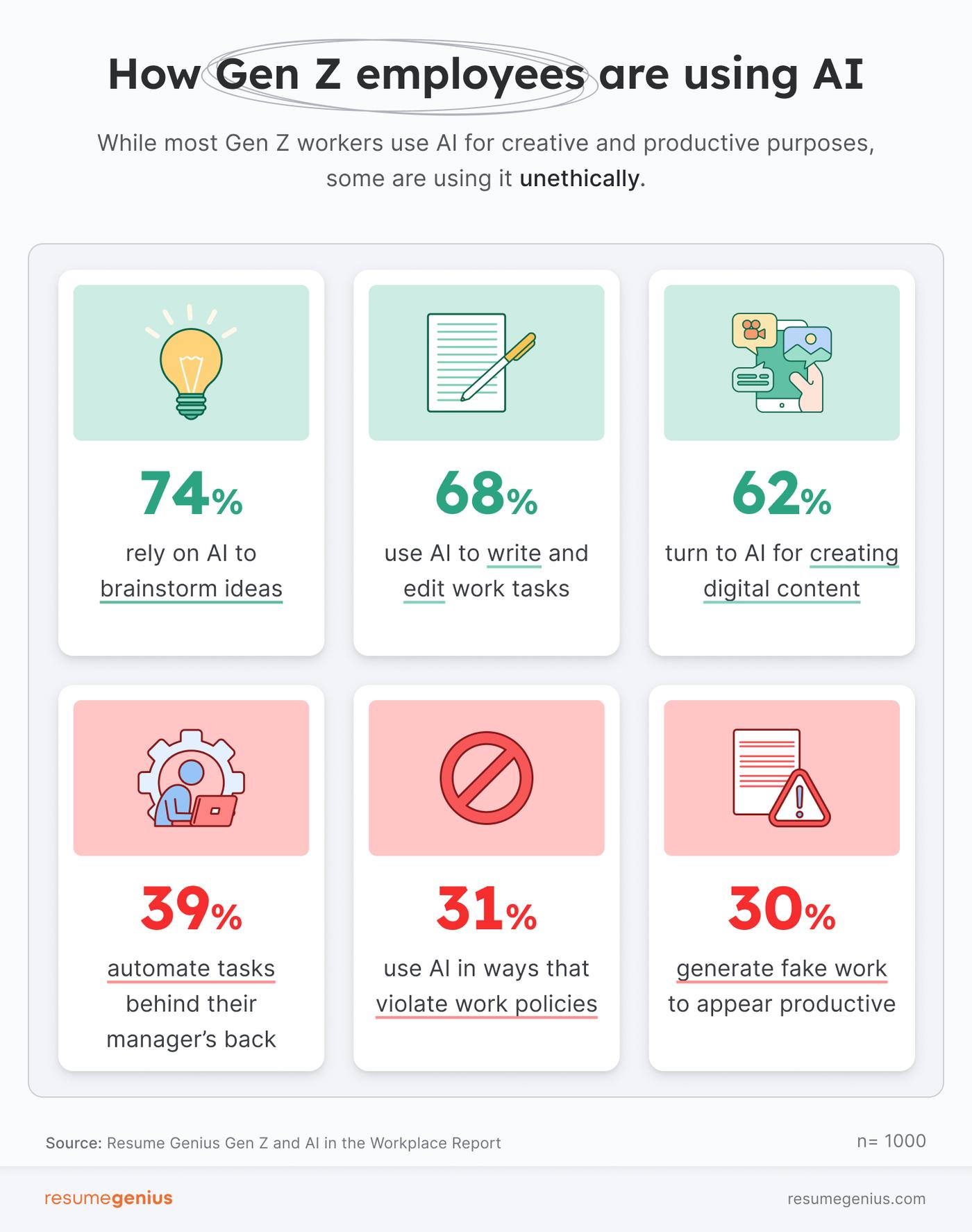
Why Gen Z Workers Are Sabotaging Company AI Rollouts
Many younger employees—especially Gen Z—are resisting and, in some cases, deliberately undermining corporate AI deployments out of fear for their livelihoods and distrust of leadership. This feature explains the motives, tactics, organizational failures that enable sabotage, and a practical playbook for leaders who want to fix it without losing talent.
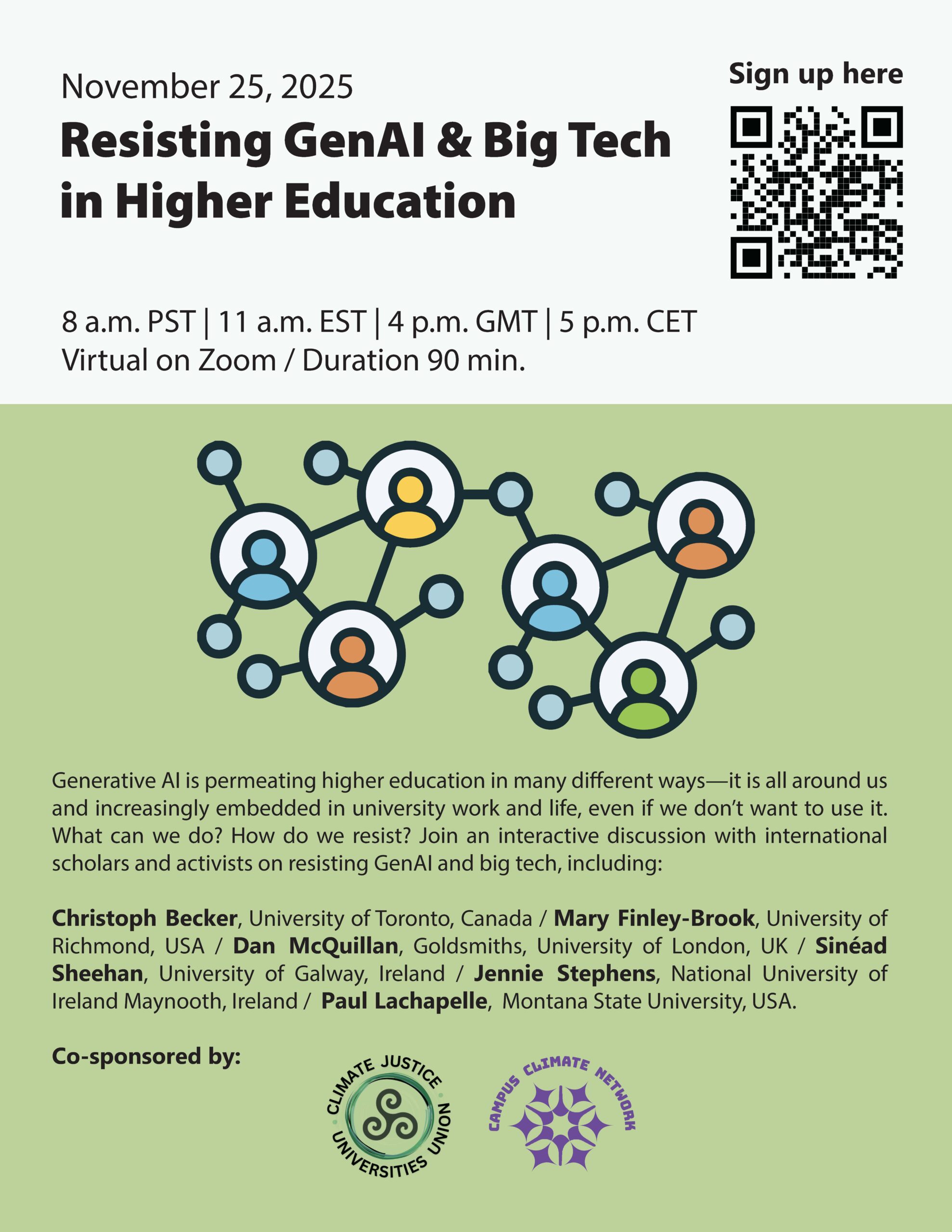
Why Gen Z Workers Are Resisting Their Company's AI Rollout
Gen Z employees are increasingly pushing back against corporate AI deployments—not out of technophobia, but from fear, mistrust, and a calculus about fairness and survival. This article explores motivations, real-world tactics, management missteps, and humane strategies leaders can use to reframe adoption and rebuild trust.
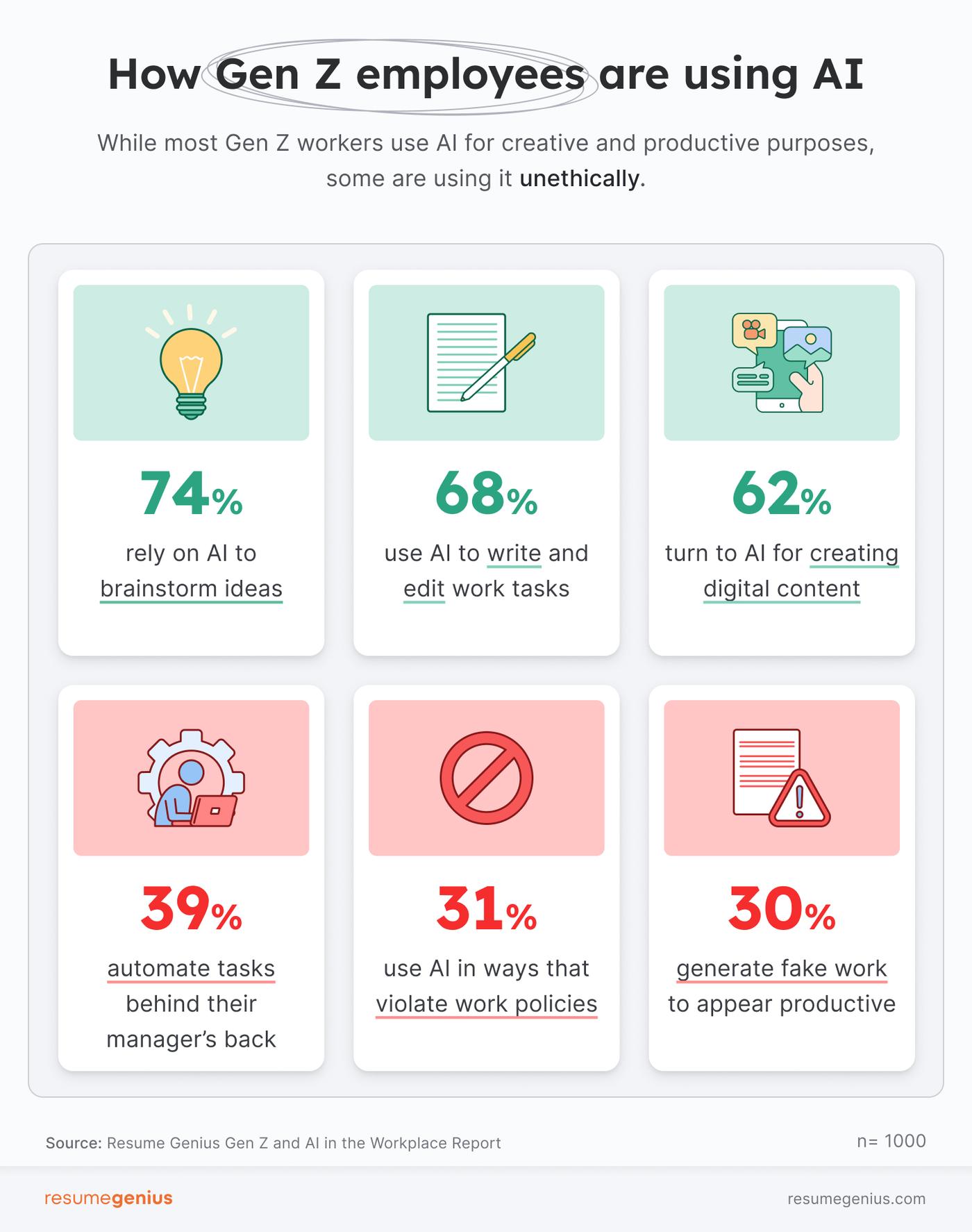
Why Gen Z Resists AI Rollouts: Fear, Sabotage and Trust
Gen Z workers are resisting—and in some instances undermining—AI rollouts not out of malice but from real fears about job security, ethics, and workplace agency. Understanding those drivers and practical responses can turn resistance into collaboration and more sustainable AI adoption.