
The Scientist Who Risked Everything for Discovery
The morning the alarms began, the ocean was a sheet of pewter glass. He had been awake since 03:00, checking instruments by the ship's dim lights while the rest of the team tried to sleep. Outside, waves breathed under the hull; inside, a web of cables, pumps and fragile hope hummed. What followed over the next ten hours would force choices between procedure and improvisation, between institutional caution and the raw insistence of one person's conviction that knowledge — and the lives that might depend on it — could not wait.
"I remember thinking: if I step back now, those organisms die with the submersible — and with them, a chance to change medicine."
The Lead: One Specimen, One Decision
Scientists collect data by asking the world difficult questions and then finding ways, often physical and sometimes moral, to get the answers. In this story, the question concerned microscopic life thriving where no light penetrates and where temperatures and pressures break every assumption of terrestrial biology. Hidden among black smokers and mineral chimneys are microbes that have evolved novel chemistries. Some of those chemistries later become the scaffolding of drugs, enzymes and technologies that help humans survive and heal.
But science is fragile. Instruments fail. Weather turns. Budgets run out. And when disaster meets opportunity, the decisions that follow can define a career — and in rare instances, alter the arc of knowledge. The man at the center of this piece refused to let opportunity die with an aging pressure hull.
Origins: Why He Went to Sea
Motivation
He was not drawn to danger for its own sake. Early photographs show a child covered in dirt, examining earthworms with a patience that foreshadowed a life devoted to small things that matter. By his mid-thirties he had traded terrestrial mud for the bitter salt of the deep ocean. His goal was pragmatic: find organisms that lived on chemical energy alone, understand their biochemistry, and look for compounds that could be turned into antibiotics or industrial enzymes.
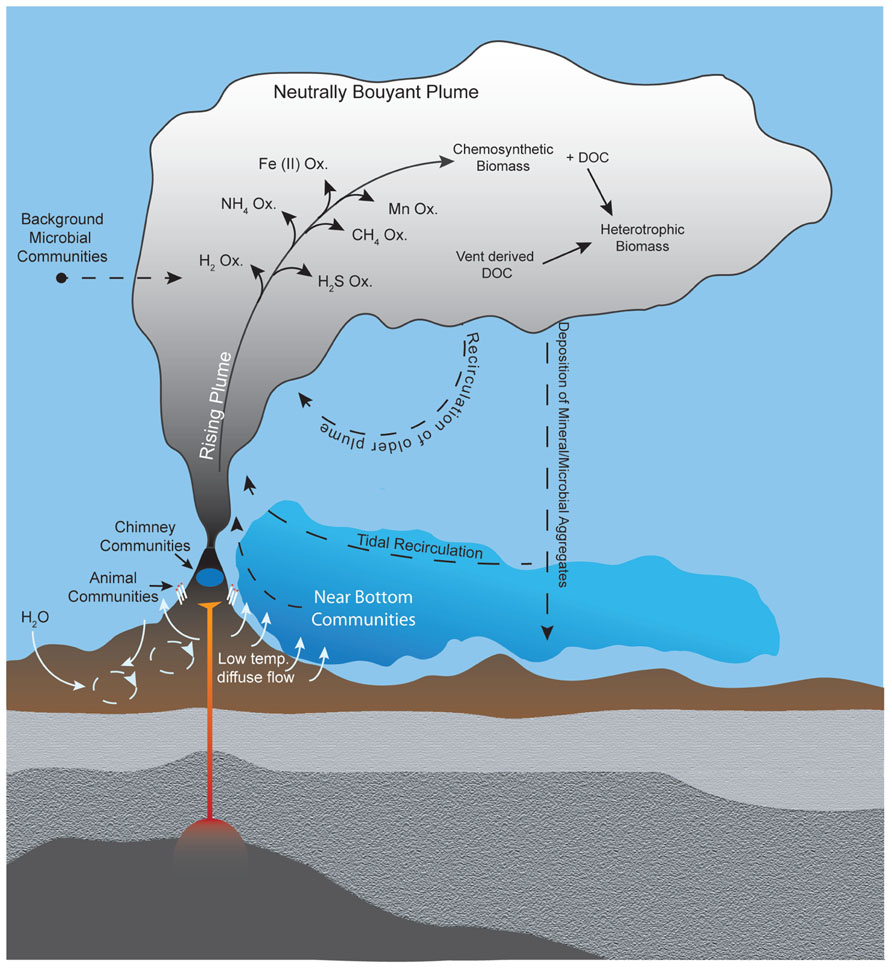
hydrothermal vent microbiologist
Preparation and Expertise
Years in the lab taught him meticulous controls and careful replication. Time at sea taught something else: that the environment will always do the unexpected, and that the person with the least patience for delay on deck is not always wrong. He trained in diving simulators, learned to read failing gauges, and argued the ethics of sample priority with colleagues until the early hours. He was both method and temperament — a careful rebel.
The Incident: Alarms Below
The Submersible Fails
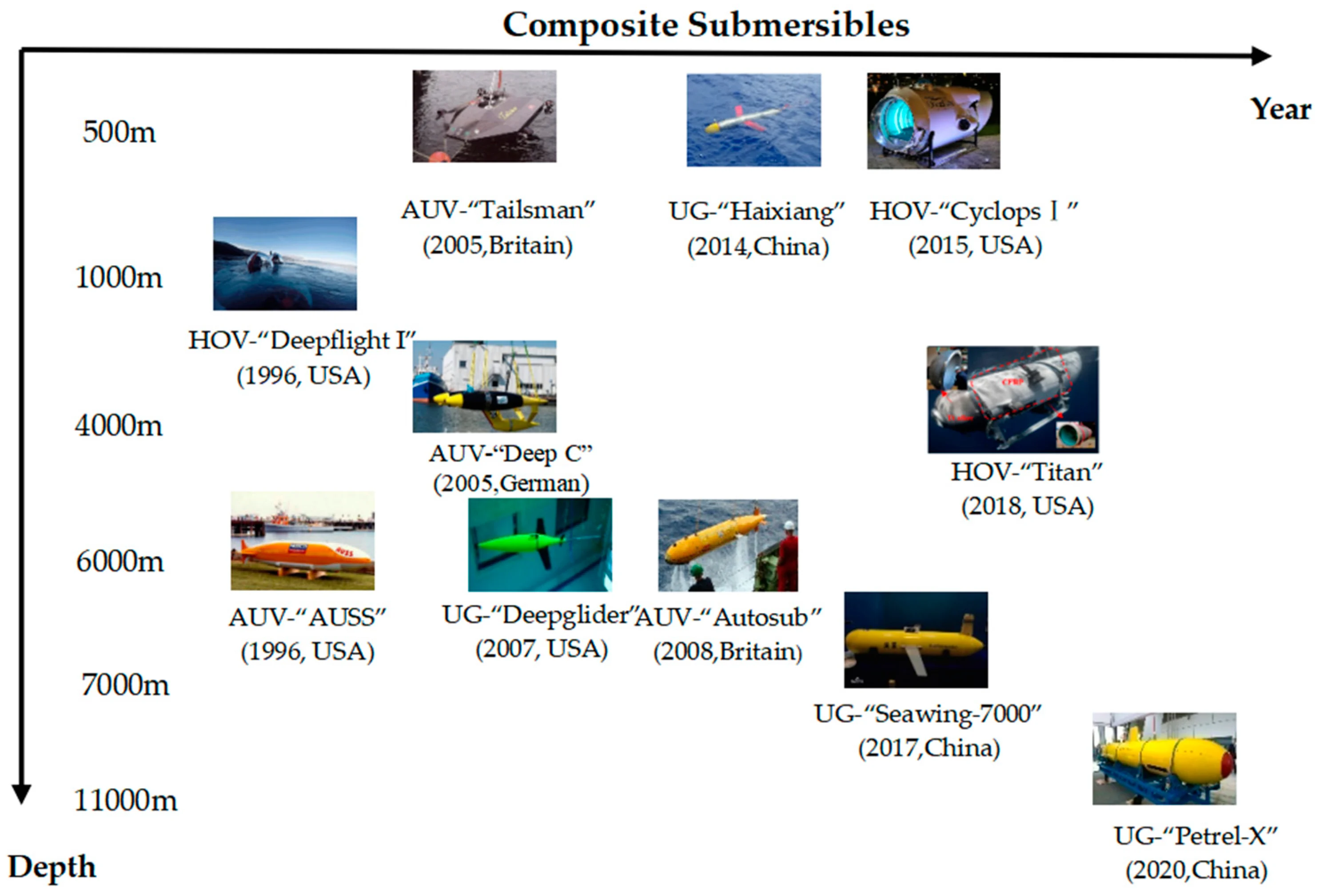
The team had launched a remotely operated submersible to collect vent samples from a site known for unusual microbial mats. Mid-dive, telemetry faltered. Pressure readings that had been steady began to wobble. Communications dropped in staccato bursts. The submersible's buoyancy engine, a delicate dance of oil and bladder, stopped responding.
On the surface, the captain ordered protocol: wait for rescue craft, maintain a safe standoff, do not attempt hazardous retrieval without a full assessment. Below, the submersible's pilot signaled: a mechanical arm would not open, suction seats were locked, and CO2 scrubbers were failing. The vessel had been scheduled for maintenance at the next port, but that port was days away. Inside the cramped sphere, samples remained sealed in a titanium cassette—unique specimens from a hydrothermal field that had not been sampled in decades.
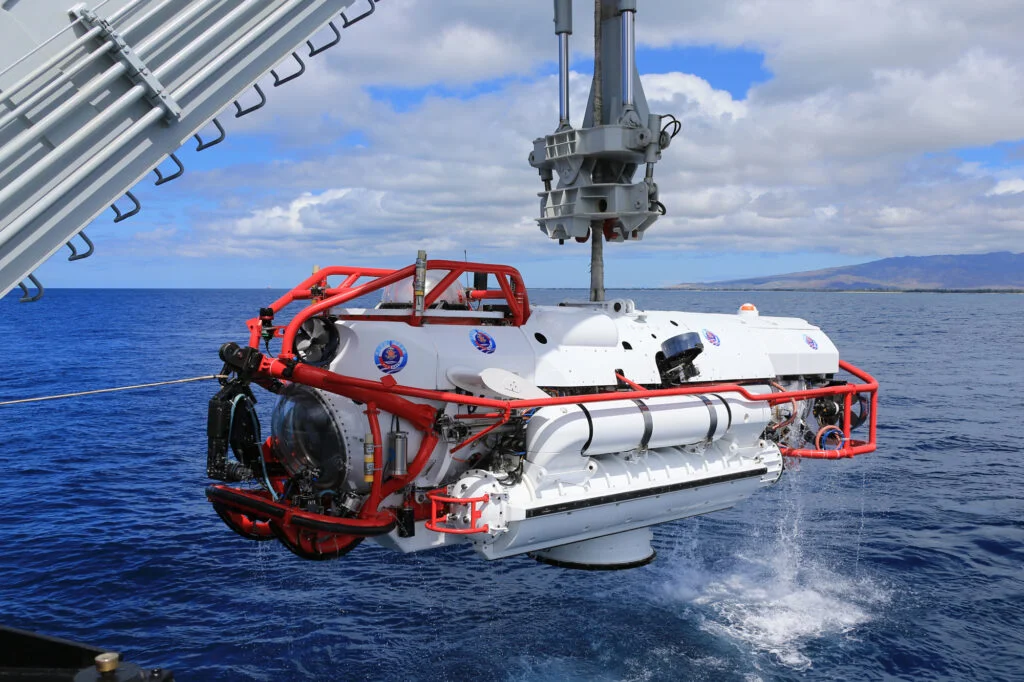
deep-sea submersible rescue
A Choice That Had to Be Made
Protocols guide teams because they save lives, but rules rarely anticipate the ethical complexity of losing a one-of-a-kind specimen that could lead to lifesaving medicines. On deck, voices were measured. Funding agencies chimed in by satellite. The institutional lawyers reminded everyone of liability. He walked the length of the deck twice, then asked for the chance to go down as a human tether — a risky move but one that, in his calculation, offered the only route to salvage.

extremophile sample cassette
The Descent: Improvisation Under Pressure
Engineering and Trust
He did not go alone. A small team of engineers, two pilots, and a medic reconfigured a rescue rig. They jury-rigged a manual release for the sample cassette and added redundant CO2 monitoring. Every modification introduced new unknowns. Every unknown increased the stakes. The sea was indifferent.
Ten meters above the submersible, the clamp failed. Tools slipped. A cable snapped, leaving him clinging as instruments scraped the dark. For a moment the world narrowed to a ring of instrument glow, the hiss of pneumatics, and his breath backing up against a watchful ocean. Then, with a combination of improvisation and the stubborn muscle memory of hundreds of dives, he levered the cassette free.
"We were trained to follow procedures. But machines and seas have their own wills. Sometimes you bend, not because you wanted to, but because what you are trying to save won’t live long enough for paperwork."
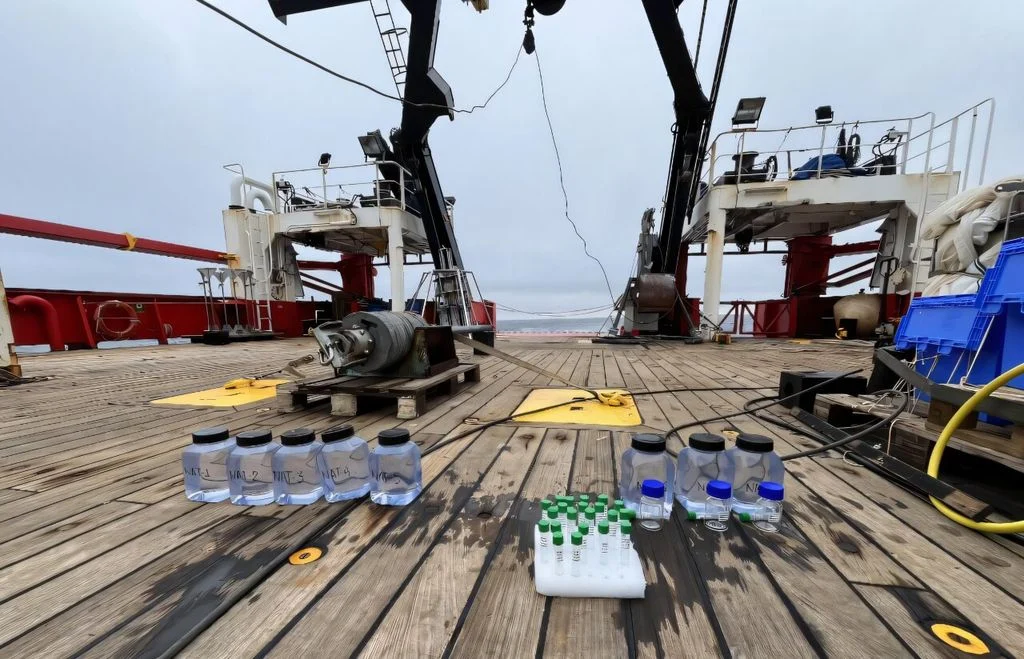
oceanographic expedition salvage
The Human Cost: How Close to the Edge?
Physical Danger
The physical risks were immediate: decompression, mechanical trauma, hypothermia. The improvised setup had left him without redundancy in oxygen delivery. CO2 levels crept upward. For several heartbeats the medic's face flashed in the glow of the console as she ran calculations out loud and fitted an extra scrubber canister. He felt dizzy, then lucid with a brightness that sometimes precedes blackout. He remembers thinking only of the sealed cassette and the way a tiny world within it was a promise to unknown patients.
scientific ethics deep-sea
Psychological Toll
After the rescue, in the sterile quiet of the ship's infirmary, the adrenaline bled away and left an exhaustion that felt like grief. Heroism has a cost: friends questioned judgment; reviewers and funders questioned protocol breaches; some hailed him and others called the descent reckless. He himself vacillated between a quiet pride and a gnawing dread that the decision might one day be used as an example of everything institutions must forbid.
pressure hull failure
The Aftermath: What the Samples Revealed
A Breakthrough in the Lab
Back on land, under the careful oversight of containment and ethics review, the samples were cultured and sequenced. Within months, researchers found an enzyme with an unusual mechanism for breaking down tough molecules in high-temperature environments. That enzyme became a biochemical scaffold in drug discovery pipelines, and subsequent work led to a new class of antibiotic candidates that proved effective in preclinical models against some resistant strains.
The narrative arc — from a desperate salvage in the dark to a bench discovery that could impact human health — is not automatic. Many samples die in transit; many hypotheses fail. Yet in this case the confluence of timing, faith in the specimen's uniqueness, and meticulous lab work produced a tangible outcome.
Institutional Response
The institution faced questions: had rules been bent too far? Were the legal and ethical frameworks robust enough? They revised emergency protocols, improved maintenance schedules, and invested in redundant retrieval systems. The man was lauded with awards but also required to submit to formal reviews — not punishment, but scrutiny intended to transform a risky improvisation into safer institutional capacity.
Science, Ethics, and the Myth of the Lone Hero
Stories of lone heroes thrust into the breach are irresistible. They fit a narrative where one person shifts the balance. But the truth is more complicated. Science advances through networks: the diver's training, the engineers' improvisation, the medic's calculations, the techs who kept sequencers running for nights, and the funders who underwrote risk-acceptance policies. The man who went down into the dark was both a catalyst and a conduit.
At the same time, tales that romanticize risk can be dangerous. They can incentivize behavior that sidesteps safeguards. The responsible lesson is not to celebrate reckless bravery but to examine how institutions can learn so that future breakthroughs do not depend on personal jeopardy.
- Accelerated discovery: Unique samples can fast-track research.
- Human initiative: Direct action can rescue otherwise lost opportunities.
- Safety risk: Lives can be endangered by improvised actions.
- Liability and ethics: Breaches of protocol complicate public trust and funding.
Lessons for Science and Society
Design for Redundancy
One clear takeaway is engineering redundancy. If a single point of failure can destroy unique material, then the next time we will not wait for a human wildcard. Investments in backup retrieval systems, more robust sample cassettes, and faster maintenance cycles are expensive, but cheap compared to losing a decade of research opportunity.
Ethics and Consent
When an individual volunteers for extraordinary risk, the consent must be explicit and the consequences shared. The community that benefits from the discovery also bears responsibility for ensuring that the risk was not avoidable. Post-incident reviews should be transparent and used to strengthen protections rather than merely justify outcomes retroactively.
ocean exploration safety
A Wider Impact: How One Act Changed Practice
Months after the incident, the lab announced a new partnership to fast-track extremophile research with improved safety protocols. Grants shifted to include line items for contingency engineering. Training programs added modules on rapid ethical decision-making. The man himself moved into a role focused on field-safety advocacy, teaching younger scientists how to balance initiative with institutional safeguards.
"If you want to preserve the radical curiosity that drives discovery, you must also create systems that make that curiosity safe."
Key Takeaways
- Individual courage can rescue irreplaceable science, but it should not be the system's primary safety valve.
- Redundancy, training and clear consent are essential when operations involve life-threatening contingencies.
- Institutional learning from near-misses can convert risky improvisation into improved global practice.
Conclusion: What We Owe the People Who Go First
The story of one man willing to risk his life for a sample is both an ode to human curiosity and a prompt for institutional humility. Scientific progress often sits at the intersection of audacity and preparation. We should honor those who step into danger to save a fragile promise of discovery, but not by mythologizing risk. Instead, we owe them better systems, clearer ethics, and the public scrutiny that binds discovery to responsibility.
What remains is the work in the lab — slow, precise, and communal. The enzyme discovered in a cassette that almost sank now feeds into pipelines that may one day produce treatments. That outcome does not absolve the danger taken, but it helps explain why, in the dark and under pressure, one person made a choice that would ripple through science and policy alike. The question for the next generation is not whether they will be brave, but how they will build a world where bravery is a rare, informed, and unnecessary last resort.