The Movie That Broke Me: Why Some Films Should Be Watched Once
I remember the exact hour the film finished: late, with the room dimmed and a single lamp I could not bring myself to switch on. I sat there, something in my chest hollowed and rearranged, like a room that had been cleared of furniture overnight. In the days that followed I found myself unable to return to that film, not because it wasn’t brilliant, but because the emotional weight had rearranged something inside me that a repeat viewing would only reopen. Yet despite that rupture — or maybe because of it — I recommended the film to everyone I thought could carry it. This article is for the people who have sat in that stunned silence and for the ones who are curious about why we still push heavy films into friends’ hands.
emotionally intense film honesty
What I Mean By "Broke"
To say a movie "broke" you is shorthand for a cluster of reactions. It can mean rupture: a narrative or image that shatters expectation. It can mean emotional overflow: grief so concentrated that it leaves you temporarily incapacitated. It can mean a cognitive shift where your assumptions about a character, a relationship, or a moral line are unsettled. Importantly, being "broken" by a film is not synonymous with being bored, confused, or annoyed. It’s specific: an artful, targeted impact that lingers in the body and mind long after the lights come up.
A film that breaks you doesn't fail you; it completes you by showing something true you weren't ready to feel.
Emotional vs. Artistic Breakage
Not every emotionally intense film is artistically deserving. Some works render raw material without craft, leaving the viewer manipulated rather than moved. The movies I mean here combine emotional force with artistic rigor: acting that respects nuance, direction that trusts silence, editing that lets pain breathe. The breakage feels inevitable, like the only honest response to what you have been shown.
sound design heavy movie
Why I Still Recommend These Films
It might seem paradoxical to recommend something that leaves someone shaken. Why hand someone a tool that could hurt them? Because the value isn’t in the hurt itself — it’s in the honesty, the recognition, and the possibility of catharsis. A film that leaves you raw often does three things well at once: it maps emotions you recognize but could not name, it enlarges empathy by placing you inside another person's interior, and it demonstrates an artistic courage to go where entertainment usually won't.
When I recommend a heavy film, I do so carefully. I don’t insist everyone must watch it. I offer context: who it may hurt, who it may help, and why it mattered to me. Recommendations become acts of trust. They say: I believe you can carry what this film asks of you — but if you can’t, that's valid too.
Anatomy of a One-Time Watch Film
What makes certain films suitable — even noble — as single-viewing experiences? Below are recurring elements that produce that kind of impact.
1. Relentless Honesty
These films often refuse sentimentality. They present events and emotions without softening the edges. That doesn’t mean gratuitousness; rather, there is an integrity to the depiction. The camera lingers where the truth is uncomfortable, the actors commit to silence and shame and small moments, and the script allows pain to be ordinary and precise.
film focused subjectivity character
2. Focused Subjectivity
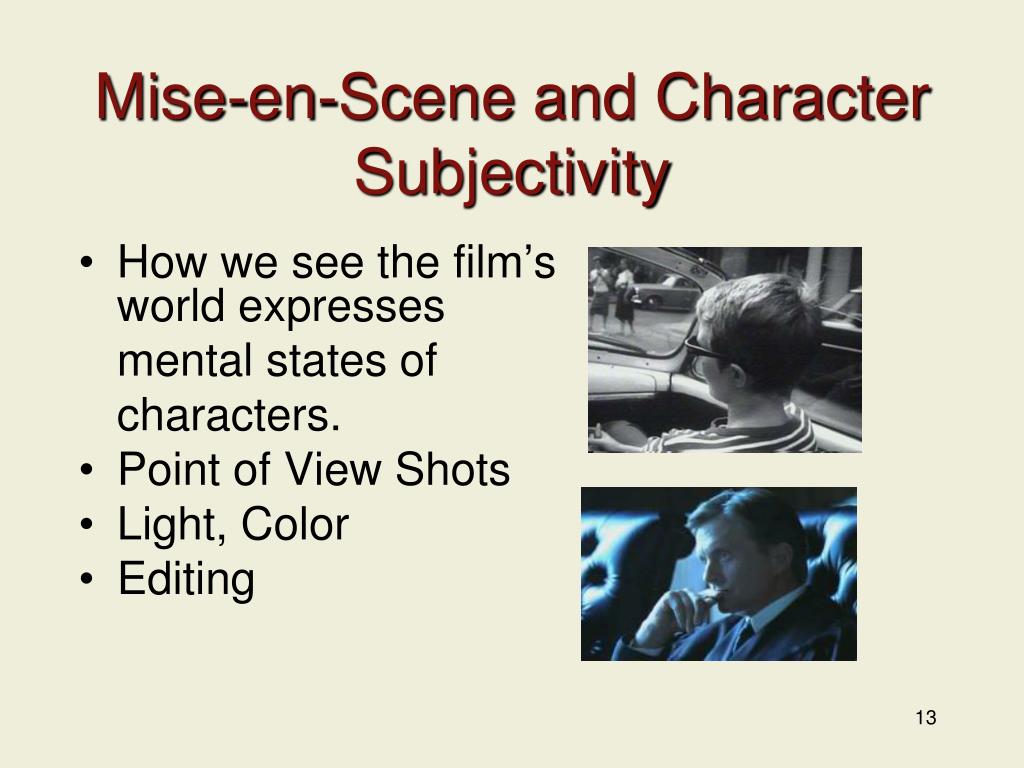
A one-time film frequently lives inside a character’s head. The story becomes less about plot beats and more about experience — the way grief alters perception, memory, and time. This subjectivity can trap the spectator in a loop: you feel the character’s private losses as if they were yours, which makes a second viewing feel like trespassing.
3. Sound and Silence
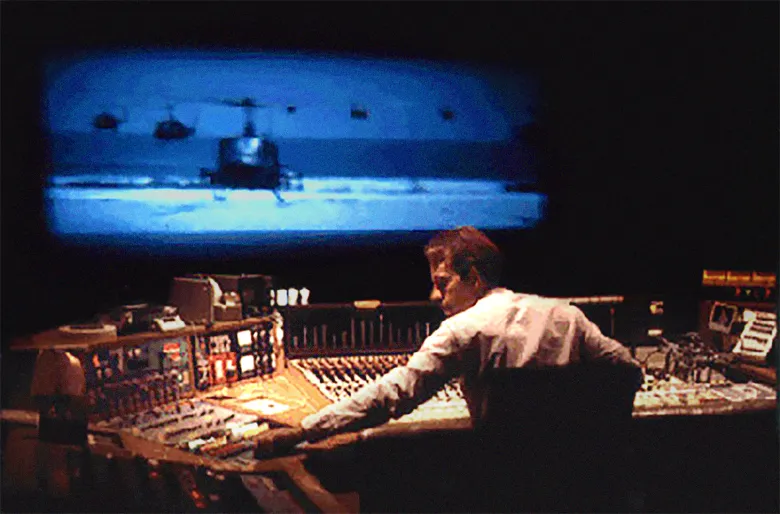
The difference between a heavy film and a manipulative one often lies in sound design. A sparse score, sudden silences, or the strained ordinary sounds of breathing and footsteps can amplify discomfort in ways music cannot. Conversely, an aching score can lubricate emotional gates that make the break more devastating — and more resonant.
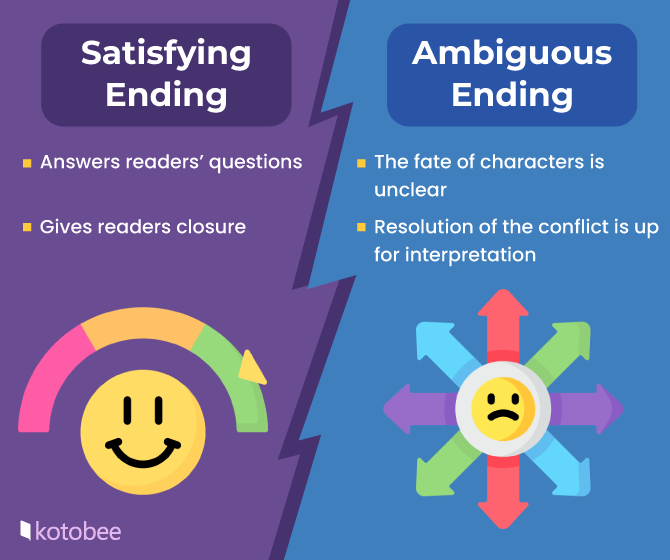
film moral ambiguity ending
4. Moral Ambiguity and Unresolved Endings
Films that leave questions unanswered tend to linger. Closure soothes; its absence nags. A movie that refuses tidy moral lessons forces you to carry its residues: what would I have done in that situation? Who was right? These unresolved tensions are part of the break.
How to Recommend Without Harming
There is both an ethical and practical dimension to recommending films that can break people. Here are guidelines I follow, same as I’ve used when handing a friend a movie and a cup of tea.
- Use plain language: Don’t romanticize the hurt. Say plainly that a film is heavy and why.
- Offer a content warning: Name broad triggers — grief, abuse, self-harm — without spoilers.
- Match the viewer: Consider their recent life events. Someone in the throes of similar pain may not want to relive it on screen.
- Suggest a frame: Propose watching with company, at a certain time of day, or with self-care plans afterward (a walk, a call with a friend).
- No pressure: If they decline, respect it. Recommending is not requiring.
A Personal Example (Spoiler-Free)
Without naming the title, let me describe the experience of watching a film that I could only watch once. It opens quietly; no fireworks, just images that look ordinary until they don't. A performance — small, precise, wrong-footing you with how real it feels — slowly reorients your sense of normal. The soundscape shifts from ambient domestic life to a claustrophobic thrum. You watch a character make choices that feel inevitable and human, and by the end you are left with a simple ache: for what was, for what might have been, for things that do not resolve on screen. After it ended I needed time. Days. Conversations. Songs I listened to to ground myself. I still tell people to see it, because it taught me to inhabit another kind of sorrow and made me more generous with my own.
When a Film Is Also Therapy — And When It's Not
There’s a tempting idea that watching a painful film is therapeutic because it allows you to purge sorrow in a safe context. Sometimes that’s true: witnessing can be validating, unsentimental, and clarifying. But it is not a replacement for professional care, nor is it a guaranteed cure. For some viewers, a film becomes a trigger that opens wounds rather than helping to process them. Be mindful of these distinctions when recommending art as emotional aid.
The Ethics of Spoilers and Disclosure
Part of recommending a heavy film well is telling people enough to make an informed decision without spoiling the experience. I prefer to use analogies and affect-based descriptions: "It’s a slow, intimate drama about love and failure; it will break you because it refuses to console you." That approach respects curiosity while preserving discovery, which is often the source of a film’s most profound effects.

film craft emotional impact
Practical Aftercare for a Heavy Viewing
Aftercare is an underrated aspect of film culture. Watching a film that breaks you is an emotional event; it deserves the rituals of gentle reentry.
- Don't rush back into business-as-usual: Allow for quiet. Make tea. Step outside.
- Talk if you can: Share what stuck with you without insisting on answers.
- Engage the senses: Walk, move, or listen to music that soothes you.
- Delay analysis: If you feel raw, wait before seeking essays and reviews. Reflection will be richer once anger or numbness eases.
Why These Films Matter
We live in an entertainment economy that prizes comfort and quick dopamine. Films that break us refuse those incentives. They perform a civic function: they slow us, they ask us to witness, and they expand the empathy circuit in our brains. For those reasons they are essential even if they are not repeatable. They are the art that insists on attention rather than applause.
How to Talk About Them
Language matters. Saying a film "ruined" you is different from saying it "broke" you. "Ruin" implies a negative verdict; "break" implies transformation. When discussing one-time-watch films, use language that centers choice and consent: "This film changed my perspective" or "This film was too much for me at that time." Those phrasings honor both the art and the viewer’s autonomy.
A Small Catalog of Reactions
Viewers return different reports: some feel cleansed, some enraged, some hollow and contemplative. None of these reactions are incorrect. The right response is the honest one. If you want a vocabulary for conversations after a heavy film, try to name the sensation before the judgment: stunned, emptied, relieved, haunted, unsettled. Naming allows sharing without prescribing how someone should feel.
Final Thoughts
Movies that break us occupy a strange moral space: they are tender and brutal, generous and merciless. They ask for attention in a world that offers distraction. To recommend such a film is to offer a gift and a responsibility: a chance at recognition and the duty to prepare the recipient for what they will feel. I continue to recommend one particular film to those I believe ready for it, because art that asks too much of us can also give us the language to be more present with others. If a film leaves you hollow, wait, be kind to yourself, talk, and know that recommending — or not recommending — is an act of care, not an aesthetic decree.
- Some films are best experienced once because their emotional honesty demands recovery.
- When recommending heavy films, provide content warnings, context, and an offer of companionship.
- Not every painful film is artistically worthwhile; the ones worth recommending combine craft with truth.