Italy's Student Protests Over Sex Education Ban Explained
Italy student protests sex education
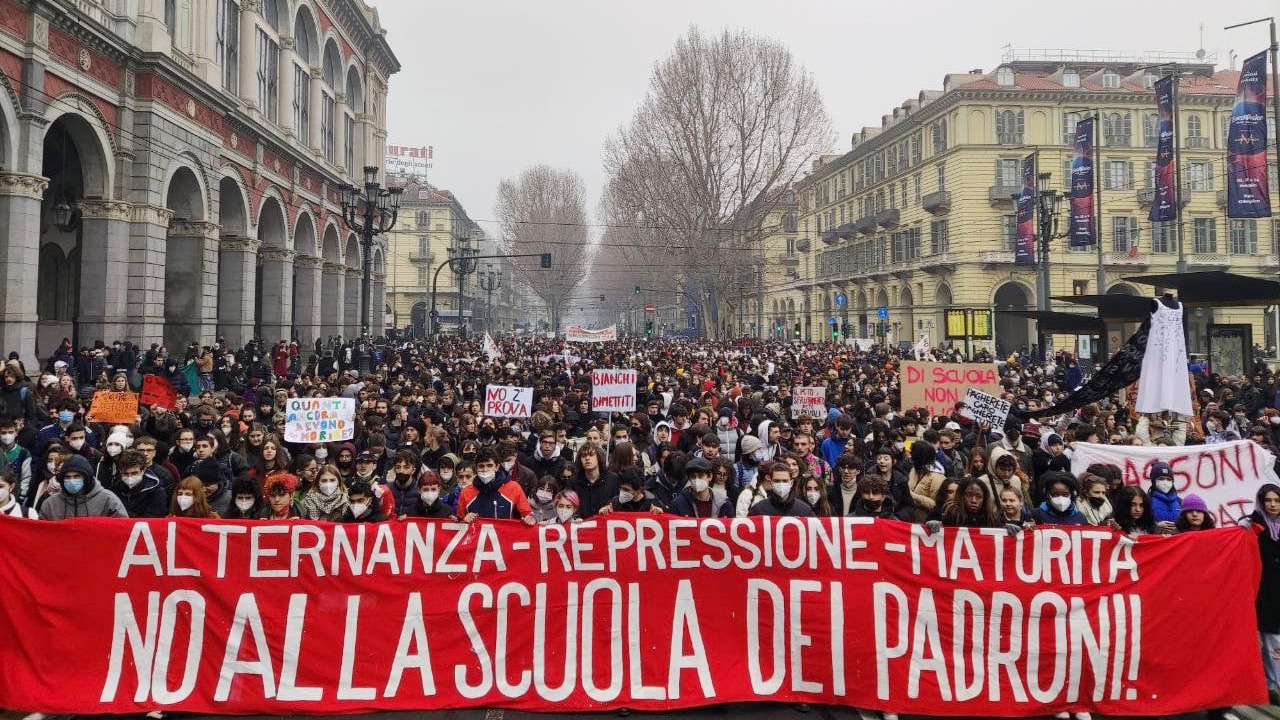
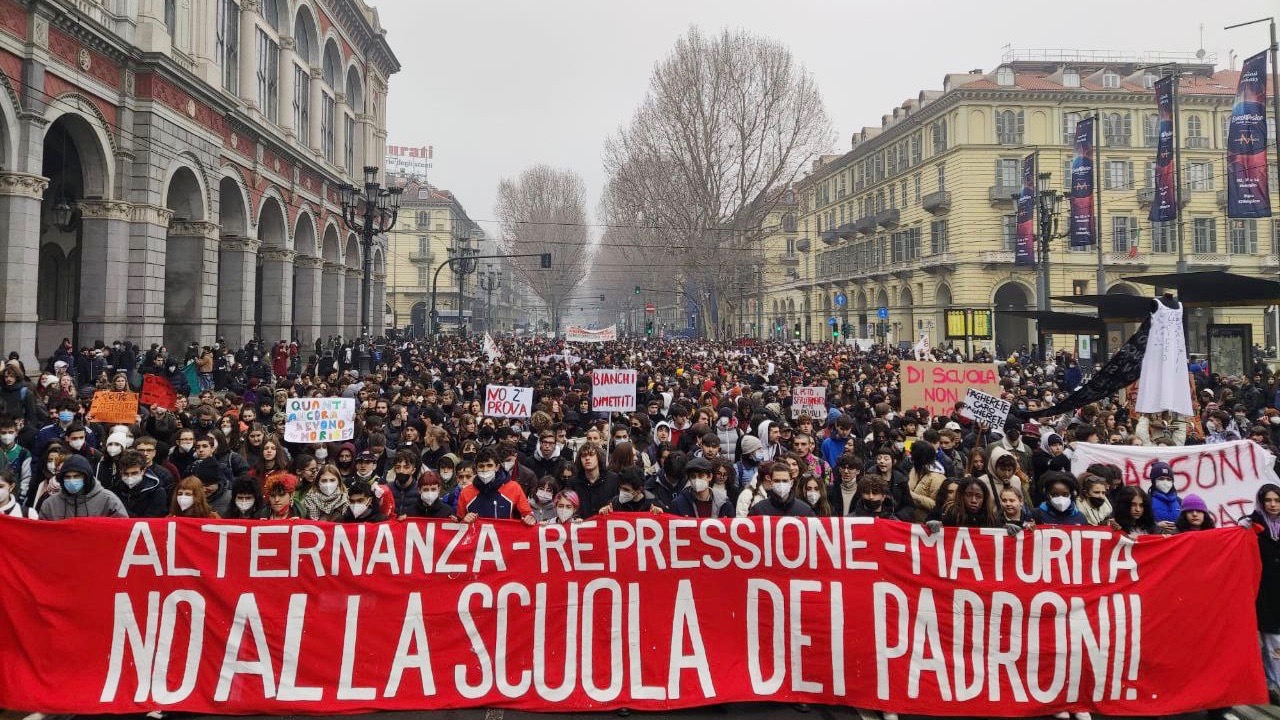
On many Italian campuses and city squares in recent weeks, students have been chanting, carrying handmade signs and staging teach-ins. The trigger is a political move to curb or delay sex education in schools — a policy change that opponents call a ban and supporters describe as a return to parental choice and traditional values. Beyond the headlines and the rallies lies a complex story about youth agency, public health, political identity and what a modern education system should teach about bodies, relationships and consent.
"This is about more than lessons — it's about whether young people are trusted to learn what they need to stay safe and respected."
Why Students Are Protesting
The immediate catalyst for the protests is a policy decision that reduces or removes mandated, school-based sex education programs in many parts of Italy. While official wording varies by region and municipality, the effect is the same for many teachers and students: fewer structured classes on sexual health, contraception, consent and identity during school hours, and greater reliance on optional workshops, parental permission or outside organizations to fill the gap.
Students see this as a direct threat to their health and autonomy. For many, sex education has been the first reliable source of information about consent, contraception and LGBTQ lives — topics that might otherwise be misrepresented or ignored at home or online. The mobilization reflects frustration with a political environment where decisions affecting young people's bodies and futures can be made without adequate student input.
What the Protests Look Like
Rallies have ranged from peaceful marches to classroom walkouts and symbolic actions such as silent sit-ins during school assemblies. Student unions and informal youth groups have organized teach-ins where peers and sympathetic teachers lead discussions and share resources. Social media amplifies these events: images, short videos and first-person testimonies spread rapidly, drawing in parents, health professionals and civil society organizations who either join the demonstrations or issue public statements.
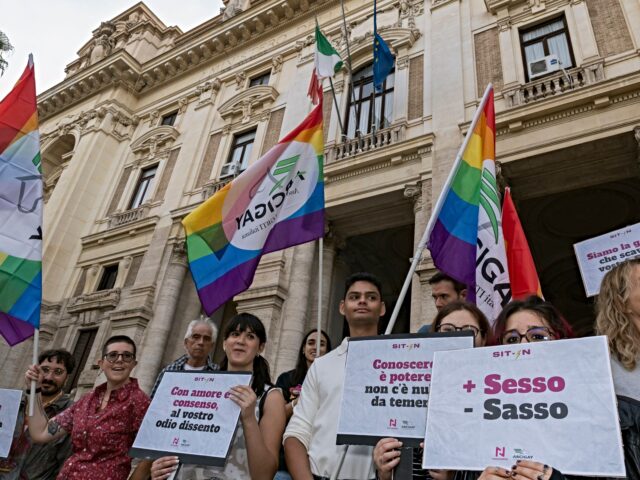
Italy sex education policy changes
The Policy: What Does the 'Ban' Mean?
"Ban" is a loaded word. In practice, the recent measures affect the structure and delivery of sex education rather than criminalizing conversation. Common elements include removing sex education from the core compulsory curriculum, making programs optional or requiring explicit parental consent, and limiting outside partnerships with NGOs and health services. The shift often means less classroom time for systematic instruction, and more fragmented, one-off sessions that students and teachers say are ineffective.
Supporters argue this returns control to families and schools, preventing what they call ideological instruction. Opponents counter that leaving sex education to chance exacerbates inequalities: wealthier students and those in open households will find resources, while vulnerable young people may be left without essential knowledge.
The Political Context
This dispute sits at the intersection of education policy and broader cultural politics. Across Europe and beyond, debates about what schools should teach — whether history, literature, civics or sexuality — have become proxy battles for party identity. In Italy, growing influence from socially conservative parties and groups has shaped proposals to scale back certain programs in ways that appeal to traditionalist voters and religious constituencies.
At the same time, some policymakers frame the change as a correction to a perceived overreach in recent years, presenting it as a safeguard for parental rights and a defense against political indoctrination. The tension is not purely ideological: it also reflects differing visions of the role of public education and the state's responsibility for child welfare.
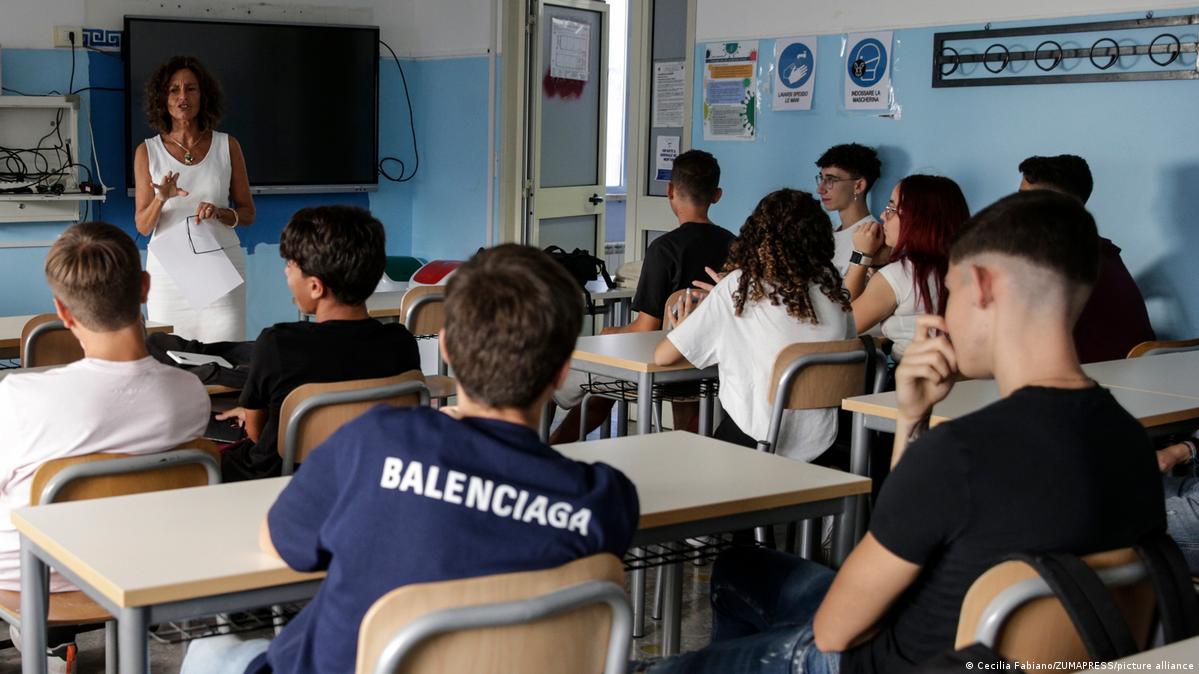
Italy student teach-ins sex ed
Why Sex Education Matters: Health, Equality and Consent
Evidence from many countries shows that comprehensive sex education contributes to better health outcomes: lower rates of unintended teenage pregnancy, more consistent contraceptive use, and earlier recognition of abusive dynamics. It also plays a crucial role in preventing sexual violence by teaching consent, boundaries and healthy communication — topics that are frequently cited by students as lifesaving.
Beyond immediate health metrics, sex education intersects with equality. Inclusive curricula that address sexual orientation and gender identity reduce stigma and bullying for LGBTQ students and create a school culture where diverse experiences are acknowledged rather than erased. For girls and young women, a clear understanding of rights and bodily autonomy is a foundational tool for resisting coercion and asserting agency.
Opposition Arguments: Values, Parents, and Misinformation
Those who support restricting school-based sex education typically voice three concerns. First, some believe that sexual topics should be taught at home in line with family values. Second, there is anxiety that certain curricula include material they view as ideological or age-inappropriate. Third, misinformation — often spread online or through politicized channels — fuels fears that programs normalize risky behavior or encourage experimentation.
These concerns are not always rooted in evidence. Research suggests that comprehensive programs do not hasten sexual activity; instead, they often delay initiation and promote safer practices when young people do become sexually active. Yet the emotional and moral dimensions of these debates make them highly charged and politically useful for parties seeking to mobilize conservative constituencies.
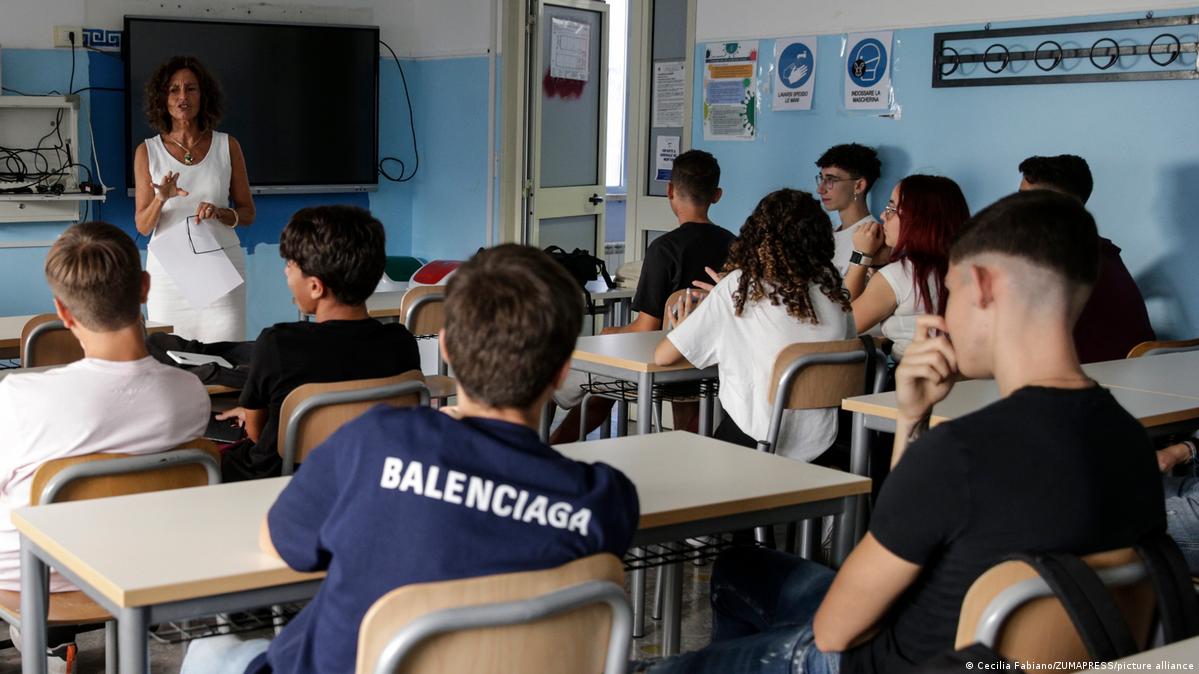
Italy school sex education curriculum
Students' Arguments: Trust, Participation, and Safety
In response, students and their allies make several clear points. They ask to be treated as stakeholders — not passive recipients — in decisions that directly affect their bodies and lives. They emphasize that knowledge is protective: when teens understand consent, contraception and STI prevention, they are better equipped to make choices and seek help when needed.
Many students also stress practical realities: young people spend long hours online and in peer groups where myths and risky challenges circulate. School-based programs offer a reliable counterweight, giving young people critical thinking tools to evaluate information and access to professional advice when issues arise.
Voices From the Classroom
Teachers who support sex education describe classrooms where frank, evidence-based conversations reduce stigma and encourage reporting of abuse. Others warn that if programs are curtailed, schools will default to minimal compliance or avoid the topic entirely. For health professionals, the loss of structured education is a public health risk; for students, it is a loss of a predictable source of support during formative years.
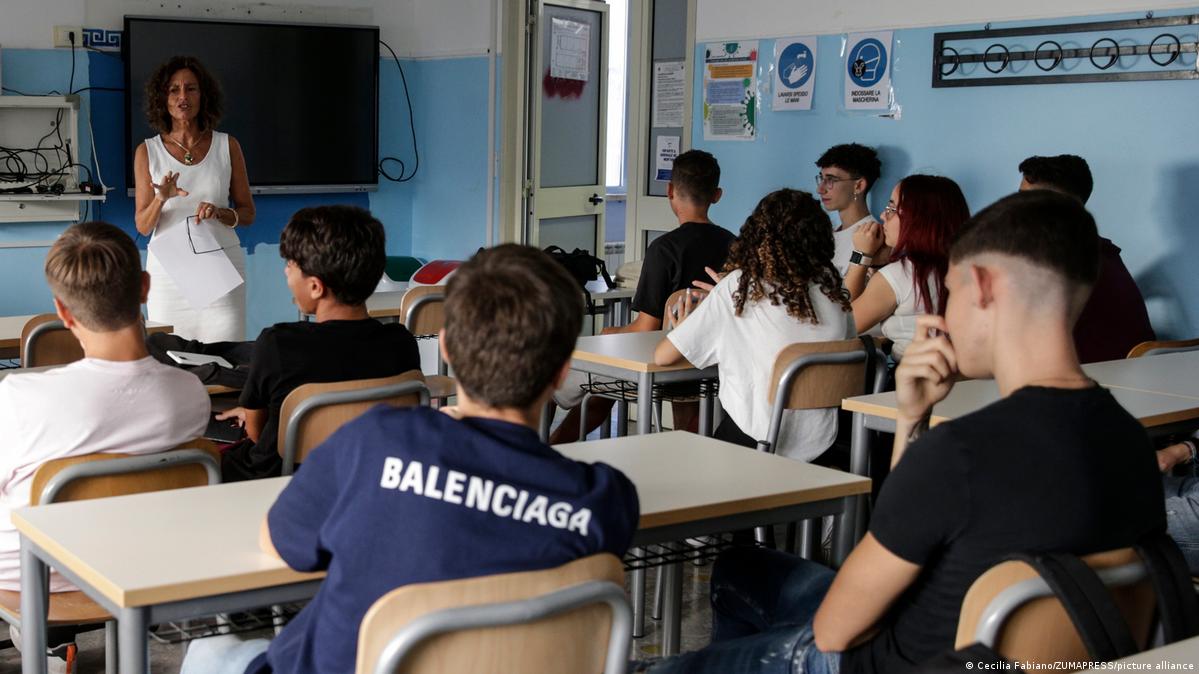
Italy student unions sex ed
Legal and Administrative Ramifications
Policy shifts of this kind can trigger legal questions about the state's duty of care and international commitments. Italy, like many countries, is party to international human rights frameworks that emphasize the importance of health education and the protection of minors from violence and discrimination. Where regional authorities move to limit curricula, civil society groups and legal advocates sometimes challenge decisions on constitutional grounds or under child protection provisions.
Administrative consequences are practical as well as legal: teacher training budgets may be reduced, partnerships with health organizations may be severed, and schools may lack the materials and expertise to offer meaningful alternatives. The transition costs are real and tend to fall on educators and public health services rather than on those who design the policy.
International Comparisons: Where Italy Fits
European countries present a wide spectrum of approaches, from mandatory, age-appropriate comprehensive sex education to programs that emphasize abstinence or parental responsibility. Nations with sustained, evidence-based curricula typically report better sexual health outcomes and fewer disparities. Italy's debate mirrors struggles elsewhere — a reminder that questions about curriculum are rarely neutral and often reflect deeper societal conversations about gender, power and the role of the state.
A Quick Comparison
| Approach | Core Features |
|---|---|
| Comprehensive | Age-appropriate info on biology, contraception, consent, identity; integrated into curriculum |
| Abstinence-focused | Emphasizes abstention until marriage or adulthood; limited info on contraception |
What Students Want — And What Could Change
Students are asking for several concrete things: guaranteed time in the school week for structured lessons, trained teachers rather than ad-hoc presenters, curricula that are medically accurate and inclusive, and mechanisms for student participation in curricular decisions. They also want safe channels to report abuse and clear signposting to local health services.
Policymakers seeking compromise could consider models that preserve parental involvement without making consent the only gateway to education, invest in teacher training, and create transparent review processes that include student representatives. Importantly, robust monitoring and evaluation should accompany any change so outcomes — not ideology — determine future direction.
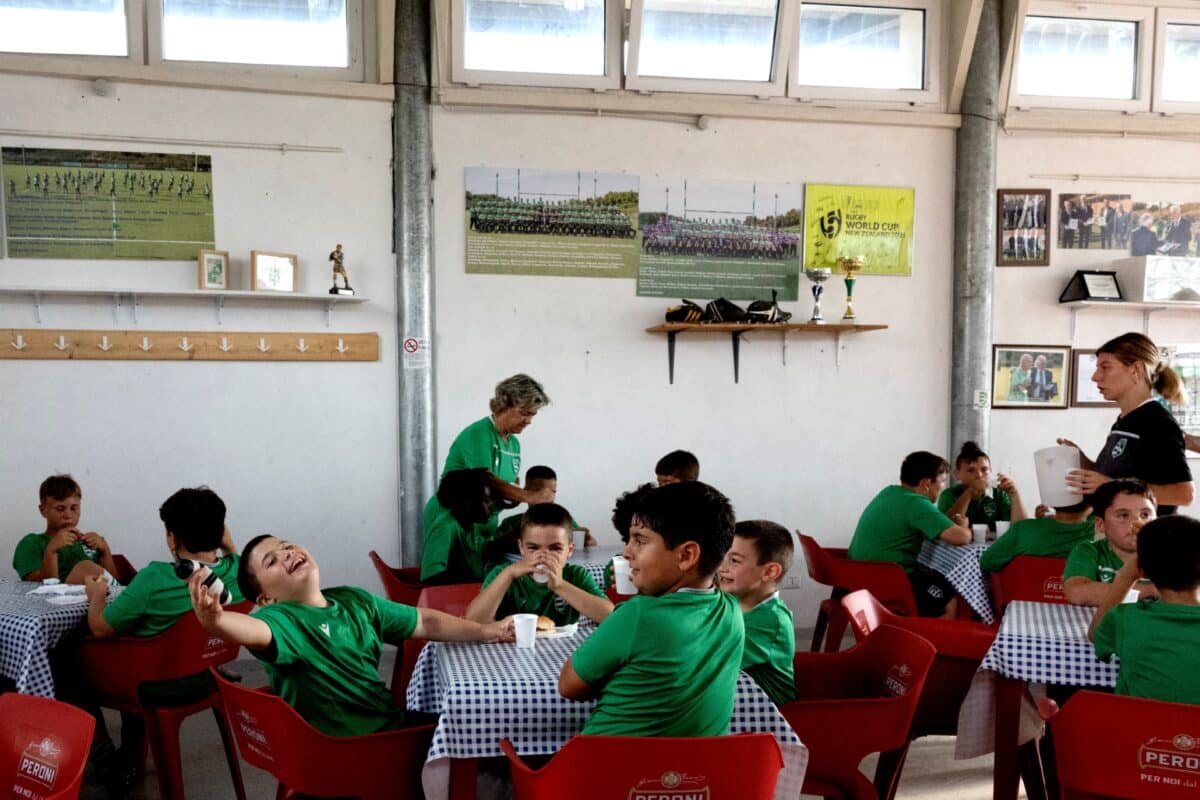
Italy parental consent sex education
Broader Implications: Trust, Democracy and Youth Agency
The protests reveal more than a policy disagreement; they expose a generational conversation about trust in institutions. When young people feel excluded from decisions that shape their futures, civic energy can turn to protest. That can be constructive — driving improvements and accountability — but it can also deepen polarization if leaders interpret youth activism as a threat rather than a resource.
Education policy thus becomes a test of democratic responsiveness. Are schools spaces where young citizens learn to engage, voice disagreement and see evidence used to guide choices? Or are they battlegrounds where identities are consolidated and certain perspectives are marginalized? The answer matters for social cohesion and for how future generations understand public life.
Paths Forward: Policy Options and Practical Steps
Reasoned compromise is possible. Policymakers can prioritize the health and safety of minors while respecting parental concerns by:
- Maintaining core, evidence-based modules on consent, safety and basic sexual health for all students.
- Offering opt-out provisions for certain non-essential modules while ensuring critical safety content remains mandatory.
- Investing in teacher training so educators can present material with sensitivity and accuracy.
- Creating student advisory councils to give young people a formal voice in curriculum design.
- Partnering with health services to provide confidential support for students who need it.
Any successful strategy requires transparent communication, rigorous evaluation and a willingness to adapt based on evidence rather than rhetoric.
Italy comprehensive sex education debate
Conclusion: What's at Stake
The dispute over sex education in Italy is about more than school timetables; it's about who shapes young people's understanding of bodies, rights and relationships. Students protesting the policy changes are asking for safety, inclusion and trust. Their mobilization is a reminder that education policy touches intimate aspects of life and that decisions taken in classrooms ripple outward to health systems, families and communities.
Resolving this debate calls for careful listening, evidence-driven policy and mechanisms that respect both parental roles and young people's rights. If leaders ignore the voices rising from school corridors and piazzas, they risk leaving a generation less informed and less empowered — with consequences that go beyond the classroom.
- Students are protesting reduced school-based sex education because they see it as essential to safety, health and equality.
- Policy changes that rely on parental opt-in or restrict curriculum can widen inequalities and increase public health risks.
- Constructive solutions include mandatory safety-focused modules, better teacher training, student participation and partnerships with health services.
Reporting and analysis based on public debates, educational research and statements from students and educators.