U.S.-Led Naval Coalition to Escort Ships Through Strait of Hormuz
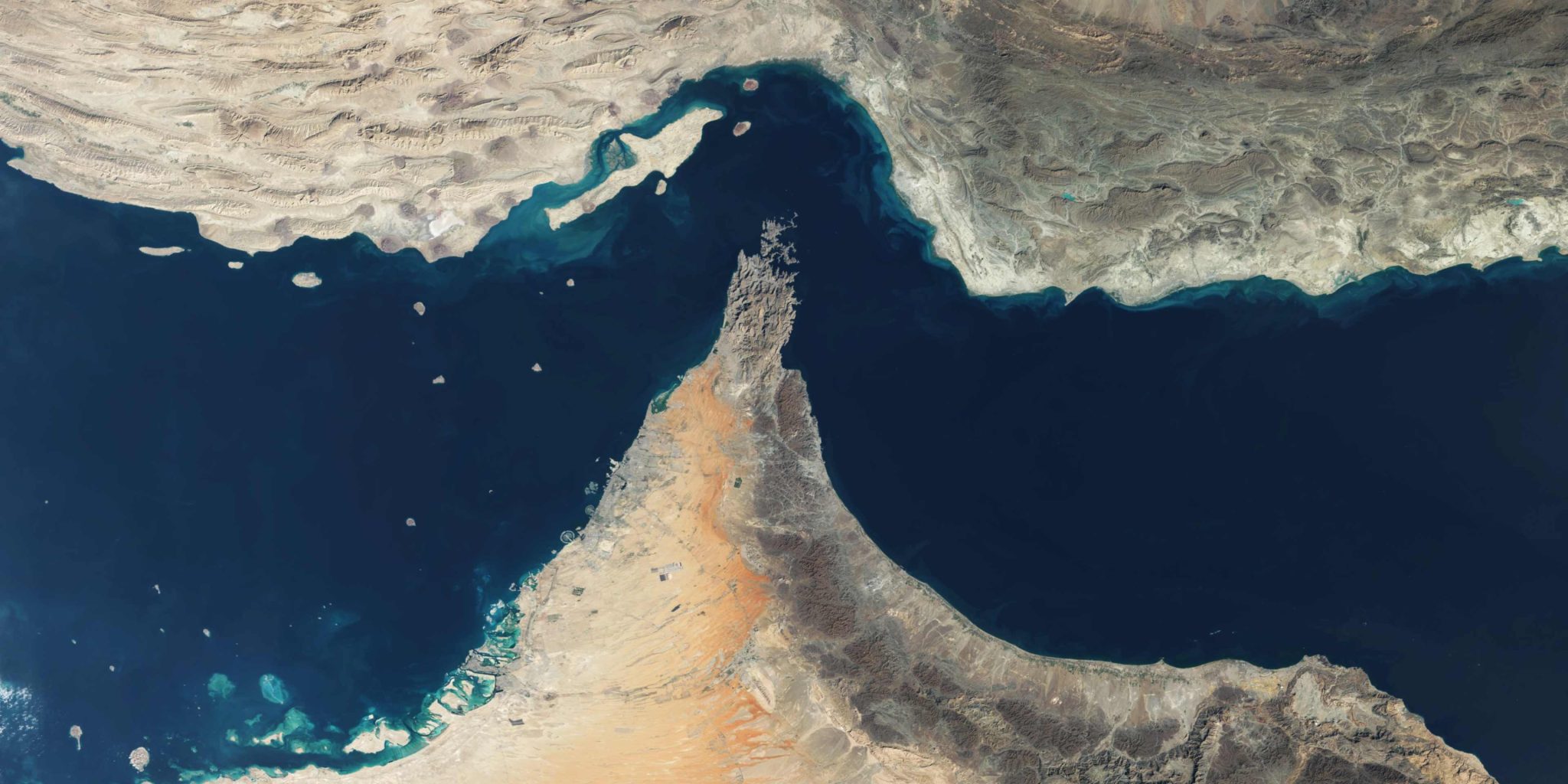
The announcement, according to senior administration aides briefed on the plan, will say that the United States intends to form a multinational naval coalition that will escort commercial vessels through the Strait of Hormuz — the narrow, strategic chokepoint through which a significant share of the world’s seaborne oil passes. The operation is framed as an effort to protect freedom of navigation and deter repeated incidents that Washington describes as irresponsible or dangerous behavior by Iranian forces and their proxies.
Strait of Hormuz maritime escort
The concept is deceptively simple: form a visible, multinational presence in the strait and adjacent Gulf of Oman, provide armed escorts or coordinated naval umbrella coverage for commercial tankers and merchant ships, and use diplomatic pressure and intelligence sharing to minimize harassment, seizures, or attacks. In practice, the plan is complicated by diplomacy, rules of engagement, ship identification, logistics and the risk that any miscalculation at sea could cascade into a larger conflict.
Why the Strait Matters — Geography, Commerce, and Leverage
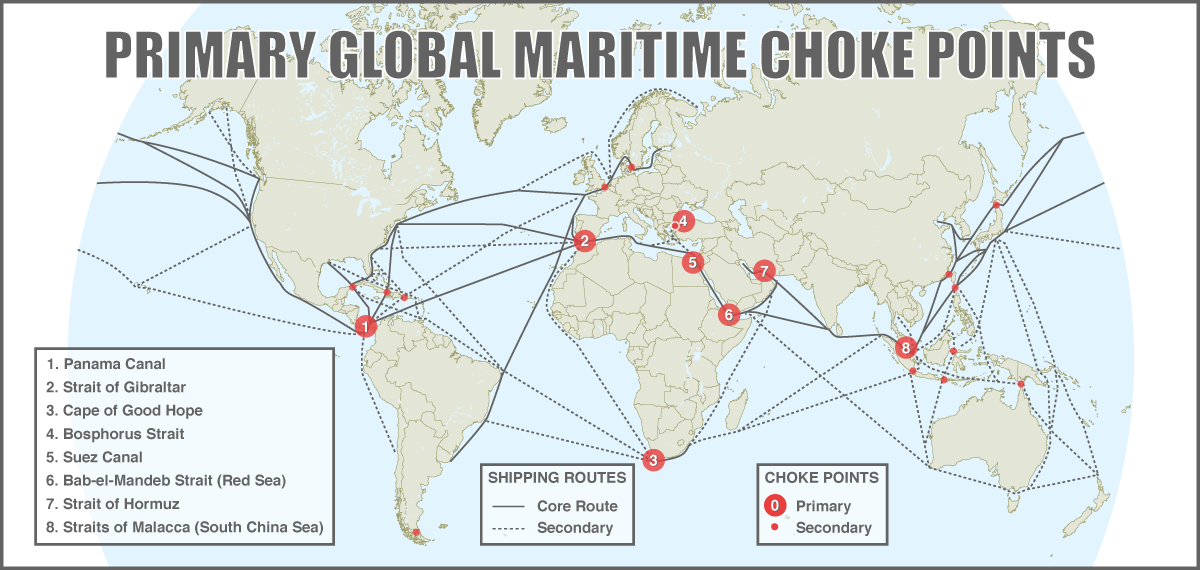
The Strait of Hormuz is roughly 21 nautical miles at its narrowest point; shipping lanes are tight, and commercial traffic is dense. A disruption here has outsized effects on global energy markets. When tensions spike, markets react rapidly: crude and refined-product prices can rise, insurance premiums follow, and shippers consider rerouting around Africa — an expensive and time-consuming alternative.
Maritime chokepoint naval presence
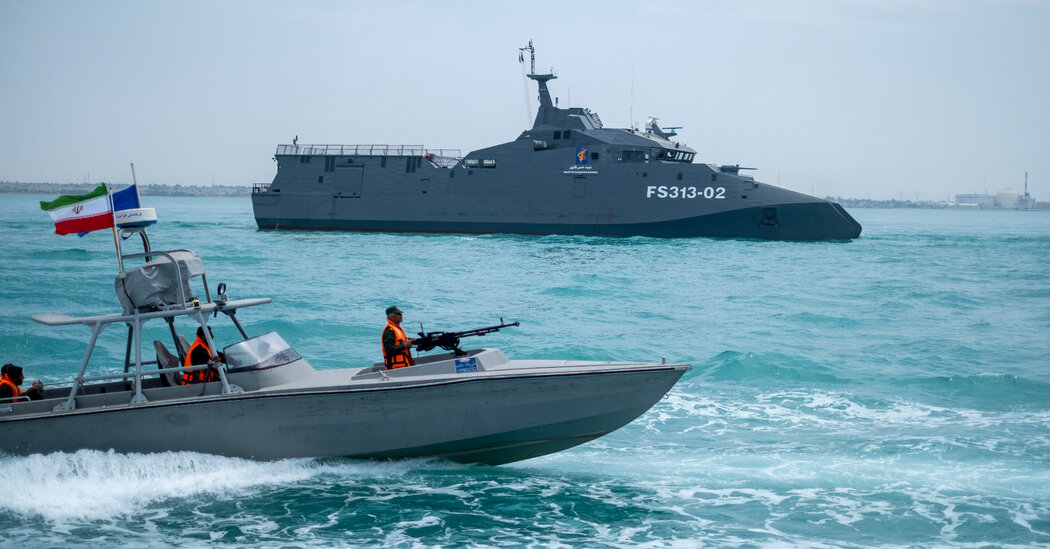
Beyond economics, Hormuz is a strategic lever. Iran's geography gives it proximity to the strait and the means — from small-boat harassment to mines and ballistic missiles — to threaten shipping lanes. For decades, Tehran has used the possibility of disruption as both a bargaining chip and a way to signal resolve.
Operational Outline: How an Escort Mission Could Work
Force Composition and Patrol Patterns
U.S. Navy escort coalition formation
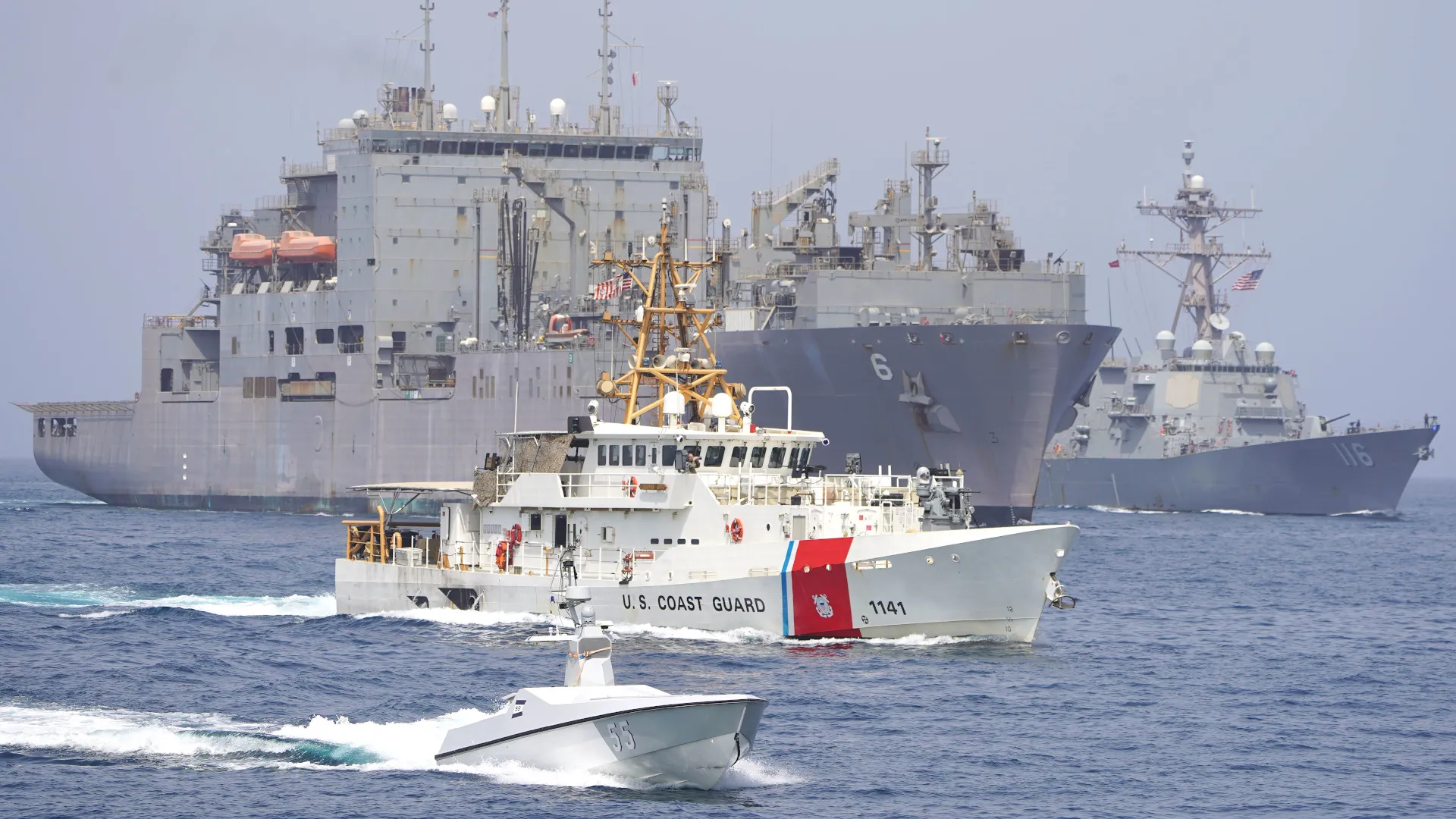
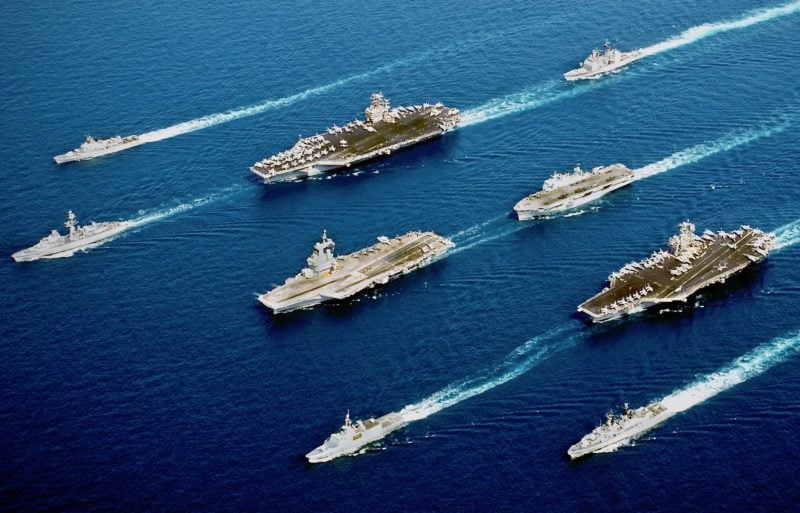
Coalition escorts could include surface combatants, destroyers and frigates with anti-air and anti-surface capabilities, as well as support assets such as aerial surveillance, drones, and possibly mine-countermeasure vessels. Some missions would be direct escorts — warships sailing alongside a convoy — while others would provide a layered protective presence that commercial vessels could call on in vulnerable stretches.
Rules of Engagement and Identification
Clear, tightly written rules of engagement would be essential. Escorting warships must be able to distinguish hostile intent from routine maritime encounters. That requires reliable identification protocols for merchant ships, coordination with flag states, and robust communications so that escorting forces can track and respond to small-boat approaches, drone swarms or missile launches while minimizing the risk of mistaken engagements.
Diplomacy Before and During the Mission
For the coalition to be credible it must include partners beyond U.S. forces. The administration will likely seek participation or at least basing and overflight rights from Gulf states such as Bahrain, the United Arab Emirates and Oman, and it will look to European and Asian maritime powers for joined patrols or liaison officers for intelligence sharing.
Diplomatic outreach serves three purposes: it spreads the political weight (reducing the appearance of unilateral American action), it brings additional naval capabilities and legal voices to the operation, and it creates a platform for messaging to Tehran that the mission is defensive and multinational in nature.
Historical Context and Precedents
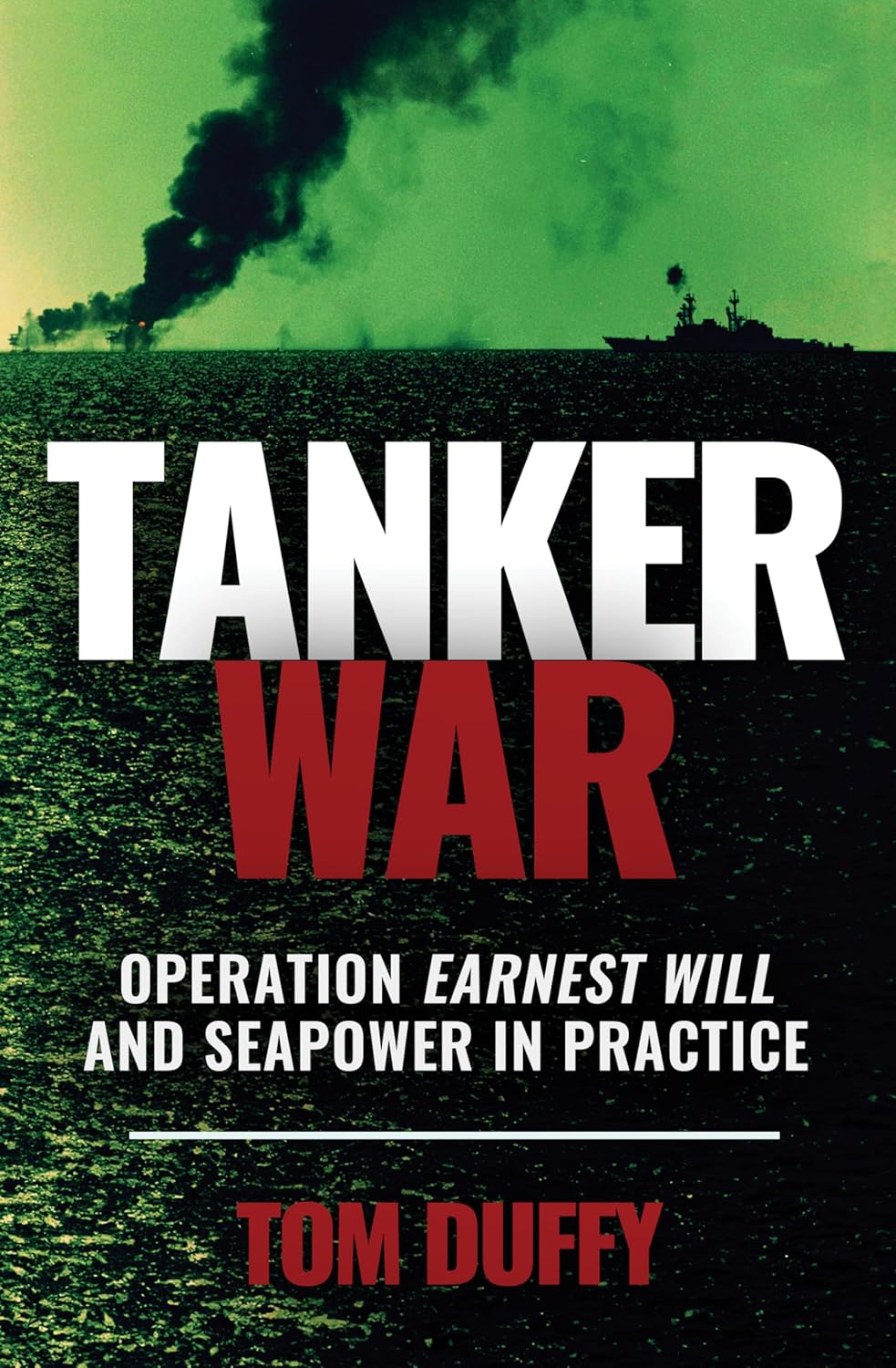
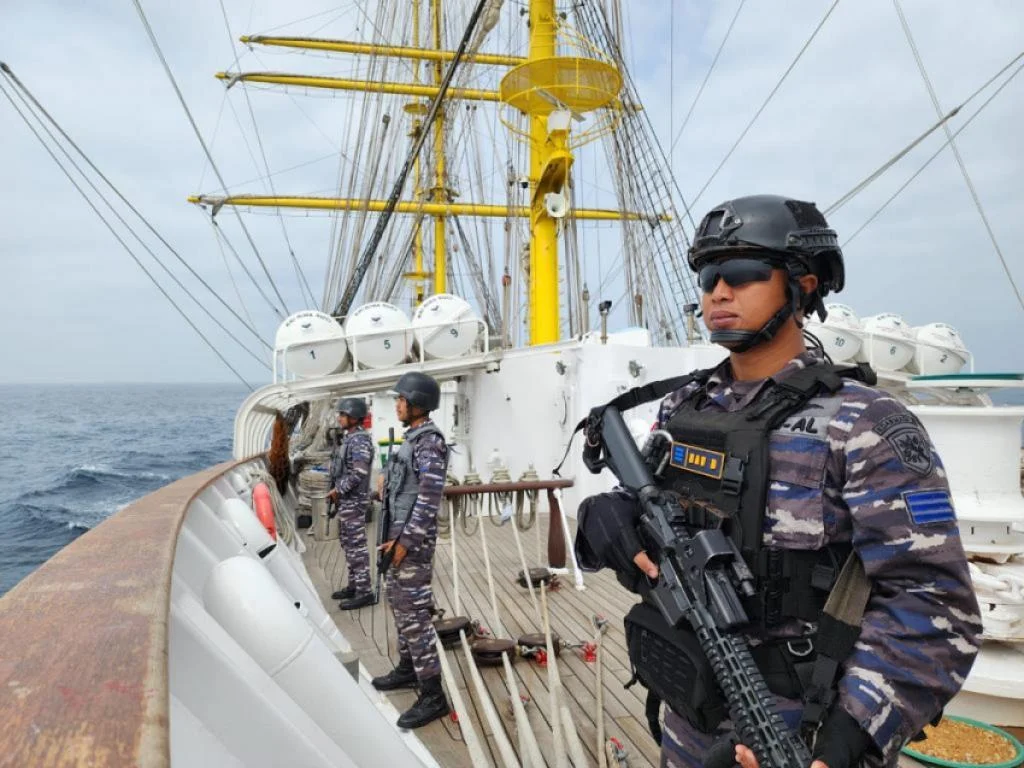
The idea of protecting shipping through contested waters is not new. During the Iran-Iraq war in the 1980s, the so-called Tanker War and Operation Earnest Will saw U.S. naval escorts protecting Kuwaiti-flagged tankers. More recently, multinational patrols countered Somali piracy in the Gulf of Aden with a blend of naval power and legal frameworks for interdiction.
Tanker War Operation Earnest Will
Oman Gulf of Aden piracy patrols
Those precedents show both the utility and the limits of naval escorts. While escorts reduce the likelihood of opportunistic attacks or pirate-style seizures, they do not eliminate the risk of escalation with state actors that possess strike capabilities that extend beyond small-boat harassment.
Escalation is the highest operational risk: a single misinterpreted maneuver or an accidental strike could rapidly enlarge a localized escort mission into a confrontation between navies.
Legal Considerations and International Law
Under international law, the right of transit through international straits is recognized; freedom of navigation is a core principle. But when states assert that their security interests are at stake, the legal landscape becomes contested. The operation would likely be framed as enforcing freedom of navigation and protecting commercial traffic, not as an act of war.
That framing matters: legal justification affects the willingness of other states to participate, the latitude of commanders at sea, and the kinds of actions that escorting forces can legally take in response to harassment. Flag-state consent — the permission of the country whose flag a merchant vessel flies — will be a practical prerequisite for direct escort operations.
Regional Reactions: Allies, U.S. Partners, and Tehran
Gulf Monarchies and Regional Powers
Gulf states have varied interests. Oman has historically prioritized neutrality and good relations with Iran; its cooperation or permissive stance for reflagging could prove decisive. The UAE and Saudi Arabia have been more comfortable with U.S. security guarantees but will weigh domestic political optics and the economic costs and benefits.
Tehran's Calculus
Iranian naval forces Strait of Hormuz
From Tehran’s perspective, a multinational escort mission is both a challenge and a propaganda opportunity. Iranian officials could decry the operation as a provocative show of force, use it to galvanize domestic support, or attempt asymmetric responses short of all-out confrontation — for example, increased harassment through proxy groups, cyber operations, or targeting shore-based infrastructure that supports maritime traffic.
Operational Challenges and Logistics
Naval logistics and escort operations
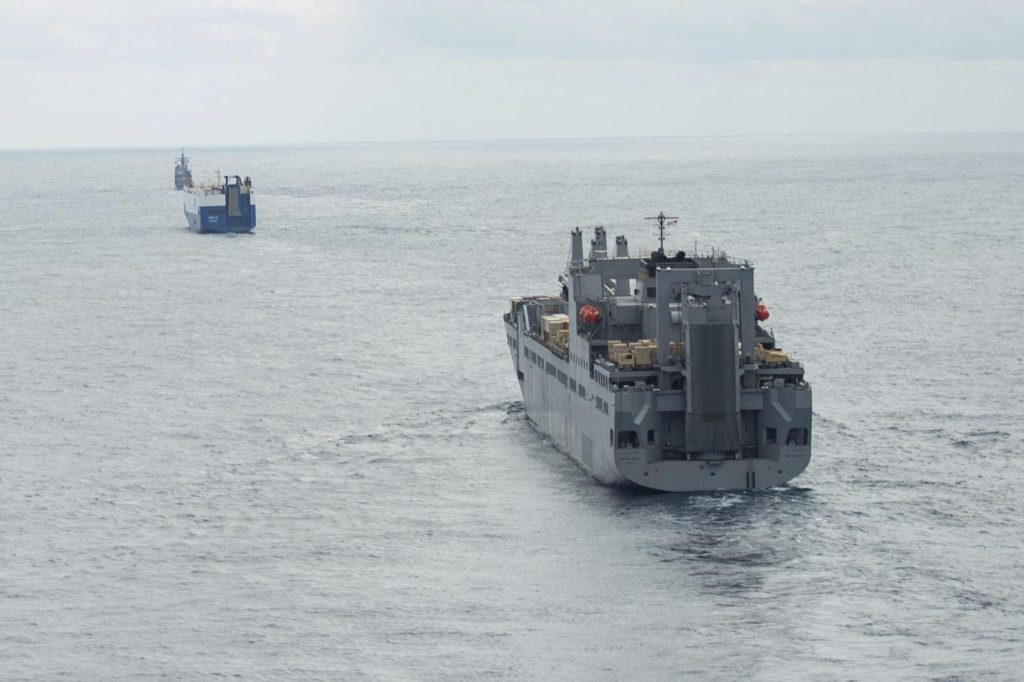
Building a sustained escort mission is a logistical and intelligence challenge. It will require: replenishment ships, spare parts, forward basing or port calls, medical evacuation plans, and rotation schedules for personnel. Intelligence — both human and electronic — must be fused quickly to support decisions at sea.
Interoperability is also a challenge. Navies have different communications equipment, command structures and legal constraints. Establishing common procedures for identification, escalation, and de-escalation will be critical in the early days of the mission.
Costs, Insurance and Economic Effects
Even the credible announcement of an escort coalition can influence markets. Insurers may adjust premiums for transits through the Gulf region; some shipping firms might accept higher costs to maintain their usual routes, while others might divert cargoes. Energy markets factor in both the physical risk to oil flows and the political risk of escalation.
Governments sometimes offer subsidies or underwriting arrangements to offset higher insurance costs for national carriers. If the coalition reduces the risk of attacks, insurance premiums could stabilize over time, but that depends on the mission’s perceived credibility and track record.
Escalation Pathways and De-escalation Options
Strategists fear several crisis pathways: a misfired weapon, a close naval encounter that turns hostile, or a deliberate attack on a coalition warship. Each scenario risks retribution and counter-retribution. To reduce those risks, coalition planners will likely emphasize clear lines of communication — hotlines between naval commanders and diplomatic channels in capitals — and rules of the road for encounters with Iranian vessels.
De-escalation tools include confidence-building measures, third-party mediation, clear public messaging about defensive intent, and targeted diplomacy to separate maritime incidents from other sources of tension, such as sanctions or nuclear diplomacy.
- Enhanced deterrence: Visible multinational presence raises the cost of attacks.
- Protection for commerce: Reduced likelihood of opportunistic harassment.
- Diplomatic leverage: A united front signals broad international concern.
- Escalation risk: High stakes if an incident turns kinetic.
- Cost and sustainment: Naval operations are expensive and resource intensive.
- Political friction: Allies may be reluctant to be drawn into confrontation.
Alternatives and Complementary Measures
Escorts are only one tool. Sanctions targeting Iranian maritime networks have been used to curtail proxies and shipping intermediaries. Diplomatic engagement — quiet back-channel talks, third-party mediation and negotiations over parallel issues — can reduce incentives for risky behavior. On the military side, enhanced aerial patrols, cyber defenses for shipping infrastructure and international efforts to clear and deter mine threats could complement escorts.
Domestic Political Dynamics in Washington
For the administration, the decision to lead or spearhead a coalition has domestic political implications. Supporters will frame the move as decisive leadership defending global trade and U.S. interests. Critics will warn that an escort mission risks entangling American forces in a widening conflict. Congressional oversight, funding and legal authorities will shape the mission’s scope and duration.
What Coalition Success Would Look Like
Success would be measured in reduced incidents, stable insurance rates, uninterrupted oil flows and the willingness of commercial flag states to participate. A credible, multinational operation that avoids major incidents while protecting shipping lanes for months would qualify as a political and operational success.
What Failure Looks Like
Failure could take several forms: repeated successful attacks despite escorts, a high-profile collision or strike that draws coalition forces into kinetic retaliation, or the erosion of partner support because the operation proves too costly or provocative. Any of those outcomes would raise the political and strategic costs for the United States and allies.
Practical Steps for Shipowners and Shippers
Shipowners will watch closely. Practical steps they may consider: maintaining robust communications with navies and flag states, updating voyage plans, ensuring that vessel crews receive training on lookouts and evasive maneuvering, and coordinating with private maritime security companies where legal and appropriate.
- Check flag-state guidance: Confirm whether your flag state permits or recommends escorts.
- Verify insurance coverage: Understand how premiums change with escorted transits.
- Plan contingencies: Identify alternate ports and routes should the security situation change.
Key Takeaways and Strategic Assessment
The proposed coalition to escort ships through the Strait of Hormuz is a consequential policy that blends naval power with diplomacy. It addresses a real vulnerability: narrow geography and sometimes aggressive maritime behavior. If well-executed, multinational escorts can reduce opportunistic attacks and stabilize markets. If mishandled, they can increase the risk of a maritime incident that spirals into wider conflict.
- Hormuz is a strategic chokepoint; any credible naval escort mission will have real economic impact.
- Diplomacy and partner buy-in are as important as ships and weapons for mission success.
- Clear rules of engagement and communications are essential to reduce the danger of escalation.
Conclusion
The plan to announce a multinational escort coalition is a calculated attempt to turn maritime vulnerability into collective security. It offers the potential to protect commercial shipping and reassure markets, but it demands meticulous planning, patient diplomacy and an honest appraisal of the risks. In the narrow waters of the Strait of Hormuz, even small moves have outsized consequences — and success will depend on the coalition’s ability to be at once strong, coordinated and disciplined.
Analysis: Military planners say the balance between deterrence and escalation will define the mission’s fate.