Surprising Origins of Small Government in the Early Modern Era
The words "small government" are supposed to be crisp: a clear policy preference, a brand, a shorthand wielded by political strategists and think tanks in modern democracies. Yet when we pull the phrase apart and trace its ancestry, we find not a sudden invention of the twentieth century but a slow, messy evolution that runs through the fiscal crises, philosophical debates, and party struggles of the early modern period. Far from a tidy ideology born with industrial capitalism, small-government thinking began as a composite of legal argument, tax resistance, and a yearning for local self-rule—all wrapped in the rhetorical habits of early modern publics.
mercantilism fiscal military state
A Short, Disorienting Background
To understand the shock of the term's history, we must adjust our assumptions. The early modern world—roughly the sixteenth to eighteenth centuries—was a time of expanding state power in some senses, and of fierce resistance in others. Monarchs built armies and navies, centralized administrations took shape, and mercantilist policies tried to direct trade and wealth. At the same time, subjects staged pitched political arguments about the limits of authority. Those arguments did not always sound like the later libertarian catechisms; they were often pragmatic, piecemeal demands to check arbitrary power, protect property, and control taxation. Within those arguments we can recognize the intellectual scaffolding of what later became called "small government."
State Capacity versus Local Autonomy
One of the earliest tensions that fed small-government ideas was the tug-of-war between growing state capacity and established local governance. Rulers demanded regular taxation to fund standing armies, bureaucracies, and diplomatic missions. Local elites, municipal corporations, and parochial councils pushed back—sometimes cooperating, sometimes resisting. That resistance often framed the question not as a refusal of public order, but as a demand for proportionality and accountability: pay, yes—but not arbitrary or indefinite levies; central coordination, yes—but not the annihilation of local customs or privileges.
Why Fiscal Matters Mattered
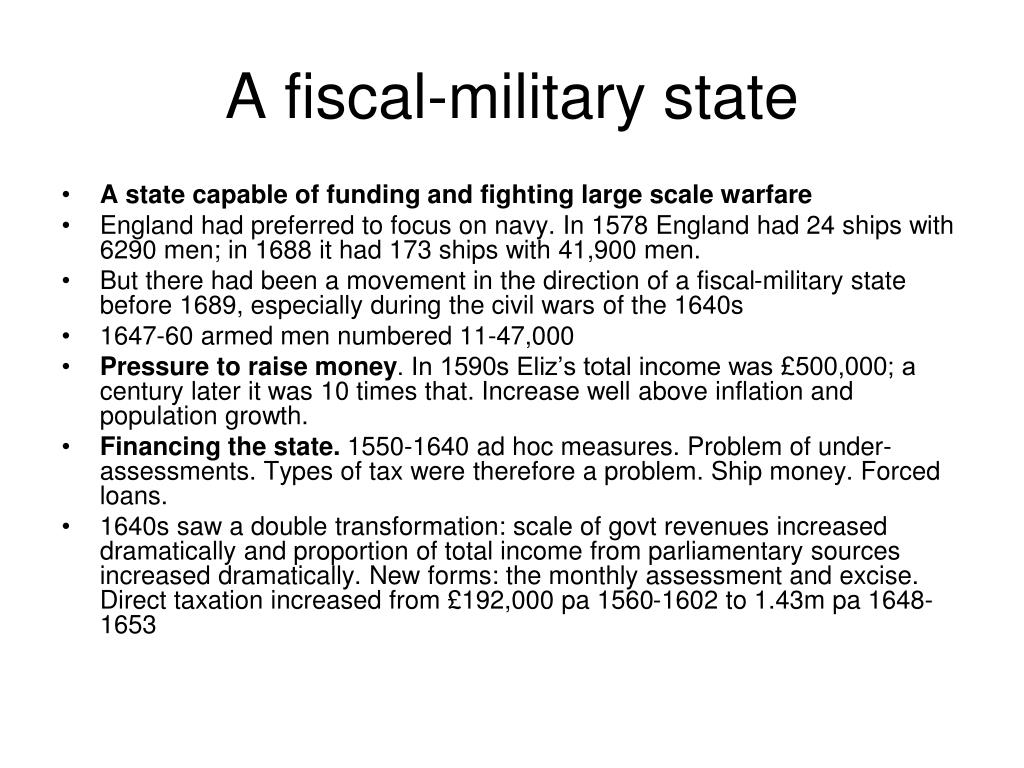
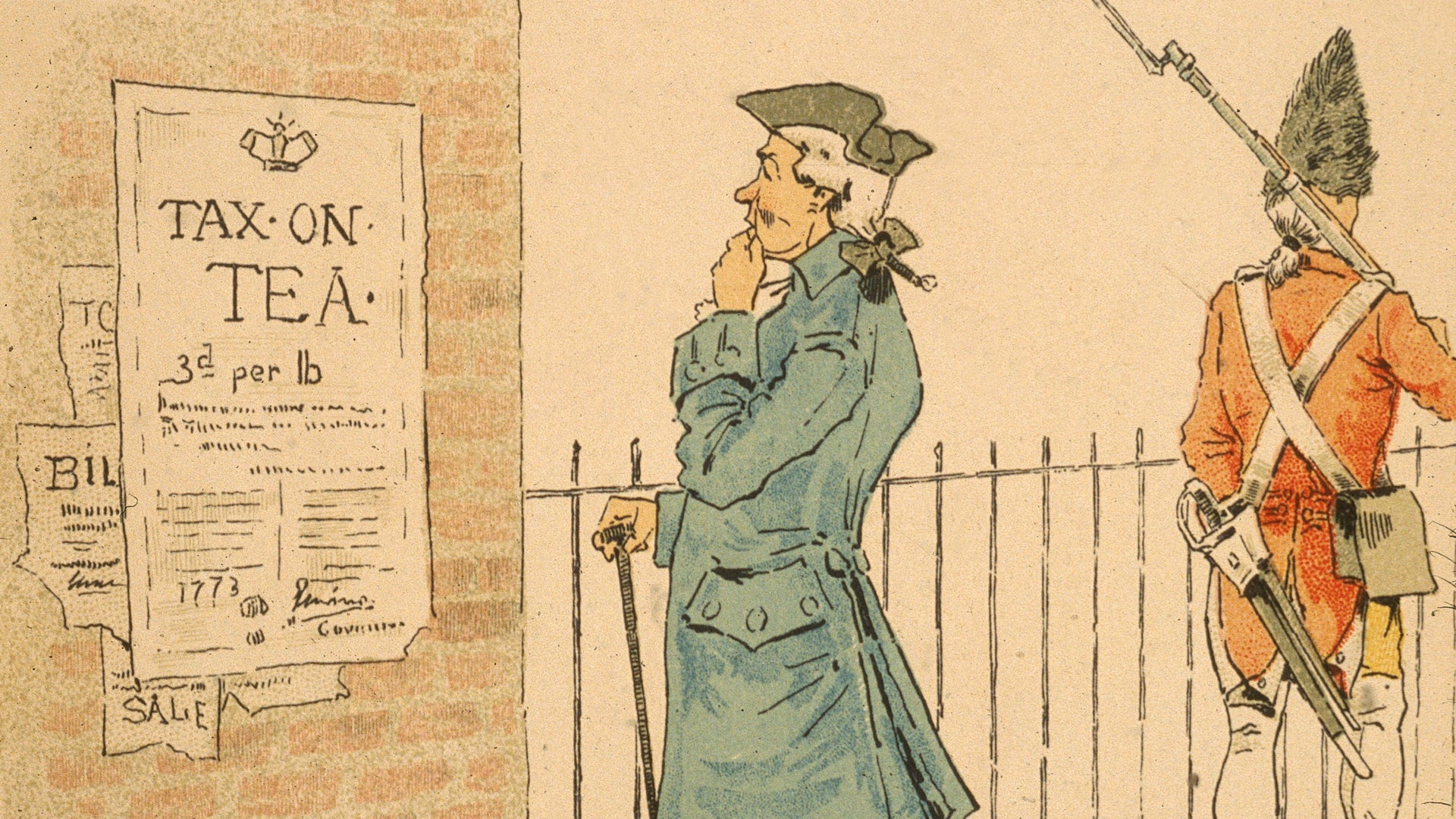
Money was the engine of political dispute. The fiscal-military state—an expression historians use to describe governments that relied intensively on taxation to fund war—forced new realities on societies that had previously managed public life through ad hoc obligations. Soldiers, quartering, impressment, and excise taxes loomed large in everyday experience. When people complained about the tax burden or the scope of administrative reach, they were articulating a proto-small-government claim: that the state's expansion had crossed a threshold where it infringed on customary liberties and local ordering.
Complaints about taxation and central reach were not mere economics; they were moral and constitutional claims about how political life should be ordered.
English Civil War taxation resistance
Philosophical Roots: Hobbes, Locke, and Competing Blueprints
The early modern intellect shaped the language people used to evaluate state power. Thomas Hobbes made the case—famously—that peace required a powerful sovereign: otherwise life would be "solitary, poor, nasty, brutish, and short." His Leviathan imagined concentrated authority as the cure for endemic disorder. Hobbes's logic, though not friendly to small government, forced his opponents to refine arguments about liberty and limitation. If a sovereign was necessary, how could its power be bounded?

Hobbes Leviathan early modern state
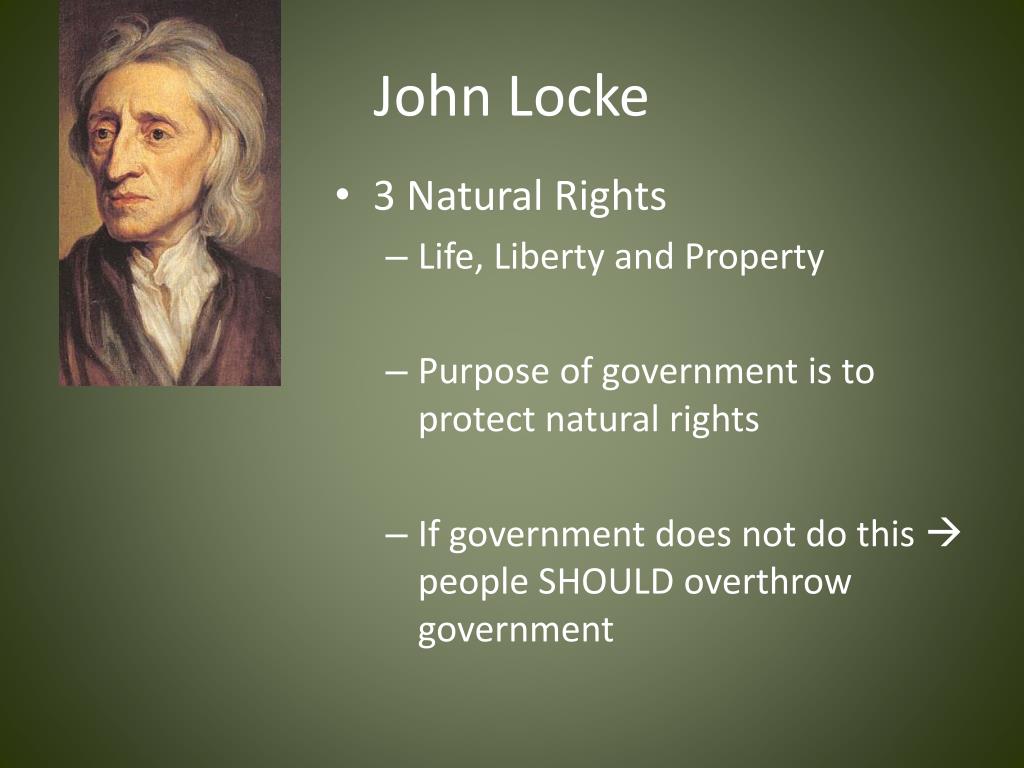
John Locke answered in a different register. He accepted government's role in protecting property and life but framed it as delegated authority that could be judged, limited, or replaced if it violated natural rights. Locke's political vocabulary—consent, separation of powers, property as a core claim—became a lexicon for those who wanted governmental action constrained. Over the long run, Lockean premises were central to republican and liberal arguments that evolved into small-government rhetoric.
Locke natural rights government
Whig Politics, Parliamentary Supremacy, and Rhetorical Inheritance
In England, conflicts culminating in civil wars and the Glorious Revolution of 1688 gave birth to the Whig tradition: a political identity that prized parliamentary authority, legal protections, and limits on monarchical prerogative. Whig discourse was not ideologically uniform—it contained radical republicans and moderate constitutionalists alike—but it nurtured a vocabulary that later political actors would use to critique expansive executive power and arbitrary taxation.
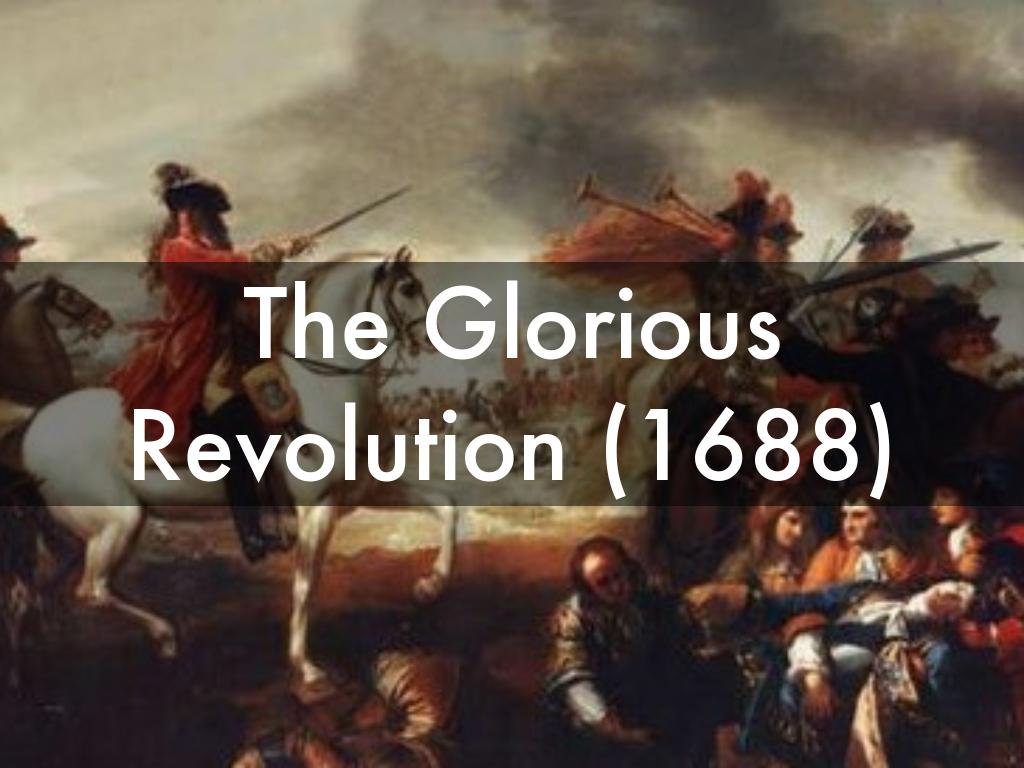
Glorious Revolution Whig tradition
The Whig inheritance is instructive because it demonstrates how political language becomes portable across centuries. Arguments that began as specific constitutional complaints—about ship money, prerogative courts, or standing armies—could later be reframed as general principles about limited government, individual rights, and the rule of law.
Colonial Echoes: How Early America Imported and Adapted the Debate
Across the Atlantic, colonial societies crystallized their own versions of this dispute. In North America, the practicalities of distance, colonial charters, and the realities of local self-government produced heightened sensitivity to what colonists saw as intrusive imperial policies. When Parliament levied taxes or enforced regulations without local representation, resistance framed the metropolitan state as overreaching. The rhetoric frequently drew on Lockean and Whig templates: consent, property, and the idea that government should be limited and accountable.
That colonial experience prepared a rhetorical stage where "small government" could later flourish. The American Revolution produced constitutional experiments explicitly designed to restrain central power. The Articles of Confederation were a first, imperfect effort to keep the central authority narrow; the later Constitution balanced stronger federal structures with enumerated powers and institutional checks. The language of limitation—of enumerated authority, separation of powers, and federalism—remains a central inheritance from early modern debates.
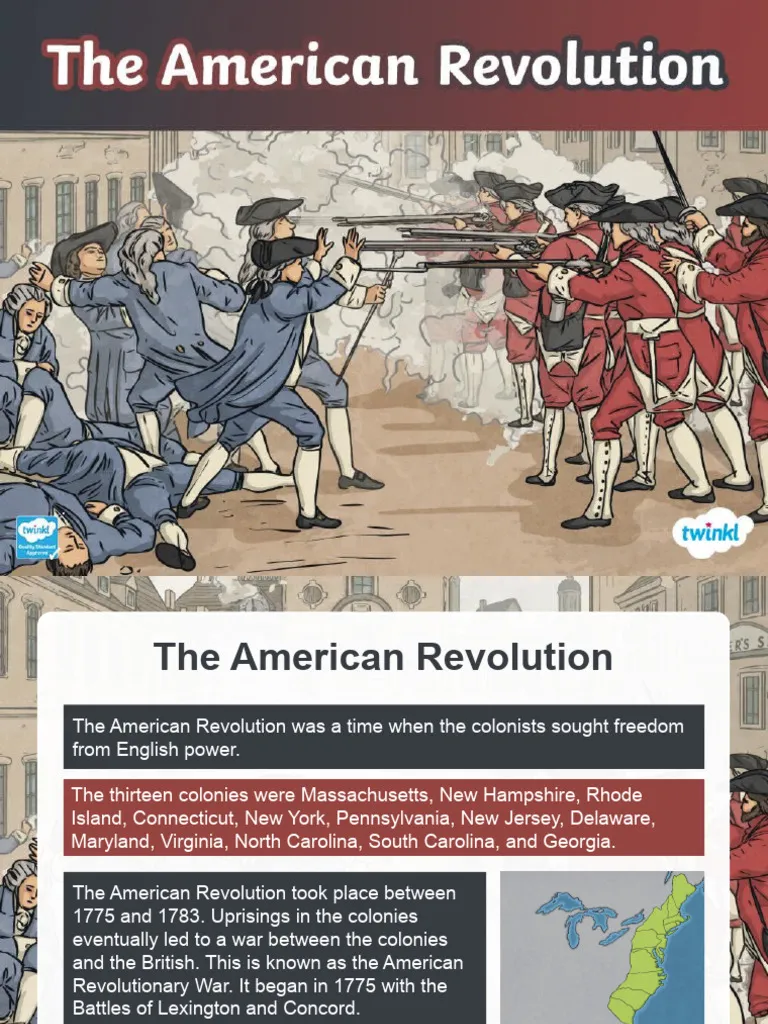
American Revolution colonial resistance
Semantic Migration: When Practical Resistance Became an Ideology
It is important to distinguish between everyday resistance to specific policies and the later ideological packaging of "small government." In early modernity, a merchant resisting a customs duty or a town council contesting a new levy did not necessarily propose a General Theory of Less State. They argued for exemptions, for the right to commerce, or for local privileges. Over time, however, coherent strands within these disputes—especially those drawing on liberal philosophy—coalesced into broader principles: the protection of private property, limits on regulatory reach, and skepticism about standing armies and permanent bureaucracies.
This semantic migration—where tactical grievances are reframed as durable principles—was neither inevitable nor uncontested. Other strands of early modern thought emphasized state-building and the need for robust institutions to secure order and prosperity. Thus the "small government" idea lived in tension with state-building projects that celebrated administrative capacity and centralized policy as engines of modernity.
Over centuries, protests about levies and billeting were distilled into philosophical claims about rights and the proper size of authority.
Case Studies: Varied Fronts of the Early Modern Debate
English Localities and the Limits of Excise
In English towns and counties, repeated disputes over excise, customs, and the billeting of soldiers show how ordinary communities defended boundaries against administrative encroachment. Courts, petitions, and pamphlet wars all became instruments for contesting reach. Those actions meant that "limiting government" often functioned as a claim to procedural protections and predictability rather than an abstract economic doctrine.
Dutch Republic: Commercial Freedom and Anti-Centralism
The Dutch example offers another model. A sea-born commercial republic, the United Provinces prized merchant autonomy and a networked governance structure that empowered cities and provinces. Its political culture privileged negotiation and constrained centralization. While not a textbook instance of small-government ideology, Dutch practices demonstrated alternatives to concentrated rule: a system where light-touch regulation and commercial liberties were politically embedded.

Dutch Republic commercial autonomy
France: Central Power and Counterarguments
By contrast, France's path of administrative centralization and absolutism produced intellectual and political counterweights. Critics of absolutism—ranging from provincial elites to philosophes—argued for legal protections and local rights. Yet in France, the debate often centered on modernization and efficiency rather than a doctrinaire case for rolling back state reach. That divergence helps explain why the language of small government gained different traction across Europe.
From Principle to Politicized Slogan
By the nineteenth and twentieth centuries, streams of thought that had been incubating since early modernity—Lockean natural rights, Whig legalism, and resistance to fiscal coercion—were woven into political projects. Classical liberals and later conservative movements emphasized free markets, limited taxation, and minimal regulation, stylizing small government as both principle and political platform. The phrase became a powerful rhetorical device, useful for mobilizing constituencies and packaging complex institutional histories into campaign-ready slogans.
A slogan flattens centuries of debate—but the flattening hides a more complex genealogy.
Why This History Matters Today
Understanding the early modern genealogy of small government matters for contemporary debates. First, it shows that arguments about state size are rarely abstractions: they emerge from specific contests about money, law, and local authority. Second, it reminds us that the term's meaning has always been contested. What counts as "small" depends on what actors value—security, order, market freedom, social welfare, or community autonomy. Third, tracing the term's history reveals that appeals to tradition or the "founding principles" of limited government often select particular moments and readings while ignoring others. Early modern sources offer both arguments for limitation and arguments for effective centralized institutions; they can be marshaled to support opposing conclusions.
Lessons for Readers and Citizens
When modern politicians claim the mantle of "small government," citizens should listen carefully: the claim carries histories and assumptions. Is the speaker foregrounding lower taxes, fewer regulations, decentralization of power, or cultural autonomy? The early modern lineage suggests several practical checks:
Ask about trade-offs. Early modern actors always faced trade-offs between protection and liberty; the same is true today.
Look for historical selectivity. Appeals to "founders" or "tradition" may omit competing early modern arguments that favored state capacity and public goods.
Distinguish rhetorical packaging from institutional design. A slogan does not explain how to maintain roads, public order, or national defense; those are design questions rooted in administrative capacity.
Conclusion: A Long, Contested Lineage
The story of "small government" is not a straight line from a single thinker to a single party manifesto. It is a braided history of practical resistance, philosophical reflection, and political entrepreneurship. Early modern disputes—about taxes, standing armies, and local autonomy—played crucial roles in shaping the vocabulary that later became an ideology. Recognizing that lineage deepens our understanding of contemporary debates: when "small government" is invoked today, it is invoking centuries of argument, often compressed and reframed to serve present aims.
- "Small government" has roots in early modern fiscal, legal, and philosophical disputes rather than emerging fully formed in modern politics.
- Arguments for limiting state power often began as concrete complaints about taxation, military burden, and local rights.
- The same early modern sources can support competing modern policies—both limitation of authority and the construction of capable central institutions.
History is both inheritance and argument: knowing the past helps citizens parse the present.