Latest Articles
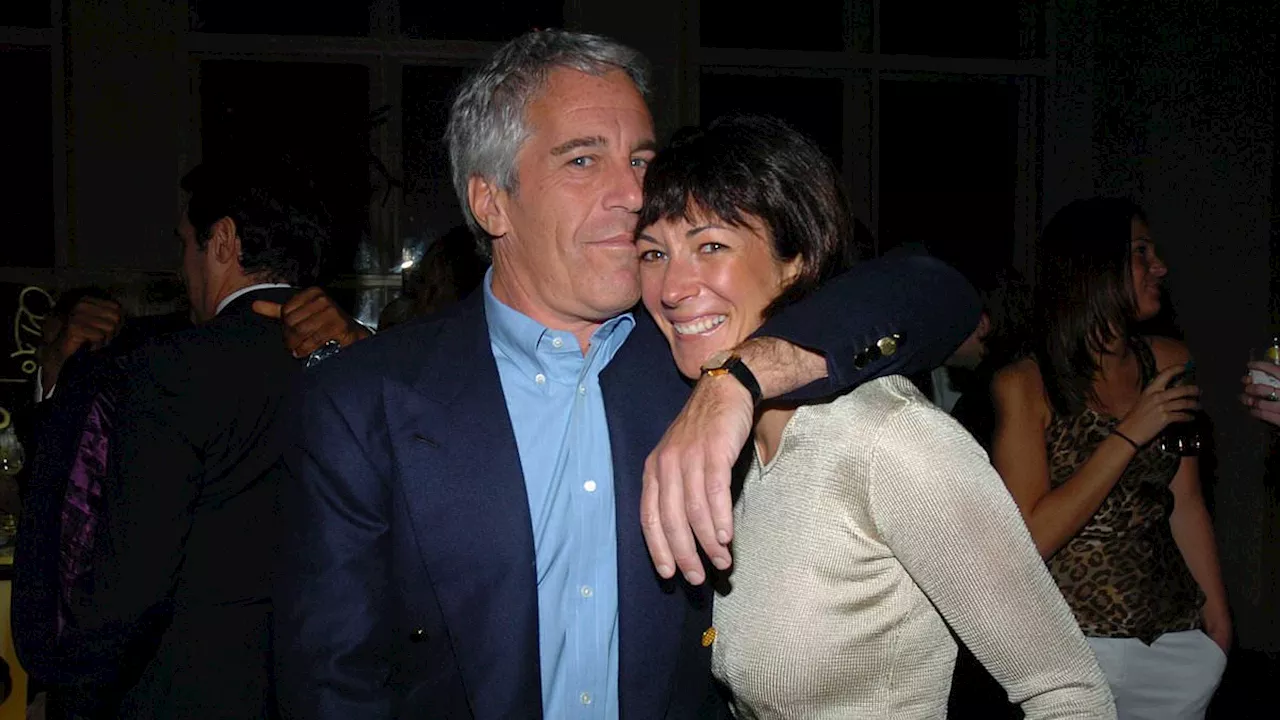
What the FBI Did — and Didn't — Find in the Epstein Case
An in-depth examination of the claim that the FBI concluded Jeffrey Epstein was not running a sex-trafficking ring for powerful men, exploring what investigations actually established, what remains unresolved, and why the narrative matters.
Epstein Email Scandal: Europe's Elite and Royal Scrutiny
Leaked communications connected to Jeffrey Epstein reopened questions about power, secrecy, and reputational damage across Europe, producing intense media scrutiny around elites — including speculative attention on Norway's Crown Princess. This feature unpacks how emails, rumors, and tabloids shape modern scandals and what remains unresolved.
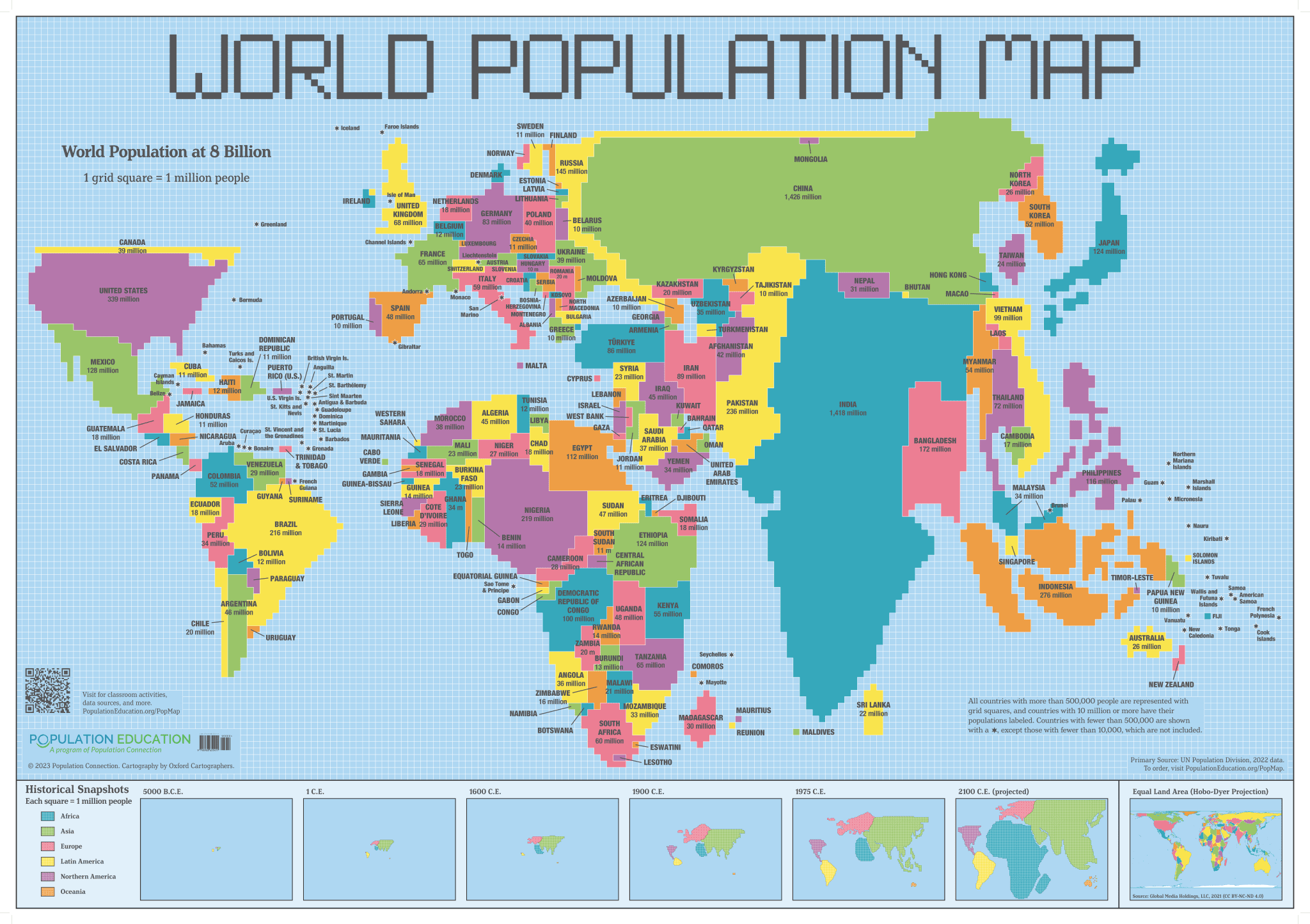
8 Countries That Contain Half the World’s Population
Eight nations—primarily in Asia and Africa—account for roughly half of humanity. This feature explains which countries they are, why they matter demographically and geopolitically, and what trends will reshape global balance in the coming decades.

Singapore to Use Caning for Scammers: What It Means
Singapore’s move to apply judicial caning to convicted scammers has reopened debates about deterrence, human rights, and digital crime enforcement. This feature unpacks the legal context, arguments on both sides, operational challenges, and what it means for victims and regional policy.
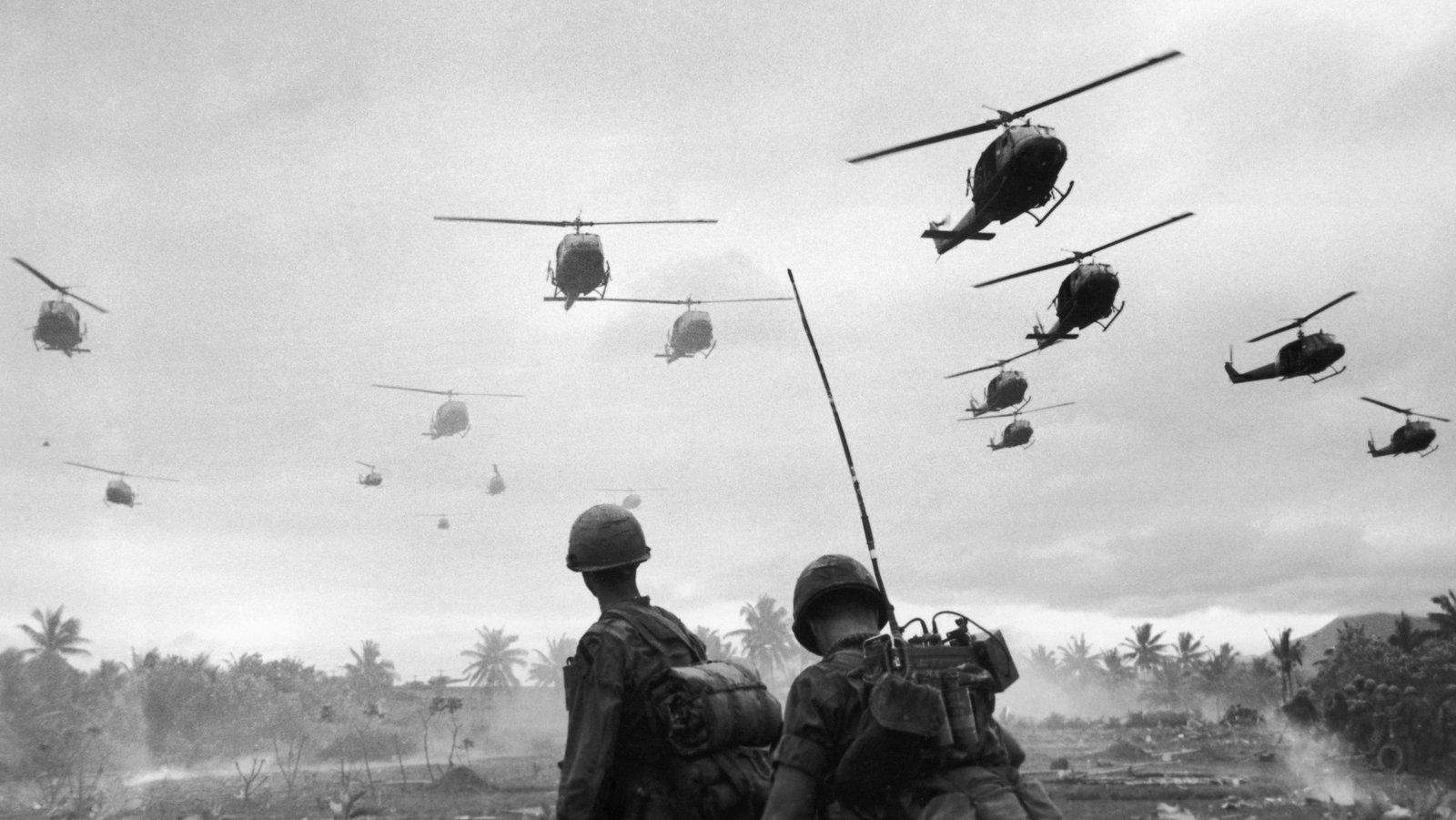
How Vietnam Defeated the U.S. in the Vietnam War — An ELI5 Guide
A clear, plain-language explanation of how North Vietnam and the Viet Cong overcame the United States—exploring military strategy, political pressures, geography, and popular support to explain why the conflict ended the way it did.
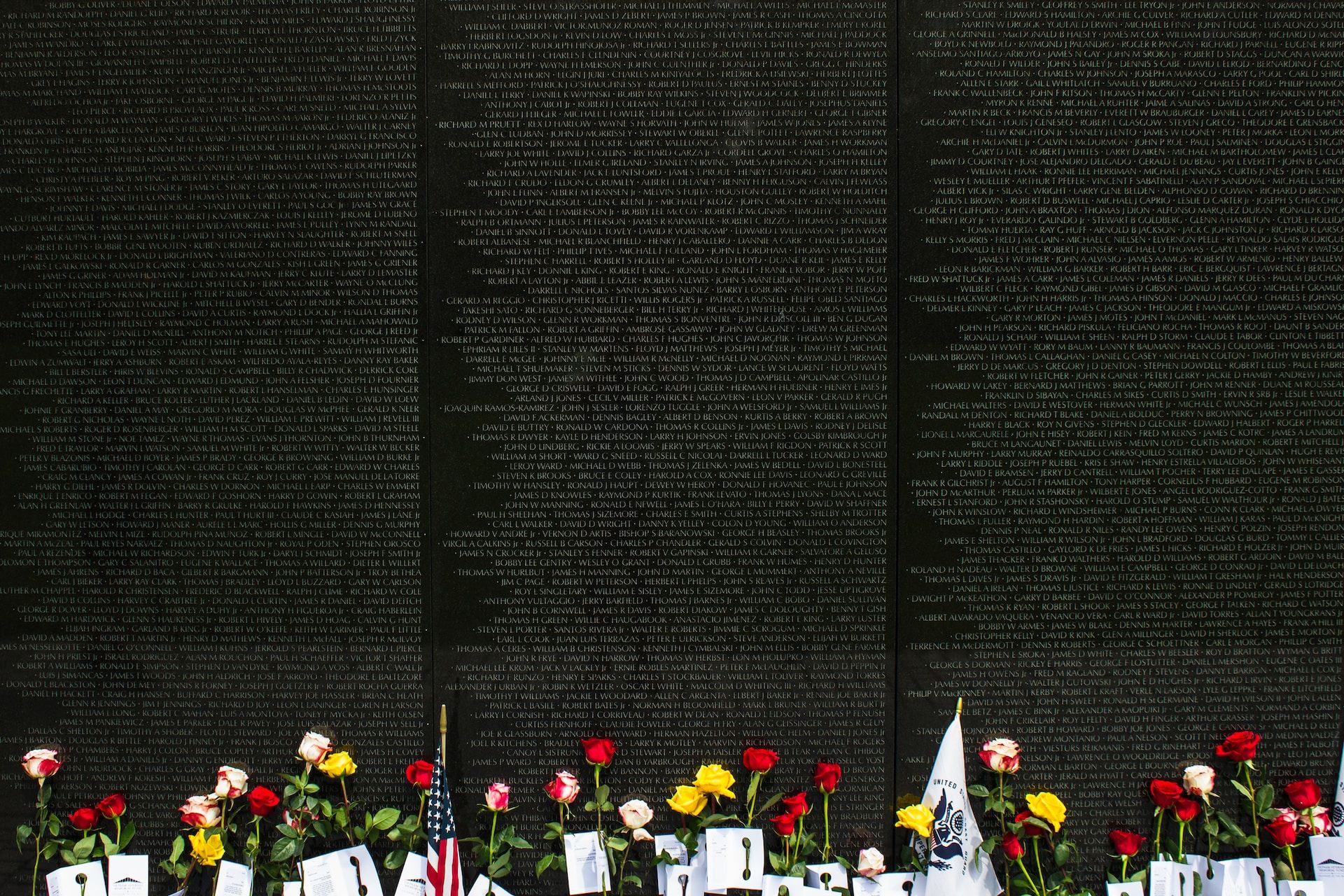
Most Powerful War Memorial in Your Country: A Guide
A deep, humane exploration of what makes a war memorial powerful—architecture, ritual, history, and public memory—and how to judge which one resonates most in your country. This feature offers criteria, case studies, visiting advice, and practical ways communities can keep remembrance meaningful.