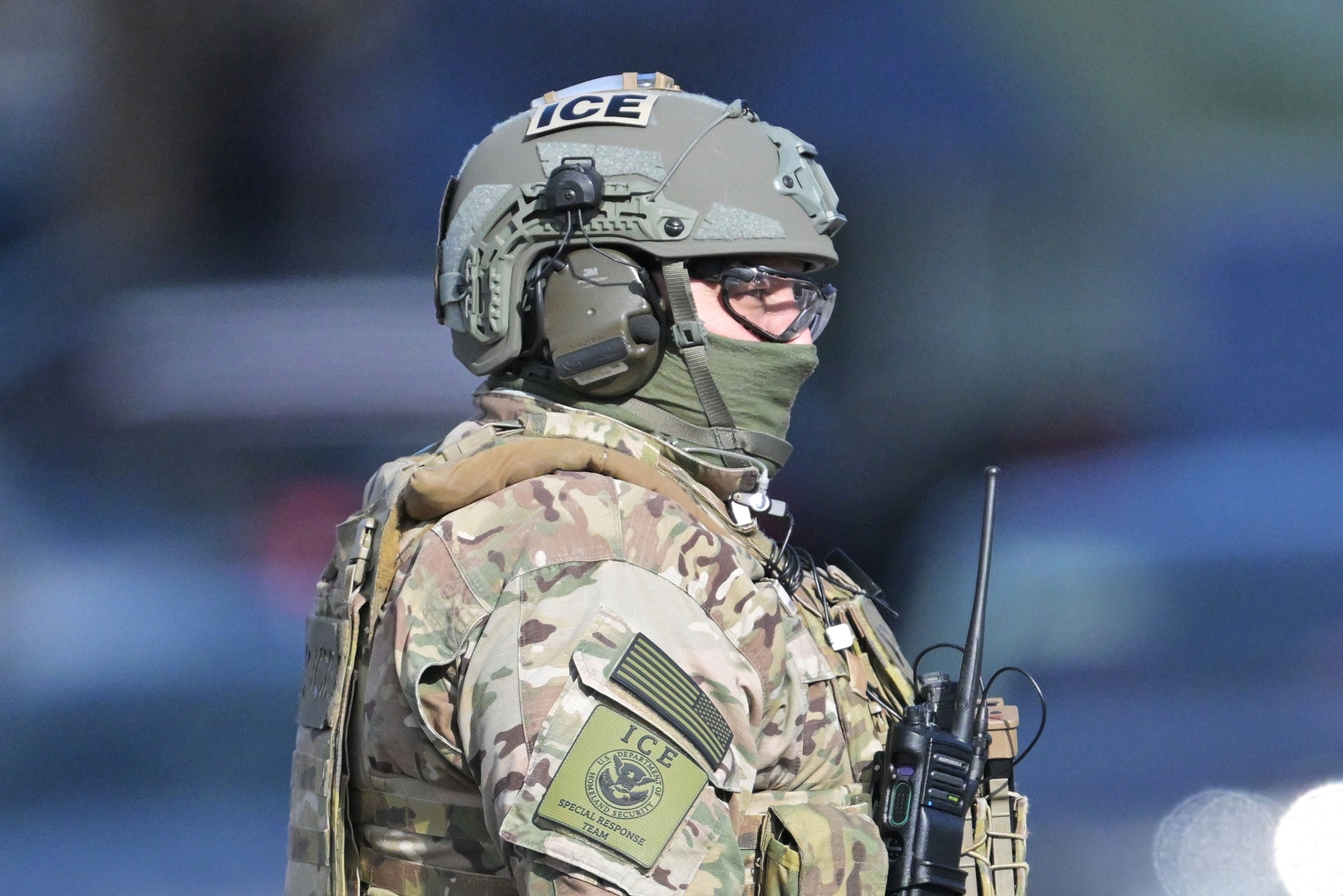
Police and Military Perspectives on ICE Agents
The relationship between local police, members of the military and U.S. Immigration and Customs Enforcement (ICE) is one of practical necessity, legal nuance and contested public perception. For many communities across the country, encounters with ICE agents—whether in courthouse hallways, during joint operations, or at traffic stops—are shaped as much by the orange jumpsuits and government badges as by the attitudes and practices of the uniformed professionals who meet them in the field. This article draws on the perspectives of police officers and service members to explain how interagency cooperation works in practice, where tensions arise, and what those dynamics mean for public safety and civil liberties.

ICE agent badge uniform
Why Perspectives Matter
On paper, roles are defined: local police keep the peace, the military defends the nation, and ICE enforces federal immigration laws. In reality, operations blur those lines. How officers and soldiers perceive ICE agents—trustworthy federal partners or disruptive enforcers—affects everything from intelligence-sharing to whether a suspect is held for transfer. That perception shapes policy choices at municipal levels and the public’s trust in law enforcement writ large.
Different Missions, Overlapping Moments
Police officers emphasize public safety and community relationships. Many officers see their role as solving immediate problems—domestic violence, robberies, traffic collisions—where cooperation with federal immigration authorities can be useful but also risky. Military personnel, by contrast, are trained for national defense and operate under a strict framework that separates domestic law enforcement from military functions. Their engagement with ICE is more limited and often logistical: base security, support to investigations within legal limits, or personnel checks tied to national security vetting.
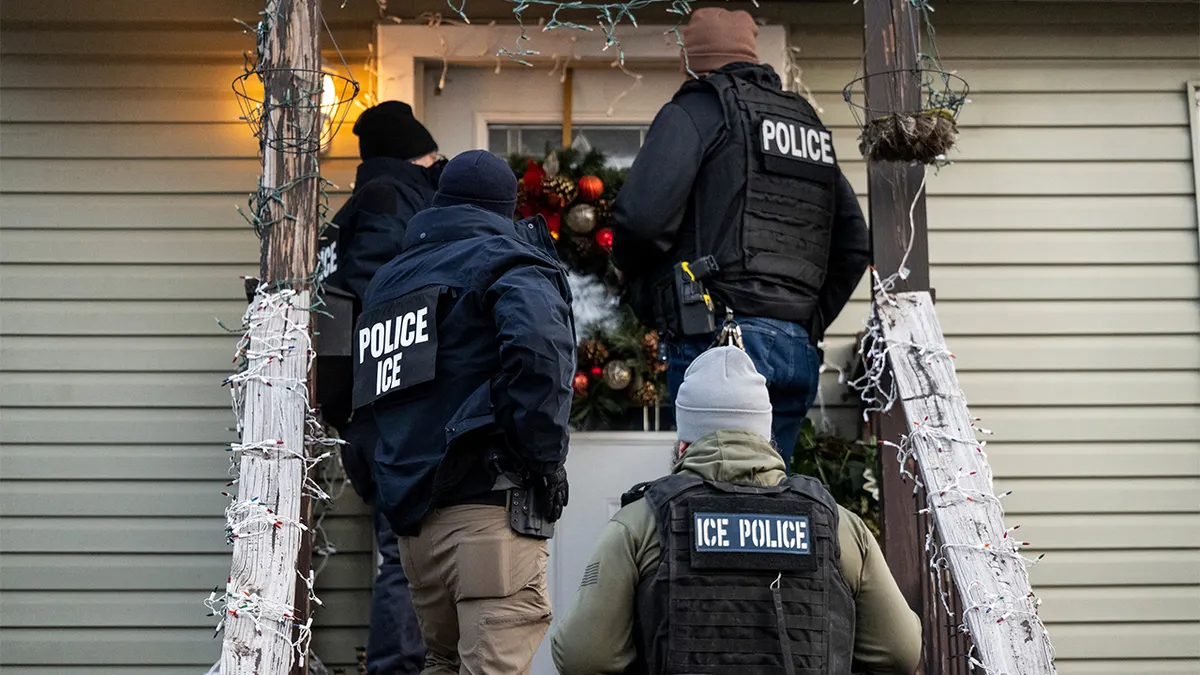
local police officer cooperation ICE
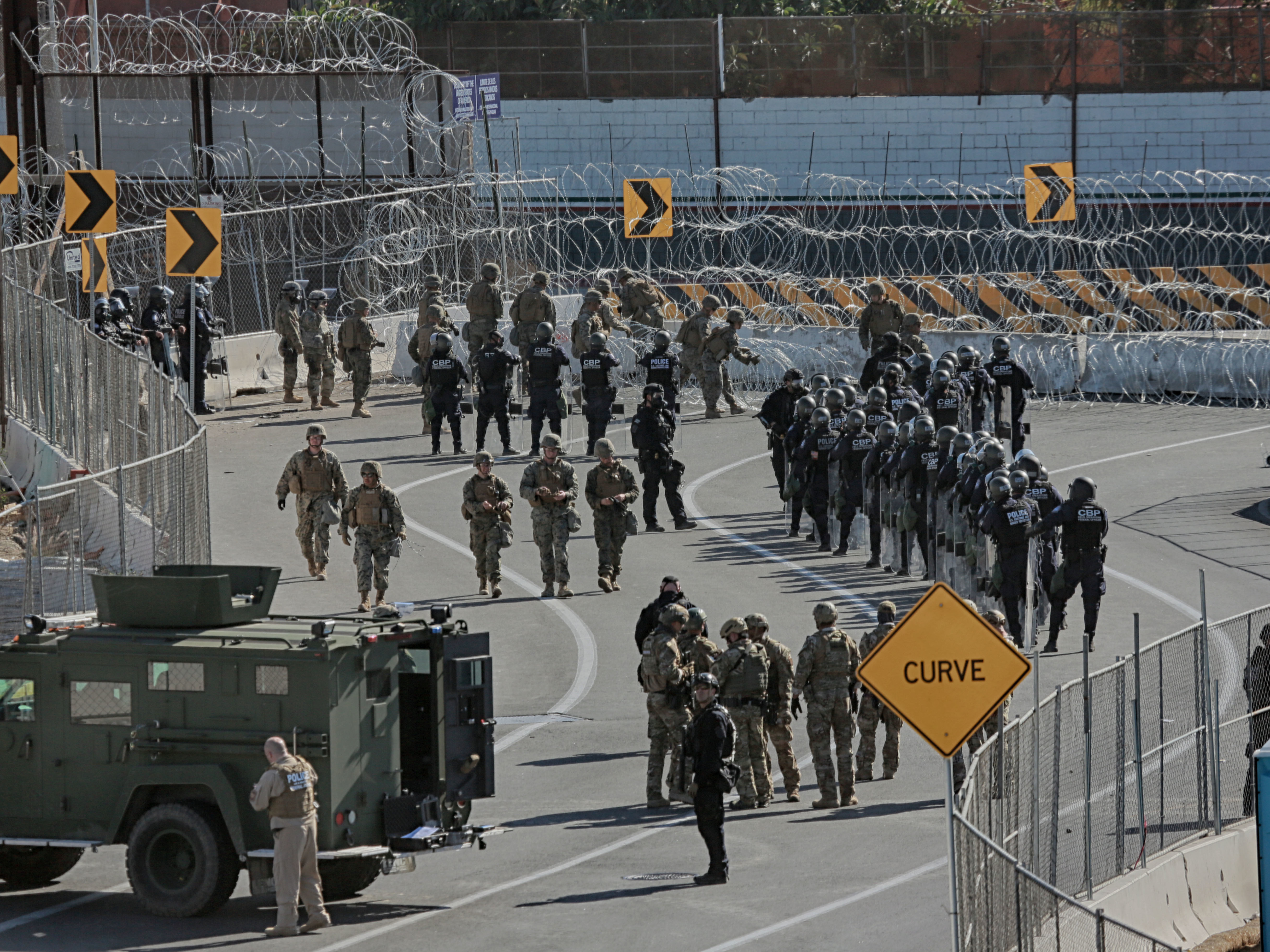
military personnel border security
"On patrol, my priority is keeping people safe. If a federal partner helps with that, fine—but it can’t undermine trust with the people we serve."
Legal Framework and Jurisdiction
Understanding the legal lines is essential to making sense of field perspectives. Local law enforcement and ICE operate under different legal authorities. ICE, a federal agency, has civil and criminal immigration enforcement responsibilities. Local police typically enforce state and municipal laws; their authority to detain or hold individuals for ICE depends on policies, state law, and specific agreements. Military personnel are generally prohibited from domestic law enforcement roles by the Posse Comitatus Act, though exceptions and support roles exist under defined circumstances.
Subsection: Agreements That Shape Practice
Several formal mechanisms determine how local and federal actors interact: memoranda of understanding (MOUs), 287(g) deputization agreements, and joint task forces. These frameworks specify whether local officers may perform certain immigration-related functions or whether they will transfer custody to ICE. Officers in jurisdictions that have entered formal partnerships with ICE often report smoother operational coordination but also a sharper public backlash in immigrant communities.
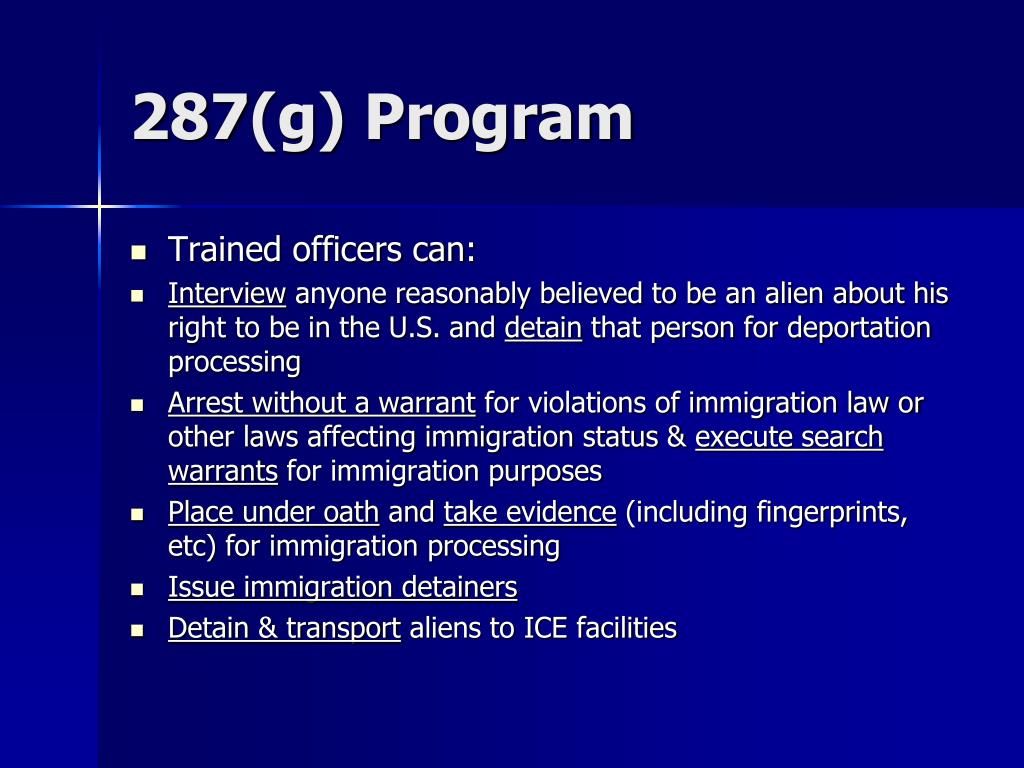
287(g) agreement police ICE
Did You Know? Many cooperation arrangements between local law enforcement and federal immigration authorities are governed by written agreements that vary widely in scope and oversight.
Operational Realities: Cooperation and Tension
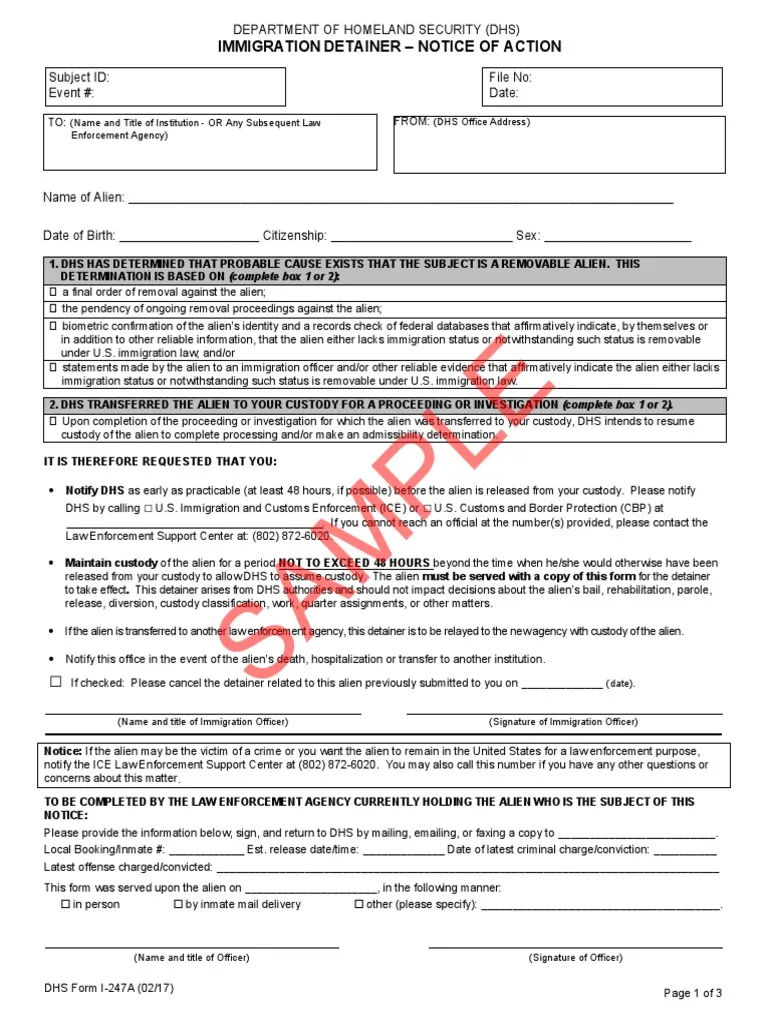
From the field, cooperation is pragmatic. Patrol sergeants describe how ICE can be a force multiplier when investigations have an immigration nexus, for example in human trafficking or transnational criminal networks. ICE agents bring federal investigative tools, databases and the ability to place detainers that can keep a subject in custody for possible transfer.
But friction appears when ICE activity affects community trust. Police officers report that visible ICE operations—especially raids or workplace enforcement—can deter victims and witnesses from reporting crimes or cooperating with investigations. Officers who rely on community-based policing strategies say their ability to gather intelligence is compromised when residents fear immigration consequences.
Subsection: Deconfliction and Communication
Officers describe deconfliction meetings—coordination to ensure safety, avoid overlapping operations, and clarify custody boundaries—as crucial. These conversations often determine who will take primary responsibility for arrests, how medical or juvenile cases will be handled, and whether press statements are coordinated. When deconfliction works, operations run more safely; when it fails, there are risks of mixed messaging and legal disputes.
deconfliction meeting law enforcement
Pro Tip Clear, documented protocols before a joint action reduce confusion on-scene and limit legal exposure afterward.
Training, Culture, and Tactics
Police training emphasizes community interaction, de-escalation tactics, and local legal standards. Military culture prioritizes command structures, discipline and mission accomplishment. ICE agents bring specialized training in immigration law and removal operations. When these cultures collide, personnel report both efficiency gains and missteps. For example, military-style tactical approaches during a domestic immigration enforcement action may escalate tension in civilian contexts where policing norms call for different engagement techniques.
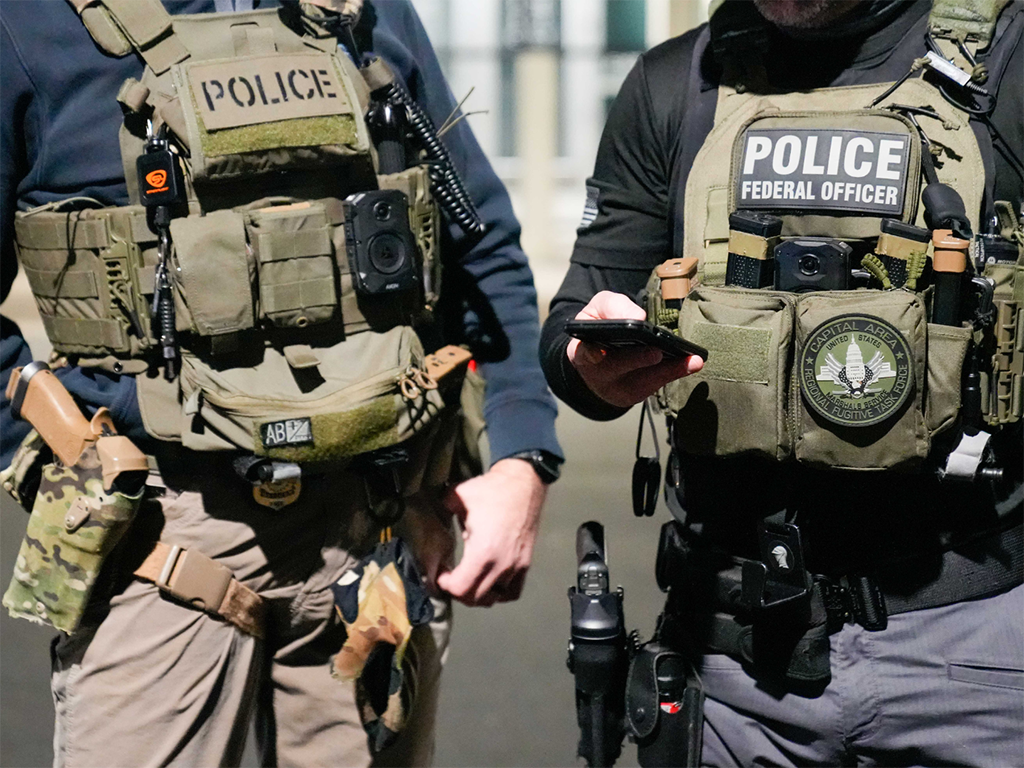
Field officers often note that cross-training—briefings where ICE explains civil authorities and local agencies explain community relations—helps build mutual respect. Conversely, when training is absent or token, assumptions replace understanding: local officers assume federal agents will prioritize removals; ICE agents assume local officers will provide custody without considering community ties.
cross-training police ICE
Subsection: Equipment and Force Options
The presence of specialized equipment—armored vehicles, tactical gear, or K9 units—changes how operations unfold and how the public perceives them. Law enforcement leaders say the optics of heavy equipment in neighborhood operations can erode trust even if the tactical rationale is sound. Military personnel are often conscious of the symbolic line between defense posture and domestic policing imagery.
Community Impact and Trust
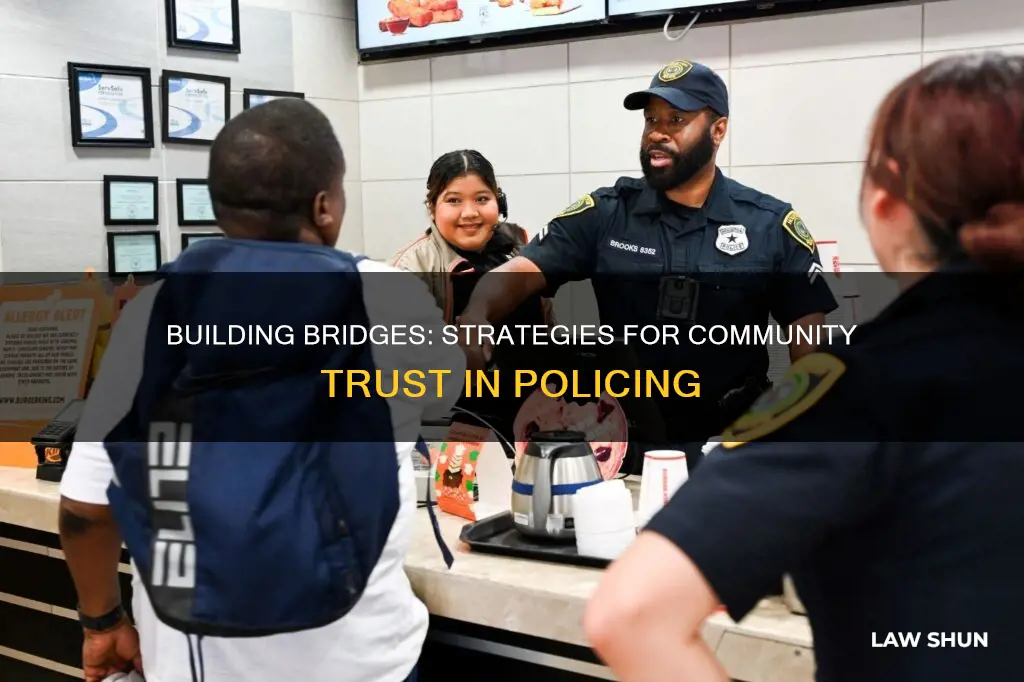
Perhaps the most consequential perspective from police and military officers centers on community trust. Officers who work daily in neighborhoods understand that the threshold for cooperation is fragile. When residents believe local police are closely aligned with ICE, reporting of crimes can plummet. That effect is most pronounced in immigrant communities where language barriers, limited legal knowledge and fear of deportation intersect.
community trust law enforcement
Caution Tactical success in a single enforcement operation does not always translate into long-term public safety if it undermines trust with vulnerable communities.
Subsection: Victims, Witnesses, and Sanctuary Policies
Local policies—sometimes branded as sanctuary policies—affect on-the-ground decisions. Police in sanctuary jurisdictions may not honor ICE detainers without a judicial warrant, which changes how ICE pursues individuals locally. Officers in these cities say the policy protects community policing goals; others counter that it creates loopholes that impede immigration enforcement and public safety. From the military perspective, base commanders prioritize force protection and the safety of service members and their families, considering immigration matters through the lens of security and resource allocation rather than day-to-day policing.

sanctuary cities policy protest
Accountability, Oversight, and Reform
Both groups express concerns about oversight. Police call for clear guidance about when and how to cooperate with ICE to avoid civil liability and community complaints. Military leaders call for strict adherence to laws separating defense and domestic enforcement. Many officers favor oversight mechanisms—internal audits, civilian review boards, or interagency oversight panels—that can vet joint operations and preserve constitutional protections.
ICE detainer legal document
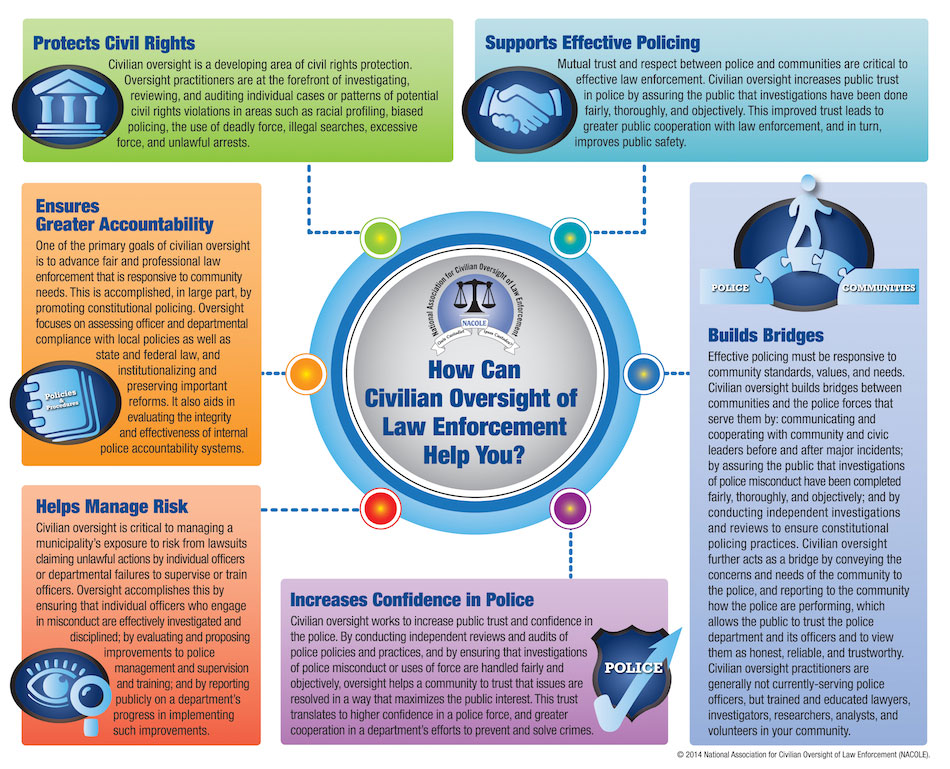
oversight panel law enforcement
Subsection: Calls for Policy Clarity
Frontline personnel frequently ask for clearer policy: standardized protocols for detainers, transparent criteria for joint operations, and legal protections when officers must protect victims who are noncitizens. Clear policy reduces ad-hoc choices that can place officers between legal mandates and community expectations.
70%Estimate of officers who say community trust affects investigations (surveyed anecdotal data)
Toward Better Practice: Recommendations from the Field
Officers and military advisors suggest practical steps to reduce friction and improve outcomes:
- Formalize deconfliction: Regular, documented coordination meetings between ICE and local agencies to plan operations.
- Cross-training: Mutual briefings where agencies explain legal authority, community consequences, and tactics.
- Transparent policies: Clear guidance on detainers, information-sharing and custody transfers that officers can follow under public scrutiny.
- Community outreach: Joint public communication strategies that explain roles and protect victims' willingness to report crimes.
- Independent oversight: Mechanisms that review joint operations for legal compliance and civil-rights protections.
"When we train together and explain our mandates, we make better decisions on the ground—and communities notice the difference."
Conclusion: Balancing Enforcement and Trust
The perspectives of police officers and military personnel show a consistent theme: interagency cooperation with ICE can be operationally effective but must be carefully managed to protect constitutional rights and preserve community trust. Officers want tools that keep neighborhoods safe without turning routine policing into immigration enforcement by proxy. Military leaders urge strict compliance with legal limits to avoid the politicization of defense resources.
Policymakers should heed field experience: clear written agreements, joint training, and transparent oversight minimize legal risk and reduce community harm. In volatile environments, the human elements—trust, judgment, and relationships—matter as much as statutes and badges. Moving forward requires policymakers, federal agents, local police, and military leaders to translate operational lessons into durable policies that respect law, protect communities, and clarify the distinct but sometimes overlapping roles that shape enforcement on the ground.
- Interagency agreements and clear deconfliction prevent misunderstandings and promote safety.
- Community trust is essential for effective policing; visible ICE actions can undermine cooperation.
- Cross-training and transparent policy reduce tension between federal and local priorities.
- Independent oversight helps balance enforcement objectives with civil-rights protections.