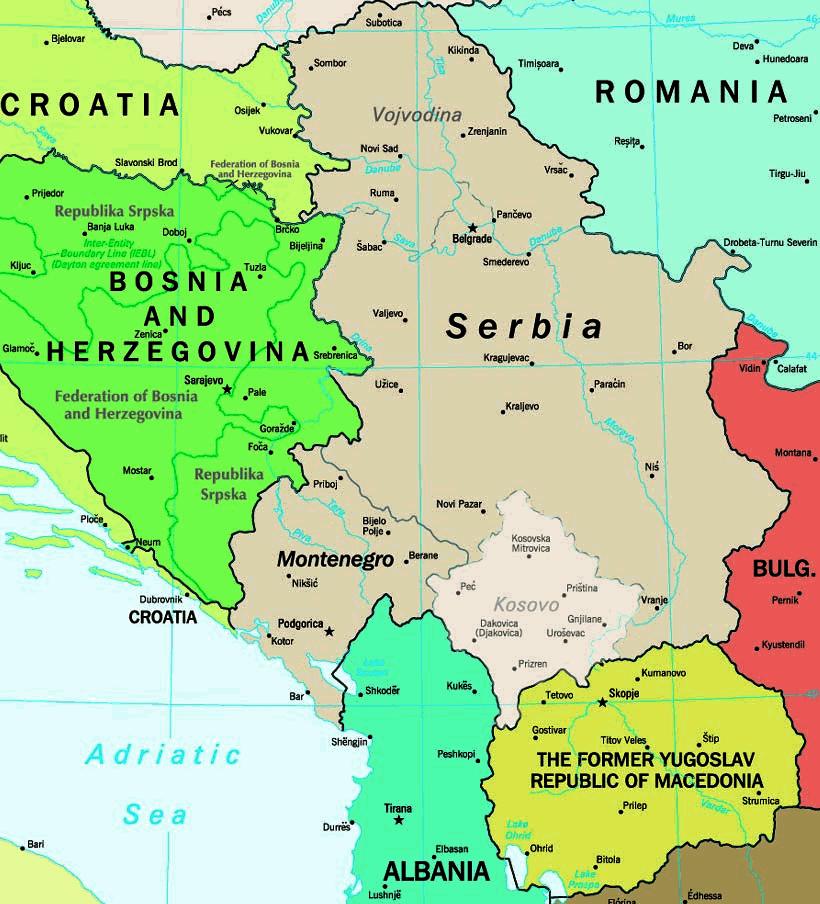
Why Serbia Accepted Montenegro but Not Kosovo
Few puzzles in contemporary European geopolitics are as emotionally charged and conceptually instructive as why Belgrade ultimately permitted Montenegro to become independent in 2006 but has consistently rejected Kosovo's independence declared in 2008. On the surface both moves created new states carved out of the former Yugoslav space; beneath the surface the two trajectories followed radically different legal processes, political bargains, historical resonances, and international contexts. Understanding the difference requires looking simultaneously at law, identity, strategy, and realpolitik.
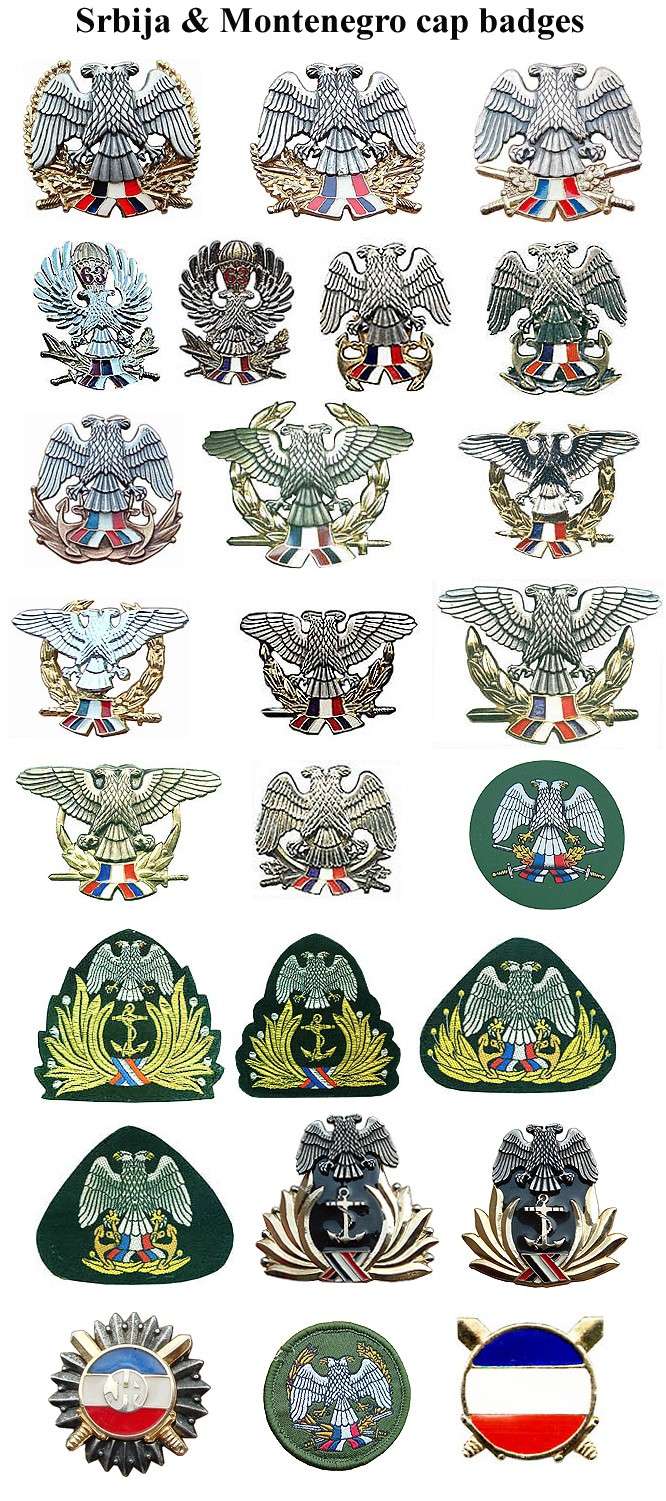
Montenegro and Serbia remained in a state union before their mutual separation
A Short Historical Frame
To make sense of Serbia's choices we must remember the sequence that led to each breakaway. Montenegro and Serbia were the last two republics in the Federal Republic of Yugoslavia and later the state union of Serbia and Montenegro. That union unraveled after a negotiated referendum and mutual adjustments. Kosovo's path, by contrast, ran through violent conflict in the 1990s, NATO intervention, long international administration, and then a unilateral declaration of independence that many states recognized while Serbia and several important powers did not.
Why the Difference Matters: Legal Pathways and Political Process
At the heart of the divergence is process. Montenegro's independence flowed from an agreed political solution: a referendum arranged under international observation, a negotiated timetable, and a decision that dissolved a bilateral state union. Kosovo's independence, in contrast, was the outcome of a unilateral declaration by a provincial assembly after years of international administration and contentious negotiations. The international community treated the two as fundamentally different kinds of state formation.
1. Dissolution versus Secession
The Montenegro case resembled a negotiated dissolution: two constituent parts of a union agreed to end the collective state. Historically and legally, breakups of federations or unions tend to be treated as internal reorganizations (think Czechoslovakia) rather than classic secessionist movements. Montenegro's referendum provided a clear constitutional and political exit ramp for both parties.
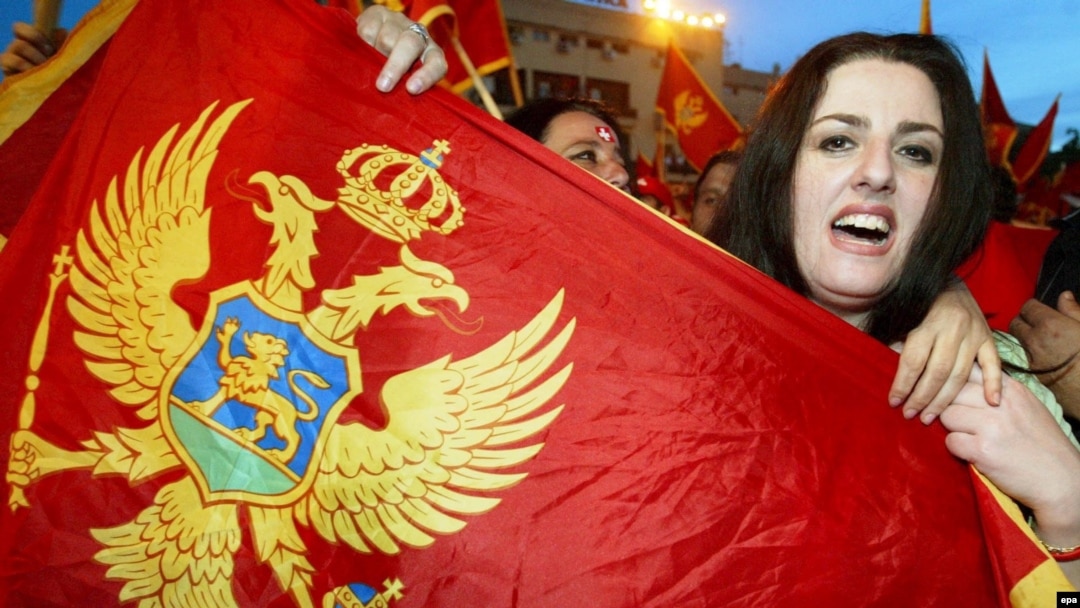
The 2006 Montenegro referendum provided international legitimacy for the separation
By contrast, Kosovo's status was framed as secession from a sovereign republic rather than the peaceful dissolution of a joint state. Serbia's constitution and large segments of its public emphasize Kosovo as an integral part of the Serbian state. For many Serbs, Kosovo is not just territory; it is the cradle of medieval Serbian statehood and religious history, intensifying the political stakes of any territorial concession.
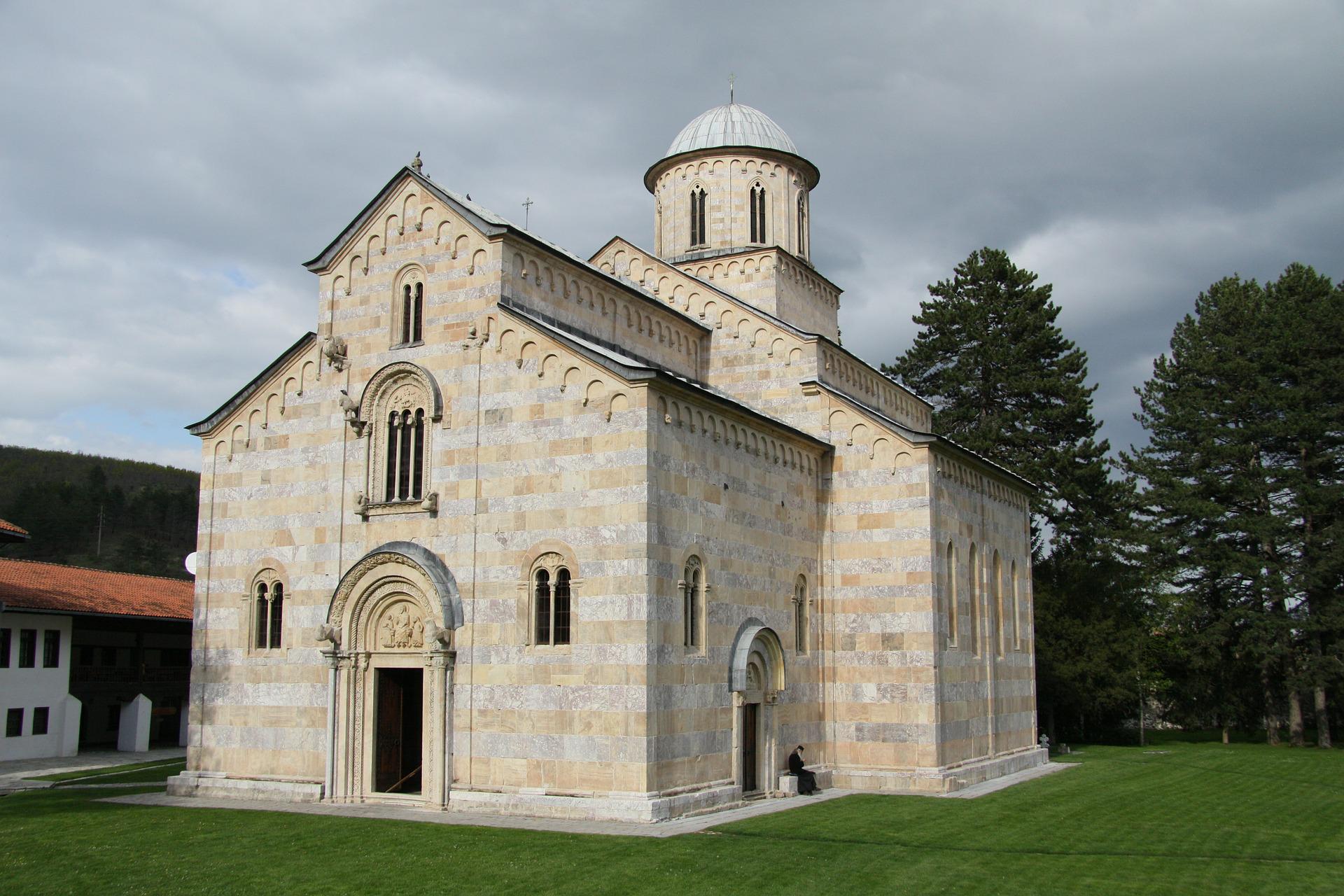
Kosovo contains many ancient Serbian cultural and religious sites that are central to national identity
2. Legitimacy and International Recognition
Montenegro's referendum achieved a level of international legitimacy that made recognition politically easier for Serbia to accept, or at least not forcefully resist. The principle of consent between the two federal partners, coupled with an internationally monitored vote, created a clean break that carried a measure of legal clarity.
Kosovo's declaration, while recognized by many Western states, lacked universal endorsement and was vigorously opposed by others. Crucially, Russia (and in many cases China) framed any recognition of Kosovo as a breach of principles of sovereignty and non-interference, reinforcing Serbia's room to maneuver and argue against Kosovo's unilateral independence in international fora.
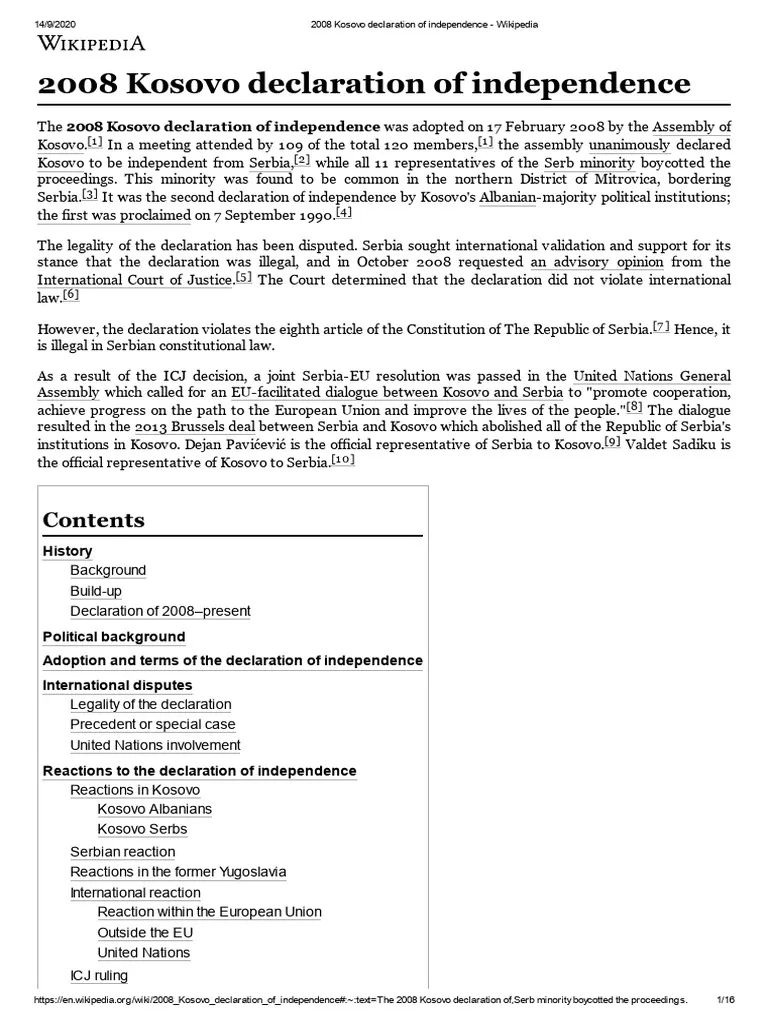
Kosovo's 2008 declaration of independence faced divided international recognition
Historical Memory and National Identity
History and identity are central to why Kosovo generates such a visceral reaction. For centuries Kosovo was a symbolic heartland for Serbs: battles, monasteries, and the narrative of medieval decline are all part of public memory. That makes concessions over Kosovo politically costly for Serbian leaders in a way that ceding Montenegro — which never carried the same sacralized national symbolism — did not.
3. Domestic Politics and Political Calculus
Political leaders calibrate decisions against domestic constraints. In the mid-2000s Serbia faced a choice in which allowing Montenegro to go its own way carried relatively fewer political penalties domestically. Montenegro's population was small and its elites had long-distance horizons that did not challenge Serbia's core national narratives.
Conversely, any Serbian government that accepted Kosovo's independence risks being portrayed as abandoning the nation's historic patrimony. Nationalist sentiment remains potent across political parties. Rejecting Kosovo therefore becomes a political imperative as much as a foreign policy stance.
4. Security and Demography
Montenegro's split did not create an immediate, destabilizing security vacuum in the same way Kosovo's status raised fears of renewed ethnic tension. Kosovo's population is majority ethnic Albanian, concentrated around Pristina and other centers, and a minority Serb population lives in enclaves whose security and rights became a focal point for Belgrade's objections.
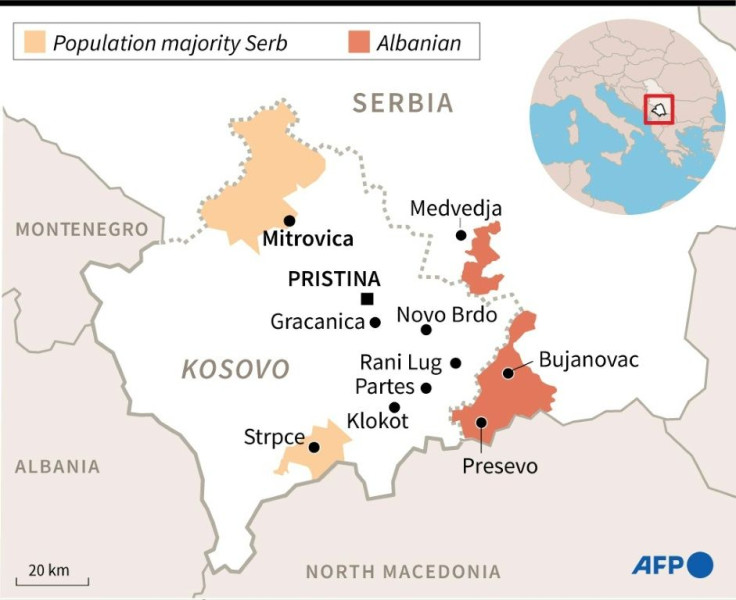
Kosovo's majority Albanian population created demographic challenges for Serbian authorities
Serbia's concerns extended beyond abstract principle to concrete security considerations: the safety of Serb communities in Kosovo, control over key religious and cultural sites, and the risk that acceptance would embolden separatist movements elsewhere.
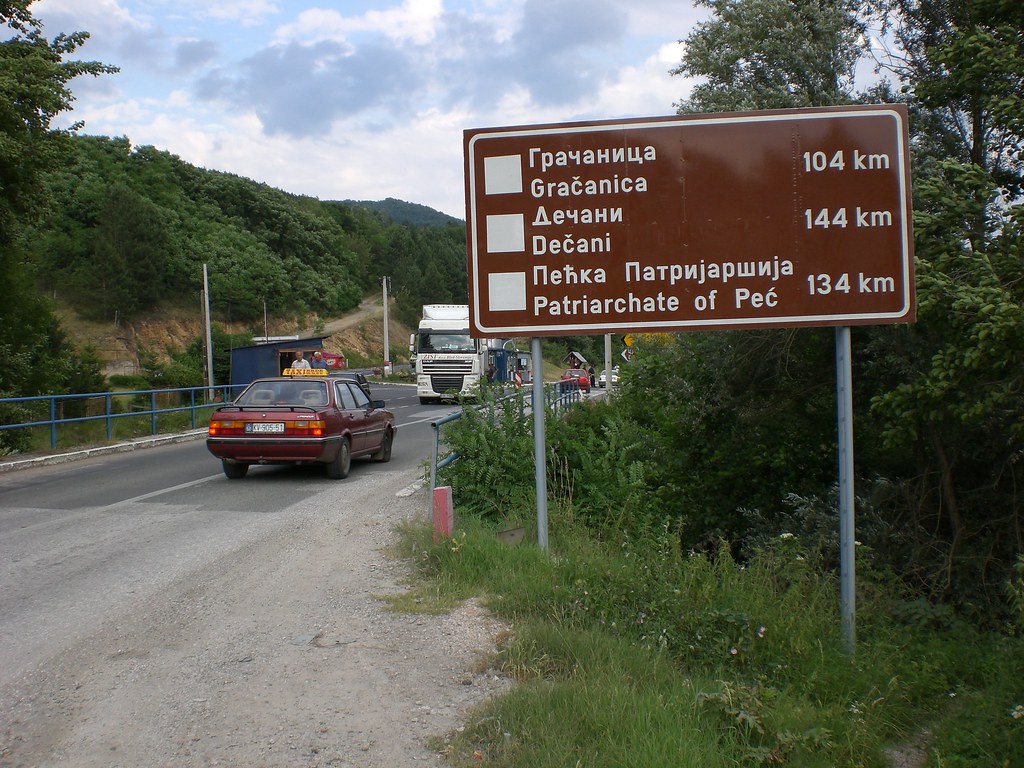
Border demarcation between Serbia and Kosovo remains a sensitive security issue
External Actors and Great Power Politics
No analysis can omit the roles played by outside powers. Montenegro's independence came at a time when the European Union and other Western actors were invested in a smooth, managed transition in the Balkans. The relatively small strategic footprint of Montenegro allowed a quieter international approach.
Kosovo's fate involved NATO intervention in 1999, a prolonged UN interim administration, and deep Western investment in its outcome. Russia framed Kosovo as a dangerous precedent and used the issue to support Serbia diplomatically. For Belgrade, the backing of a powerful patron that opposed Kosovo's independence offered diplomatic cover and enhanced leverage in international institutions.
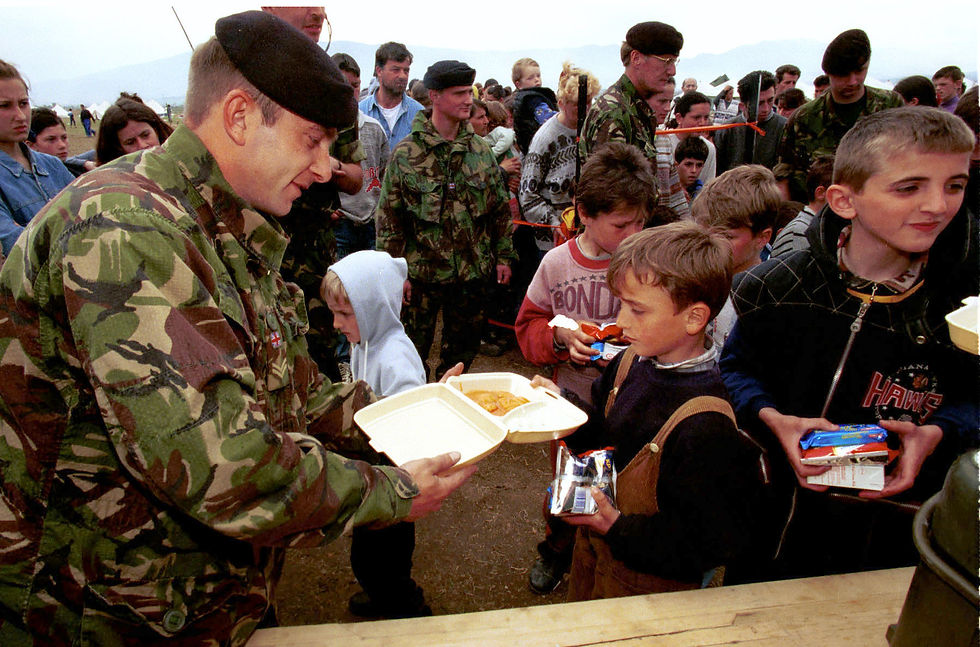
The 1999 NATO intervention fundamentally altered Kosovo's trajectory
5. Legal Ambiguity and Precedent
International law provides no tidy rulebook for recognition. States can recognize new entities or refuse to. One consistent worry for Serbia and its allies was precedent: if Kosovo could unilaterally declare independence after international administration, what stopped separatist claims elsewhere? Russia and others emphasized this point, arguing that Kosovo could be used as a template for separatists beyond the Balkans.
Montenegro's process, tied to a mutually accepted referendum, avoided the thorny precedent argument because it was framed as a bilateral settlement rather than unilateral secession.
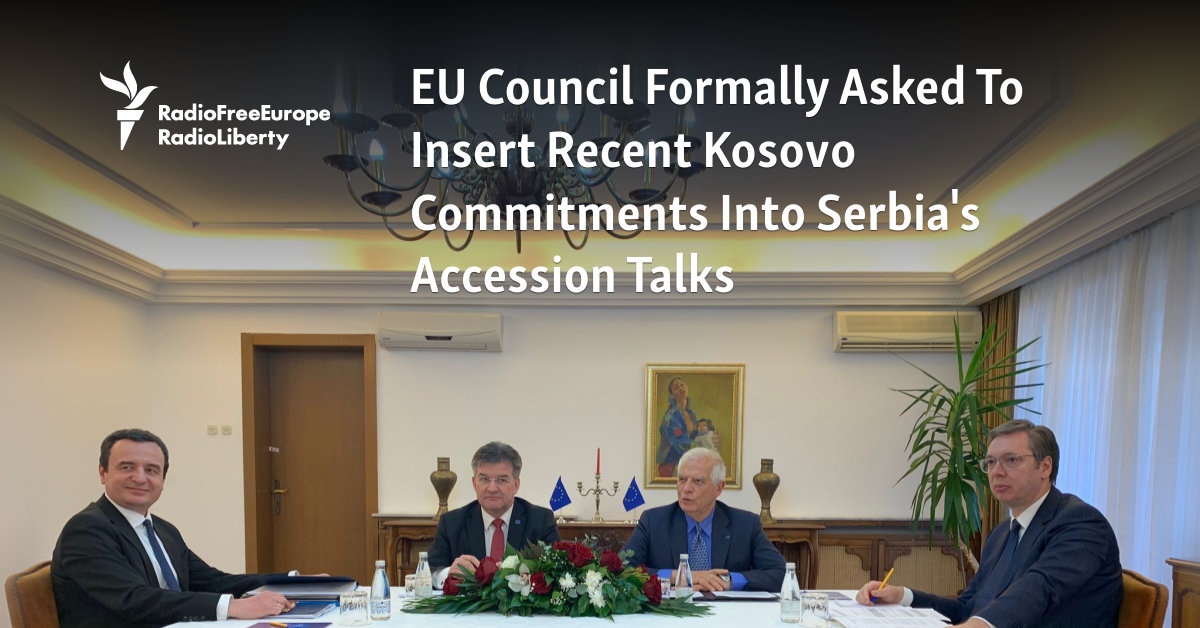
EU accession negotiations include complex conditions regarding Kosovo's status
Key Factors Summarized
- Dissolution versus secession: Montenegro ended a union; Kosovo declared separation.
- Historical and symbolic weight: Kosovo holds deep national and religious significance for Serbs.
- Domestic politics: Accepting Kosovo would be far costlier for Serbian leaders than accepting Montenegro.
- International patrons: Great-power backing and divergent international positions shaped outcomes.
- Security and minorities: Kosovo involved immediate security concerns for Serb enclaves and cultural sites.
- Legal perception: Montenegro's referendum offered clearer legitimacy than Kosovo's unilateral declaration.
How This Shaped International Diplomacy
The international community responded differently because the cases presented different policy options. Montenegro's exit could be shepherded into a formal diplomatic recognition process; Kosovo's declaration presented a binary choice for many states: recognize and risk alienating others who feared precedent, or withhold recognition and preserve formal support for sovereignty norms. That tension produced a divided international landscape in which Serbia found sympathetic partners opposing Kosovo's recognition and accepting Montenegro's separation as legally and politically distinct.
Negotiated Outcomes and Practical Compromises
In the years after both separations, practical arrangements emerged to manage consequences. Agreements covering citizenship, property, and border demarcation helped normalize Montenegro's independence. With Kosovo, the process required painstaking talks about practical issues like freedom of movement, municipal autonomy for Serb-majority areas, and the protection of religious heritage. These practical layers demonstrate that whether or not recognition is granted, diplomacy tends to focus eventually on coexistence and rights on the ground.
Enduring Lessons and Future Trajectories
The Montenegro-Kosovo contrast offers several lessons about statehood in the modern era. First, the form and legitimacy of the secession matter enormously: negotiated dissolutions are easier to normalize than unilateral breaks. Second, historical memory and identity can outweigh legal argumentation in political decision-making. Third, external patronage shapes the room for maneuver of both secessionists and the states they leave behind. Finally, practical governance and minority protections often become the durable work of diplomacy, regardless of the abstract status of sovereignty.
What Might Change the Equation?
Several developments could shift Serbia's posture over time. A comprehensive EU accession package that explicitly conditions benefits on settling Kosovo's status might incentivize a negotiated compromise. Conversely, any hardening of Russia's stance or renewed nationalist mobilization within Serbia could keep the status quo intact. On-the-ground realities — improved minority protections, local power-sharing arrangements, or economic integration — may also slowly reduce the salience of formal recognition even if formal status remains disputed.
Conclusion: More Than a Legal Puzzle
The reason Serbia accepted Montenegro but not Kosovo is not reducible to a single cause. It is a multi-causal outcome, shaped by legal form, historical sentiment, domestic politics, international patronage, and security concerns. Montenegro's exit was structured, negotiated, and presented as a bilateral dissolution; Kosovo's path carried moral and political freight that made acceptance difficult for Belgrade and politically costly for most Serbian politicians.
For observers and policymakers the implication is straightforward: resolving contested statehood in places like the Balkans requires attention to emotion and history as much as to law and diplomacy. Practical, incremental steps that improve people's lives on the ground — minority rights, economic ties, cultural protections, and reliably enforced security guarantees — are the most realistic path toward reducing the conflictive energy that surrounds questions of sovereignty. Until such pragmatic confidence-building measures take root, the divergence between Montenegro and Kosovo will remain a revealing study of how states balance principle, interest, and identity.
A geopolitical analysis of why Belgrade treated two breakaways differently and what it tells us about statehood, identity, and diplomacy in the 21st century.