Which War Memorial Moves a Nation Most?
The question of which war memorial is the "most powerful" in any country is deceptively simple. Power here does not mean size or grandeur alone; it is a blend of design, context, ceremony, personal testimony and the way a place translates loss into public memory. A memorial can move you to tears, spur reflection, provoke debate, or become a site of stubborn pride. This article offers a practical framework for thinking about power in memorials, illustrated with examples and tips for visitors and communities who want remembrance to remain meaningful.
War memorial architecture
What Makes a Memorial Powerful?
Design that speaks without words
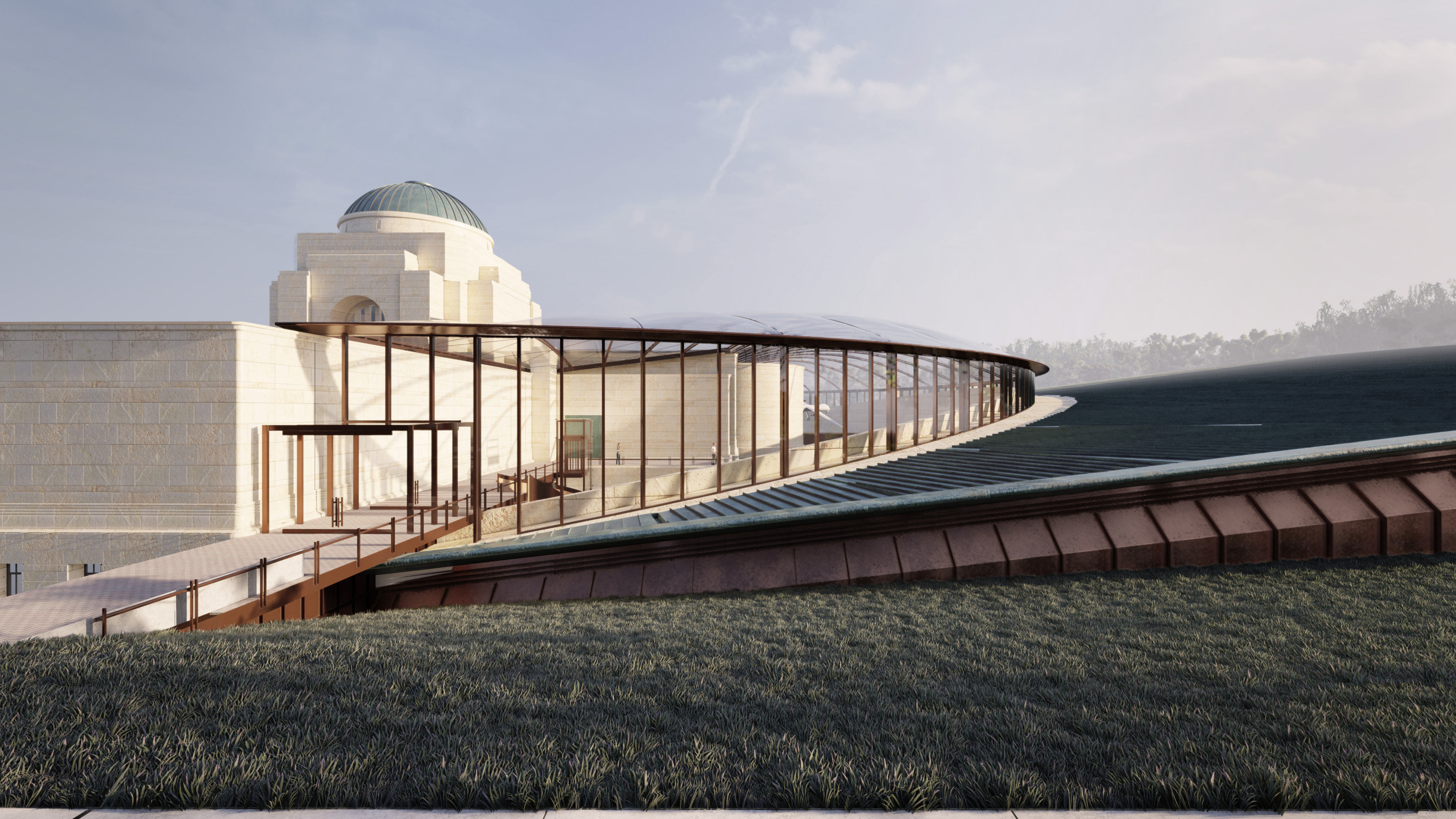
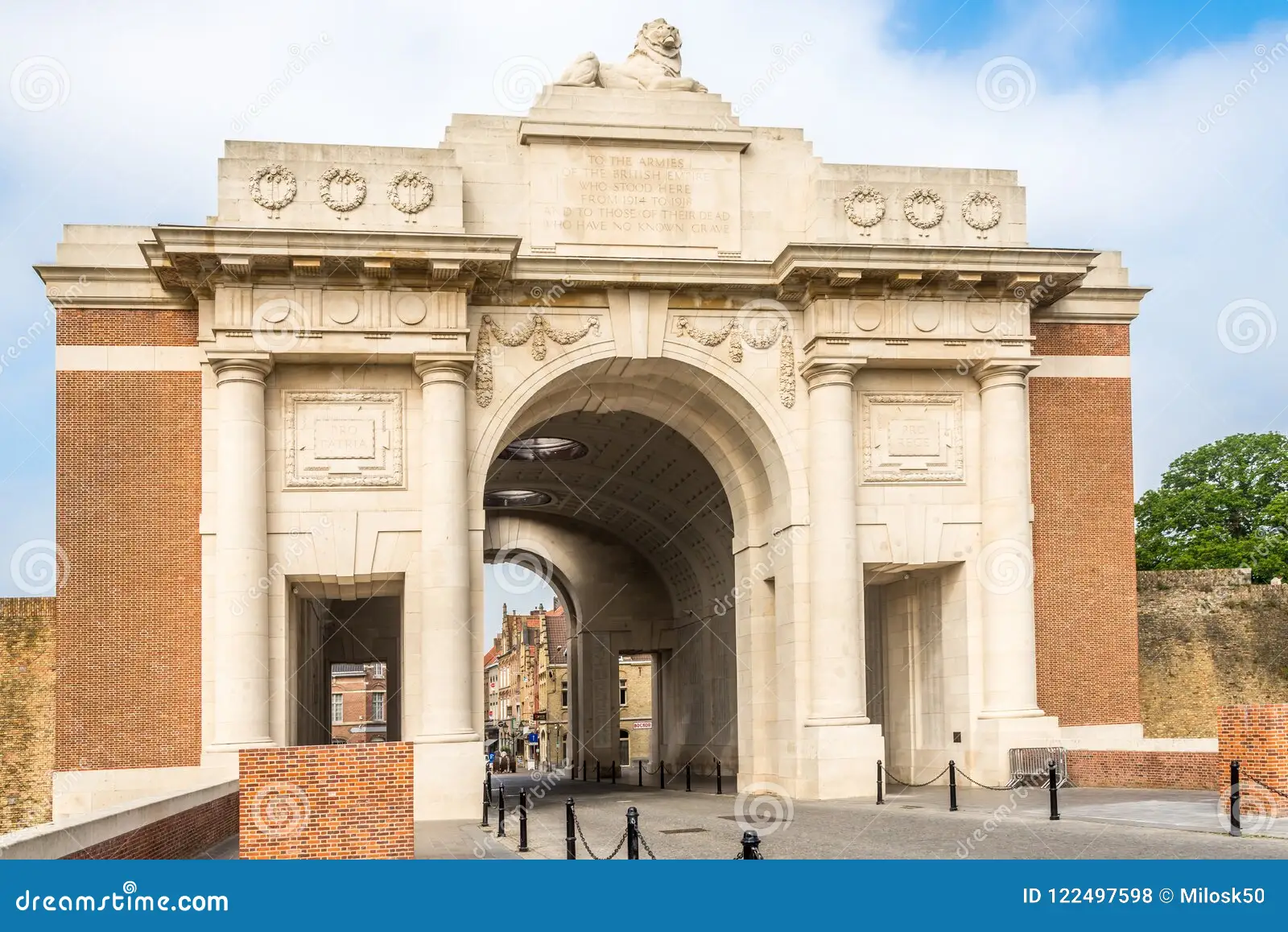
Some memorials use classical forms: columns, statues, laurel wreaths. Others silence themselves through minimalism, using voids, reflective surfaces or names carved into stone. The most powerful designs do one of two things well: they either tell a clear story that the public can intuitively read, or they create an emotional field that lets visitors bring their own stories. A wall of names asks for quiet attention; a sculpted soldier frozen in a moment asks for empathy and identification. Materials, scale, light and shadow—the palette of architecture—work like language to translate grief, pride, shame or contrition.
Location and context
A monument on a hill that dominates a capital city performs differently from a small, tucked-away plaque in a town square. Proximity to the communities most affected by a conflict, to battlefields, or to civic institutions affects how a memorial is read. A memorial placed where daily life happens—near trains, markets, schools—integrates remembrance into ordinary rhythms and can be more potent than a grand isolated monument if it meets people where they are.
Ritual and ceremonial life
Powerful memorials are living sites. Annual ceremonies, veterans’ gatherings, school visits and impromptu floral tributes keep meaning alive. Without ritual the gravitas of a monument can calcify into a photograph on a tourist brochure; with ritual it becomes part of community memory. The ritual need not be state-run—small acts of remembrance by families and local groups are equally significant.
Menin Gate memorial
Personal testimony and names
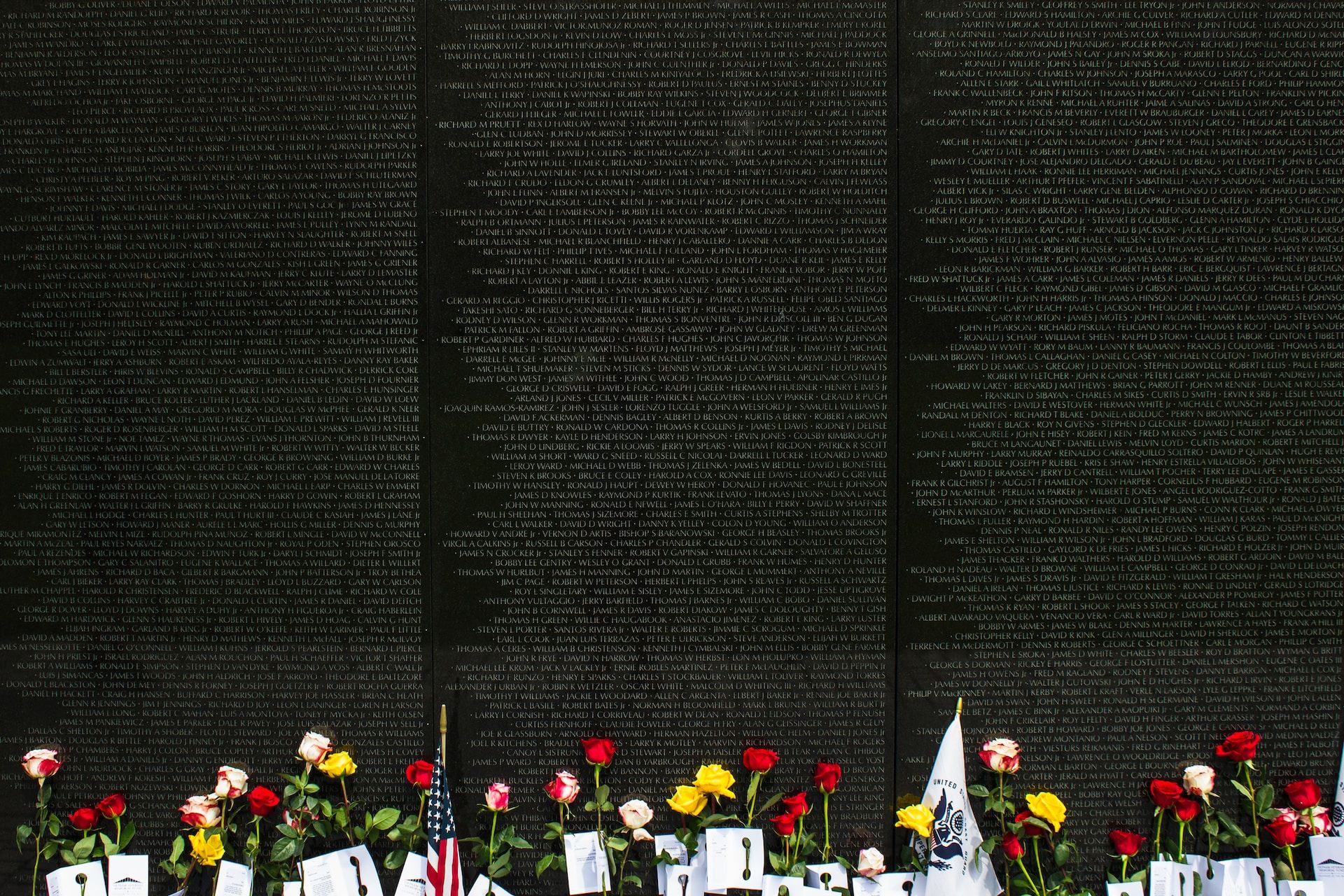
Names change abstraction into persons. When a memorial lists names, it offers a place for private grief and for public recognition. Testimony—letters, recorded interviews, plaques that include a line of a soldier’s words—adds a human scale. Memorials that prioritize the named and the voiced resist becoming faceless symbols and instead become repositories of lived experience.
Narrative framing and education
How a memorial frames the event it commemorates—victory, sacrifice, tragedy, error—matters. Interpretive boards, associated museums, guided tours and school programs help visitors understand context and avoid misreading. A powerful memorial balances the clarity of its message with the complexity of history.
Short Case Studies: How Power Shows Up
The wall of names: private grief as public architecture
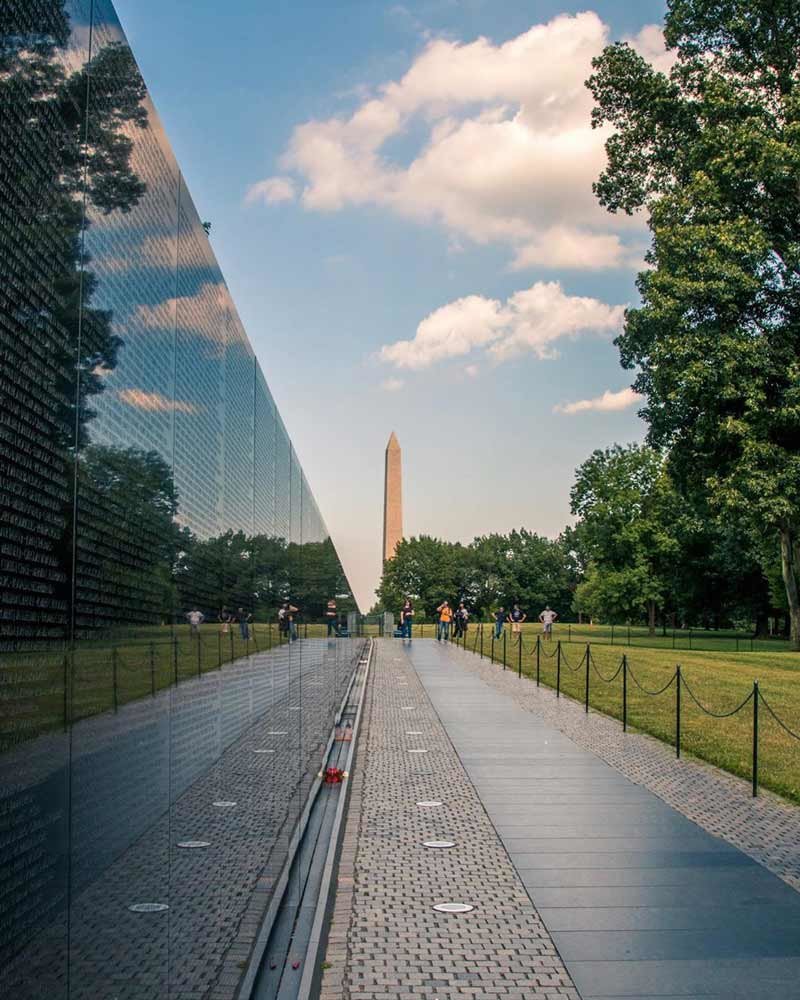
Some memorials are most affecting because they take the pressure off the viewer to perform heroics and instead invite quiet reflection. A long wall etched with names or a room where light falls across small plaques collapses scale: each casualty becomes visible. When families can trace a name, touch a letter, leave a memento, the site becomes intensely personal.
Vietnam Veterans Memorial
The symbolic tomb: unknowns and national identity
Monuments that hold remains—an unknown soldier, the soil of a battlefield, ashes—anchor abstract ideas like sacrifice to tangible matter. They can be deliberately ambiguous, allowing multiple readings: heroism, tragedy, national debt. Such sites often become focal points for national ceremonies and are potent precisely because they stand for everyone and no one at once.
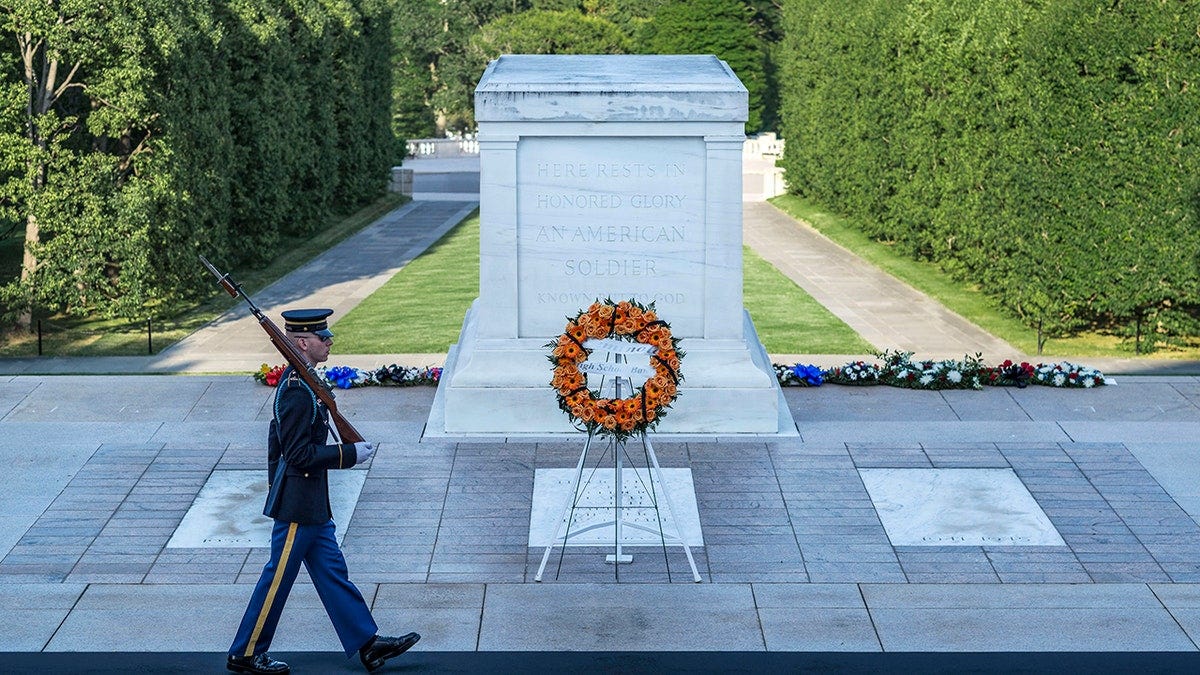
Unknown soldier tomb
The contested memorial: power through debate
Not all power is consoling. When a monument provokes public argument—about the cause commemorated, the wording, or the figures represented—it exerts civic energy. Contested sites force societies to reconsider narratives and can be catalysts for change. The heat of public debate can be a form of power if it results in renewed engagement with history.
Global Examples and What They Teach
Memory by material: reflective, carved, and empty
Across countries you find different material strategies. Reflective surfaces draw the visitor into the monument—our faces and movements become part of the work. Carved stone insists on permanence, a testament to memory’s endurance. Empty spaces—the gaps, voids, and tunnels—use absence as presence. Each approach teaches a lesson about how societies want their history to feel: present and constant, solemn and permanent, or open and interrogative.
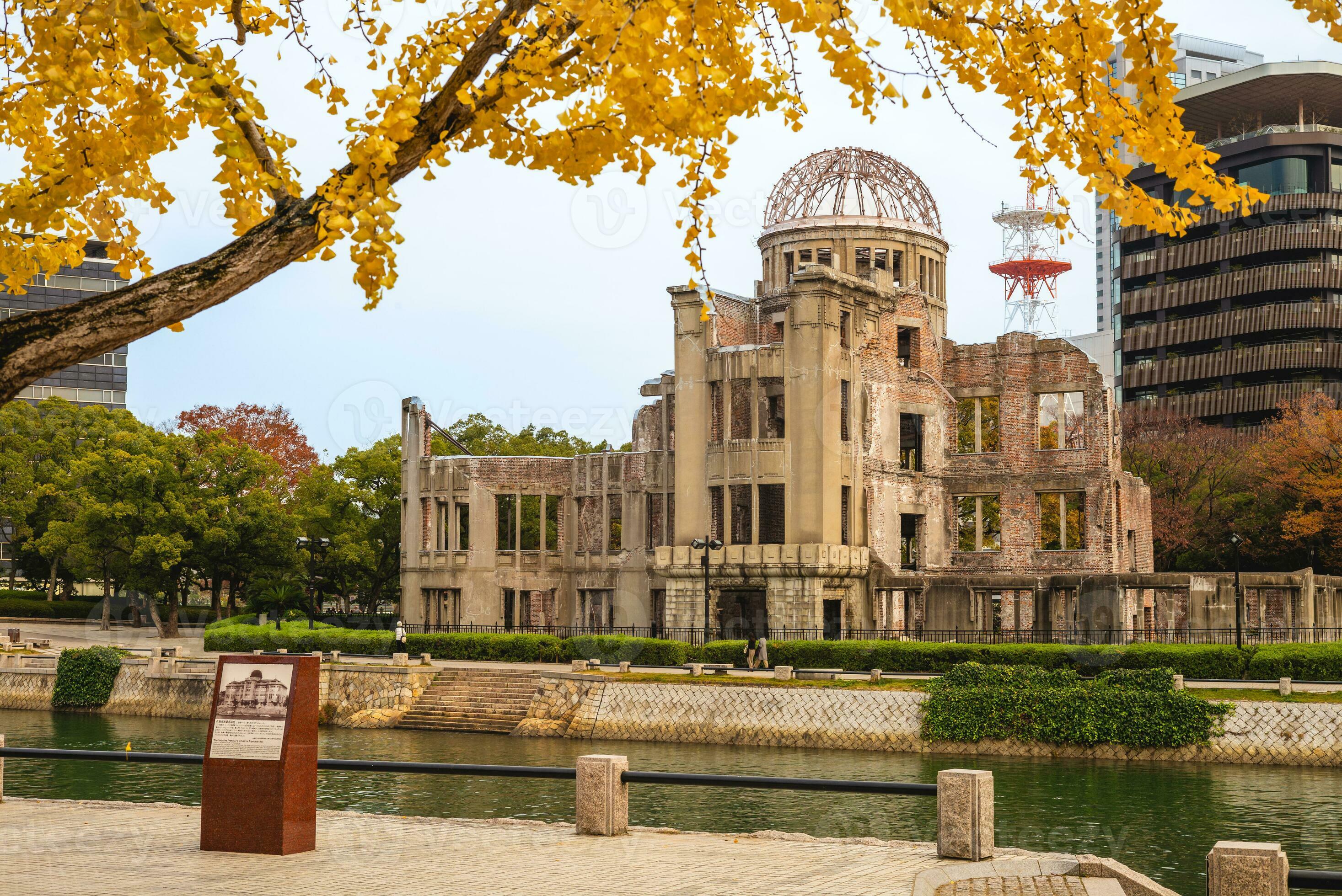
Hiroshima Peace Memorial
Ritualized performance of memory
Ceremonies matter. A daily or yearly ritual—lowering a flag, laying wreaths, tolling a bell—turns passive stone into a stage for public feeling. The existence of regular rituals signals institutional commitment and gives citizens scheduled opportunities to remember together.
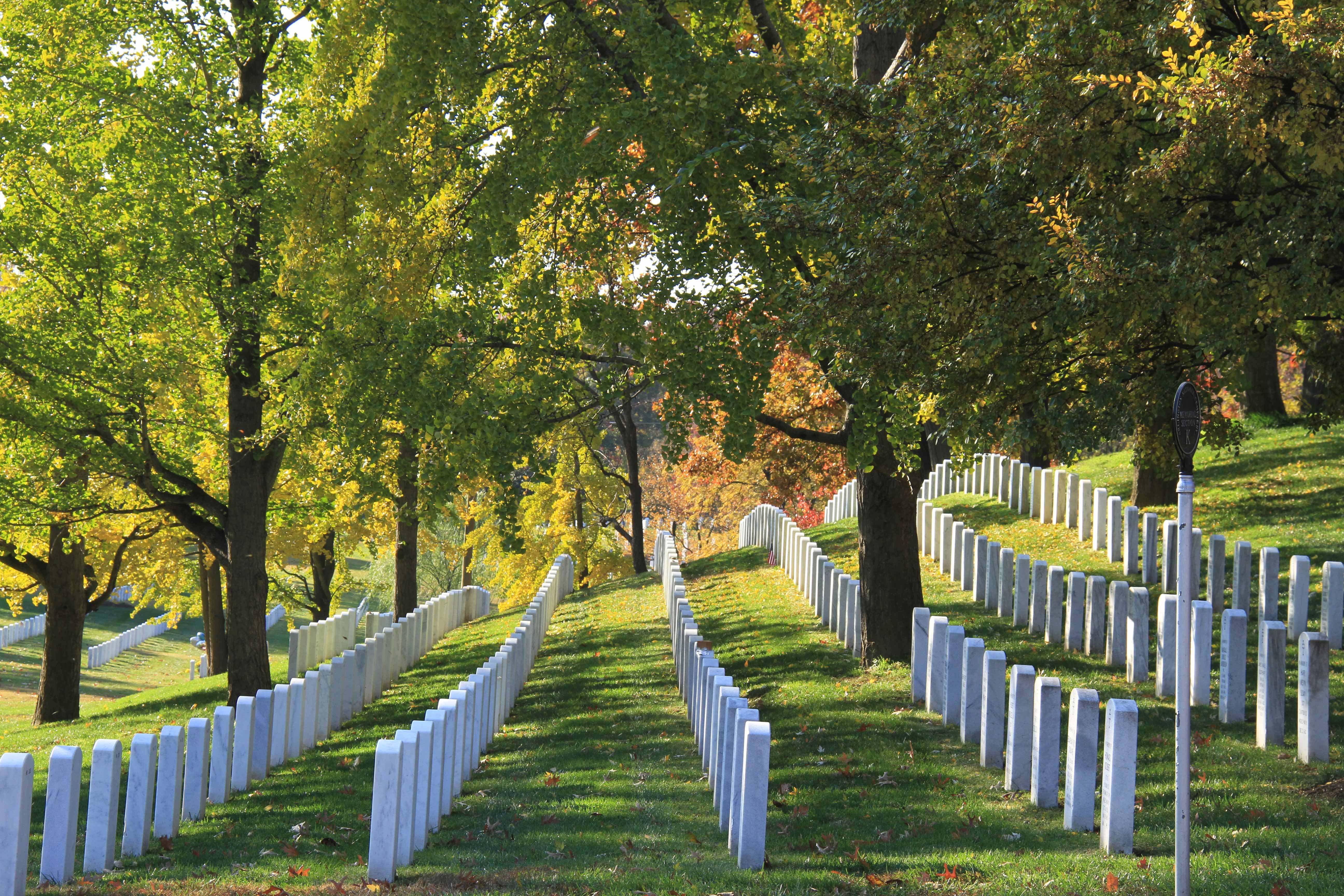
Arlington National Cemetery
Localizing universal loss
Powerful memorials often translate global events into local stories. A single village plaque that lists names, a community garden planted where neighbors once fought, or a school program built into a memorial draws a direct line from abstract geopolitical events to individual lives. This localization helps future generations understand the human consequences of conflict.
A monument’s true power is measured in the stories visitors tell afterwards, not the number of steps to its pedestal.
How to Judge the Most Powerful Memorial in Your Country
A practical rubric
To decide which memorial is most powerful in your country, consider scoring sites across five dimensions. Give 1–10 points for each, then total:
- Emotional resonance: Did the site move you? Does it prompt reflection or emotion?
- Design clarity: Is the message readable through form, scale and materials?
- Contextual placement: Does the location amplify meaning?
- Living rituals: Are there ceremonies, school programs, or community interactions?
- Accessibility and interpretation: Can visitors of different ages and backgrounds understand the story?
Sites that score high across these criteria are likely to be widely experienced as powerful.
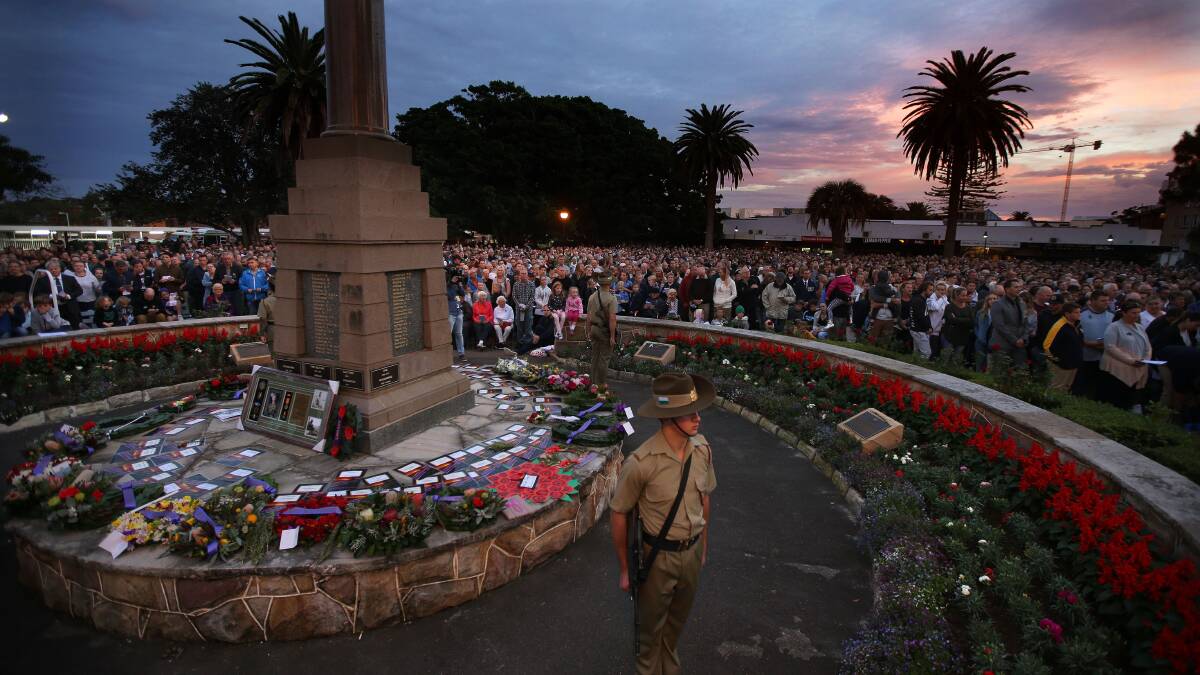
ANZAC Day ceremony
Questions to ask on a visit
When you visit a candidate memorial, try asking: Who is named here and who is not? What story does the architecture tell? Are there traces of recent visits—flowers, notes, worn steps? Is the site connected to a museum, records or educational resources? The answers give practical clues about how the community uses the space.
Communities, Memory and Change
Why some memorials grow in power
Places become more significant when communities invest new practices into them—annual pilgrimages, children’s programs, oral history projects. A small memorial can gain national prominence if it becomes associated with a compelling narrative or a ritual that spreads beyond its locality.
When memorials lose power
Neglect, vandalism, or a mismatch between the memorial’s message and contemporary values can erode a site's resonance. When a memorial’s language rings false to new generations, its authority can wane. Revitalization—through restoration, reinterpretation, or new programming—can restore relevance.
Visiting and Engaging Responsibly
Etiquette for visitors
Respect matters. Silence or lowered voices, removing hats where appropriate, observing local rituals, and following site rules are basic courtesies. Photography can be permitted but consider whether an image commodifies grief. If families are present, give them space. Small acts of respect keep sites open and meaningful for everyone.
How to contribute
You can help sustain a memorial by donating to preservation funds, volunteering to document names and stories, or organizing school visits. If a site lacks interpretation, community groups can create guides or oral-history projects that fill the gap.
Important Memorials belong to the living as much as to the dead. Their value is measured by how they nurture remembrance, encourage learning, and support civic reflection.
Controversy, Reinterpretation and the Future
Reassessing monuments
Many memorials were created in a different era with different values. As societies change, so do expectations about representation and context. Reinterpretation—adding plaques, contextual exhibits, or artist commissions—can transform a problematic monument into a site for dialogue. Sometimes removal or relocation is the community’s choice; other times a memorial is reframed through new rituals.
Designing memorials for the future
Contemporary memorial design often anticipates reinterpretation: adaptable spaces, digital records accessible via phones, rotating exhibits and inclusive narratives that acknowledge complexity. Future-facing memorials plan for changing audiences and aim to be pedagogical as much as commemorative.
Conclusion: Which One Is the Most Powerful?
There is no single, universally correct answer. The most powerful memorial in your country will depend on who you ask: veterans, students, civic leaders, artists, or descendants. The better question is whether a memorial continues to provoke thought, sustain ritual, and connect abstract history to individual lives. Power in memorials is less a fixed attribute than an ongoing relationship between place and people.
Final reflection
Next time you stand before a stone, a wall, a field or an empty plinth, notice what the place asks of you. Does it insist on pride, insist on sorrow, or invite questions? See which memorial in your country still draws floral tribute, a school group, or a quiet touch on a name carved in stone. That living answer will point you toward the site that holds the most power for your nation right now.
- A powerful memorial combines design, context, ritual and personal testimony.
- Power can come from intimacy (names, testimony) or from national ritual (unknown soldier tombs).
- Contested memorials can be powerful by forcing civic debate and reinterpretation.
- Visiting responsibly and supporting interpretation keeps memorials meaningful for future generations.
Visit, listen, and keep the conversation about memory alive—it is how monuments remain powerful.