How Vietnam Defeated the U.S. — An ELI5 Guide
Imagine two neighbors arguing over a house. One neighbor has a lot more money, better tools, and big buddies willing to help. The other neighbor knows every creaky floorboard, every back door, and most importantly, the people inside the house want him there. Even though the stronger neighbor can smash through walls, he can't force the people to accept him. The Vietnam War has that shape: the United States had immense military power, but North Vietnam and the Viet Cong had local knowledge, political will, and a long-term plan. This article explains, like you are five, why Vietnam—against a superpower—achieved a victory that was as much political and social as it was military.
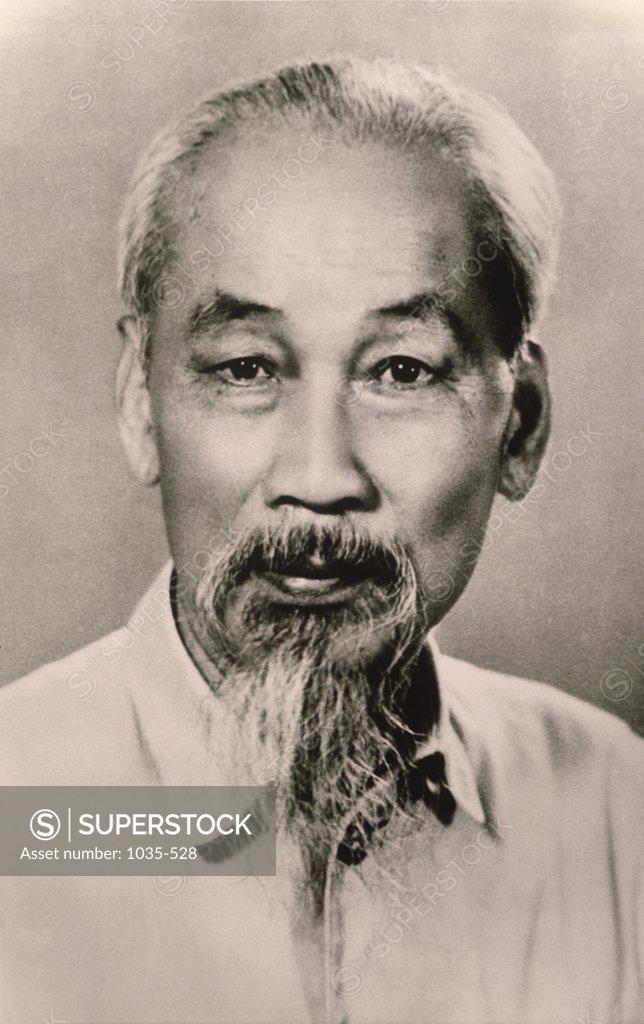
Ho Chi Minh, leader of North Vietnam, framed the war as a national liberation struggle
THE PLAYERS AND WHAT THEY WANTED
Who was fighting?
There were three main actors: North Vietnam (the Democratic Republic of Vietnam), which wanted to reunify the country under communist rule; the Viet Cong, a network of southern guerrilla fighters and sympathizers allied with the North; and South Vietnam, backed by the United States, which wanted to prevent communist takeover. The U.S. entered to stop what many American policymakers saw as the spread of communism in the Cold War context.
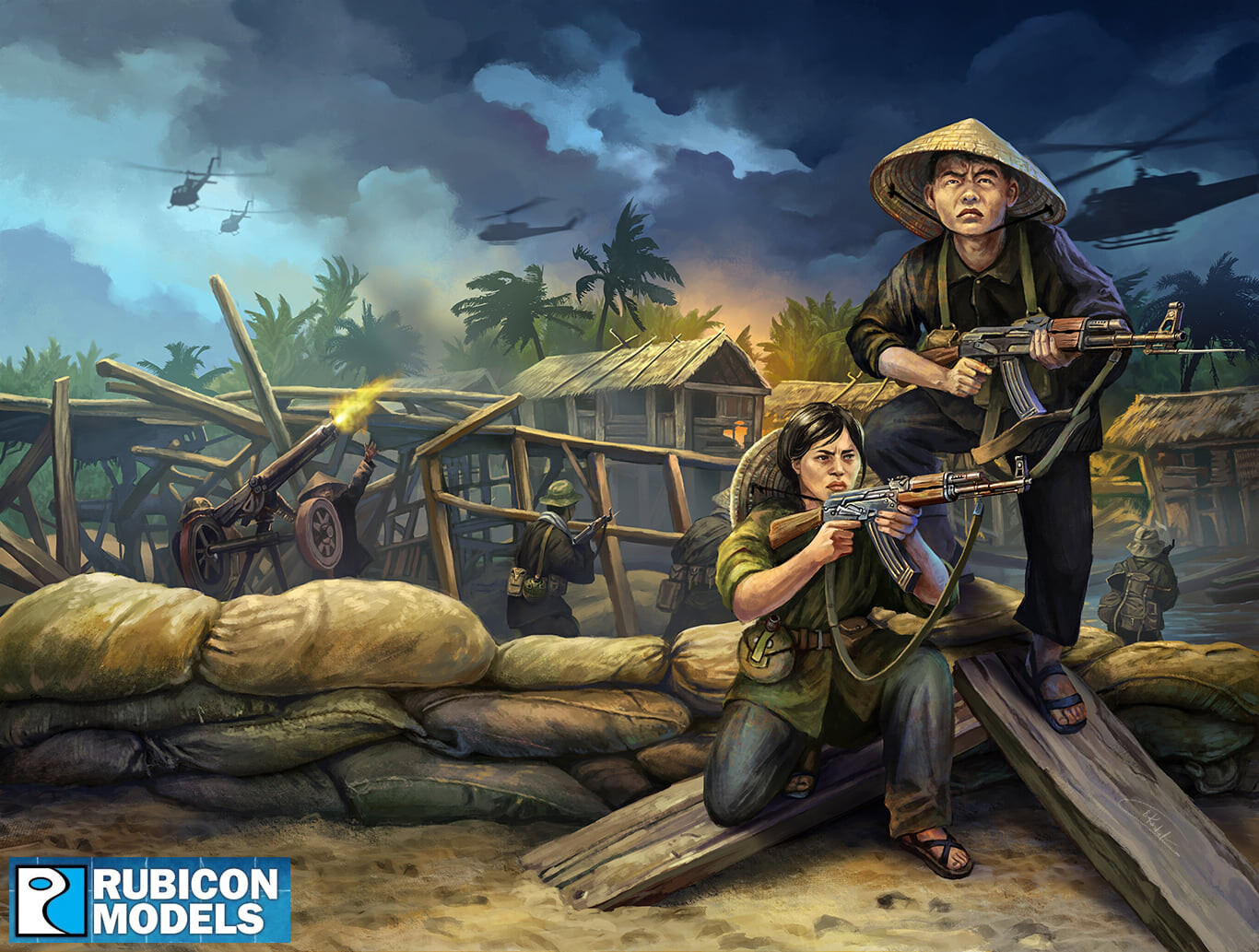
Viet Cong fighters blended into civilian populations and local villages
Different goals matter
Big armies win battles; committed movements win wars. North Vietnam’s goal wasn’t just to beat U.S. soldiers in a firefight—it was to outlast them politically and socially, to keep fighting until American resolve broke. The U.S. goal was to prevent a communist victory without a clear plan for what ''victory'' would practically look like in Vietnam’s complex society. That asymmetry in objectives mattered more than firepower.
MILITARY REALITIES: POWER ISN’T THE SAME AS CONTROL
Firepower vs. control
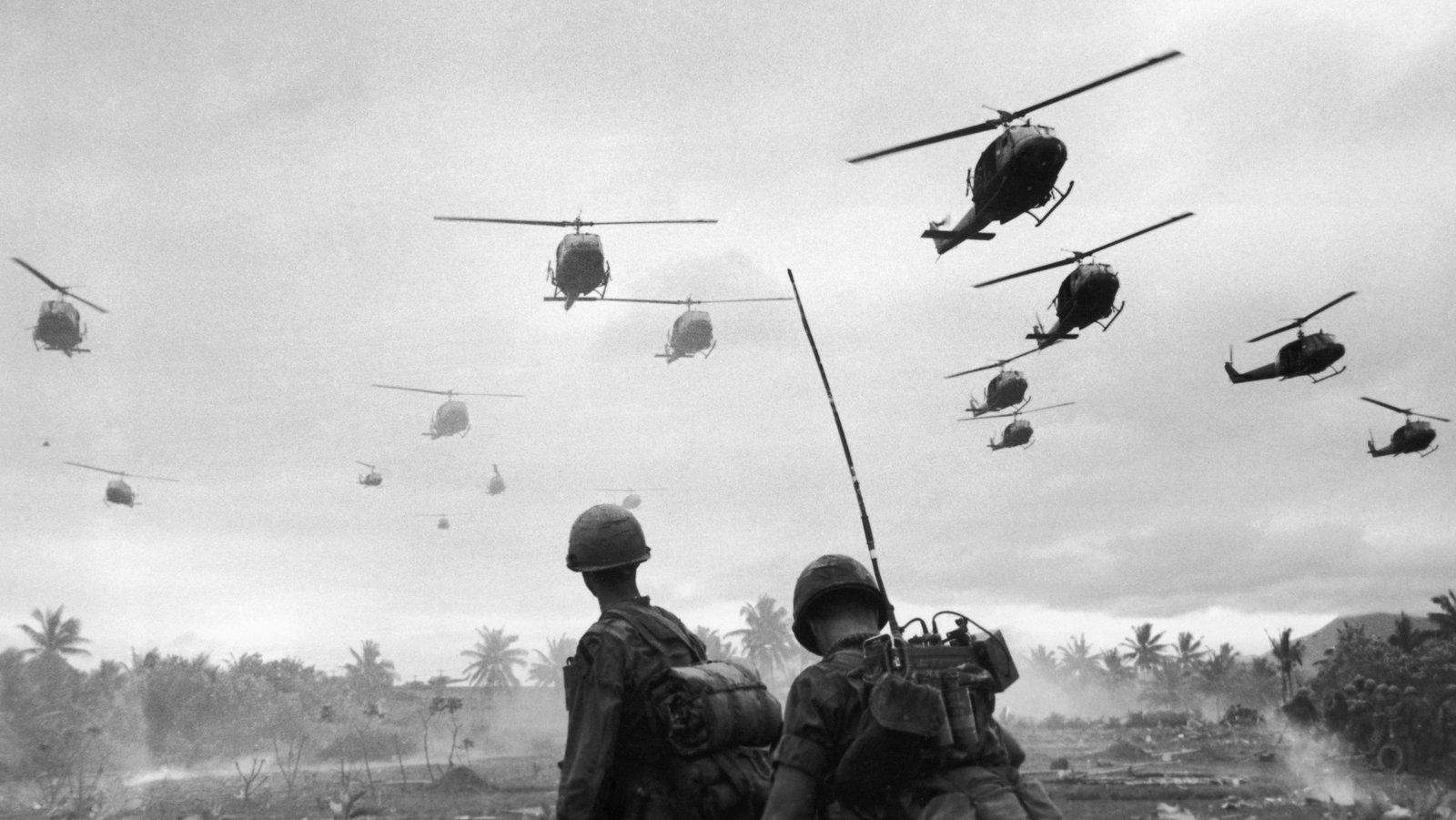
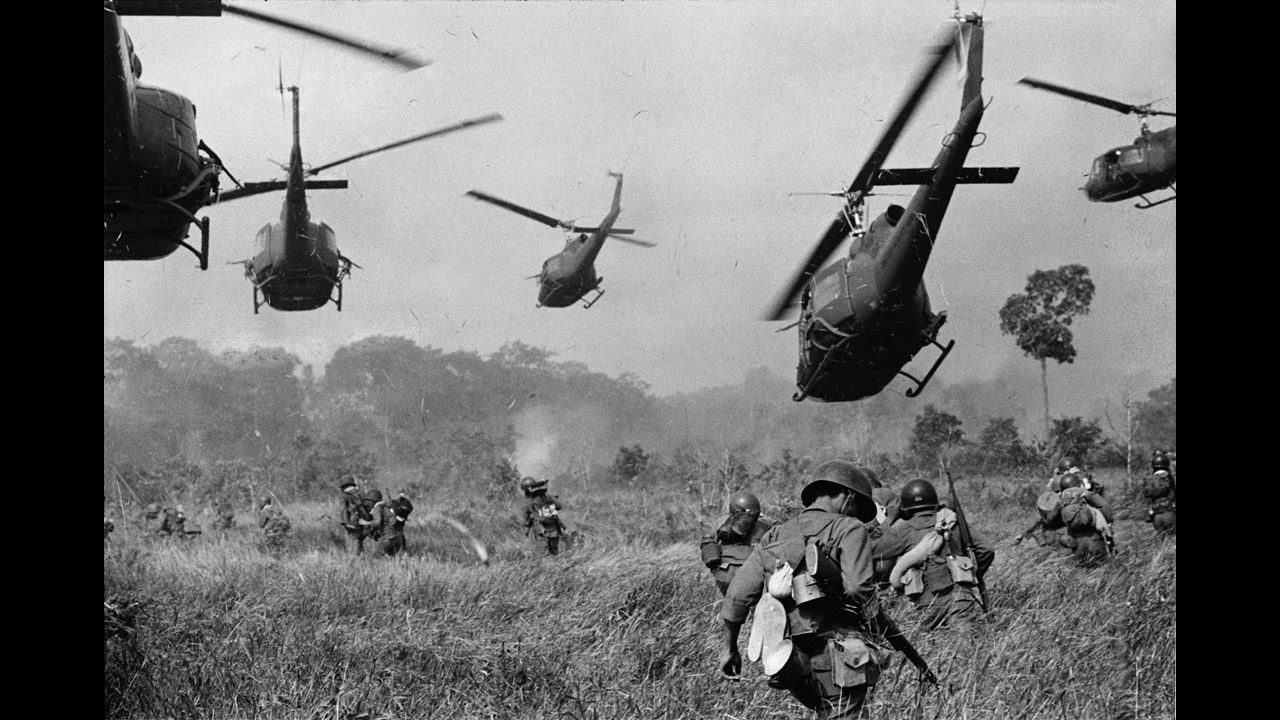
The U.S. brought overwhelming conventional force—planes, helicopters, artillery, and advanced technology. That allowed destruction of enemy bases and temporary control of cities and roads. But winning hearts, minds, and long-term control of rural areas is different from destroying targets on a map. The Viet Cong avoided head-on confrontations and blended into villages and jungle. When a superior force can win battles but cannot secure lasting governance and legitimacy on the ground, the strategic advantage weakens.
Asymmetric warfare: play by different rules
Guerrilla warfare relies on stealth, hit-and-run attacks, booby traps, and the ability to melt back into the population. For the U.S., trained to fight conventional battles, chasing guerrillas across an unfamiliar landscape stretched resources and morale. Over time, asymmetric tactics multiplied the cost of occupation for the U.S. and shifted the political calculus at home.
Guerrilla warfare was the Viet Cong's primary strategy against superior U.S. firepower
You can control roads and cities with tanks, but you can't control every backyard, hillside, or belief with bombs.
GEOGRAPHY, LOGISTICS, AND THE HO CHI MINH TRAIL
Jungle, rivers, and a porous border
Vietnam’s terrain worked for defenders. Dense jungle, rice paddies, and complex river systems hid movement and made conventional surveillance and ground operations difficult. Northern supply lines ran through Laos and Cambodia on the Ho Chi Minh Trail—an intricate network of paths, trucks, and local support—making it hard for the U.S. to interdict all resupply without enormous commitment.
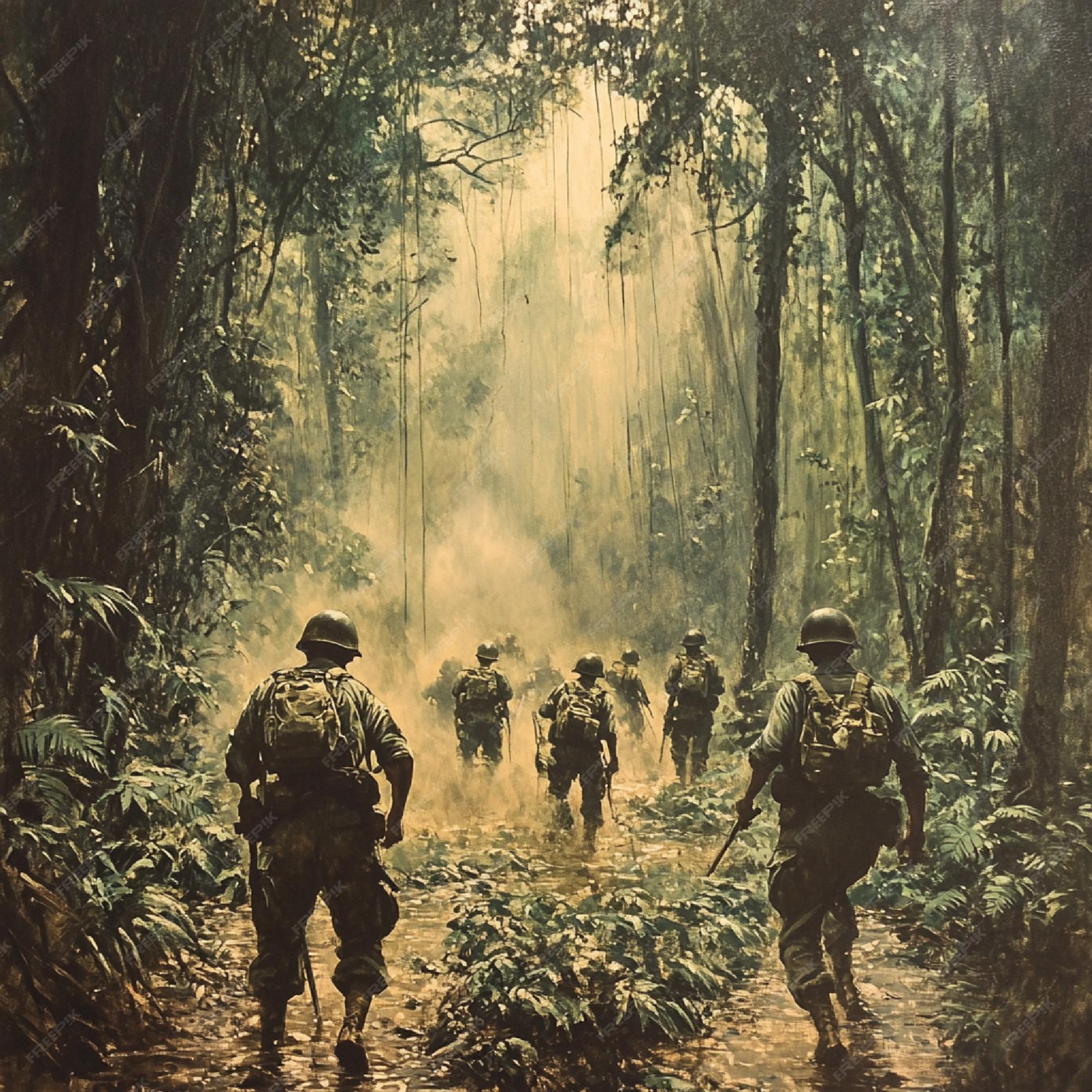
Vietnam's dense jungle terrain provided natural cover for guerrilla operations
Local logistics beat distant power
Logistics is often invisible in popular memory, but it decides wars. North Vietnamese forces and the Viet Cong depended on distributed, redundant logistics and local knowledge: caches, porters, nighttime movements. U.S. airpower could damage roads or convoys, but it could not permanently stop a politically motivated population from building new routes and rerouting supplies.
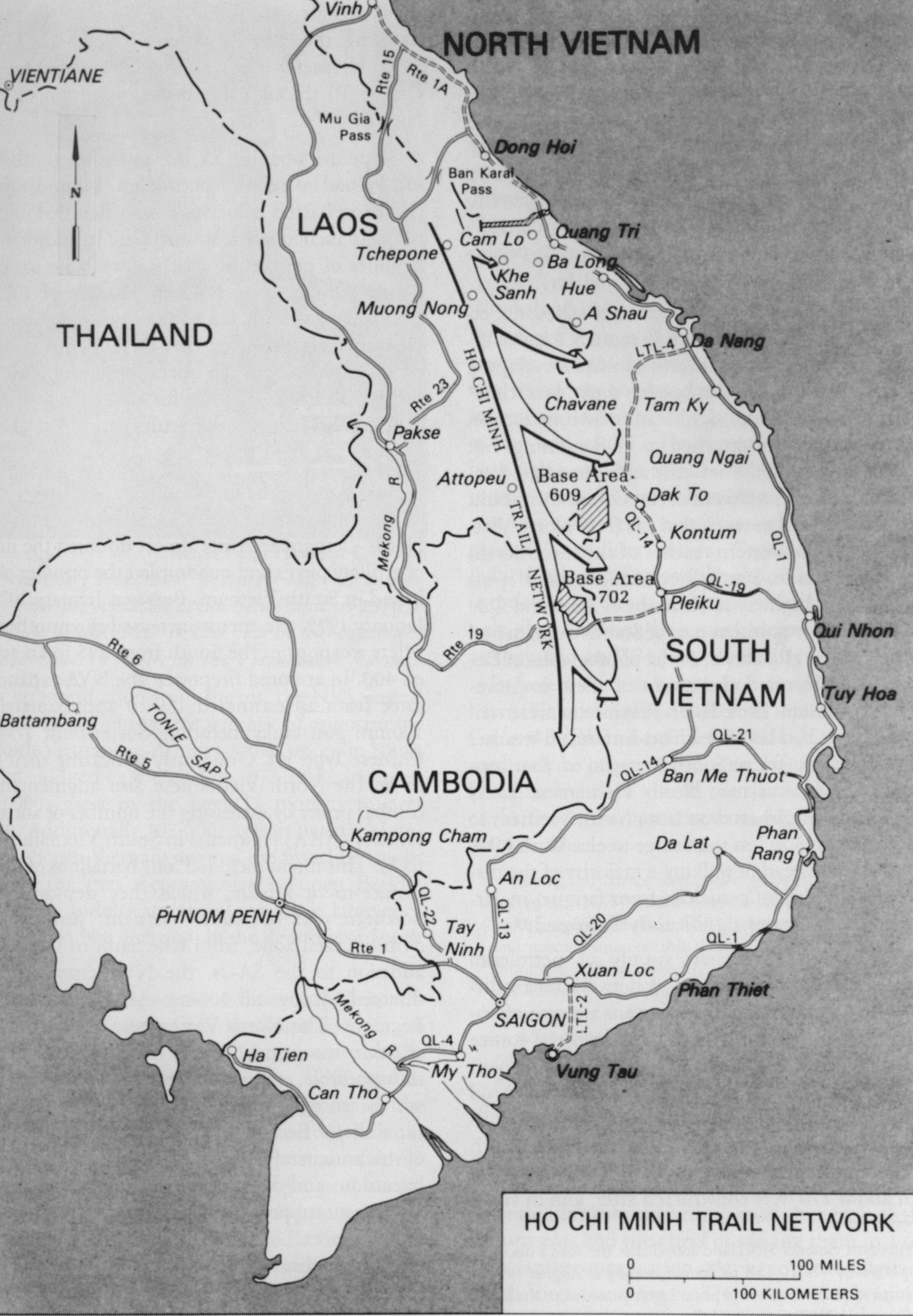
The Ho Chi Minh Trail network stretched through Laos and Cambodia
POLITICS, MEDIA, AND THE HOMEFRONT
The war was fought on two fronts
For the Americans, the battlefield included the U.S. living room. Television brought images of combat, burned villages, and grieving families into homes nightly. As casualties rose, an antiwar movement—made up of students, veterans, religious leaders, and everyday citizens—grew louder. In democratic societies, sustained public opposition undermines political support for long wars.
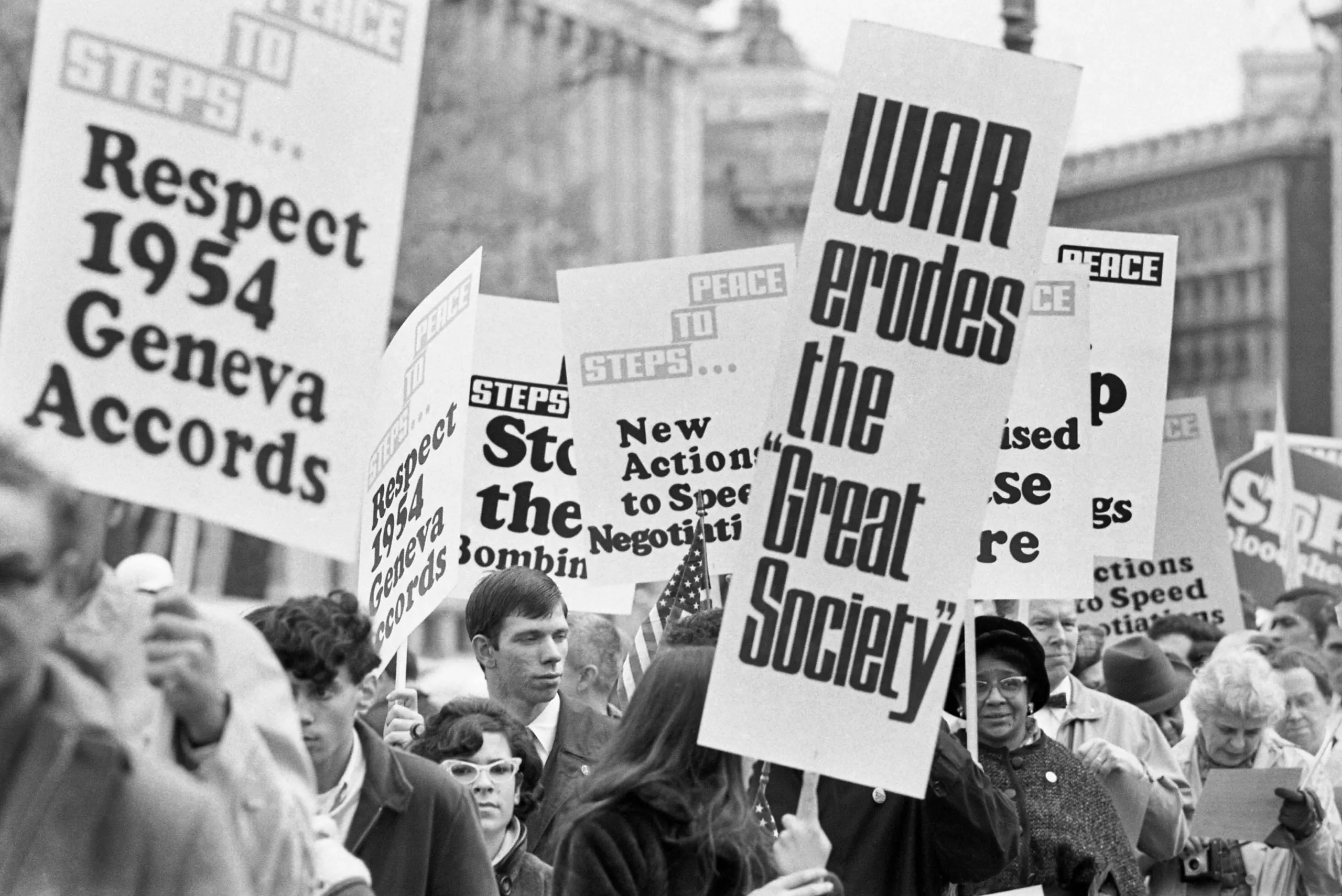
Antiwar protests grew across America as the conflict continued
Political endurance vs. public patience
U.S. political leaders faced mounting pressure: protests, draft resistance, and declining approval ratings. Leaders must answer voters who question the rationale and human cost. North Vietnam, meanwhile, accepted long-term suffering and casualties for national liberation—a political calculus that many Americans and their leaders were less prepared to match.
KEY MOMENTS THAT SHIFTED THE GAME
The Tet Offensive — military surprise, political turning point
The Tet Offensive of 1968 was a coordinated wave of attacks by the Viet Cong and North Vietnamese on cities and bases across South Vietnam. Militarily, the offensive inflicted heavy losses on the attackers and did not topple Saigon. Politically, however, it shocked the American public and policymakers: if the enemy could strike where it was supposed to be weakest, the idea of imminent U.S. success crumbled. Tet made it harder for U.S. leaders to sell escalation.
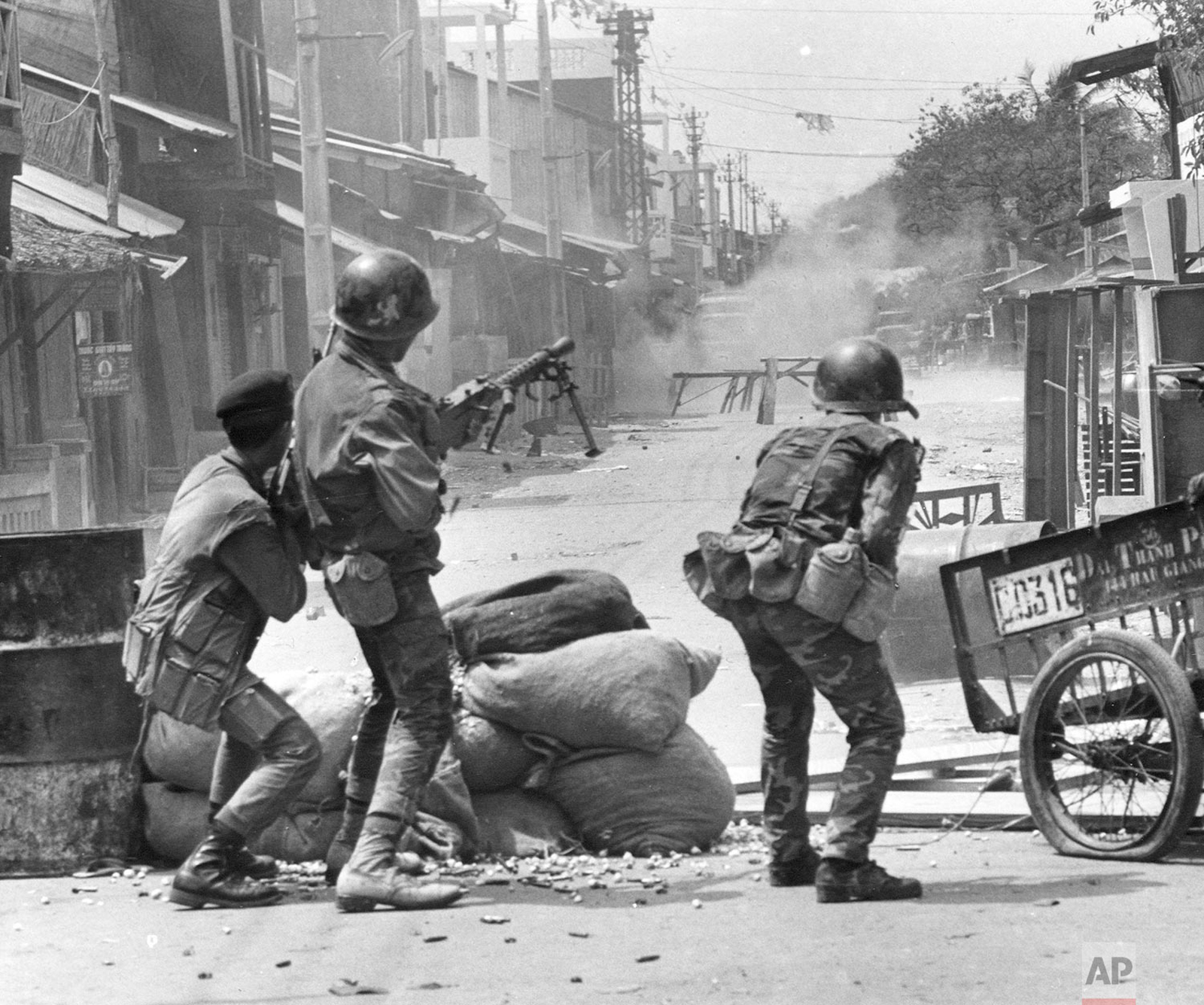
The Tet Offensive shocked Americans despite not being a military victory for the North
Vietnamization and withdrawal
With domestic pressure rising, U.S. policy shifted to ''Vietnamization''—training and equipping South Vietnamese forces to take over combat roles while U.S. troops gradually withdrew. This acknowledged a core reality: American patience and political will were limited. Withdrawal, even with military support, reduced pressure on North Vietnam and changed the momentum in their favor.
THE ROLE OF DETERMINATION, IDENTITY, AND PROPAGANDA
Nationalism and the story of liberation
North Vietnam framed the struggle as a national liberation fight against foreign interference. That message resonated with many Vietnamese who had memories of colonial control and a desire for reunification. When a conflict is presented as defending homeland and identity, people are more willing to endure hardship and mobilize support.
Information and propaganda
The North Vietnamese and Viet Cong used propaganda effectively—simple messages that emphasized resistance, sacrifice, and eventual victory. On the other side, American messages often focused on containment and abstract Cold War logic, which were less emotionally compelling to Vietnamese audiences and increasingly less convincing to the American public.
WHY MILITARY VICTORY DIDN’T TRANSLATE TO POLITICAL CONTROL
Holding ground is different from winning consent
After a firefight, holding a town doesn’t mean the population accepts your rule. Effective governance requires institutions, legitimacy, and services—things the U.S. struggled to build in South Vietnam amid corruption, weak local institutions, and a perception that the government was backed primarily by foreign power rather than popular support.
Costs and diminishing returns
Every year of the war cost lives and treasure. The U.S. could escalate tactically—drop more bombs, send more troops—but political costs rose faster than strategic gains. At some point, the home country asks: is this worth the sacrifice? When the answer turns toward no, strategy must change.
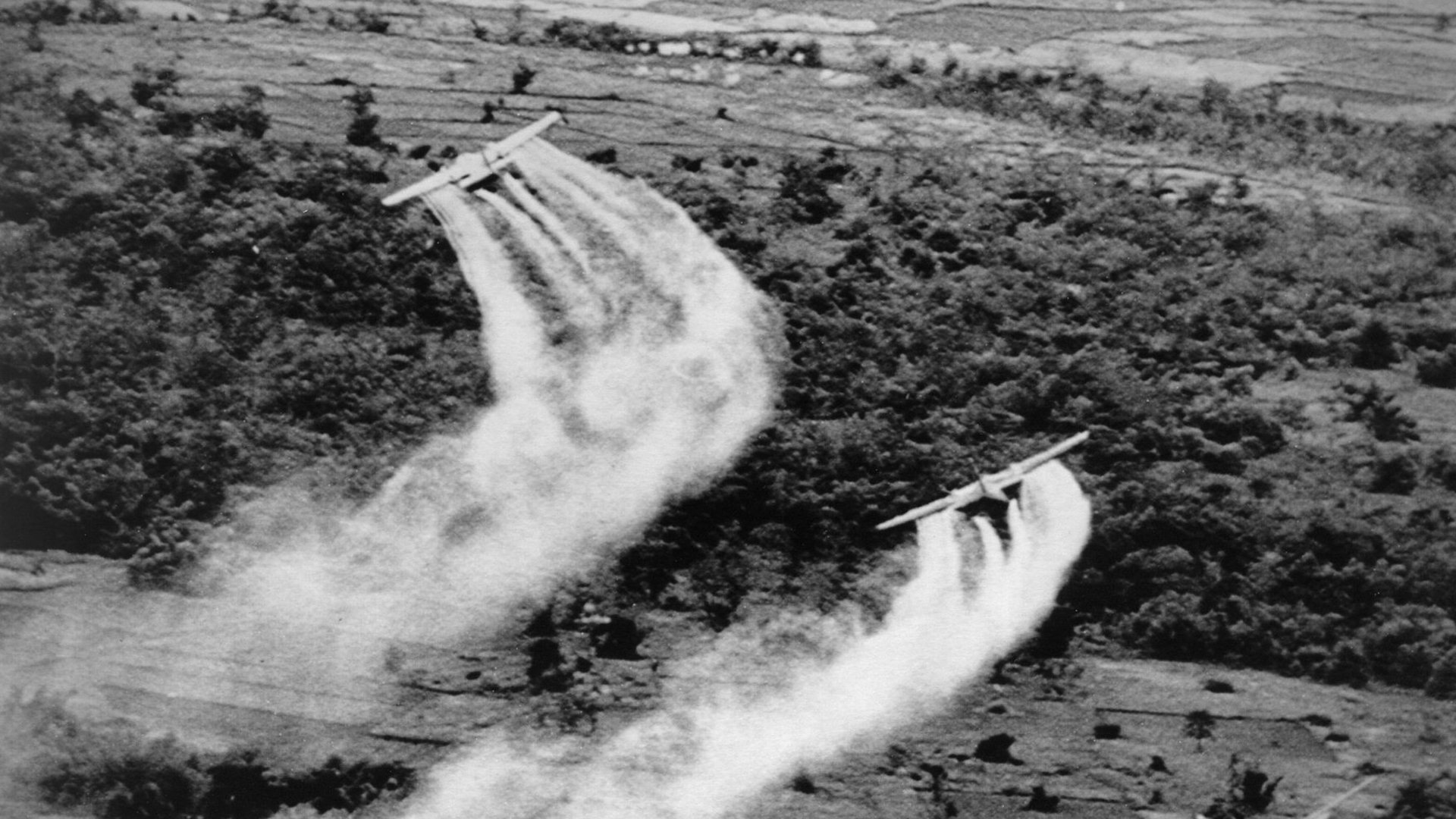
The heavy costs of war included chemical warfare like Napalm and Agent Orange
THE ENDGAME: DIPLOMACY, WITHDRAWAL, AND AFTERMATH
Negotiations and the Paris Peace Accords
As American resolve weakened, diplomatic negotiations gained importance. Agreements to cease large-scale U.S. combat involvement were reached even as fighting continued between Vietnamese factions. The U.S. achieved the withdrawal of its forces; North Vietnam secured the political objective of unification in the long run. On the ground, the balance had shifted away from dependence on U.S. forces.
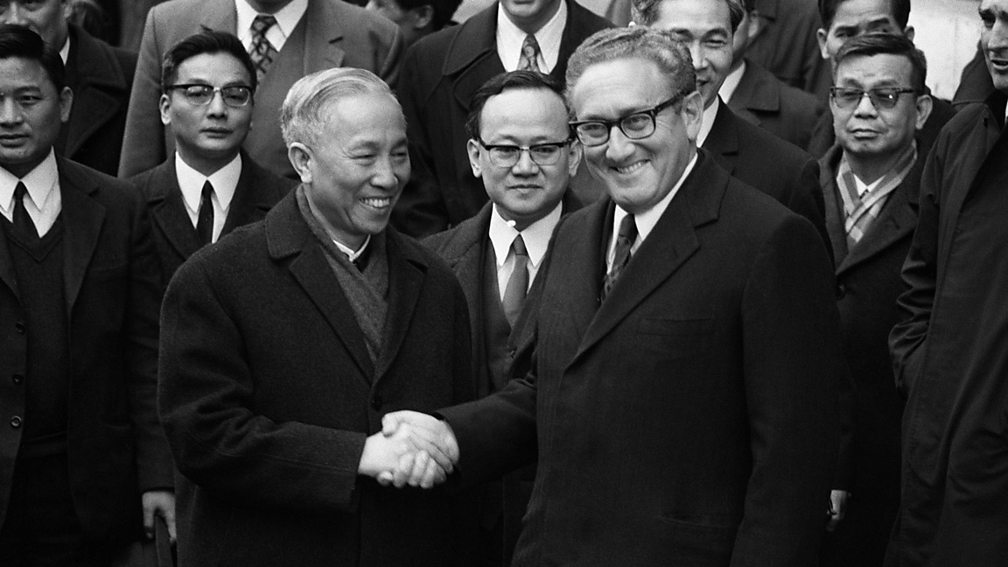
The Paris Peace Accords marked the beginning of U.S. withdrawal
What ''defeat'' looked like
Defeat here does not mean the total annihilation of U.S. military capability nor that the U.S. failed in every tactical engagement. It means the U.S. did not achieve its strategic objective: preventing communist takeover of Vietnam and building a stable, legitimate, noncommunist South Vietnam. The final outcome was shaped more by politics and endurance than by a single battlefield loss.
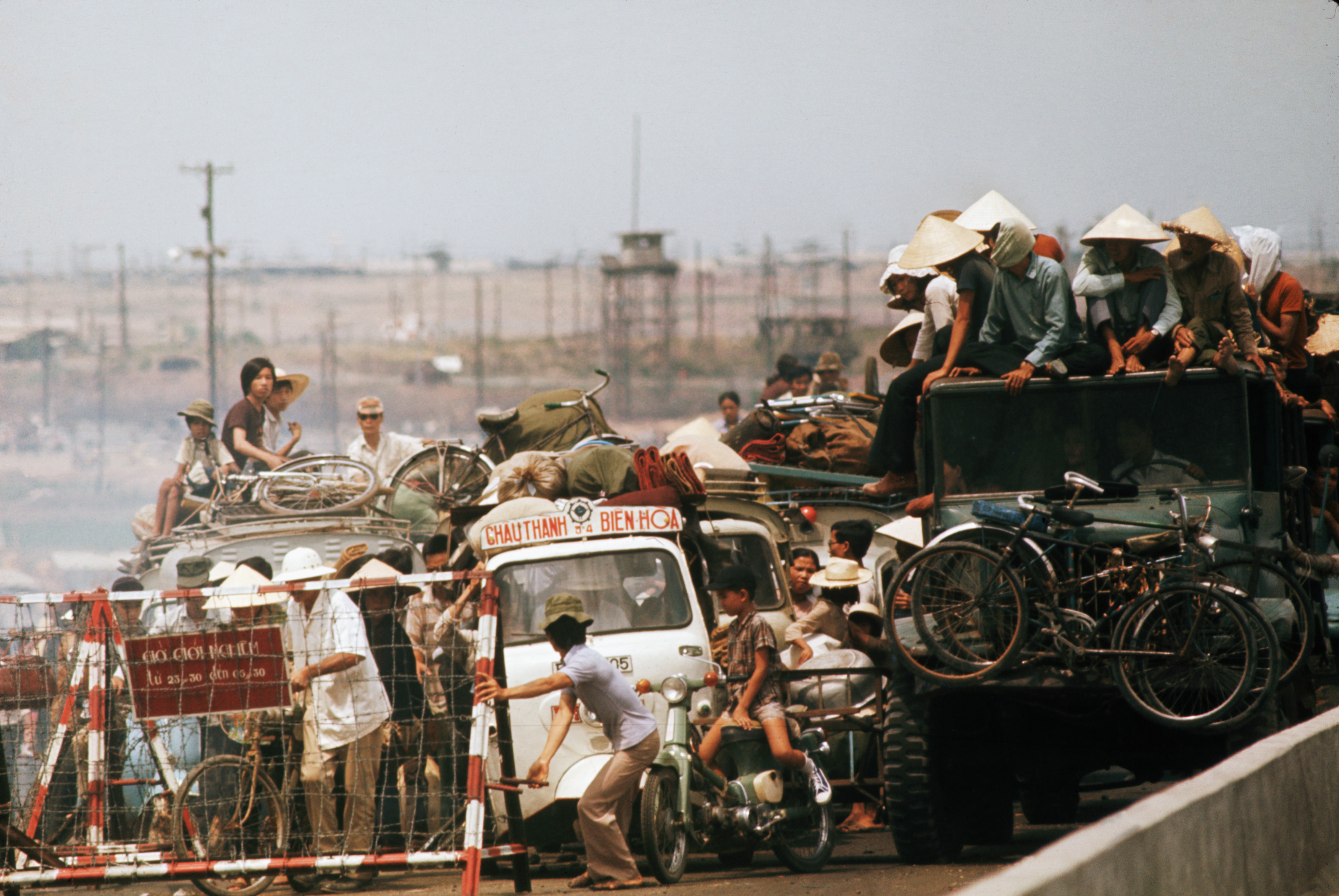
The fall of Saigon in 1975 marked the final outcome of the war
COMMON MYTHS AND SIMPLE TRUTHS
Myth: Technology would decide everything
Technology gave the U.S. advantages—air superiority, helicopters, sensors—but wars among populations are seldom decided by gadgets alone. Local support, adaptability, and willpower often beat superior equipment in prolonged conflicts.
Truth: Wars end when political costs outweigh political gains
Military force is a means to a political end. If force does not create a sustainable political outcome, it is temporary. In Vietnam, the political costs to the U.S. (money, lives, political capital) grew until leadership chose withdrawal over continued occupation.
When the price of staying becomes higher than the will to stay, the battle is lost even if many fights were won.
LESSONS FOR TODAY
Asymmetric conflict is fundamentally political
Modern conflicts with insurgents or nonstate actors emphasize politics, legitimacy, and local alliances. Heavy reliance on firepower without a political strategy that builds local governance and trust is vulnerable to the same problems that the U.S. faced in Vietnam.
Know your objective—and how to measure success
Clear, achievable political objectives help determine whether military action can succeed. If ''victory'' is vague, policymakers will struggle to assess progress and maintain political support.
CONCLUSION: A POLITICAL VICTORY DRESSED AS A MILITARY STRUGGLE
The story of how Vietnam defeated the United States is not a simple tale of better soldiers or one decisive battle. It was a collision of different logics: a superpower trained to win conventional wars versus a motivated revolutionary movement determined to endure. Terrain, logistics, propaganda, domestic politics, and the simple fact that people fight harder for home and identity than for abstract policy goals all combined. The U.S. could inflict tremendous damage, but it could not turn military success into lasting political control. In the end, North Vietnam achieved its political aim: reunification under its terms.
- Asymmetry of goals: North Vietnam aimed to outlast the U.S.; the U.S. sought to prevent a communist takeover without a clear enduring plan.
- Guerrilla advantage: Local knowledge, terrain, and blended civilian-military networks let the Viet Cong operate despite superior U.S. firepower.
- Politics mattered more: U.S. domestic opposition and political costs forced a change in strategy that favored withdrawal.
- Military success ≠ political control: Holding ground is different from winning hearts and building legitimate governance.
Final reflection
History rarely offers tidy moral judgments, but Vietnam teaches a clear lesson: when military means are decoupled from realistic political ends, even the most powerful armies risk defeat. Understanding that distinction is essential for anyone trying to make sense of conflicts past and present.