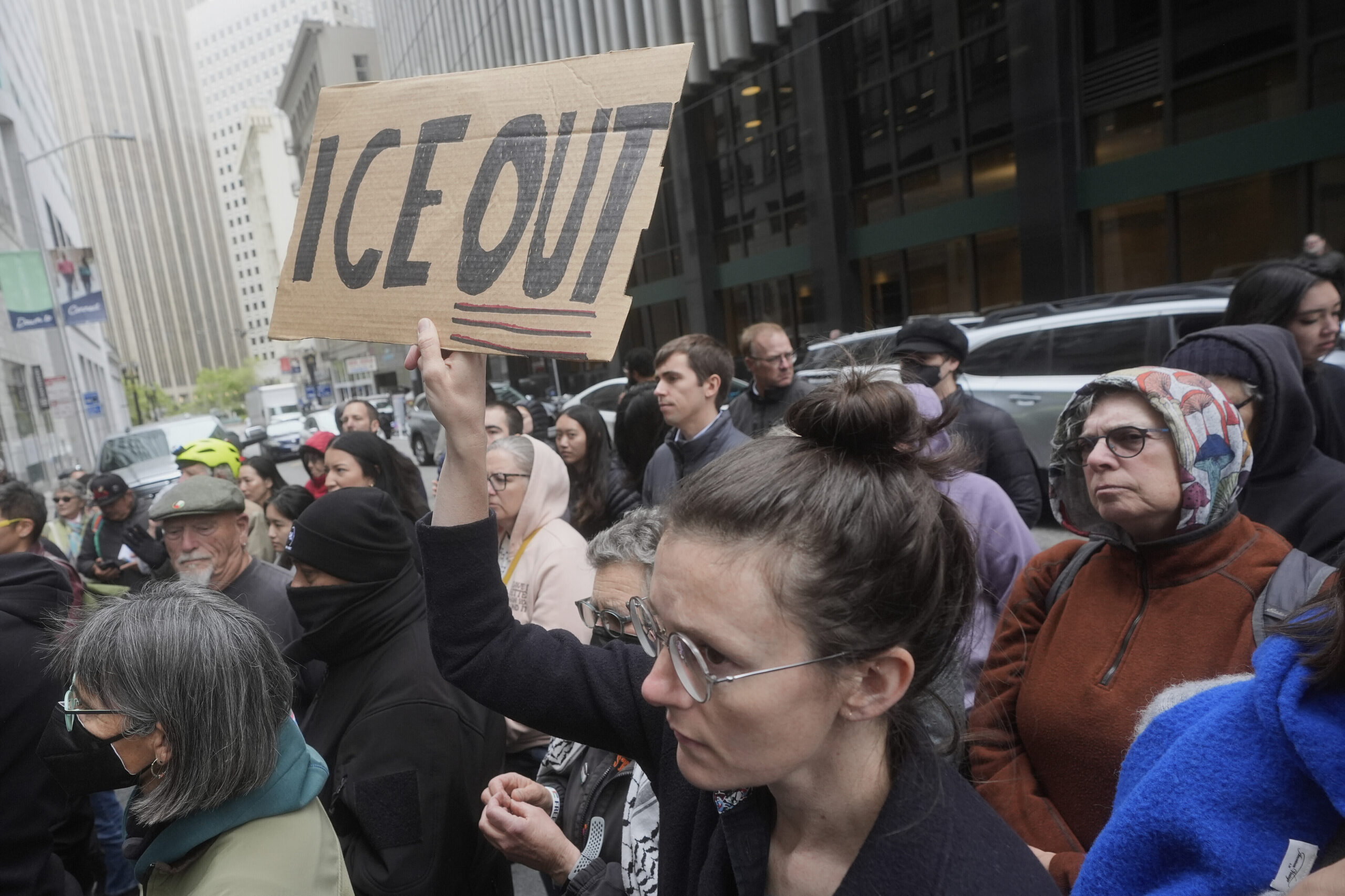
White House Shares Altered Image After ICE Protest: What It Means
The rapid circulation of a digitally altered photograph shared by the White House showing a woman arrested after an ICE protest has become a flashpoint in debates over truth, power, and the governance of digital space.
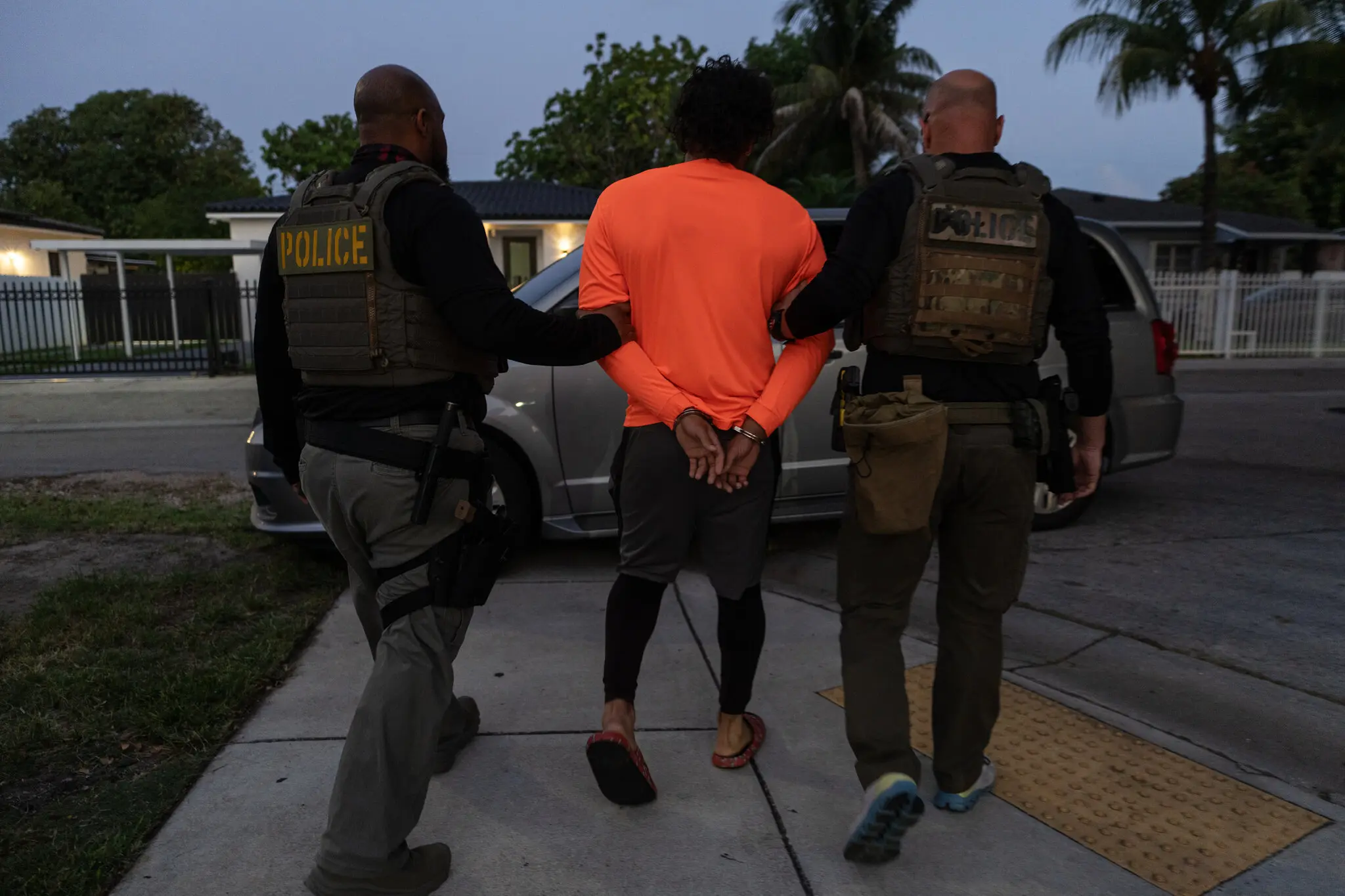
White House ICE protest arrest
Whether intended to correct, to clarify, or to persuade, the act of releasing an image that departs from raw reality carries consequences that ripple through journalism, courts, policymaking, and civic life. This article unpacks why a government-issued manipulated image is different from ordinary misinformation, how such an image can be produced and detected, the ethical and legal stakes, and what institutions and citizens should do next to safeguard public trust.
Why a Government-Posted Image Matters More
Images have always been persuasive. A photograph is often treated as documentary evidence and carries an aura of authenticity. But when the institution that commands authority—the executive branch—publishes an altered image, the implicit seal of legitimacy amplifies the effect. Citizens tend to give weight to official communications from the White House, and that makes any visual misrepresentation especially potent.
There are several reasons this matters in a distinct way:
- Authority multiplier: A government release conveys credibility that ordinary social-media posts do not.
- Policy impact: Images shape narratives that can influence law enforcement procedures, public opinion on immigration policy, and legislative debates.
- Legal consequences: Altered imagery can infect investigations, proceedings, or administrative records if used as evidence or as the basis for public statements about an individual or incident.
Each of these effects makes the accuracy and provenance of government imagery an issue of public interest.
The Technology: From Photoshop to AI-Generated Alterations
Not all image edits are created equal. A small crop or color correction is a routine editorial choice; replacing faces, changing context, or compositing elements crosses into a different category. Modern tools make sophisticated alterations easier and cheaper than ever.

digital image manipulation deepfake
Traditional editing
Photo editors have for decades used tools like selection, layering, cloning, and compositing to modify images. These techniques can be highly convincing in the hands of a skilled practitioner but typically leave detectable traces: inconsistent shadows, mismatched grain, or repeated patterns.
Generative AI and deepfakes
Generative adversarial networks and diffusion models have dramatically lowered the technical barrier to creating photorealistic edits. These systems can synthesize facial expressions, alter clothing, change backgrounds, and even convincingly fabricate motion. The speed and realism of AI-generated edits increase the risk that altered images will be mistaken for authentic documentation.
Why provenance and metadata matter
Every digital image can carry metadata—timestamps, device IDs, editing history—that helps establish origin and chain-of-custody. But metadata is fragile: it can be stripped, rewritten, or forged. For any serious claim about an event, provenance must be corroborated with original files, witness testimony, and other contemporaneous records.
Ethical and Legal Stakes
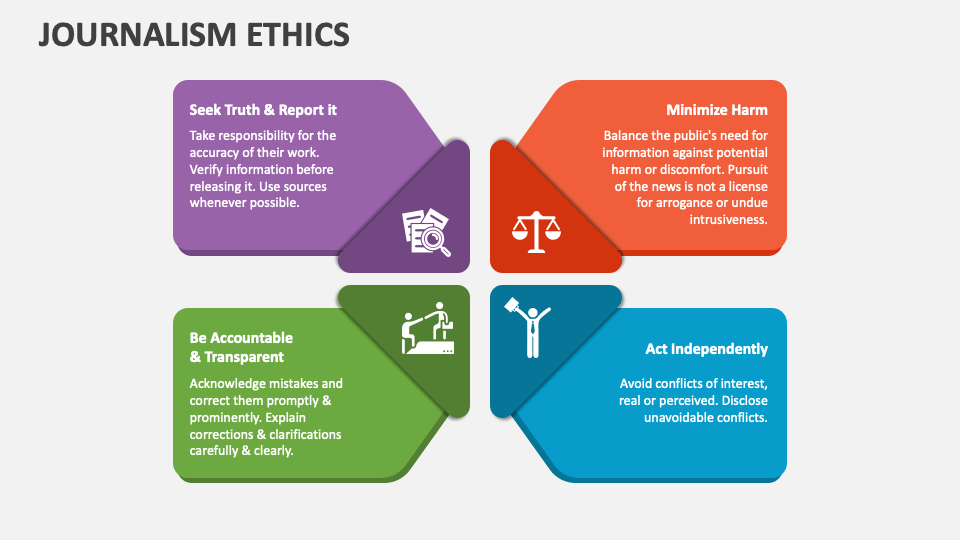
The ethics of photo editing by news organizations are well-established: transparency about edits and avoiding misrepresentation. Governments should be held to at least the same standard, if not higher.
government press communications misinformation
Ethical considerations
At stake is the duty of public institutions to avoid misleading the public, especially about matters of civil liberties and law enforcement. Publishing a manipulated image of an arrested protester risks harming the individual's reputation, influencing legal outcomes, and undermining confidence in democratic institutions.
Possible legal implications
There are multiple legal threads: defamation law, privacy and publicity rights, administrative procedures, and criminal evidence rules. If an altered image is used to justify administrative action or to paint a misleading picture of a suspect’s behavior, it might constitute a violation of procedural fairness. In extreme cases, intentionally deceptive government communication could prompt litigation and calls for investigations or sanctions.
legal implications evidence tampering
Moreover, if manipulated visual content interferes with an individual’s ability to seek redress or affects the fairness of a criminal prosecution, it could become material in a defense strategy or a civil suit. The interplay between edited imagery and evidentiary standards is an emerging area of law that courts will confront in the coming years.
How the Media and Fact-Checkers Can Respond
Newsrooms and independent fact-checkers play a crucial role in analyzing and contextualizing government images. Their job is not only to detect manipulation, but to explain its significance and to hold institutions accountable.
visual forensics journalism ethics
Practical detection techniques
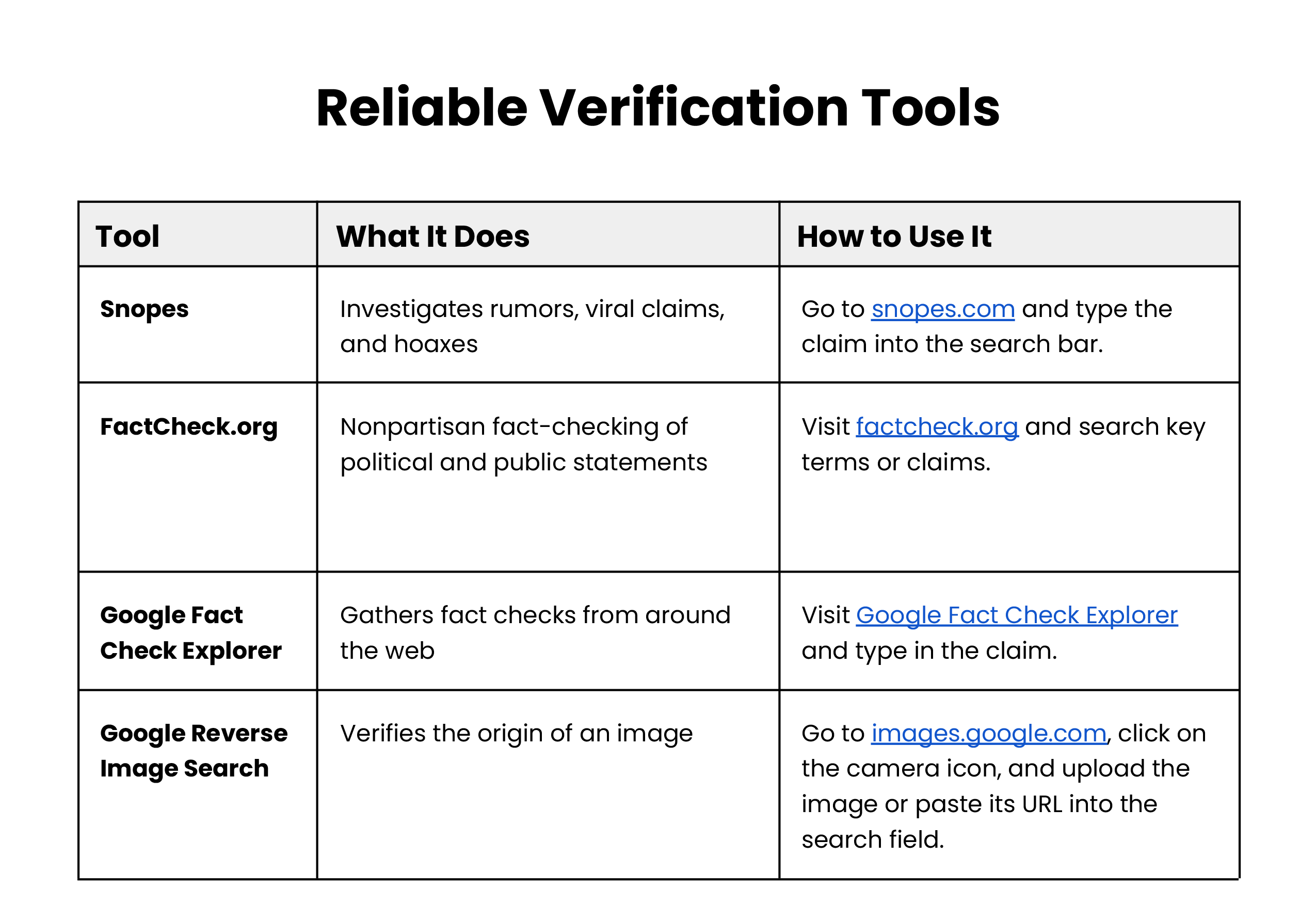
Journalists and forensic analysts use a toolbox of methods: examining metadata when available, analyzing lighting and shadows, checking reflections, comparing multiple camera sources, and running images through specialized software that flags signs of tampering. Cross-referencing with video, body-camera footage, or contemporaneous photos is essential.
media literacy verification techniques
Clear reporting practices
When reporting on a manipulated image, media outlets should be explicit about what they can verify and what remains uncertain. Transparent methodology—describing the steps taken to authenticate or debunk an image—builds trust and educates readers on how verification works.
Platform Responsibilities and Content Governance
Social platforms where government posts travel quickly also have a role. Content moderation policies historically focused on private actors; government-originated information complicates moderation because of public-interest considerations and the importance of civic discourse.
social media platform transparency
Balancing civic speech and misinformation mitigation
Platforms must weigh enforcement decisions against the importance of public institutions communicating with citizens. Blanket takedowns of government accounts are fraught with risks. Instead, platforms can prioritize context: labeling posts, elevating authoritative statements, and ensuring users can access original-source materials for verification.
Transparency tools platforms should offer
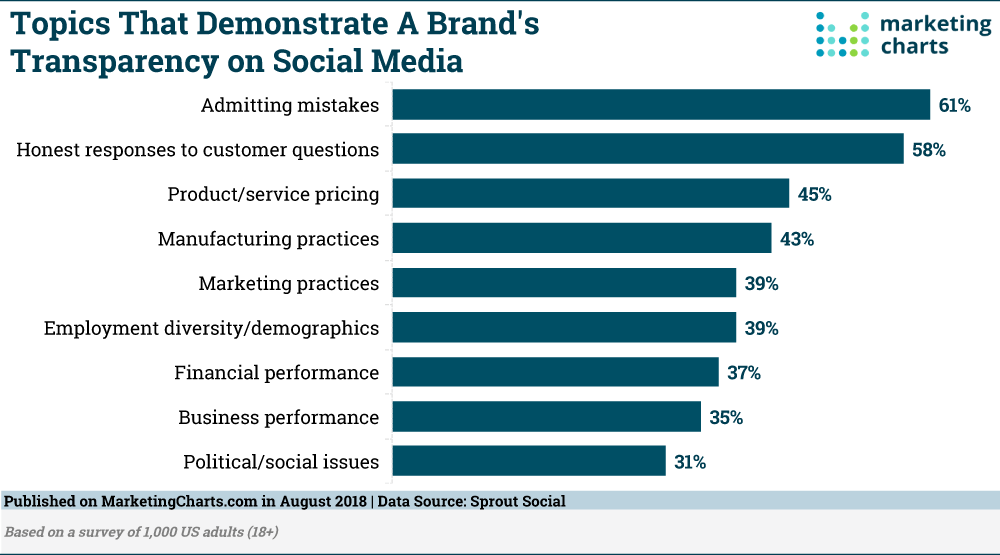
- Context labels: Clearly mark when imagery has been edited and link to explanations from the source agency.
- Provenance feeds: Provide a mechanism for agencies to attach original files or cryptographic attestations to posts.
- Appeals and audits: Create expedited review paths for disputed government content and publish transparency reports on enforcement decisions.
The Human Dimension: Individuals, Trust, and Civic Consequences
Beyond technology and policy, there is a human cost. The person depicted in the altered image—whether a protester, bystander, or official—may suffer reputational harm, threats, or legal complications. The broader public may experience erosion of trust: once a government source is shown to have distributed manipulated imagery, skepticism can spill over to other communications, even truthful ones.
public trust democratic institutions
Trust is slow to build, fast to break
Institutions earn trust through consistent transparency and accountability. A single instance of misleading visual communication can create an enduring credibility deficit, making it harder for officials to secure public compliance during crises or to convey complex policy positions honestly.
The chilling effect on protest and journalism
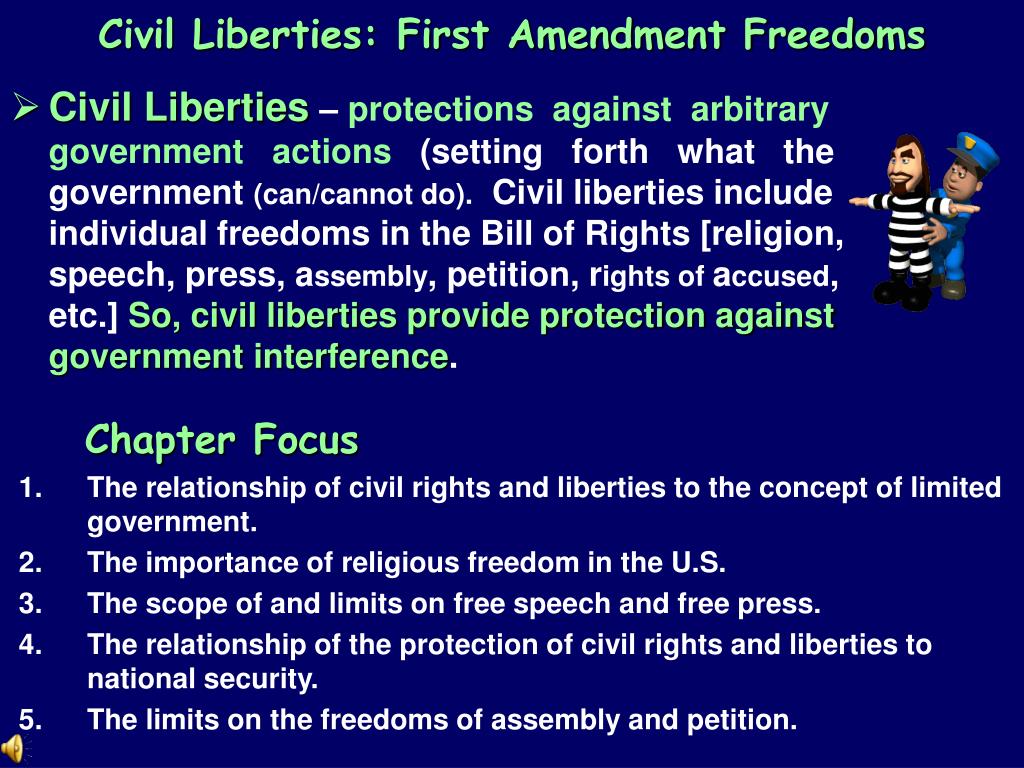
If protesters fear that images of their participation will be altered and weaponized, they may self-censor, and journalists may face new obstacles documenting public events. Civic participation thrives on the ability to assemble and to have those assemblies accurately recorded and reported.
First Amendment civil liberties
Recommendations: What Institutions and Citizens Should Do
Fixing the problem requires action on multiple fronts—government practice, platform governance, media verification, and public education.
For government communications
- Adopt strict provenance policies: Government agencies should publish the source files and editing logs for any imagery used in official posts, unless legitimately constrained by privacy or national security.
- Public editing standards: Create and publish clear rules about permissible edits (cropping, annotation) and prohibited ones (composites that change context or identity).
- Independent audits: Commission periodic third-party audits of public communications practices and publish findings.
For social platforms
- Context-first policies: Favor labels and links to source materials over removal where civic speech is concerned.
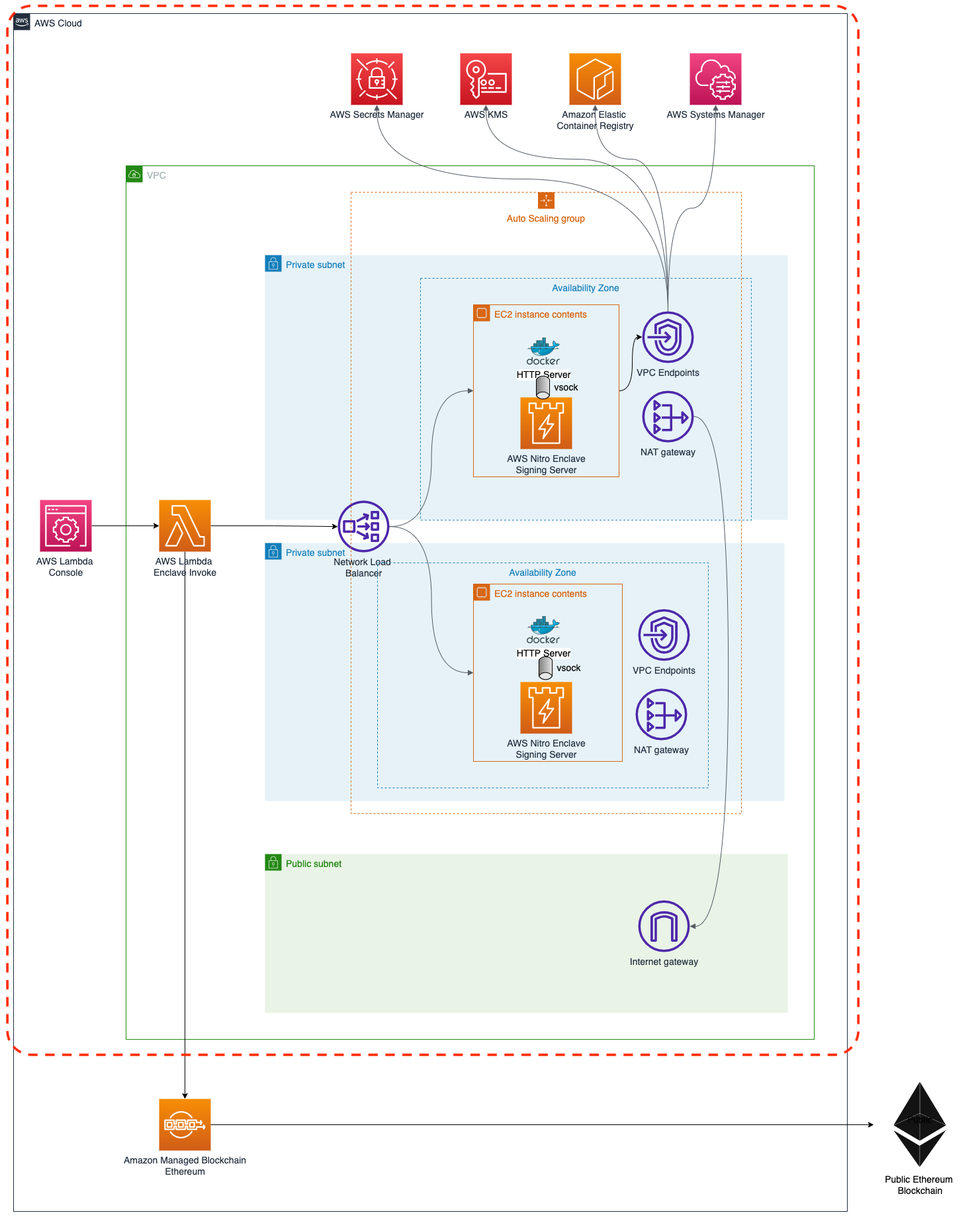
- Provenance infrastructure: Support cryptographic attestation standards that let verified accounts attach original media files in a tamper-evident way.
- Transparency reporting: Publish data on flagged government posts, moderation outcomes, and appeals.
For journalists and fact-checkers
- Enhance verification training: Newsrooms should train reporters and editors in basic visual forensic techniques and create specialist roles to handle image authentication.
- Explain verification to readers: When debunking or confirming images, detail methods used and share what remains unknown.
For the public
- Demand source files: Ask public institutions to provide original images or attestations for materials they distribute.
- Practice media literacy: Learn to look for context, corroborative reporting, and official documentation rather than relying on a single image.
A Larger Picture: Information Integrity in Democratic Life
The controversy over a single altered image is not just about one photograph. It is a symptom of a broader struggle over how societies manage truth in a media environment that favors sensational visuals, rapid sharing, and algorithmic amplification. Democracies depend on shared facts to function: policy debates, elections, and courts all presuppose a baseline of verifiable truth. When powerful actors undermine that baseline—intentionally or not—the social glue that permits collective decision-making loosens.
Addressing this challenge requires more than technical fixes. It requires cultural norms that prize transparency, institutional commitments to accountability, and a public that values verification over instant outrage. The technologies that make image manipulation easy can also be harnessed to detect and deter manipulation; the policy question is how to align incentives so that accuracy and trustworthiness are rewarded.
Conclusion: Clear Takeaways and Paths Forward
The White House posting of a digitally altered image after an ICE protest compels us to confront the intersection of authority, image, and truth. Key takeaways:
- Official images carry extra weight: When institutions communicate visually, accuracy must be prioritized and provenance disclosed.
- Detecting edits is technical but doable: Metadata, cross-source corroboration, and forensic analysis can reveal many alterations.
- Policy and platform responses must balance civic speech and harm reduction: Labels, provenance standards, and transparency reports are preferable to blunt takedowns.
- Civic education matters: Citizens should expect and demand verification and learn to treat striking images as starting points for inquiry, not final answers.
The incident is an opportunity—uncomfortable but clarifying. It forces public institutions, platforms, newsrooms, and citizens to define clearer rules for images in public discourse. If that debate leads to stronger provenance practices, better verification tools for reporters, and more literate consumers of media, then the harms of a single manipulated image may at least yield improvements that strengthen democratic communication in the years to come.
cryptographic attestation provenance