
Singapore to Use Caning for Scammers: What It Means
In a move that has flashed across headlines and hammered discussions in living rooms and comment threads alike, Singapore has announced it will apply judicial caning as a penalty for convicted scammers. The reaction has been visceral: relief among some victims, alarm among human-rights advocates, and an immediate set of practical questions for judges, prosecutors and law enforcement. This article steps beyond the headlines to explain the legal background, examine the policy rationale, surface the arguments for and against, and map the likely challenges of applying an old corporal punishment to a newly digitized crime.

Singapore judicial caning
THE ANNOUNCEMENT AND THE HEADLINES
The government's decision — framed as part of a broader package to tackle rising online fraud — has been presented as both symbolic and utilitarian. Symbolic because caning evokes a visceral image of decisive punishment; utilitarian because policymakers argue that heavier, more visible penalties will deter would-be offenders and deliver a sense of justice to victims whose losses and humiliation are often intangible.
A rapid policy response
Officials and ministers have explained the measure as complementary to stronger investigative tools, tighter rules for digital payment platforms, and public education campaigns. The message is twofold: the state will disrupt criminal networks operationally, and it will increase the perceived cost of committing fraud by sharpening sentencing outcomes.
Crimes that prey on trust are harder to measure; policymakers are betting that visible punishment restores a measure of public confidence.
HISTORICAL AND LEGAL CONTEXT
Soon after independence, Singapore retained judicial corporal punishment as one of the instruments available to its criminal justice system. The practice has long been defended by officials as a culturally and historically rooted penalty with a clear deterrent effect. At the same time, it has drawn criticism from international human-rights organizations and foreign governments.
How caning has been framed historically
Advocates of the practice argue that it is a stern but effective tool for serious wrongdoing — particularly crimes that are difficult to deter through monetary penalties alone. Opponents point to modern norms around bodily integrity, evolving international human-rights jurisprudence, and questions about disproportionate application.
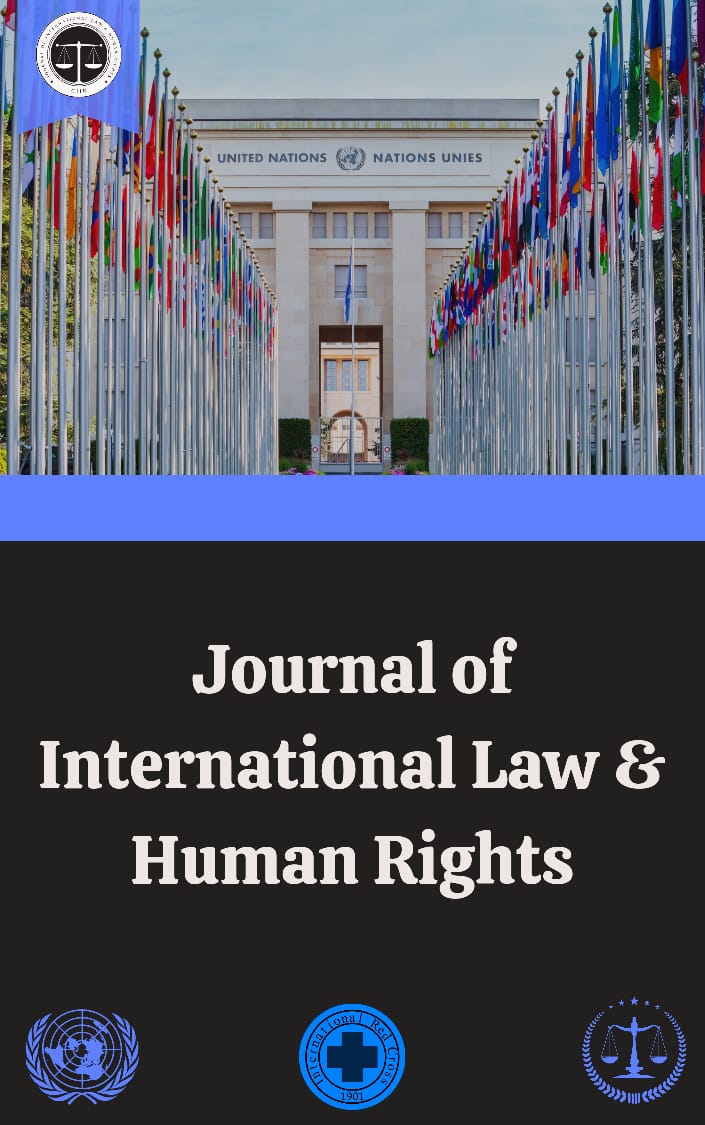
international law human rights
HOW CANING WOULD APPLY TO SCAMMING
Applying caning to scams requires translating an old instrument into a modern offense profile. Scams today are largely non-violent, often transnational, and frequently carried out through digital platforms that conceal the actors and the flow of funds. The mechanics of sentencing must therefore answer several questions: which scam offenses qualify; whether aggravating factors (for example, targeting the elderly or vulnerable) will increase the number of strokes; whether corporate facilitators will be exposed; and how judges will balance corporal punishment against fines, imprisonment and community-based sentences.

scammer punishment Singapore
Practical sentencing considerations
Legal practitioners warn that precise statutory definitions matter. A broadly worded law could sweep in low-level accomplices or enmesh people whose involvement was peripheral. Prosecutors must be prepared to demonstrate clear culpability. Courts will have to set guidelines so that similar cases receive consistent outcomes — an important safeguard against perceptions of arbitrariness.

court sentencing for scams
WHY THE GOVERNMENT SAYS IT IS NEEDED
The official rationale is anchored on deterrence and public protection. Fraud and scam syndicates impose real harms: financial losses, emotional trauma, reputational damage, and a cumulative erosion of trust in digital commerce. Policymakers argue that conventional penalties have failed to suppress these harms at scale.
Deterrence versus disruption
There are two threads to the government’s approach. The first is deterrence — the idea that a sharper, more severe penalty alters cost-benefit calculations for potential offenders. The second is disruption — strengthening investigative reach, freezing illicit financial flows, and increasing collaboration with international partners to dismantle networks. The new caning policy is presented as part of a package that blends both approaches rather than as a standalone cure.

digital fraud crime scene
ARGUMENTS FOR AND AGAINST
The debate is stark and sometimes irreconcilable. Supporters praise the measure as decisive and necessary; critics warn of human-rights costs and practical pitfalls.
Arguments in favour
Signal of seriousness: A high-profile penalty communicates that society takes scams seriously and will not tolerate the normalization of digital theft.
Victim validation: When victims see substantive punishment, it can help restore a sense of justice and closure.
Potential deterrent: For organized networks that rely on volume and low risk, increasing the penalties may alter operational calculations.
Arguments against
Human-rights concerns: Corporal punishment raises questions about cruel or degrading treatment and may strain Singapore's relations with human-rights observers.
Disproportionate impact: There's a risk that lower-level participants or coerced individuals could receive severe corporal sentences if prosecutorial discretion is misapplied.
Limited effect on sophisticated networks: Transnational syndicates that operate beyond Singapore's jurisdiction and through layers of intermediaries may be unaffected by domestic corporal penalties.
PRACTICAL CHALLENGES OF ENFORCEMENT
Beyond the normative debate, practical challenges will determine whether the policy reduces harm or simply generates controversy. Investigations into scams are resource-intensive. Tracking funds, proving intent, and linking operators to specific victims require technical expertise and international cooperation.

law enforcement investigation digital fraud
Cross-border obstacles
Many scam operations run servers, payment processors and safe-haven accounts across multiple jurisdictions. Effective prosecution will require faster mutual legal assistance, smaller friction for cross-border evidence requests, and targeted cooperation with fintech platforms. Otherwise, domestic courts may end up penalizing low-level intermediaries while the principal architects remain abroad.
- Clearer deterrent signal
- Potential victim satisfaction
- Human-rights backlash
- Implementation complexity
IMPLICATIONS FOR REGIONAL AND INTERNATIONAL RELATIONS
Singapore's decision will not occur in a vacuum. Neighbouring jurisdictions watch crime-policy experiments closely. Some governments may see the approach as a model for tough-on-crime strategies; human-rights bodies may use it as a focal point for advocacy and diplomatic pressure. Financial institutions and payment platforms will also reassess compliance obligations and risk management protocols in the region.
A test case for cooperation
If Singapore pairs corporal penalties with robust international cooperation and smart enforcement, the policy could become a case study in integrated anti-fraud strategy. If, by contrast, the policy is more performative than operational, it risks diplomatic friction and limited crime-reduction returns.
WHAT THIS MEANS FOR VICTIMS AND PREVENTION
For many victims, the immediate question is whether the new penalties will ever restore lost money. Criminal punishment and restitution are not the same. The state can punish wrongdoers, but it cannot always recover funds siphoned through complex financial webs. Prevention and support services therefore remain central.
Victim support and recovery
Policymakers should pair sentencing changes with stronger victim services: fast-track reporting, clearer channels for freezing suspect transfers, financial relief mechanisms, and counseling for emotional trauma. Public education campaigns that explain common scam patterns — impersonation, investment schemes, romance fraud — remain one of the most cost-effective tools.
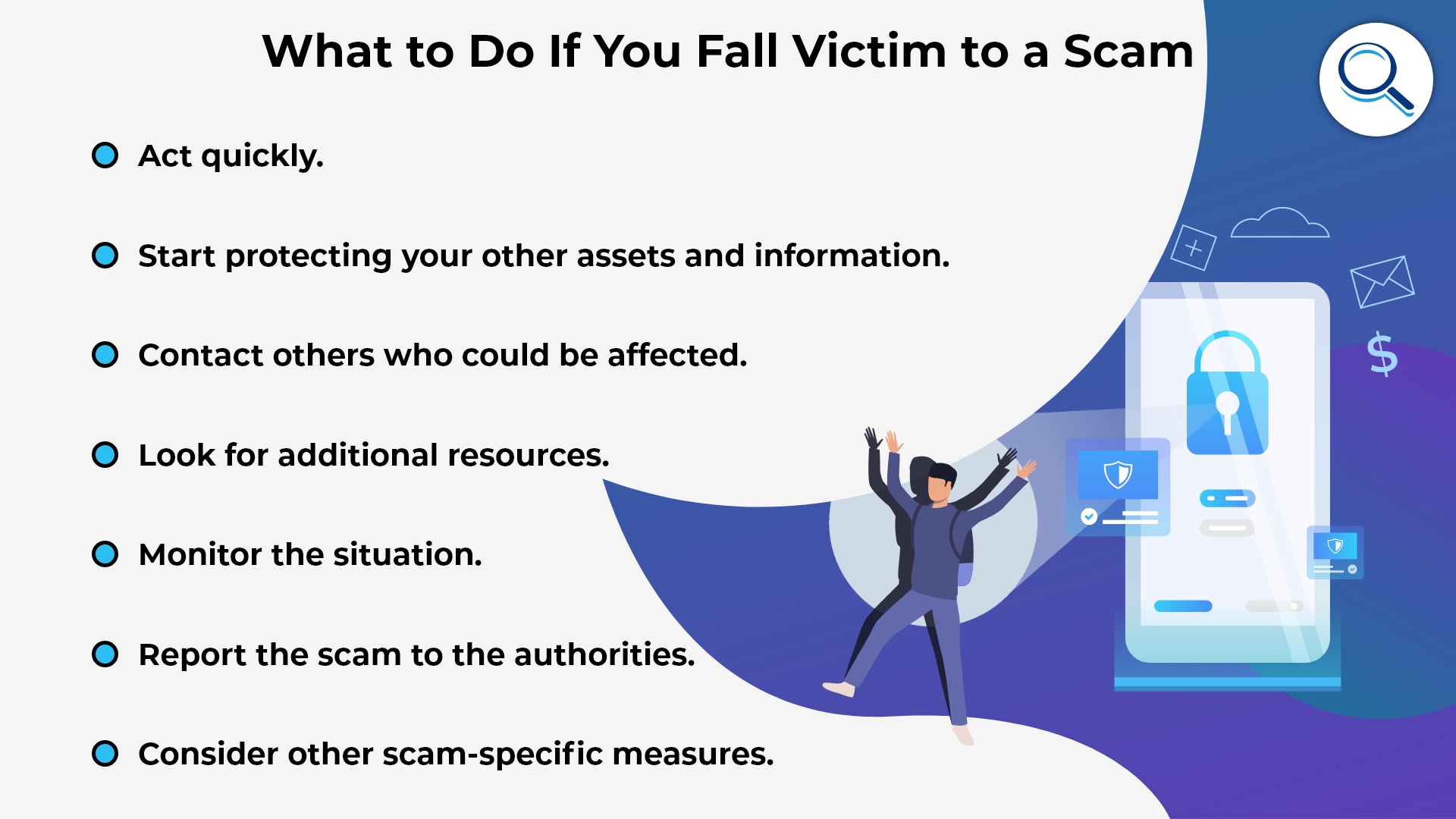
victim of online scam
LEGAL SAFEGUARDS AND OVERSIGHT
Given the gravity of corporal punishment, legal safeguards are essential. Transparent sentencing guidelines, an appeals process, judicial oversight, and independent monitoring will be necessary to ensure the policy is applied fairly and proportionately.
Checks and balances
Judicial discretion should be informed by clear statutory criteria. Prosecutors and judges must document the reasons for corporal sentences, and independent bodies should review patterns to detect bias or misuse. Without these checks, the policy risks eroding trust rather than restoring it.
For punishment to be legitimate, it must be applied fairly, transparently and proportionately — especially when it involves the body itself.
CONCLUSION: A POLICY WORTH WATCHING
Singapore's decision to use caning against convicted scammers sets up a real-world experiment at the nexus of technology, crime and punishment. It brings into sharp relief the limits of traditional criminal law when faced with digital, dispersed harms — and it forces a choice about what value the state places on deterrence, retribution, and rehabilitation.
The policy could reduce certain forms of local-market fraud if paired with better detection, higher conviction rates and international cooperation. Or it could become a contentious symbol of punitive justice with limited crime-control benefits. The outcome will depend on the often-unsexy work of investigation, asset tracing, platform regulation and legal safeguards.
- The policy is intended as part of a broader anti-fraud package, not a lone measure.
- Effectiveness depends on improved enforcement, international cooperation and clear sentencing guidelines.
- Human-rights and proportionality concerns will require transparent safeguards and oversight.
- Victim recovery demands parallel investment in prevention, support and financial remedies.
Reporting and analysis by an independent policy correspondent. This article explains policy options and trade-offs and is not legal advice.