Latest Articles

Why Japan’s High Adoption Rate Mostly Involves Adult Men
Japan records one of the world’s highest adoption rates on paper—but the vast majority of those adoptions are of consenting adults, often men adopted into family businesses or as sons-in-law. This feature explains the cultural, legal, and economic logic behind adult adoption and what it means for children, families, and corporate continuity.
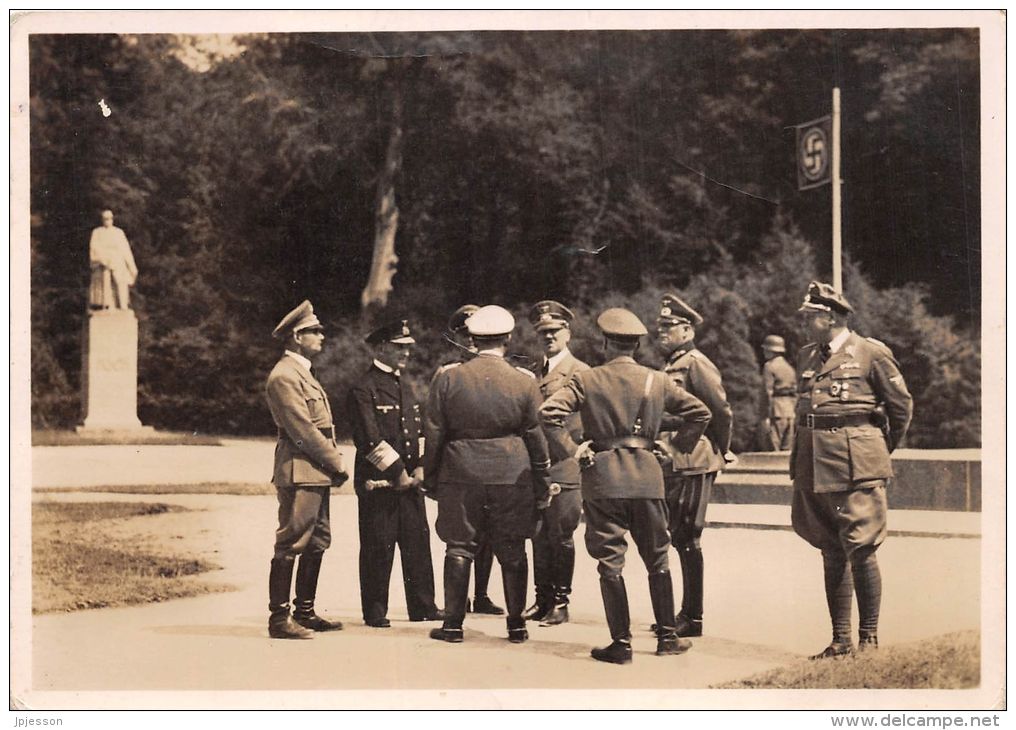
Hitler's 'Revenge' at Compiegne: The Same WWI Armistice Carriage
In 1940 Adolf Hitler staged a calculated act of symbolic humiliation by forcing France to sign its surrender in the very railway carriage where Germany had accepted defeat in 1918. That deliberate reuse of the Compiègne carriage fused history, propaganda and personal vendetta, and left a lasting imprint on Franco‑German memory.

How the Letter J Sounds Around the World
A global exploration of how one letter—J—takes many phonetic lives across languages, from English's approximant to Spanish’s H-like sound and Chinese pinyin’s palatal affricate. This feature explains history, IPA, regional patterns, learner tips and surprising exceptions.

Kallas Rejects Belgian Call to Normalize Moscow Ties for Cheap Gas
Estonian Prime Minister Kaja Kallas publicly rejected a Belgian proposal to restore normal relations with Moscow in return for cheaper Russian energy, framing it as at odds with EU unity, sanctions policy, and broader security concerns. The debate exposes fault lines in Europe’s energy strategy, domestic politics, and the long-term costs of re-engaging with Russia.

Surprising Origins of Small Government in the Early Modern Era
The phrase “small government” feels modern, but its ideas trace back to early modern political struggles over taxation, sovereignty, and liberty. This feature untangles the intellectual, fiscal, and rhetorical history that transformed a practical complaint into an enduring political ideal.
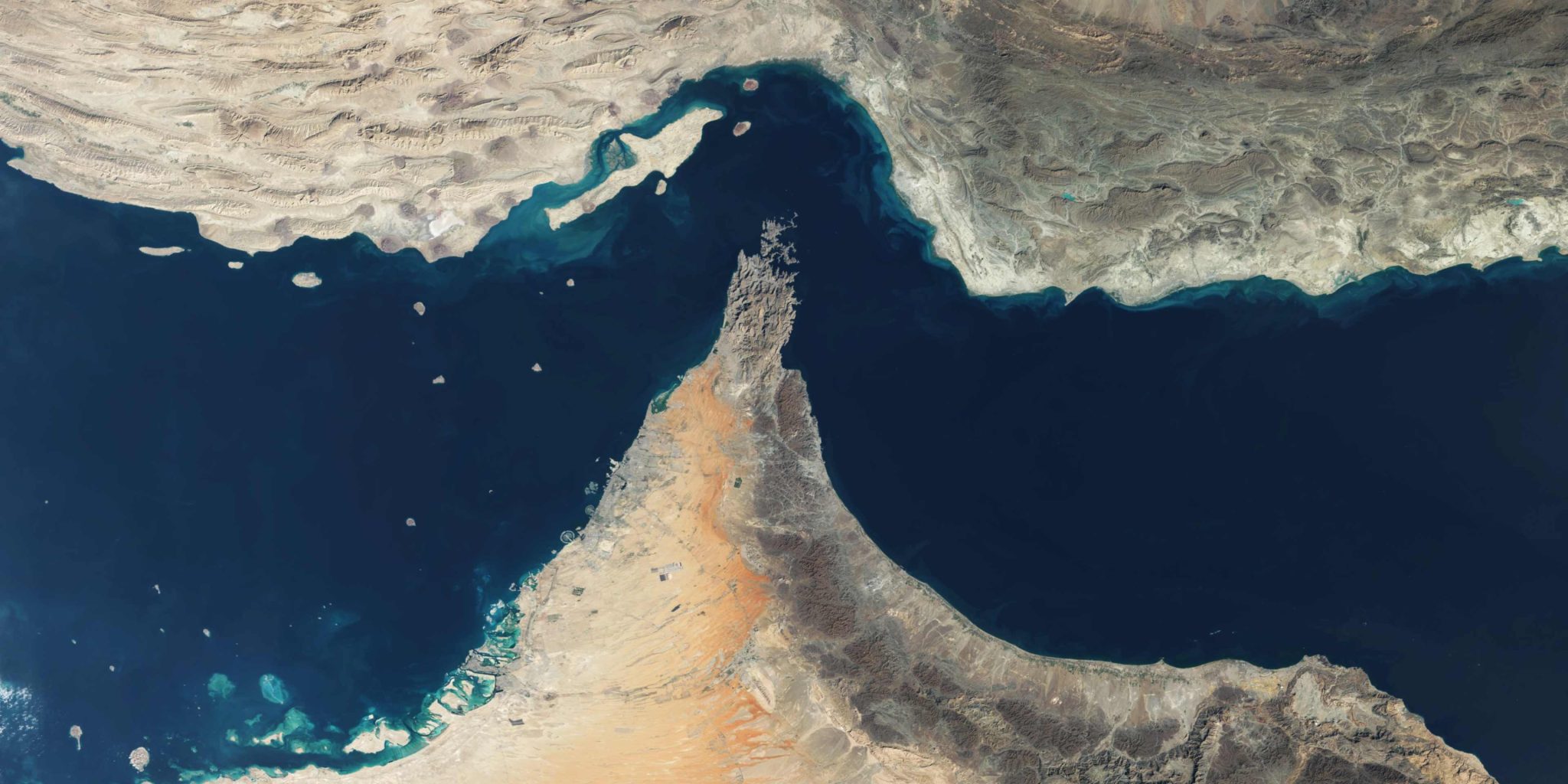
U.S.-Led Naval Coalition to Escort Ships Through Strait of Hormuz
The Trump administration is preparing to announce a multinational naval escort mission for commercial vessels transiting the Strait of Hormuz to deter maritime harassment and protect global energy flows. The plan blends military deterrence with diplomatic outreach but carries operational, legal and escalation risks that will test regional alliances and global markets.