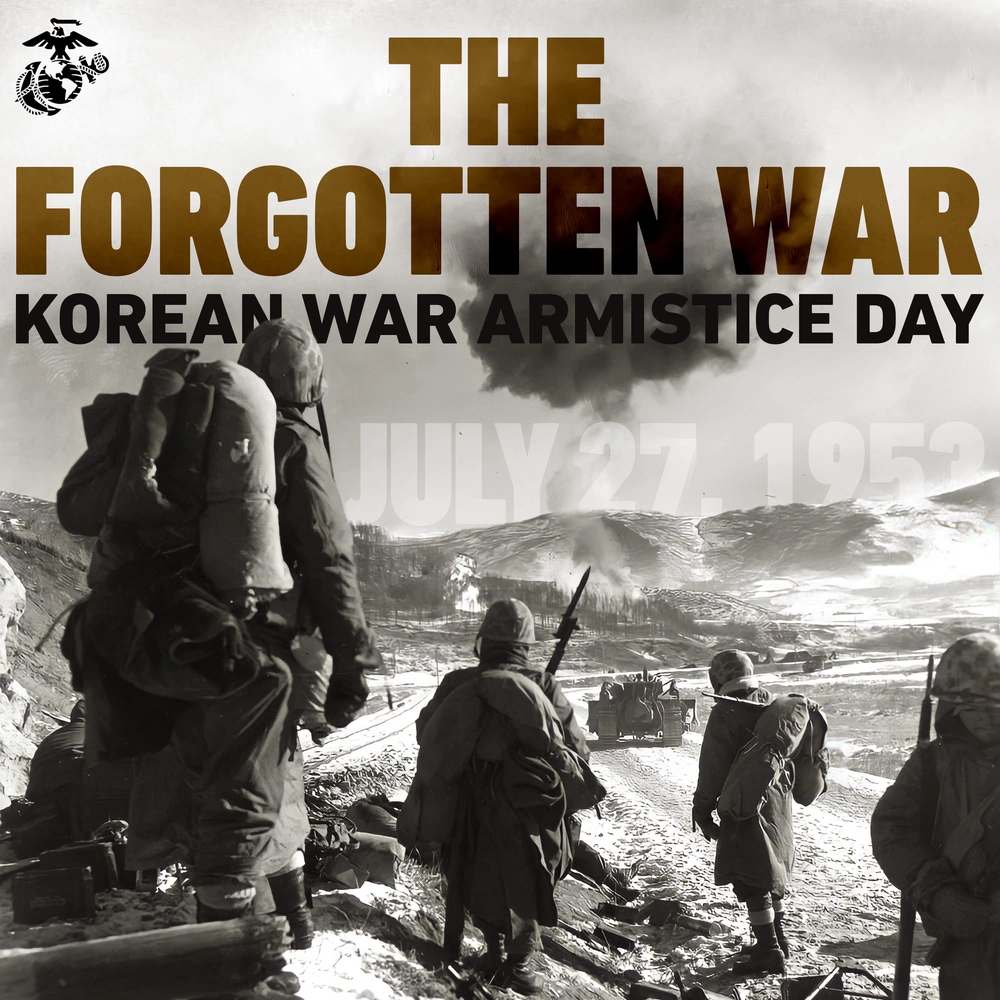
Why the Korean War Never Ended: The Ongoing Armistice Explained
On July 27, 1953, representatives from North Korea, China and the United Nations Command signed an armistice that stopped large-scale fighting on the Korean Peninsula. But an armistice is not a peace treaty: it is a ceasefire. More than seven decades later, the Korean War is still officially unresolved. Borders have hardened, families remain separated, and the peninsula is one of the most militarized places on Earth. Understanding why the conflict hasn’t been formally ended means tracing legal agreements, Cold War politics, nuclear proliferation, and decades of missed diplomatic windows.
Caption: Korean War armistice signing 1953
The armistice paused bullets and bombers, but it did not dismantle the political fault lines that created the war.
A Short History: War, Armistice, and an Unfinished Settlement
The conflict in brief
The Korean War began on June 25, 1950, when North Korean forces crossed the 38th parallel and invaded the South. The fighting quickly internationalized: the United Nations, led by the United States, intervened on behalf of South Korea, while the People’s Republic of China and the Soviet Union provided material and, in China’s case, personnel support to the North. After three years of intense, back-and-forth combat that left the peninsula devastated and millions of casualties in its wake, negotiators reached an armistice on July 27, 1953. The armistice established a military demarcation line and a 2.5-mile-wide demilitarized zone, or DMZ, running roughly along the pre-war 38th parallel.
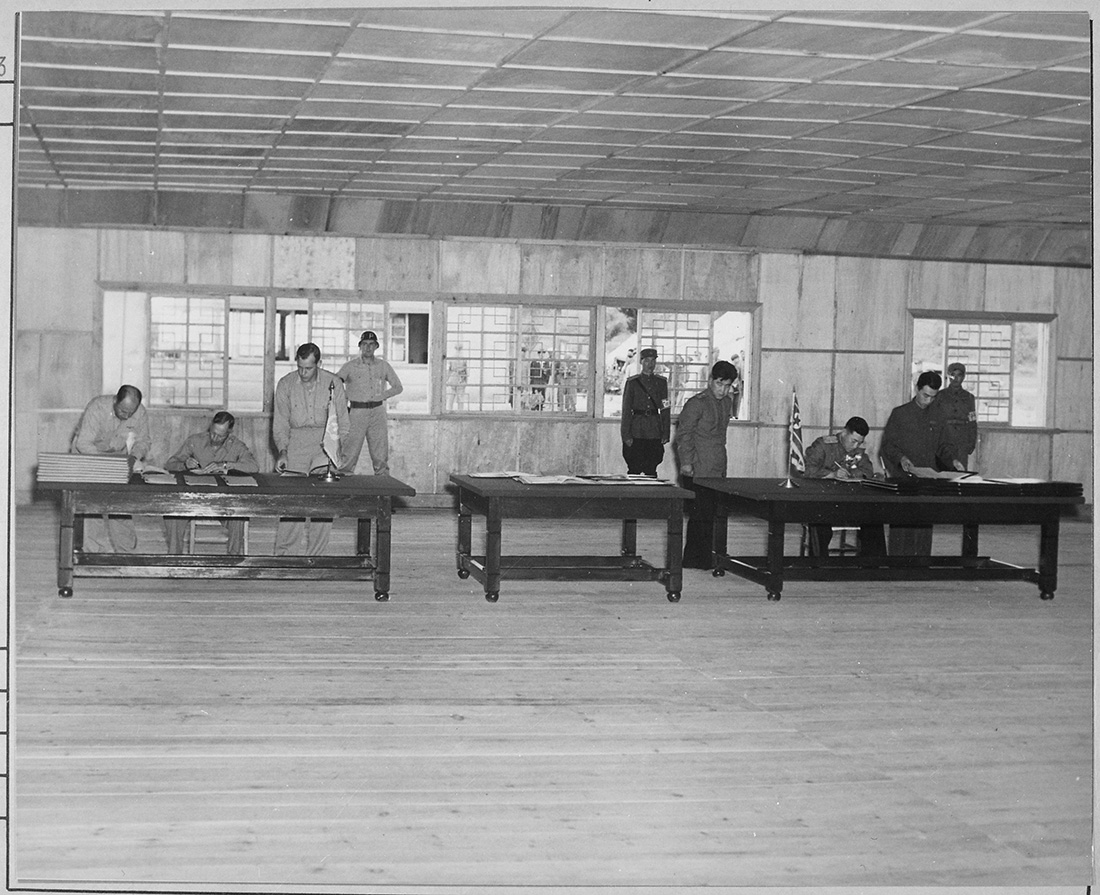
Caption: Korean War armistice signing 1953
Armistice versus peace treaty
An armistice is, by definition, a military agreement to stop fighting. It is not a full settlement that resolves the political, legal, and territorial disputes that caused war. A peace treaty, by contrast, is a legal document that ends a state of war between parties, settles border issues, and typically normalizes diplomatic relations. Because the 1953 document was an armistice and not a treaty, the state of war technically persists—absent a signed peace treaty among the original belligerents.
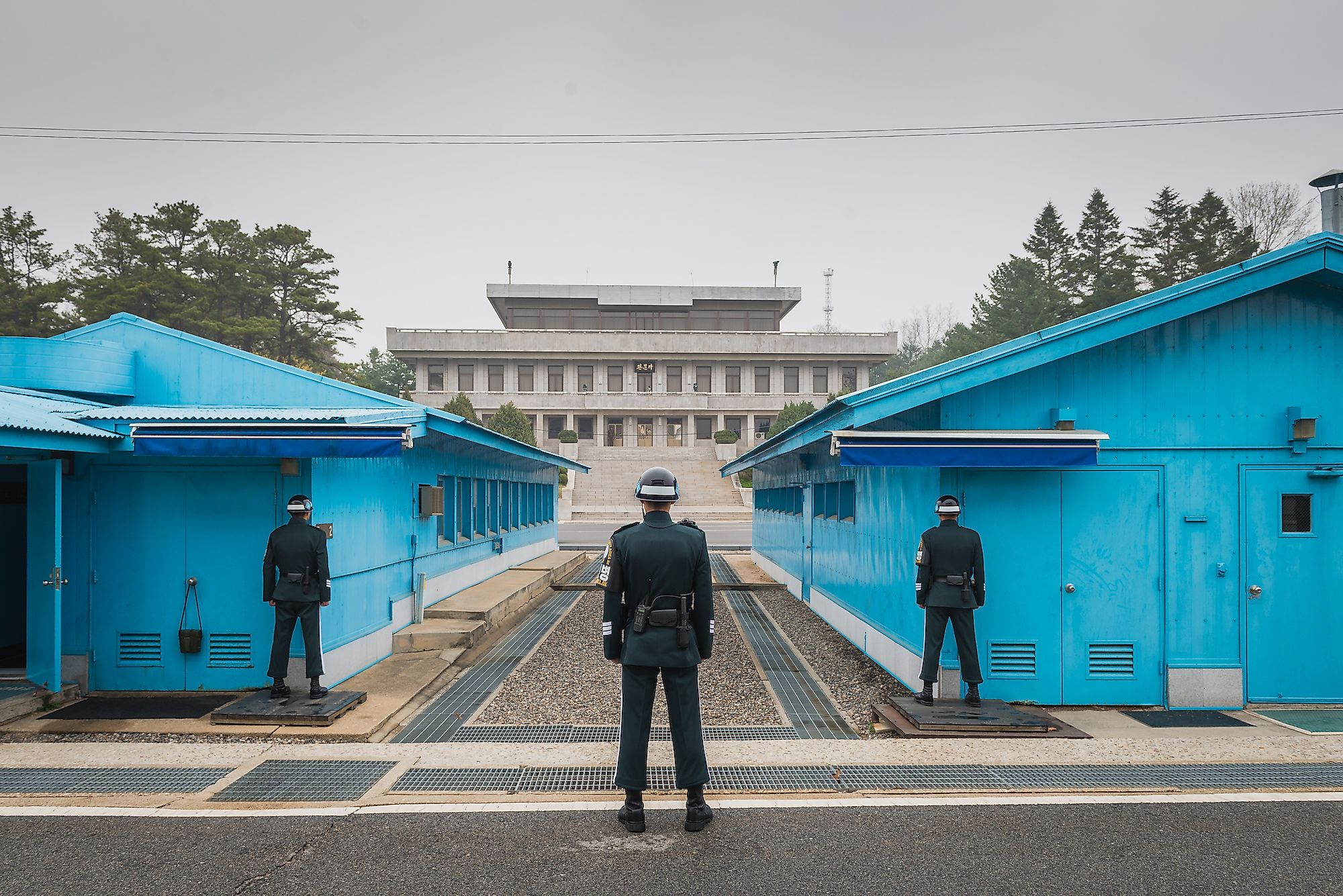
Caption: The Demilitarized Zone (DMZ) remains the most visible legacy of an unresolved war.
Why There Is No Peace Treaty
Legal and diplomatic complications
The absence of a peace treaty reflects several intertwined legal and diplomatic barriers. First, the original armistice was signed by military commanders and representatives of the Chinese People’s Volunteer Army, the North Korean Korean People’s Army, and the United Nations Command; it did not include a formal peace negotiation among all political authorities involved. Second, the political landscape shifted quickly after 1953: the Cold War hardened, U.S.-China relations remained hostile for decades, and the Soviet Union’s collapse in 1991 created further diplomatic uncertainty.
These shifting alignments complicated any effort to secure a comprehensive multilateral treaty. Who would sign? Would the treaty require the participation of the United States, the two Koreas, China, and perhaps Russia? Each potential signatory has national priorities and domestic politics that influence whether—and how—negotiators can reach an agreement.
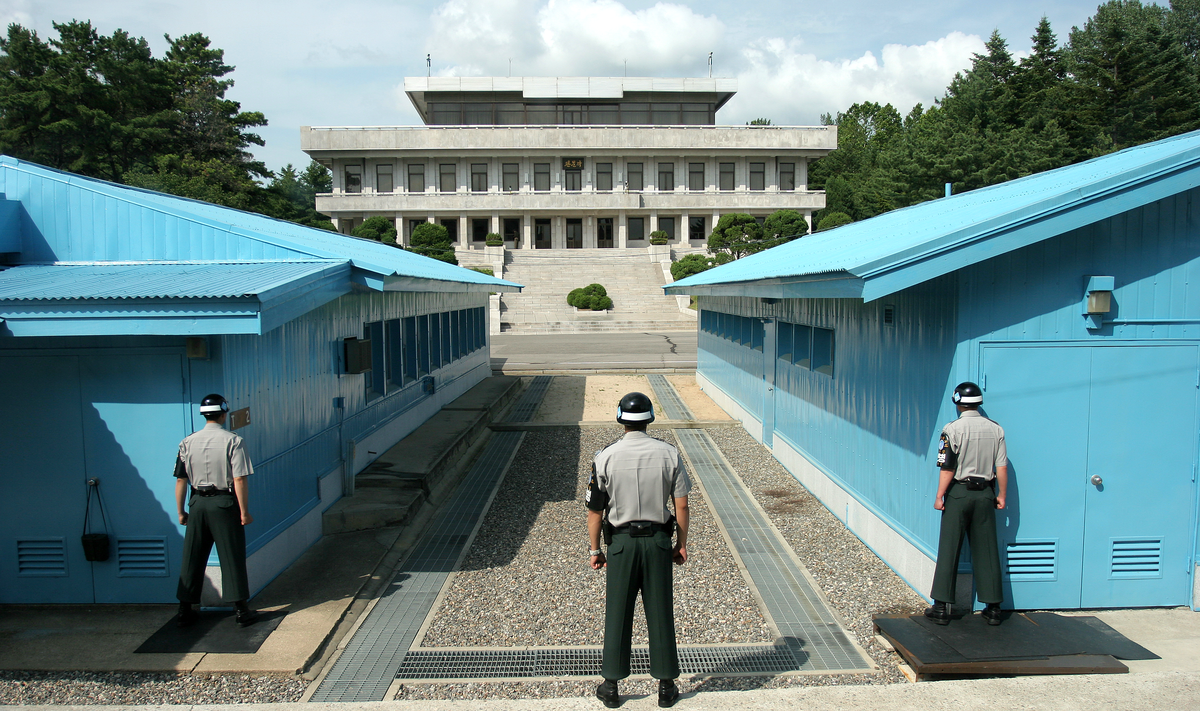
Caption: Panmunjom Joint Security Area
Domestic politics and strategic incentives
South Korea and North Korea have both at times shown openness to formal peace, but their governments face powerful domestic and international constraints. South Korea’s security posture has long been anchored to a formal alliance with the United States; a standalone peace treaty with the North could require adjustments to the U.S.-ROK military relationship and to basing arrangements that are politically sensitive in Washington and Seoul. For North Korea, formal peace could mean concessions that the regime fears would reduce its leverage and security guarantees—especially if it perceives those concessions as requiring denuclearization without ironclad protections.
Equally important are incentives that favor strategic ambiguity. For the United States and South Korea, the existing arrangement preserves a strong military posture and justifies American presence on the peninsula. For Pyongyang, the armistice's unresolved status is a bargaining chip: it keeps the option of coercive diplomacy alive and allows the regime to extract concessions in rounds of negotiations.
Flashpoints and Failures: What Has Kept Peace from Taking Hold
Skirmishes, assassinations, and provocations
Since 1953, the peninsula has seen periodic violence and incidents that have made movement toward a treaty fraught. From the 1968 Blue House raid to naval clashes in the Yellow Sea, from the sinking of a South Korean naval vessel in 2010 to artillery exchanges across the DMZ, each violent episode hardened attitudes and reduced trust. Leaders who might contemplate compromise face domestic political costs when a headline reminds voters of recent bloodshed.
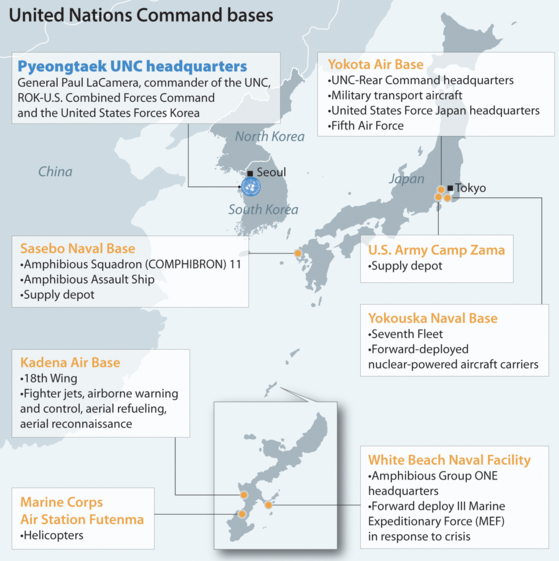
Caption: UN Command military presence Korea
Nuclear weapons and deterrence
One of the most consequential changes since 1953 is North Korea’s development of nuclear weapons and long-range delivery systems. Nuclearization transformed Pyongyang from a conventional threat to a state that claims strategic deterrent capabilities. For many in the United States, South Korea, and Japan, North Korea’s nuclear arsenal is a security problem that must be addressed before any credible peace process can proceed. For North Korea, nuclear weapons are the ultimate insurance against regime change—and a central bargaining chip for international recognition and sanctions relief.
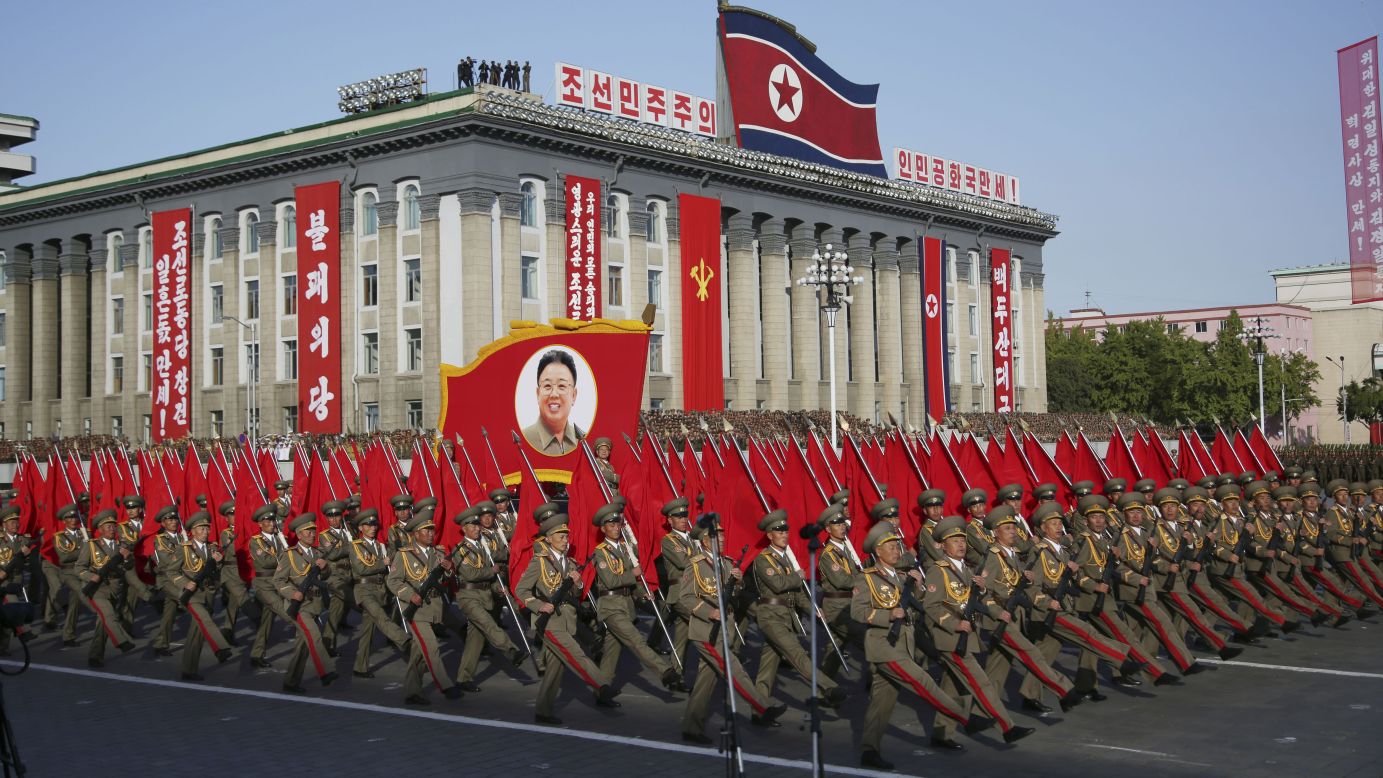
Caption: North Korean military parade
The Role of Great Powers
United States
The United States has played a central role since 1950. American forces and political support were decisive in preventing the peninsula's total conquest in 1950 and in shaping the post-armistice security architecture. Today, the U.S. presence in South Korea and its security guarantees to Seoul are pillars of East Asian stability—but they also complicate a direct North-South peace. U.S. policymakers weigh the benefits of a formal peace (reduced risk of war) against potential downsides (weakened alliances, unpredictable changes to force posture, or the perception of conceding to Pyongyang).
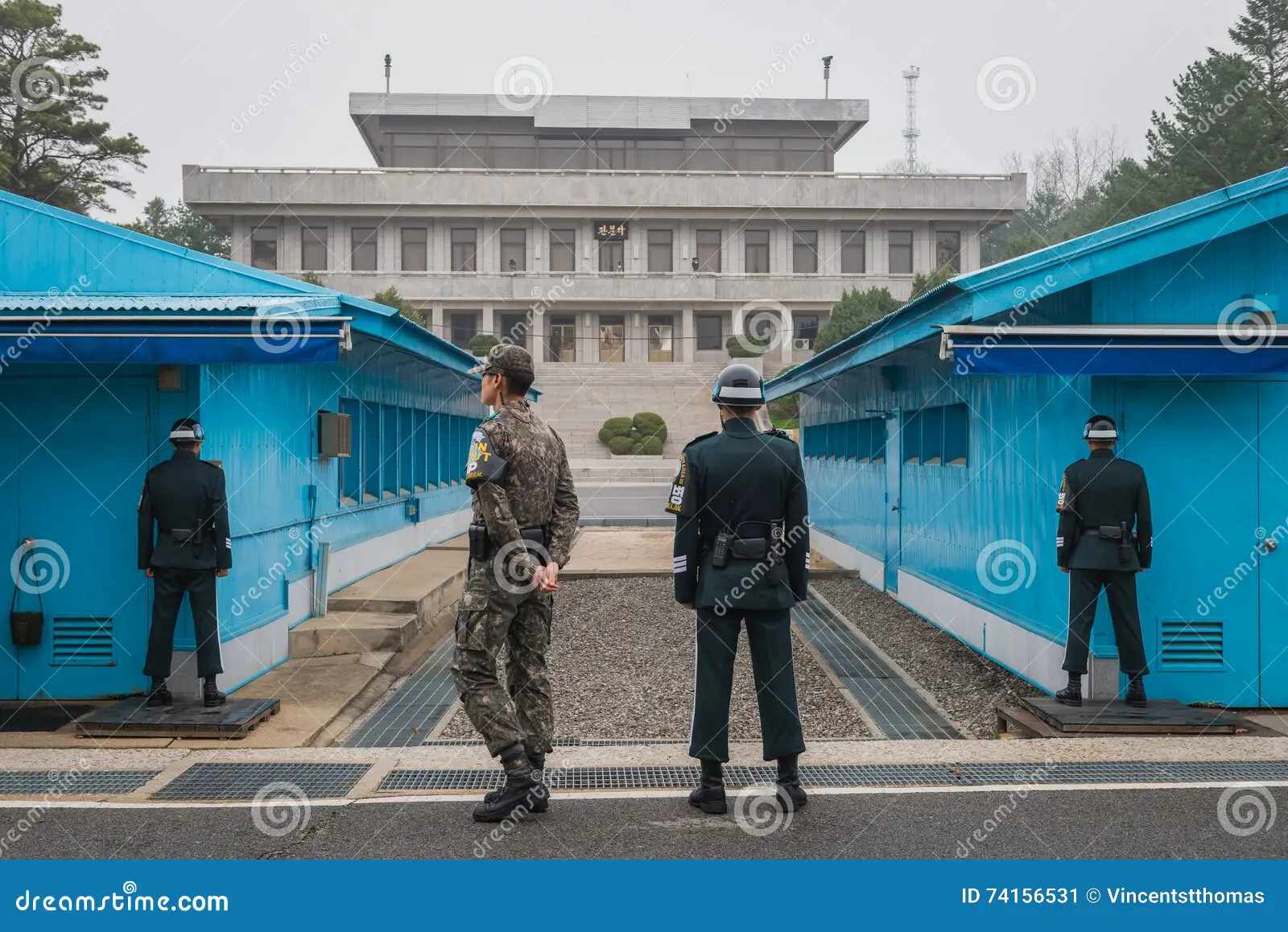
Caption: South Korean DMZ border guards
China and Russia
China and Russia (as successor to the Soviet Union) are important stakeholders whose past support for North Korea shaped post-war balances. Beijing in particular has strategic reasons both to avoid chaos on its border and to prevent a unified Korea aligned with the United States. That means China can be a crucial partner in any settlement—but it also can act as a spoiler if a proposed treaty threatens its interests. Russia’s role has been smaller in recent decades but geopolitics and Moscow’s interest in reasserting regional influence make its cooperation relevant.
What a Formal Peace Treaty Would Require
Core elements
A credible peace treaty would need to address several core issues simultaneously: security guarantees, verification regimes (especially for weapons and missiles), normalization of diplomatic relations, economic and humanitarian arrangements, and legal declarations ending the state of war. Each is politically sensitive and technically complex.
- Security guarantees: A treaty would likely include provisions that limit certain military deployments or exercises and offer assurances against aggression.
- Verification: Independent inspections and monitoring would be necessary to ensure compliance with arms-control commitments—especially for any denuclearization steps.
- Normalization: Formal diplomatic relations, embassies, and treaties on trade and travel would lessen tensions but take time to build trust.
- Humanitarian elements: Family reunions, prisoner exchanges, and economic assistance programs could build goodwill and address the war’s human legacy.
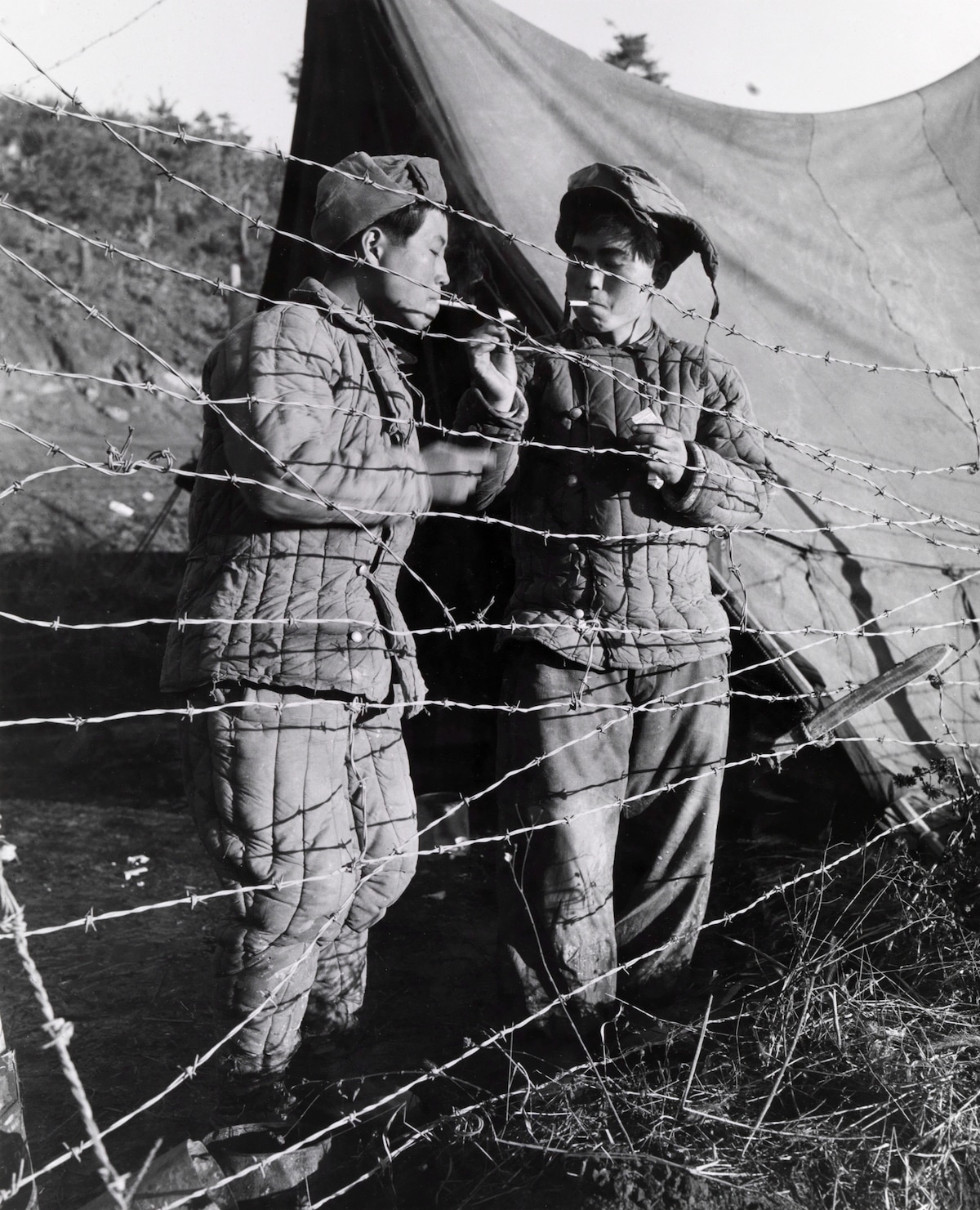
Caption: Korean War prisoners of war
Practical and political hurdles
Negotiating these elements requires sequencing and confidence-building. For example, North Korea may demand sanctions relief upfront; the United States and its allies may insist on verifiable dnukeclearization before lifting key measures. Sequencing these steps—who moves first and who verifies—has been the central stumbling block in past negotiations.
A peace treaty is as much about what is trusted as what is written.
Lessons from Past Diplomatic Moments
Windows of opportunity
There have been moments that offered real prospects for progress. Inter-Korean summits, the 1994 Agreed Framework, and the intermittent talks that followed North Korea’s nuclear tests showed both the possibility and fragility of agreements. The 2018 summits between the two Korean leaders and the U.S.-DPRK meetings in Singapore and Hanoi demonstrated how diplomacy can shift the narrative—but also how easily momentum can stall when details are not settled or mutual distrust resurfaces.
What worked and what failed
Successful durable agreements in history typically combine: (1) clear verification mechanisms; (2) incentives that are credible and enforceable; (3) phased implementation; and (4) involvement of guarantor states who can credibly back enforcement. Where talks have failed, it is often because one side doubted the other’s commitment or feared exploitative sequencing that would leave it vulnerable.
If a Treaty Were Signed: What Would Change?
Immediate and long-term effects
Legally ending the war would carry symbolic weight and practical consequences. It could reduce the risk of miscalculation, open the door for normalization, and alter regional defense planning. Economically, a thaw could enable gradual reintegration and investment, although the scale of that transformation would depend on how quickly sanctions were lifted and how much outside capital flowed in.
A treaty would not instantly erase decades of mistrust. Implementation would be painstaking and likely contested. The most tangible early effects might be more predictable border management, expanded humanitarian access, and smaller military confidence-building measures that reduce incidents along the DMZ.
Obstacles that would remain
Even with a treaty, nuclear questions would loom large. Uncertainties about whether Pyongyang would keep weapons hidden or break commitments would necessitate continuing verification and possibly a sustained international security presence. Additionally, any changes to the U.S. military footprint in Korea would have ripple effects across alliances in the region.
Paths Forward
Practical steps negotiators could take
Diplomats and security planners often discuss phased approaches that combine reciprocal concessions with monitoring. Possible first steps include:
- Expanded humanitarian cooperation and regular family reunions to humanize negotiations.
- Small arms control agreements and joint inspections of specific military sites as trust-building measures.
- A roadmap tying sanctions relief to verifiable denuclearization steps, with clear verification and timelines.
- Involving regional guarantors—China and Russia—early to provide assurances and enforcement mechanisms.
These are not novel ideas; they reflect lessons learned from past negotiations. The challenge is sequencing and sustaining political will amid domestic pressures and strategic rivalries.
- Reduced risk of open conflict
- Potential economic reopening and humanitarian relief
- Complex verification requirements
- Potential perceptions of concession to a nuclear-armed state
Conclusion: Why the War Is Still Unfinished—and Why That Matters
The Korean War remains technically unresolved because the 1953 armistice was a military stopgap, not a political settlement. Over the decades, shifting alliances, nuclearization, sporadic violence, and domestic politics have combined to keep the peninsula in a suspended state. Ending the war would require a multilateral political agreement that addresses security guarantees, denuclearization verification, economic arrangements, and the human costs of separation. It would also require a sustained commitment from external powers whose interests are entangled with the peninsula’s future.
For people who live on both sides of the DMZ, the war’s technical continuation is not an abstraction: it shapes daily security decisions, fuels military budgets, and prolongs the uncertainty that separates millions of families. For the region and the world, a formal peace would be a strategic shift with broad implications—if, and only if, it were durable and verifiable.
- The 1953 armistice halted open warfare but did not end the state of war; no formal peace treaty has been signed.
- Political, legal, and strategic obstacles—especially nuclear weapons—have prevented a treaty.
- A credible peace would require phased steps, verifiable security measures, and buy-in from regional powers.