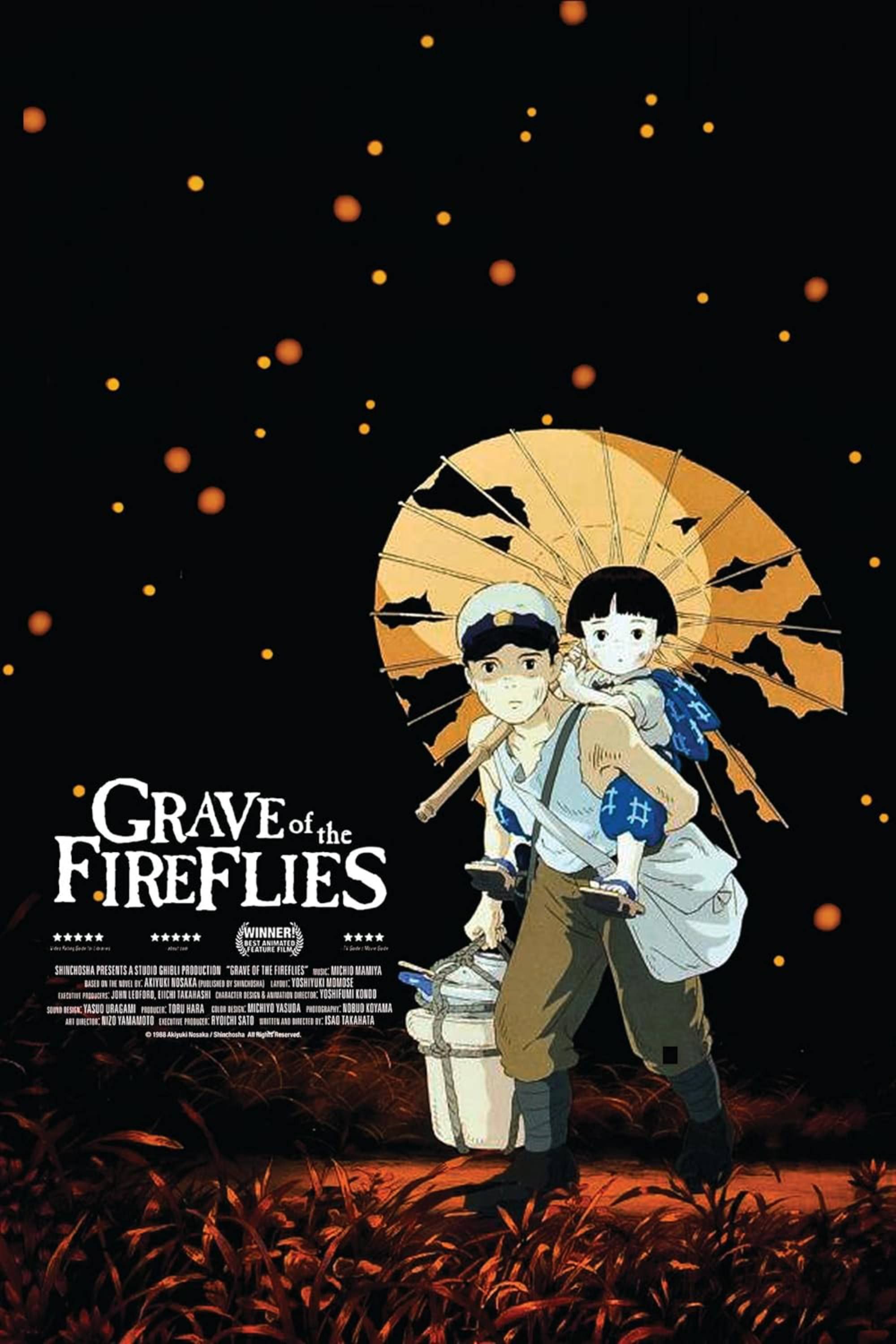
Grave of the Fireflies: The True Story and the Author's Apology
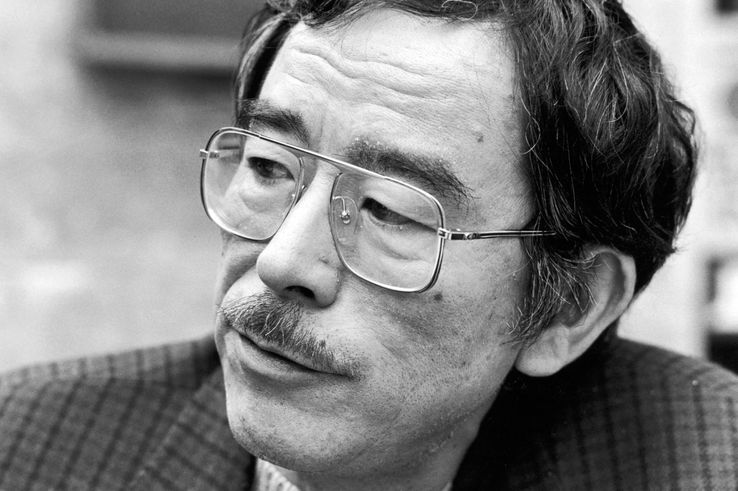
Akiyuki Nosaka author portrait
The first time many people encounter Grave of the Fireflies is through a gut-punch of animation: two children clutching to each other amid rubble, a countryside of ruined houses, the small, luminous bodies of fireflies hovering like fragile memories. What many viewers do not immediately know is that the story behind that film began as a compact, brutal literary confession — a short story written by Akiyuki Nosaka and described by him as an apology to his younger sister. That fact recasts the work from a universal antiwar fable into something intimately personal: a private reckoning published into the public record.
A Short Confession That Became a Classic
Nosaka's short story — published decades after the events it depicted — is spare and precise. It tells the story of Seita and his little sister Setsuko as they struggle to survive in the final months of World War II. The prose is direct, often unsentimental, and it carries a weight that comes from memory's economy: small details accumulate until they become unbearable. In later interviews and reflections, Nosaka framed the story as an act of apology — not just an explanation of what happened, but a moral accounting. He admitted the story was meant to make peace with his own past and, he suggested, to apologize to the little sister he lost.
Why an Apology?
That phrasing — apology — is not sentimental. It implies responsibility. Nosaka's narrative voice is complicated: he is at once witness, participant, and survivor. In writing about Seita's decisions — where to stay, whom to trust, how to ration food — Nosaka faces the fact that survival can entail choices that, with the clarity of hindsight, look like failings. Saying sorry to the dead is a way to acknowledge those failings without excusing them.
"To tell this story was to speak aloud the things I could not say for decades: that survival is not the same as innocence."
History and Setting: What Really Happened
The fictional siblings' story is set amid the bombing raids and food shortages that swept Japanese cities in 1945. Civilians — mothers, children, the elderly — faced collapsing infrastructure, disrupted supply lines, and the moral disintegration that accompanies extreme scarcity. Nosaka himself survived those months but lost his younger sister to malnutrition and disease. By turning his memory into fiction, he preserved the specificity of place and time while also widening the lens to make a broader comment about war and society.
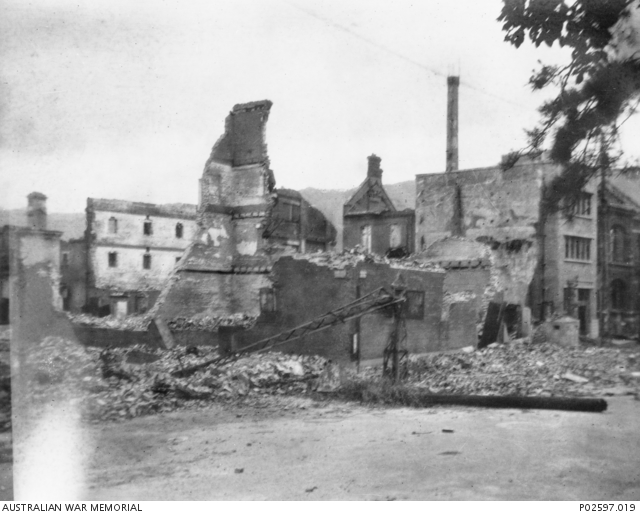
Kobe firebombing ruins 1945
The Choice to Recount, Not Explain
Nosaka's story resists straightforward explanation. Instead of offering an analysis of political causes or strategic mistakes, the narrative stays close to the siblings' experience: the petty humiliations and sudden kindnesses, the small economies of survival, the misjudgments that accumulate into catastrophe. By doing so, Nosaka invites the reader to feel how ordinary life unravels under wartime pressure — and to judge the moral residue that remains when the dust settles.
From Page to Screen: Takahata's Film Adaptation
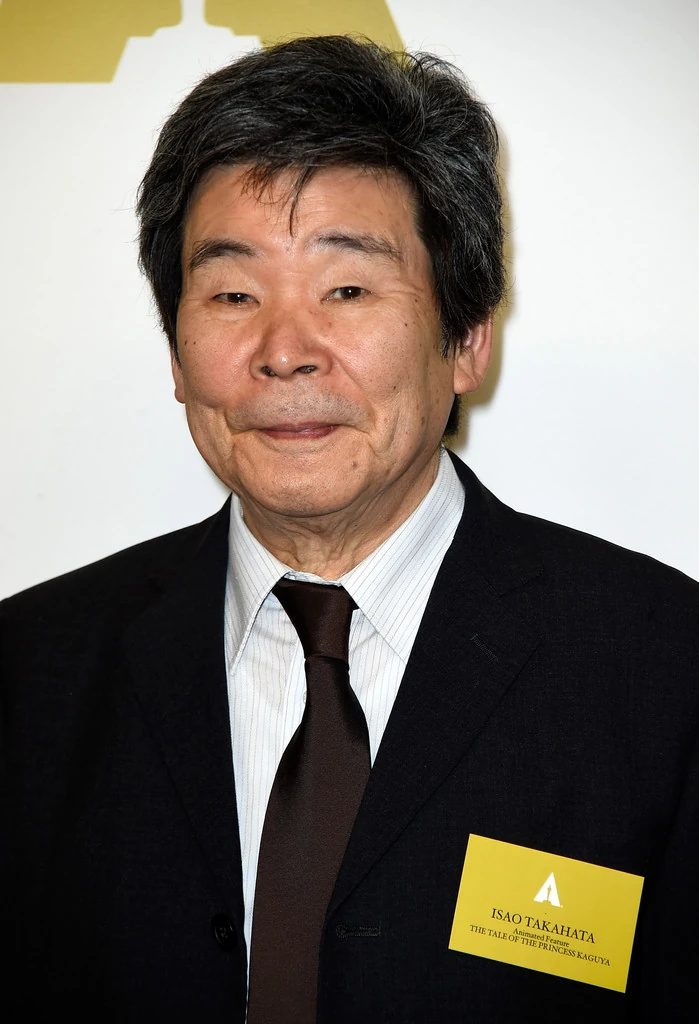
Isao Takahata director portrait
Isao Takahata's 1988 animated film adaptation transformed Nosaka's short story into an emotional cinematic narrative that millions encountered as an antiwar masterpiece. Takahata, who co-founded Studio Ghibli, brought a documentary eye to the animation: long, unadorned shots; muted color palettes; a refusal to sentimentalize suffering. The film keeps the story's moral austerity intact while expanding scenes that dramatize daily survival. Where Nosaka's story can feel like confession, the film makes it impossible to look away.
What the Film Adds and What It Keeps
Takahata added temporal framing and visual motifs — the dead fireflies, drifting paper, a hauntingly ordinary kitchen table — that deepened the story's elegiac quality. He also amplified the child's perspective: scenes that linger on Setsuko's drawings, on Seita's quiet frustrations, on the almost surreal normalcy of playing amid ruins. These choices did not betray the original; they translated the internal to the visible, making the reader's private grief into a public spectacle of mourning.
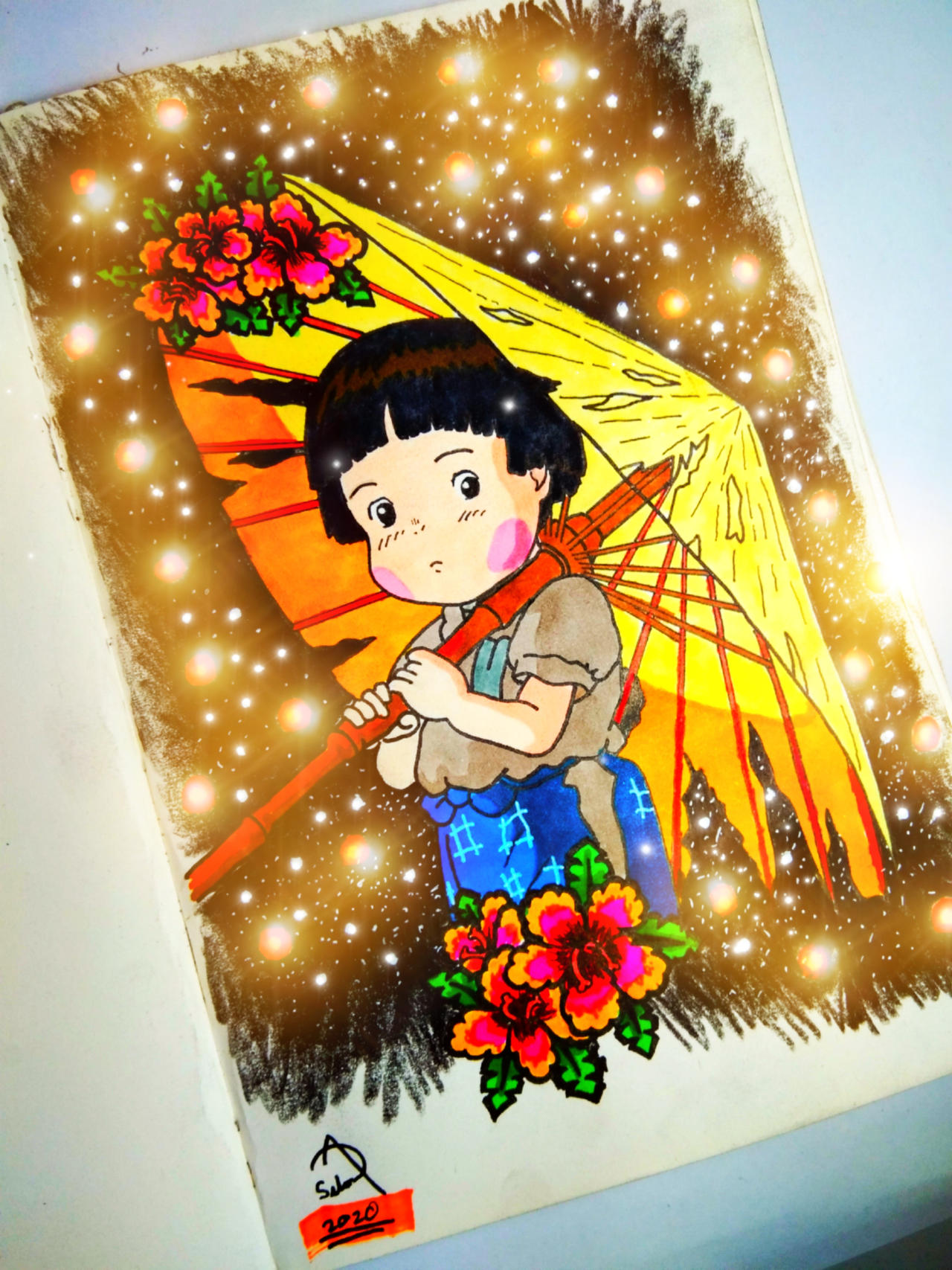
Setsuko drawing fireflies scene
"The film transforms private confession into shared grief — and that shift changes how we hold accountability and memory."
Themes and Moral Complexity
One reason Grave of the Fireflies resists easy classification is its refusal to cast characters strictly as victims or villains. The story asks: what moral obligations do survivors owe to those who died? What role did social structures — government collapse, rationing systems, neighbors who turned away — play in the siblings' fate? Nosaka's apology recognizes his own agency in decisions that preceded his sister's death. The reader is left to weigh personal culpability against structural failure.
Suffering as Individual and Social
The work's power rests in the tension between intimate action and social context. Seita's choices — whether to return to a relative's home, how to spend dwindling money, how to respond to offers of help — are immediately human and painfully small. But those choices take place inside a larger social rupture: food distribution systems failing, public shelters overwhelmed, community obligations fraying. Nosaka's story indicts both the individual and the system, and that dual indictment is part of why the story reads like an apology rather than a simple indictment of war.
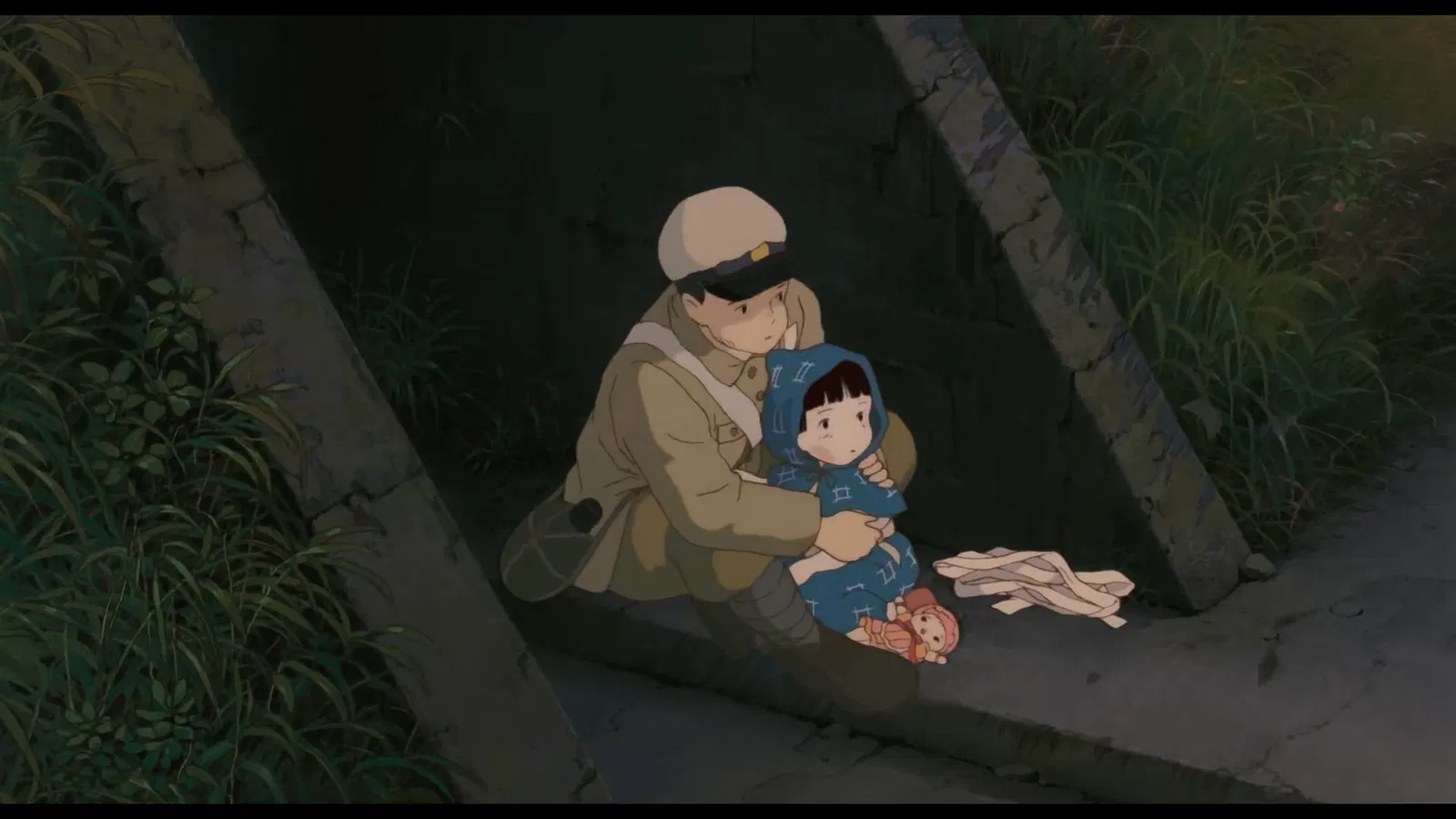
Seita and Setsuko in shelter
Public Reaction and Moral Debate
Since its publication and especially after the film release, the story has provoked strong reactions. Some readers and viewers interpret it primarily as antiwar art — an unambiguous condemnation of violence and policy. Others focus on the personal element: a difficult meditation on guilt, youth, and responsibility. Nosaka himself sometimes pushed back against simple politicization of his experience. He wanted readers to understand the messy human truth of what he had lived through: not a neat moral lesson, but a life marked by loss and a need for atonement.
Controversy: Entertainment vs. Testimony
Another layer of debate concerns the ethics of transforming personal suffering into cultural product. Some critics have argued that turning Nosaka's confession into a globally distributed film risks aestheticizing real pain. Others argue the opposite: that the film's reach amplifies the story's witness, bringing attention to civilian costs of war that might otherwise be obscured. Both positions hold moral weight; the tension between them underscores that art can be at once restorative and exploitative.
"How do we honor real suffering through art without exploiting it? There's no single answer, only careful stewardship."
Legacy: Memory, Education, and Film History
Decades after its publication and film release, Grave of the Fireflies remains a staple in discussions about war literature, animation, and cultural memory. It is taught in classrooms, screened in retrospectives, and cited in debates over how nations remember trauma. Its legacy is not simply about aesthetics; it is about the ways societies hold difficult truths — and the roles stories play in that holding.
Why It Still Matters
The work forces contemporary readers and viewers to confront difficult questions: How do ordinary people respond when institutions fail them? What obligations do survivors bear toward the dead? How should a nation teach the next generation about wartime suffering without simplifying causes? These questions are evergreen because they apply to crises beyond wartime: natural disasters, systemic poverty, refugee crises.
How the Story Functions as an Apology
When Nosaka labeled his story an apology, he was performing several acts at once: remembering, admitting, and making public the intimate calculus of survival. The apology is not simply words within the fiction; the very act of publishing a candid account is an ethical gesture. It transforms private remorse into a narrative that others can read, test, and respond to. That publicness is part of what makes the story authoritative: it insists on being heard.
The Limits of Atonement
Of course, no story can fully atone for a life lost. The apology embedded in Nosaka's prose is symbolic rather than transactional. It acknowledges that words can't replace what was lost, but it argues that honest bearing of responsibility is a meaningful human response. In that sense, the story's moral core is less about absolution and more about witness — the willingness to testify to what survival cost.
Art, Sorrow, and Responsibility
Grave of the Fireflies lives at the intersection of art and sorrow. It shows how literature and film can carry both an aesthetic charge and an ethical demand. Nosaka's apology asks readers not to look away; Takahata's film refuses to let the gaze soften into spectacle. The combined effect is a cultural artifact that functions as mourning, indictment, and moral education.
What Audiences Take Home
Different audiences take different lessons. Some emerge with a renewed commitment to pacifism; others come away with questions about personal accountability in crisis. Many find themselves moved to investigate the historical reality behind the story — which, in itself, is a kind of civic effect: art prompting civic curiosity and, possibly, action.
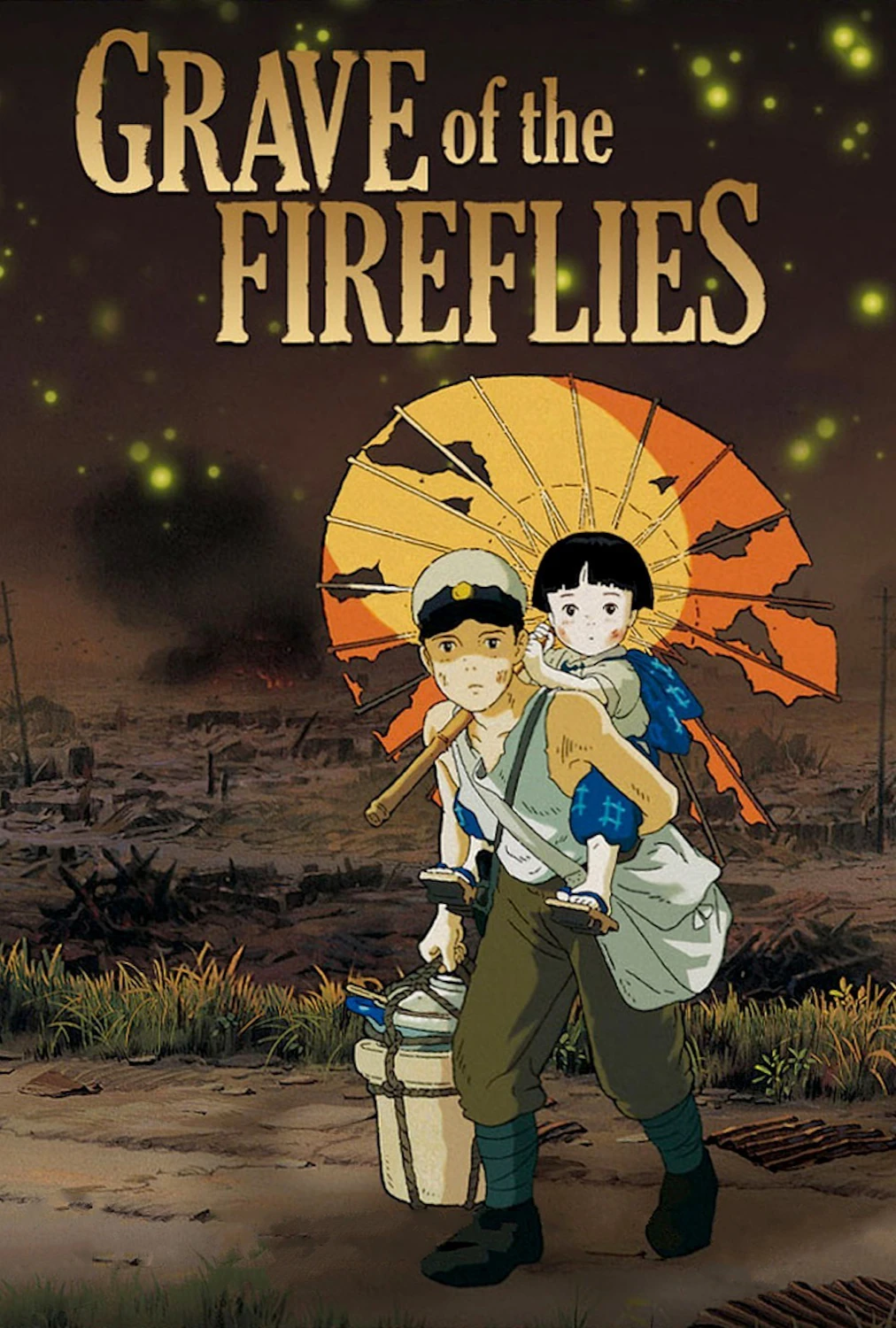
Grave of the Fireflies Studio Ghibli film poster
"The apology is not an endpoint; it is an invitation to wrestle openly with the past."
Conclusion: Bearing Witness, Bearing Responsibility
Grave of the Fireflies succeeds because it refuses easy closure. It is a story that holds contradictory impulses — survival and shame, love and impotence — in tension. That tension is the heart of the apology: an acknowledgement that some wounds cannot be healed but can be held honestly in the shared space of story.
Nosaka's decision to write and publish his memory was an admission of fault and a plea for humane recognition. Takahata's film, in translating that confession to the screen, multiplied its audience and deepened its emotional register. Together they created not a definitive statement about war, but a continuing conversation about what it means to survive when those we love do not.
- Personal confession: Akiyuki Nosaka's short story was written as a moral apology to his sister, transforming private grief into public testimony.
- Historical context: The story situates its characters within the collapse of wartime civilian life and the human costs of bombardment and scarcity.
- Adaptation: Isao Takahata's film remained faithful to the story's moral core while translating internal sorrow into powerful visual narrative.
- Moral complexity: The work resists simple judgments, asking readers to weigh individual responsibility against systemic failure.
- Enduring impact: The piece endures as a teaching text, a memorial, and a prompt for reflection on how societies remember trauma.
An intimate story made public — Nosaka's apology still asks us to listen and to reckon.