Italy to Lose 7 Million Residents by 2050: Causes and Solutions
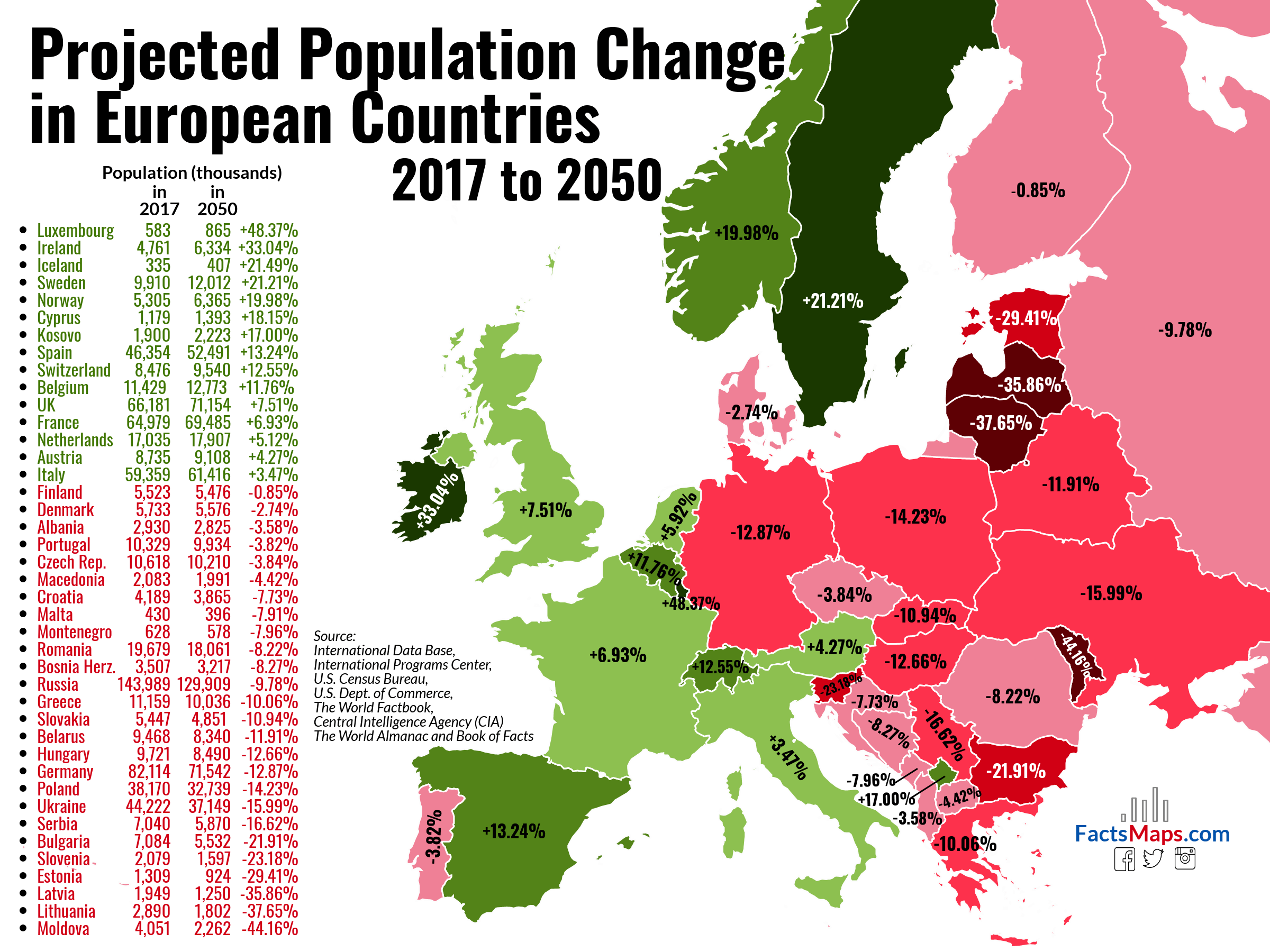
Italy is on course for a demographic transformation that will reshape its economy, communities and public services. A projection many have already cited — that Italy could lose roughly seven million residents by 2050 — is not merely an abstract statistic. It is a map of towns that might shrink, industries that will struggle to find workers, and public budgets that will strain under fewer taxpayers and more pensioners. This feature unpacks the forces driving that decline, the uneven regional patterns it produces, the practical consequences, and a menu of policy responses and private strategies that could change the trajectory.
THE SCALE AND NATURE OF THE DECLINE
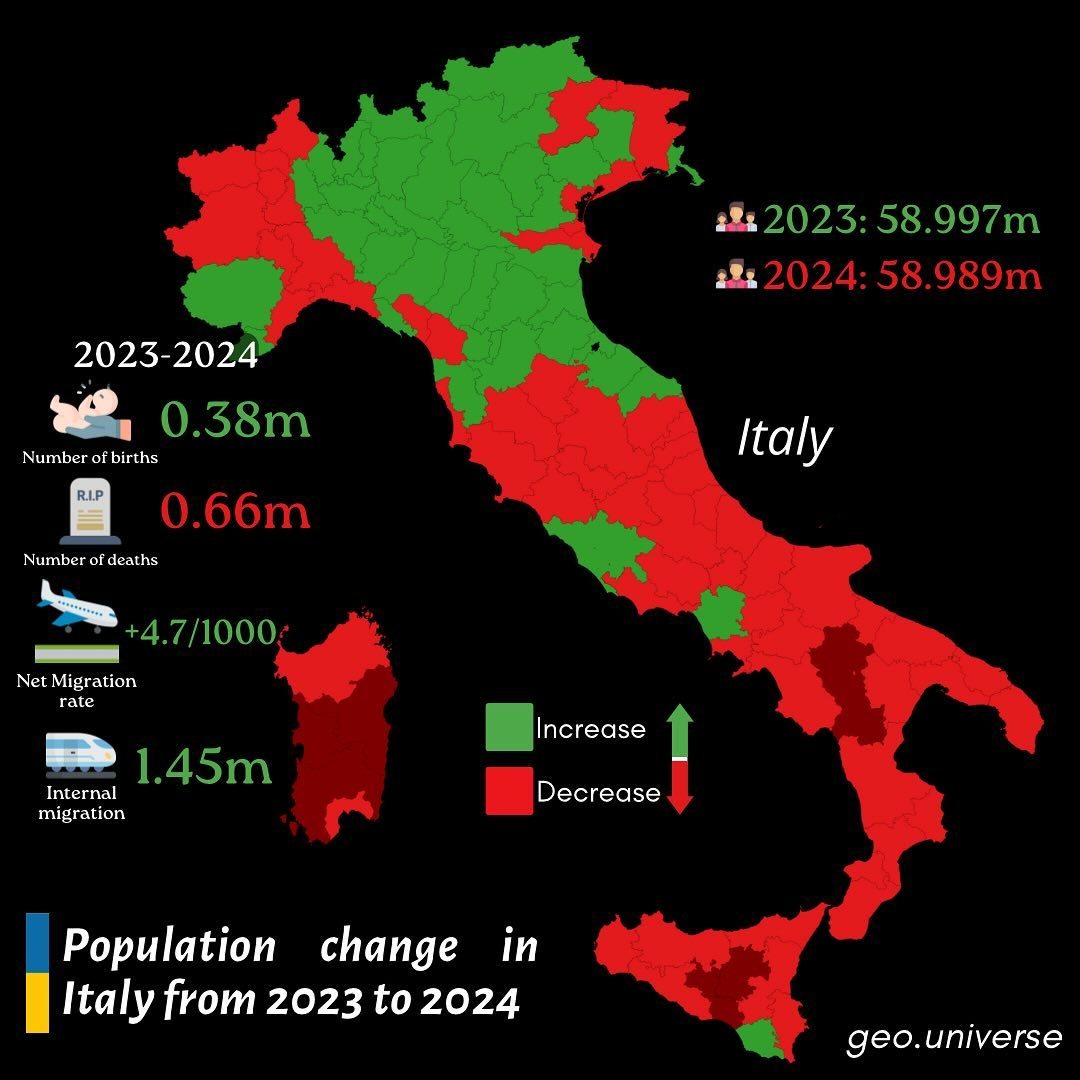
The headline — seven million fewer residents by 2050 — compresses several processes: sustained low birth rates, a rising share of elderly citizens, and migration flows that have at times failed to compensate for natural decrease. Italy’s fertility rate has been among the lowest in Europe for decades, while life expectancy has steadily increased, creating an older population pyramid. At the same time internal and international migration patterns mean population losses concentrate in particular places: small towns, inland areas and portions of the south. The result is a sharper demographic squeeze in some cities and provinces than national averages suggest.
Italy demographic decline map
Understanding the projection
Population projections are not destiny; they are scenarios based on current fertility, mortality and migration trends. The estimate of a seven million loss reflects a continuation of recent patterns: births remaining low, deaths increasing with an older population, and migration failing to fully offset the natural decrease. Projections can change significantly with policy shifts, economic change, or unexpected migration waves. Still, reading these forecasts as warning lights rather than fate is essential: they point to where interventions might have the greatest effect.
WHY ITALY'S POPULATION IS FALLING
Low fertility and postponed family formation
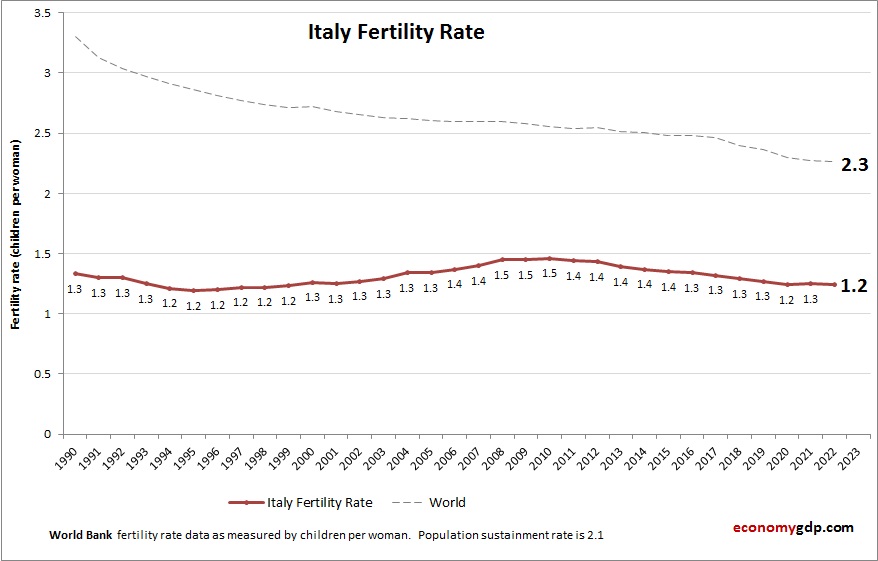
At the heart of Italy’s decline is a persistently low fertility rate. Several social and economic factors contribute: young adults delaying marriage and parenthood for education and career, increasing housing costs in many urban areas, insecure employment and long-term contract precariousness, and changing cultural expectations about family size. The decision to have fewer children — or none — compounds over decades into shrinking generations.
Italy low fertility rate
An aging population and rising mortality
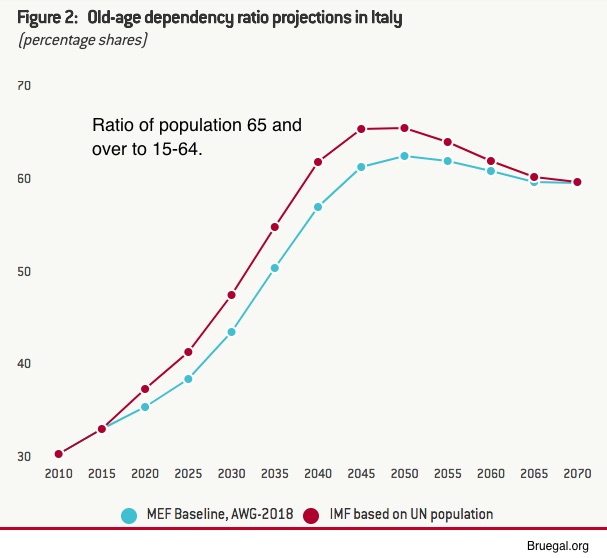
Life expectancy gains mean a larger share of over-65s, while the absolute number of births declines. As cohorts born in the postwar baby boom age, deaths will increase relative to births; that natural balance shift is a major driver of total population decline. An older population also means higher demand for healthcare and long-term care, and fewer working-age people to fund those services through taxes and contributions.
Italy aging population
Migration: restraint, mismatch and brain drain
Migration can offset population loss, but it has been a mixed factor for Italy. International immigration raised population numbers in some years, yet many migrants settle temporarily or move onward to other countries. Equally significant is emigration: younger Italians, particularly with technical and digital skills, have emigrated to seek better pay and career opportunities abroad. This brain drain reduces the pool of professionals and potential parents, further compressing birth rates and labor supply.
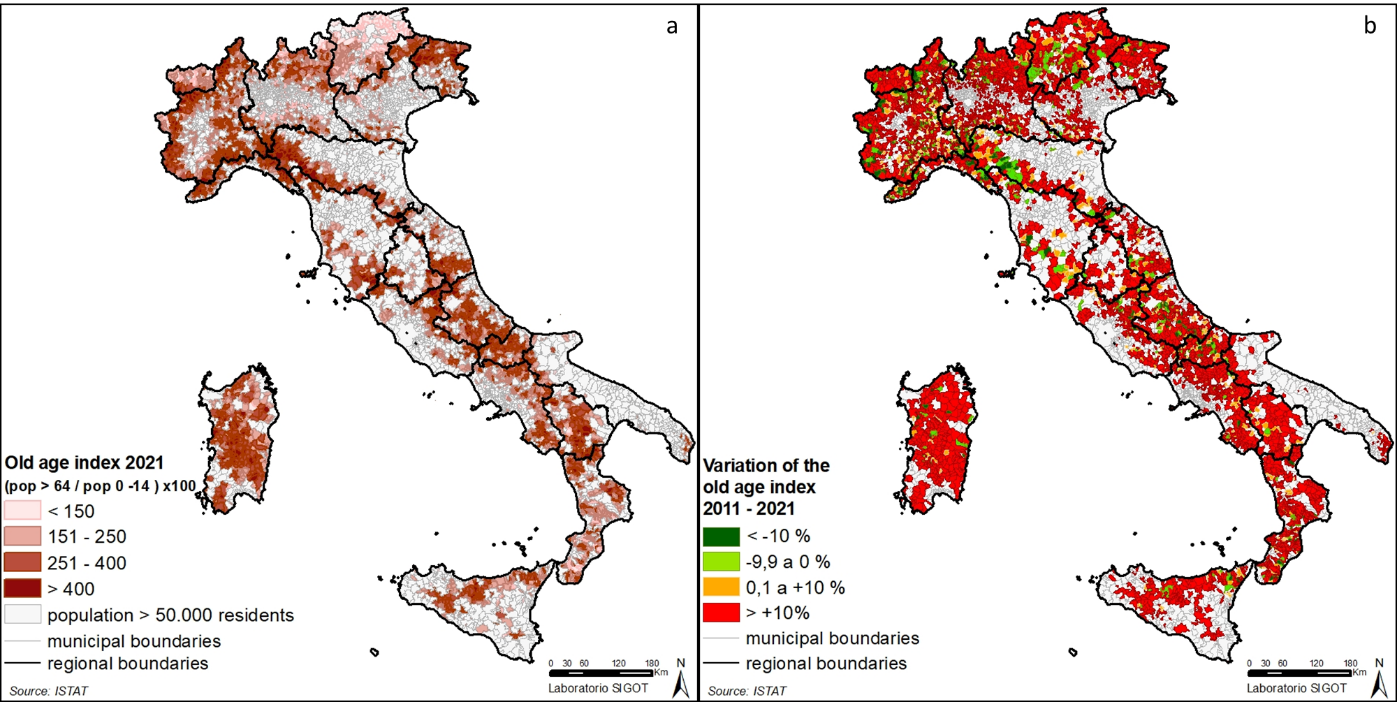
Italy regional depopulation
Regional imbalances and internal movements
The Italian story is also geographic. Northern metropolitan areas and certain coastal cities have absorbed internal migrants seeking work, while rural towns — particularly in southern regions — face acute depopulation. Young people tend to leave small towns for university and never return. This concentration of people and activity makes regional development uneven and magnifies local decline in some provinces.
A falling population is not only an economic problem — it alters civic life, erodes community institutions and changes what a place feels like.
ECONOMIC AND FISCAL CONSEQUENCES
Labor market pressures and growth limits
Fewer working-age residents mean tighter labor markets and potential shortages in key sectors: care work, construction, certain manufacturing niches and increasingly high-skill digital roles if brain drain continues. With persistent shortages, businesses face higher wage pressures or recruitment bottlenecks that can reduce productivity and deter investment. For an economy already challenged by low growth, this demographic squeeze risks locking in stagnation.
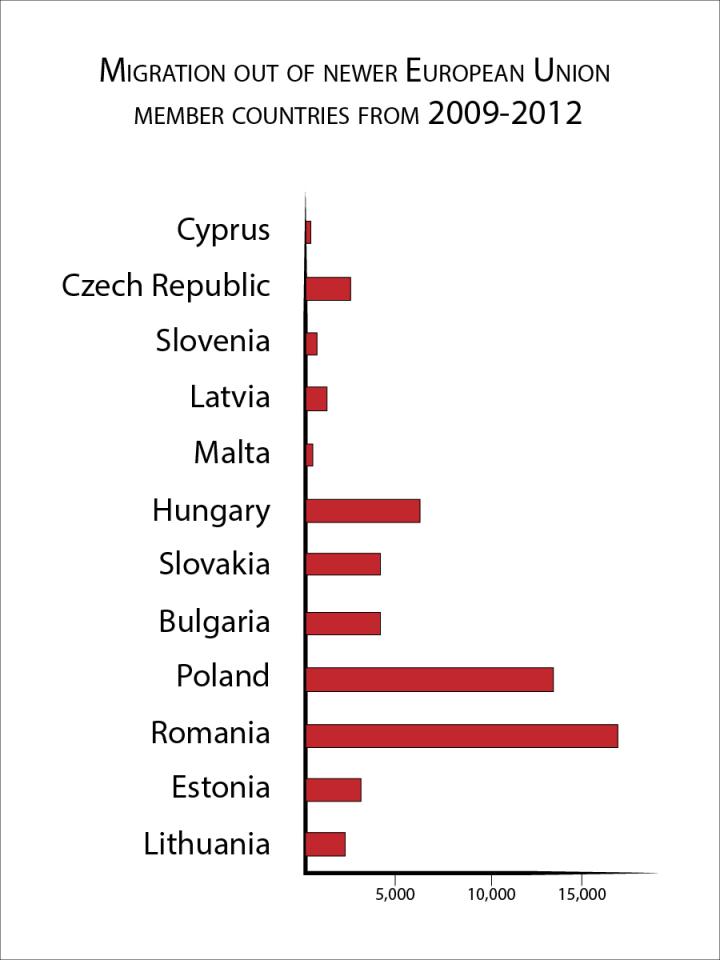
Italy immigration brain drain
Pension systems and public finance
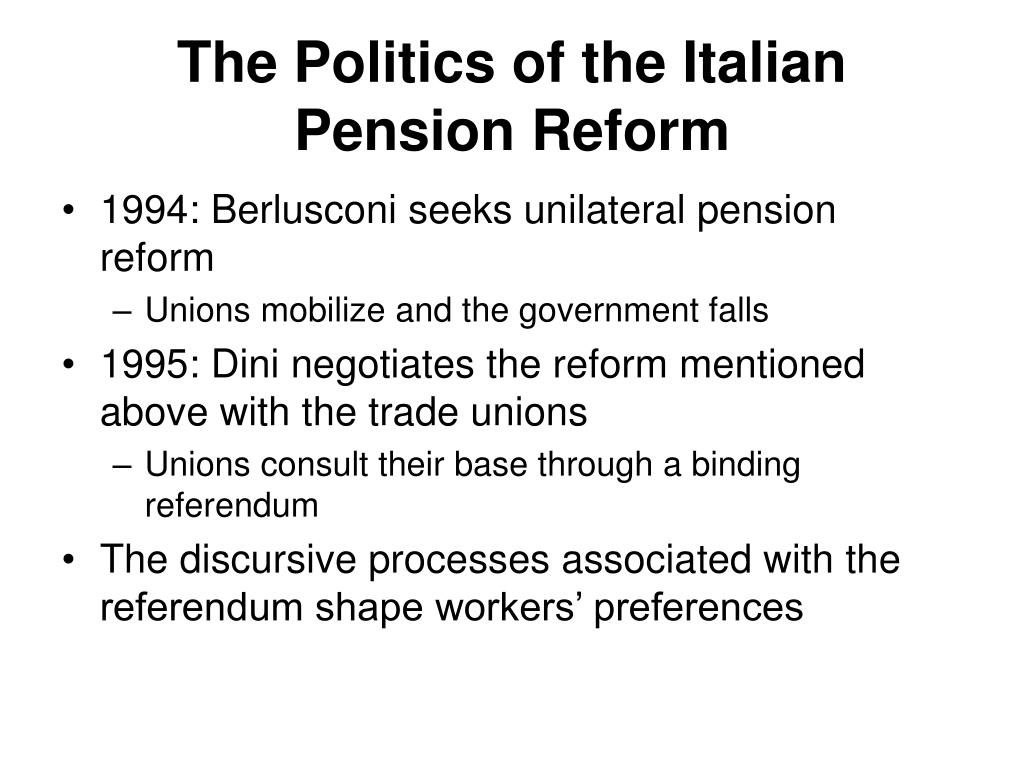
Italy’s generous pension framework — developed when demographic structures were favorable — confronts a changing ratio of contributors to beneficiaries. A rising elderly share increases pension and healthcare spending while the taxpayer base shrinks. Without reform or fiscal adjustments, budgetary strain becomes chronic, forcing either higher taxes, reduced benefits, or increased public debt.
Housing markets and urban change
Demographic shifts reshape housing demand. Depopulation in peripheral towns leads to abandoned homes and falling property values, while urban centers may experience both housing shortages and changing household compositions. Multi-generational living patterns in Italy complicate simple predictions: some families consolidate, leading to fewer households despite population decline, with knock-on effects for consumption and local services.

Italy rural ghost towns
SOCIAL, CULTURAL AND SERVICE IMPLICATIONS
Education, community life and cultural continuity
Fewer children mean smaller school cohorts and possible school closures in rural areas, eroding local community anchors. Youth outmigration saps cultural dynamism and local entrepreneurship. Cultural traditions tied to place risk fading when younger generations relocate. The social fabric of towns — associations, volunteer groups, local festivals — can fray as active population dwindles.
Healthcare and caregiving pressures
An older population increases demand for healthcare, long-term care and family caregiving. With fewer young people available to provide informal care, reliance on professional care grows — yet workforce shortages in caregiving are acute. This mismatch strains families and public services alike and raises difficult questions about financing care and ensuring quality.
REGIONAL SNAPSHOT: WHO WINS, WHO LOSES
The north-south divide
Northern metropolitan areas — Milan, Turin, Bologna — have more dynamic labor markets and have attracted both domestic and international migrants. In contrast, many areas of the south, islands and inland provinces face sustained outflow. That creates a twin-speed country where infrastructure, investment and human capital cluster unevenly.
Rural hollowing and the rise of 'ghost' villages
Counties with shrinking populations see school closures, fewer shops, and a loss of services that make return migration unlikely. Some towns have experimented with selling abandoned houses cheaply to attract new residents or entrepreneurs, with mixed success: financial incentives alone rarely address underlying job scarcity and service gaps.
Italy pension reform
POLICIES ITALY HAS TRIED AND WHY THEY MATTER
Family incentives and parental support
Italian governments have used a range of measures — baby bonuses, tax credits, and expanded parental leave — to encourage childbirth and ease the cost of raising children. These measures help, but they often fall short when broader structural issues remain: job security, affordable housing and predictable career trajectories for young parents.
Immigration and integration strategies
Openness to immigration can mitigate population decline, yet successful integration is key. Policies that prioritize short-term labor needs without pathways to long-term settlement may only temporarily boost numbers. Integration systems that provide language training, credential recognition and access to services create stronger incentives for migrants to stay and become contributors to local communities.
POTENTIAL POLICY PATHWAYS
Holistic family policy
Effective responses combine direct financial support with structural measures: secure jobs, affordable housing, accessible childcare, flexible work arrangements and active labor market policies that make it feasible to raise children without sacrificing economic prospects. Policies that target young adults at life stages when they form households — mid-20s to mid-30s — can have outsized effects.
Smart migration and talent attraction
Designing migration policy to attract and retain skilled and semi-skilled workers requires clear pathways to residency, recognition of foreign qualifications, and integration investments. At the same time, regional strategies can target return migration, encouraging Italians abroad to come back through incentives linked to entrepreneurship, housing and career opportunities.
Revitalizing places through economic opportunity
Places do not revive on sentiment alone. Job creation, broadband infrastructure, transport connections and support for small businesses and remote-work hubs are central. Successful revitalization policies pair incentives for relocation with reliable local employment and services so that new residents can build sustainable lives.
WHAT BUSINESSES, CITIES AND CITIZENS CAN DO
- Businesses: redesign jobs for flexibility, invest in training, and consider remote-work or satellite offices in depopulating regions.
- Cities and towns: bundle incentives for newcomers with reliable services — schools, clinics, cultural venues — to make moves sustainable.
- Citizens: engage in local planning, support multi-generational initiatives, and advocate for policies that reduce the opportunity cost of having children.
MEASURING SUCCESS: INDICATORS TO WATCH
Policymakers should monitor several leading indicators beyond headline population numbers: fertility rates, the net migration rate, youth employment and housing affordability, school enrollments, the ratio of working-age population to retirees, and regional service availability. Timely data allows adaptive policy — adjusting measures where they underperform and scaling what works.
CONCLUSION: A CHOICE BETWEEN PASSIVE DECLINE AND ACTIVE ADAPTATION
The figure of seven million lost residents by 2050 is a clarion call, not a resignation. Italy faces a choice: accept a slow-motion contraction that reshapes towns and budgets, or deploy coordinated policies and civic energy to mitigate and reverse trends where possible. The necessary approach is comprehensive: family policy aligned with labor market security, migration frameworks that retain newcomers, and place-based economic renewal that makes returning or staying a viable life plan. Private initiative — from businesses offering flexible careers to citizens revitalizing local civic life — will be part of the solution, but public policy must set the conditions.
Transformation will come fastest where policy meets opportunity and people have realistic choices about work, home and family.
- Italy’s projected loss of roughly seven million residents by 2050 stems from low fertility, aging, and migration patterns.
- Consequences include labor shortages, fiscal strain on pensions and healthcare, and regional hollowing.
- Effective responses combine family support, migration and integration, and place-based economic growth.
- Action is feasible but requires coordination across levels of government, business, and civil society.
Final thought
Demography is destiny only if societies allow it to be. Italy’s future — whether smaller and quieter or reinvigorated and balanced — will depend on choices made in the coming years about work, family, migration and the distribution of opportunity across places.