Kallas Rejects Belgian Call to Normalize Moscow Ties for Cheap Gas
In a blunt exchange that crystallizes growing tensions inside the European Union, Estonian Prime Minister Kaja Kallas publicly rejected a proposal from Belgium's prime minister to restore normal relations with Moscow in exchange for cheaper Russian energy supplies. The disagreement is more than diplomatic theater: it exposes a strategic dilemma at the heart of European policymaking — balancing immediate economic pain at the gas pump with long-term security, legal and moral commitments after Russia's full-scale invasion of Ukraine.
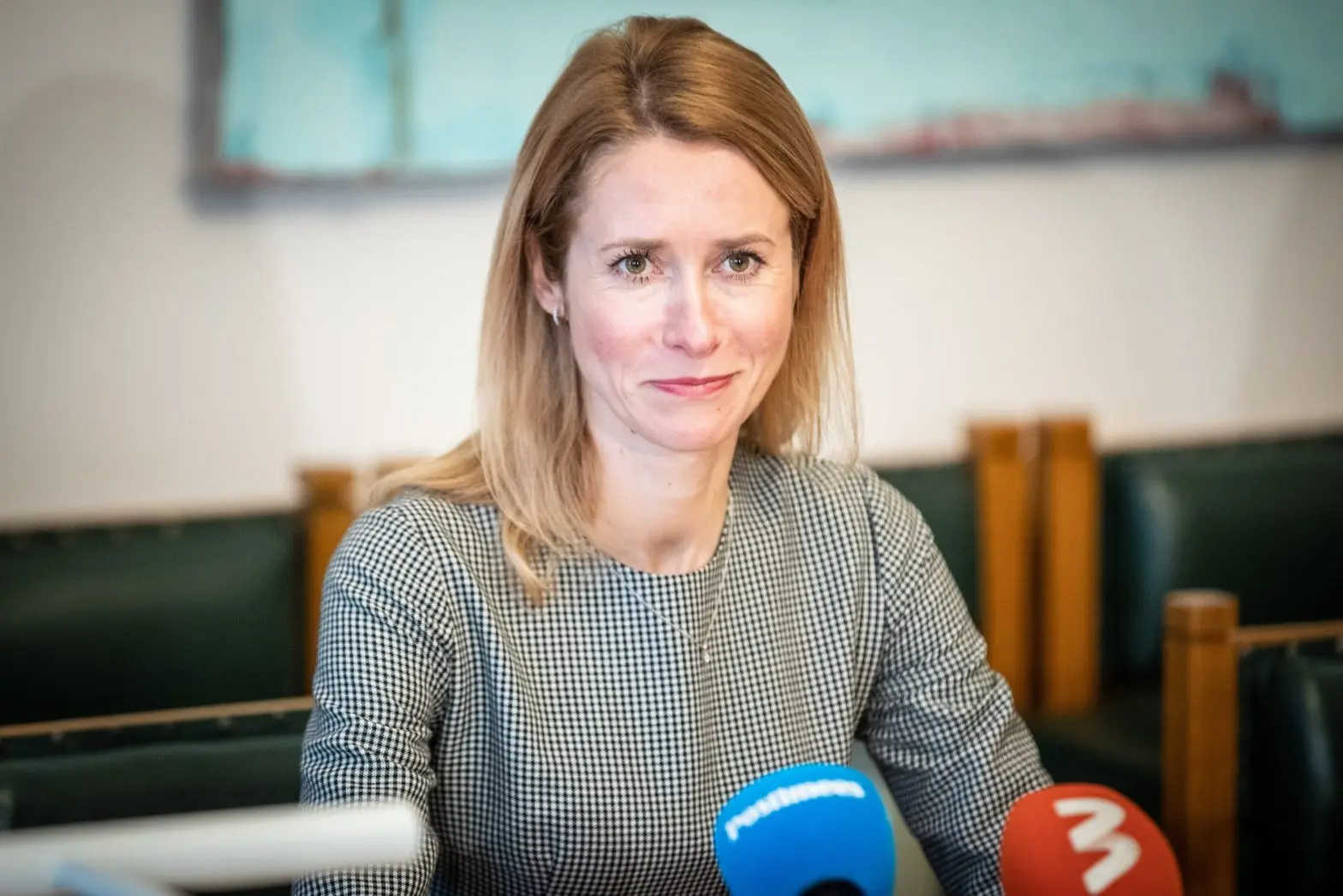
Kaja Kallas Estonian Prime Minister
"Short-term savings on energy cannot be allowed to undermine decades of shared policy and security commitments," said a senior EU official summarizing the view that dominated Kallas's response.
Why the Dispute Matters
At first glance, the clash reads like a contest between pragmatism and principle. Belgium's proposal — motivated by rising energy costs and the political pressure national leaders face from consumers and industry — suggested that some normalization of ties with Russia might unlock cheaper pipeline gas or more favorable trading terms. Kallas's refusal, however, signaled the opposite priority: that cohesion among EU members on sanctions, deterrence and support for Ukraine must not be diluted for short-term economic alleviation.
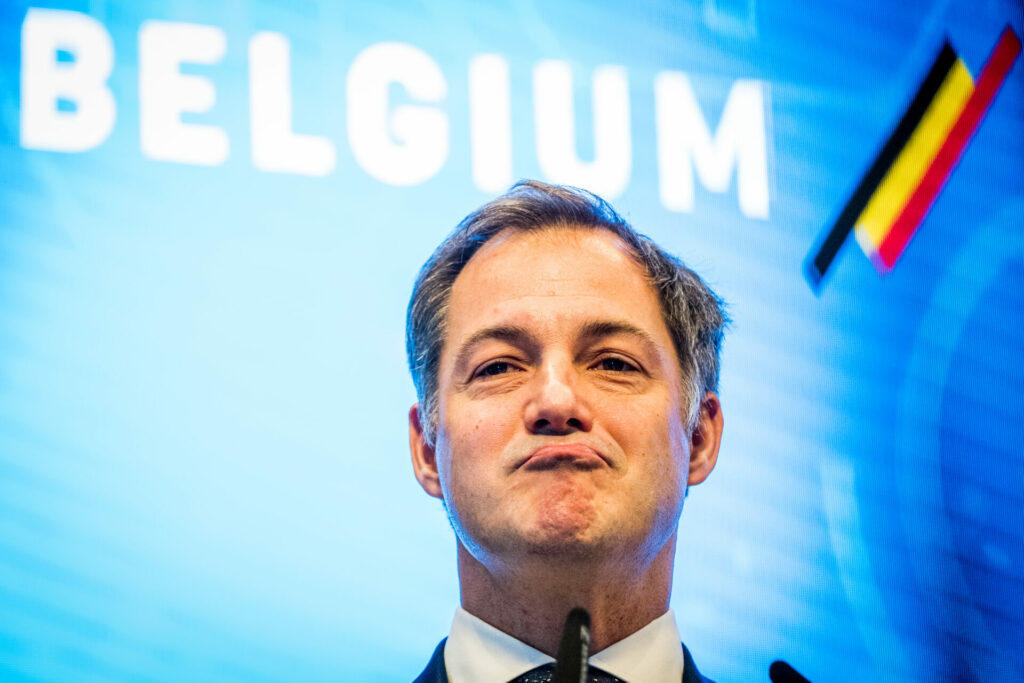
Belgian Prime Minister energy policy
The Political Context
Belgian politics has been strained by energy price volatility, inflation and a cost-of-living squeeze that affects voters across the continent. Leaders in capitals dependent on gas deliveries — particularly those with large industrial sectors — feel pressure to seek any route to relief. A public suggestion to reconsider the diplomatic posture toward Moscow taps into that pressure, but also risks breaking the consensus that sustained punitive measures are crucial to altering Russia's strategic calculus.
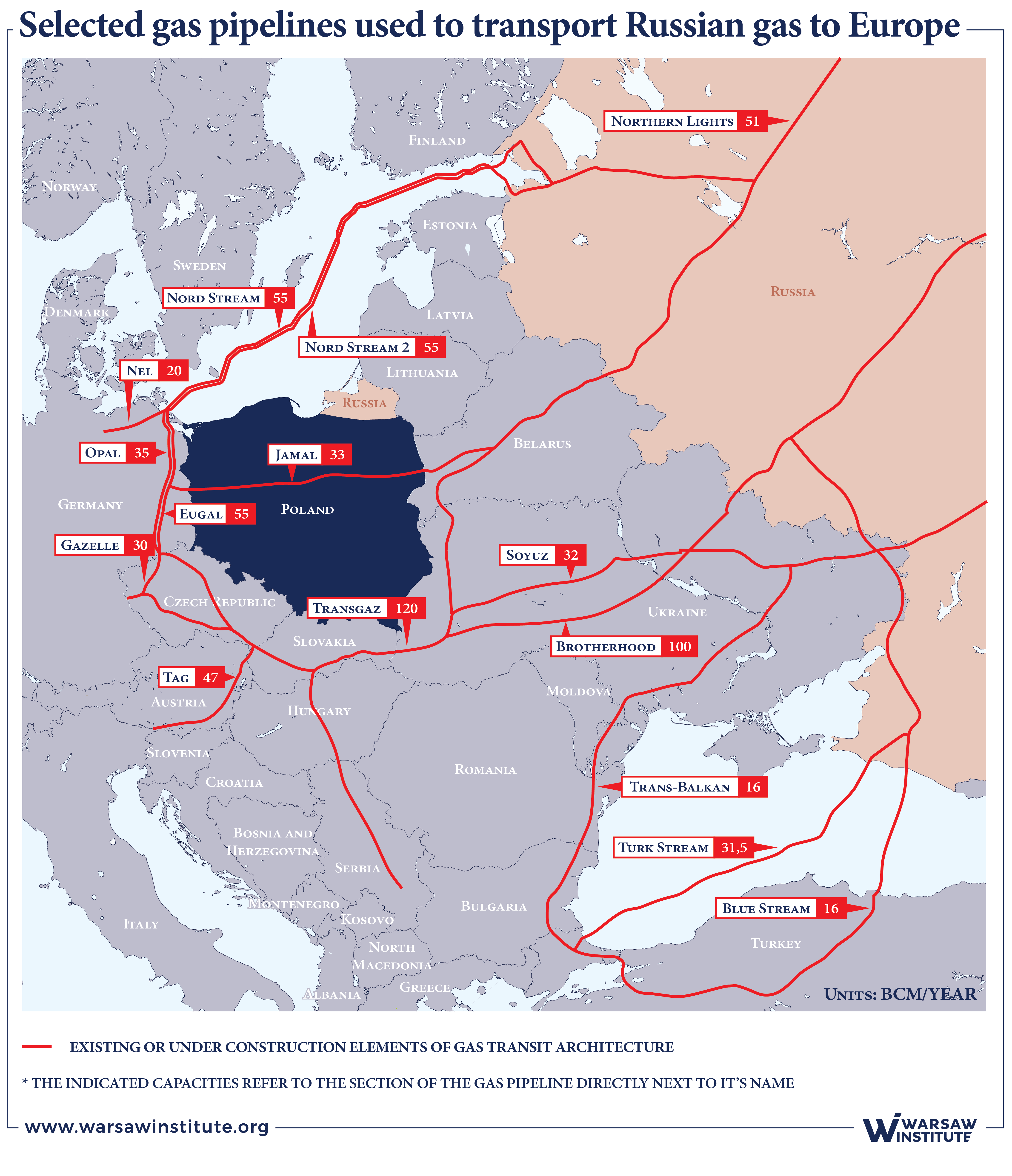
Russian pipeline gas infrastructure
Kallas's Rationale: Unity, Sanctions, and Security
Kaja Kallas's response rests on three pillars. First, maintaining an effective sanctions regime requires a degree of unity: unilateral reopening of channels with Moscow risks loopholes, circumvention and a return to normal trade dependencies that sanctions aim to disrupt. Second, security considerations are paramount. Re-normalized relations could undermine NATO and EU deterrence, particularly for frontline states and the Baltic region, which fear that any softening might be read by Moscow as weakness. Third, there are legal and reputational costs: backing away from collective measures would signal a willingness to trade principles for immediate economic relief, complicating alliance governance.
EU sanctions enforcement
Energy Realities Behind the Rhetoric
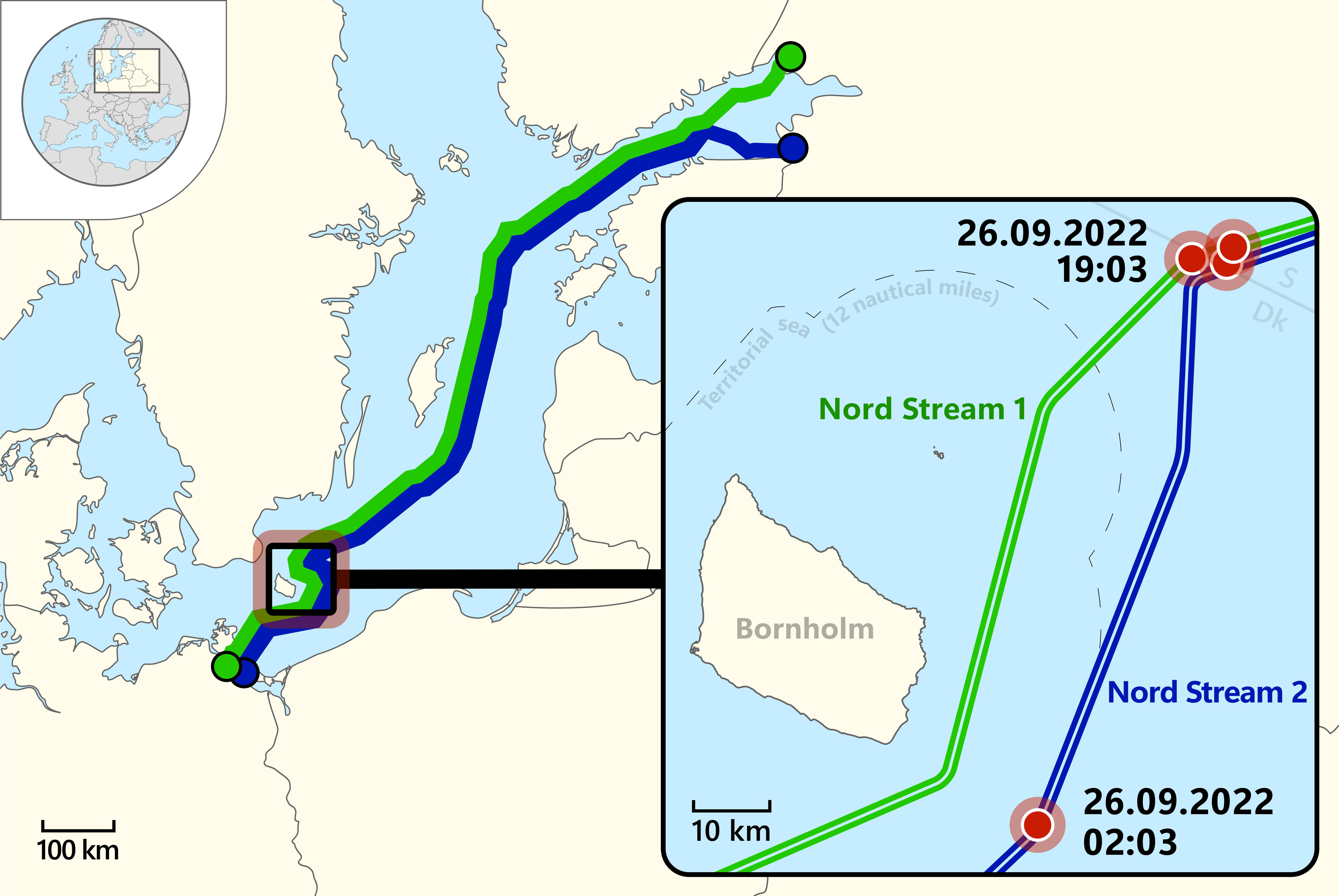
The economics of energy supply are complicated. Russian pipeline gas historically supplied large portions of several EU economies. After the 2022 invasion of Ukraine, pipelines were disrupted by sanctions, geopolitics, and physical damage to infrastructure. Alternatives—liquefied natural gas (LNG) from global markets, demand reduction, and accelerated renewables deployment—carry different cost profiles and time horizons. Short-term substitution is possible but often costly; long-term diversification and renewables reduce exposure but require sustained investment.
Nord Stream pipeline damaged
Short-Term Options and Their Limits
Options to blunt an energy price shock include emergency procurement from global LNG markets, coordinated gas purchases to leverage bargaining power, demand-side measures (such as encouraging energy savings in industry and households), and targeted subsidies. Each has trade-offs: LNG is more flexible but was historically more expensive and subject to price spikes; coordinated purchasing requires political trust and logistical systems; and subsidies strain public budgets while potentially dampening incentives to conserve energy.
Baltic states energy security
Long-Term Structural Shifts
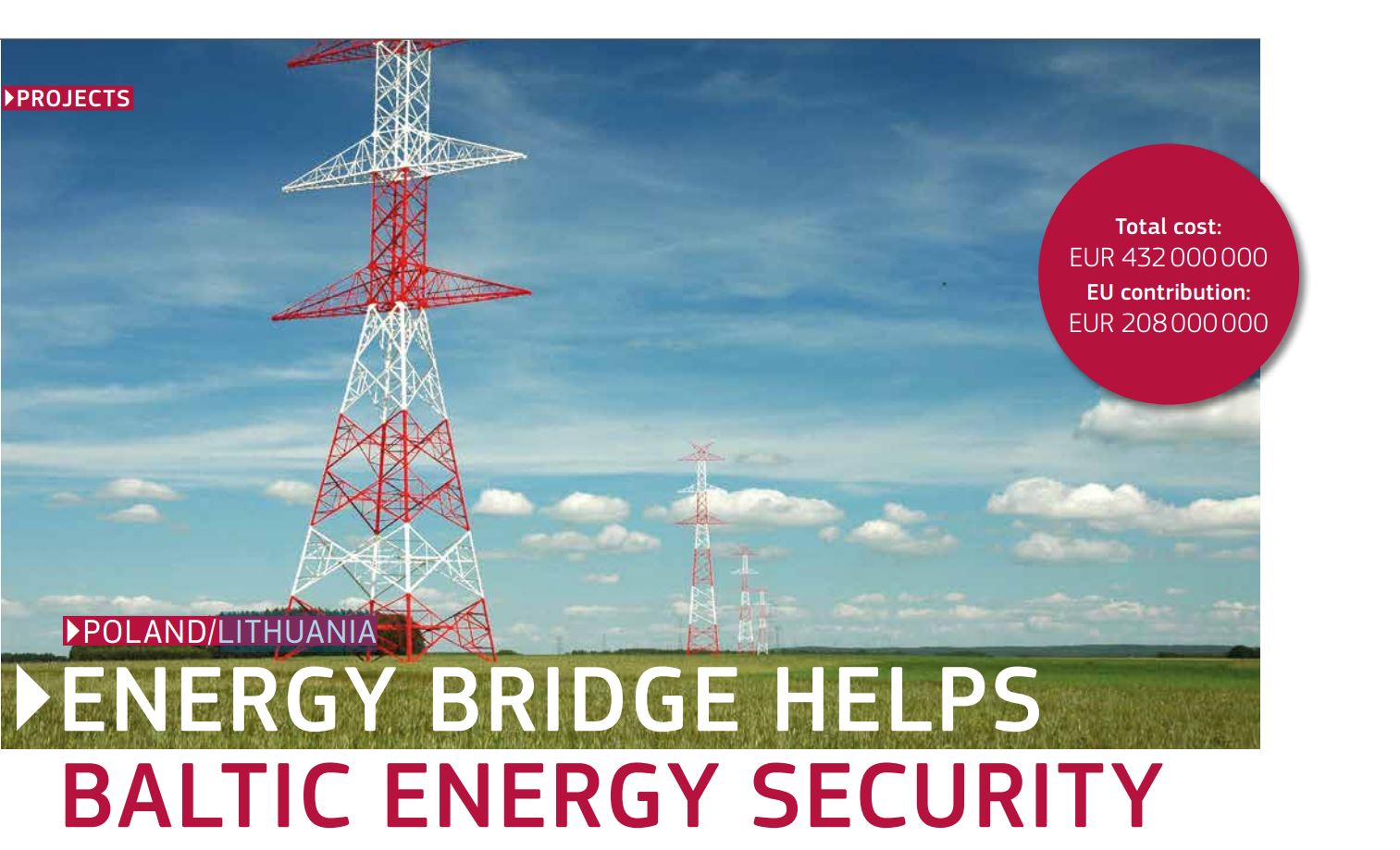
Beyond immediate relief, the crisis is accelerating structural changes: faster build-out of interconnectors and storage, hydrogen and electrification plans, and a more aggressive push for homegrown renewables. Those pathways seek to reduce geopolitical leverage by external suppliers. For member states that reject re-engagement with Moscow, the calculus is clear: short-term pain is preferable to chronic dependence that invites coercion.
Legal and Sanctions Mechanisms
Sanctions are not merely symbolic. They are operational tools with enforcement regimes, licensing rules, and asset freezes that rely on consistent application. An individual member's decision to re-normalize could create legal ambiguity around trade in energy commodities, finance, or insurance that support energy shipments. This in turn would complicate enforcement and may prompt other states to exploit inconsistent application of measures.
Diplomatic Signaling
Diplomacy functions through signals. A move by any EU member to soften ties would be read in capitals worldwide. For Ukraine and partner states seeking assured support, such a shift could mark a turning point in perceived Western resolve. Kallas's stance stresses that signaling matters: it is not enough to retain sanctions in name if policy actions undermine their effect.
Domestic Politics: Belgium, Estonia, and the EU Electorate
Both Belgian and Estonian leaders are responding to domestic constituencies. Belgian leaders face voters distressed by energy bills; Kallas must manage a population acutely aware of security threats and historical memory of Russian influence in the region. Political calculus differs across electorates, often reflecting geography, industrial structure, and recent history. That diversity is the EU's strength and its challenge: how to accommodate national pressures without ceding collective strategy.
A Tale of Two Imperatives
There is no single correct answer. The short-term imperative to lower energy costs is politically potent and economically rational in isolation. The long-term imperative to preserve a coherent sanctions policy and deter further aggression is equally compelling from a strategic standpoint. Reconciling them requires policy ingenuity, shared sacrifice, and clear communication about transitional support measures for the most affected citizens and industries.
- Immediate economic relief if cheaper Russian supplies were available.
- Lower inflationary pressure on energy-dependent industries.
- Undermined sanctions and weakened EU unity.
- Security risks for NATO and EU frontline members.
Alternatives to Normalization
Instead of restoring diplomatic normalcy with Moscow, policymakers have several alternative tools to consider: coordinated EU-level financial relief for households, pooled strategic purchases of LNG to smooth price spikes, accelerated approval and financing for interconnectors and storage facilities, and temporary regulatory measures to prioritize domestic supply where feasible. Importantly, transparency on these measures reduces the political incentive to explore risky bilateral deals.
Practical Steps at the EU Level
Practical steps include ramping up the European Commission's capacity to coordinate emergency procurement, establishing temporary fiscal buffers to shield vulnerable consumers, investing in rapid demand-response programs, and creating support packages for industry to transition to alternative fuels. Those actions are costly, but they buy time for structural solutions while maintaining geopolitical coherence.
Risk Scenarios: What Could Go Wrong
If a member state moves toward normalization and other states resist, the likely outcomes include legal fragmentation, circumvention of sanctions via third-country intermediaries, and a potential erosion of trust that complicates future collective action. In the worst-case scenario, a perceived fracture in resolve could embolden further coercive behavior by Moscow or other revisionist actors.
What Success Looks Like
Success would be a durable EU package that eases immediate economic pressures without reopening the door to energy dependence. It would include a credible timetable to diversify supplies, clear enforcement of sanctions, and targeted domestic support that reduces political pressure for risky bilateral deals.
Europe's choice is not simply economic calculus; it is a test of whether integrated policy can outcompete short-term national expedients.
Broader Geo-Economic Implications
Beyond geopolitics, the dispute touches on the reshaping of global energy markets. As Europe pivots away from a single major supplier, new trade corridors, increased LNG flows, and investment in renewables will shift market power. Companies, investors, and states will reassess long-term contracts, infrastructure investments, and risk premiums associated with different energy sources.
Business and Consumer Impact
Industries that rely on steady, cheap gas for processes like chemicals, steel, and fertilizer face heightened costs and may relocate or change production profiles. Consumers may bear higher prices in the near term, which demands smart social policy to avoid political backlash that could push governments toward premature normalization.
Conclusion: Choosing Time Over Temptation
The exchange between Kaja Kallas and the Belgian prime minister crystallizes a familiar dilemma: the temptation of immediate relief versus the discipline of strategic patience. Kallas's rejection of normalization underscores a belief that Europe's long-term security and coherence are worth the short-run sacrifice. The Belgian impulse reflects legitimate democratic pressures that leaders must manage with humane, pragmatic policies that do not compromise collective strategy.
- Maintaining EU sanctions and unity carries strategic importance beyond short-term energy pricing.
- Alternatives to normalization exist but require coordination, expense and political will.
- Short-term consumer relief should be paired with structural investments to break dependency.
- Diplomatic signaling matters: mixed messages risk undermining deterrence and enforcement.
Final Thought
Europe stands at a crossroads where policy choices will shape its energy landscape and geopolitical posture for years. The decision to prioritize unified sanctions and a diversified energy future — even at a cost — is a bet on resilience. Whether member states align around that bet or pursue divergent, short-term remedies will determine not only energy bills but the contours of European security and credibility in the years ahead.