Latest Articles

AI Finds a 'Natural Ozempic' With Fewer Side Effects
A Stanford-led team used advanced AI models to identify a naturally occurring molecule that mimics GLP-1 receptor activity similar to semaglutide but appears to cause fewer gastrointestinal side effects in early studies. The discovery highlights AI’s accelerating role in natural-product drug discovery and raises scientific, ethical, and regulatory questions before clinical use.
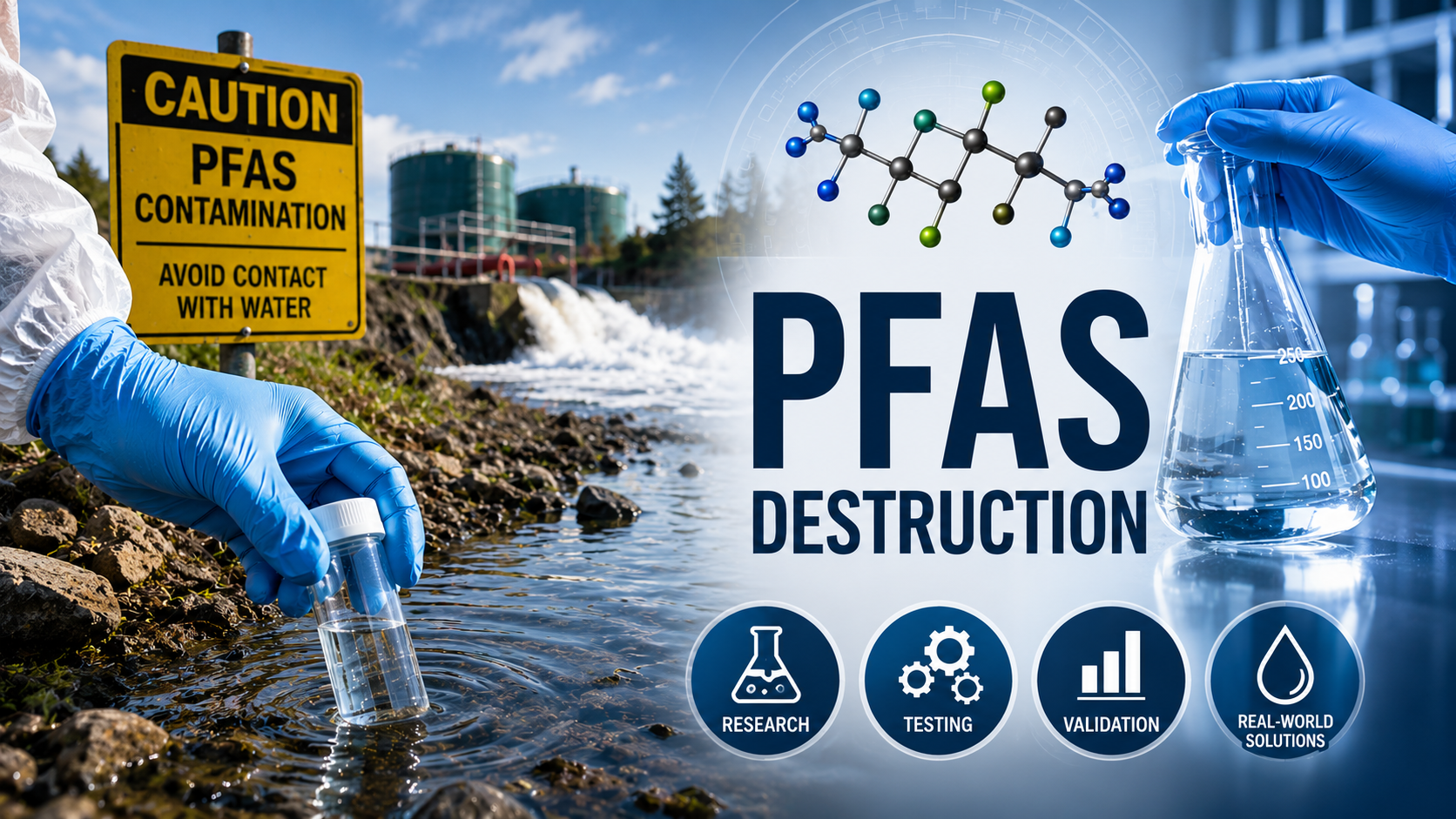
Two Breakthrough Methods to Destroy Forever Chemicals
Researchers have developed two promising techniques—advanced electrochemical oxidation and plasma-catalytic conversion—that can irreversibly break down persistent PFAS compounds. This article explains how they work, why they matter, and what it will take to scale them safely and affordably.
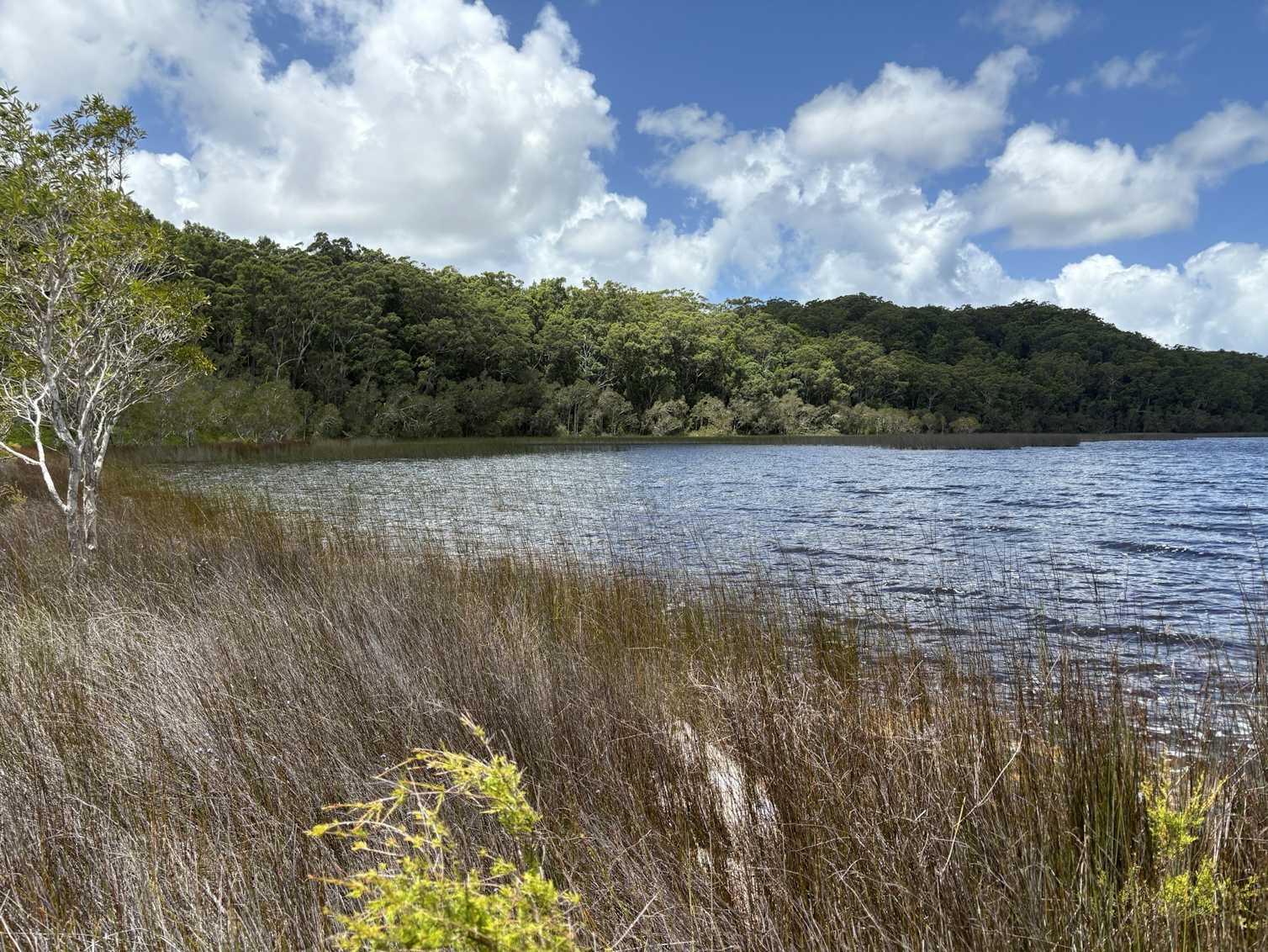
K’gari’s Lost Lakes: How Rain Couldn’t Stop an Ancient Drying
On K’gari (Fraser Island) sediment records and Indigenous memory reveal a puzzling episode when perched freshwater lakes desiccated during a period of elevated rainfall. Exploring geology, hydrology and cultural knowledge offers explanations — and urgent lessons for coastal conservation under climate change.
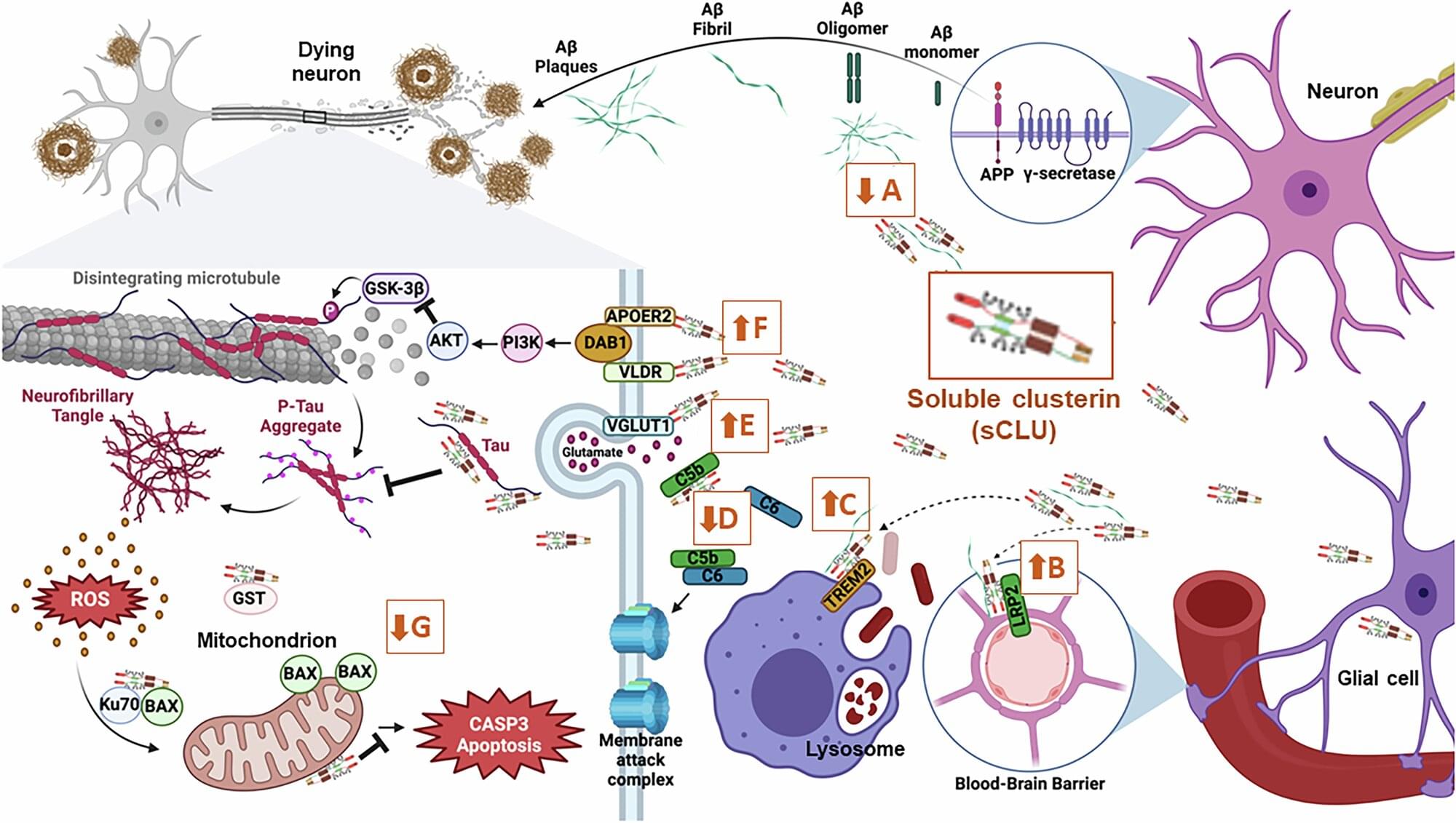
New Brain Protein Shields Against Alzheimer’s Damage
Researchers have identified a protein that appears to protect neurons from Alzheimer’s-related injury, offering fresh insight into disease mechanisms and new therapeutic possibilities. This article explains how the protein works, the experimental evidence, potential treatments, and what the discovery could mean for patients and future research.

AI Flags 250,000+ Suspicious Cancer Studies — What It Means
An AI-driven screen has identified more than 250,000 cancer-related papers with telltale anomalies, raising urgent questions about research integrity, patient safety, and how journals and institutions should respond. This feature explains the detection methods, the types of problems found, the limits of automated flags, and concrete next steps for the scientific community.
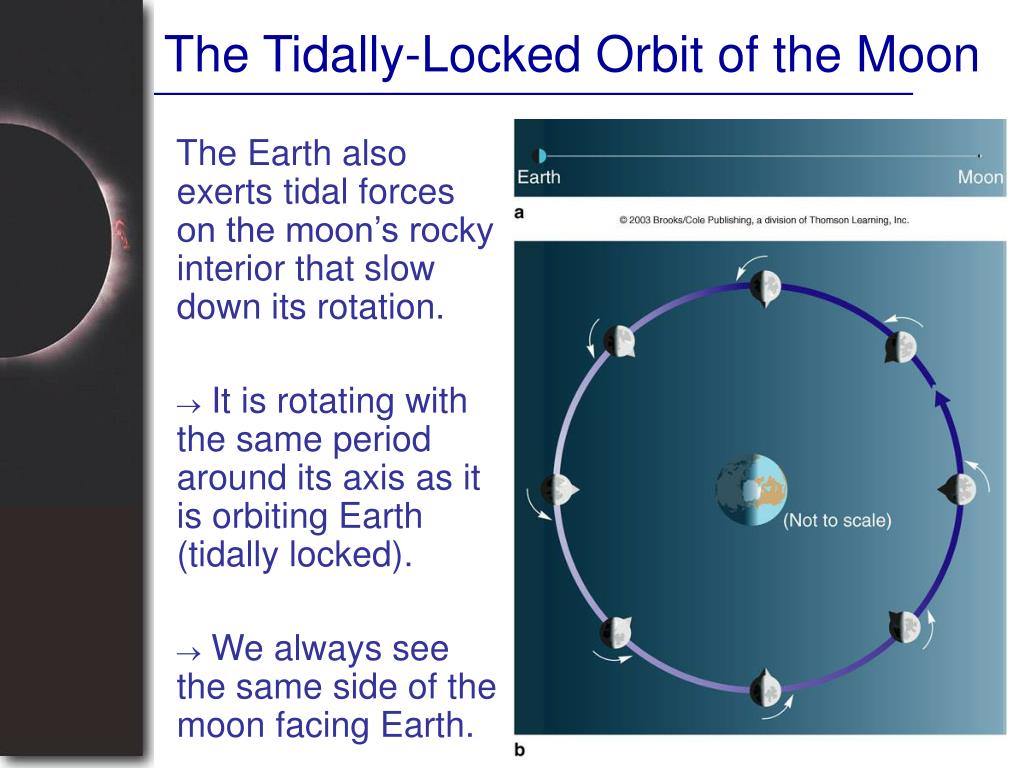
No Sunrise, No Sunset: Could a Tidally Locked World Support Life?
Some exoplanets never experience sunrise or sunset because they are tidally locked to their star. New models and discoveries suggest life could persist there—especially along the temperate 'terminator'—if atmosphere, oceans, and geology cooperate to redistribute heat and shield against stellar hazards.