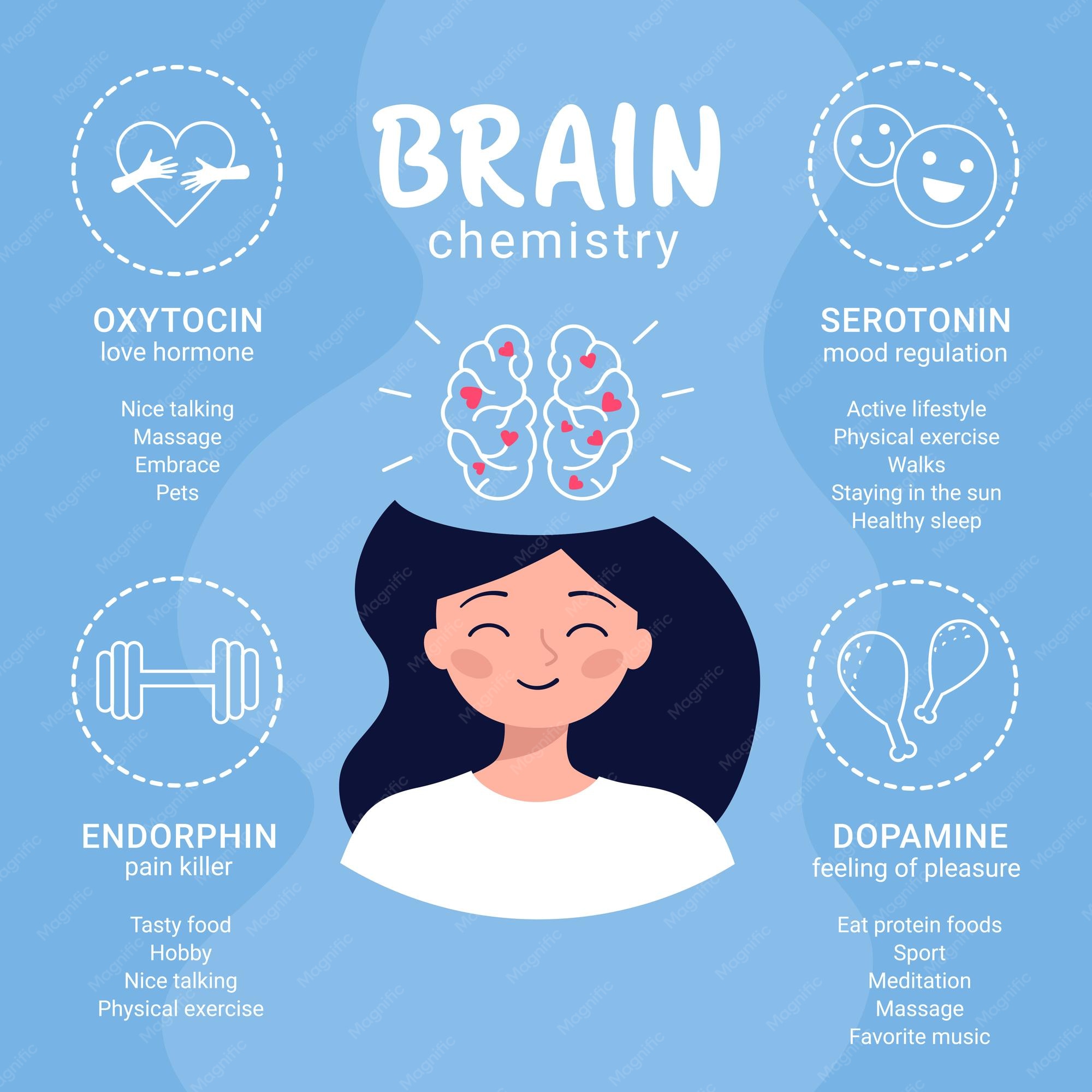
Scientists Identify Brain Chemical That Helps Break Bad Habits
We all know how easy it is to fall into a pattern: the cigarette after a stressful meeting, the scrolling ritual that fills any spare moment, the late-night binge that feels almost automatic. For decades, science has described the architecture of habit — cue, routine, reward — but the biological mechanisms that let us tear those patterns down have been harder to pin down. Now, researchers say they have found a brain chemical that helps the mind rewire itself away from entrenched behaviors. It doesn’t offer a magic cure, but it illuminates why some strategies work and how we might meaningfully speed up change.
What the discovery means
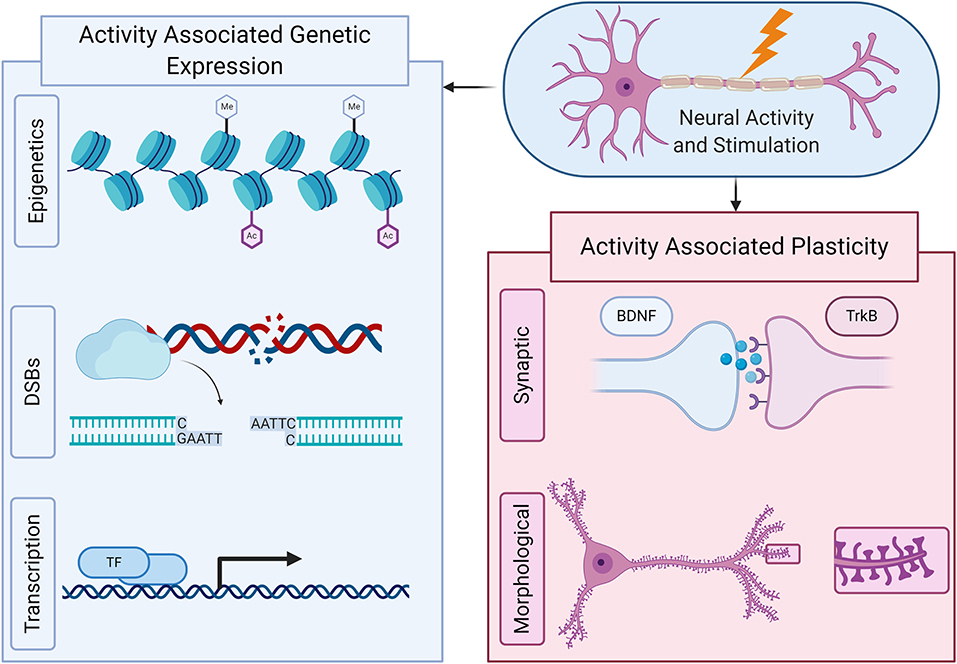
The headline is crisp: a neuromodulator that boosts plasticity in the prefrontal-striatal circuits appears to be a key facilitator of habit reversal. In plain terms, this chemical acts like a temporary lubricant for the brain’s connections, making it easier for new pathways to form and for old ones to weaken. That shift is the biological foundation of breaking an automatic routine and replacing it with a different, more adaptive response.
neuromodulator brain plasticity
When the brain’s plasticity is turned up, old grooves become writable — and that is where change begins.
Why habits are so stubborn
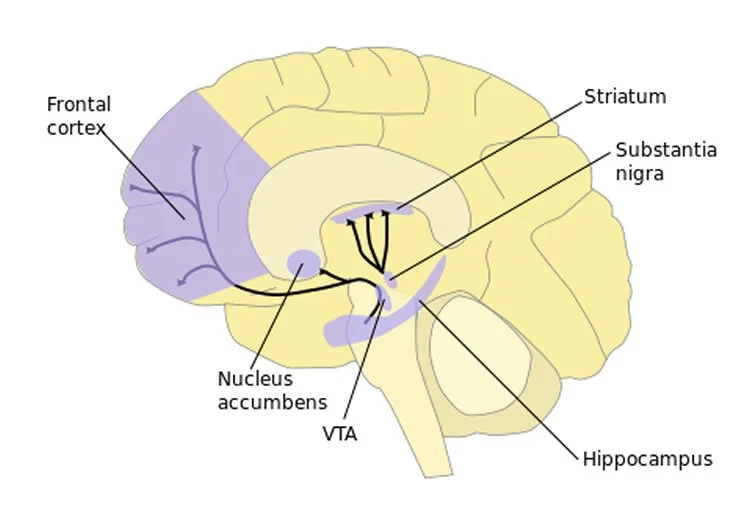
To understand why a chemical toggle matters, it helps to revisit the brain circuits that create habits. Habit formation moves from deliberate control (prefrontal cortex) to automatic execution (dorsal striatum) as behaviors are repeated. That transfer conserves cognitive resources: once learned, habits free the mind to handle new tasks. The downside is rigidity. When a behavior is encoded in the habit circuit, it can run even when it’s no longer beneficial.
prefrontal cortex dorsal striatum
Breaking a habit therefore requires not only conscious intention but also a biological state that supports unlearning. The identified neuromodulator seems to enable exactly that: by increasing synaptic plasticity in regions of the prefrontal cortex and their connections to the striatum, it helps the brain re-establish top-down control and weaken automatic responses.
How the chemical works — a mechanistic snapshot
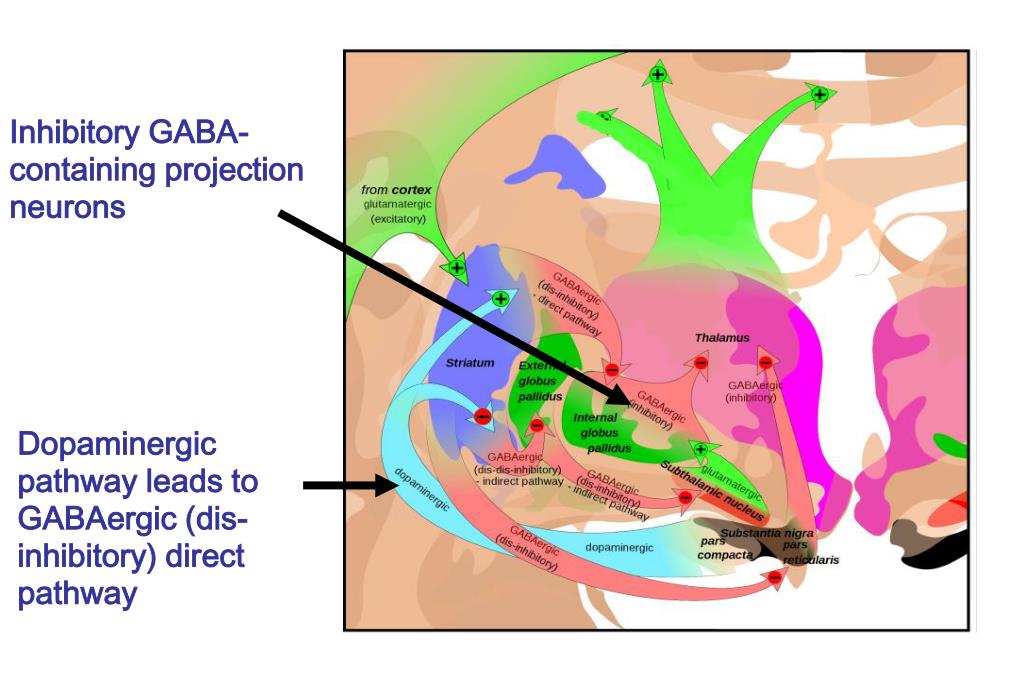
Neuromodulators influence the gain and learning rules of neurons; they do not act as simple on-off switches. The chemical highlighted in the recent work functions at three interacting levels:
- Synaptic plasticity: It facilitates long-term potentiation and structural remodeling of synapses, making new associations easier to learn.
- Prefrontal empowerment: It temporarily enhances the executive circuits involved in planning, decision-making and inhibitory control, improving the brain’s ability to override an automatic response.
- Rebalancing habit circuits: By shifting the relative weighting between goal-directed and habitual systems, it allows goal-directed strategies to reclaim control.
habit formation neural circuits
Think of the brain’s habit machinery as a well-worn path through a forest. The neuromodulator is the summer rain that softens the soil: it doesn’t create an entirely new route for you, but it makes it possible to step off the old trail and cut a different one that, with repetition, can become the new default.
Why this isn’t an instant fix
It’s critical to set expectations. Even though a chemical can increase plasticity, habit change still requires intention, practice and environmental support. A temporary biological window of plasticity is most useful when paired with targeted behavioral rehearsal — repeated, consistent actions that teach the brain a new pattern. Without repetition, the temporary increase in malleability will pass and the old habit can reassert itself.
Practical ways to engage the brain’s habit-breaking chemistry
The good news is that many everyday practices are known to raise the brain’s capacity for plasticity or to prime the circuits that enable change. These strategies can be used whether or not direct pharmaceutical modulation is available or indicated.
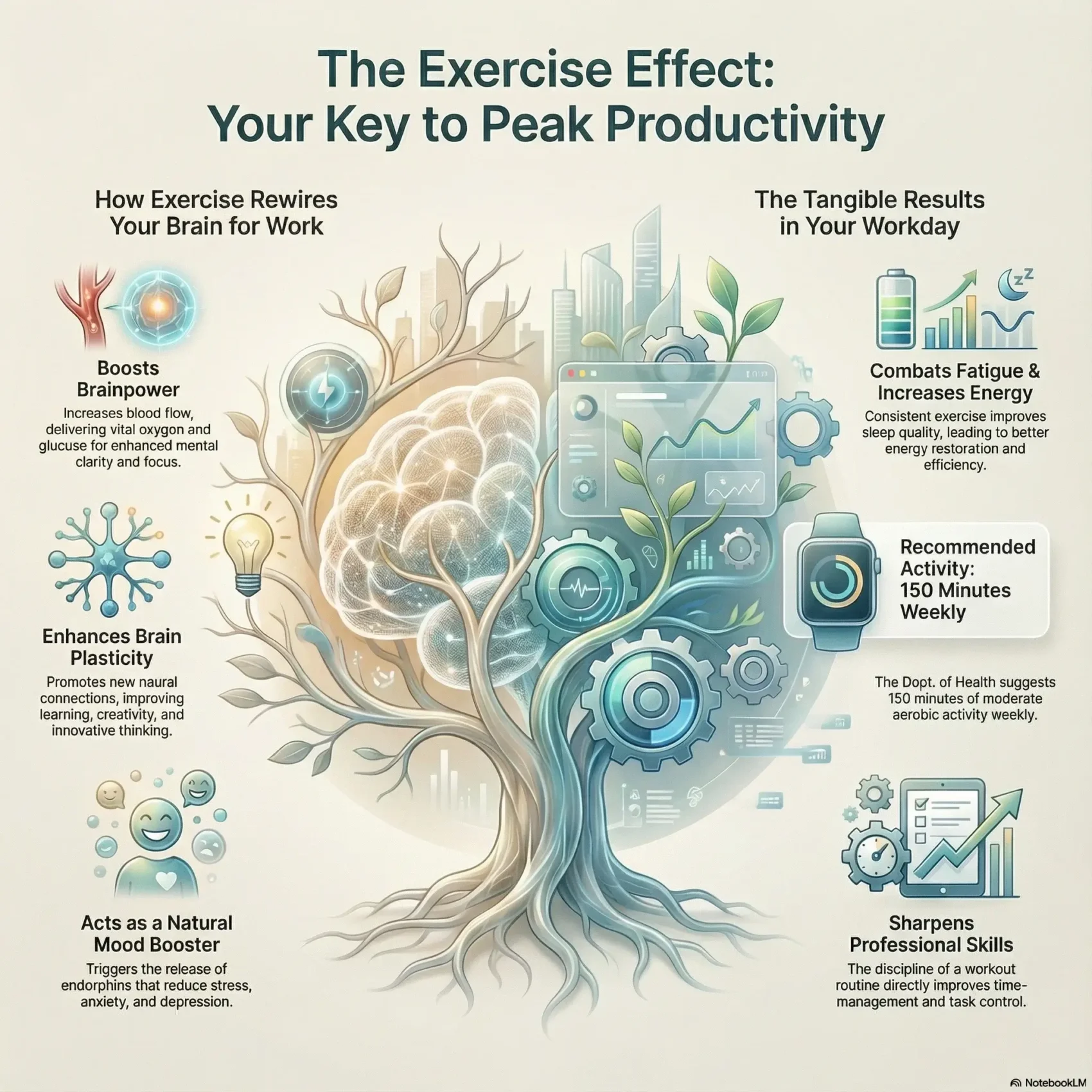
- Exercise: Aerobic activity increases growth factors and improves prefrontal function, making it easier to learn and maintain new behaviors.
exercise brain plasticity benefits
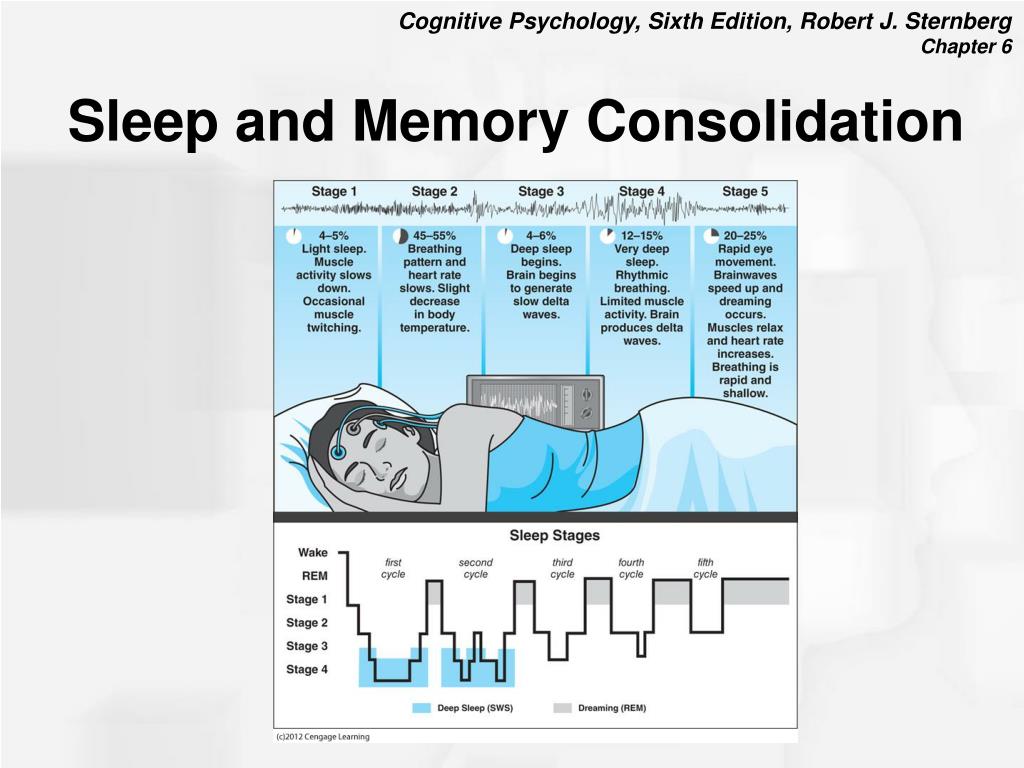
- Quality sleep: Sleep consolidates learning and clears interference; habit reversal is more successful when the brain is well-rested.
sleep habit consolidation memory
- Targeted practice: Rehearsing the desired replacement behavior in the actual cue context accelerates the creation of a new routine.
- Mindfulness and cognitive training: Practices that strengthen attention and inhibitory control help the prefrontal cortex exert control when an automatic urge appears.
- Reward restructuring: Pair new behaviors with immediate, meaningful rewards to teach the brain that the substitute action is valuable.
These lifestyle levers are accessible and low risk, and they complement any clinical or pharmacological approaches that directly target neuromodulatory systems.
A practical plan: six steps to use this science to break a habit
Here is a concise, evidence-informed routine you can use to translate the biology into action. Each step maps to the mechanisms described above.
- 1. Identify the loop: Write down the cue, the routine, and the reward. Be specific about where and when the habit occurs.
- 2. Create a replacement: Choose a new routine that responds to the same cue and delivers a similar reward. The brain learns by substitution.
- 3. Prime your biology: Schedule exercise and aim for 7–9 hours of sleep on days when you plan to practice the new routine; these increase plasticity and consolidation.
- 4. Use implementation intentions: Set a clear if-then plan("If X happens, then I will do Y"). This transforms vague intentions into practiced responses.
- 5. Repeat in context: Practice the new routine in the exact context of the cue; context-dependent rehearsal accelerates circuit remodeling.
- 6. Reward and monitor: Reward immediate success (even small) and keep a brief log to reinforce progress and catch relapses early.
Combined, these steps create both the biological permissive state and the behavioral repetition the brain needs to instantiate change.
Clinical and ethical implications
The discovery of a chemical that facilitates habit reversal opens several doors for clinical practice and public health. For people struggling with addiction, compulsive behaviors, or obesity-linked routines, targeted interventions that combine behavioral therapy with methods to boost plasticity could improve outcomes. That said, the ethical terrain is complex: altering brain chemistry to change behavior raises questions about autonomy, informed consent, and the potential for misuse.

cognitive behavioral therapy sessions
Responsible application means prioritizing behavioral scaffolding and patient choice. Any pharmaceutical or device-based approach should be tested rigorously for safety and long-term effects on learning and decision-making. Importantly, social and environmental interventions remain crucial; changing individual brain states without addressing context will have limited impact.
What to expect next in research
Scientists will continue to map how this neuromodulator interacts with established systems like dopamine signaling and neurotrophic support. We can expect trials that test combined interventions — for example, pairing behavioral therapy with exercise prescriptions or with pharmacological agents that transiently enhance plasticity. Researchers will also study individual differences: why some people respond quickly to interventions while others do not, and how genetic, developmental and environmental factors influence the brain’s capacity to rewire.

brain chemical laboratory research
Caveats and open questions
There are important caveats. Measuring a chemical’s role in humans is challenging, and laboratory findings do not always translate neatly to real-world complexities. The timeline for safe, targeted modulation remains to be established, and the long-term consequences of repeatedly enhancing plasticity are not fully known. Finally, habit change is a social as well as a neural process: relationships, work environments and economic factors strongly shape behavior.
Conclusion
The discovery of a brain chemical that facilitates habit breaking reframes an old truth: willpower alone is often not enough because habits are supported by hardened neural circuits. What matters is creating conditions — biological, behavioral and environmental — that allow the brain to rewire. Exercise, sleep, targeted practice and reward restructuring are practical, accessible ways to open the brain’s plasticity window and replace an old routine with a new one. For clinicians and researchers, the finding suggests promising combined interventions; for anyone wanting to change, it offers a clearer map for how to make change stick.
- Scientists have identified a neuromodulator that helps the brain increase plasticity and break entrenched habits.
- Biological facilitation must be paired with targeted behavioral rehearsal to create lasting change.
- Practical tools—exercise, sleep, implementation intentions, and reward restructuring—can harness the brain’s natural capacity to rewire.
- Ethical and safety considerations are essential before translating chemistry-driven methods into broad clinical use.
Breaking a habit is both a biological and behavioral project — the best results come from addressing both.
Did you enjoy this article?
Let us know with your feedback to help us publish better stories.