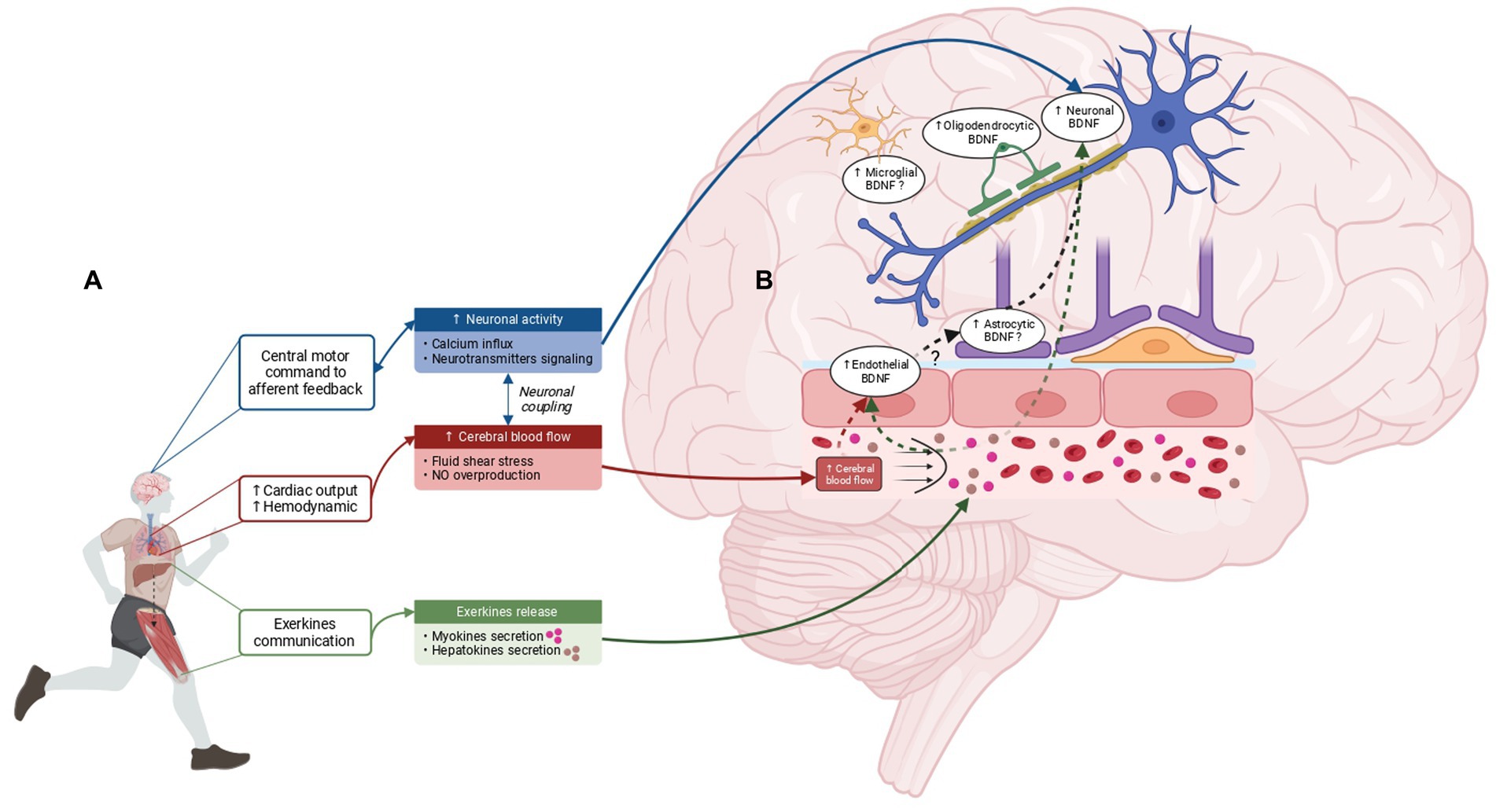
BDNF and Breaking Bad Habits: The Brain Chemical That Helps
The idea that willpower alone is the key to quitting a habit has long been a cultural myth. What scientists are increasingly finding is that biology — specifically the brain's capacity to rewire itself — plays a decisive role. Recent investigations into a molecule called brain-derived neurotrophic factor, or BDNF, have given researchers a clearer picture of how the brain weakens old, automatic behaviors and lays down new ones. If you want to stop checking your phone compulsively, quit smoking, or ease a late-night sugar binge, understanding the biology beneath behavior can change the conversation from moral failing to manageable process.
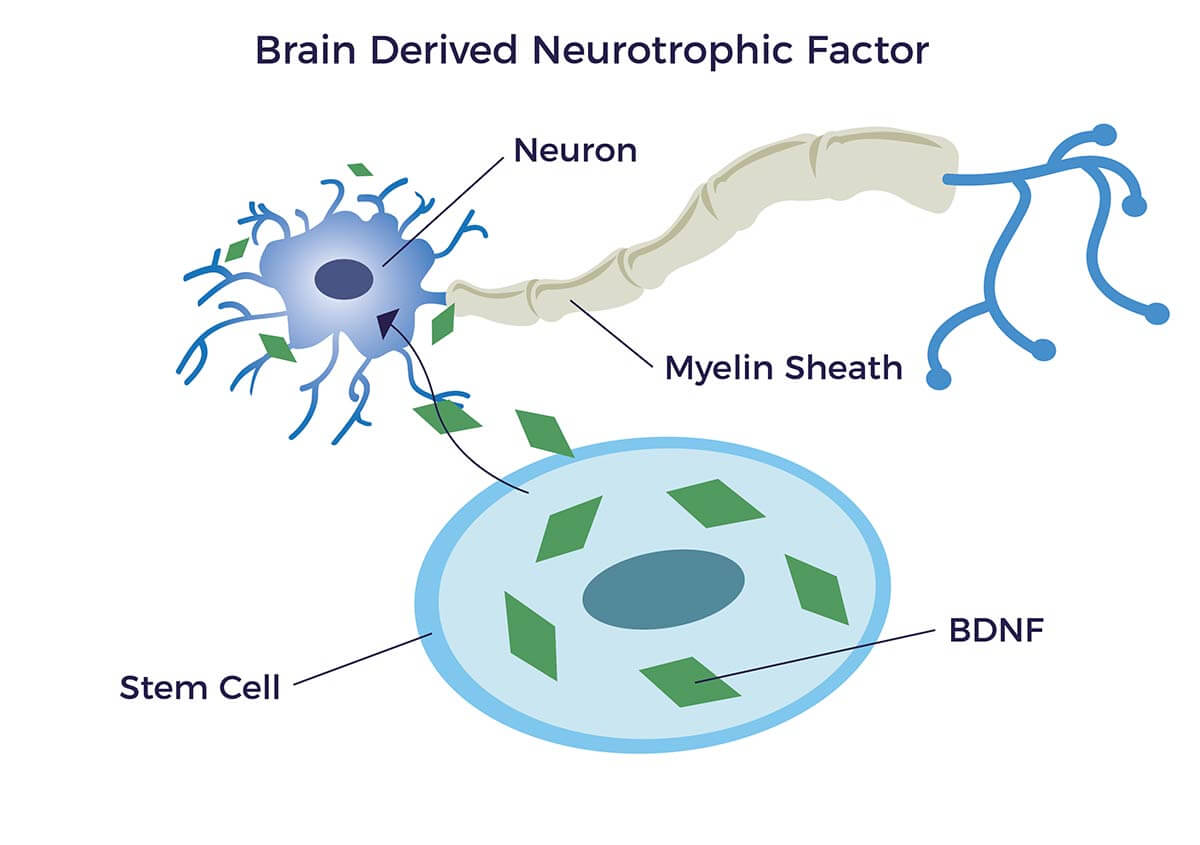
brain-derived neurotrophic factor BDNF
What Researchers Found
Across a growing body of lab studies and human experiments, scientists have traced a consistent pattern: when the brain expresses more BDNF in circuits involved in learning and decision-making, people and animals show improved ability to extinguish conditioned responses and adopt alternative actions. That is, BDNF appears to help weaken deeply ingrained stimulus-response links — the cue-routine-reward loops psychologists describe — and facilitate the formation of new, competing pathways. This does not mean BDNF is a magical cure. Rather, it acts like a molecular lubricant for change, making synapses more malleable at the moments when new experiences or interventions are applied.
BDNF doesn't erase old habits; it makes the brain willing to learn different responses when you practice a new one.
What Is BDNF?
BDNF is a protein the nervous system produces to support neuron survival, growth, and the strengthening of synaptic connections. It belongs to a family of molecules known as neurotrophins, which are crucial during development but remain active across the lifespan to enable learning and adaptation. Think of BDNF as a fertilizer for neural wiring: where the brain is trying to build or remodel connections, BDNF supplies the biochemical environment that encourages structural changes.
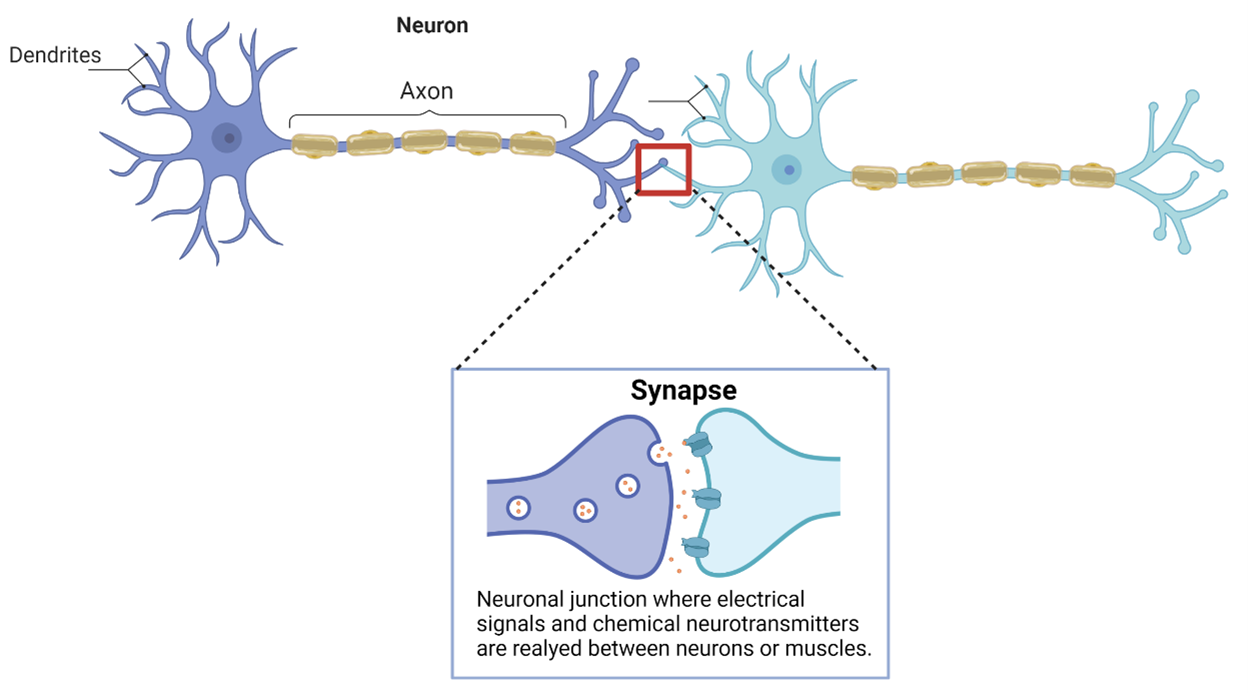
synaptic plasticity neurons
How BDNF Helps Break Habits: The Neuroscience
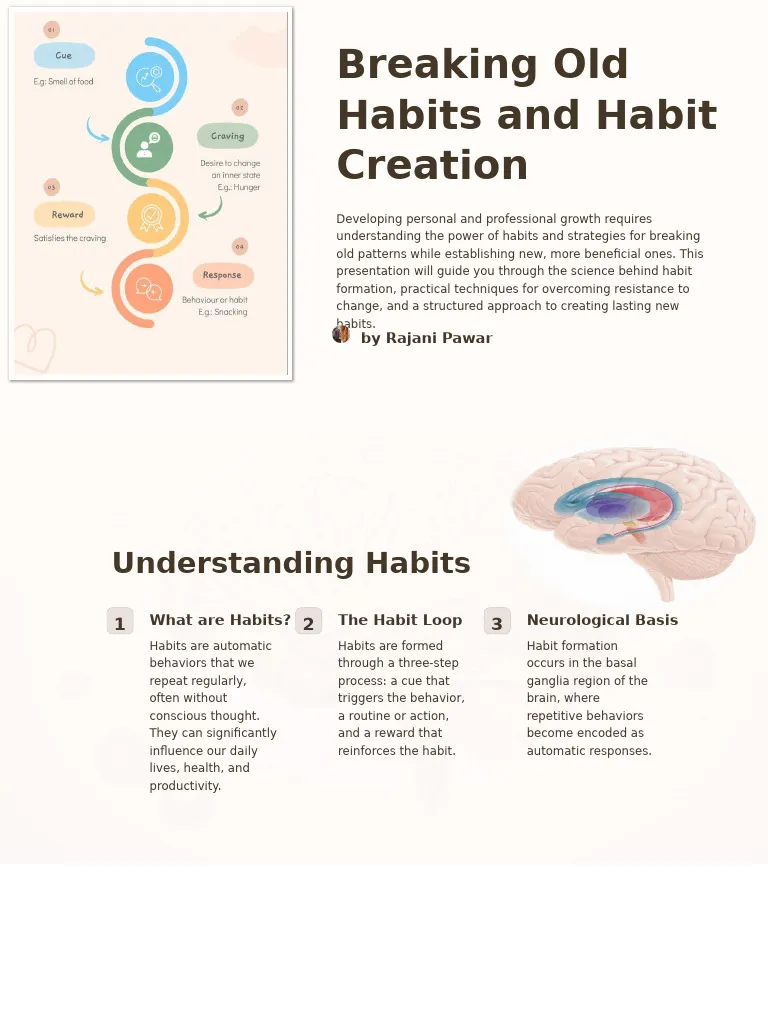
Habits are encoded across a network of brain structures, but three regions feature prominently: the prefrontal cortex (the brain's executive center), the striatum (central to habit learning and automated routines), and the hippocampus (involved in contextual memory). BDNF acts on all of these regions in ways that matter for breaking habits.
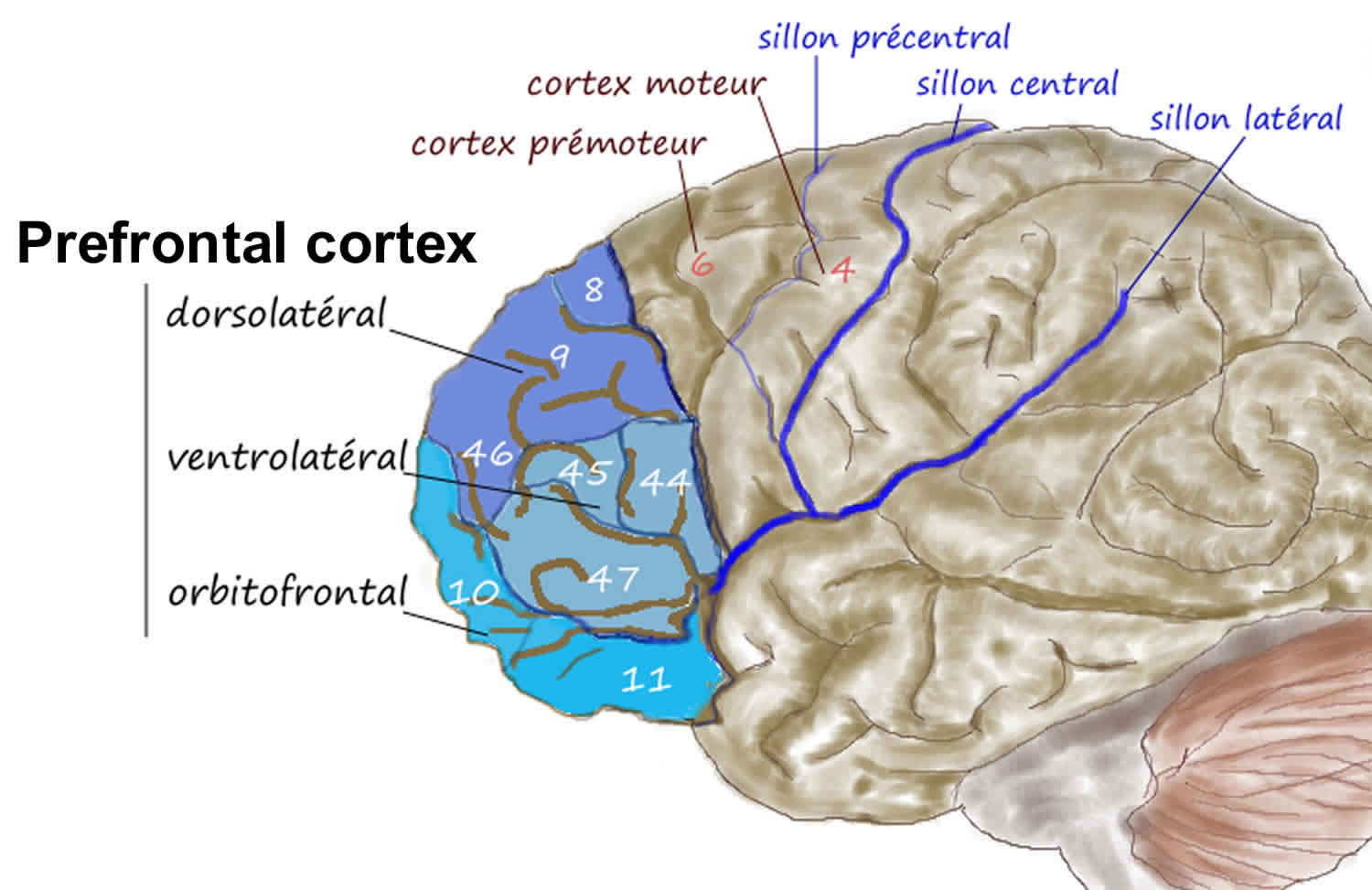
prefrontal cortex brain region
Synaptic Plasticity and Extinction Learning
At a cellular level, learning and unlearning depend on synaptic plasticity — the strengthening or weakening of connections between neurons. BDNF facilitates long-term potentiation and other plasticity processes that allow new patterns to compete with and eventually override old ones. In experiments where animals undergo extinction training — the procedure scientists use to reduce learned responses — increased BDNF signaling correlates with faster extinction. In human terms, that translates to being able to replace an automatic cigarette craving response with a different action more readily when BDNF activity is favorable.
Prefrontal Cortex and Executive Control
The prefrontal cortex is essential for planning, delaying gratification, and suppressing impulses. Strong prefrontal signaling tilts the balance away from automatic action toward deliberate choice. BDNF supports synaptic remodeling in the prefrontal cortex, helping it maintain the flexibility needed to override habitual responses. This is why interventions that both strengthen executive function and increase BDNF can be synergistic: the brain becomes both more capable and more plastic.
Striatum and Habit Loops
The dorsal striatum is where many stimulus-response habits are consolidated. Over time, behaviors that began as intentional actions move into striatal circuits and become automatic. BDNF's role in the striatum is complex: it appears to help unhook the automatic response by promoting the remodeling of synapses that support the habit, especially when new, competing behaviors are rehearsed. In essence, BDNF helps create the window during which practice can produce meaningful change.
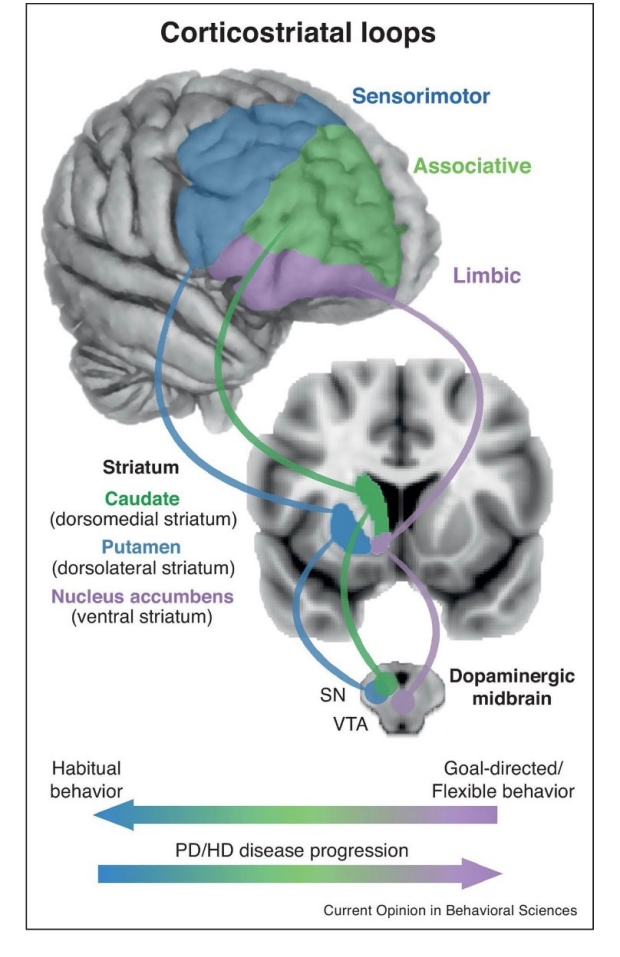
striatum habit loops
Interaction with Dopamine
Dopamine is often described as the brain's reward messenger, and it plays a key role in habit formation by signaling prediction errors — the difference between expected and actual outcomes. BDNF and dopamine interact: plasticity enabled by BDNF is often gated by dopaminergic signals that mark moments when learning should be strengthened. That interaction explains why simply removing a reward isn't enough; effective change requires both a mismatch signal to highlight the need for learning and a plastic brain state to encode the alternative behavior.
Practical Ways to Support BDNF and Make Change Easier
While you can't take a single pill today and expect lifelong habits to melt away, there are evidence-aligned strategies that raise BDNF or otherwise create brain states conducive to rewiring. Below are practical, behavior-focused approaches to pair with any habit-change plan.
- Exercise regularly: Aerobic exercise, especially moderate-intensity work like brisk walking, running, cycling, or swimming, reliably increases BDNF levels in both animals and humans. Consider scheduling workouts before practicing a new behavior to capitalize on increased plasticity.
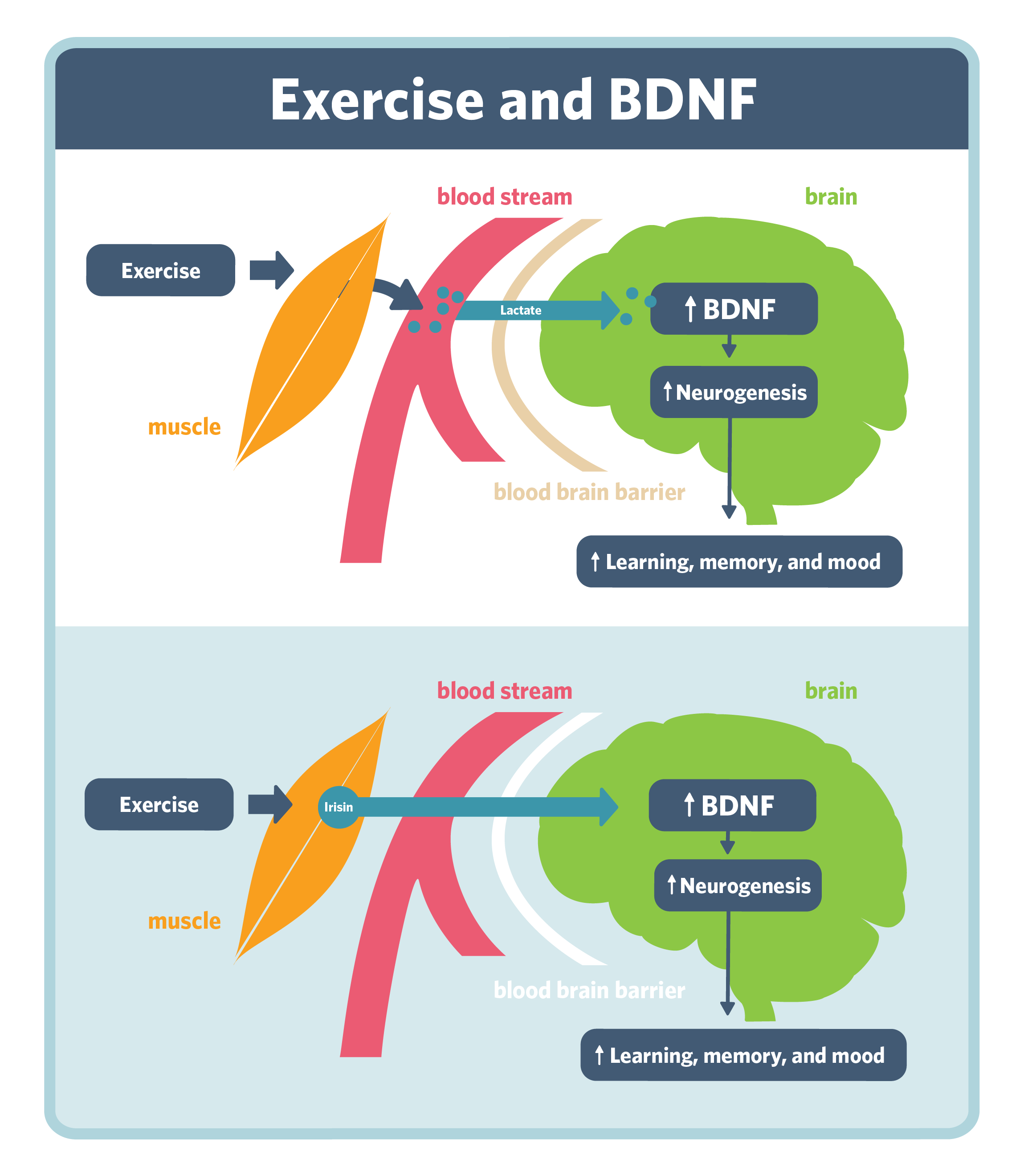
aerobic exercise BDNF boost
- Prioritize sleep: Deep sleep is when the brain consolidates learning. Poor sleep reduces BDNF and impairs executive function, making relapse more likely.
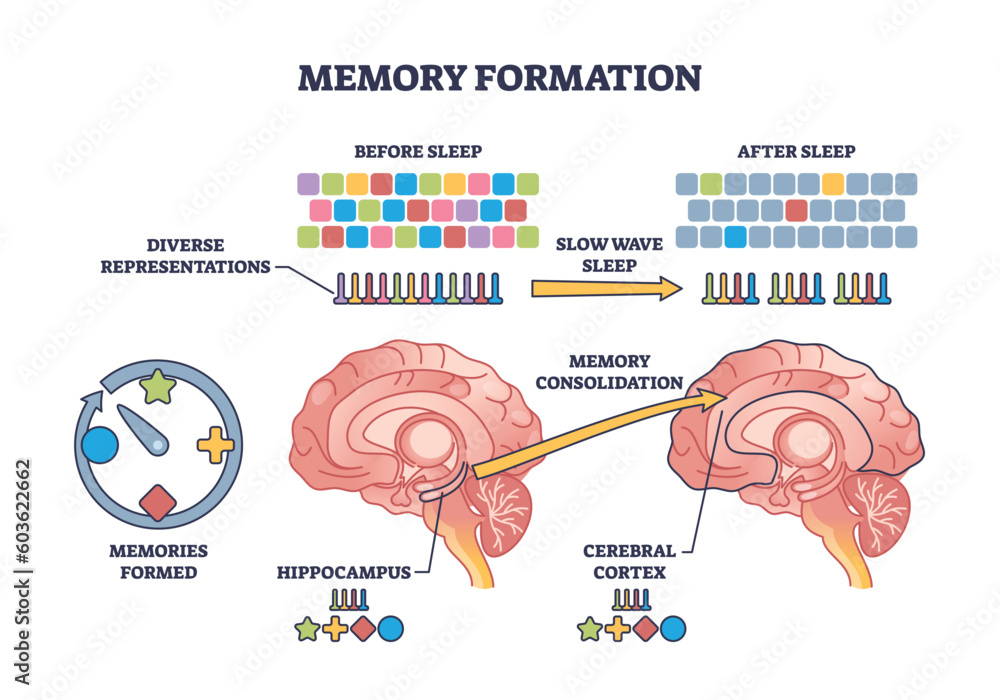
sleep brain consolidation learning
- Challenge your brain: Learning new skills — language, musical instrument, or complex tasks — stimulates BDNF and broadens the brain's capacity for change.
- Optimize nutrition: Diets rich in omega-3 fatty acids, polyphenols, and adequate protein support brain health. Intermittent fasting has been linked in some studies to increased BDNF, though individual responses vary.
- Manage stress: Chronic stress suppresses BDNF. Practices that lower stress — mindfulness, breathing exercises, social connection — protect plasticity.
- Use timing and context: Pair new behaviors with cues and contexts where the old habit is weaker. Rehearsing the alternative response in a high-BDNF-supportive state (after exercise, rested, low-stress) increases effectiveness.
A Realistic Roadmap to Break a Bad Habit
Biology sets the stage, but change still requires consistent, strategic practice. Here is a practical roadmap that blends behavioral science with what we know about BDNF and plasticity.
- Identify the loop: Write down the cue, the routine, and the reward. Be specific about time, place, and emotional context.
- Choose a replacement action: Select a small, achievable behavior that satisfies a similar need. The replacement should be easier to perform than the old habit is to resist.
- Prime the brain: Build a pre-practice ritual that increases BDNF and executive control — 20 minutes of brisk walking or light cardio, a short mindfulness practice, and a good night’s sleep before an important change attempt.
- Practice intentionally: Repeatedly perform the replacement behavior immediately after the cue. Use consistent contexts and cue signals to strengthen the new association.
- Monitor and adjust: Track progress in small increments. If a strategy fails, change the context or the reward rather than assuming you lack willpower.
- Plan for lapses: Expect setbacks. Use them as data points to refine cues or decrease stress, both of which influence BDNF and learning.
A Table: Habit Formation vs Habit Breaking
Below is a straightforward comparison to clarify where interventions differ when forming versus breaking habits.
habit formation vs breaking
| Process | Habit Formation | Habit Breaking |
|---|---|---|
| Key Brain Regions | Striatum, dopaminergic circuits | Prefrontal cortex, hippocampus, striatal remodeling |
| Neurochemistry | Dopamine spikes, consolidation | BDNF-supported plasticity, extinction signals |
| Behavioral Focus | Repetition, reward | Replacement, extinction, context change |
| Effective Interventions | Reinforcement, cue design | Exercise, sleep, cognitive practice, stress reduction |
Limitations and Cautions
BDNF is not a silver bullet. Its effects are modulatory: increasing BDNF supports the brain's ability to change, but without directed, repeated practice the old behavior can persist. Moreover, BDNF interacts with many other signaling systems, and individual differences — genetics, age, baseline stress — influence how responsive a person will be. Some people have genetic variants that affect BDNF function, which can change their learning profiles. Finally, interventions that strongly alter neurochemistry (medications, supplements, drastic diets) should only be undertaken with professional guidance.
Where the Science Is Headed
Researchers are now asking more nuanced questions: Which circuits benefit most from increased BDNF during habit reversal? Can timing BDNF increases — through lifestyle or pharmacological means — amplify behavioral therapies? Early translational work aims to combine targeted behavioral treatments with interventions that transiently enhance plasticity, creating 'critical windows' when new learning is most likely to stick. If these approaches prove safe and effective, they could improve outcomes for addiction, compulsive behaviors, and habit-related mental health challenges.
Final Thoughts
Bad habits persist because the brain is optimized for efficiency, not virtue. BDNF gives us a biological lever: when plasticity is increased in the right moments, the brain becomes more able to replace old patterns with new ones. That knowledge reframes habit change from a test of moral fiber into an optimized learning problem. Combine small, evidence-backed lifestyle changes that support BDNF with targeted behavioral practice, and you substantially improve your odds of lasting change.
Rather than blaming yourself for a lapse, ask: what practice, context, or small ritual will help my brain learn a better response next time?
- BDNF supports synaptic plasticity and helps the brain remodel circuits that underlie habits.
- Exercise, sleep, learning, and stress management are reliable ways to support BDNF and make habit change easier.
- Practical habit-change combines biological priming with consistent, context-sensitive practice and realistic relapse planning.
A Short Checklist to Start Today
- Schedule a brief aerobic session before practicing a new behavior.
- Define cue, replacement action, and immediate reward in a single sentence.
- Get seven to nine hours of quality sleep, especially in the days you plan to make big changes.
- Reduce chronic stress with daily micro-practices: breathing, short walks, or social check-ins.
Understanding the brain does not remove responsibility, but it makes change more predictable and achievable.