
Scientists Solve Decades-Old CO2 Problem, Triple Fuel Output
The headline is simple: scientists have cleared a stubborn roadblock in the chemistry of carbon dioxide conversion and, in doing so, have produced three times as much fuel in a lab-scale demonstration as previous approaches allowed under similar energy inputs. Behind that neat line lies years of incremental progress, a fresh approach to catalyst design, and engineering that treats molecules, electrons and gas flow as parts of a single, interdependent system. The result is not a finished industrial product but a turn in the road that could fundamentally change how we think about turning waste CO2 into valuable liquid fuels.
Carbon dioxide conversion laboratory setup
What was the decades-old CO2 problem?
For decades chemists and engineers have wrestled with carbon dioxide's chemical stubbornness. CO2 is a highly oxidized, stable molecule; reducing it to carbon-based fuels requires multiple electrons and protons to be added in precise steps. Two practical challenges dominated: efficiency and selectivity. Efficiency refers to how much energy is lost to side reactions such as hydrogen evolution. Selectivity describes whether the reaction yields the desired fuel molecules (ethanol, propane, long-chain hydrocarbons) or a messy mixture of unwanted products.
The underlying physics-pinpointed in countless studies-is this: desired pathways often require transient, tightly bound intermediates (for example, adsorbed CO or formyl species) that are difficult to stabilize without also encouraging parasitic reactions. Many catalysts bind the wrong intermediate too strongly or too weakly, or they encourage hydrogen generation instead of carbon–carbon coupling. Then there's mass transport: delivering CO2 to the active surface at high rates, and removing products fast enough to prevent their over-oxidation or decomposition. Collectively, these limits kept practical yields well under what would be needed for commercial fuel production.
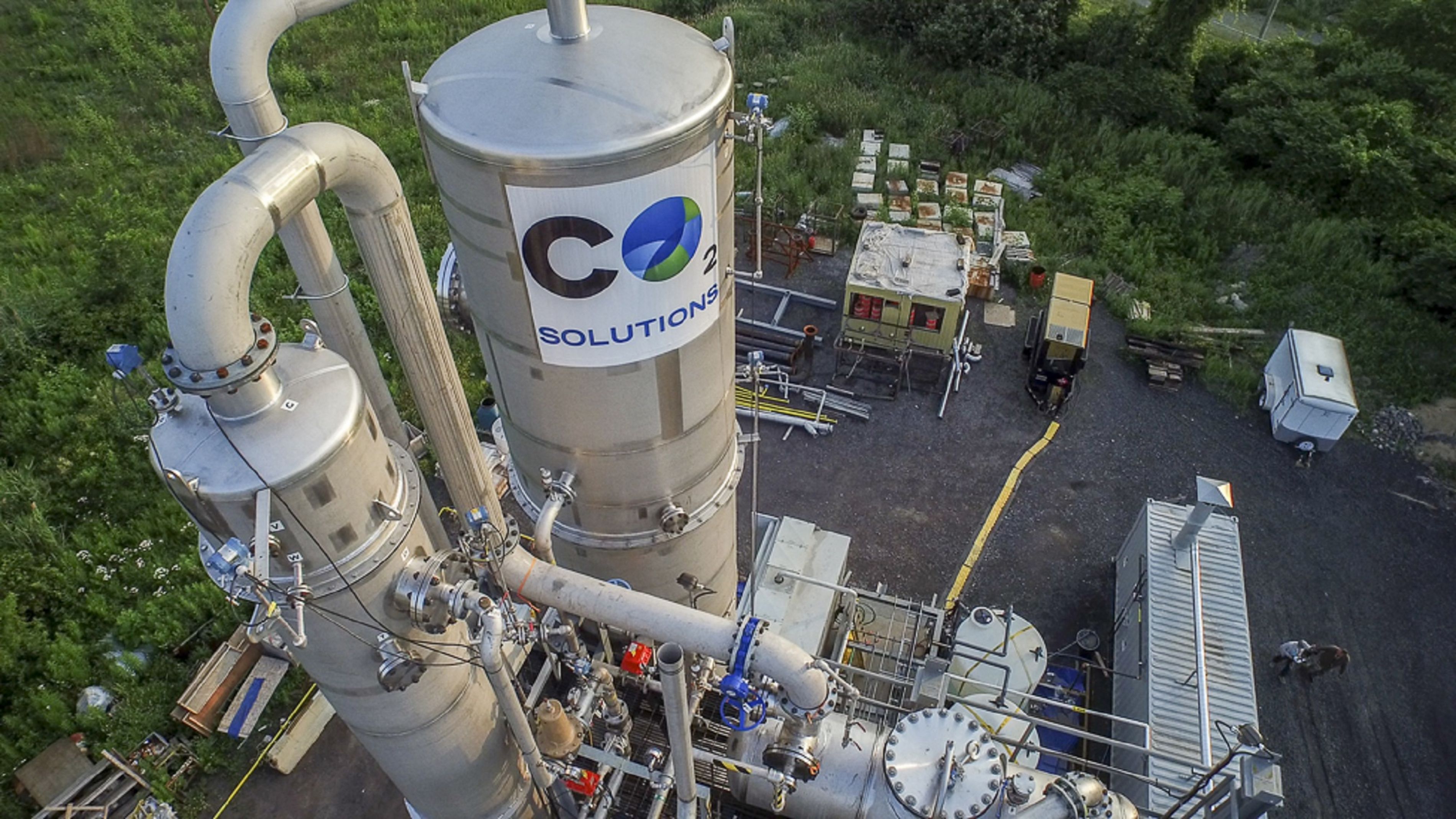
Carbon capture utilization technology
Why solving the binding dilemma matters
Imagine a factory worker trying to assemble parts that only stick together if held at just the right pressure and angle. The catalyst's surface is that worker's hand. If it grips too tightly the parts never separate; if it doesn't grip hard enough the parts fall apart. The same holds for catalytic intermediates on metal surfaces. The breakthrough reported here centers on reliably stabilizing the right intermediate at precisely the right energy — not too strong, not too weak — and doing that across a broad range of operating currents.
How the breakthrough works — the science in plain terms
At the heart of the advance are three complementary innovations that work together: (1) a redesigned catalyst surface that tunes intermediate binding energies, (2) a reactor architecture that improves CO2 delivery and product removal, and (3) process integration that channels early CO2 reduction products into downstream conversion rather than letting them escape or decompose.
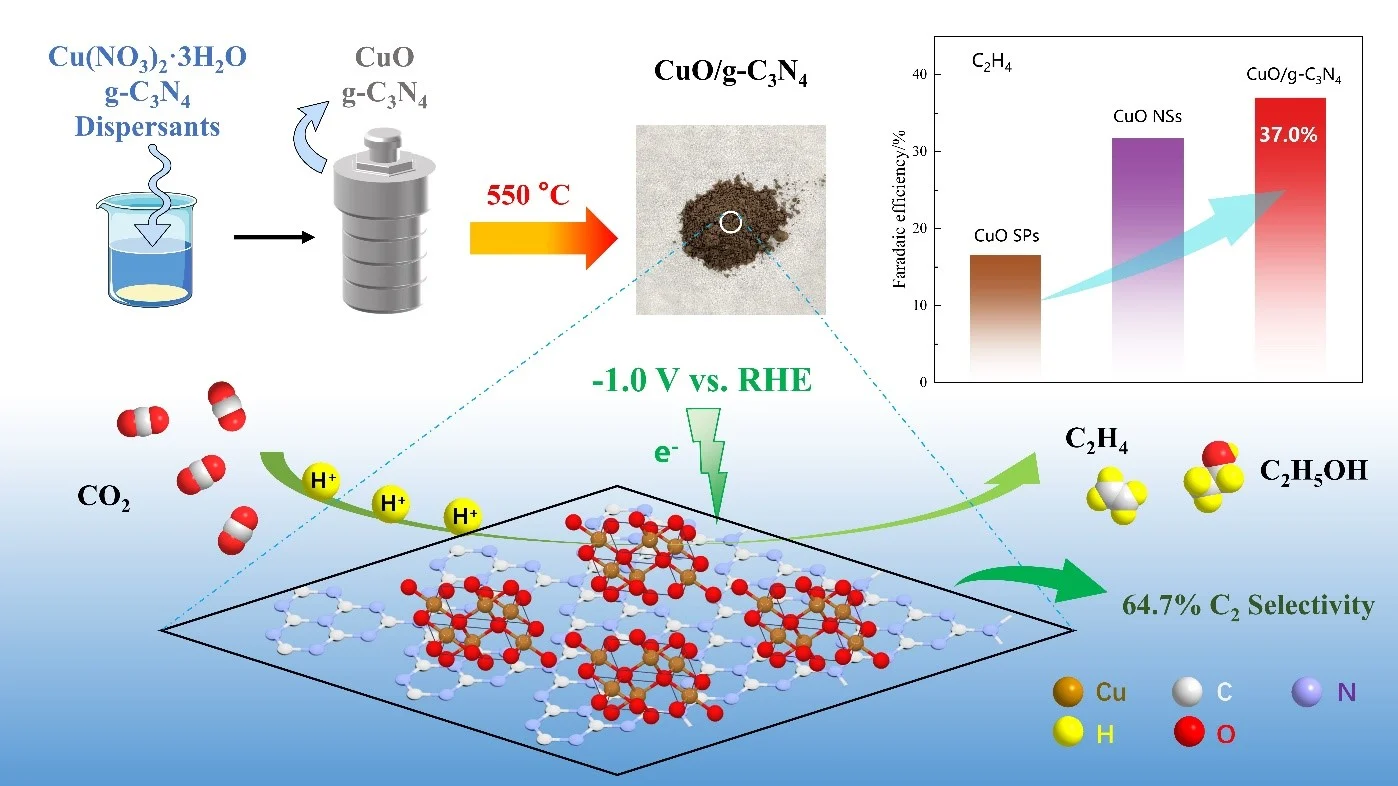
Electrochemical CO2 reduction catalyst
First, the catalyst. Instead of a uniform metal surface, the team engineered a heterogeneous material with atomically dispersed active sites and nanostructured domains that preferentially stabilize carbonaceous intermediates while suppressing the hydrogen evolution reaction. That balance increases the fraction of electrons going into carbon-containing products — the metric known as Faradaic efficiency — at industrially relevant current densities.
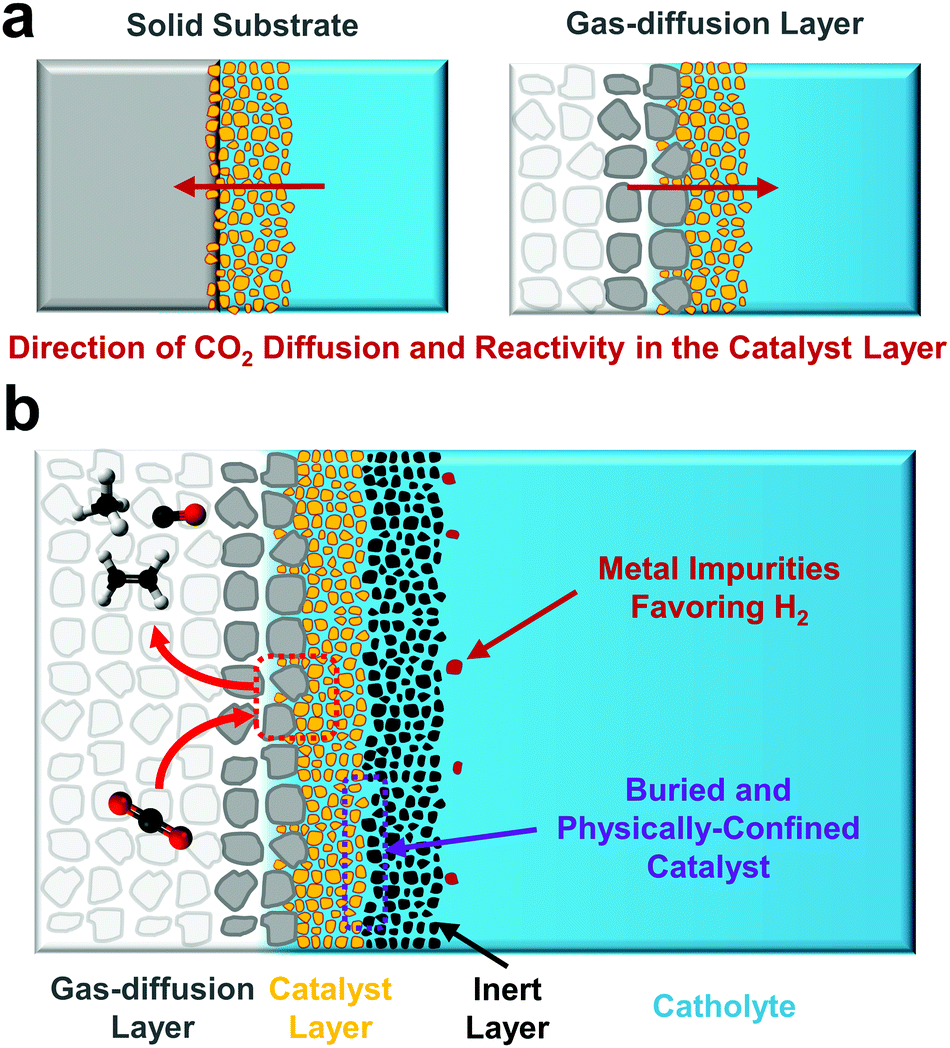
Gas diffusion electrode reactor
Second, reactor design. The researchers used a flow-style configuration with a gas-diffusion electrode and carefully tuned electrolyte management. Delivering CO2 as a gas at the interface avoids the slow step of bringing dissolved CO2 to the surface, and gas-diffusion electrodes keep the active area open and accessible even at high production rates. Improved mass transport means the catalyst can operate closer to its optimal chemistry without starving or flooding the active sites.
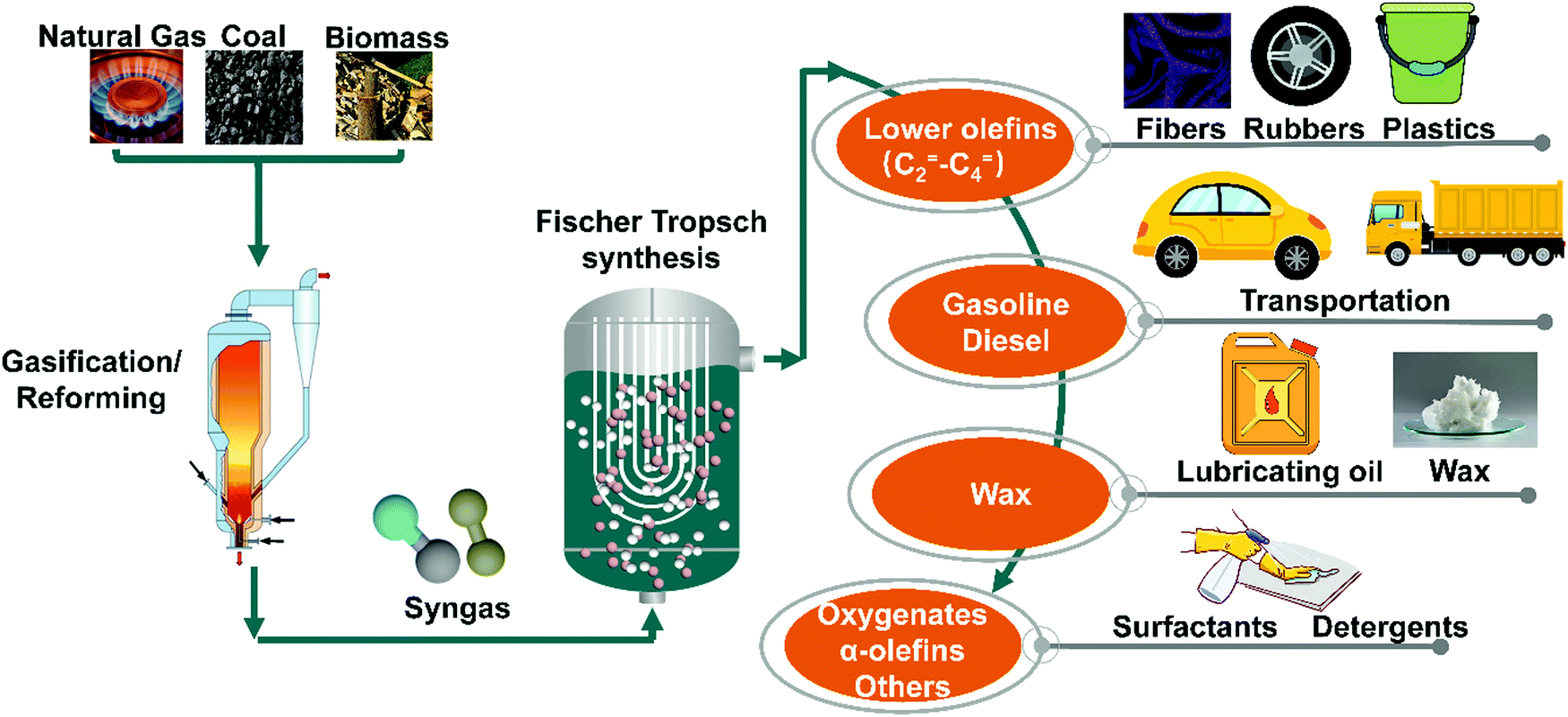
Fischer-Tropsch synthesis process
Third, integration. Early CO2 reduction often produces simple molecules such as carbon monoxide (CO) or formate. Instead of letting these intermediates be lost or over-reduced, the system feeds them directly into a second catalytic stage (either tandem active sites on the same electrode or a proximate reactor chamber) where C–C coupling converts them into larger hydrocarbon chains. The orchestration — matching rates in the first and second steps — is what unlocks the step-change in fuel yield.
"By treating catalyst design and reactor engineering as one continuous problem, researchers moved from incremental improvements to a multiplier effect in output."
What tripling production actually means
Tripling fuel production is not just a marketing hook. It means the amount of liquid hydrocarbon produced per unit of electrical energy consumed increased threefold relative to previous comparable lab setups. Practically, that comes from higher conversion efficiency (more electrons going into carbon products), higher selectivity toward desirable C2+ molecules (ethanol, propanol, longer-chain hydrocarbons), and lower parasitic losses to hydrogen generation.
There are multiple ways to measure improvement: current density at a fixed Faradaic efficiency, Faradaic efficiency at a fixed current, and overall energy-to-fuel efficiency. The reported advance improves several of these simultaneously — a difficult feat — and that combination is what turns a scientific curiosity into a potentially scalable process.
Technical subtleties: intermediates, overpotential and stability
Three technical pieces deserve attention because they are often the difference between a lab curiosity and industrial technology. First, controlling intermediates. The new catalyst tunes adsorption energies so the key carbon-containing intermediates survive long enough to couple and grow into fuel molecules, but not so long that they poison the surface.
Second, lowering overpotential. CO2 reduction typically requires significant extra voltage beyond the thermodynamic minimum. The catalyst reduces that extra voltage, which lowers the energy cost per mole of product. Third, stability. Many high-performing catalysts show fast initial rates but degrade under continuous operation. The new material was designed to resist restructuring and poisoning, enabling sustained operation for far longer runs in the demonstration than earlier designs.
Implications for climate, energy and industry
Converting CO2 into fuels addresses two linked challenges: mitigating emissions and providing dense energy carriers that are compatible with existing transport infrastructure. If renewable electricity powers the conversion, the process can act as a form of long-duration storage while recycling captured CO2 into drop-in fuels for aviation, shipping and long-haul trucking — sectors where electrification is hard.
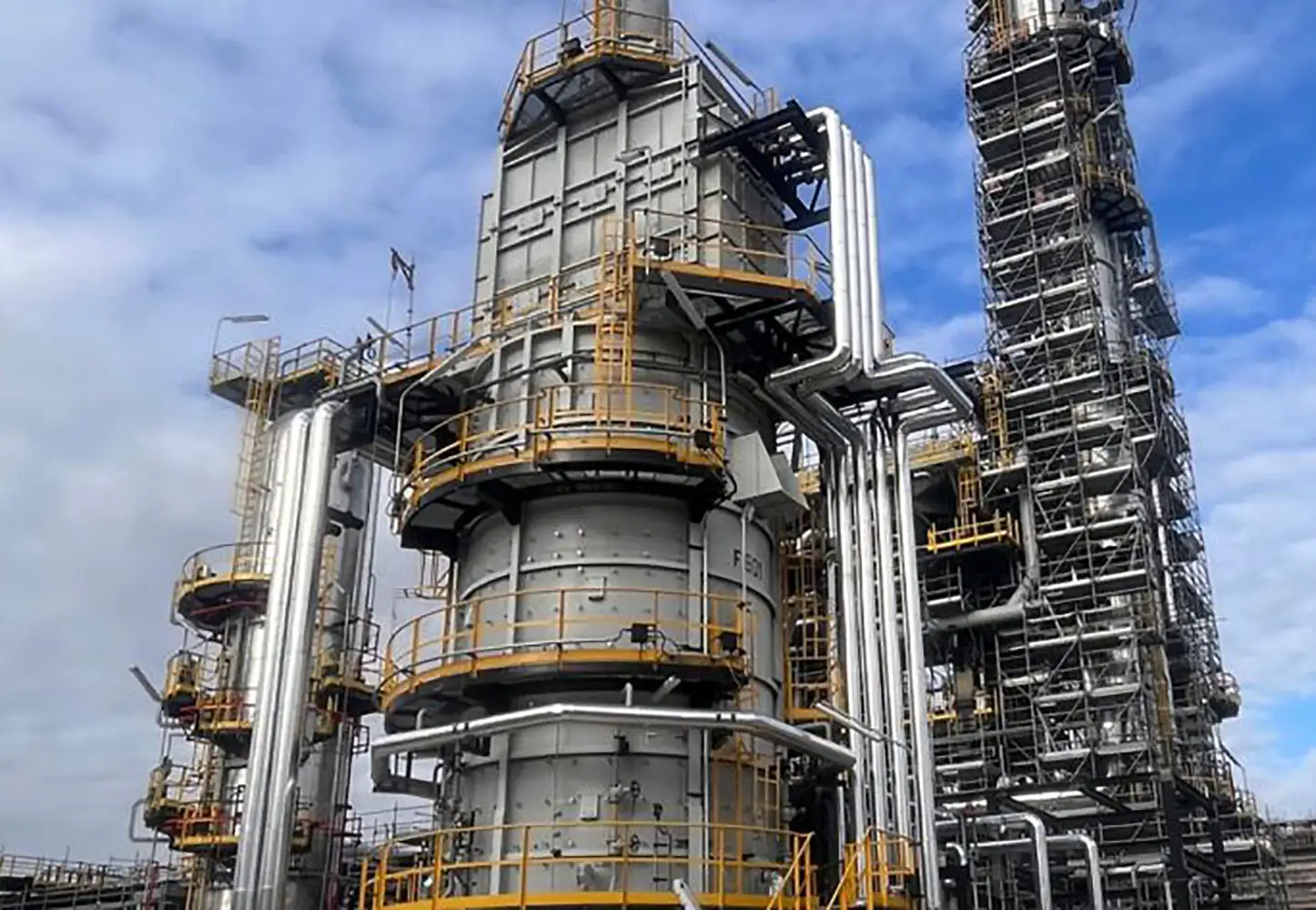
Sustainable aviation fuel production
Tripling production brings the economics closer to viability. Higher yields lower the cost per liter of fuel because fixed equipment costs and overhead are amortized over more product. At the same time, better energy efficiency reduces operating expenses. The net effect is smaller renewable-power requirements and reduced capital intensity for the same fuel output — a meaningful step toward commercial feasibility.
Policy and market context
Technology alone doesn't determine adoption. Policy signals — carbon pricing, fuel standards, and incentives for carbon capture and utilization — shape markets. A more efficient CO2-to-fuel pathway raises the chance that policymakers will see CO2-derived fuels as a credible tool in decarbonization portfolios. Markets for sustainable aviation fuel and advanced biofuels are nascent but growing; a scalable CO2 conversion route could expand supply without competing for arable land.
Engineering and scale-up challenges
Scaling from a bench reactor to a plant introduces a cascade of challenges. Materials that behave well under a few square centimeters may face heat, mass transport and corrosion problems at square meters. Electrolyte management at scale matters: balancing ion transport, avoiding carbonate precipitation, and preventing membrane fouling are nontrivial problems. Manufacturing the catalyst at kilogram-to-ton scales while retaining its atomic or nano-structured features is another obstacle. Finally, integrating with CO2 sources — direct air capture, industrial point sources, or biogenic streams — requires matching purity, intermittent supply and logistics.
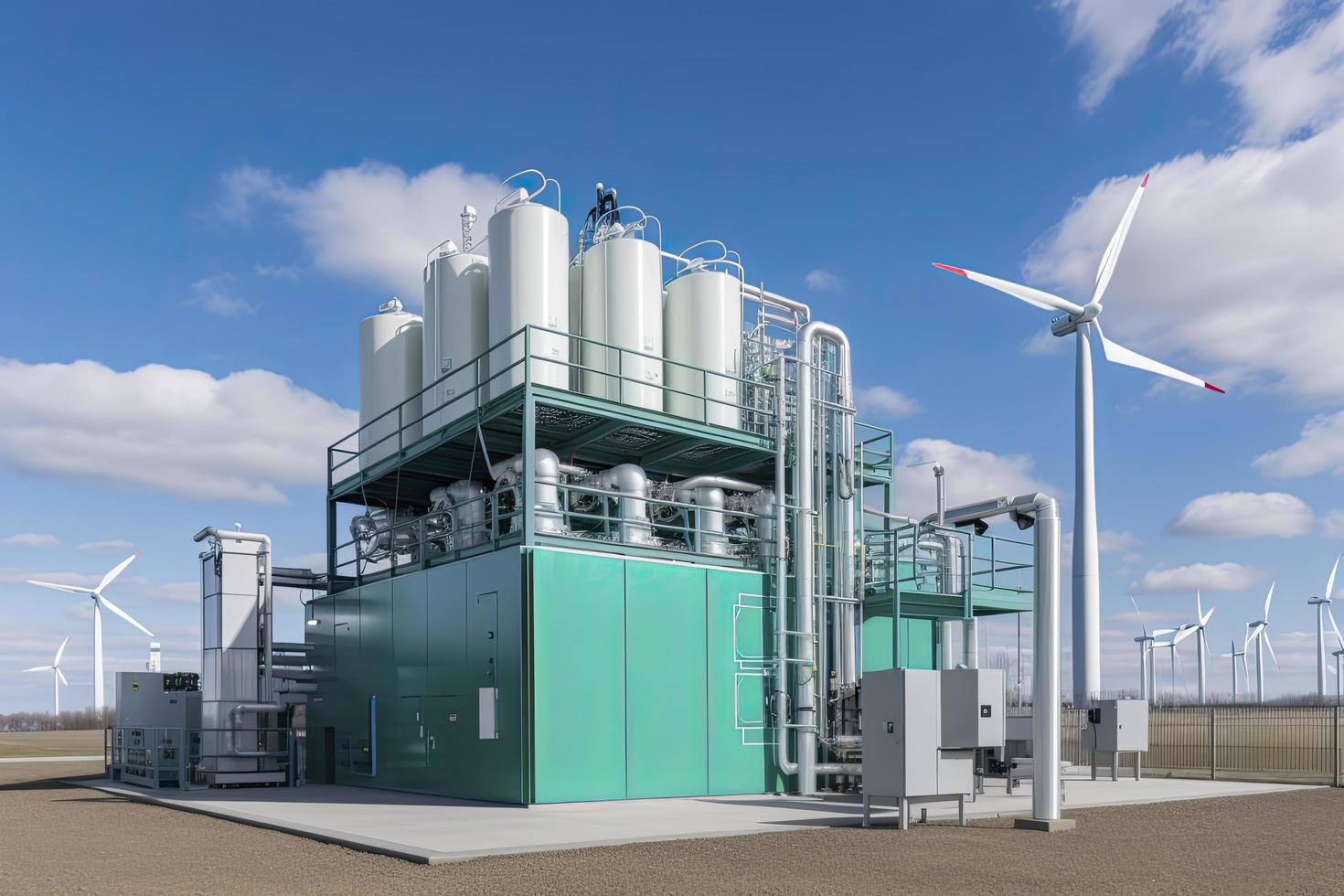
Renewable fuel manufacturing facility
Economic outlook and what it would take to compete
For CO2-derived fuels to compete with fossil fuels, three things are necessary: cheap low-carbon electricity, inexpensive CO2 feedstock, and durable, low-cost catalysts and reactors. Each factor has its own timeline: renewable electricity costs have fallen dramatically and continue declining; CO2 capture costs are dropping as direct-air-capture and point-source capture technologies improve; and materials manufacturing is benefiting from advances in scalable nanomaterial synthesis. Together they define a pathway toward breakeven in certain niche markets first — for example, sustainable aviation fuels where high value and regulatory demand justify premium prices.
Environmental trade-offs and lifecycle thinking
Not all CO2-derived fuels produce the same climate benefit. The carbon accounting depends on the source of electricity, the origin of the CO2, and the full lifecycle of construction and operations. If fossil-powered electricity drives the process, lifecycle emissions can be worse than conventional fuel. If renewable electricity is used and CO2 is sourced from industrial capture or direct air capture, the lifecycle balance can be strongly positive. Lifecycle assessments must therefore be front and center when judging the environmental value of any commercial deployment.
What comes next: research and timelines
The immediate next steps are predictable: longer-duration tests to verify catalyst durability, pilot-scale demonstrations to reveal engineering pitfalls, cost breakdowns to locate the most expensive components, and integration tests with real-world CO2 sources. If everything trends favorably, commercial pilot plants could follow within a few years; full industrial deployment would likely take longer, depending on financing, policy support and market demand.
Research will also explore variations of the current approach: different catalyst chemistries for specific fuel targets, coupling with biological upgrading strategies, and hybrid systems that blend electrochemical and thermochemical conversion stages to exploit the strengths of both.
"This advancement shows how a systems-level approach — aligning molecules, materials and engineering — can multiply impact beyond what incremental chemistry alone can achieve."
Conclusion — why this matters
This breakthrough is not a final solution but a significant inflection point. Tripling fuel production in the lab under comparable conditions is the kind of multiplier that changes the conversation from theoretical possibility to practical consideration. It lowers economic and energy hurdles, draws attention to integration challenges that can now be prioritized, and widens the menu of decarbonization options. For a world racing to cut emissions, advances that convert waste CO2 into useful energy carriers deserve attention — measured optimism, careful lifecycle analysis and rapid but cautious pursuit of scale.
- Scientists engineered a catalyst-plus-reactor system that stabilizes key intermediates and improves CO2-to-fuel selectivity.
- The integrated approach — catalyst design, flow reactor, and tandem conversion — produced roughly three times more fuel per unit energy in lab tests.
- Major hurdles remain: long-term stability, cost, scalable manufacturing and lifecycle carbon accounting.
- If scaled with low-carbon electricity and affordable CO2, the approach could supply niche high-value fuel markets and support decarbonization of hard-to-electrify sectors.
Illustrative lab results and conceptual diagrams accompany the advance in technical reports and presentations.