Latest Articles
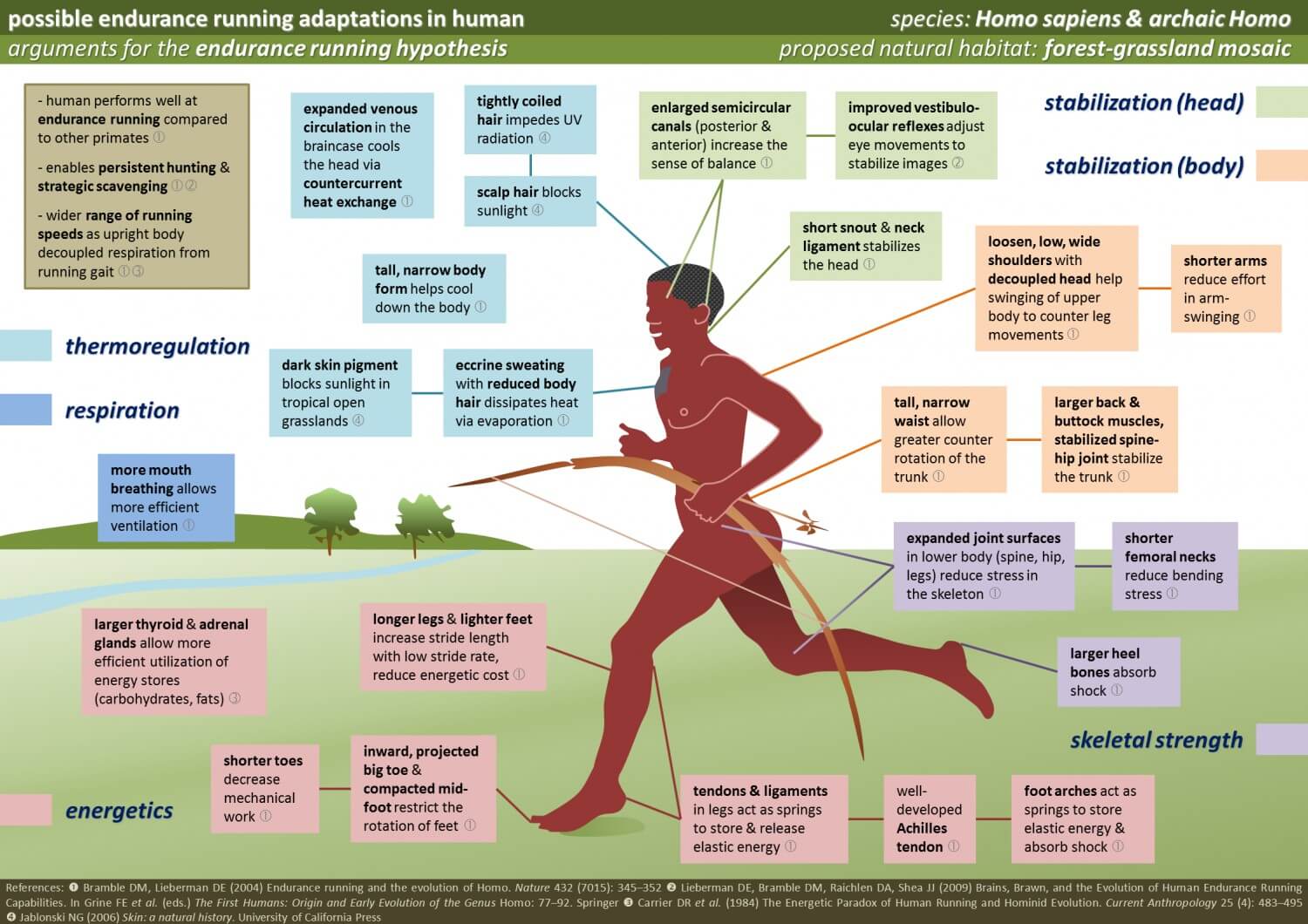
Why Humans Are Elite Endurance Runners — The Biology of Persistence
Humans are among the planet’s top endurance runners because of a suite of anatomical and physiological adaptations—slow-twitch muscle composition, efficient thermoregulation via sweating, elastic tendons, and energy-efficient biomechanics—that together enabled persistence hunting and modern long-distance performance.
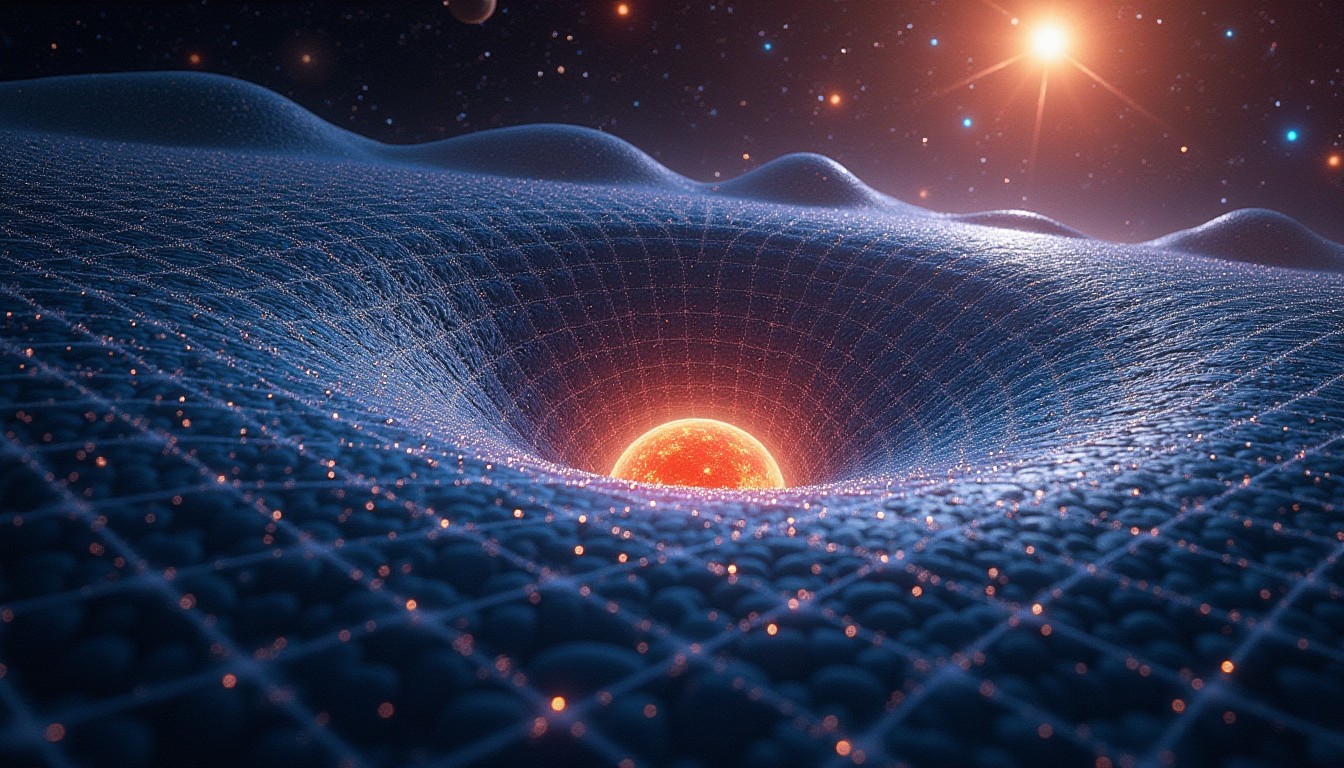
Einstein's Relativity: Why the Past Still Exists
Einstein's relativity reframes time as a four-dimensional landscape in which past, present, and future are coordinates rather than fleeting moments. This article unpacks the physics, philosophy, and human meaning behind the idea that the past 'still exists.'

The Scientist Who Risked Everything for Discovery
A gripping feature about a microbiologist who put his life on the line to recover rare specimens from a failing deep-sea submersible — and how that single act reshaped scientific priorities, ethics, and what we owe the people who advance knowledge. It examines the human cost, institutional choices, and the breakthroughs that followed.

Humans Age in Bursts: Stanford Finds Shifts at 44 and 60
A recent Stanford analysis suggests human aging may occur in sharp physiological leaps rather than a smooth decline, with notable accelerations around ages 44 and 60. This feature unpacks what those bursts might mean, how researchers measure them, and practical implications for health, prevention, and future research.
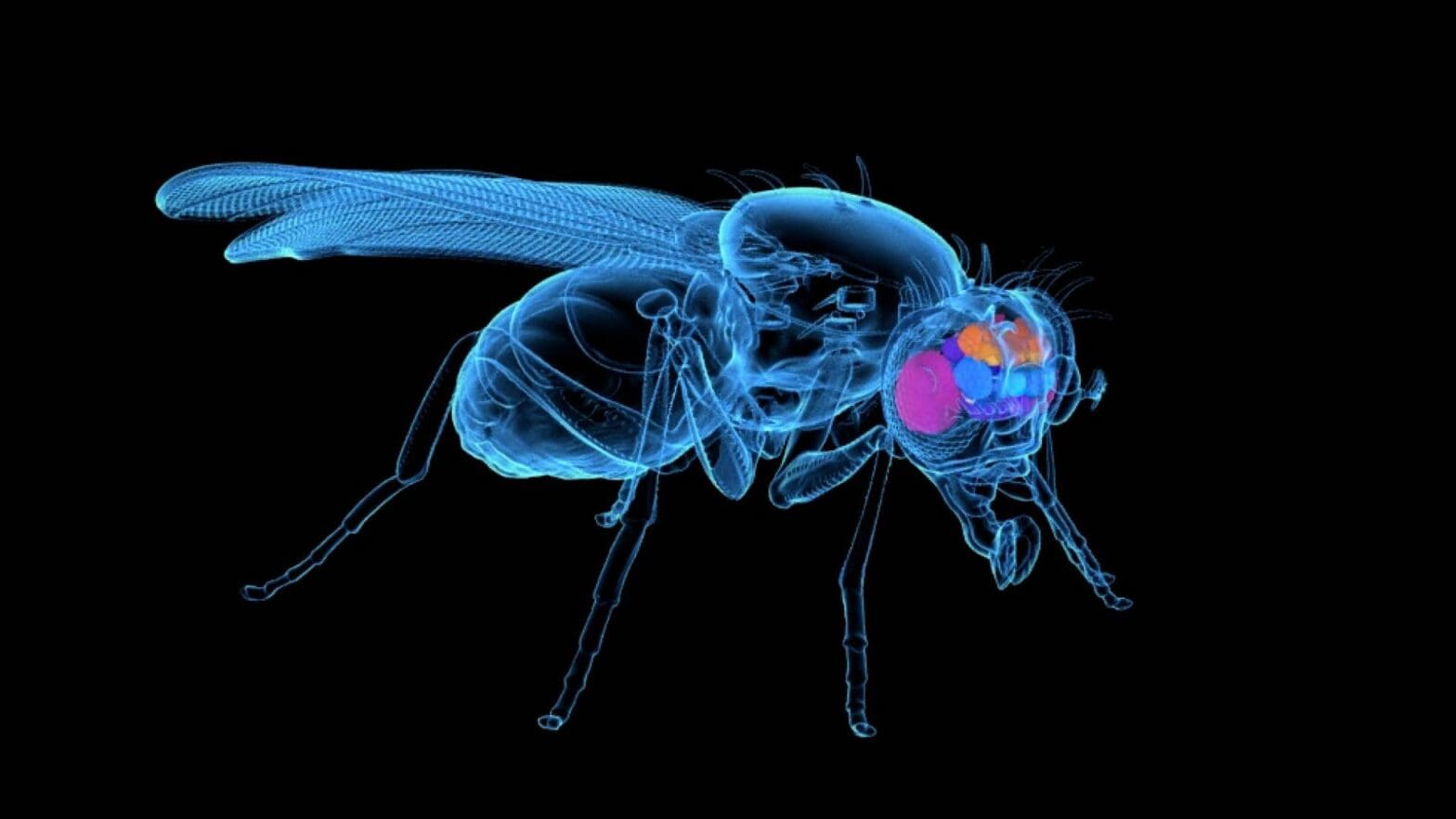
Eon Systems Emulates a Fruit Fly Brain — Neuron by Neuron
Scientists at Eon Systems recreated a fruit fly's brain neuron by neuron inside a computer, producing spontaneous behaviors such as walking, grooming, and feeding—offering a new experimental platform for neuroscience and prompting urgent questions about simulation, scale, and ethics.
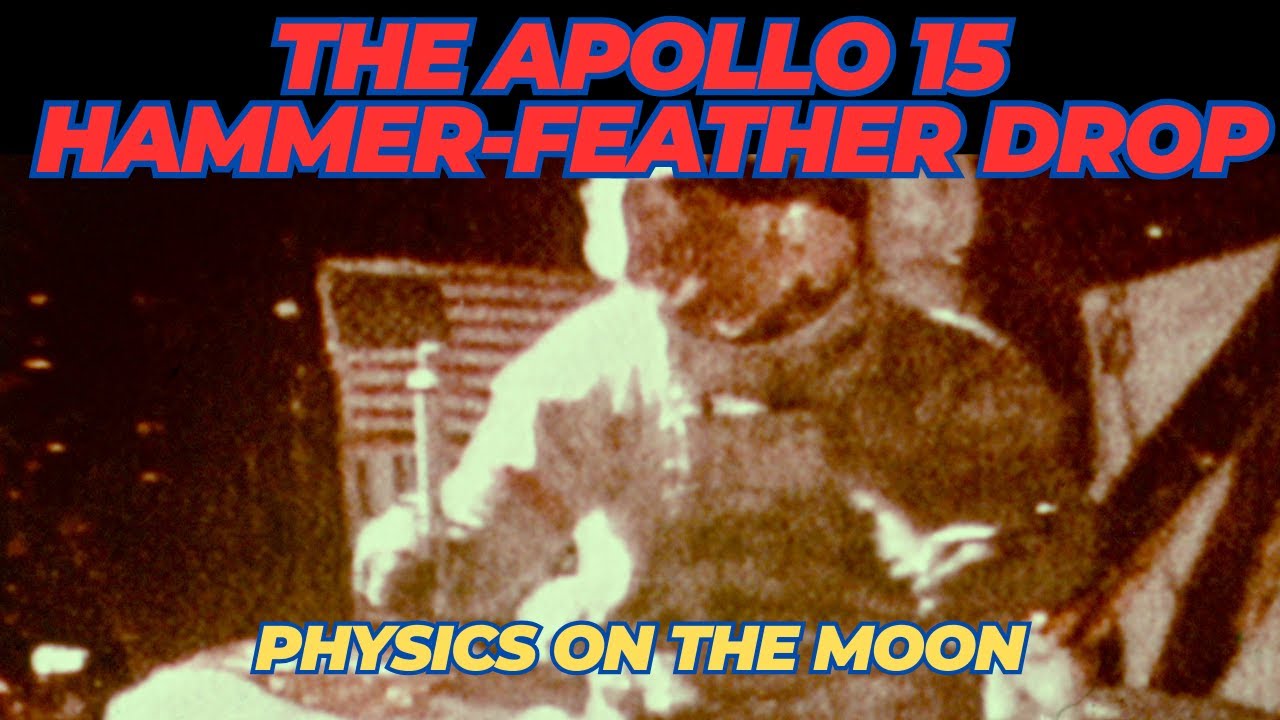
Scott's Moonfall: Apollo 15 Hammer and Feather Demonstration
During Apollo 15 in 1971, Commander David Scott recreated Galileo's legendary experiment by dropping a hammer and feather on the Moon to show that, in the absence of air resistance, objects fall at the same rate. The act was both a simple physics demonstration and a poetic homage that linked centuries of scientific insight to humanity's first voyages beyond Earth.