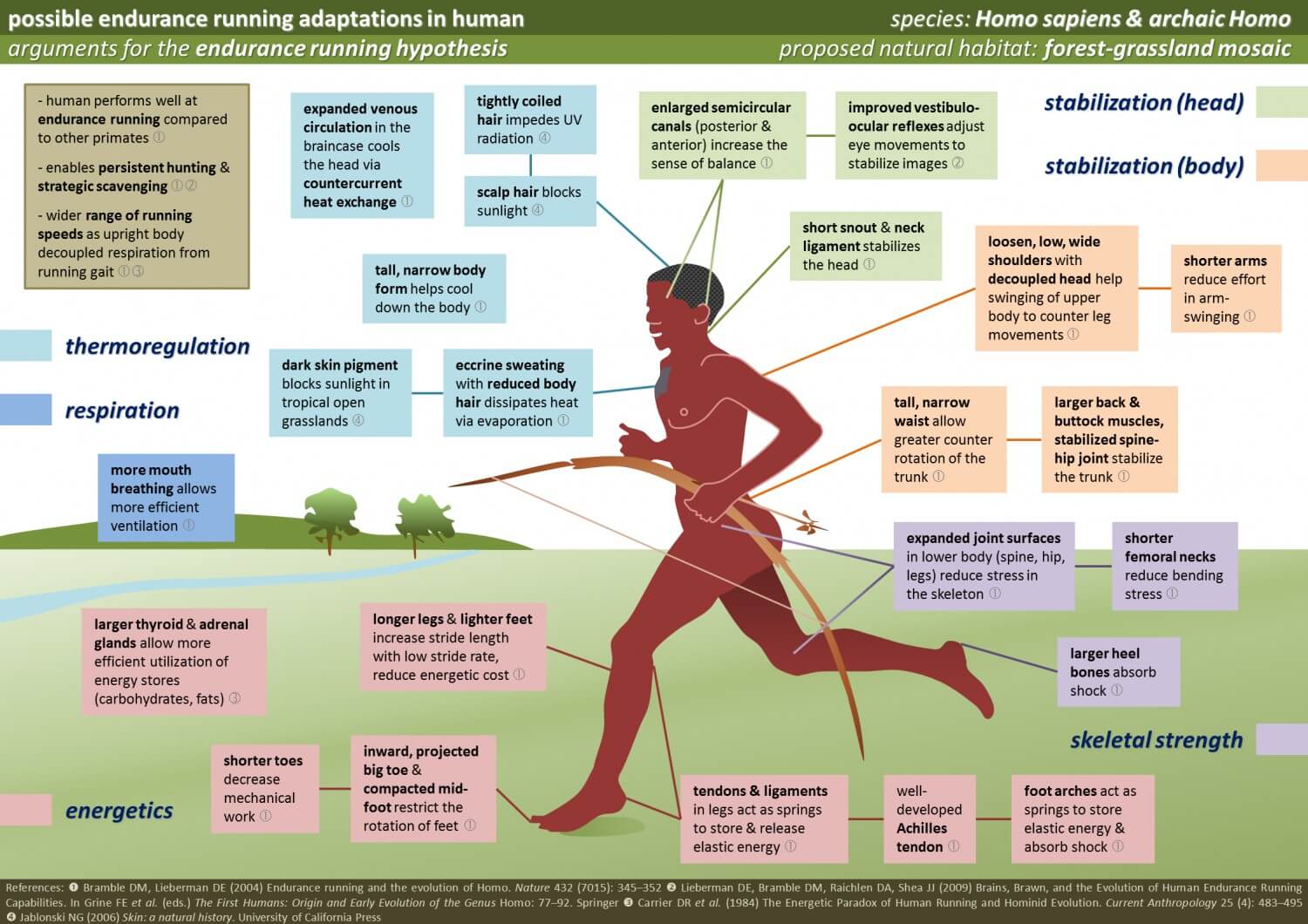
Why Humans Are Elite Endurance Runners
One late African afternoon, a small band of hunter-gatherers began to track a weary antelope. The animal could sprint faster, but it could not sustain a steady trot beneath a baking sun. The hunters maintained a measured pace, shading their eyes and swapping positions. Hours later, the animal collapsed from heat and exhaustion—and the humans carried home meat. That scene, reconstructed from ethnography, physiology, and anatomy, points to a striking truth: humans are wired for endurance. We are not the fastest mammals on earth, but every element from our muscles to our sweat glands makes us exceptional at going the distance.
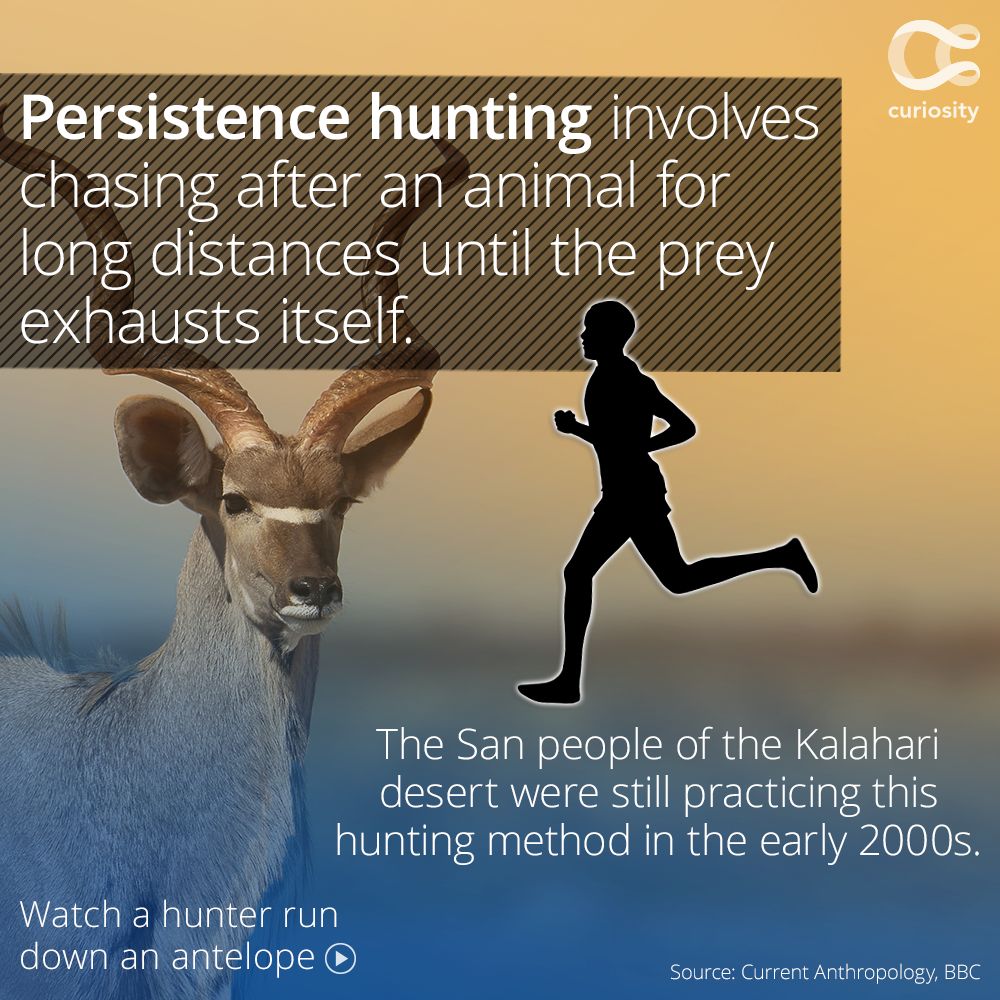
Persistence hunting heat exhaustion
Evolutionary Context: How Running Shaped Human Survival
The story of human endurance running is an evolutionary narrative about survival in hot, open landscapes. Long before organized sport, persistence hunting—the practice of chasing prey until it succumbs to heat stress or exhaustion—was a viable strategy for early Homo. That strategy required an organism built not for short, explosive bursts, but for sustained locomotion through heat and over uneven ground. Over hundreds of thousands of years, selection favored features that increased efficiency, heat dissipation, and the ability to rely on aerobic metabolism instead of anaerobic sprints.
Slow-Twitch Muscle Fibers: The Engine for Distance
Muscles are not uniform. They contain a mix of fiber types: fast-twitch fibers that generate quick explosive power and slow-twitch fibers that are fatigue-resistant and optimized for sustained force. Humans have a relatively high proportion of slow-twitch (type I) fibers in muscles used for posture and locomotion. These fibers have abundant mitochondria and capillaries, enabling steady aerobic ATP production and efficient use of oxygen—perfect for long-distance walking or running.
Slow-twitch fibers also rely more heavily on fat oxidation and conserve glycogen, allowing humans to keep moving for hours without the immediate collapse caused by anaerobic byproducts. The upshot is an engine built for economy: you use less energy per kilometer at moderate paces than a similarly sized sprinter or a cursorial predator built for burst speed.
Humans trade sprinting speed for stamina—our physiology favors steady power over explosive bursts.
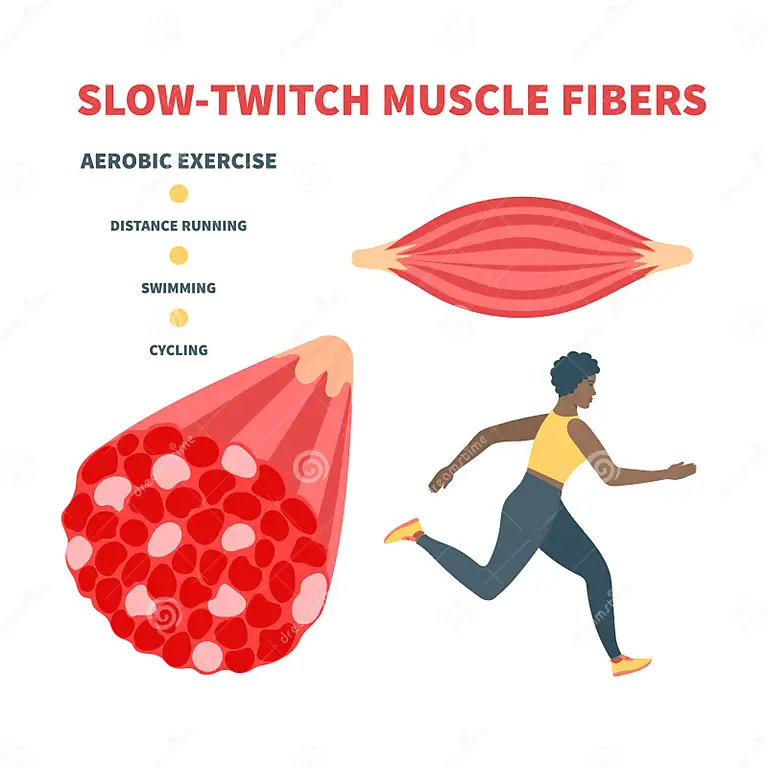
Human slow-twitch muscle fibers
Thermoregulation: Sweating Makes the Difference
Running long distances in heat is a thermoregulatory problem: metabolic heat must be shed faster than it accumulates. Unlike most mammals that rely on panting or localized sweating, humans have a unique, body-wide network of eccrine sweat glands. These glands produce a watery sweat that evaporates from the skin surface, dissipating heat efficiently. Evaporation is far more effective than panting because it cools the whole body at once and does not interfere with breathing during sustained pursuit.
Sweating creates a synergy with our upright posture. Standing tall reduces solar heat load on the body surface compared with a low-slung quadruped, and increased airflow across the skin while moving aids evaporative cooling. Combined, these adaptations allow humans to run long distances in hot conditions that incapacitate many other mammals.
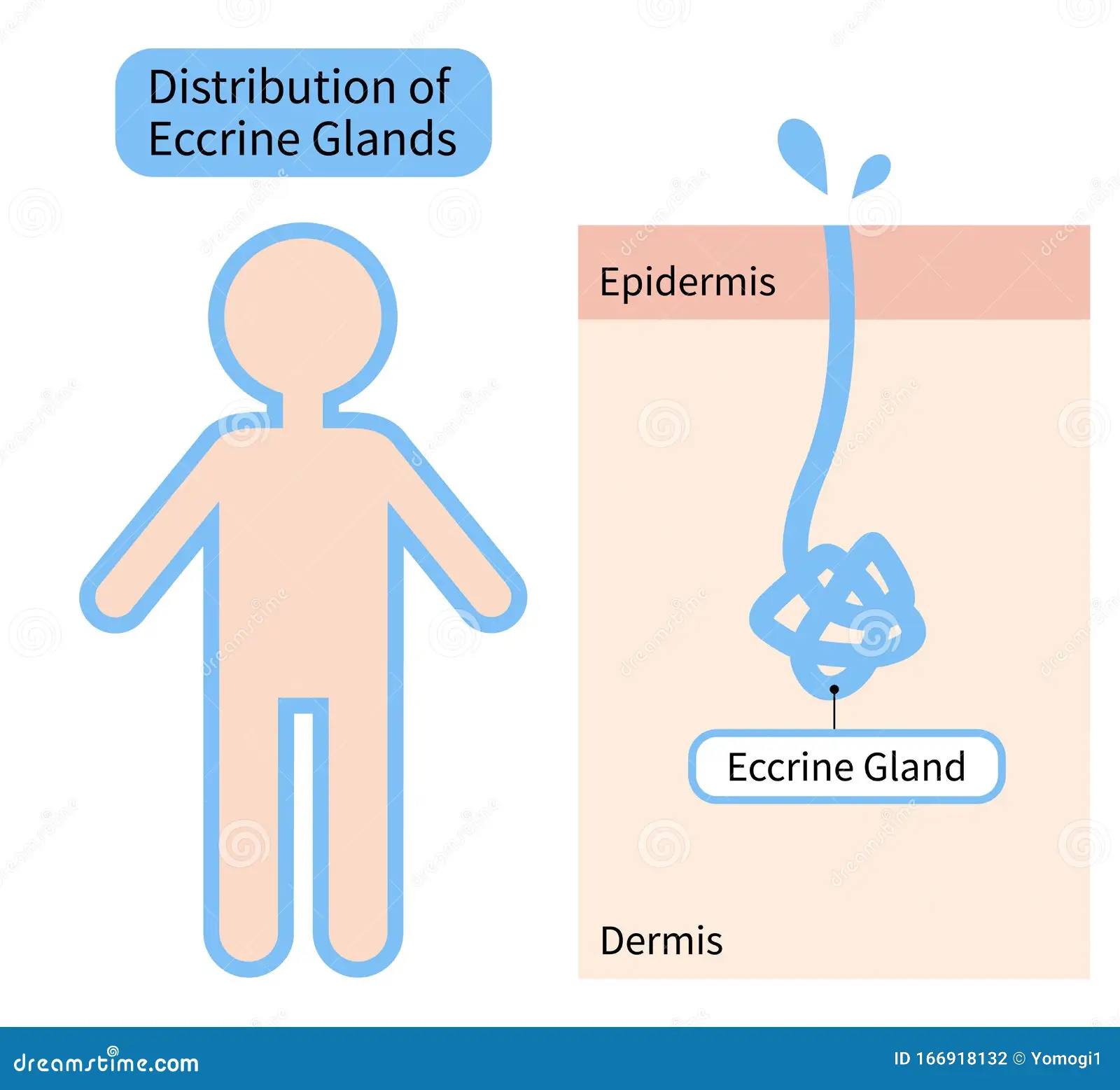
Human eccrine sweat glands
Anatomical Specializations That Aid Endurance
Elastic Tendons and Energy Recycling
Efficient running is not just about muscles; tendons act like springs. The Achilles tendon and the plantar aponeurosis store elastic energy when the foot strikes and release it during push-off. This elastic recoil reduces the metabolic cost per stride—less muscular work is needed to propel the body forward. In humans, long and compliant tendons optimize this mechanism, particularly at moderate running speeds typical of endurance activities.
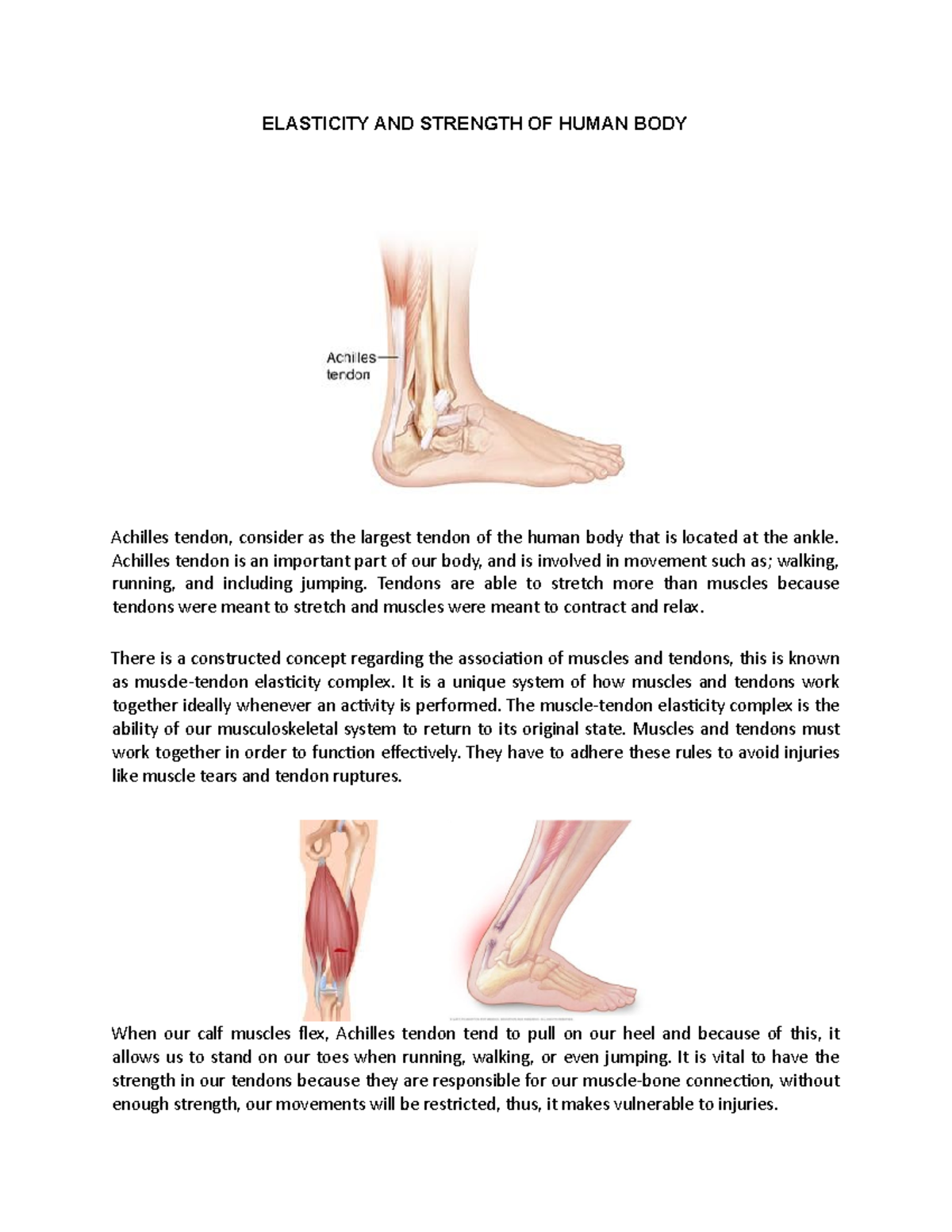
Human Achilles tendon elasticity
Nuchal Ligament and Head Stabilization
Runners need stable vision. The human nuchal ligament—prominent compared to other primates—helps stabilize the head during locomotion, minimizing bobbing and preserving visual tracking. This stability would have been crucial for persistence hunting: keeping eyes on the prey while moving for hours increases the hunter’s chances of maintaining contact and making tactical decisions.
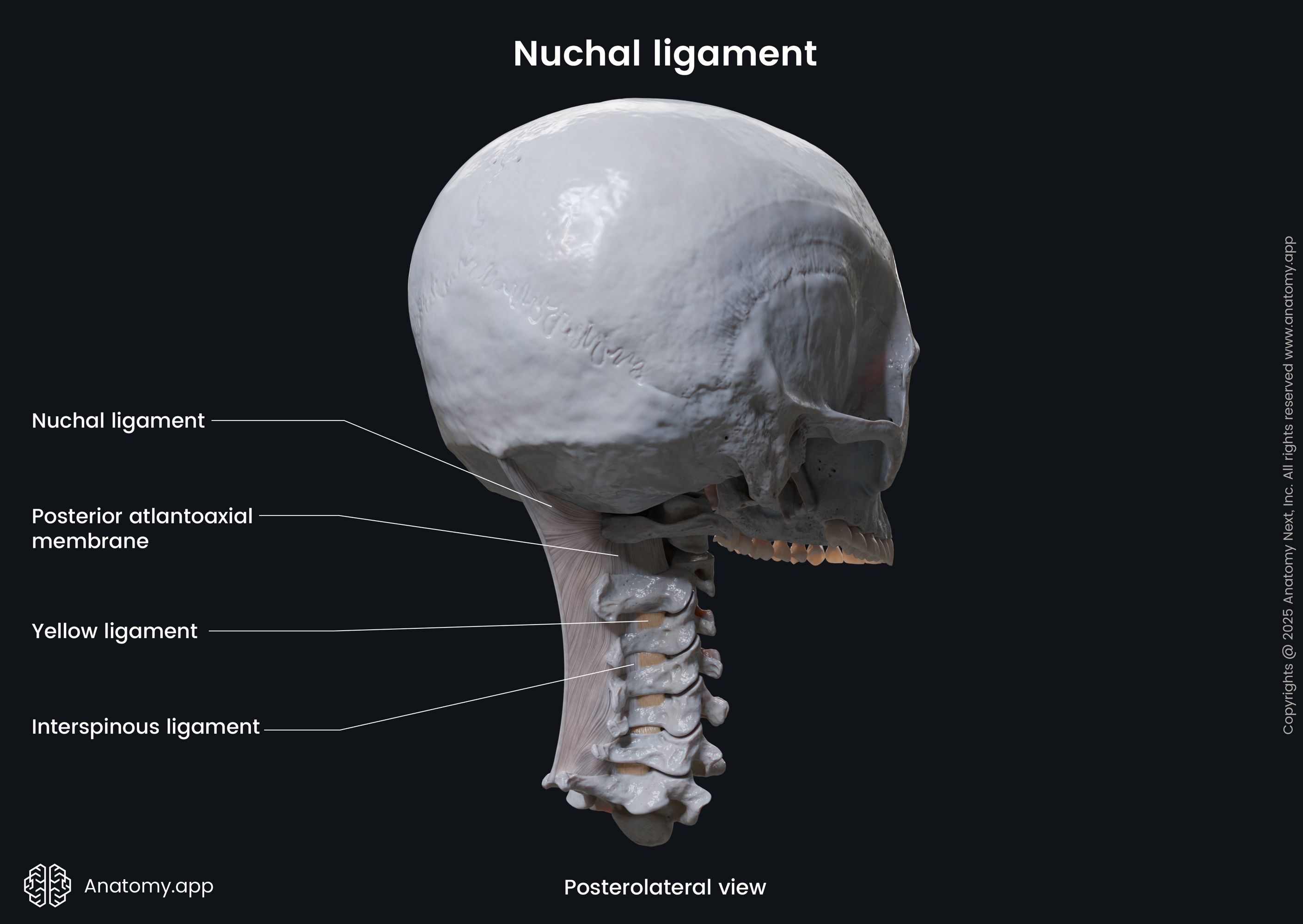
Human nuchal ligament head stability
Foot Design and Shock Absorption
Human feet combine a rigid arch for force transmission and a flexible midfoot for shock absorption. The heel strike, long Achilles, and aligned toes allow for a stride that balances cushioning and propulsion. While barefoot running advocates highlight the foot’s natural mechanics, the real evolutionary win is in the overall package: feet that endure miles of uneven terrain without catastrophic injury in most contexts.
Physiology in Practice: VO2, Lactate, and Energy Economy
Aerobic Capacity and Sustainable Power
Endurance depends on more than raw oxygen uptake (VO2 max); it depends on how efficiently that oxygen is used at submaximal intensities. Humans exhibit a wide range of VO2 max values, and elite endurance athletes reach very high values. But for persistence hunting and everyday endurance, two additional metrics matter more: running economy (how much oxygen is used at a given speed) and lactate threshold (the intensity at which anaerobic metabolism sharply increases).
Because our muscles are primed for aerobic metabolism, humans can operate at a high fraction of their VO2 max for extended periods. The lactate threshold shifts with training but is also supported by an abundance of slow-twitch fibers and capillary networks that shuttle oxygen and remove metabolic byproducts effectively.
Fueling the Engine: Fat Oxidation and Glycogen Sparing
One reason humans can go for hours is metabolic flexibility. Slow-twitch fibers oxidize fatty acids efficiently, sparing limited glycogen stores. Fat provides a nearly inexhaustible fuel source compared to carbohydrate reserves, and training enhances the muscles’ ability to draw from fat. The practical effect: long-distance efforts become less dependent on constant carbohydrate consumption and more sustainable on endogenous stores and intermittent feeding.
Comparisons: Where We Stand Among Mammals
When you put humans next to other mammals, the contrast is revealing. Cheetahs and pronghorns are faster in sprinting and maintain high speeds for short distances, but they quickly overheat or exhaust. Wolves and canids are social endurance predators that share some traits with humans—efficient trotting gaits and cooperative strategies—but they rely more on packing and repeated bursts. Horses excel at sustained trotting and galloping thanks to large body size and powerful muscles, yet they cope with heat differently and cannot sweat in the same whole-body pattern as humans.
In practical terms, humans rank near the top among mammals for the combination of heat tolerance, energy economy, and endurance over open terrain—especially under hot conditions where sweating and upright posture shift the advantage toward bipedal persistence.
The Behavioral Edge: Strategy, Cooperation, and Tools
Physiology alone doesn’t tell the whole story. Persistence hunting depended on cognition, social cooperation, and technology. Hunters used tracking knowledge, rotated runners to manage fatigue, and employed projectile weapons or traps when needed. Language and planning allowed groups to coordinate long pursuits and carry water or weapons—amplifying the biological advantages that made endurance possible.
Modern endurance sports borrow those same principles: pacing strategies, drafting, regular nutrition, and team support structures turn raw biology into sustained performance.
Training and Modern Implications
Today’s runners tap into the same adaptations with training methods that emphasize aerobic base, muscular endurance, and heat acclimation. Regular long runs, tempo workouts, and strength training enhance slow-twitch recruitment, tendon resilience, and running economy. Heat acclimation—gradually exposing the body to higher temperatures—improves sweat response and plasma volume, practically recreating some evolutionary conditions that favored endurance.
There are also public health implications. Activities that engage the body’s endurance systems—walking, jogging, cycling—improve cardiovascular health, metabolic flexibility, and mental resilience. Our evolutionary heritage made us a species that thrives in motion; modern sedentary lifestyles go against that grain.
Limits and Trade-Offs
Humans are exceptional at endurance, but that comes with trade-offs. Our sprinting speed is limited compared with specialized predators. Long-distance running also exposes joints and tendons to repetitive stress, and without proper training and recovery, injury risk rises. Furthermore, heat and humidity extremes still impose limits; sweating is powerful only when evaporation is possible—high humidity blunts that advantage.
- Thermoregulation: Whole-body sweating enables prolonged exertion in heat.
- Muscle economy: High slow-twitch content favors endurance.
- Elastic recoil: Tendons reduce metabolic cost.
- Lower top speed: Not built for short bursts like cheetahs.
- Repetitive strain: Risk of overuse injuries with high volume.
- Humidity vulnerability: Evaporative cooling is less effective in humid conditions.
Evidence in Modern Humans and Cultures
Anthropological records and ethnographic accounts show persistence hunting in multiple regions—from African savannas to Australian deserts—well into historical times. Contemporary ultrarunners and endurance athletes demonstrate the limits of human stamina in controlled settings: 100-kilometer races, multi-day treks, and record attempts reveal how the physiology scales under modern demands. Training, nutrition, and gear amplify—but do not replace—the biological toolkit that underpins endurance.
Practical Takeaways for Runners and Non-Runners
Whether you run for sport, fitness, or curiosity, the human design yields a few practical lessons:
- Pace matters: Sustained aerobic speed is more efficient than repeated high-intensity bursts for long distances.
- Heat adaptation helps: Gradual exposure to heat increases sweat efficiency and plasma volume.
- Strength and tendon work: Exercises that strengthen the calf complex and improve tendon elasticity reduce metabolic cost and injury risk.
- Fuel for the long haul: Practice fat-adapted training and strategic carbohydrate intake to maintain energy without bonking.
Conclusion: A Species Built to Persist
Humans are not the fastest, the strongest, or the stealthiest mammals, but our evolutionary path favored a synthesis of anatomical and physiological traits that made us outstanding long-distance runners. Slow-twitch muscles, a dense network of sweat glands, elastic tendons, and stabilizing ligaments created a body optimized for steady, heat-tolerant movement. When combined with cognition, cooperation, and technology, that biology translated into effective hunting strategies and a lasting advantage for survival.
- Humans excel at endurance because of slow-twitch muscle dominance, efficient sweating, and elastic tendons.
- Thermoregulation via eccrine sweat glands is crucial: evaporation allows prolonged exertion in heat.
- Endurance is a product of physiology plus behavior—pacing, cooperation, and tools matter.
The combination of biology and behavior made persistence a viable survival strategy—and it still shapes how we move today.