Latest Articles

Scientists Solve Decades-Old CO2 Problem, Triple Fuel Output
Researchers report a breakthrough that removes a long-standing barrier in CO2 conversion chemistry, tripling fuel production in lab demonstrations by combining a new catalyst design with reactor engineering. The advance could accelerate carbon recycling and sustainable fuel manufacture if it scales.

Children’s Eyes Reveal Early Clues to Depression
Researchers are uncovering measurable signs in children's eyes that may indicate early risk for depression—offering a noninvasive window for earlier screening, better understanding of brain–body links, and new prevention pathways while raising important ethical questions.
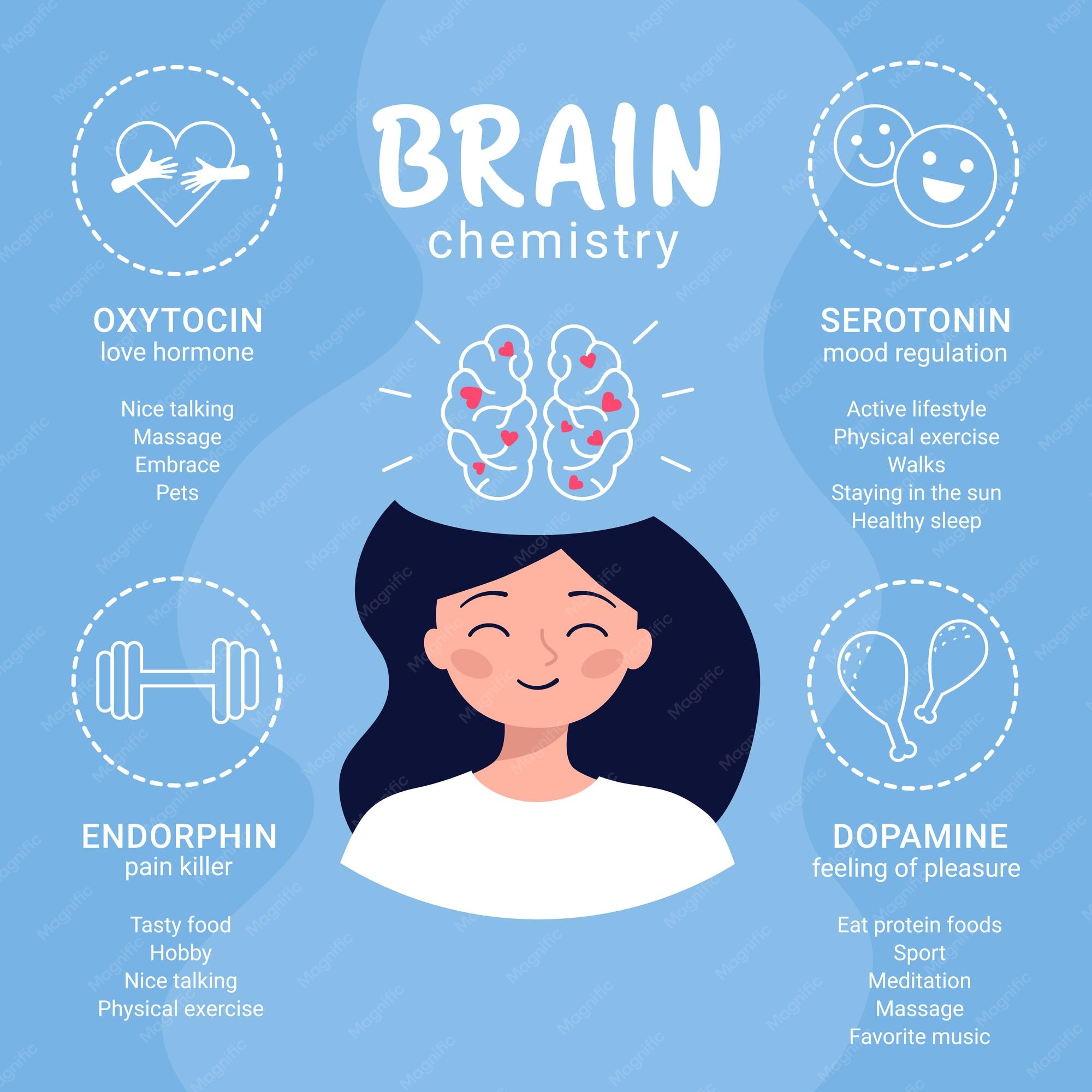
Scientists Identify Brain Chemical That Helps Break Bad Habits
Researchers have identified a neuromodulator that appears to enable the brain to restructure entrenched routines by boosting plasticity in decision-making circuits. The finding explains why certain behaviors are stubborn and points to practical ways—behavioral and lifestyle-based—to accelerate habit change.
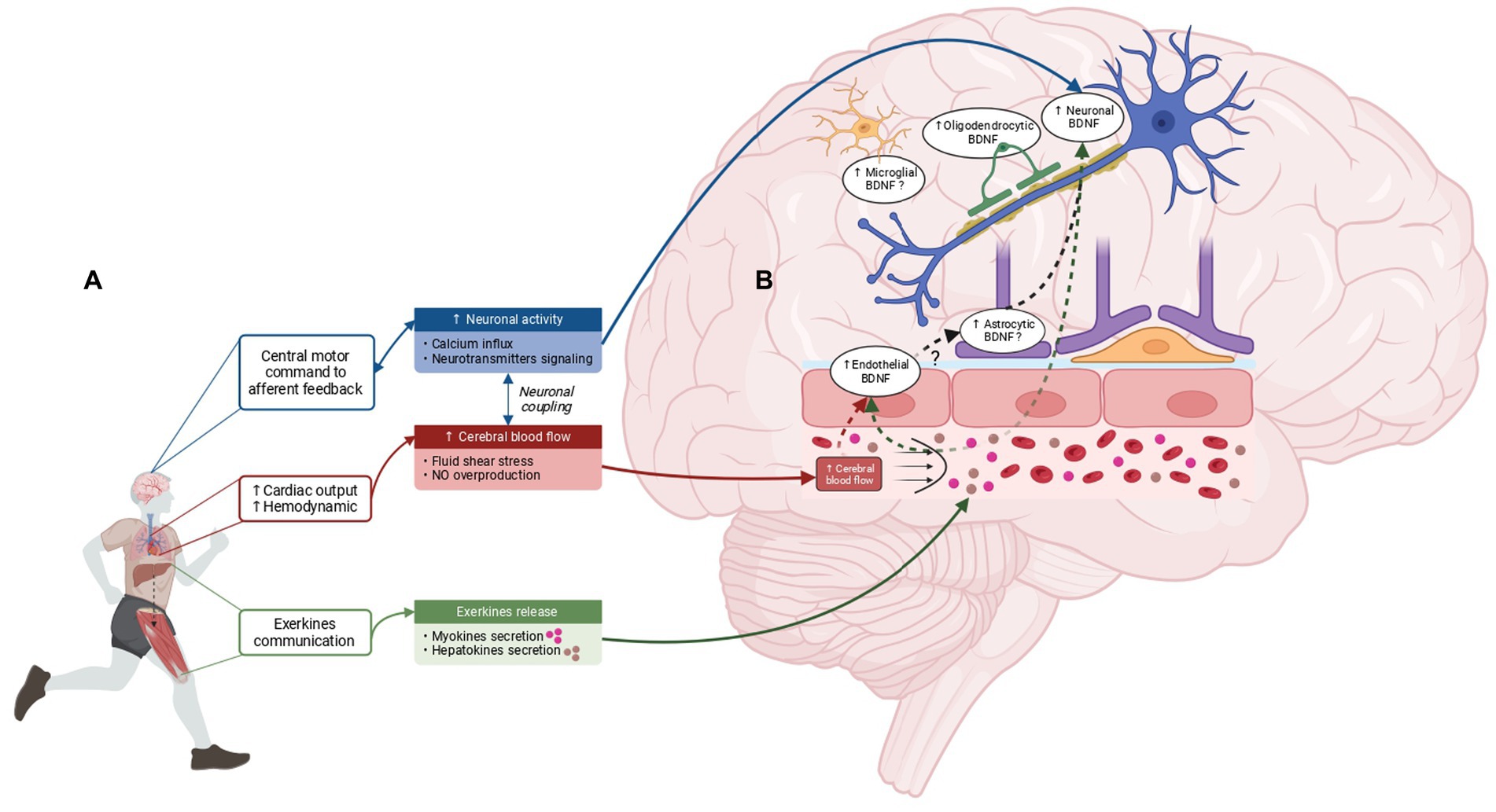
BDNF and Breaking Bad Habits: The Brain Chemical That Helps
New research highlights the role of brain-derived neurotrophic factor (BDNF) in weakening old habits and supporting new behaviors. This feature explains the neuroscience, practical ways to support BDNF, and a realistic roadmap to change.

Indonesia Volcano Emits Icy Violet Lava at Night — The Science
A striking nighttime phenomenon around Indonesia’s Kawah Ijen crater has been described as icy violet lava. The dramatic hue is real to observers but not molten rock — it’s a complex interplay of burning sulfur, optics, and camera effects. This feature unpacks the geology, chemistry, risks, and how to view it responsibly.
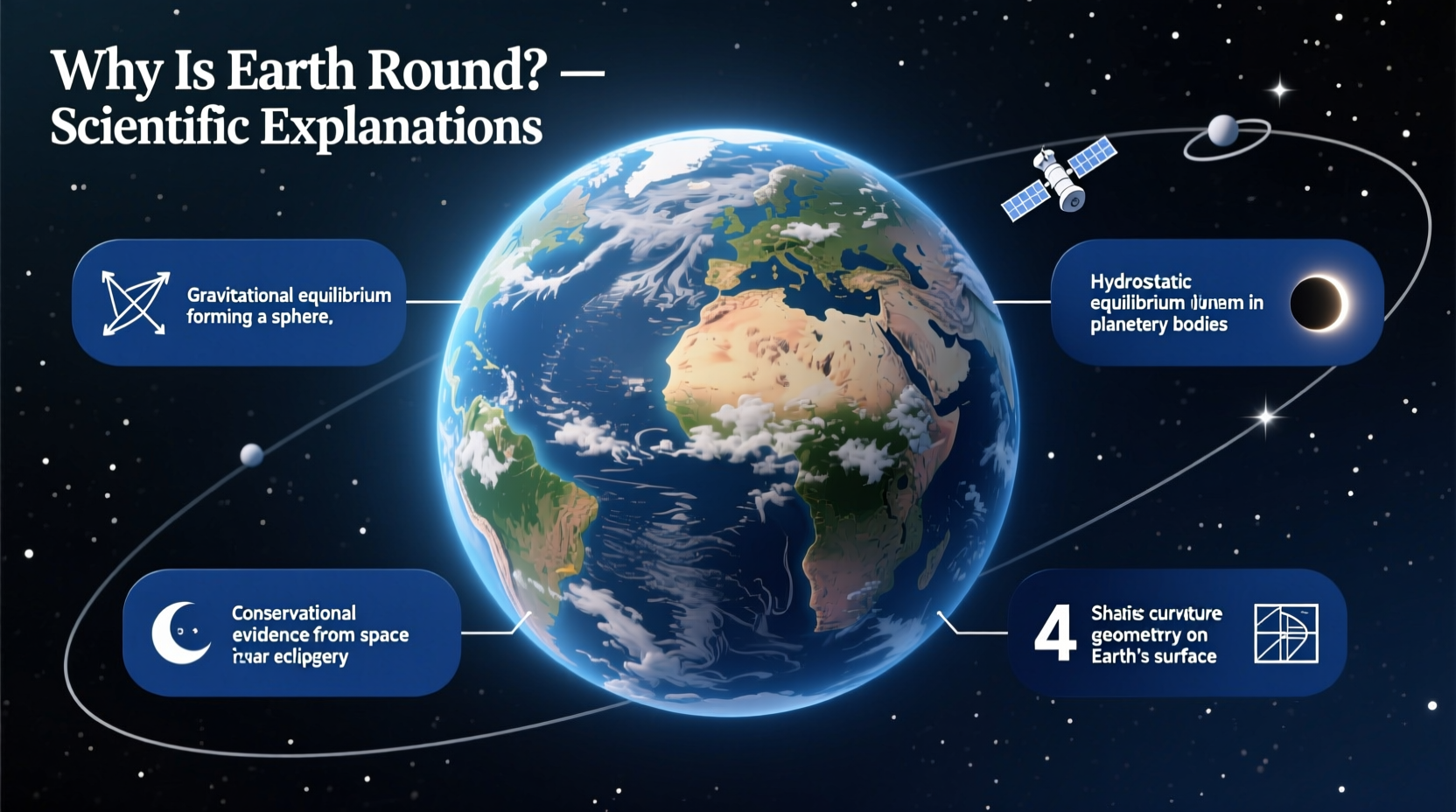
Proving the Earth Is Round: Irrefutable Evidence for Teens
A practical, parent-friendly guide that explains the clearest, most indisputable proofs the Earth is spherical, with hands-on demonstrations, everyday observations, and tips for talking with a skeptical teenager.