Latest Articles
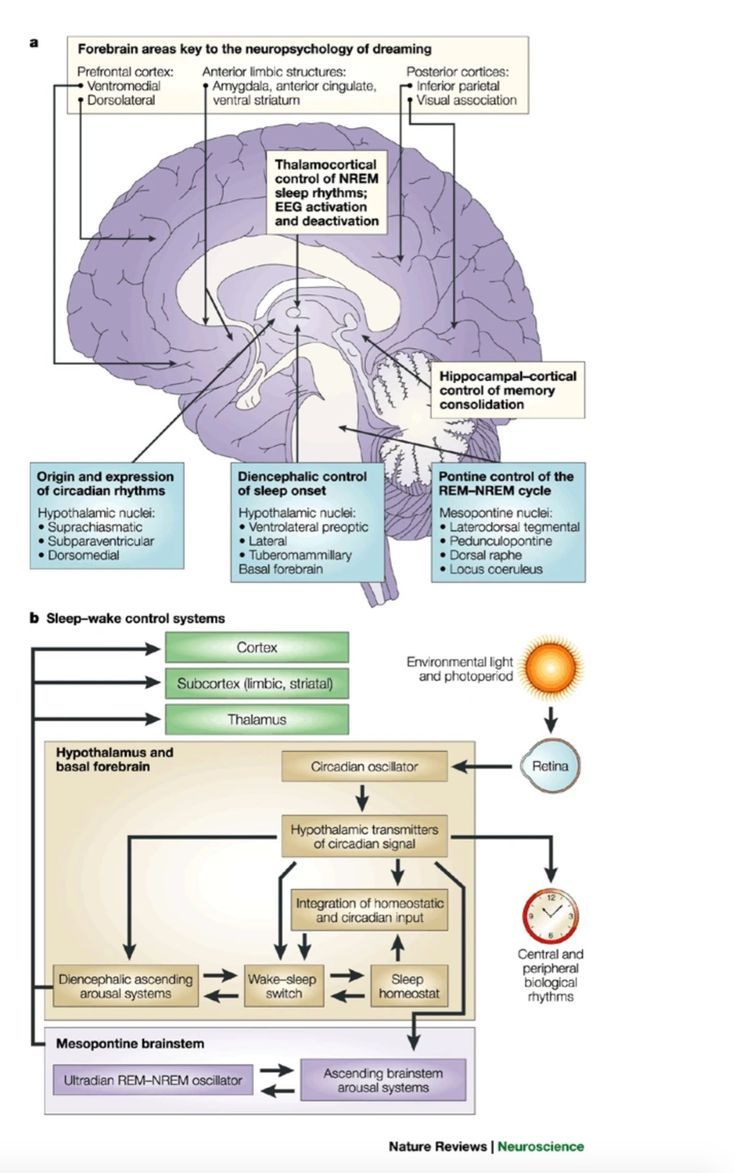
How Modern Neuroscience Validates Freud's 130-Year-Old Idea
Contemporary neuroscience is converging on concepts Freud proposed more than a century ago—about unconscious processes, repression, and dynamical brain systems—recasting psychoanalytic ideas in biologically grounded language and offering new directions for therapy and research.
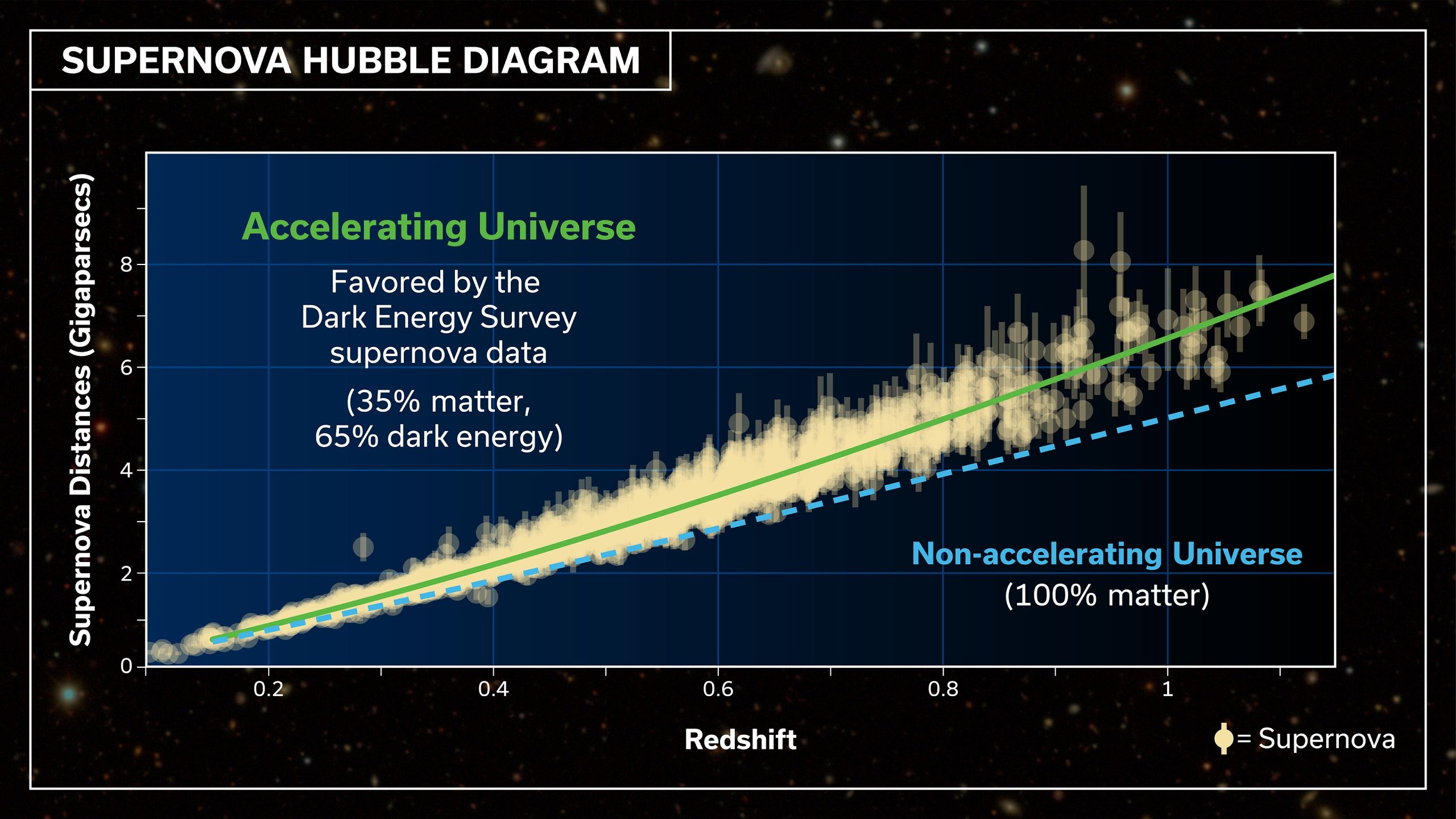
Millions of Supernovae Could Unmask Dark Energy
A forthcoming flood of supernova detections—from deep, wide sky surveys and space telescopes—will transform how cosmologists measure the Universe's expansion and probe the physics of dark energy by reducing statistical errors, mapping evolution with redshift, and exposing subtle systematics.
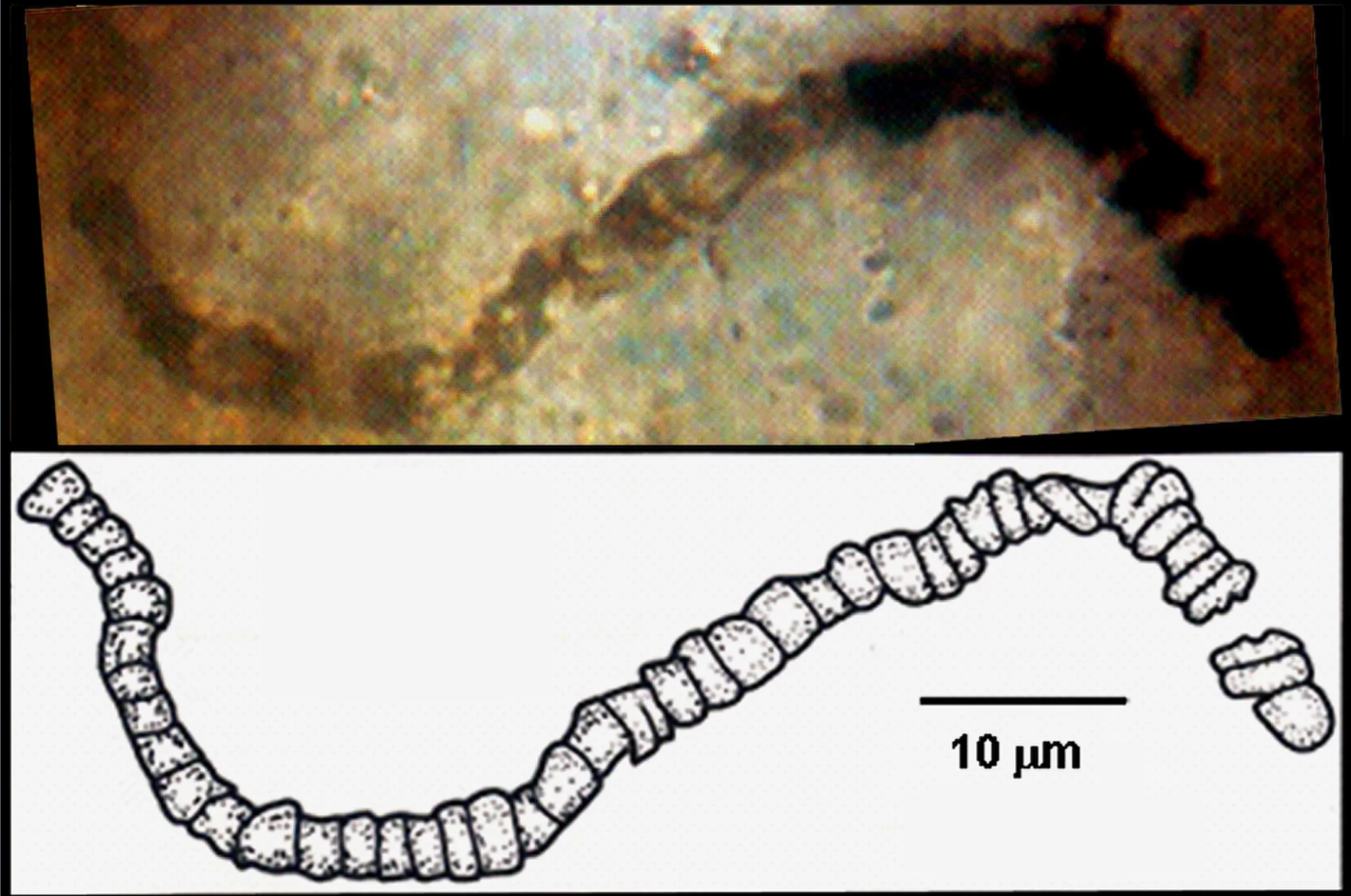
Ancient Life Found Where No One Expected
A multidisciplinary team reports fossilized microbial structures deep within crystalline continental rock—challenging assumptions about where life can persist and reshaping ideas about Earth's early biosphere and the search for life beyond our planet.
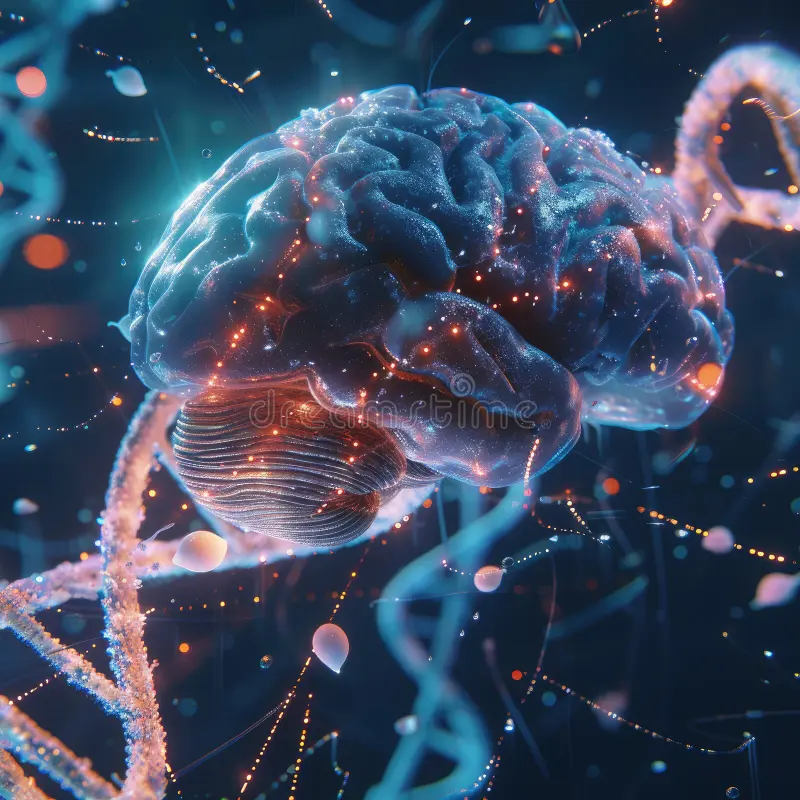
Neurons Break DNA to Build the Brain — Why It Matters
Recent neuroscience research shows that neurons intentionally create and repair DNA breaks during development and activity to regulate gene expression and sculpt neural circuits. This surprising process helps build complexity but also creates vulnerability to neurological disease when repair goes awry.
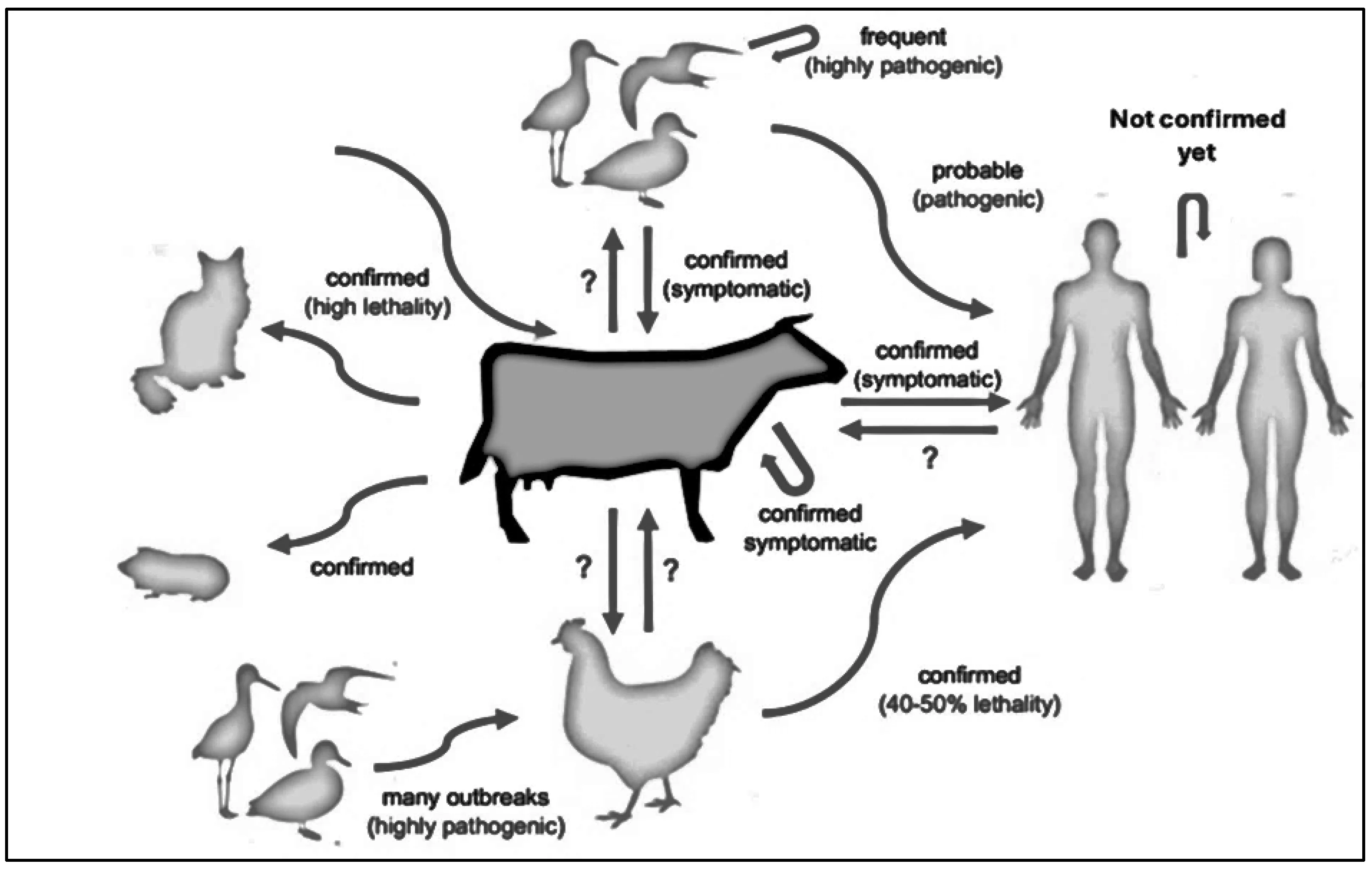
How Scientists Discovered H5N1's Hidden Spread in Dairy Cows
Researchers uncovered the biological and surveillance gaps that allowed H5N1 avian influenza to persist undetected in dairy herds, revealing implications for milk safety, farm biosecurity, and One Health preparedness.
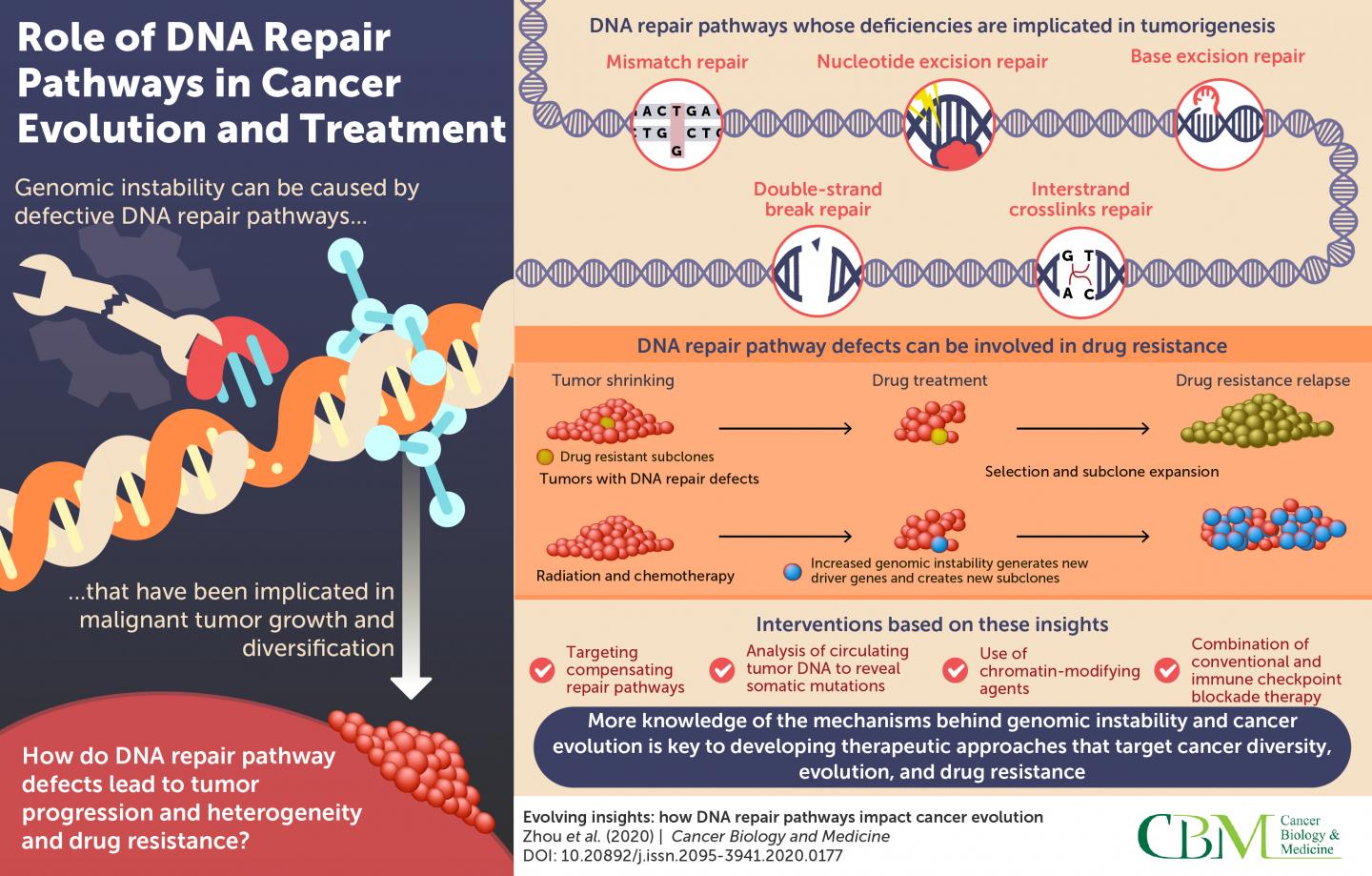
When a DNA Repair Gene Turned Rogue: A Cancer Vulnerability
A mutated DNA repair gene that once protected cells can create a fatal flaw in tumors. Understanding how repair breakdowns expose cancer to targeted therapies transforms diagnosis and treatment strategies.