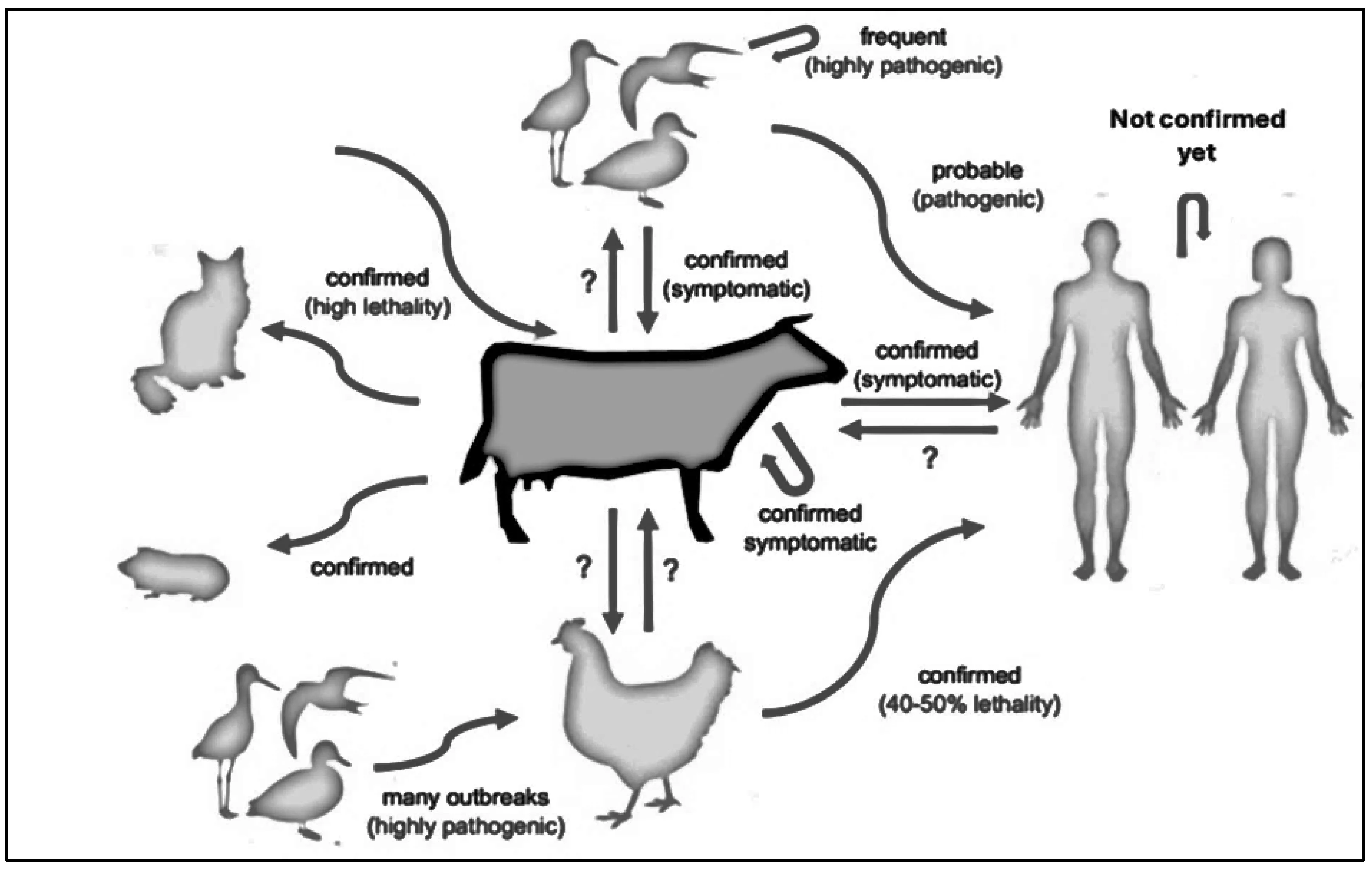
How Scientists Discovered H5N1's Hidden Spread in Dairy Cows
This story began as a quiet puzzle on farms where nothing obvious looked wrong: cows producing milk as usual, no spike in respiratory illness, and yet intermittent clusters of people with unexplained influenza-like symptoms linked to raw-milk exposure. The breakthrough came when teams of virologists, veterinarians, genomic epidemiologists and public health investigators started looking where everyone had assumed there was nothing to find — inside the mammary gland and the milk itself. What they uncovered rewrites parts of our understanding of H5N1 ecology, detection, and the thin lines between animal health and human risk.
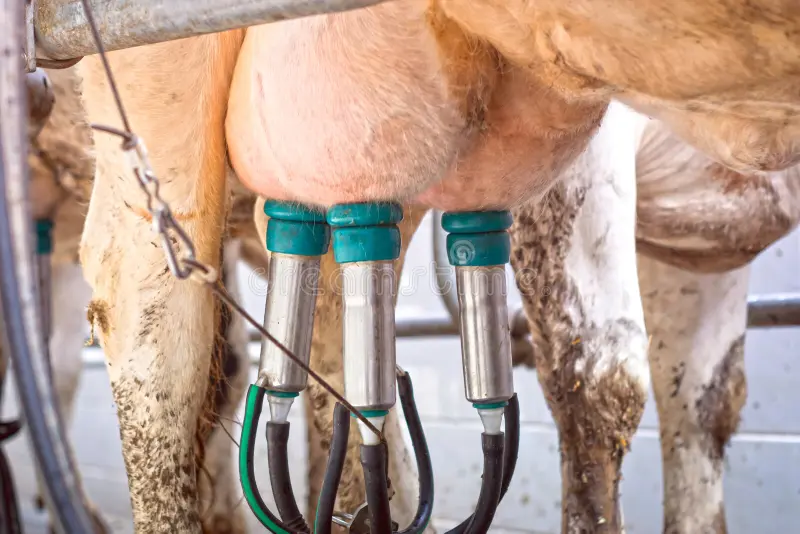
dairy cows milking udder
Background: An Unusual Animal Host
H5N1 is historically an avian virus: highly adapted to birds, occasionally spilling into mammals with often severe consequences. For decades, surveillance focused on poultry because that is where H5N1 usually lives and mutates. Cattle and dairy operations were not primary targets. When rare mammalian cases appeared, investigators looked for respiratory disease or close contact with infected birds. The idea that a bird flu virus could quietly replicate in a cow's udder and be shed in milk — without dramatic signs of systemic illness — was not part of routine thinking.
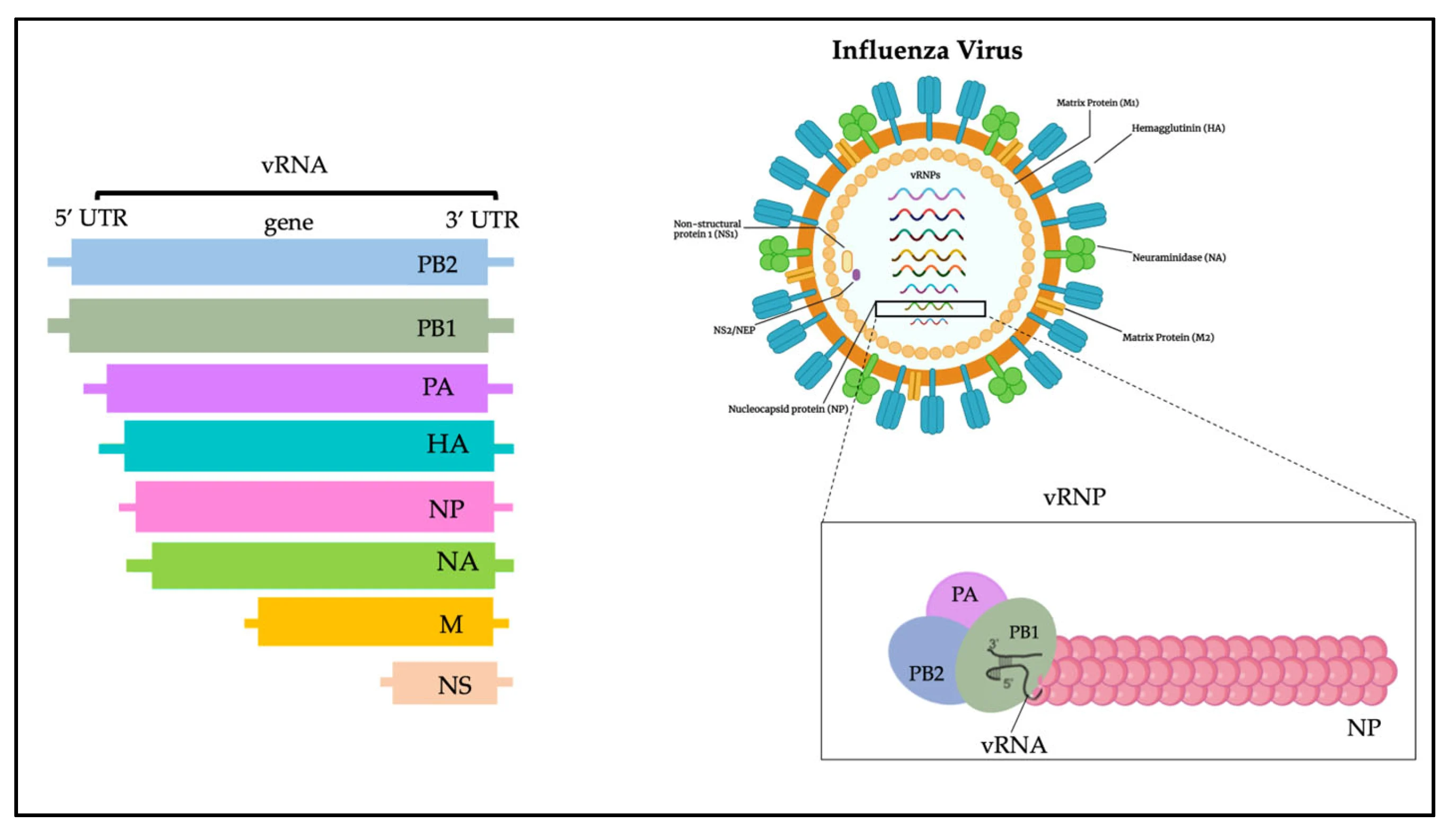
H5N1 avian influenza virus
Why the question mattered
Beyond academic curiosity, the stakes are practical. Dairy is a global food staple and an economic backbone for millions of smallholders and industrial producers alike. If a zoonotic pathogen finds a reservoir in dairy herds, it changes surveillance priorities, worker safety guidance, milk-processing rules, and even export markets. It also tests regulatory systems that were never designed to look for influenza in milk.
The Mystery: Unexplained Human Cases and Industry Blind Spots
Reports of sporadic human cases tied to raw milk consumption — sometimes with influenza viruses that had genetic hallmarks of avian origin — prompted closer scrutiny. But routine veterinary checks at affected farms rarely showed obvious disease in cattle, so many inquiries stalled. Two blind spots conspired: first, diagnostic testing at farms and labs emphasized nasal, tracheal, or fecal samples; second, dairy practice and regulatory frameworks focused on bacterial milk pathogens and milk hygiene rather than viral surveillance.
"The virus wasn't hiding in plain sight; it was being looked past — in milk, not mucus."
How Scientists Reframed the Search
Investigators reframed the question: could mammary tissue and milk provide a permissive environment for H5N1 replication, and if so, could standard testing miss it? To answer that they combined field epidemiology with targeted laboratory work. Teams visiting farms collected paired samples — nasal swabs, blood, milk, and mammary biopsies — and compared detection rates. They also conducted experimental infections in controlled settings to test tissue tropism: which cells did the virus prefer, and where did it reach detectable levels?
The Method: Multidisciplinary Forensics
Success hinged on three elements: broad sample collection, sensitive molecular tools, and genomic analysis. Field teams retrained to treat milk as a specimen. Laboratories applied highly sensitive PCR assays adapted for low-viral-load, high-fat matrices like milk. Crucially, whole-genome sequencing allowed scientists to see whether viruses found in milk matched those in local wild birds, farm workers, or environmental samples — and whether mutations suggested adaptation to mammalian tissue.
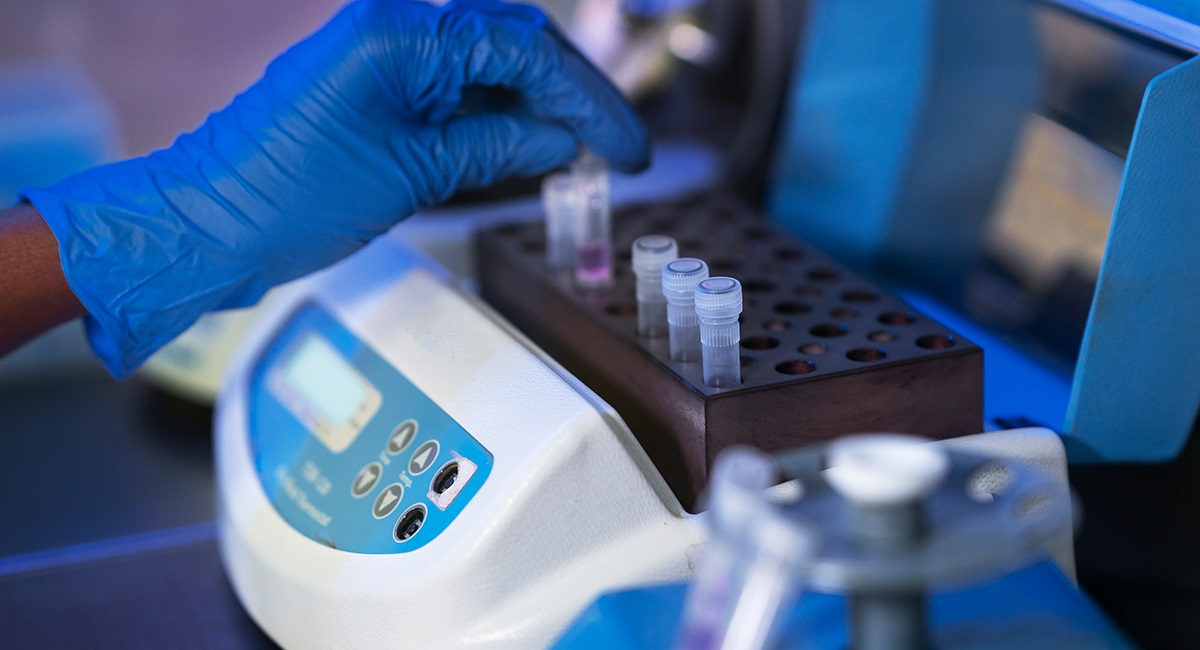
milk testing laboratory PCR
Sampling and detection
Milk is a complex biological fluid. It dilutes nucleic acids and contains PCR inhibitors. Researchers improved extraction methods and used enrichment steps to pull viral RNA out of milk fat and protein. When paired with serology to detect antibodies in cows, the pattern became clear: many animals had evidence of exposure and sometimes transient viral RNA in milk, even when they remained clinically normal.
The Finding: A Quiet Mammary Niche
What the teams found was sobering and elegant in equal measure. H5N1 can infect mammary epithelial cells in cattle, replicate to modest levels, and be shed into milk. The infection often produced little or no respiratory disease, and viral loads in milk could be intermittent — appearing in a lactation cycle and then dropping below detection. That intermittency, combined with the fact that most surveillance ignores milk as a sample type, allowed the virus to circulate locally without detection for weeks to months.
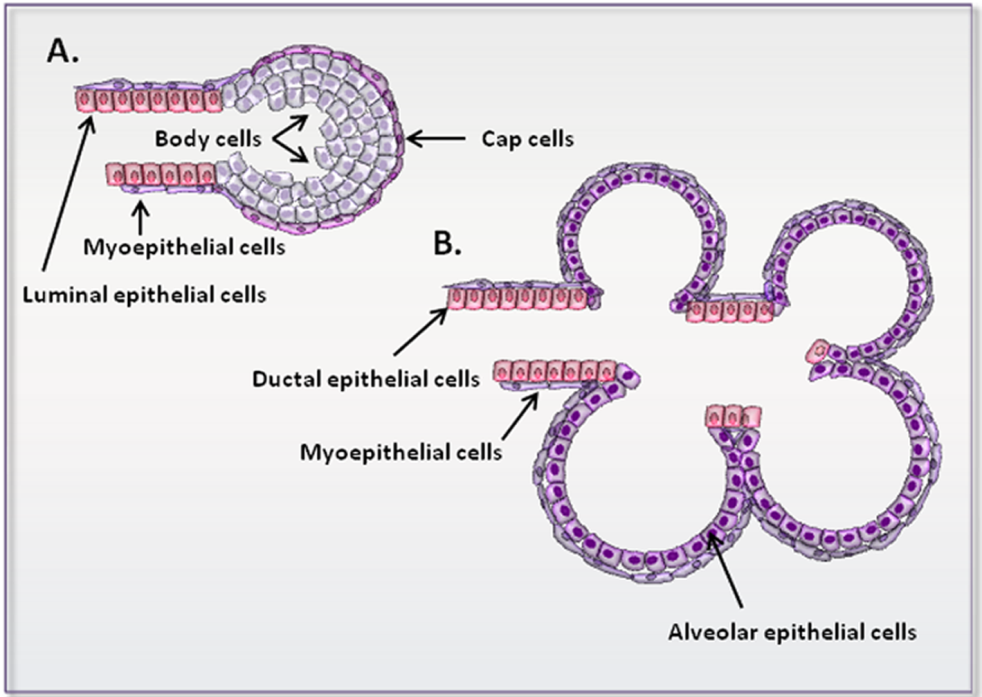
mammary gland epithelial cells
Genomic signals of adaptation
Sequencing revealed that some milk-associated viral genomes carried mutations in genes linked to replication in mammalian cells and in receptor-binding sites that can alter host range. Those were subtle shifts, not wholesale conversions to a human-adapted influenza. Still, they signaled an evolutionary process happening at the animal-human interface: repeated spillovers into mammals create an opportunity for selection, especially when a virus persists undetected in an unusual niche.
Why Milk Escapes Routine Detection
There are several converging reasons milk-based circulation remained under the radar:
- Sampling bias: Routine surveillance protocols prioritize respiratory or cloacal swabs in animals and do not collect milk.
- Clinical silence: Infected cows often showed no obvious symptoms, so farmers did not request testing.
- Laboratory challenges: Milk's composition reduces the sensitivity of standard detection workflows without tailored processing.
- Regulatory focus: Food safety systems aim at bacteria and diseases traditionally transmitted through milk; viral surveillance was not built into many inspection regimes.
"Detecting a virus in milk required changing the question: we had to ask where the virus could be, not just where it usually is."
Public Health Implications: Risk, Not Panic
Finding H5N1 in milk is worrisome, but context matters. Several lines of evidence temper immediate alarm: pasteurization inactivates most influenza viruses; documented human infections from commercially pasteurized milk are effectively nonexistent; and viral loads in milk were often low and intermittent. Nevertheless, risks are real in three specific contexts: raw milk consumption, farmworker exposure during milking, and environments where milk or waste enters the broader ecosystem.
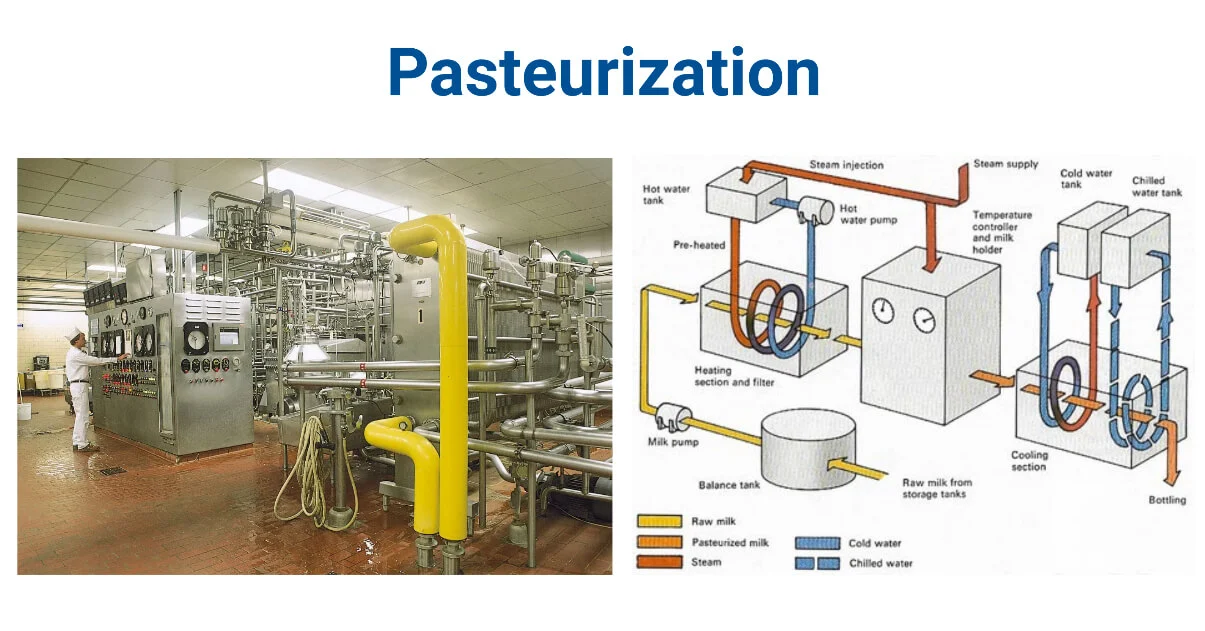
pasteurization milk processing plant
Raw milk and consumers
Raw milk bypasses the critical step of virus inactivation. Public health authorities have long warned that raw milk can transmit bacterial pathogens; the H5N1 story adds a viral dimension. Where raw milk is commonly consumed — either legally or through informal channels — targeted communication and temporary restrictions may be necessary when active viral circulation is documented.
Worker safety and occupational exposure
People who milk cows, handle raw milk, or work in close contact with cows are at higher risk. Even when cows show no respiratory signs, shedding in milk presents an exposure route via splashes, aerosols during agitation, or hand-to-mouth contact. Personal protective equipment, vaccination of workers against seasonal influenza, and routine screening can reduce that risk.

farm worker protective equipment
Industry Response and Policy Choices
The agricultural and regulatory response split into short- and long-term measures. In the short term, recommendations included enhanced surveillance of milk and lactating animals, testing of raw milk batches from affected farms, and temporary removal of implicated milk from the food chain until testing and pasteurization could ensure safety. Long-term responses looked toward integrating viral surveillance into routine herd health programs and reconsidering trade and movement rules when dairy farms sit near avian outbreaks.
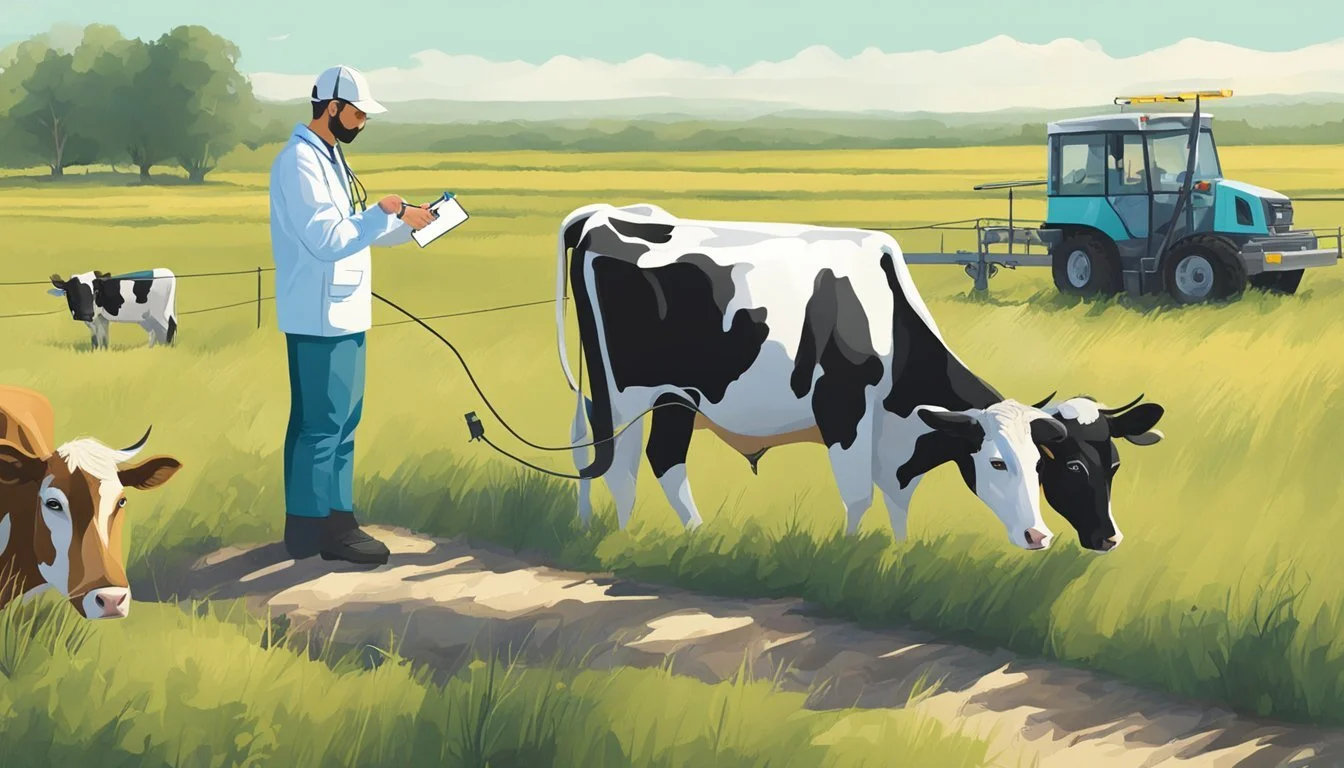
veterinary surveillance farm samples
Surveillance upgrades
Surveillance changes that flow from this work are practical and implementable: incorporate milk sampling into outbreak investigations, adopt milk-specific nucleic acid extraction protocols, and use pooled milk testing as a sentinel approach for herd-level monitoring. Wastewater and farm-drain surveillance can complement milk testing where direct sampling is logistically difficult.
Vaccines and therapeutics
Vaccine strategies for livestock against influenza are complex; mismatches between vaccine strains and circulating viruses can reduce efficacy and complicate surveillance by masking infection. However, targeted vaccine development for dairy herds in high-risk zones, combined with strategic use of antiviral treatments for exposed workers, may be part of an integrated control plan.
Practical Guidance for Farmers and Consumers
Clear, practical actions reduce risk without upending production:
- Do not consume raw milk from farms in regions with confirmed H5N1 activity until authorities clear supply.
- Test milk if unusual human cases are linked to a farm or if unexplained drops in yield occur.
- Strengthen biosecurity: limit bird access to barns, control feed sources, and monitor staff health.
- Protect workers: gloves, face shields during milking, vaccination, and prompt reporting of symptoms.
- Use pasteurization: commercial pasteurization standards effectively inactivate influenza viruses.
"Practical steps — better sampling and cleaner farms — close the door on a risk few had imagined."
A Table of Detection Options
The following table summarizes common detection and surveillance options and their trade-offs when adapted for milk testing.
| Method | Strengths | Limitations |
|---|---|---|
| Real-time PCR on milk extracts | High sensitivity with adapted extraction | Requires technical lab setup; inhibitors in milk |
| Virus culture from milk | Confirms infectious virus | Time-consuming; requires high containment |
| Serology of cows | Shows prior exposure at herd level | Doesn't indicate current shedding |
| Pooled bulk-tank milk screening | Cost-effective herd surveillance | Dilution can lower sensitivity for low-shedding |
Broader Scientific and Societal Lessons
This discovery is a case study in why One Health matters. Pathogens do not respect the silos humans build around disciplines: veterinary medicine, food safety, public health, and environmental science. The dairy story exposes a conceptual gap — assuming host tropism and ignoring nontraditional sample types — that allowed a zoonotic virus to circulate beneath conventional surveillance thresholds.
- Improved detection leads to targeted controls.
- Opportunities to strengthen farm biosecurity.
- Better protection for workers and consumers.
- Increased testing raises costs for farmers and regulators.
- Potential for trade disruptions if not managed carefully.
- Public anxiety if messages are poorly communicated.
Key Takeaways and Next Steps
- H5N1 can replicate in bovine mammary tissue and shed intermittently into milk, often without obvious cow illness.
- Milk-based circulation evaded detection due to sampling biases and laboratory challenges.
- Pasteurization protects consumers, but raw milk and occupational exposures remain points of concern.
- Integrating milk testing into surveillance and strengthening One Health coordination are practical priorities.
Conclusion: A Hidden Niche, a Clearer Path Forward
The discovery that H5N1 could hide in dairy cows' milk reframes an old virus in a modern production context. It is not a cause for alarm if handled with clear, proportionate actions: better surveillance design, practical worker protections, targeted public messaging about raw milk, and investment in laboratory capacity to test complex food matrices. Above all, this episode underscores a simple maxim — that vigilance pays. When scientists broaden the questions they ask and the samples they collect, they often find the answers that keep communities safer.
1Pathway: milk can be a conduit for zoonotic exposure when viruses replicate in mammary tissue.
For policymakers, the path forward is a blend of humility and action: accept that our surveillance blind spots can harbor risk, then close them with targeted investment, pragmatic guidance, and coordinated One Health responses that balance animal welfare, economic realities, and human safety.