How Modern Neuroscience Validates Freud's 130-Year-Old Idea
When Sigmund Freud sketched his model of the mind in the late 19th century he worked without microscopes that could watch living brains at work, without fMRI machines, and without decades of experimental psychology that would test the mechanisms he proposed. His language—“unconscious,” “repression,” “libido,” “psychic energy”—was theoretical, clinical and metaphorical. Yet a surprising number of modern discoveries in neuroscience map comfortably onto the broad outlines of Freud’s claims: information processed outside conscious awareness, memory systems that hide or transform painful experience, dynamic tensions within mental life that shape behavior, and a brain organized in hierarchical predictive loops. This article traces the growing synthesis: what Freud proposed, what neuroscientists are finding, where they genuinely converge, and where metaphor must give way to empiricism.
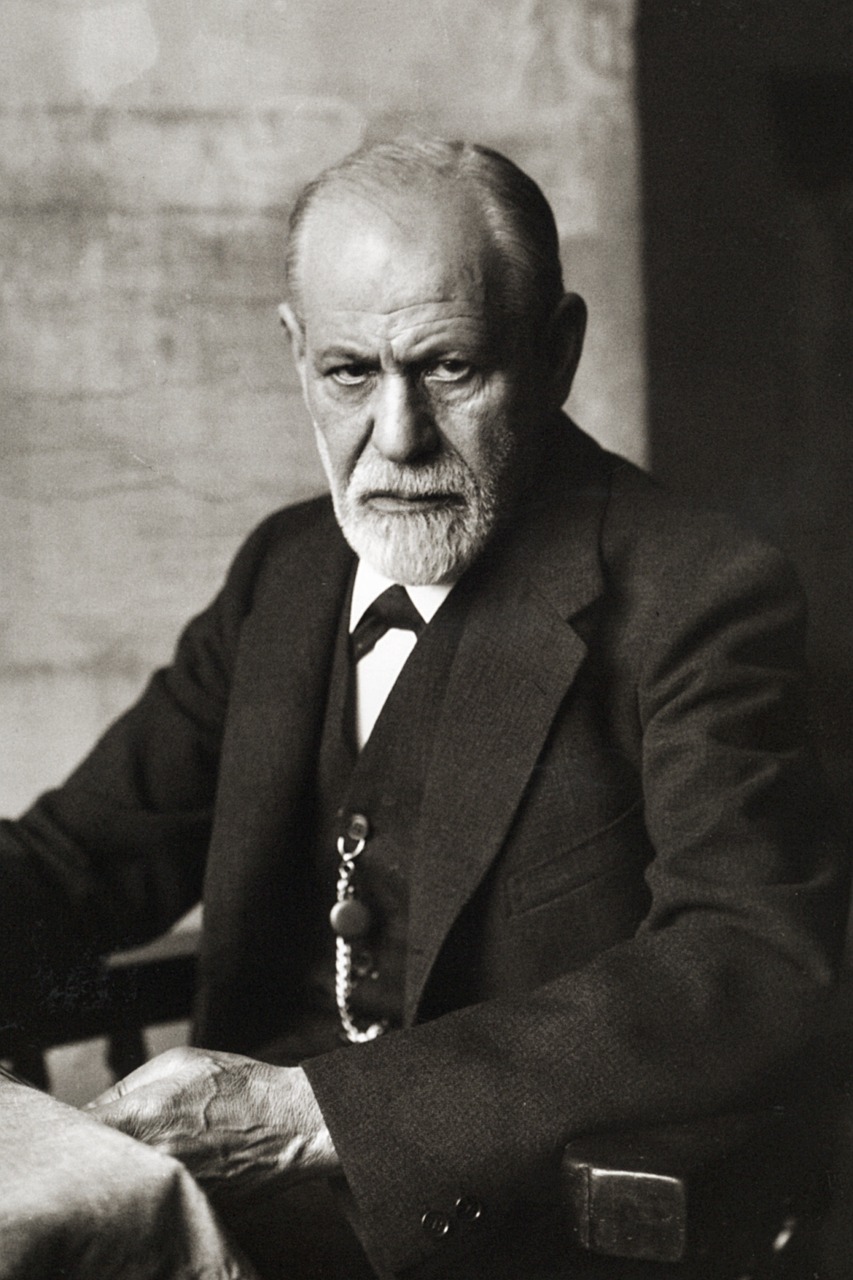
Sigmund Freud portrait photo
A Short History of an Old Idea
Freud’ slight s central insight was deceptively simple: not everything that matters to behavior is available to consciousness. He argued that early experiences, emotional conflicts, and wishes could be kept out of conscious awareness—yet these hidden contents would still influence dreams, slips of the tongue, symptoms, and relationships. For decades psychoanalysis and behaviorism spoke past each other: one privileged internal dynamics and meaning, the other privileged observable behavior. By the late 20th century, cognitive psychology reintroduced the unconscious in new terms—implicit memory, automatic processes, heuristics—and the 21st century brought brain imaging that let researchers watch networks of neurons doing the hidden work Freud had described in clinical prose.
Why Freud Was Not Entirely Wrong
The first point of correspondence is anatomical and functional: the brain performs countless operations outside conscious awareness. Sensory processing, motor planning, and even decision biases often begin well before conscious access. Work on implicit memory shows how past experiences change behavior without explicit recollection. Research on the default mode network (DMN)—a set of midline structures active during rest, daydreaming, and self-referential thought—ties into Freud’s emphasis on continuous background mental activity that shapes interpretations and expectations. The idea that internal dynamics and background processes influence present cognition was not fantasy; it is now measurable.
brain neural networks connectivity
Much of what shapes our choices never reaches the bright stage light of consciousness.
Predictive Brains and Unconscious Inference
One of the most powerful modern frameworks that echoes Freudian thought is predictive processing: the brain as a prediction engine. In this view, cortical hierarchies constantly generate predictions about incoming sensory data; mismatches—prediction errors—are used to update internal models. Crucially, many predictions and error-corrections occur below the threshold of awareness. That resembles Freud’s notion of unconscious negotiation between impulses, memories, and defenses. Where Freud spoke of conflict between instinctual wishes and repression, predictive models describe tensions among competing priors and precision-weighted error signals.
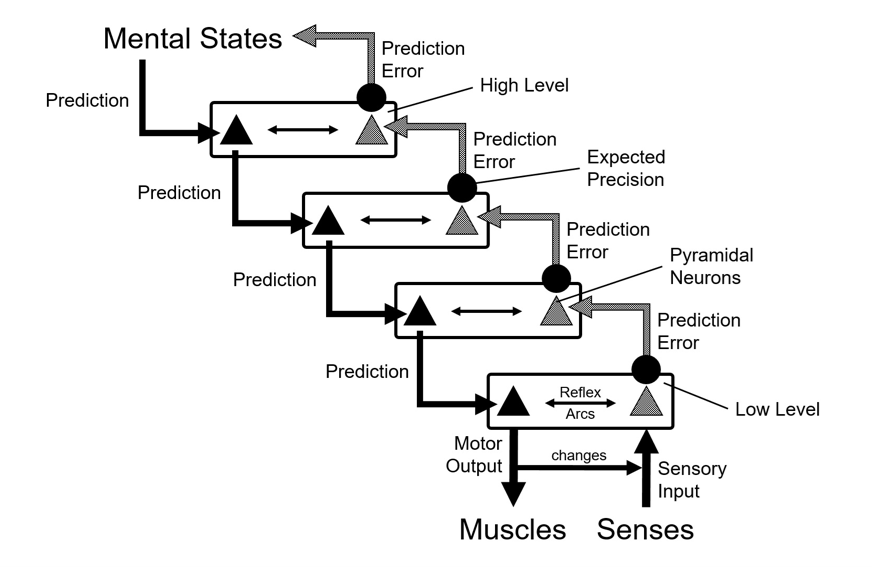
predictive processing brain model
Repression, Memory Systems, and Emotional Modulation
Freud’s repression describes a process by which painful or unacceptable memories and impulses are kept from conscious recall. Modern research distinguishes multiple memory systems—episodic, semantic, procedural, emotional—and mechanisms by which memories are suppressed or transformed. Studies of motivated forgetting show that people can intentionally reduce recall of unwanted material. Neural mechanisms implicated include prefrontal control over hippocampal retrieval, and modulation of amygdala-driven emotional salience. Trauma research demonstrates both fragmentation and dissociation as ways memories are reorganized; research on reconsolidation shows how memories can change when reactivated. None of these neuroscientific findings replicate psychoanalytic claims verbatim, but they give biological scaffolding to the claim that memories and affects can be attenuated, hidden, or altered.
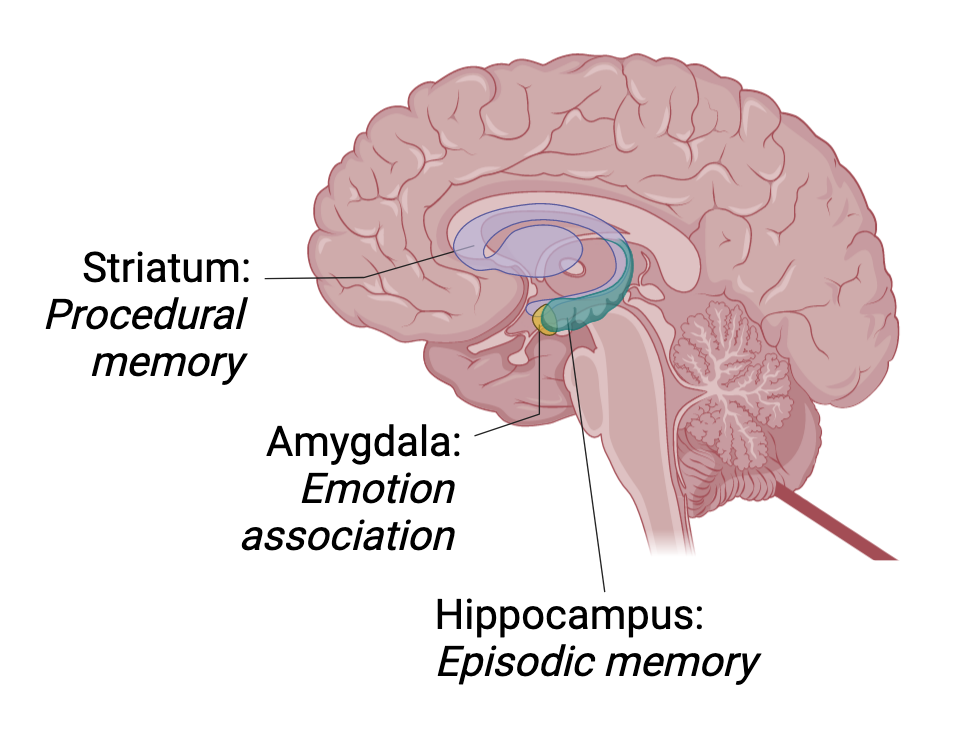
memory systems hippocampus brain
Repression may not be a single process but a family of neural strategies for reducing the impact of painful information.
Dreams, Symbols, and the Offline Brain
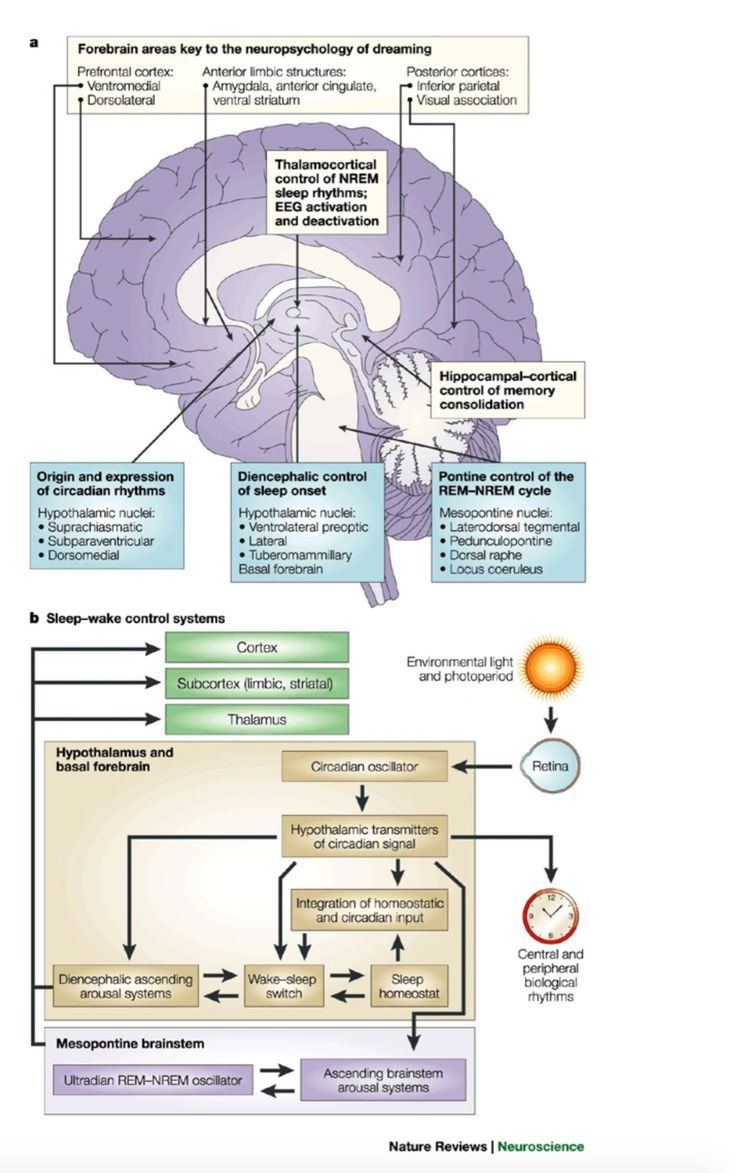
Freud famously used dreams as a royal road to the unconscious. Contemporary neuroscience studies dreaming as a state of offline processing in which the brain consolidates memories, explores associative networks, and simulates scenarios. Rapid eye movement (REM) sleep unlocks emotional centers while certain prefrontal control systems are downregulated, producing vivid, often symbolic experiences. The idea that dreams mix fragments of experience and affect into narratives resonates with Freud’s clinical observations—though modern investigators avoid fixed symbolic dictionaries and instead view dreams as emergent recombinations of memory fragments, emotion, and neural dynamics.
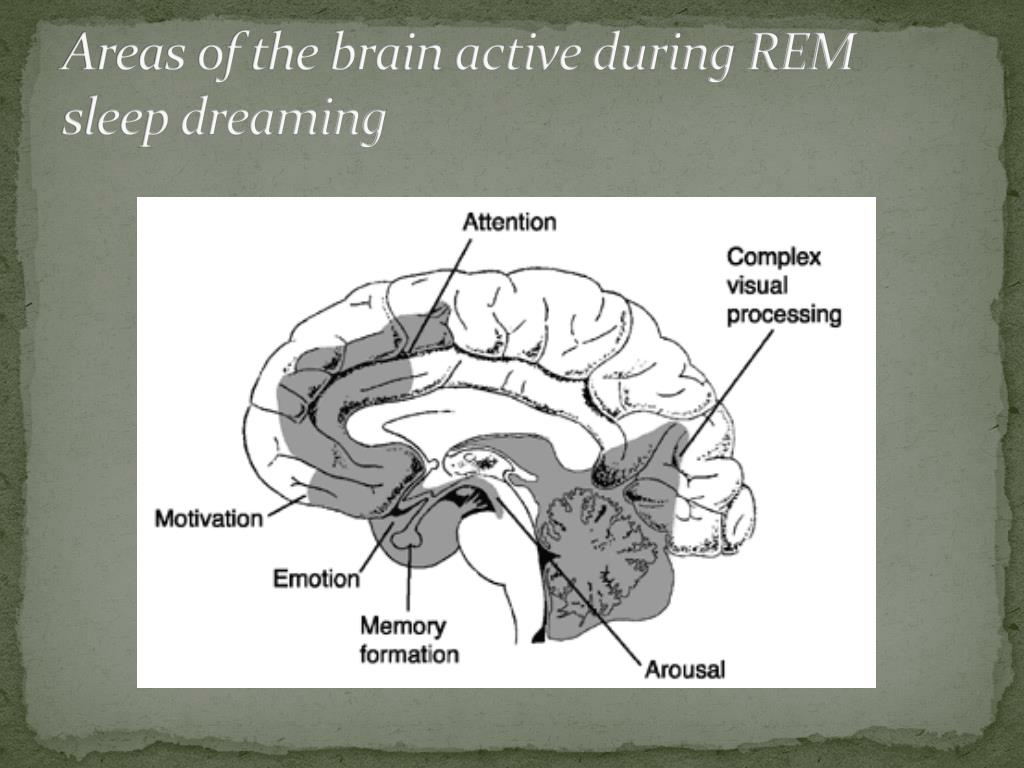
REM sleep dreaming brain
Where Neuroscience and Psychoanalysis Diverge
Despite the convergence, important differences remain. Freud’s theory invoked constructs like libido and a largely top-down metapsychology of drives and defenses; neuroscience prefers mechanistic explanations in terms of circuits, neurotransmitters, and plasticity. Freud’s therapeutic model relied on interpretation, free association, and transference; neuroscientific interventions include neuromodulation, cognitive-behavioral therapies, and pharmacology. Some psychoanalytic claims—e.g., strong Freudian determinism about sexual origins of neuroses—haven’t fared well under modern empirical scrutiny. The key is translation: which psychoanalytic ideas can be operationalized and tested, and which are poetic metaphors best used sparingly?
Measuring the Unconscious: Tools and Limits
Modern tools—fMRI, EEG, intracranial recording, optogenetics in animals—allow precise measurement of when and where information is processed unconsciously. Experiments using subliminal stimuli, masked faces, or split-brain patients reveal multi-layered unconscious processing. Yet these tools have limits: fMRI shows correlational blood-flow changes with poor temporal resolution; EEG is fast but spatially coarse. Translating rich psychoanalytic phenomena—transference, complex symbol formation—into clean lab tasks remains challenging. That mismatch should caution us against overclaiming and encourage nuanced hybrid research that respects clinical depth and experimental rigor.
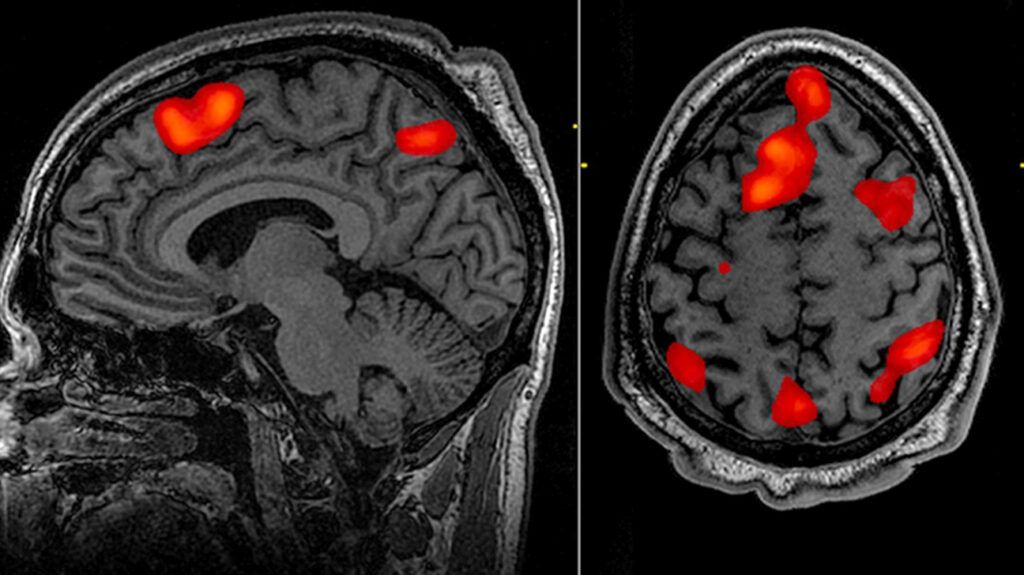
fMRI brain scan imaging
Clinical Crossroads: Therapy, Neuroscience, and Outcomes
Where the synthesis matters most is in clinical practice. Psychotherapy research increasingly shows that multiple modalities—psychodynamic therapy, CBT, EMDR, pharmacotherapy—can produce similar outcomes for many disorders. Neuroscience contributes by elucidating mechanisms of change: reduced amygdala reactivity, strengthened prefrontal regulation, modified connectivity patterns, and altered memory consolidation. Some studies show that psychodynamic therapy produces measurable neural changes in emotion regulation networks. This doesn't resurrect Freud wholesale; rather, it locates his clinical observations within a networked biological system that changes with experience.

psychotherapy session office
A New Language for Old Observations
Part of modern progress is linguistic: moving from metaphor to measurable constructs. Terms like implicit bias, reconsolidation, and precision weighting allow testable hypotheses. For example, Freud’s clinical idea that early attachment patterns shape adult relationships finds analogs in modern research on neurodevelopment, attachment-related brain responses, and the long-term effects of early stress on limbic and cortical maturation. Neurobiology supplies plausible pathways—altered stress responsivity, epigenetic changes, and disrupted prefrontal development—by which early emotional life sculpts later behavior.
Ethics, Reductionism, and the Risk of Overclaim
Translating psychoanalytic insight into neural circuits brings ethical and philosophical risks. Biological reductionism can trivialize subjective experience if we equate meaning with neural activity alone. Patients' narratives contain values, relationships, and cultural contexts that do not reduce neatly to spike trains. Effective integration keeps both levels: neural mechanisms explain how change happens; psychodynamic narratives explain why it matters to a person. The promise is not to replace therapy with a scan, but to enrich clinical care with mechanistic understanding and personalized interventions.
- Mechanistic clarity helps refine interventions.
- Biological markers can guide prognosis and treatment selection.
- Reductionism risks losing subjective meaning.
- Misuse could lead to premature neuro-centric fads.
Where Research Should Head Next
To build a durable bridge between Freud’s observations and neuroscience, research should pursue several lines: (1) Longitudinal neurodevelopmental studies that connect early relational patterns to adult brain function and clinical outcomes; (2) Mechanistic trials pairing psychotherapies with neuroimaging to track how different interventions rewire networks; (3) Computational models that formalize psychoanalytic constructs in predictive-processing language; (4) Interdisciplinary training so clinicians and neuroscientists share vocabulary and priorities. Together these approaches will move us from analogy to explanation.
Integration is less about vindicating Freud and more about translating useful clinical insights into testable biological models.
Conclusion: A Humble Convergence
Freud’s model was never a laboratory-ready theory; it was a clinical compass forged in the consulting room. Modern neuroscience is not confirming Freud in every detail, nor should it be asked to. What is striking is a humble convergence: many of Freud’s broad intuitions about unconscious influence, defensive operations, and the persistence of early affective shaping have biological counterparts. The best path forward is a partnership—neuroscience lends measurement and mechanism, psychoanalytic thought supplies a mature clinical vocabulary about meaning, relationships, and subjective life. Combining them could produce therapies that are both effective and humane—grounded in circuits and conscious of story.
- Modern neuroscience finds measurable counterparts to several Freudian concepts, especially unconscious processing and memory modulation.
- Predictive processing offers a computational framework that resonates with psychoanalytic ideas of internal conflict and unconscious inference.
- Translation requires caution: clinical depth and subjective meaning must be preserved alongside mechanistic explanation.
- Future research should prioritize longitudinal, mechanistic, and interdisciplinary studies to bridge clinic and lab.
This article integrates clinical history, contemporary neuroscience, and practical implications for therapy and research.