Ancient Life Found Where No One Expected
The headline reads like science fiction: fossilized traces of ancient organisms discovered deep inside crystalline continental rock, kilometers below the surface, in a setting long thought too hostile for long-term biological preservation. The evidence—microscopic colony structures, mineral fabrics consistent with biological mediation, and chemical fingerprints that point toward metabolic activity—has left geologists and biologists both excited and cautious. If sustained, these findings widen the map of habitable real estate on Earth and sharpen the questions we ask when hunting for life on other worlds.
A discovery that rewrites the underground
For decades the picture of Earth’s deep interior has been twofold: a physical world governed by pressure, heat and slow tectonic cycles, and a biosphere confined to sunlit surfaces, soils and shallow sediments. The last thirty years have chipped away at that tidy narrative. We now know microbial life exists kilometers below the surface, supported by chemical energy from rock–water reactions, radioactive decay and circulating fluids. But fossil evidence of long-lived ecosystems preserved in crystalline basement rock—ancient, mineralized microbial mats that predate, or run alongside, the familiar sedimentary record—has been rare, conflicted, and fiercely contested. The new discovery combines multiple independent lines of evidence in a single rock package, giving the claim a weight that invites rethinking.
The find in brief
In a series of deep core samples recovered from crystalline rocks that formed hundreds of millions to billions of years ago, researchers identified:
deep core sample analysis
- Microscopic layered fabrics consistent with colony-like microbial growth trapped between mineral seams.
- Mineral precipitates—iron oxides, carbonate films and sulfide strands—whose textures imply biological mediation rather than abiotic overgrowth.
- Isotopic shifts in carbon, sulfur and iron isotopes that align with metabolic fractionation patterns observed in modern microbial systems.
- Organic residues and molecular fragments trapped within mineral matrices that survive despite deep burial and fluid alteration.
Together these observations create a robust picture: ancient microorganisms left behind architectures and chemical clues that fossilized into the host rock.
How they found it: drilling, cleanliness, and a multidisciplinary toolkit
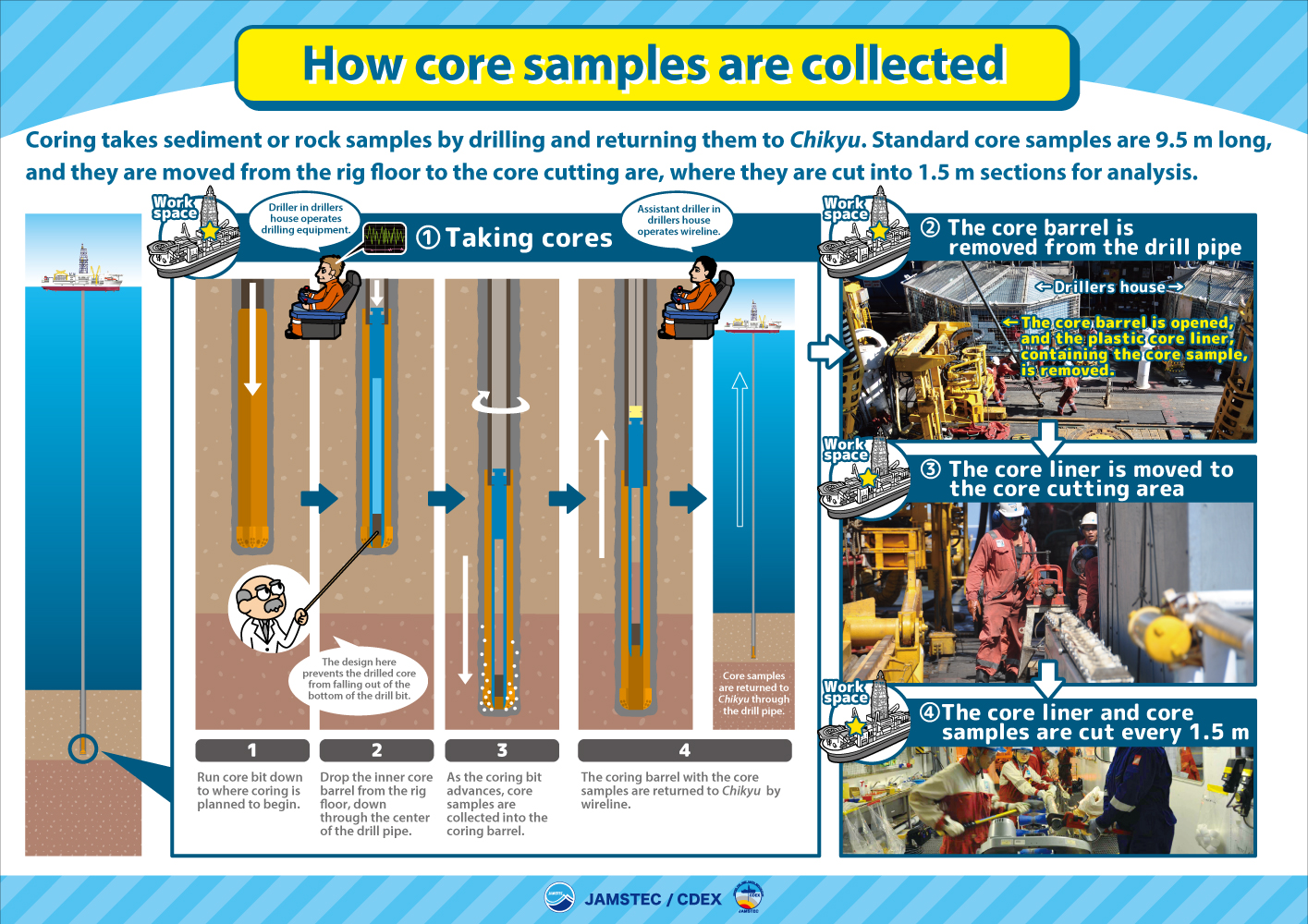
The discovery was not a single stroke of luck; it was the product of careful planning and cross-discipline collaboration. Teams combined deep-core drilling technology, rigorous contamination protocols, and a battery of laboratory analyses that included high-resolution microscopy, synchrotron-like imaging, isotope geochemistry and organic geochemistry. Key to the claim was demonstrating that the signals were indigenous to the rock and not modern contaminants introduced during drilling or sample handling.
crystalline continental rock drilling
Contamination controls
Any claim of ancient deep-life fossils immediately triggers scrutiny over contamination. To address this, researchers used layered safeguards: sterile drilling fluids, perfluorocarbon tracers to monitor intrusion, clean laboratories with laminar flow hoods, and comparative analyses of fracture-hosted fluids, drill mud, and background glacial or surface materials. Where possible, multiple cores from different depths and locations were compared to ensure reproducibility.
Analytical convergence
One of the most persuasive aspects of the dataset is convergence. Microscopy revealed filamentous and layered microstructures; spectroscopy and mass spectrometry documented carbon- and sulfur-bearing organics; and isotope ratios pointed to fractionation patterns consistent with microbial metabolism. When structural, molecular and isotopic evidence all point to biological origins, the case becomes substantially stronger than any single line could be alone.

isotope geochemistry laboratory equipment
"The signatures are not a fingerprint stamped once—they're an archive of sustained chemical activity over geologic time."
Why this location was unexpected
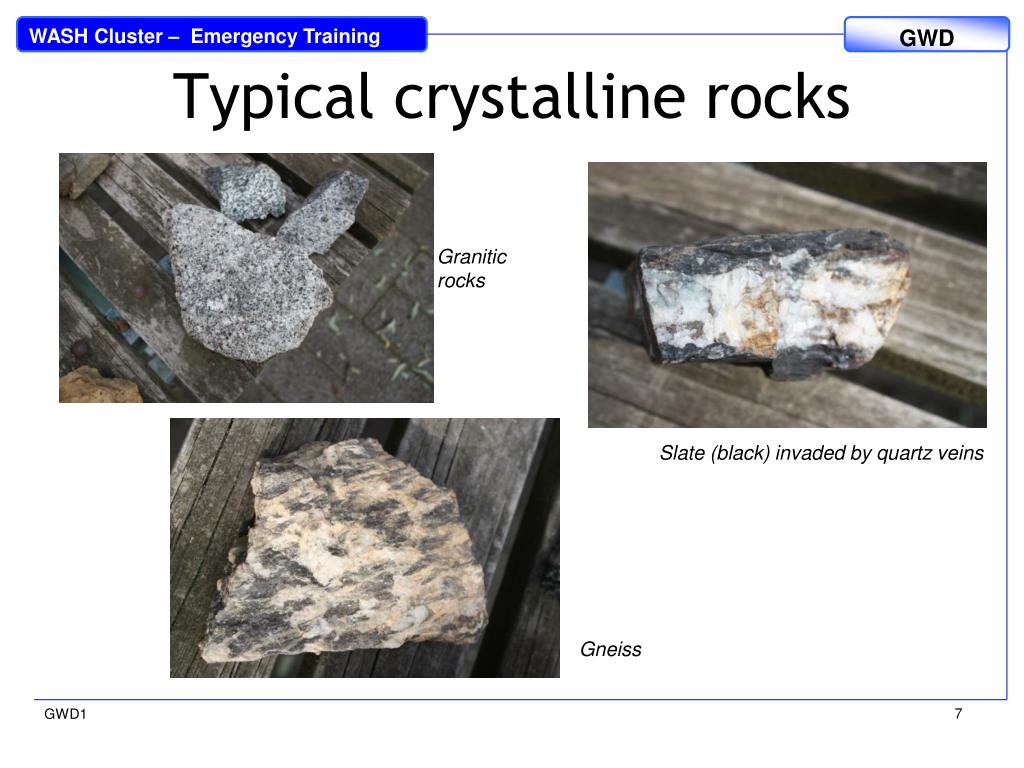
Scientists were stunned not only by the presence of ancient life but by where it was found: within crystalline igneous and metamorphic basement rocks traditionally considered poor environments for long-term biological residence. These rocks are dense, with limited pore space, subject to high pressures and temperatures during burial, and typically record complex histories of metamorphism and fluid-rock interactions that can obliterate fragile biological signals.
The old assumptions
Conventional wisdom has long favored sedimentary basins, shallow marine shelves and hydrothermal vents as prime locales for preservation of ancient biosignatures. Those environments provide abundant sediment, rapid burial, and conditions conducive to both life and preservation. Crystalline basement rock, by contrast, was considered marginal for both habitat and fossilization except in rare fracture networks.
What made preservation possible here
Several geological features seem to have combined to protect and fossilize the microbial traces:
- Sealed microfractures and mineral veins that trapped microbial colonies and rapidly mineralized them.
- Low-temperature hydrothermal pulses that provided nutrients and promoted mineral precipitation without destroying organic textures.
- Early diagenetic mineral films that stabilized organic matter before intense burial metamorphism could erase it.
- Geochemical microenvironments created by rock-hosted fluids, enabling chemosynthetic metabolisms like sulfate reduction, iron oxidation and hydrogenotrophy.
What the fossils look like
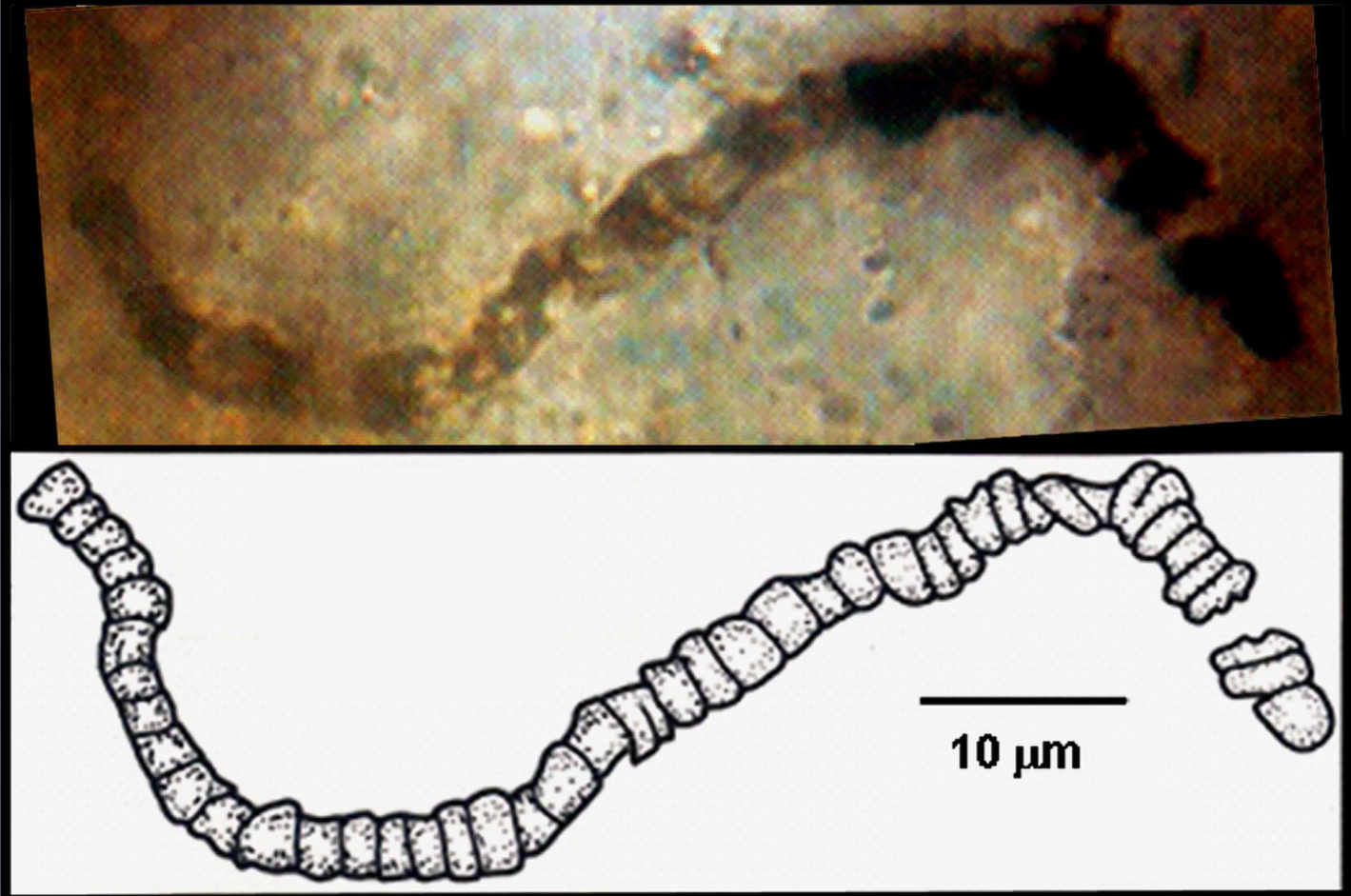
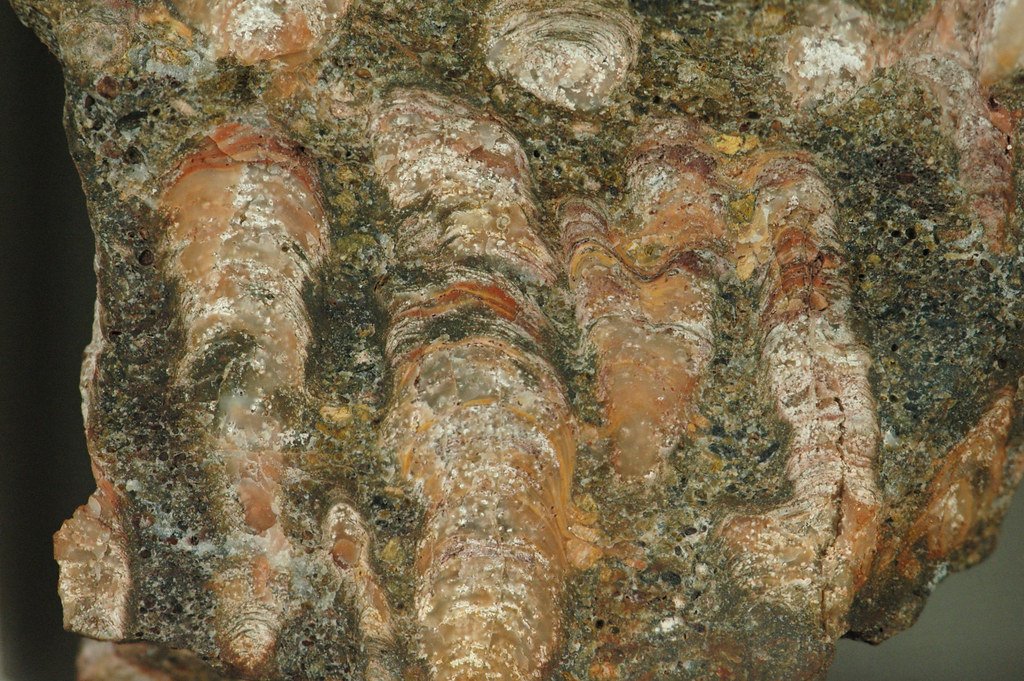
At the micron scale, the fossils resemble laminated mats and filamentous assemblages—architectures that, in modern settings, are produced by microbes living in dense communities. They are not the classic stromatolites seen in shallow marine carbonate platforms, but rather a different expression: mineralized biofilms preserved within interstitial spaces and mineral seams. Iron-oxide rinds, carbonate micro-layers, and sulfide coatings form a complex palimpsest of microbial activity and mineral growth.
microbial fossil microscopic structures
microbial colony mineral fabrics
Molecular remnants
Trapped within these mineral fabrics are organic molecules: refractory lipids, aromatic compounds, and altered biopolymers. While not pristine, these fragments carry diagnostic structural features that, when paired with isotope data, strengthen the biological interpretation. The survival of such molecules across deep time depends on rapid entombment and subsequent mineral shielding.
Implications for Earth's history
Finding robust evidence of ancient life in crystalline basement has several far-reaching implications.
A hidden archive of the biosphere
These rock-bound archives may extend our view of past ecosystems into domains that the sedimentary record misses. Because continental basement constitutes a vast portion of the planet’s volume, even sparse, long-lived communities could represent a sizable, previously underestimated component of Earth’s ancient biosphere.
Revising timelines and environments for early life
If microbial life could establish persistent ecosystems in subsurface crystalline settings early in Earth’ s history, it suggests that life’s adaptability to extreme niches was central from early on. This would affect theories on the origin of life, the pace of biological innovation, and even the resilience of ecosystems through catastrophic surface events.
Astrobiology: why this excites the hunt for life off Earth
One of the most immediate ripple effects extends beyond Earth. If life can thrive and leave durable signatures in unexpected, subsurface crystalline environments here, then worlds with thick ice shells, rocky interiors, or limited surface habitability—such as Mars, Europa, Enceladus, or even ancient Venus—deserve renewed attention for rock-hosted biosignatures.
Mars parallels
Mars has abundant crystalline rocks, pervasive fracturing, and a long record of fluid activity. If microbial communities can become entombed within mineral veins and preserved, then missions that access deep drill cores or fracture-hosted minerals could find stronger biosignatures than surface regolith alone.
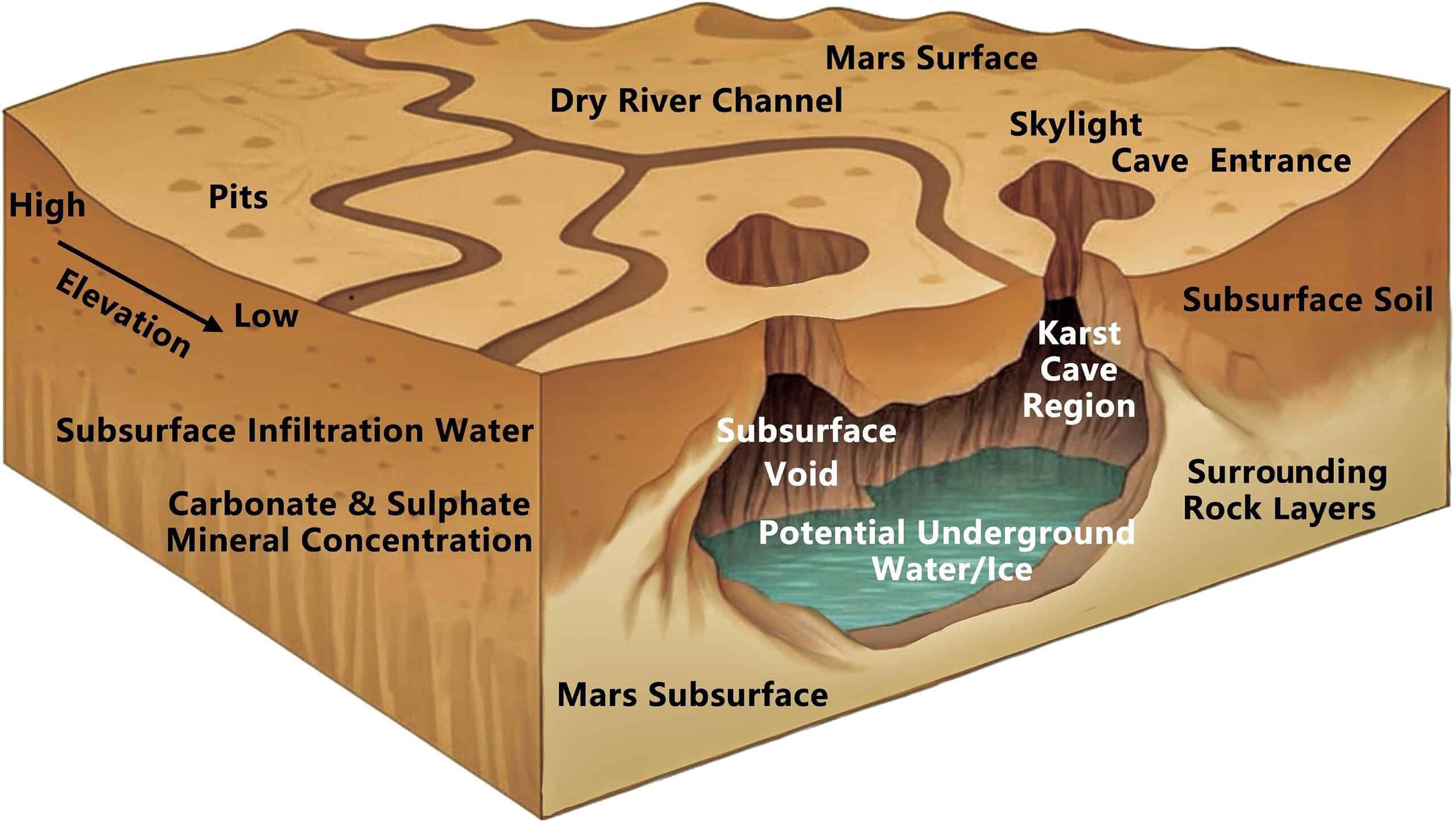
Mars subsurface rock exploration
Ocean worlds and ice-covered niches
For Europa and Enceladus, where liquid water meets rock in subsurface oceans, the concept of mineral-mediated preservation opens new theoretical pathways for where life might live and how its traces might be carried to the surface. Rock-hosted signatures might persist even under wholesale alteration of surface conditions.
- Expands target environments for life detection missions.
- Provides durable biosignatures resistant to surface radiation and erosion.
- Hard to access—deep drilling is expensive and technically challenging.
- Interpretation complexity—distinguishing biology from abiotic processes remains difficult.
Skepticism, alternative explanations, and scientific rigor
Extraordinary claims require extraordinary evidence. The research community has historically subjected similar claims to rigorous debate and stepwise verification, and this discovery is no exception. Several alternative hypotheses deserve attention: mineral self-organization, purely abiotic isotope fractionation under unusual conditions, or contamination that escaped detection. Each alternative must be tested and falsified, and the authors of the study appear to have anticipated these critiques by presenting layered, reproducible evidence.
How to test further
Next steps to solidify the interpretation include independent replication from cores in other regions and ages, in situ analyses on freshly exposed surfaces in boreholes, experimental work to replicate mineral textures under abiotic conditions, and expanded molecular-level studies to trace preserved biomolecules back to biochemical pathways.
What this means for policy, funding, and research priorities
Discoveries that expand the plausible habitable envelope of Earth tend to redirect research funding and mission planning. If crystalline basement can archive biosignatures, funding agencies may prioritize deep-drilling projects, support more integrated geobiology teams, and underwrite technology for contamination-free sampling. Space agencies may also adjust payload priorities to include instruments optimized for in situ mineralogical and isotopic analyses in rocky substrates.
Community response
Expect a surge of proposals and collaborative projects aimed at: targeting similar rock types elsewhere, creating international borehole networks for biosignature hunting, and developing protocols that raise confidence in deep-sample interpretations. Equally, journals and review panels will demand transparency and raw-data availability so the broader community can scrutinize and build upon the work.
Conclusion: a humbling, energizing expansion of life’s footprint
The discovery—if confirmed by ongoing and future work—nudges the boundary of where life is known to leave indelible marks. It is a reminder that Earth still holds surprises beneath our feet and that habitability is a broader concept than sunlight and surface warmth. For scientists, it is a call to expand methods, collaborate across disciplines, and invest in technologies that let us read the deep archive of our planet. For the public and policymakers, it is an invitation to reimagine where life can persist and how rare—or common—biological activity might be in the cosmos.
Key Takeaways
- Evidence for ancient microbial life in crystalline continental rock challenges assumptions about where fossils can be preserved.
- Converging lines of structural, molecular, and isotopic data strengthen the biological interpretation.
- The find has major implications for our understanding of Earth’s deep biosphere and for astrobiological searches on Mars and icy moons.
- Rigorous contamination control and independent replication are essential to move from suggestion to consensus.
Looking ahead
Answers will arrive through more samples, more tests, and the steady interplay of skepticism and curiosity. Whether this discovery becomes a cornerstone of deep-biosphere science or a controversial footnote, it performs an invaluable function: expanding the questions we ask about life, preservation, and the geological contexts that harbor both. In that expansion lies the promise of new knowledge—not only about where life has been, but about where it might be found next.