Neurons Break Their DNA to Build the Brain: A New Paradigm
The idea sounds like a headline from science fiction: brain cells intentionally break their own DNA as part of normal development. Yet over the past decade a surprising and increasingly well-supported narrative has emerged in neuroscience. Far from being an unambiguous sign of catastrophe, some DNA double-strand breaks in neurons appear to be programmed, regulated, and essential for turning on the genes and building the structures that make complex brains possible. This article traces the evidence, explains the molecular mechanics, considers why controlled genome damage might be useful, and explores the consequences when the balance between breakage and repair fails.
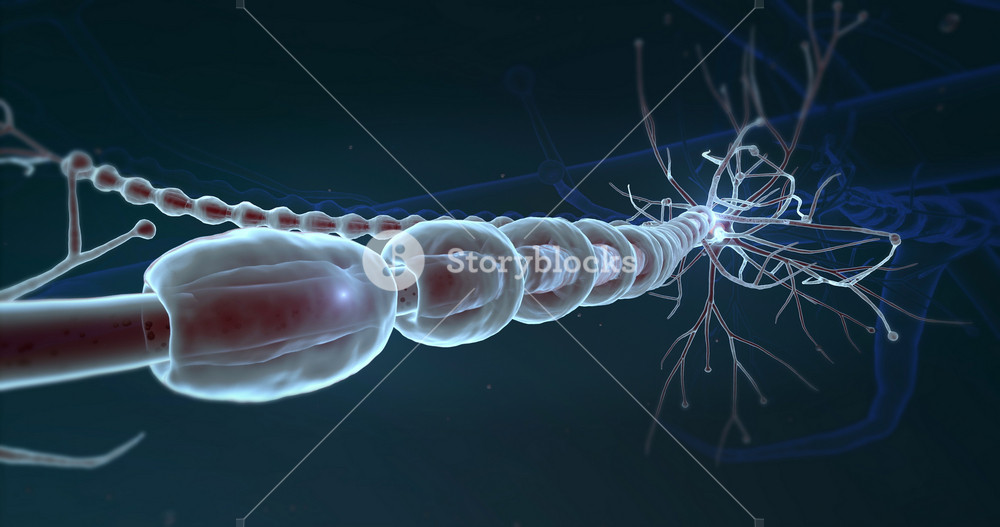
neurons DNA breaks microscope
Why this discovery matters
It reshapes how we think about genome stability in nondividing cells, reframes certain neurological diseases as problems of regulated damage and repair rather than only genetic mutation, and points to new biological mechanisms by which experience and activity can leave a lasting molecular imprint on the brain. If neurons use DNA breaks to enable gene expression and cellular remodeling, then both the creative and destructive potential of those breaks matter: they can increase cellular diversity and adaptability — or produce vulnerabilities that lead to developmental disorders and degeneration.
What researchers actually found
Multiple labs using complementary methods have reported that neurons — both during development and in response to activity — accumulate precise, transient double-strand breaks at specific genomic locations. These breaks often appear at promoters or regulatory regions of genes important for synaptic plasticity, immediate early responses, and long neuronal gene transcription. Importantly, many of those breaks are followed quickly by repair, and inhibiting the enzymes involved prevents normal activation of the associated genes and impairs neuronal function.
"Breaking DNA is not the same as failing DNA repair — in many contexts it's a controlled tool for expression."
How and where the genome is cut
The molecular scissors are proteins that relieve torsional stress and allow complex transcriptional programs to proceed. A class of enzymes known as topoisomerases can create transient double-strand breaks to unwind DNA ahead of RNA polymerase. In neurons, topoisomerase activity seems to be concentrated at very long genes and at immediate early gene loci that need to be activated rapidly after neuronal firing. Other mechanisms — including R-loop formation during intense transcription and chromatin remodeling events — can produce fragile sites that are more prone to breakage.
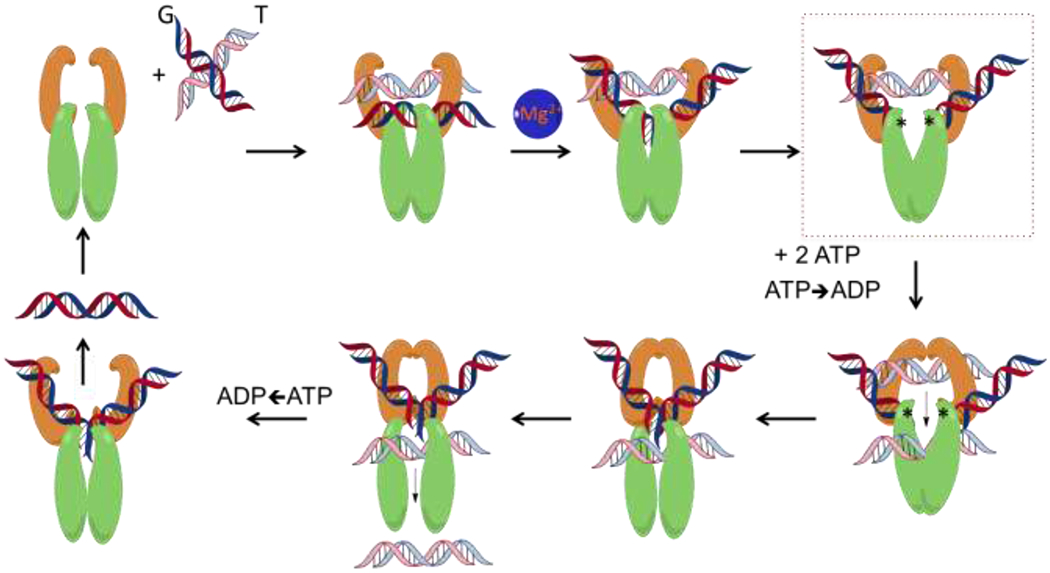
topoisomerase enzyme molecular scissors
Breaking to enable expression: the functional logic
Why would a cell purposely cut its DNA? The short answer is mechanical necessity and regulatory opportunity. Long stretches of neuronal genes, structural constraints in chromatin, and the need for rapid induction of immediate early genes create torsional stress and topological barriers. Creating a controlled break can relieve that stress, allow a promoter and enhancer to interact, or enable chromatin to reorganize so transcriptional machinery can access a locus. In effect, a brief and localized break can be an enabling step in a complex choreography that results in precise gene expression programs required for synapse formation, axonal growth, and circuit refinement.
Controlled damage and repair: a delicate partnership
A critical part of the story is repair. Double-strand breaks are dangerous if left unrepaired, and neurons deploy DNA repair pathways that patch and re-ligate the ends. For nondividing neurons, rapid repair often proceeds through end-joining pathways rather than homology-based repair that requires a sister chromatid. The coordinated action of damage sensors, signaling kinases, and repair enzymes restores genomic continuity — usually without catastrophic consequence — but not always with perfect fidelity. That imperfection is a double-edged sword: it can introduce small sequence changes or rearrangements that contribute to somatic mosaicism and cellular diversity, or it can yield mutations that impair function.
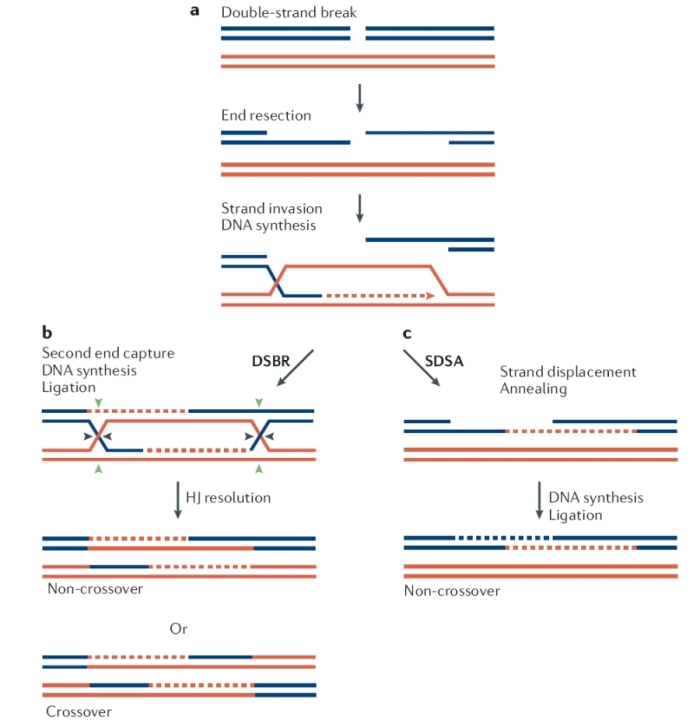
DNA double-strand breaks repair
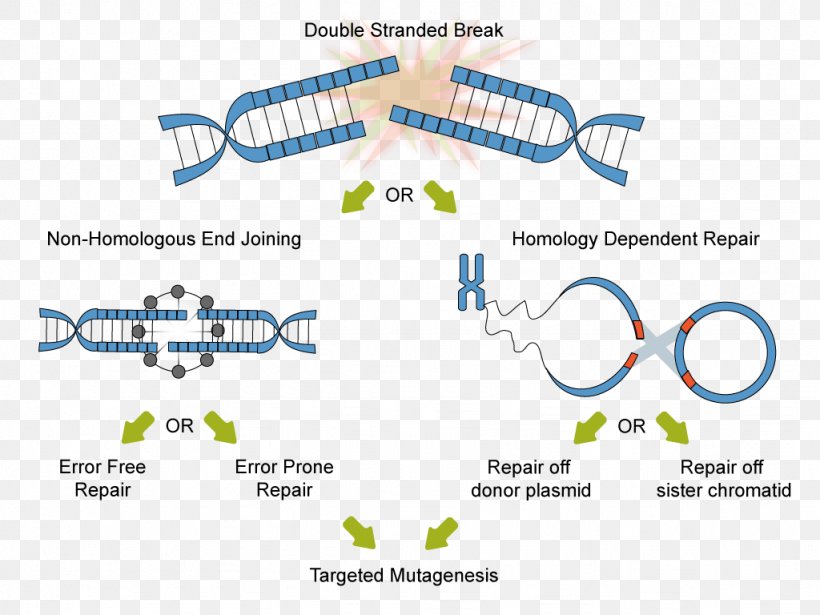
non-homologous end joining repair
Somatic mosaicism: diversity born from repair
One of the most intriguing implications is that DNA break-and-repair cycles may be a source of somatic mosaicism in the brain. Each neuron can carry a slightly different genome if repair introduces small insertions, deletions, or rearrangements. This genomic mosaicism may contribute to neuronal individuality — differences in connectivity, excitability, and response properties — which in aggregate help the brain encode vast amounts of information and adapt to experience. At the same time, mosaic changes in critical genes could underlie certain neurodevelopmental disorders when they occur in the wrong place or time.
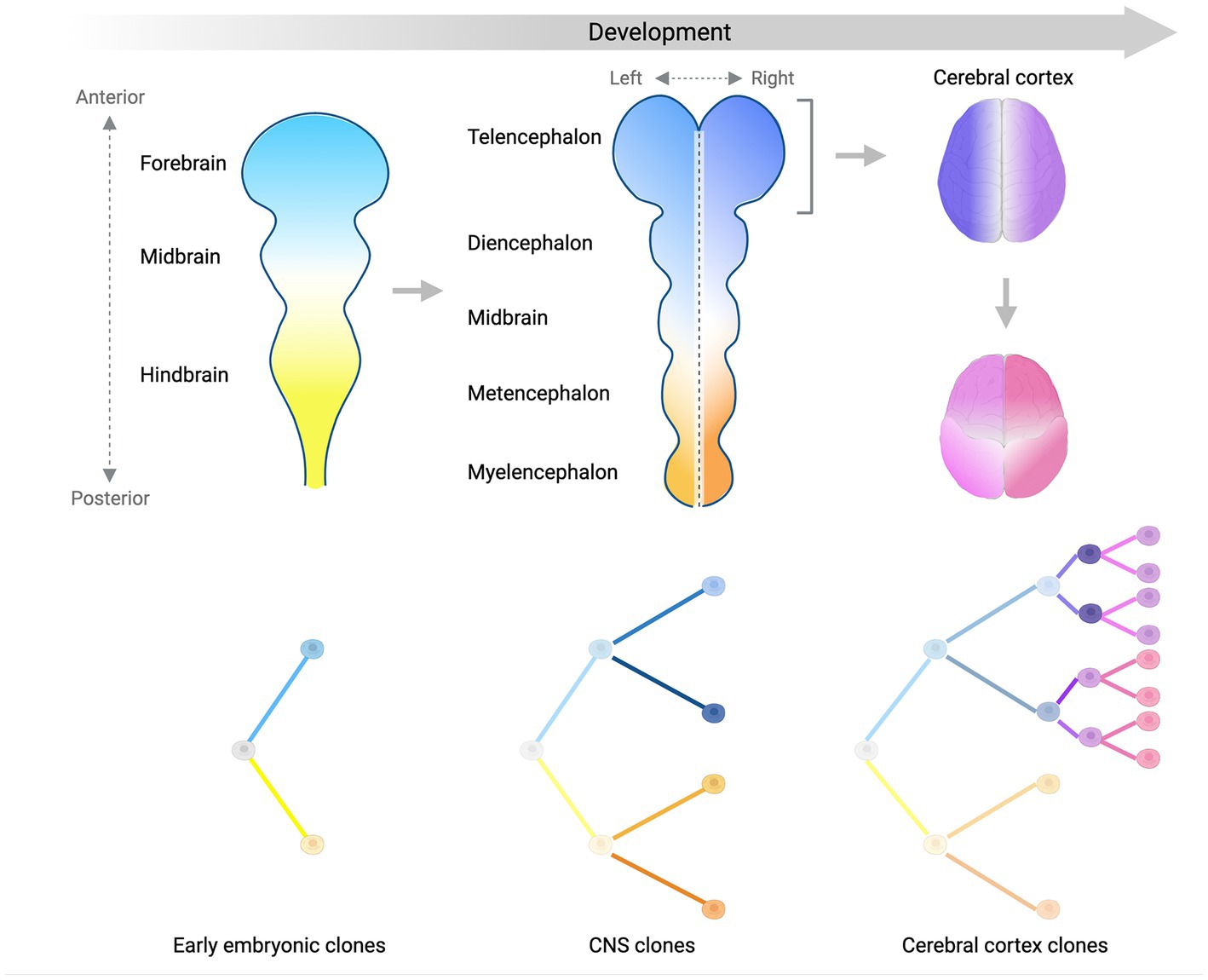
somatic mosaicism neurons
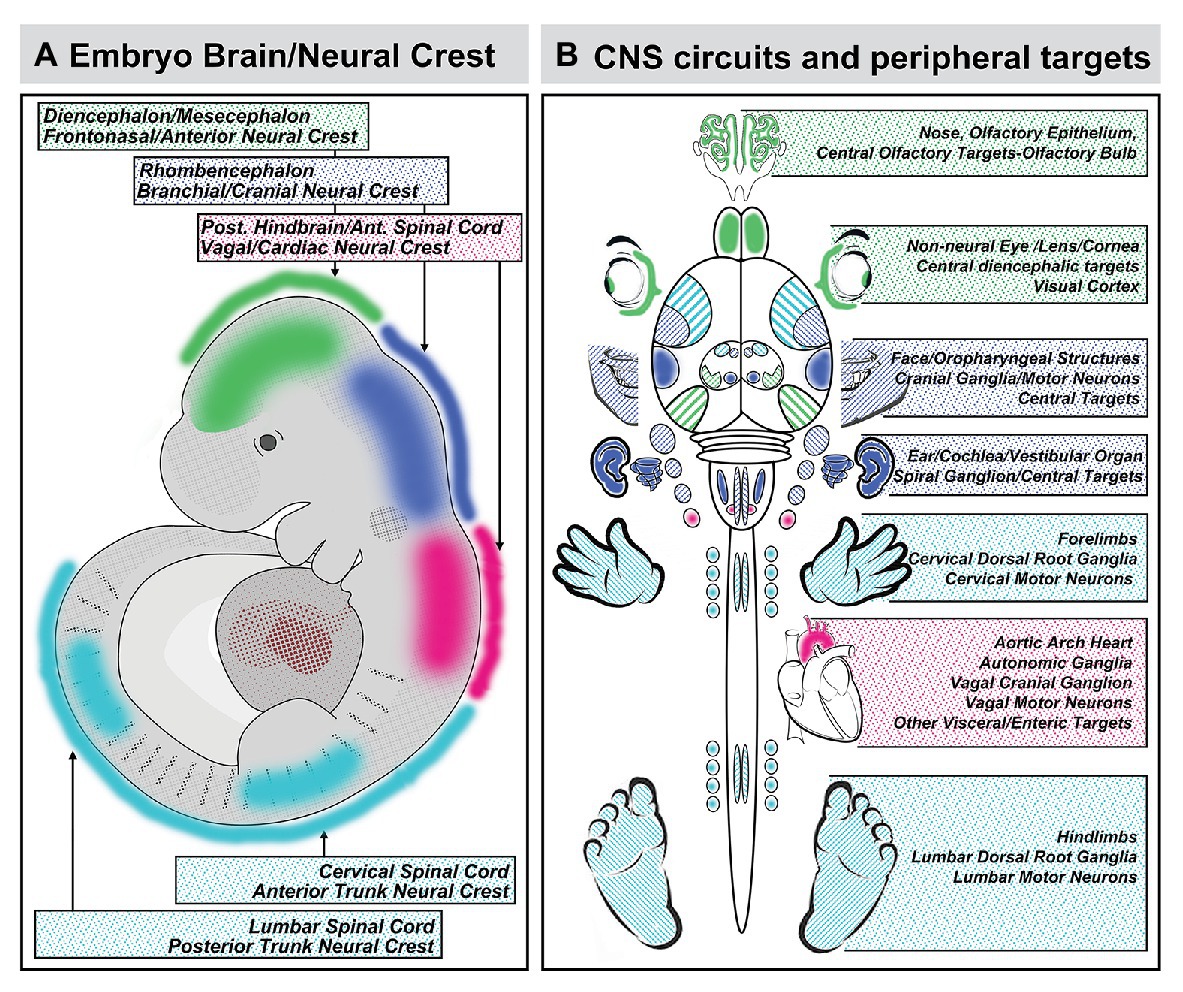
brain development neural circuits
When repair goes wrong: disease connections
Because neurons rely on a balance between intentional breakage and faithful repair, mutations in repair machinery or chronic increases in break frequency can have outsized consequences. Defects in DNA damage response proteins are already associated with neurological conditions: for example, inherited mutations in sensors and repair factors produce syndromes marked by microcephaly, ataxia, developmental delay, and premature neurodegeneration. Moreover, there is growing evidence linking dysregulated activity-dependent breaking and imperfect repair to features seen in autism spectrum disorders, schizophrenia, and age-related neurodegenerative diseases. The emerging theme is that both too little regulated breakage (preventing normal gene activation) and too much or misrepaired breakage (creating harmful mutations) can impair brain development and function.
How scientists detect and study these breaks
Studying double-strand breaks in neurons requires sensitive and spatially precise tools. Common approaches include immunostaining for phosphorylated histone marks that accumulate at break sites, sequencing methods that map DNA ends genome-wide, single-cell genomics to reveal mosaicism, and high-resolution live imaging in cultured neurons and organoids. Combining these technologies with functional experiments — blocking specific enzymes, altering activity patterns, or disrupting repair proteins — allows researchers to link break formation and resolution to gene expression and neuronal behavior.
Implications for therapy and neuroscience research
Understanding this break/repair paradigm opens new translational avenues. If controlled DNA breakage is necessary for certain gene programs, then modulating the enzymes that create or resolve those breaks could become a strategy to correct developmental pathologies or to enhance plasticity in recovery from injury. Conversely, because pathological increases in break frequency appear in degenerative conditions, enhancing repair fidelity or reducing unwanted breaks could be neuroprotective. Any therapeutic approach will require extraordinary precision: these processes are context-dependent, and bluntly inhibiting or enhancing DNA cutting or repair could do more harm than good.
Ethical and practical considerations
There are ethical implications when we consider manipulating processes that shape neuronal genomes. Somatic changes introduced during development persist for a lifetime and influence identity at the single-cell level. Any interventions that alter genome editing, DNA repair, or activity-driven genomic remodeling must be weighed for long-term effects on cognition and behavior. Practically, translating mechanistic insights into therapies faces technical barriers: delivering targeted modulators across the blood–brain barrier, achieving cell-type specificity, and avoiding unintended genomic consequences.
Open questions scientists are racing to answer
Despite progress, many questions remain. Which neuronal cell types use break-and-repair most extensively? How are breaks targeted to specific loci and avoided elsewhere? What determines whether repair is error-free or mutagenic in a given neuron? How much somatic mosaicism is functionally meaningful in healthy cognition, and when does it cross the threshold into disease? Finally, how do environmental factors — early-life stress, infection, or exposure to toxins — influence the frequency and fidelity of neuronal DNA breaks?
How this changes our picture of brain development
For decades the genome was treated as static in postmitotic cells: the blueprint that cells read but did not rewrite. The accumulating evidence that neurons intentionally create and repair double-strand breaks reframes that assumption. The genome in a neuron's nucleus becomes an active, dynamic substrate — not merely a library of prewritten instructions but a living document that can be cut, rejoined, and subtly altered as the cell responds to growth cues and experience. This perspective integrates molecular mechanics with developmental plasticity and offers a richer explanation for both the adaptability and fragility of the brain.
"A controlled cut in the DNA can be a tool for expression — a paradoxical act of construction through careful destruction."
Practical takeaways for researchers and clinicians
- Design experiments with timing in mind: Activity-induced breaks are often transient — missing a narrow experimental window can yield misleading results.
- Focus on repair context: The pathway used to fix a break affects final outcomes; assay repair fidelity, not just damage frequency.
- Consider mosaicism in diagnostics: Bulk tissue sequencing may miss low-frequency but consequential somatic variants in neurons.
A note for the curious public
Hearing that neurons break their DNA might be alarming, but context matters. These are not wholesale genomic shattering events; they are localized, often transient cuts that — when properly repaired — enable necessary biological functions. Understanding the balance between utility and risk helps explain why some brain diseases emerge and offers new lines of inquiry for prevention and treatment. As research continues, the challenge will be to translate deep molecular understanding into interventions that preserve the creative aspects of this biology while preventing its destructive misfires.
- Neurons sometimes create programmed double-strand breaks to enable complex gene expression and circuit formation.
- Repair is essential; nondividing neurons rely on end-joining pathways that can be error-prone and lead to somatic mosaicism.
- Balanced break-and-repair contributes to neuronal diversity but, when dysregulated, is implicated in developmental and degenerative brain disorders.
- New research tools and ethical caution are critical as potential therapies aim to modulate these processes.
Final reflection
The image of breakage as purely destructive has dominated thinking about DNA for decades. The brain teaches us a different lesson: sometimes, controlled damage is an instrument of creation. That insight complicates simple narratives of genome stability and reveals a molecular economy in which risk is harnessed to produce function. As scientists continue to map when, where, and why neurons use this strategy, we will gain not only a deeper understanding of how brains are built, but also clearer ideas about how to protect them when the balance of cut and repair tips toward harm.