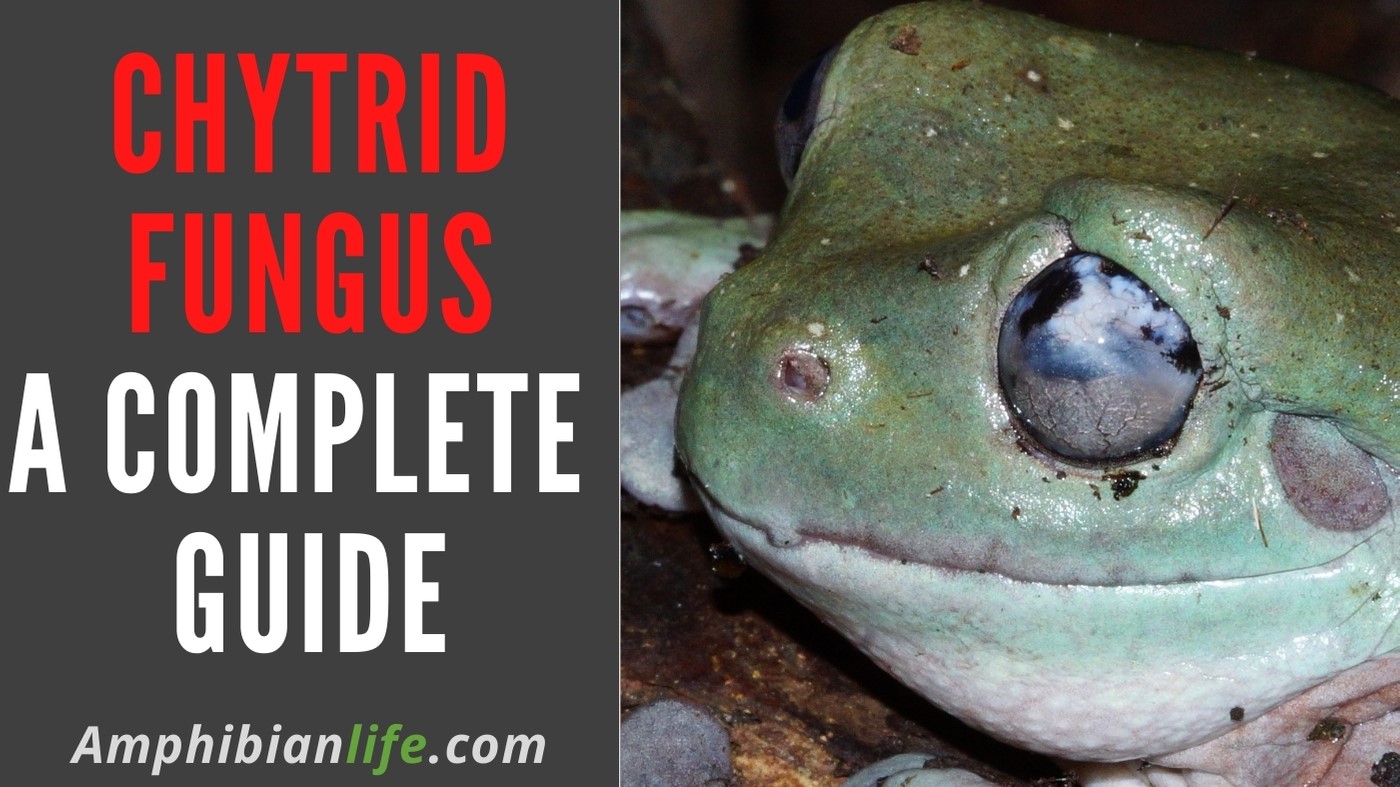
Scientists Finally Solved Why Some Frogs Survive a Deadly Fungus
The collapse of amphibian populations from a microscopic fungus has been one of the most wrenching environmental stories of the past half-century: dramatic declines, sudden extinctions, empty ponds where choruses once rose at dusk. For decades scientists chased a cold, stubborn question—why do some frogs perish in droves while others, often living in the same landscape, survive or recover? A growing body of research now points to a multilayered answer: survival is rarely explained by a single silver-bullet trait. Instead, it arises from the interplay of skin microbial allies, biochemical defenses, inherited genes, behavior that changes microclimate exposure, and the broader environment that frames those interactions.
frog skin microbiome bacteria
When you lift the skin’s fog—the microbiome, the peptides, the genes—what looks like luck becomes a measurable, and actionable, strategy for survival.
A Global Crisis and a Persistent Mystery
The fungal disease chytridiomycosis, caused primarily by Batrachochytrium dendrobatidis (commonly called Bd), first grabbed global attention because of its speed and scope. Entire species and populations collapsed in a matter of years. Yet even in hotspots where the fungus was abundant, not all amphibians were equally affected. Some species, and even individuals within species, showed astonishing resistance or resilience. That pattern forced researchers to ask not only how the fungus kills, but why resistance is distributed the way it is, and whether we could harness whatever protects survivors to reverse declines.
What Is Chytridiomycosis?
Chytridiomycosis is an infectious disease that targets amphibian skin. The fungus invades and disrupts normal skin function—critical for frogs because skin is central to hydration, respiration and electrolyte balance. Severe infections impair these processes and lead to cardiac arrest and death. Its effects vary with temperature, humidity, host species, and pathogen strain—making outcomes highly context-dependent.
Why Some Frogs Fail
Understanding failures illuminates how survival works. Frogs succumb to chytrid when the fungus overwhelms the skin’s defenses and interferes with vital physiological processes. Several proximate reasons contribute:
- Absence or depletion of protective skin microbes: The amphibian skin microbiome is a first-line, living defense. When beneficial microbes are absent—because of pollutants, antibiotics, or habitat disruption—the host loses a key barrier against Bd.
- Weak or insufficient antimicrobial peptides (AMPs): Many amphibians secrete AMPs from skin glands. These small proteins can inhibit fungal growth. Species or individuals with lower AMP potency or expression are more vulnerable.
- Genetic susceptibility: Variation at immune-related genes, such as those in the major histocompatibility complex (MHC), shapes recognition and response to pathogens. Certain alleles correlate with poorer outcomes.
- Unfavorable environmental microclimate: Cool, moist conditions favor Bd growth. Frogs that cannot raise their body temperature or that occupy persistent cold microhabitats gain no thermal respite from infection.
- Stressors that compound disease: Pollution, poor nutrition, invasive predators, or additional pathogens can tip the balance toward mortality.
Why Some Frogs Survive—A Multilayered Explanation
Recent integrative studies demonstrate that survivors benefit from a combination of defenses that operate at different biological scales. The clearest story threads are skin microbiome allies, host biochemical defenses (AMPs), immune genetics, and behavior. Below, each mechanism is explained and placed in a practical conservation context.
Skin Microbiome: Tiny Allies with Big Effects
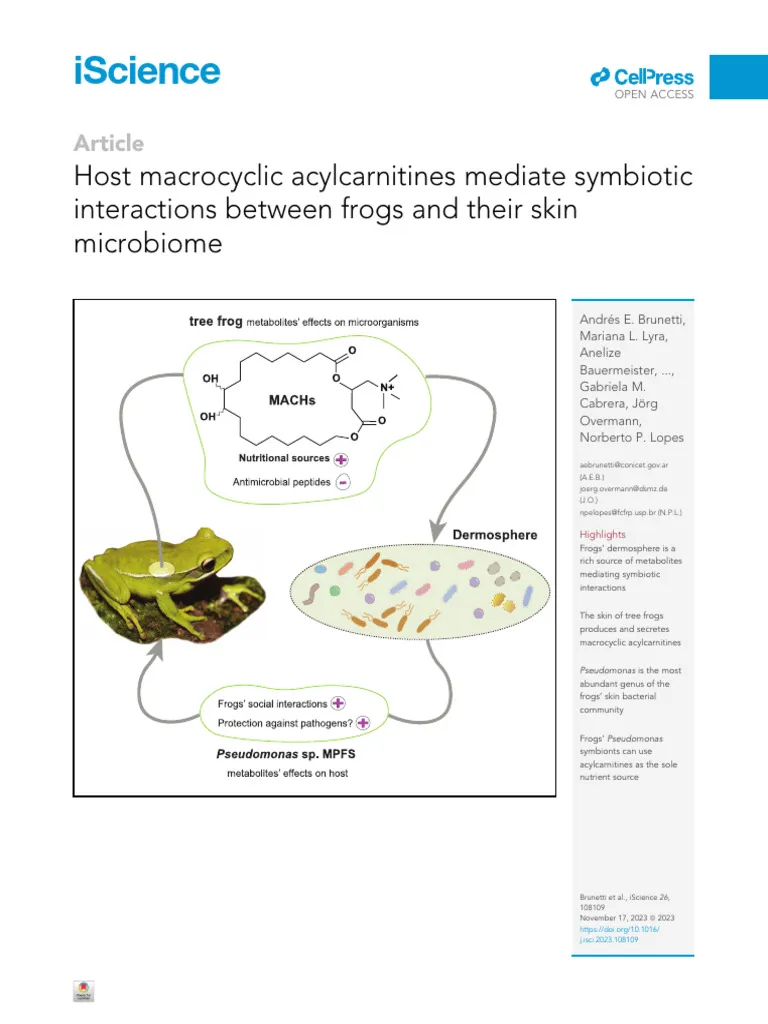
One of the most consequential findings of the past two decades is that frog skin is not sterile; it hosts complex microbial communities that can deter Bd. Certain bacterial species produce antifungal compounds—molecules that directly inhibit the fungus or interfere with its ability to colonize skin. The presence, abundance, and composition of these beneficial microbes predict infection outcomes in many systems.
Researchers identified bacterial strains—often from genera such as Janthinobacterium, Pseudomonas, and Lysobacter—that produce antifungal metabolites. Frogs that harbor robust populations of these bacteria are more likely to survive or clear infections. Laboratory and field experiments have shown that augmenting the skin microbiome with cultured beneficial strains (a probiotic approach) can reduce mortality in susceptible species under controlled conditions.
Antimicrobial Peptides: Biochemical Shields
amphibian antimicrobial peptides secretion
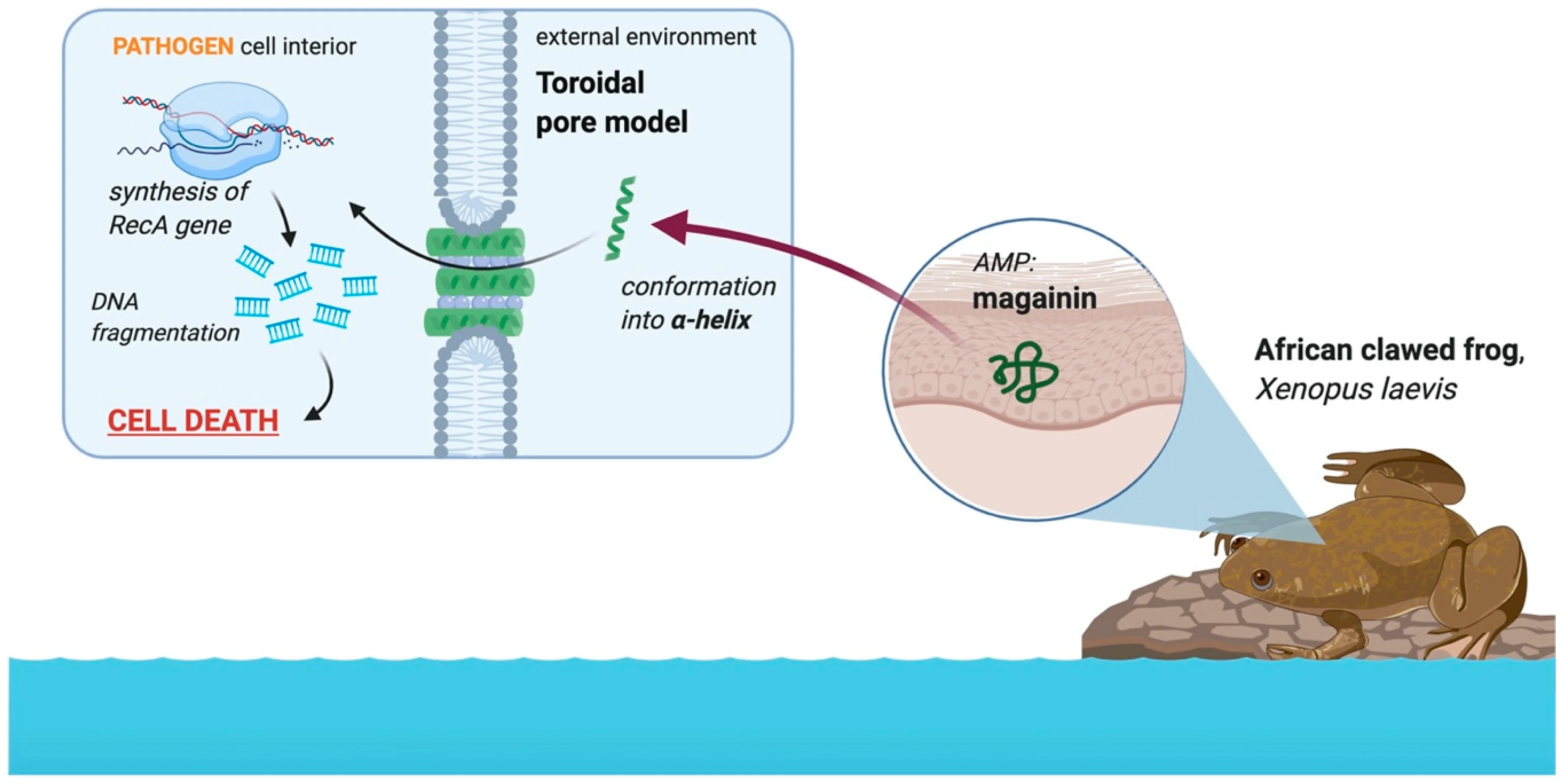
Amphibians secrete a suite of antimicrobial peptides from specialized skin glands. These peptides perform broad-spectrum antimicrobial roles and, importantly, can inhibit Bd growth. The potency and diversity of AMPs vary across species and individuals. Some frogs deploy a battery of peptides with complementary modes of action; others have a narrower repertoire.
AMPs function as both direct inhibitors and as modulators that help maintain a healthy microbiome. When AMP profiles are strong, they can keep fungal loads low enough for the immune system and microbes to work effectively. Conversely, compromised peptide production—due to stress, poor diet, or endocrine disruption—reduces this layer of defense.
The skin is an ecosystem: peptides, microbes and cells all play in the same orchestra. Remove one instrument and the tune falters.
Genetics and Immune Recognition
frog MHC immune genetics
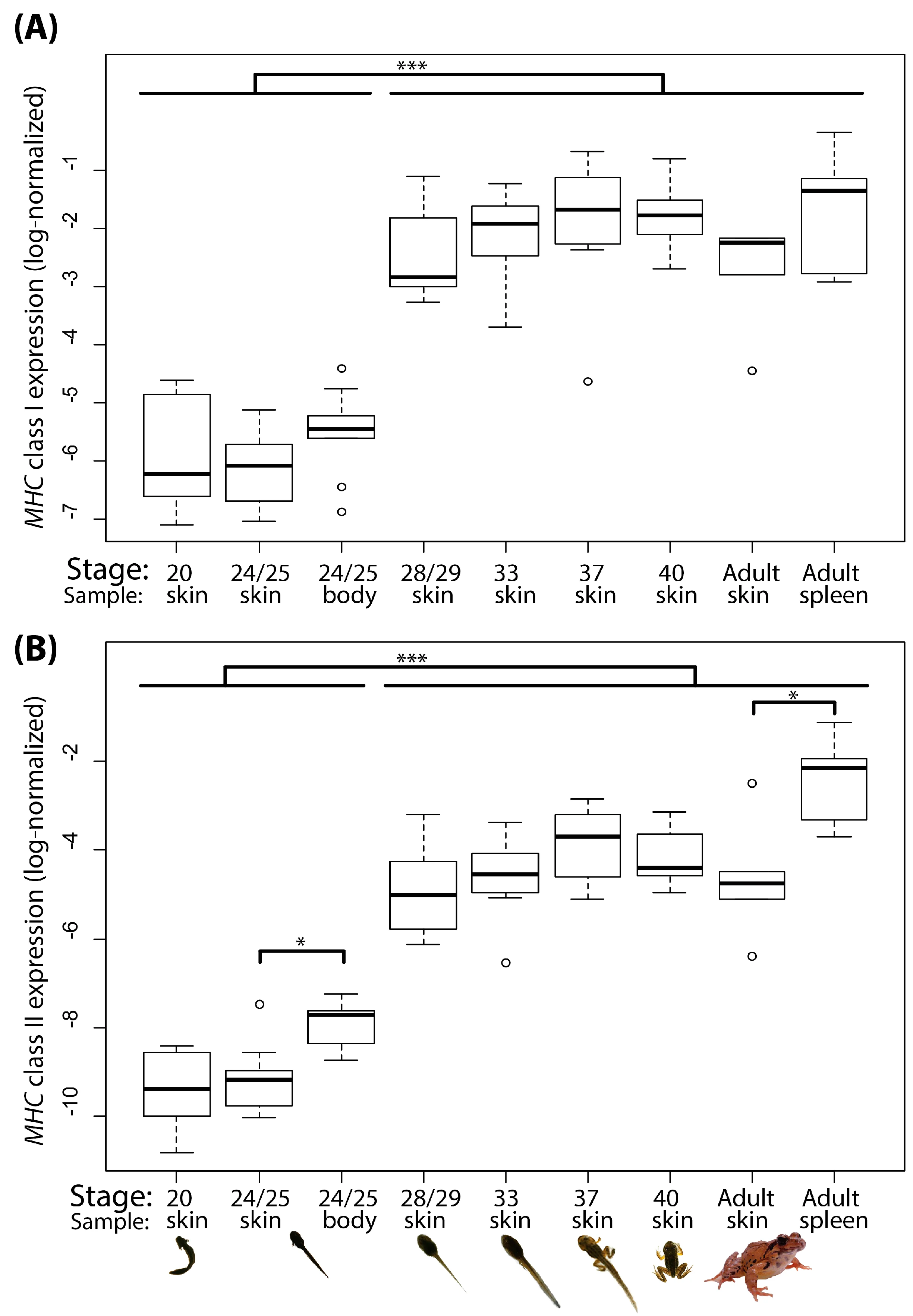
Genetic variation shapes how amphibians recognize and respond to Bd. The MHC region encodes proteins that present pathogen fragments to immune cells; certain MHC alleles improve recognition of fungal antigens. Populations that retain diverse MHC profiles—either through historical mixing or ongoing gene flow—have a better chance of harboring resistant individuals.
Genetic resistance is rarely absolute. Often it reduces pathogen growth or accelerates clearance, buying time for other defenses to act. In some cases, resistant alleles have risen in frequency in populations that survived initial outbreaks, suggesting natural selection in action.
Behavior and Microclimate: The Power of Choice
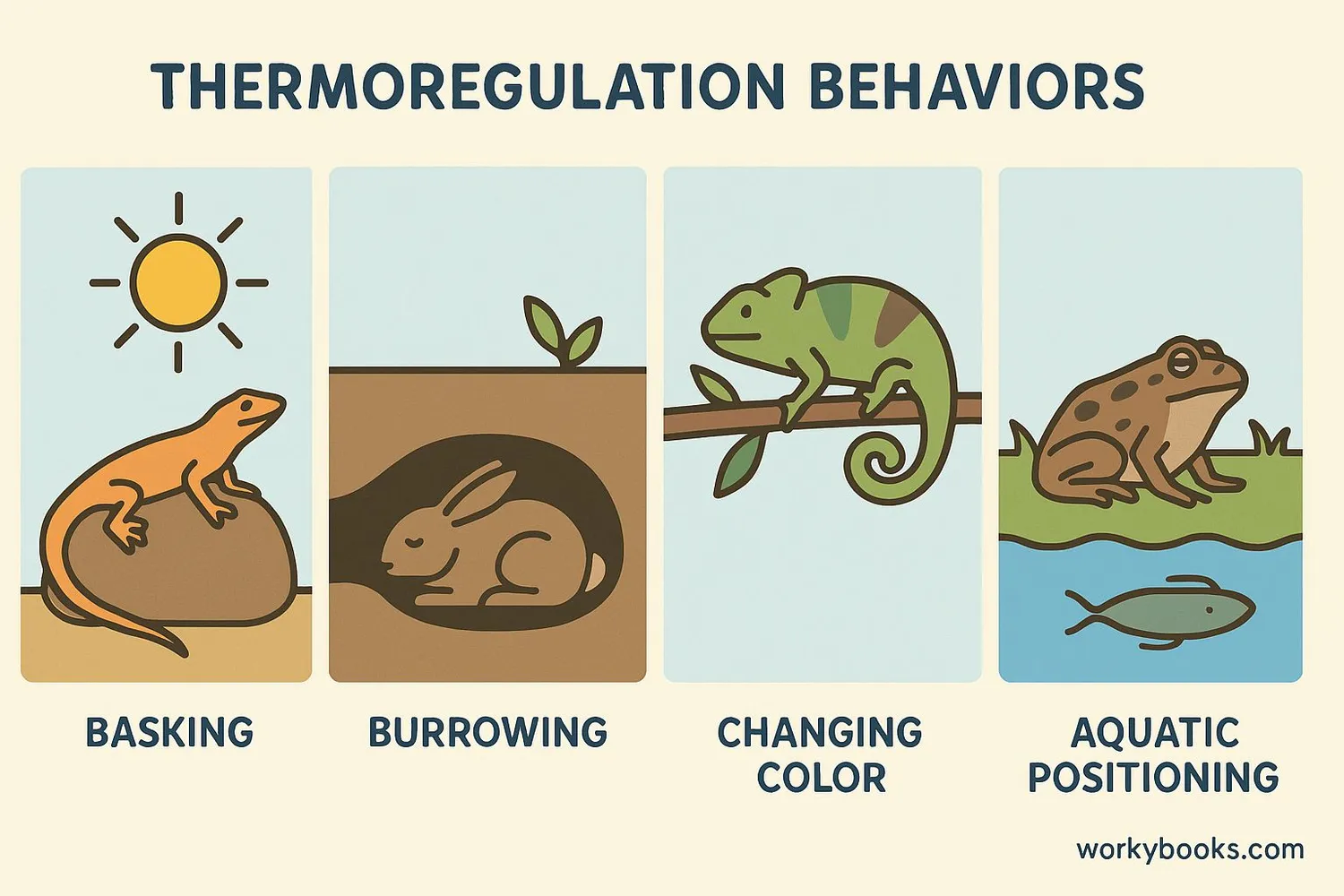
frog behavioral thermoregulation basking
Behavioral strategies—especially thermoregulatory choices—matter. Bd grows best at cool temperatures; many infected frogs seek warmer microhabitats (a behavioral fever) that suppress fungal growth and boost immune function. Species that bask or choose sunlit perches can reduce pathogen load simply by altering their body temperature. Conversely, species tightly bound to cool, shaded microhabitats have fewer options.
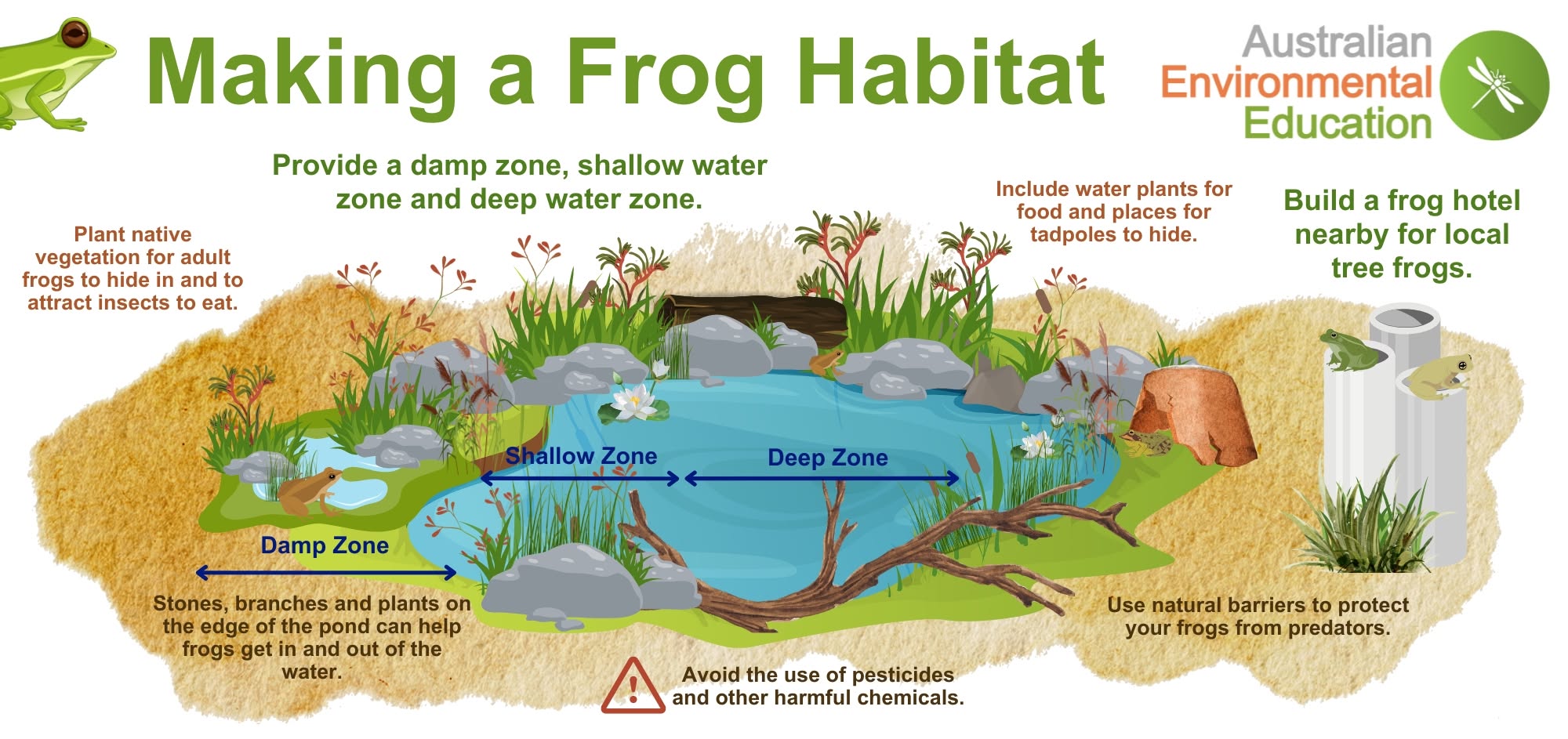
frog habitat thermal refugia
Other behaviors, like selective use of dry refuges, altering activity periods, or social spacing, also influence transmission dynamics and exposure risk. Behavior is both an innate trait and a flexible response influenced by environment and experience.
Putting It Together: An Interaction Model
Think of resistance as an interactive model: skin microbes reduce initial colonization and growth, AMPs suppress fungal proliferation, MHC-guided immunity clears infections more effectively, and behavior reduces exposure and creates unfavorable conditions for the pathogen. Any weak link increases mortality risk. The latest research shows that frogs that survive outbreaks tend to score well on multiple axes rather than on a single dominant trait.
What This Means for Conservation
Understanding mechanisms opens the door to targeted interventions. Several strategies are emerging and have been piloted with mixed but promising results:
- Microbiome augmentation (probiotics): Applying cultured beneficial bacteria to wild frogs can reduce mortality in some trials. Success depends on establishing long-term colonization and ecological compatibility.
- Captive breeding and selective breeding: Programs that prioritize resistant individuals, or maintain MHC diversity, can produce stock for reintroduction with a higher chance of persistence.
- Habitat management: Restoring thermal refugia and reducing pollutants that disrupt skin microbiota support natural defenses.
- Biosecurity and monitoring: Preventing spread of particularly virulent strains and monitoring pathogen dynamics help prioritize interventions.
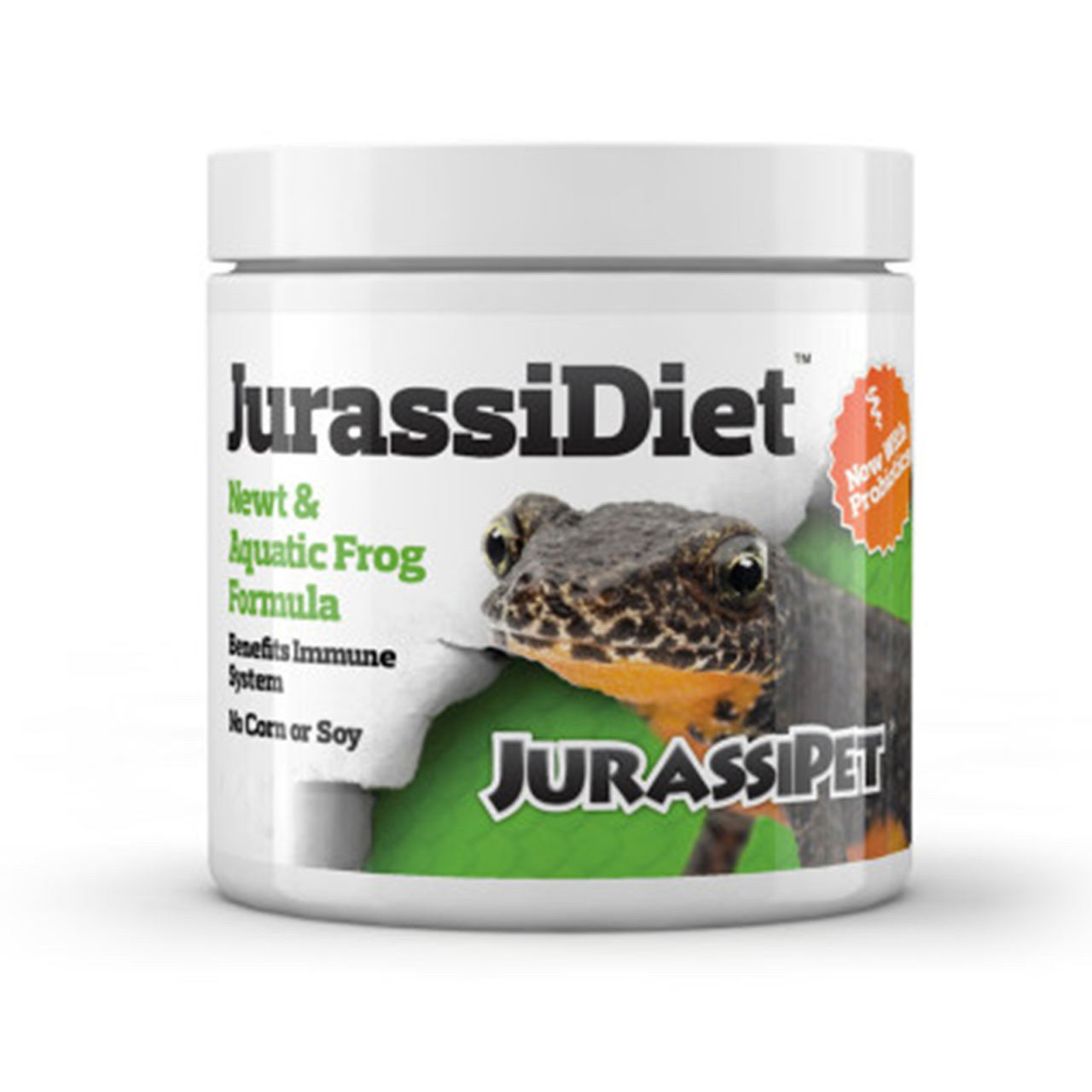
probiotic treatment for frogs
Interventions work best when they mirror nature’s layered defenses—supporting microbes, chemistry, genes and behavior together.
- Targeted protection: Microbiome and AMP approaches are species-specific and can be highly effective.
- Speed: Probiotic treatments can show benefits quickly in small populations.
- Scalability: Field-scale application and long-term establishment of treatments is challenging.
- Ecological risk: Introducing microbes could have unintended community effects if not carefully vetted.
Ethical and Practical Considerations
Conservation interventions raise complex questions. Assisted approaches—introducing microbes, selecting for resistant traits, or altering habitats—must balance short-term rescue with long-term ecological integrity. There is also the risk of unanticipated evolutionary responses in the pathogen. Responsible programs combine adaptive monitoring, careful risk assessment, and community engagement to ensure that interventions are both effective and ethically sound.
Case Study Snapshots
Several high-profile case studies illustrate the principles above. In mountain streams, some frog populations that once crashed have rebounded where environmental conditions improved and where surviving individuals carried protective microbes and resistant alleles. On islands, conservationists have used captive-breeding with careful genetic management to re-establish populations, pairing releases with habitat improvements that allow behavioral thermoregulation.
Caption: A restored wetland with sunlit banks can give frogs the microclimate choices they need to escape fungal pressure.
What Scientists Still Need to Learn
While major pieces of the puzzle have been filled in, important questions remain. How stable are introduced probiotics across seasons and generations? What are the long-term evolutionary consequences of selecting for resistance? How do mixed infections and environmental stressors reshape outcomes? And crucially, how do we scale successful pilot programs to the regional and global levels required to stem biodiversity loss?
Research Priorities
- Longitudinal field trials tracking probiotic persistence and ecological impacts.
- Genomic studies linking immune loci to survival across landscapes and strains.
- Integrated models that predict outbreak dynamics under climate change scenarios.
- Social science research on stakeholder engagement for field interventions.
A New Playbook for Amphibian Conservation
The broader lesson is hopeful: complex biological problems rarely have single-point fixes, but they can be managed when we understand and support the natural systems that produce resilience. For amphibians, that means protecting the microbial communities and habitats that let anti-fungal peptides and immune systems do their work, while using smart, carefully tested interventions where necessary. In short, conservation becomes a choreography between protection, support, and repair.
- Frog survival against chytrid fungus emerges from interacting defenses: skin microbiome, antimicrobial peptides, genetics and behavior.
- Probiotic and habitat-based interventions show promise but require rigorous testing and monitoring.
- Conservation strategies that restore environmental heterogeneity and genetic diversity increase the chances of long-term persistence.
- Ethical, ecological and evolutionary consequences must guide any intervention at landscape scale.
Conclusion: From Mystery to Action
The decades-long mystery of why some frogs survive the chytrid fungus has shifted from unanswered conjecture to an operational understanding. By mapping the layers of defense—from microscopic bacteria to genes to behavior—researchers have turned insight into tools. The challenge now is implementation at scale: translating lab and small-plot success into durable recoveries for species and ecosystems. That work will require science, stewardship, and patience. But after years of loss, biologists finally have a clearer map of how to help frogs reclaim the places they once filled—one pond, one bacterial partner, and one informed intervention at a time.