No Sunrise, No Sunset: Could a Tidally Locked World Support Life?
The idea of a planet that never sees a sunrise or sunset feels like science fiction: a sky frozen forever into a bright, searing day on one side and an eternal night on the other. But tidally locked worlds—planets with one face always turned toward their star—are not just theoretical curiosities. They are a common outcome of planetary dynamics, and many of the most promising nearby exoplanets orbit small, long-lived red dwarf stars where tidal locking is likely. The big question for astrobiology is deceptively simple: can life take hold when day and night have been split in two?
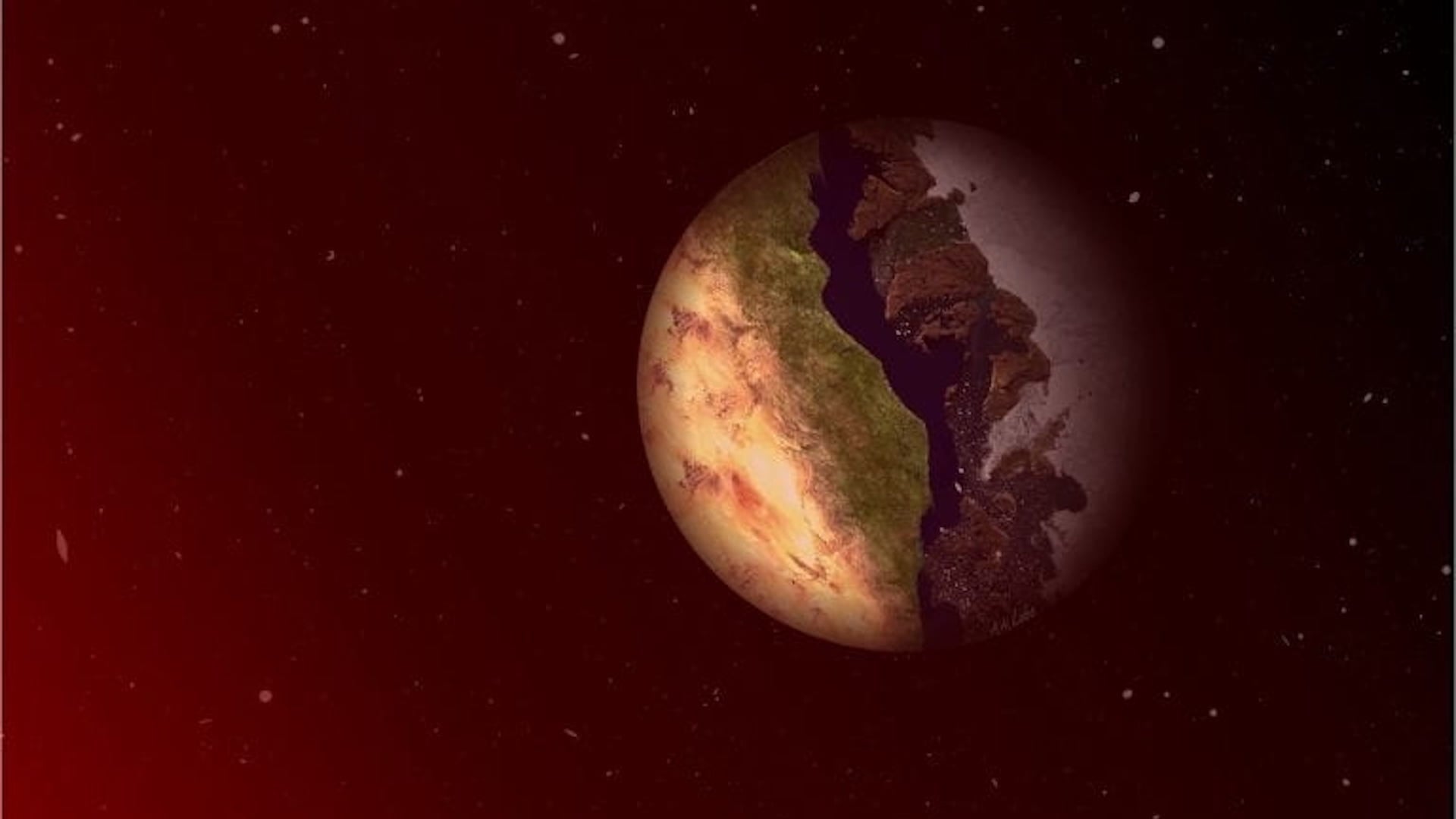
Tidally locked exoplanet terminator
What is Tidally Locking—and Why Does It Happen?
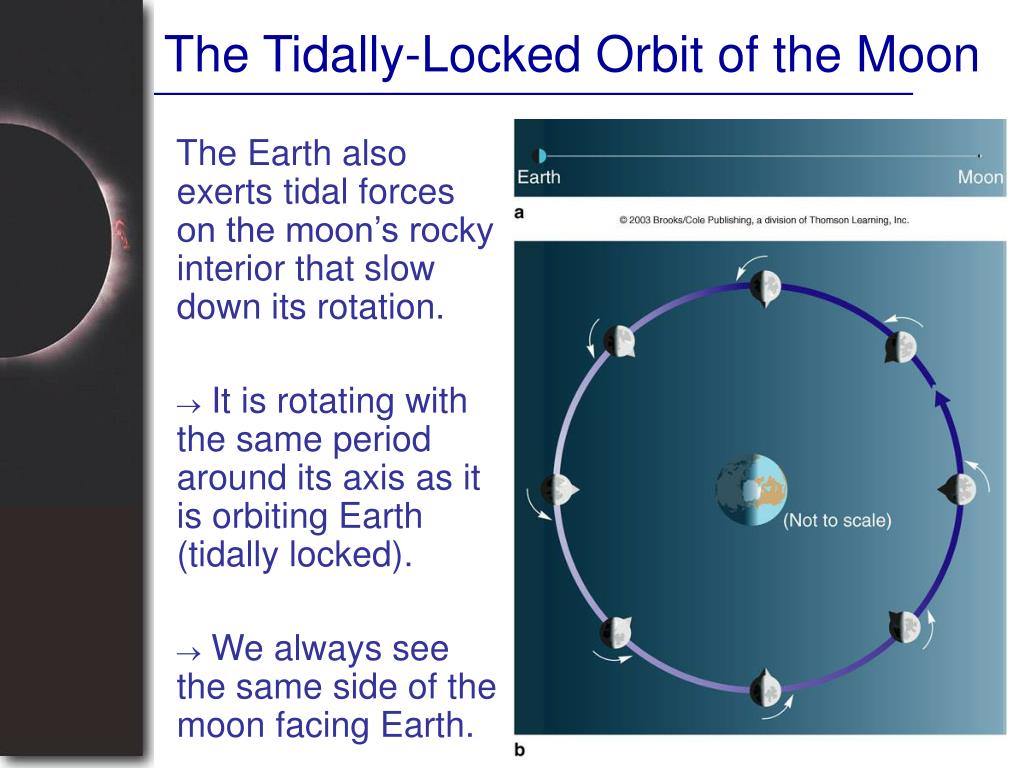
Tidal locking is a gravitational dance. Over time, torques between a planet and its star slow rotational spin until the planet's rotation period matches its orbital period. The Moon is tidally locked to Earth—always showing us the same face—and many exoplanets close to their stars are expected to be locked the same way. The closer a planet orbits, the stronger the tidal forces, and the faster locking occurs.
Red dwarf star system
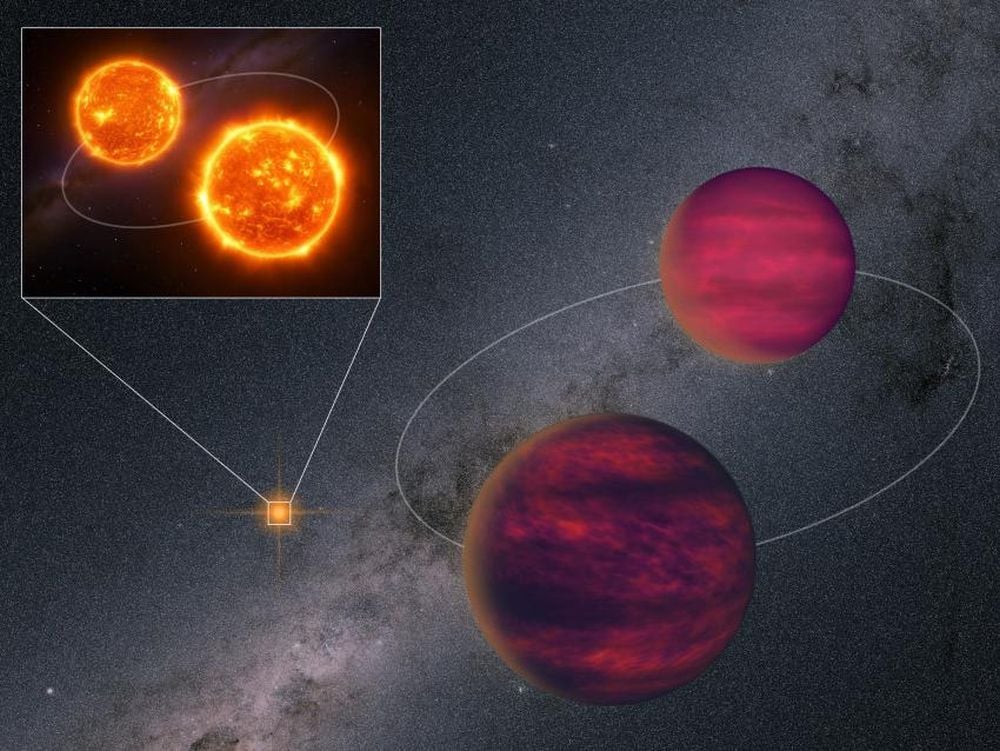
For planets around cool, dim M-dwarf stars, the habitable zone—the range of distances where liquid water could persist—lies close to the star. That proximity makes tidal locking common for worlds in those habitable zones. Instead of a gentle cycle of day and night, these planets develop a permanent dayside bathed in continuous starlight and an eternal nightside plunged into darkness.
A Planet Without Sunrise or Sunset: Climate Regimes
Strip away the poetic image of sunrise and sunset and replace it with physical consequences. A tidally locked planet will tend to develop large temperature contrasts between its dayside and nightside. The dayside may be extremely hot, the nightside extremely cold. But the final climate depends on three main factors: the composition and thickness of the atmosphere, the presence and depth of oceans, and the planet's rotation pattern and winds.
Planetary atmospheric circulation
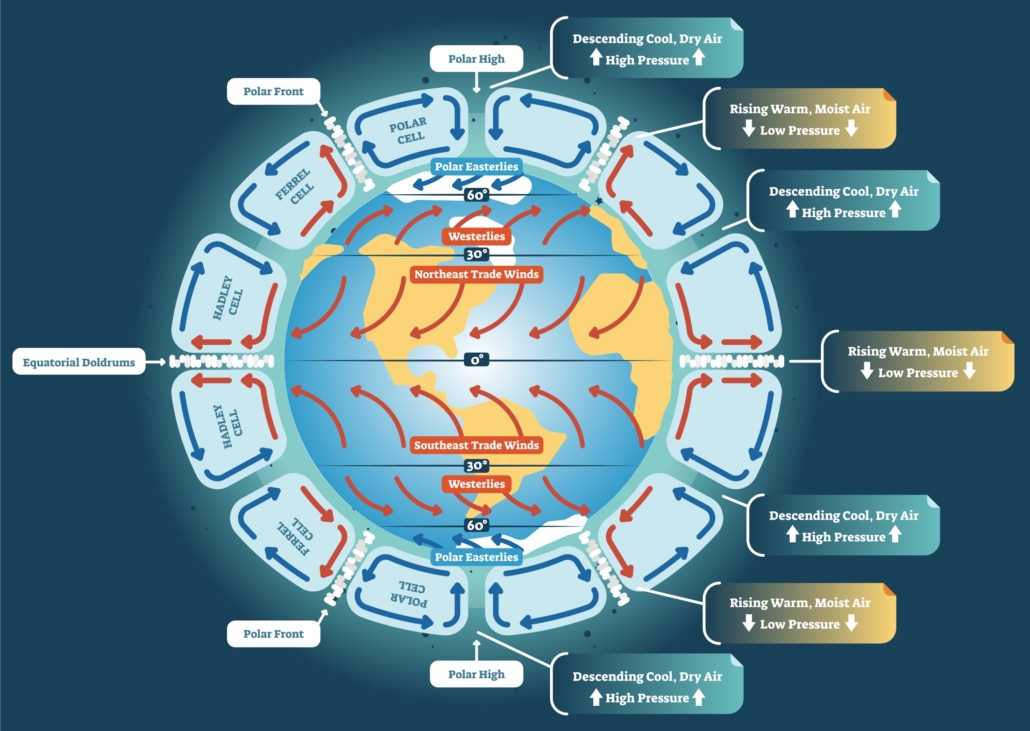
Atmospheric heat transport: A dense atmosphere acts like a blanket and a conveyor belt. Strong winds can move heat from the dayside to the nightside, reducing temperature extremes and preventing the nightside from freezing out. Global circulation models show that with a sufficiently thick atmosphere—tens to hundreds of millibars and above—thermal contrasts shrink and climates stabilize into habitable patterns.
Ocean currents: Oceans store heat efficiently. If a tidally locked planet has a global ocean or large seas, currents can carry heat across the terminator (the line between day and night). Deep oceans support long-timescale redistribution and help moderate climate the way Earth's oceans do.
Clouds and albedo: Constant starlight can drive persistent cloud formations on the dayside. Reflective clouds increase planetary albedo, cooling the dayside and enhancing habitability by reducing runaway greenhouse risk. On the nightside, thin clear skies allow more efficient heat loss unless counterbalanced by atmospheric transport.
The Terminator: A Narrow But Forgiving Harbor
The most celebrated habitability concept for tidally locked planets is the terminator zone: an annulus between permanent day and night that receives low-angle, continuous starlight. This twilight band can offer stable temperatures and persistent energy input—two essentials for life.
The terminator is compelling because it naturally produces gradients in temperature and light that organisms could exploit. The dayside supplies abundant photons and warmth; the nightside harbors cooler refuges and possibly trapped volatiles like condensed gases. Creatures, ecosystems, or microbial mats—if they exist—might cluster in shadowed canyons, along coastlines, or within dynamic cloud decks where microclimates persist.
Life doesn't need Earth's sunrise to evolve—what it needs is energy, redistribution, and a stable niche.
How Photosynthesis Could Work Under Constant Light
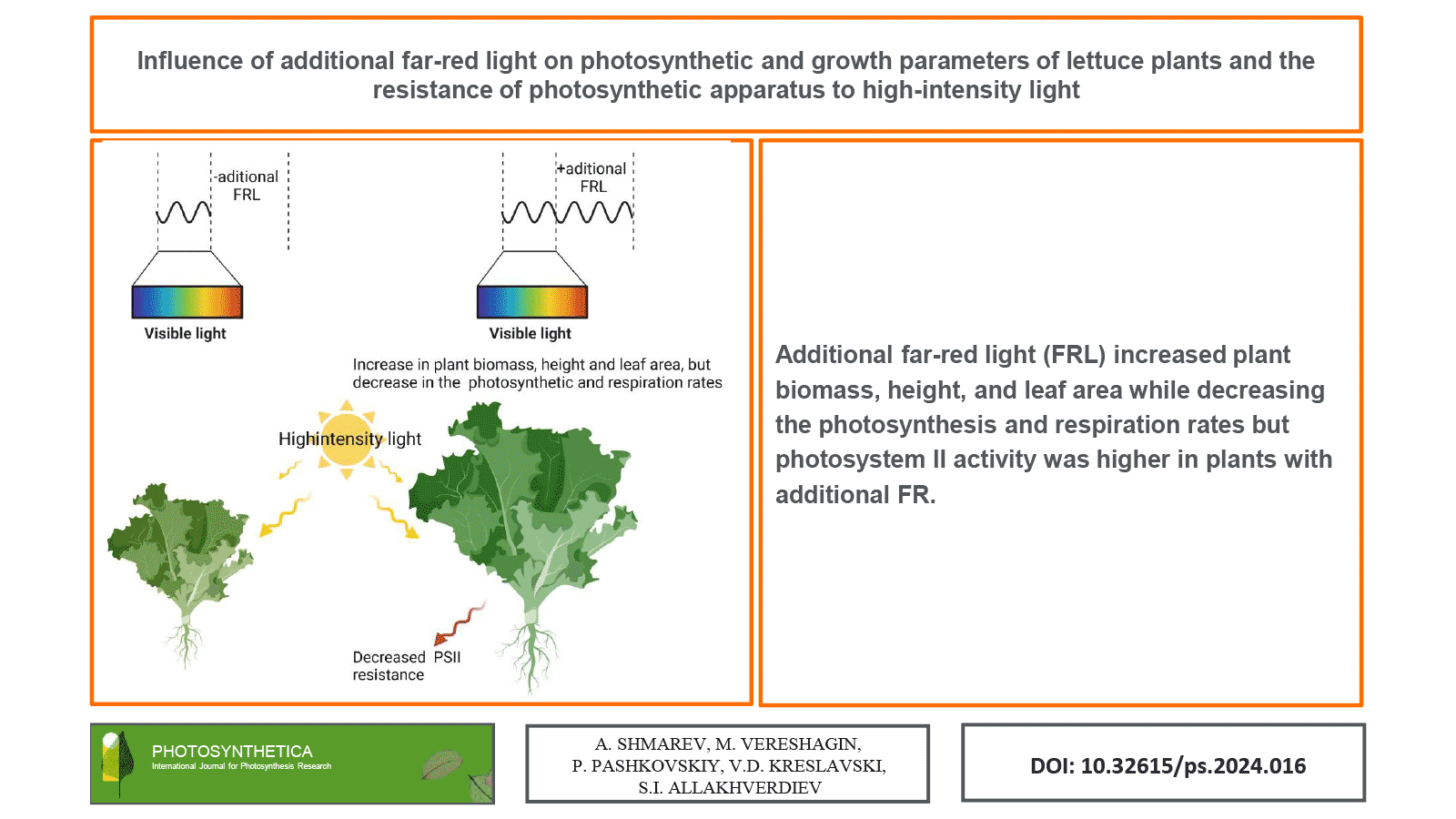
Photosynthesis on a tidally locked planet won't look like Earth's day–night rhythm. Continuous illumination could favor organisms with metabolic adaptations to constant photon fluxes. For plants or phototrophs orbiting a red dwarf, the stellar spectrum is redder and peaks at longer wavelengths. That shifts the effective photon energy and may require different pigments optimized for infrared-dominant light.
Photosynthesis red light adaptation
Continuous light has ecological consequences: diel cycles drive many biological rhythms on Earth. On a tidally locked world, organisms could evolve internal clocks tied to other rhythms—tidal patterns from oceans, seasonal changes if orbital eccentricity exists, or chemical gradients. Alternatively, constant conditions might favor life strategies based on spatial rather than temporal niches: layers of ecosystems stacked from the hot substellar point to the cool nightside.
Alternative Energy Sources: Not Just Sunlight
Even if photosynthesis is limited, life could exploit non-phototrophic energy. On Earth, chemosynthesis powers ecosystems around hydrothermal vents where sunlight never reaches. Tidally locked planets with tectonic activity, volcanism, or tidal heating can supply chemical disequilibria—reduced compounds, heat, and mineral interfaces—that microbes could use. If the nightside freezes surface water into ice, subsurface oceans warmed by the planet's interior could still host life.
Challenges to Habitability
Promising as the terminator is, several significant hurdles must be overcome.
Stellar flare M-dwarf
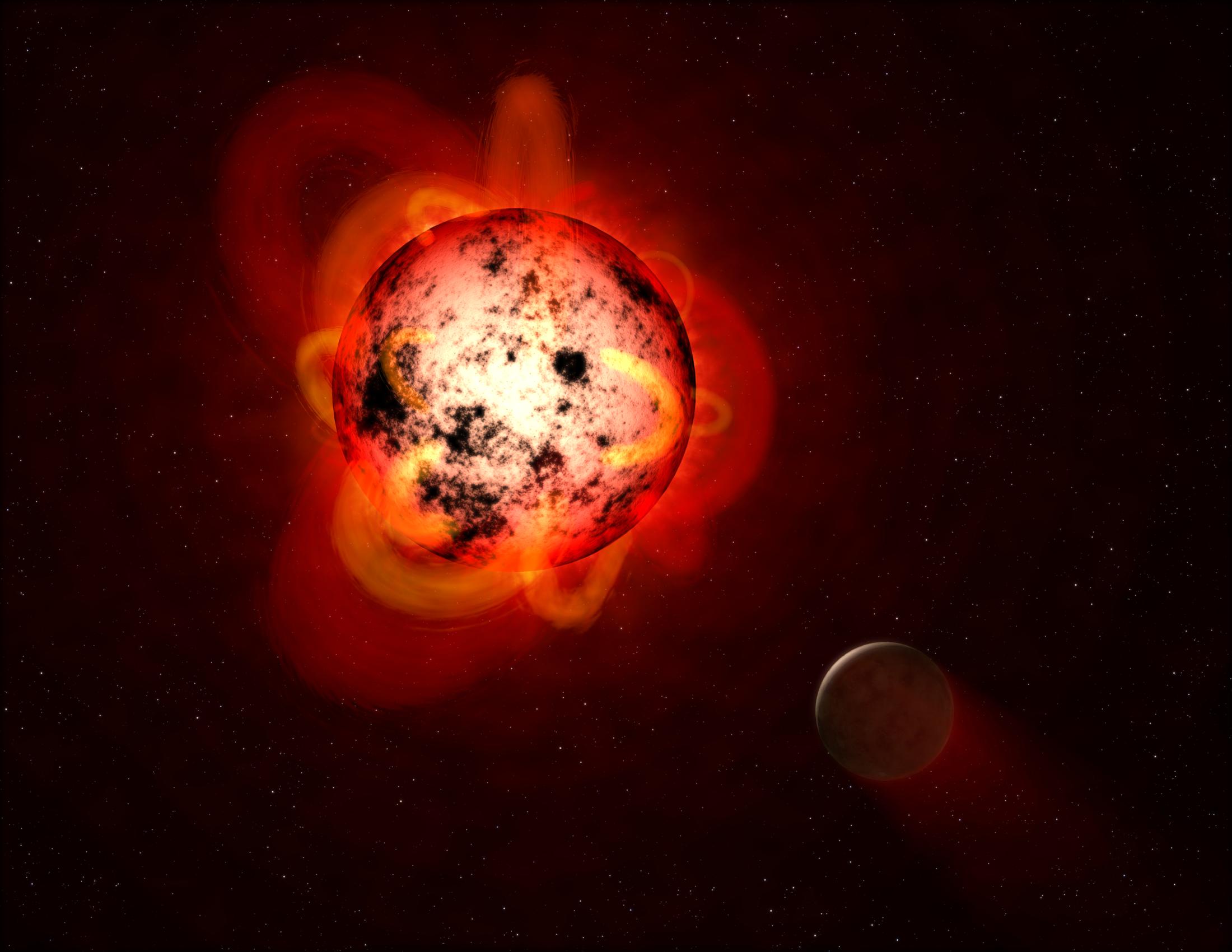
- Stellar activity and flares. Many red dwarfs are magnetically active and can emit powerful flares and particle storms. Repeated high-energy bombardment can erode atmospheres, chemically alter molecules critical for life, and increase surface radiation. A strong planetary magnetic field and a protective atmosphere mitigate these effects.
- Atmospheric escape and collapse. Intense stellar wind or ultraviolet radiation can strip lighter molecules, thinning the atmosphere. On the nightside, if heat transport is insufficient, atmospheric gases may condense and freeze out, irreversibly changing climate. A thick, robust atmosphere reduces this risk.
- Runaway greenhouse or desiccation. Continuous illumination at the substellar point can push a planet toward runaway greenhouse if greenhouse gas concentrations are high and reflective clouds are absent. Without regulatory feedbacks, the dayside could become sterile.
Nature Finds a Way: Lessons from Extremophiles
Earth's extremophiles provide templates for life in odd environments. Microbial mats thrive under low light, acidophiles survive harsh chemistry, and organisms around vents operate on chemical energy alone. These examples show how life can exploit narrow energy gradients, cling to mineral surfaces, and adapt to perpetual conditions—characteristics that would be advantageous along a terminator.
What Could Life Look Like?
Speculation is an art informed by physics and biology. On a tidally locked world you might find:
- Phototrophic carpets along the terminator, using pigments tuned to red or infrared light and adapted to constant illumination.
- Mobile macroorganisms that migrate slowly between warmer and cooler zones to manage heat stress, analogous to animals following seasons or tides on Earth.
- Subsurface biospheres powered by geothermal flux, independent of surface photon budgets.
- Cloud-dwelling microbes that ride persistent day-side cloud decks where moisture and moderate temperatures persist.
These hypothetical ecosystems emphasize diversity of energy strategies: photosynthesis where light is useful; chemosynthesis where it is not; and mobility or dormancy to handle extremes.
How We Would Detect Life
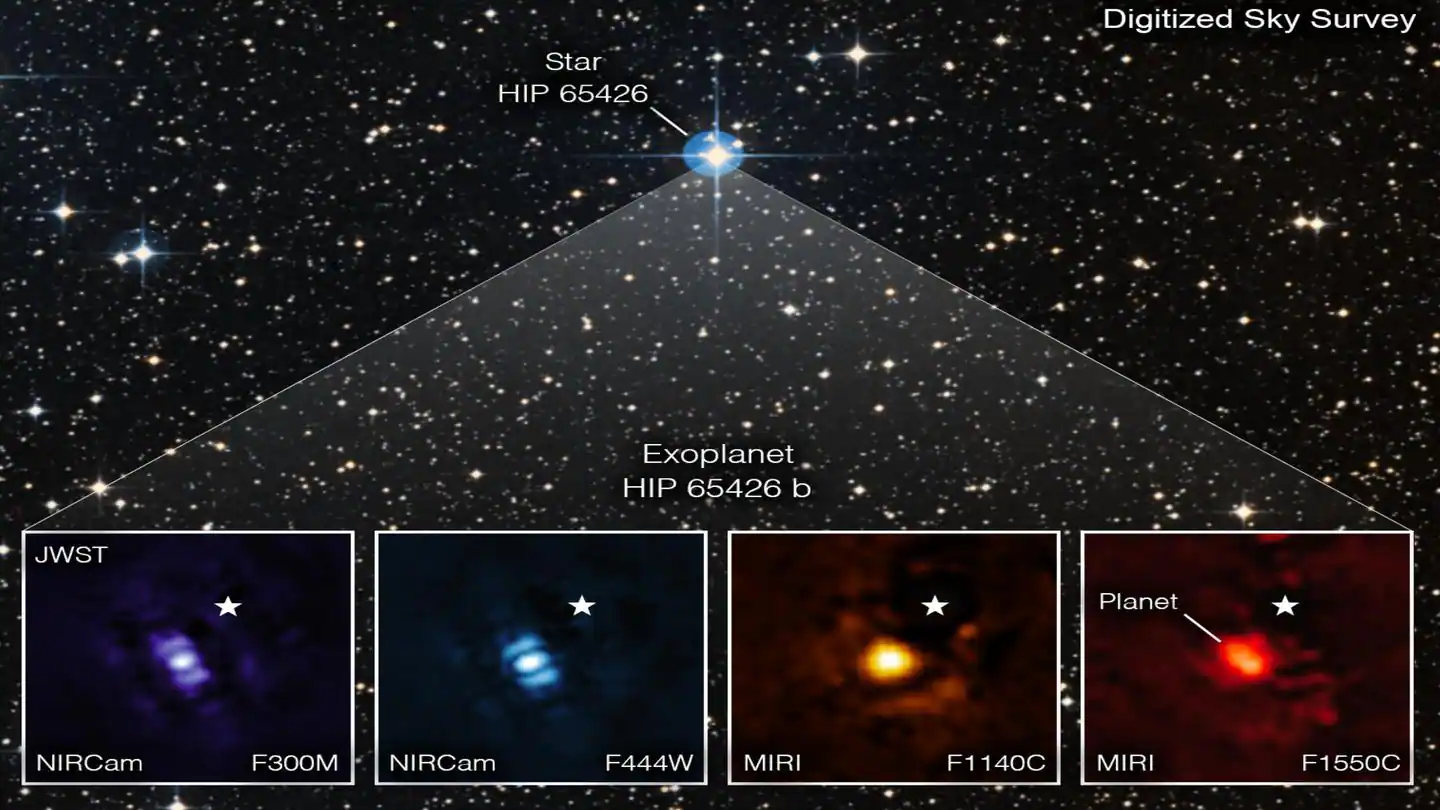
Detecting life across light-years is daunting but not impossible. The primary tools are spectroscopy and time-resolved observations.
James Webb Telescope exoplanet
Spectroscopy can reveal atmospheric gases out of chemical equilibrium—oxygen alongside methane, dimethyl sulfide, or other reduced species—that hint at biological processes. The presence of water vapor, carbon dioxide, and certain aerosols can suggest a potentially habitable environment. On tidally locked planets, spatially resolved spectroscopy or phase curves (observing the planet at different orbital phases) can map differences between dayside and nightside composition, revealing where clouds, water vapor, or surface features concentrate.
Time domain studies could detect seasonal or weather-driven variability. If photosynthetic organisms bloom on the terminator, the planet's spectral fingerprints might shift in characteristic ways. Ultimately, a confident biosignature would require a consistent, explainable disequilibrium that resists plausible abiotic explanations.
Candidate Worlds and Why They Matter
A handful of nearby exoplanets orbiting small stars have become poster children for tidally locked habitability. These targets matter because they are close enough for detailed follow-up with modern telescopes and because their star–planet geometry makes tidal locking plausible. For astrobiologists, these systems are natural laboratories to test climate models, atmospheric escape theories, and biosignature detection strategies.
Observational Priorities
To assess a tidally locked planet's habitability we need: precise measurements of atmospheric composition, constraints on surface pressure and temperature, and observations of stellar behavior. Measurements that reveal a thick atmosphere, active heat transport, and mitigated stellar flares would significantly improve the odds for habitability.
If heat is shuffled efficiently and the planet keeps its atmosphere, eternal day and eternal night become features to work with, not insurmountable barriers.
Why This Changes the Way We Think About Habitable Worlds
Habitable zones have often been framed with Earth as the template—planets with familiar day-night cycles and similar rotation rates. Tidal locking expands the menu of possibilities. It asks us to think about habitability as a suite of physical processes rather than a narrow checklist: energy availability, chemical disequilibrium, long-term climate stability, and protection from radiation. In that light, a planet with no sunrise or sunset is not a binary yes/no for life; it is an invitation to study novel climates and adaptive strategies.
Conclusion: A Strange Sky, a Familiar Quest
A planet without sunrise or sunset challenges our sensory intuition but not the laws that make life possible. With the right atmospheric thickness, ocean coverage, and geological heat, tidally locked planets could host stable niches where life persists—especially along the temperate terminator. The obstacles are real—stellar activity, atmospheric loss, and extreme local heating—but they can be mitigated by planetary characteristics we can eventually measure.
For astrobiology, these worlds broaden the search. Instead of only looking for Earth twins, we should embrace diversity: different stellar types, different orbital geometries, and different climates. The terminator's dim, steady light might be a cradle for life forms very different from those we know, yet built on the same fundamental need for energy and stability.
- Many exoplanets around small stars are likely tidally locked, producing permanent day and night hemispheres.
- The terminator zone, aided by atmospheric and oceanic heat transport, is the most promising region for habitability.
- Life could rely on photosynthesis adapted to continuous, redder starlight or on chemosynthesis powered by geothermal energy.
- Stellar flares and atmospheric escape are major risks; magnetic fields and thick atmospheres help protect habitability.
- Detection will rely on spectroscopy, phase curves, and careful elimination of abiotic false positives.
Final Thought
The absence of sunrise or sunset won't stop a planet from hosting life if its climate systems and chemistry are in tune. As we build better telescopes and refine our models, the twilight between eternal day and night may become one of the most exciting real estate searches in the universe.