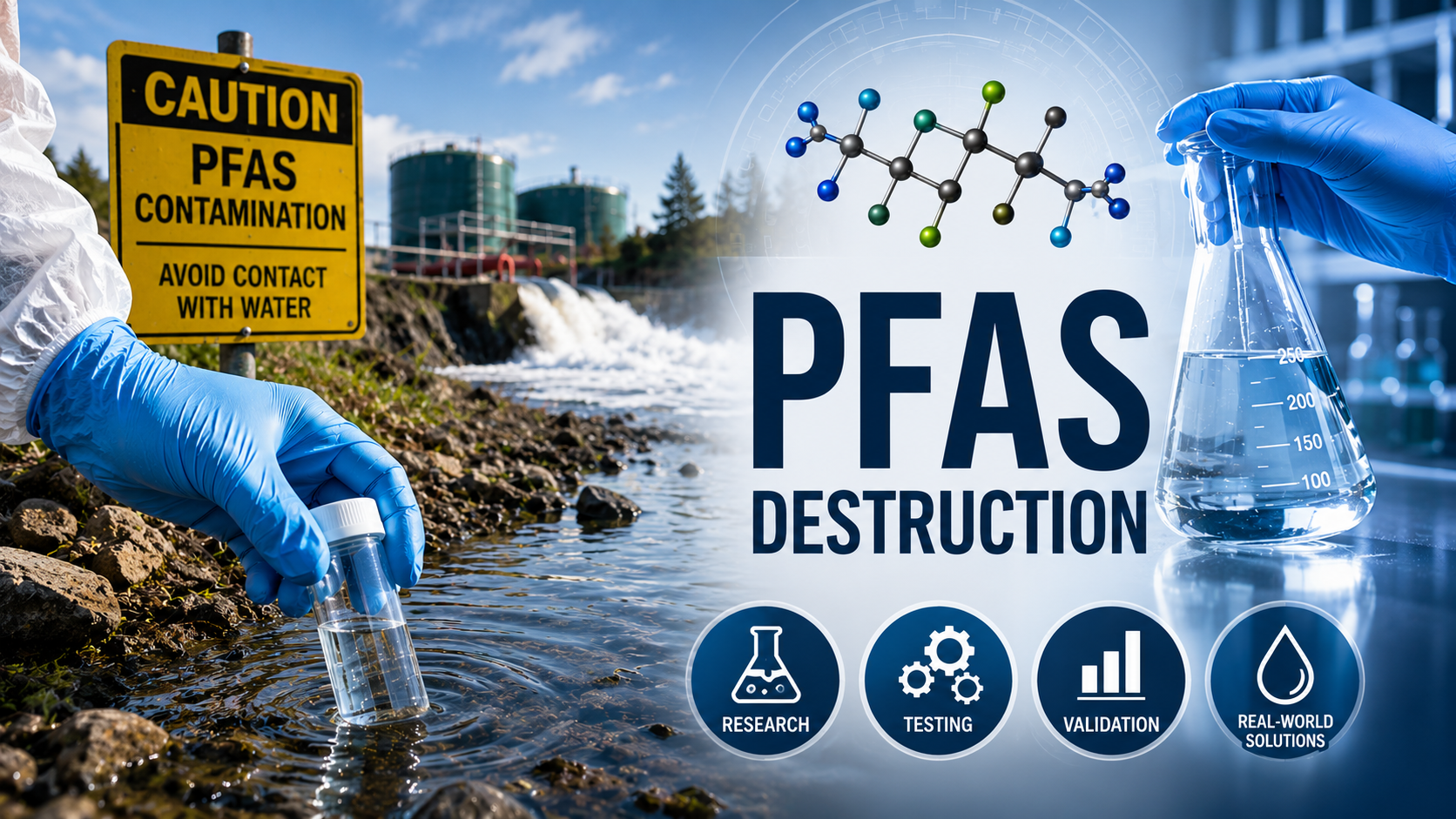
Two Breakthrough Methods to Destroy Forever Chemicals
The phrase "forever chemicals" has become shorthand for a deep and stubborn environmental problem: man-made fluorinated molecules that resist natural breakdown and accumulate across landscapes, drinking water, wildlife and people. For decades, engineers and regulators have struggled to find ways to remove these chemicals from water and soil without simply moving the contaminant from one place to another. Now, scientists are reporting two compelling approaches that can break the carbon–fluorine bond—the chemical Achilles' heel of these substances—and turn persistent PFAS into simpler, non-toxic compounds. These techniques are not magic cures, but they represent real progress: novel electrochemical oxidation systems and plasma-catalytic conversion processes that promise higher destruction efficiency, potentially lower costs, and routes to safer waste streams.
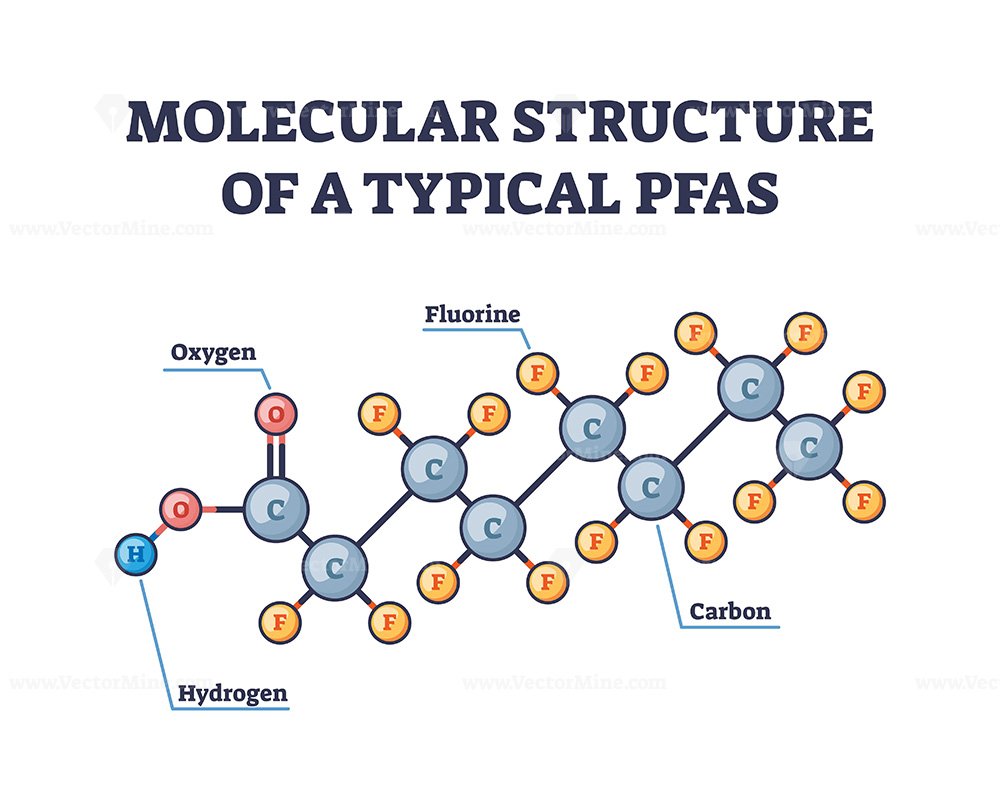
PFAS molecular structure diagram
Destroying the carbon–fluorine bond is the scientific summit of PFAS remediation. These new methods bring us closer to the peak.
Why PFAS Are So Difficult to Destroy
PFAS (per- and polyfluoroalkyl substances) are a broad class of synthetic chemicals whose defining feature is the carbon–fluorine bond. That bond is one of the strongest in organic chemistry: it confers thermal stability, chemical resistance and the very properties that made PFAS useful in everything from firefighting foam to nonstick cookware. But that same resilience is what makes them environmentally persistent and resistant to biodegradation and conventional wastewater treatment.
Traditional removal approaches—activated carbon adsorption, ion exchange resins, and reverse osmosis—can separate PFAS from water, but they do not destroy the molecules. They concentrate them into residual streams that still require careful handling. Thermal destruction is effective at high temperatures, but it can be energy intensive and technically challenging at scale, and it risks creating hazardous byproducts if not tightly controlled. What scientists have been seeking are processes that cleave fluorine from carbon cleanly and convert PFAS into benign end products without runaway energy demands or toxic side reactions.
SECTION 1: The First Method — Advanced Electrochemical Oxidation
How it works
Electrochemical oxidation leverages electrical current to drive chemical reactions that would otherwise be slow or impractical. In the context of PFAS destruction, a water stream containing dissolved PFAS is passed through an electrochemical cell where specially designed anodes generate highly reactive oxidants—hydroxyl radicals, oxo-species or adsorbed reactive intermediates—directly at the electrode surface. These oxidants attack the carbon–fluorine bond or first break the molecule into smaller fragments that are susceptible to further oxidation and mineralization.
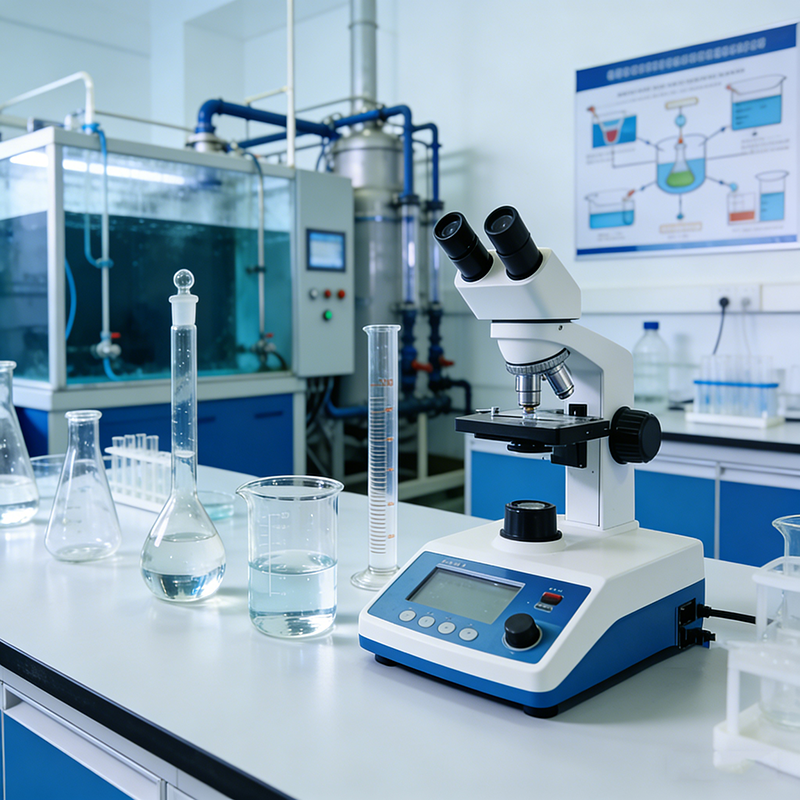
electrochemical oxidation laboratory
Recent advances have focused on electrode materials and reactor designs that maximize the production of strong oxidants while minimizing undesired side reactions. Materials such as boron-doped diamond, some metal oxides, and engineered three-dimensional foams increase surface area and promote direct electron transfer steps that weaken the carbon–fluorine bond. Paired with optimized current densities and flow-through architectures, these systems can achieve substantial destruction of short- and long-chain PFAS in bench and pilot trials.
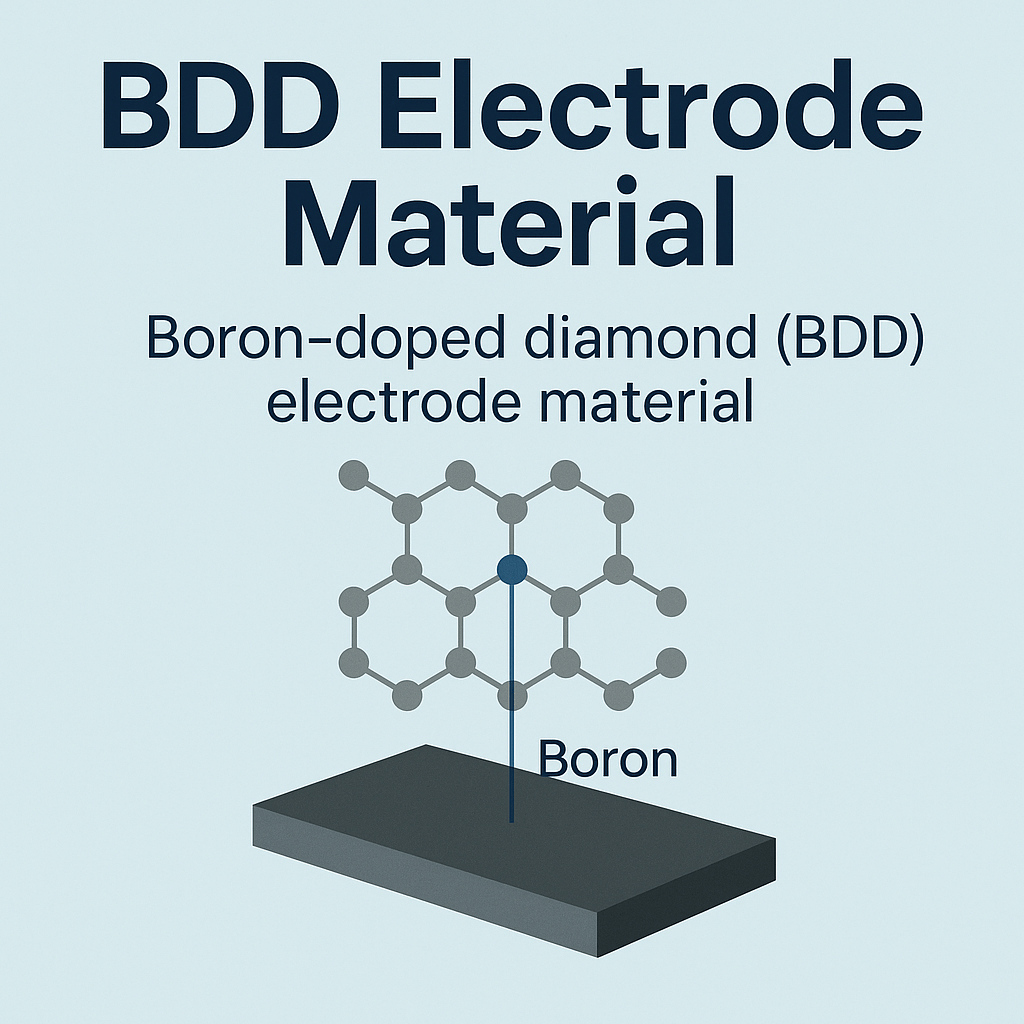
boron-doped diamond electrodes
Advantages
- Direct destruction: Unlike adsorption, electrochemical processes aim to mineralize PFAS, reducing the need for downstream disposal.
- Modularity: Cells can be packaged into skid-mounted units suitable for treatment plants, industrial point sources, or mobile remediation units.
- Controlled chemistry: Operators can tune current, pH and electrode material to target a wide mix of PFAS.
Limitations and technical challenges
Electrochemical systems are not without hurdles. Energy consumption can be significant, particularly when treating very low-concentration PFAS across large volumes of water. Electrode fouling and the formation of intermediate byproducts require careful monitoring. Capital costs for advanced electrode materials can be high, and scaling from laboratory cells to full-scale treatment requires both materials engineering and process optimization to keep costs and maintenance manageable.
Where this fits in practice
Electrochemical oxidation is especially attractive for concentrated waste streams—industrial effluents, firefighting foam concentrates, or the residual flows from adsorption systems—where the footprint and energy investment can be justified. When combined with initial separation steps that concentrate PFAS, electrochemical units can become cost-effective final-stage destructors rather than first-line bulk removers.
SECTION 2: The Second Method — Plasma-Catalytic Conversion
How plasma-catalytic systems attack PFAS
Plasma-catalytic conversion uses highly energetic, ionized gas—plasma—to generate reactive species such as electrons, ions, excited molecules and radicals. When paired with a tailored catalyst, the plasma creates a hotbed of chemical activity that can fragment PFAS molecules and liberate fluorine atoms. The catalyst surface then promotes recombination reactions that favor the formation of stable, non-toxic fluorinated salts or gaseous fluorides that can be captured and neutralized.
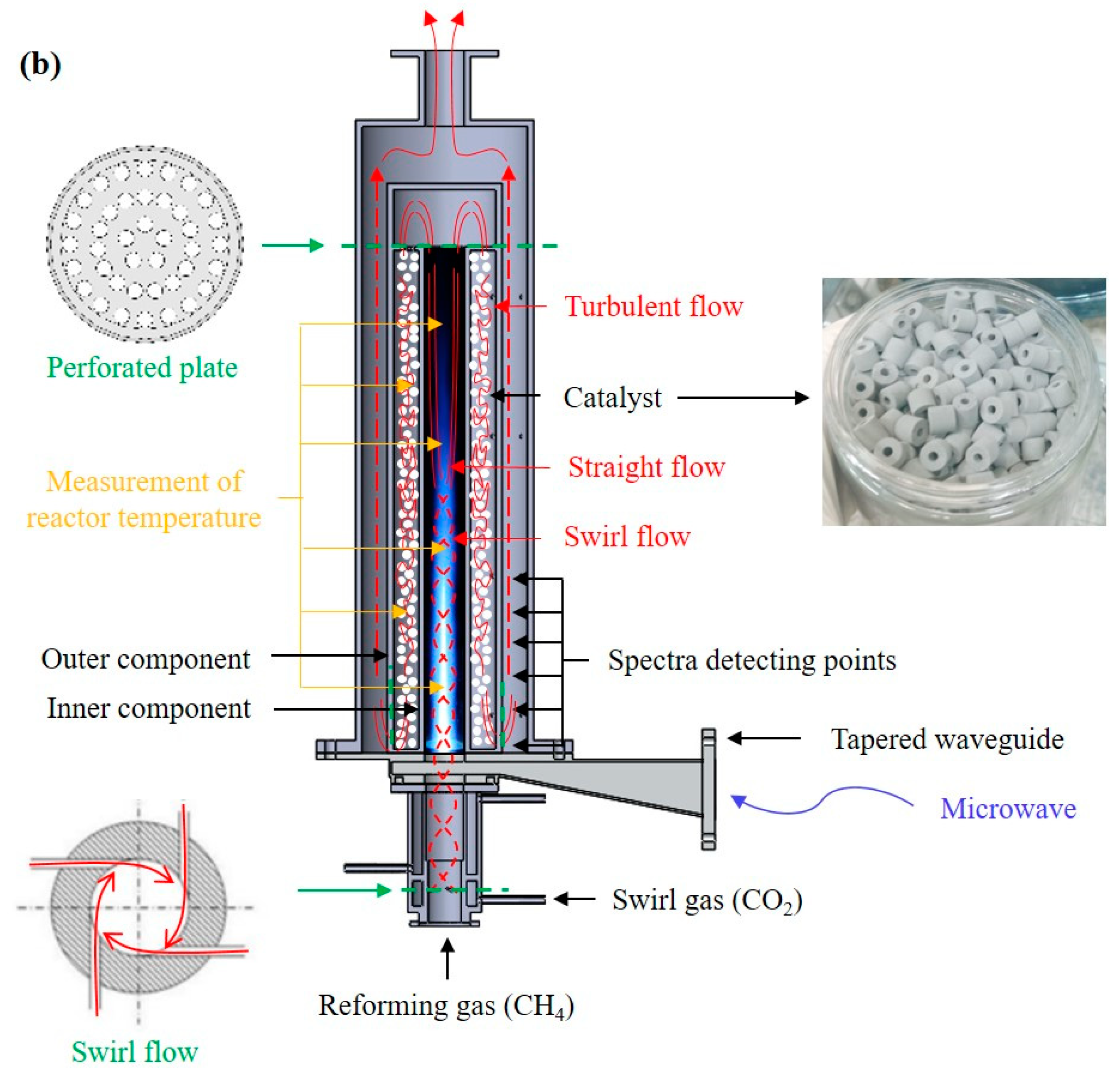
plasma-catalytic reactor system
Unlike bulk thermal incineration, non-thermal plasma operates at lower bulk gas temperatures while still delivering high-energy collisions that break strong chemical bonds. This reduces the risk of generating persistent byproducts that can arise when materials are incompletely combusted at uncontrolled temperatures. Coupling plasma with catalysts—metal oxides, zeolites, or specially doped materials—improves selectivity and can channel reaction pathways toward safe end products.
Advantages
- High reactivity at lower temperatures: Plasma can break bonds that thermal processes need extreme heat to attack.
- Versatility: Systems can treat gases, aqueous slurries, and concentrated solids depending on reactor design.
- Potential for compact units: Plasma reactors can be engineered as portable treatment modules for site remediation or emergency response.
Challenges and considerations
Plasma reactors require careful engineering to ensure energy efficiency and to manage off-gas streams. Fluorine liberated during conversion must be captured and stabilized to avoid releasing reactive fluorinated gases into the environment. Catalyst degradation over time and the need for robust feed pretreatment are real-world concerns. As with electrochemical systems, pilot testing and life-cycle assessments are critical before broad deployment.
SECTION 3: Comparing the Two Approaches
Complementary strengths
Both the electrochemical and plasma-catalytic routes share an important attribute: they are aimed at molecular destruction rather than mere separation. But they differ in where they may be most useful. Electrochemical oxidation is often preferred for aqueous streams and can integrate seamlessly with existing water-treatment infrastructure. Plasma-catalytic systems, by contrast, offer flexibility to treat solids, sludges and off-gases and may be better suited for mixed waste or emergency scenarios.
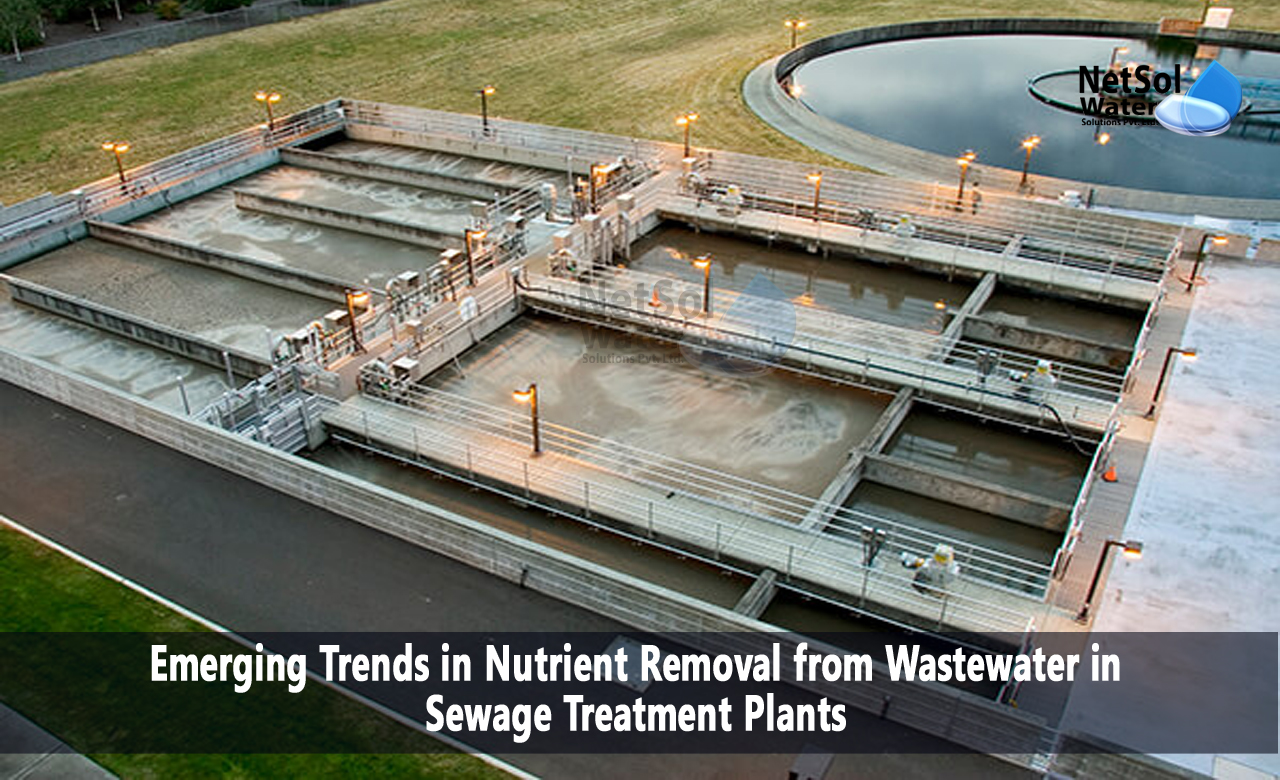
water treatment plant remediation
A practical decision matrix
- Waste type: Aqueous concentrates → electrochemical; solids/sludges/off-gases → plasma-catalytic.
- Energy supply: Grid or renewable electricity supports electrochemical cells; plasma systems require pulsed high-voltage supplies and efficient power electronics.
- Scale: Electrochemical cells can be scaled modularly; plasma reactors scale too, but design differences affect throughput and maintenance.
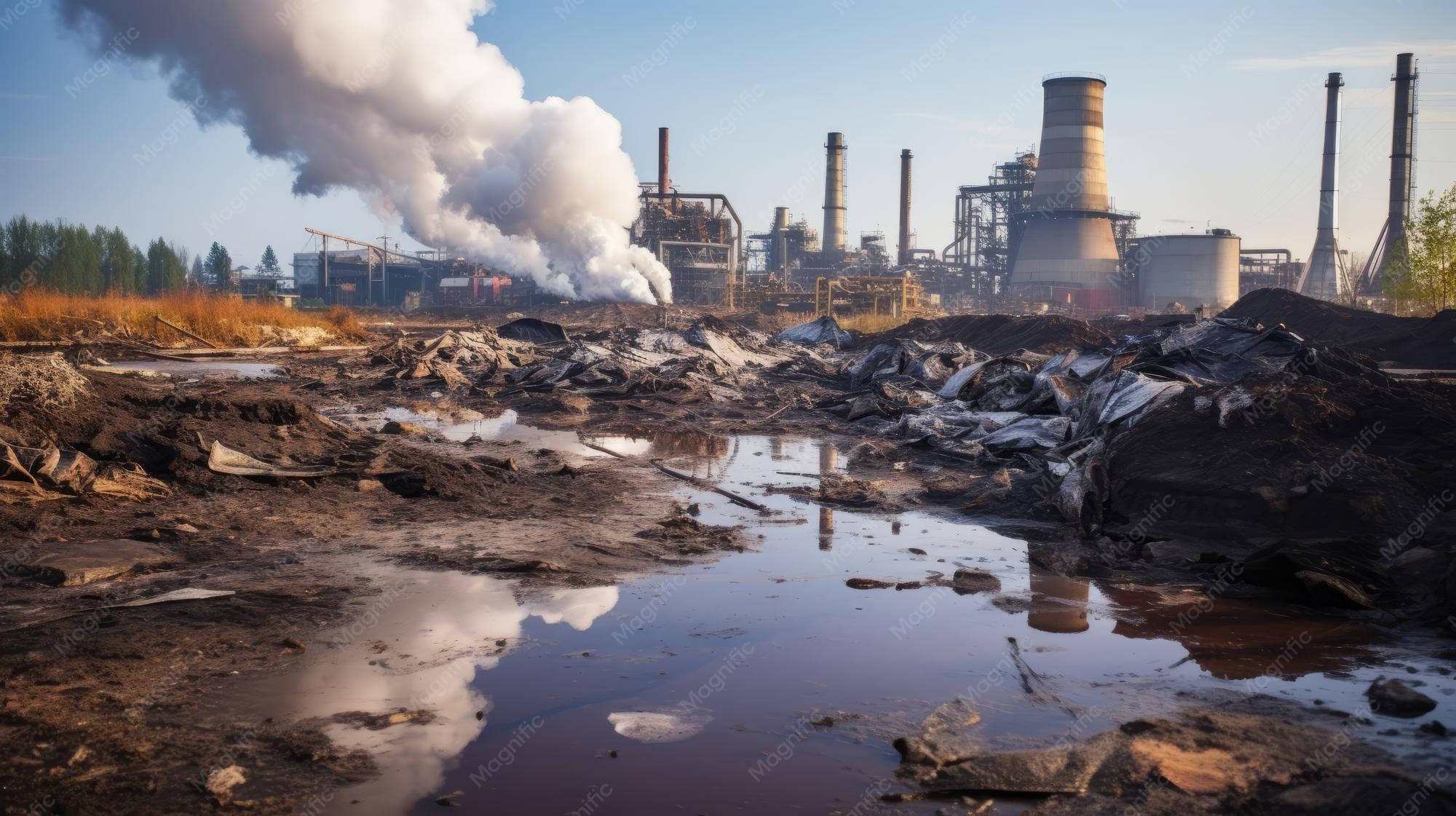
industrial waste contamination site
SECTION 4: From Lab to Field — What It Will Take
Engineering scale-up and pilot projects
Proving a chemistry in the lab is only the first step. Both technologies now need rigorous pilot work on real waste streams, long-term durability testing, and independent life-cycle assessments that compare energy use, greenhouse gas footprint, residual waste, and cost per kilogram of PFAS destroyed. Demonstrations at industrial sites, wastewater treatment plants, and contaminated remediation zones will be essential to build confidence among regulators and operators.
Regulatory and monitoring frameworks
Regulators will want to see validated destruction metrics—how much of the PFAS carbon is converted to carbon dioxide, fluoride mass balances, and the identity and toxicity of intermediate products. Standardized test methods and third-party verification will help prevent greenwashing and ensure communities are protected.
Cost, energy and lifecycle choices
Cost-per-unit destruction will determine adoption. For either method, combining an initial concentration step (for example, adsorption that collects PFAS into a small-volume residual) with a targeted destruction unit can reduce energy and capital costs compared with treating large volumes of dilute water directly. Renewable energy integration, heat recovery and smart operational strategies will further improve the carbon and economic footprints.
SECTION 5: Social and Policy Implications
Science alone doesn't solve contamination. Communities living near industrial sites, firefighters, farmers and consumers impacted by PFAS contamination need transparent timelines and remediation commitments. Governments can accelerate deployment through targeted research funding, performance-based procurement, and by setting clear expectations for destruction and disposal practices. Public communication that explains trade-offs—costs, timelines, and residual risks—will be vital.
Conclusion: Practical Optimism and Realism
The emergence of advanced electrochemical oxidation and plasma-catalytic conversion as viable routes to break down PFAS marks an important inflection point in environmental remediation. Neither approach is a silver bullet, and each faces engineering, economic and regulatory challenges. But both share a crucial advantage: they aim for molecular destruction rather than temporary containment. With careful scale-up, robust monitoring, and sensible policy support, these methods can move communities from decades of containment toward meaningful elimination of the chemicals that have long resisted removal.
- Two leading destruction strategies—electrochemical oxidation and plasma-catalytic conversion—target the carbon–fluorine bond at the heart of PFAS persistence.
- Electrochemical systems excel for concentrated aqueous wastes; plasma-catalytic systems offer flexibility for solids and off-gases.
- Both require pilot testing, fluorine capture systems, and lifecycle analysis before broad deployment.
- Pairing separation with targeted destruction is likely the most cost-effective, practical pathway today.
What you can expect next
Expect incremental wins: pilot plants, more efficient electrodes and catalysts, and modular units that serve industrial hotspots. Over the coming years, coordinated investments and transparent demonstration projects will determine how quickly these technologies move from promising science to routine practice. For communities and policymakers, the emerging message is clear: tools now exist that can destroy PFAS at the molecular level, but deploying them responsibly requires time, testing, and honest evaluation of trade-offs.
Solving the problem of forever chemicals will be a marathon, not a sprint. These two methods give us stronger shoes for the journey.