New Brain Protein Shields Against Alzheimer's Damage
The headline is deceptively simple: scientists have found a protein that protects the brain from some of the cellular damage associated with Alzheimer's disease. But behind those words sits a complex, hopeful story that touches molecular biology, animal models, translational medicine and the deep anxieties millions feel about memory loss. This article walks through what the protein does, why it matters, how researchers proved its effect, and — crucially — what must happen next before this becomes a treatment available to patients.
Why this discovery matters
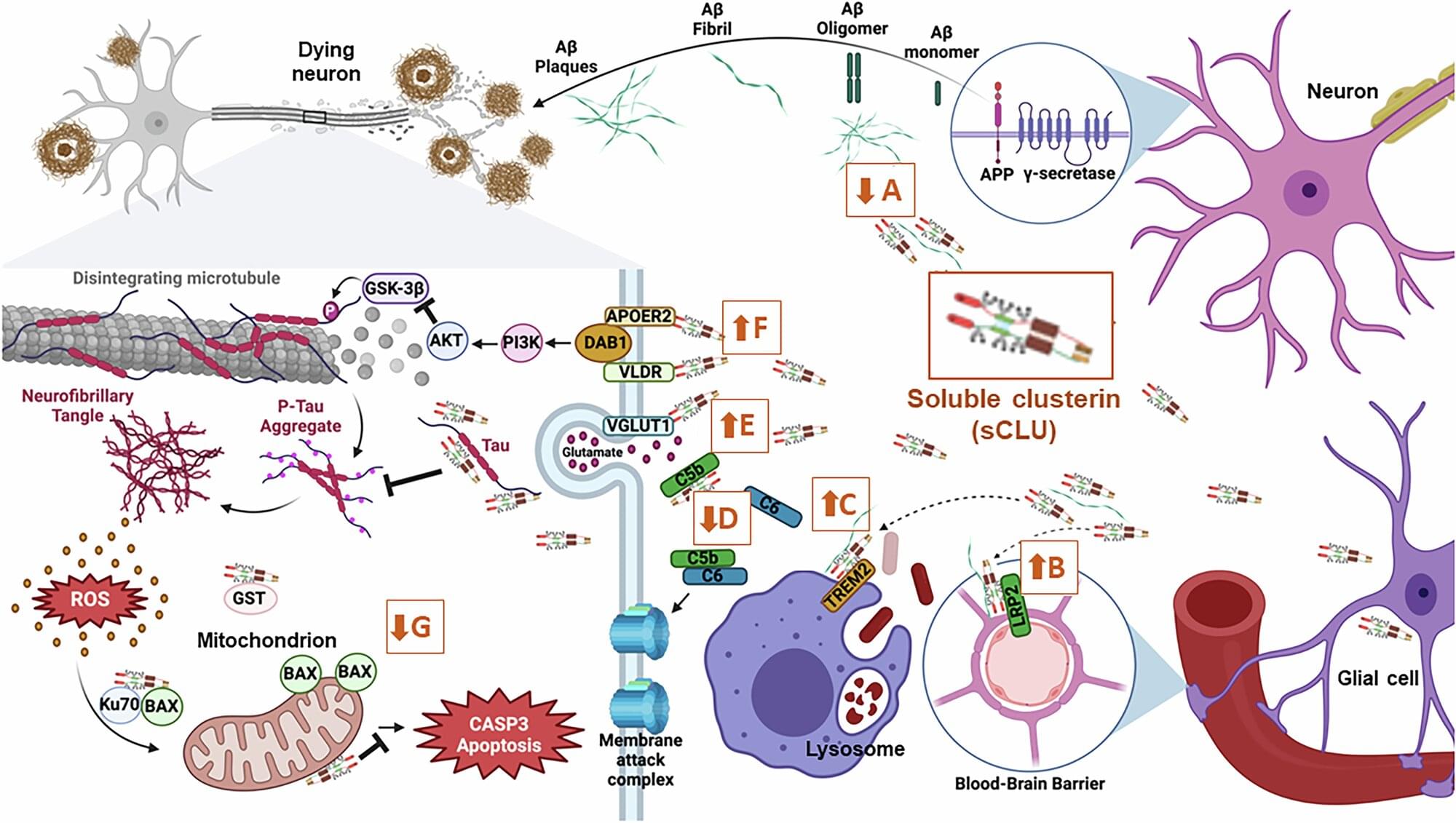
Alzheimer's disease is not a single event but a cascade — misfolded proteins, chronic inflammation, synaptic failure and neuronal death that accumulate for years before clinical symptoms appear. Most previous therapeutic strategies targeted single actors in that cascade: remove amyloid plaques, inhibit tau tangles, tamp down inflammation. A protein that appears to confer resilience to neurons is different. Instead of chasing one villain, it bolsters the brain's defenses so cells can better tolerate or repair the damage that the disease causes.
"A protective protein shifts the paradigm from damage control to resilience enhancement."
How the protein was found
From curiosity to candidate
Discovery often begins with a puzzle. In searching brain tissue for molecular patterns that differed between cognitively intact older adults and those with Alzheimer's pathology, researchers noticed consistent elevation of a previously under-studied protein in the resilient brains. This protein, belonging to a class of molecules involved in protein folding and cellular stress responses, stood out because its levels correlated with preserved synaptic markers and lower signs of neuronal death despite the presence of amyloid and tau pathology.
Why proteomics matters
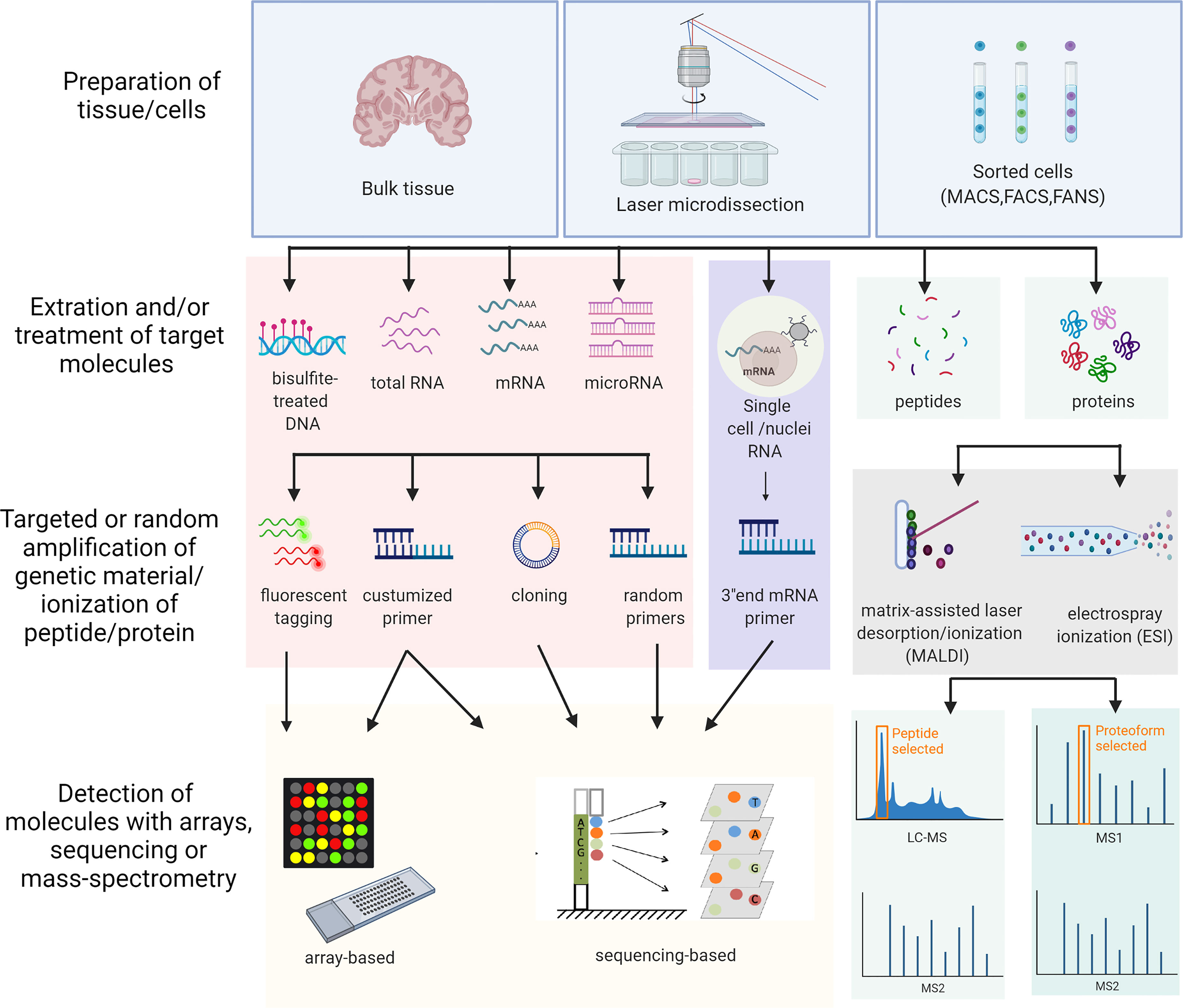
Modern proteomics allows scientists to measure thousands of proteins in a tissue sample and to compare patterns across clinical groups. When repeated across independent cohorts and validated with biochemical methods, such signals gain credibility. The protein at the center of this story passed those early filters: it was robustly detectable, reproducible across specimens, and mechanistically plausible based on its known biochemical activities.
proteomics brain tissue analysis
What the protein does — simplified biology
Cellular effects
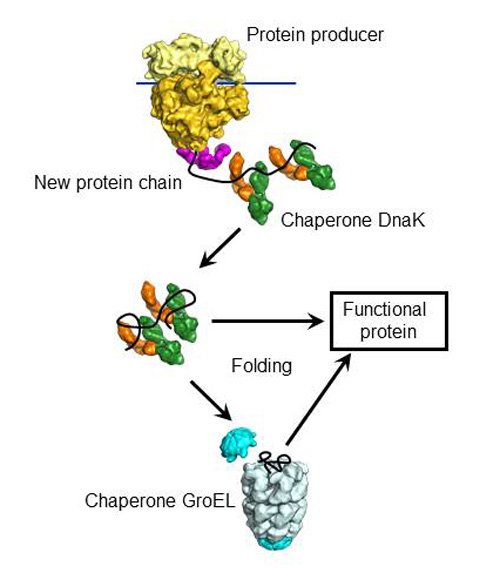
At the cellular level, the protective protein appears to act in several complementary ways. First, it helps maintain protein homeostasis by acting as a molecular chaperone: guiding misfolded proteins to refolding pathways or delivery to degradative systems. Second, it supports mitochondrial health, reducing the oxidative stress that accelerates neuronal decline. Third, it dampens maladaptive inflammatory signaling in glial cells, which otherwise amplify damage in the surrounding neural tissue. Together, these effects increase neuronal resilience — the ability of brain cells to survive, adapt, and maintain function despite pathogenic insults.
molecular chaperone protein folding
Synapses and circuits
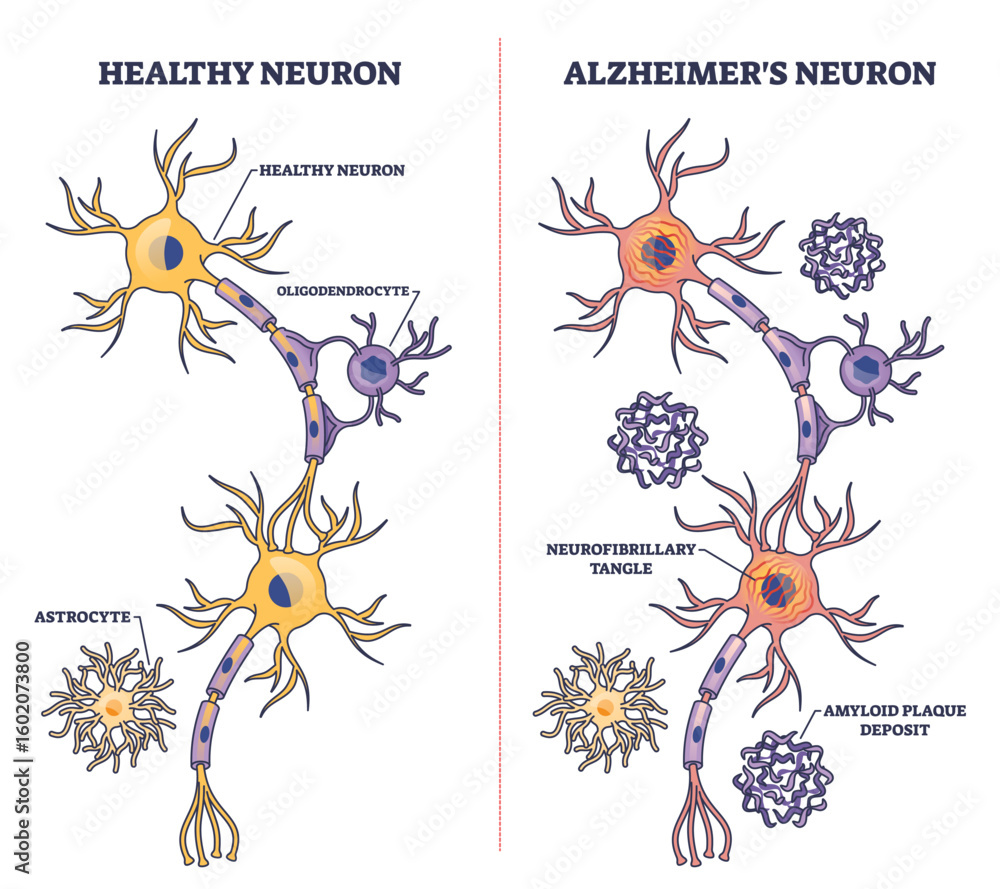
Synaptic loss is the strongest correlate of cognitive decline in Alzheimer's. Laboratory experiments show this protein preserves synaptic proteins and dendritic spines in neuronal cultures exposed to toxic forms of amyloid-beta and hyperphosphorylated tau. In practical terms, that means neurons keep communicating better when the protein is present, which maps directly onto preserved memory and learning in animal models.
neuron synapse Alzheimer's disease
The evidence so far
Preclinical models
Researchers tested the protein's effects in several preclinical systems. In cultured neurons, elevated levels reduced markers of cell stress and preserved electrical signaling after exposure to Alzheimer's-related toxins. In genetically modified mice that develop amyloid or tau pathology, overexpression of the protein led to significantly less synapse loss, improved performance on memory tests, and slower progression of cognitive deficits. Conversely, knocking the protein down exacerbated synaptic and behavioral decline. These bidirectional manipulations strengthen the causal argument: this protein is not merely correlated with resilience, it contributes to it.
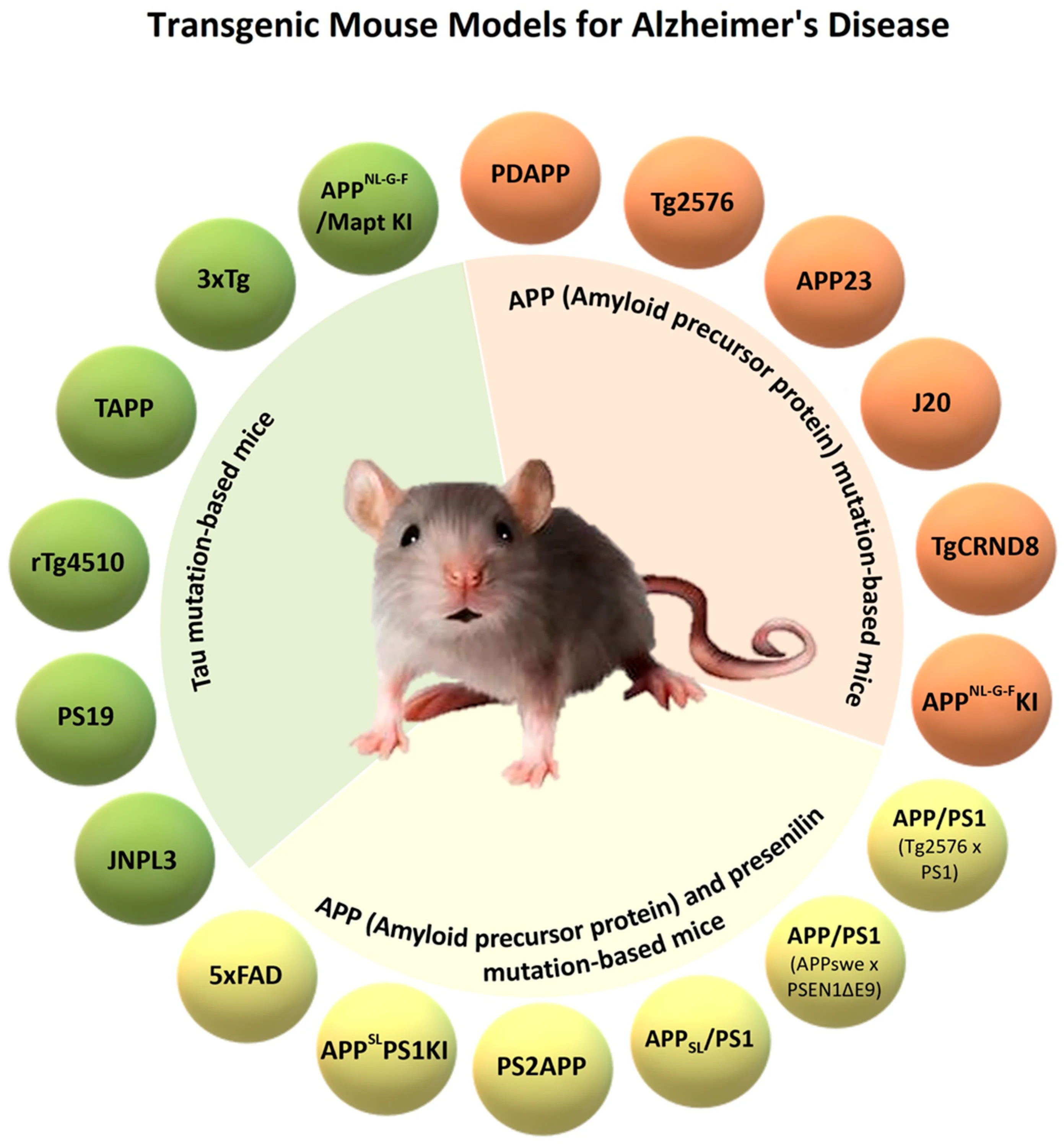
Alzheimer's mouse model research
Human tissue and population signals
Postmortem analyses revealed that people whose brains carried high levels of the protein often showed less neurodegeneration for the same burden of plaques and tangles. Importantly, some studies reported that genetic variants associated with slightly higher expression of the protein corresponded to reduced risk for clinical Alzheimer's — a human genetic signal that aligns with experimental findings and elevates the protein from a laboratory curiosity to a candidate therapeutic target.
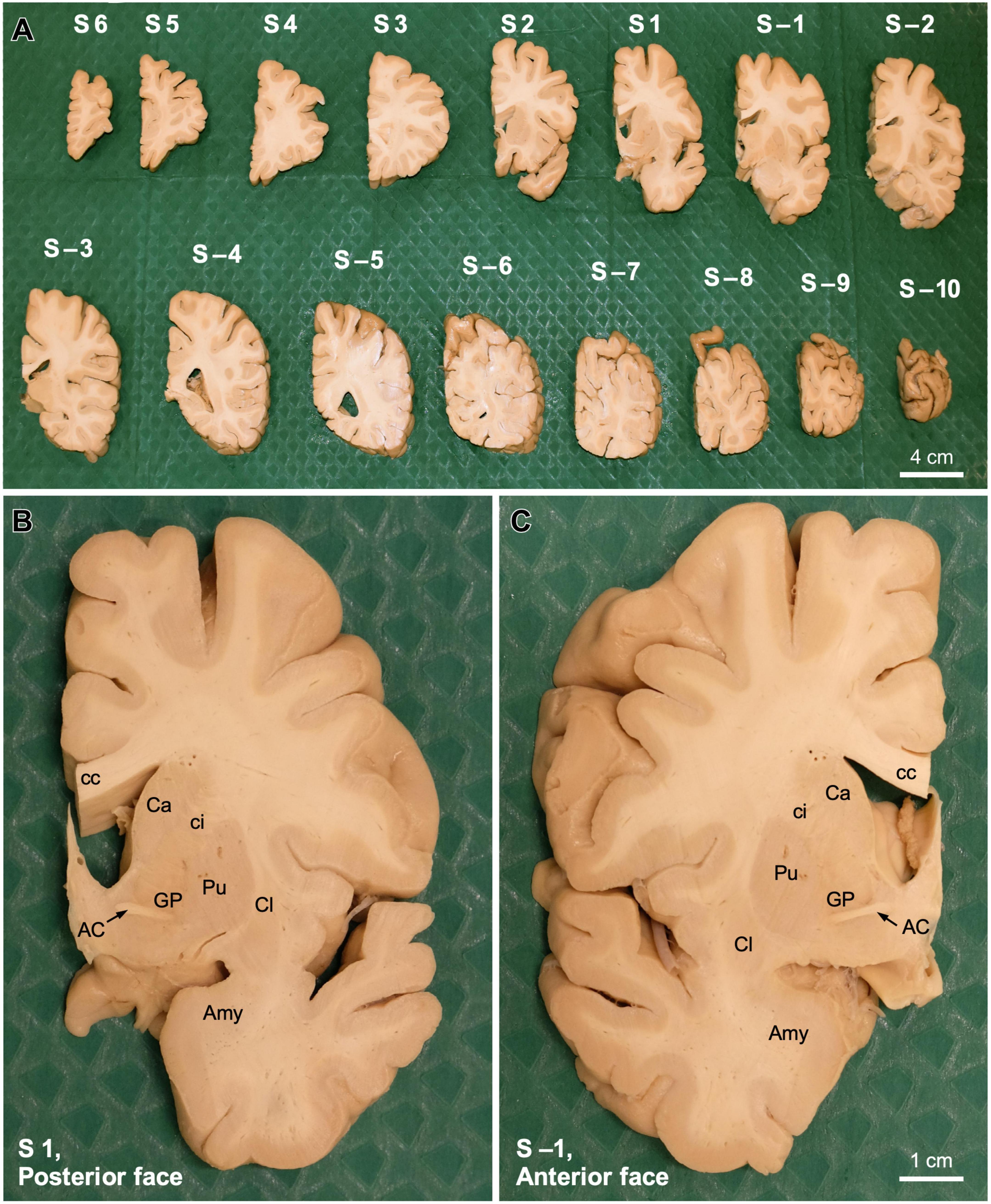
human postmortem brain tissue
Therapeutic implications
How it could be targeted
There are several plausible routes to translate this discovery into therapies. First, small molecules could be developed to boost the protein's expression or activity within neurons. Second, gene therapy approaches might deliver the gene encoding the protein to vulnerable brain regions. Third, biologics such as engineered proteins or peptides could mimic its key functional domains. Each path carries distinct technical and regulatory challenges, but the multiplicity of options is encouraging — it creates parallel strategies that increase the chance one will succeed.
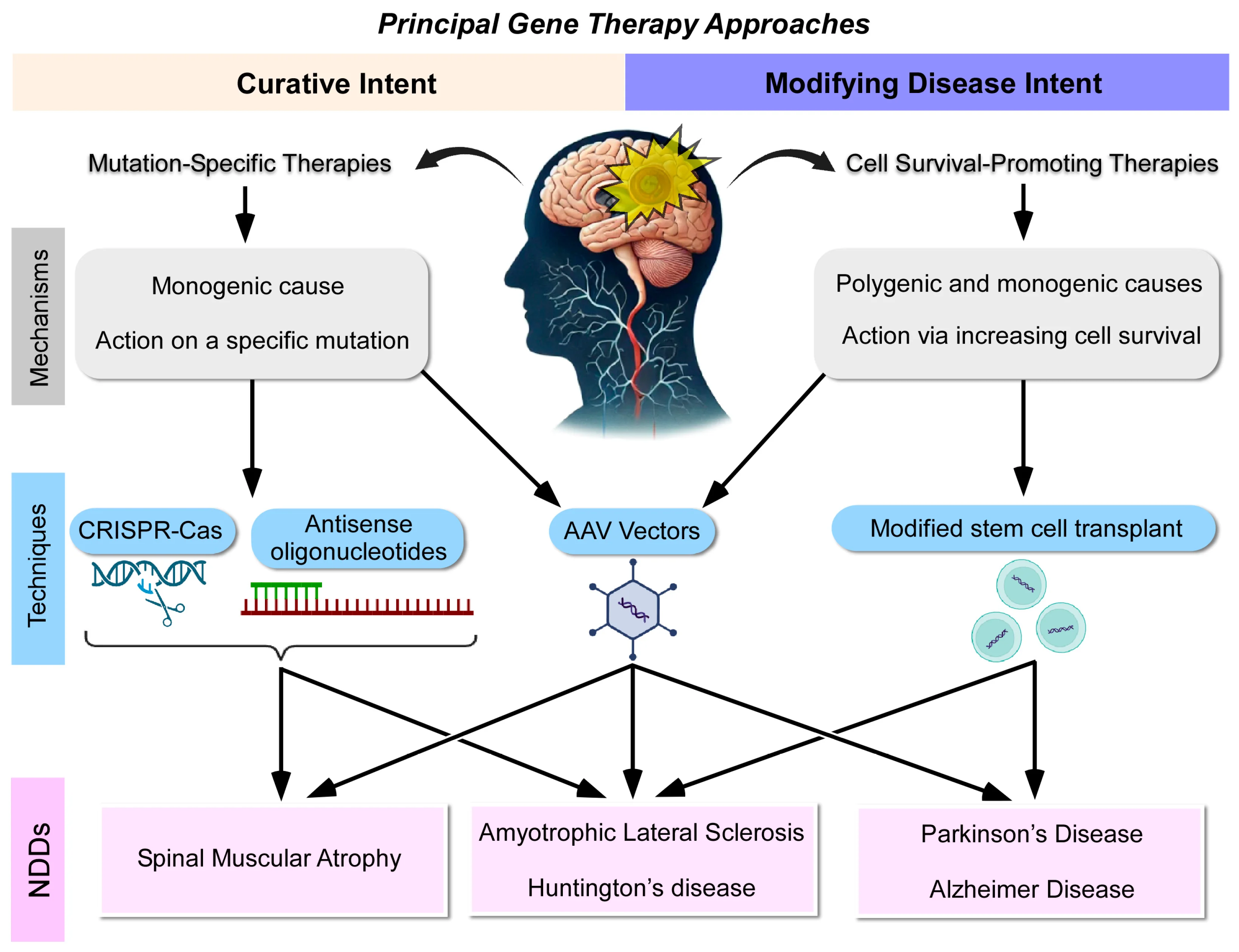
gene therapy Alzheimer's treatment
Combination strategies
Because the protein enhances resilience rather than removing pathology directly, it may be most effective in combination with disease-modifying therapies such as anti-amyloid or anti-tau agents. Imagine a two-pronged approach: one treatment lowers the insulting burden, while the other strengthens the brain's ability to cope and recover. That combination could yield larger clinical benefits than either strategy alone, particularly in early or pre-symptomatic stages of Alzheimer's.
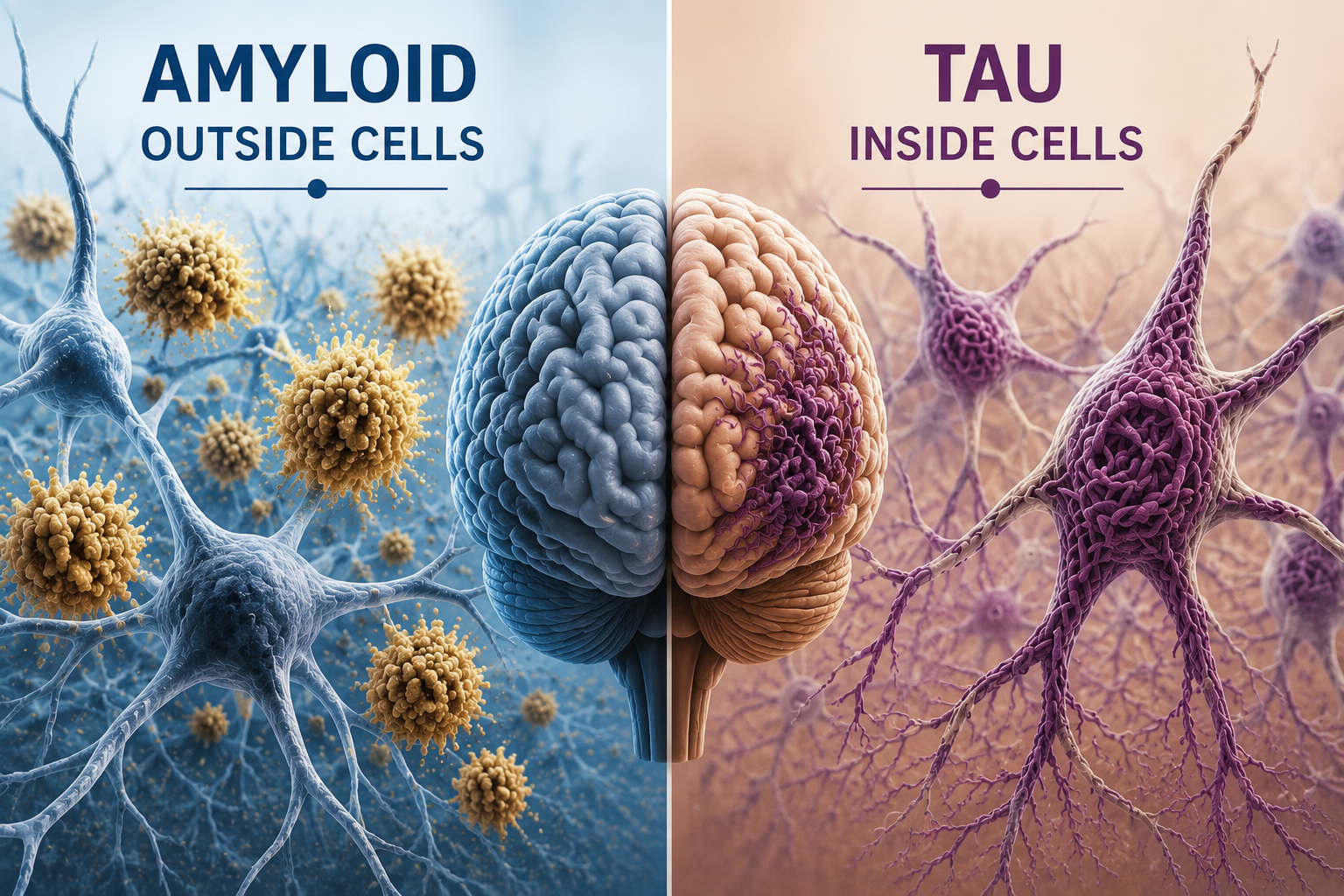
amyloid tau combination therapy
Challenges and caveats
From mice to men
The path from promising mouse data to effective human treatments is notoriously difficult. Many interventions that protect neurons in animal models fail in clinical trials because human biology and disease timelines are more complex. The brain's size, the blood–brain barrier, aging, comorbidities and genetic diversity all complicate translation. A protein that works well in a controlled laboratory environment may require novel delivery methods or dosing strategies to be effective in people.
Safety and specificity
Enhancing a protein's expression systemically could have off-target effects. The protein's functions outside the brain, or its activity in other cell types, must be carefully mapped. Moreover, overstimulating some protective pathways can paradoxically trigger maladaptive responses — for example, chronic suppression of inflammatory signaling could impair immune surveillance if not tightly regulated. Careful preclinical toxicology and phased clinical trials will be necessary to assess both safety and therapeutic window.
What this means for patients, families, and clinicians
A new research direction, not an immediate cure
It's important to set expectations. This discovery is a significant step in understanding resilience to Alzheimer's, but it does not translate into an immediate new treatment. For patients and families, the near-term relevance is twofold: first, it increases scientific optimism that new kinds of therapies are possible; second, it reinforces the value of enrolling in observational studies and trials, because those human data accelerate the translational pipeline.
Clinical practice and biomarkers
If the protein matures into a biomarker, clinicians could use its levels in cerebrospinal fluid or blood to identify individuals with higher natural resilience or to monitor response to therapies aimed at boosting resilience. That would refine risk stratification and enable more personalized care strategies, potentially delaying clinical onset or slowing progression when combined with lifestyle interventions and approved treatments.
Next steps for researchers
Researchers will move along several parallel tracks. They will: (1) map the protein's structure and critical functional domains; (2) test small molecules and biologics that can enhance activity or mimic its functions; (3) develop assays to measure the protein reliably in human biofluids; and (4) design early-phase clinical trials to test safety and pharmacodynamics. Cross-disciplinary collaboration between molecular biologists, pharmacologists, neurologists and regulatory experts will be essential.
Ethical and societal considerations
Translating a resilience-enhancing therapy raises ethical questions about accessibility and prioritization. If an effective therapy emerges, how will it be priced and distributed? Will it be offered first to people in wealthy health systems? The Alzheimer's field has faced similar questions with disease-modifying therapies. Advocates must press for equitable access and inclusive trials that represent diverse populations, because genetic and environmental factors affect both disease risk and response to therapy.
What individuals can do now
While the scientific community pursues translation, there are evidence-based steps individuals can take to support brain health: regular physical activity, cardiovascular risk management (blood pressure, cholesterol, diabetes control), cognitive engagement, healthy sleep, social connectedness, and a balanced diet. These strategies do not replace future targeted therapies, but they increase brain resilience today and may synergize with medical treatments when they arrive.
- New therapeutic angle: Focus on resilience rather than only on removal of toxic proteins.
- Multiple translation routes: Small molecules, gene therapy, biologics.
- Translation gap: Mouse success does not guarantee human efficacy.
- Safety unknown: Systemic effects and long-term consequences untested.
Conclusion
Discovering a protein that helps protect the brain from Alzheimer's-related damage reframes part of the field. It does not make existing challenges vanish — clinical translation will take years and careful, rigorous trials — but it does expand the toolbox researchers can use against a devastating disease. A resilience-centered strategy could be powerful in the early and preclinical stages of Alzheimer's, and it offers a complementary approach to existing therapies that target amyloid and tau.
"Strengthening the brain may one day be as important as weakening the disease."
Key takeaways
- Scientists identified a protein that increases neuronal resilience to Alzheimer's-related stressors.
- Preclinical models show preserved synapses and improved memory when the protein is active.
- Several translational paths exist, but safety and efficacy in humans remain unproven.
- Combination therapies that pair resilience with disease-modifying treatments may offer the best clinical prospects.
- Individuals can still pursue lifestyle measures that support brain health today.
This article synthesizes current scientific principles and experimental findings to explain a recent discovery and its implications; it is not medical advice.