
AI Flags 250,000+ Suspicious Cancer Studies — What It Means
An automated screening system has flagged more than 250,000 cancer-related papers as exhibiting patterns commonly associated with dubious or low-quality research. The sheer scale — a quarter of a million records — has jolted editors, funders, clinicians, and patients, prompting difficult questions: how many findings are unreliable, how did such papers slip through peer review, and what role should AI play in policing scientific literature? This article walks through how the flags are generated, what they actually signify, the risks of over- and under-reaction, and a pragmatic roadmap for restoring trust in cancer research.
THE CONTEXT: WHY THIS MATTERS
Cancer research sits at the intersection of high stakes and high volume: billions of dollars flow into laboratory studies, clinical trials, and translational projects, and clinicians base decisions on published evidence. When the literature contains fabricated data, manipulated images, recycled text, or sham clinical reports, patients and public trust are put at risk. Concern over fraudulent or low-integrity work has been growing for years, driven by the rise of "paper mills" (organizations that produce fake manuscripts), increasing pressure to publish, and gaps in peer review processes. The introduction of AI-driven screening has suddenly moved detection from sporadic discovery to systematic triage — and the numbers are startling.

Paper mill scientific fraud
What the number means
The headline number — more than 250,000 flagged papers — is not the same as 250,000 proven frauds. Rather, AI models identify statistical, textual, and visual anomalies that are atypical when compared to a baseline corpus of verified research. Flags indicate papers that merit human review: some will be harmless (formatting glitches, unusual but valid methods), others will reveal honest errors, and a subset will confirm serious misconduct. The value of the AI is scale: patterns invisible to human readers at scale become visible when automated systems analyze millions of documents.
"Automation can raise the alarm — but it can't replace judgment. Human inquiry remains essential."
HOW AI DETECTS SUSPICIONS
The tools used to screen papers combine several techniques from natural language processing, image forensics, and network analysis. Broadly, they search for three families of red flags: textual anomalies, data and statistical inconsistencies, and visual manipulations.
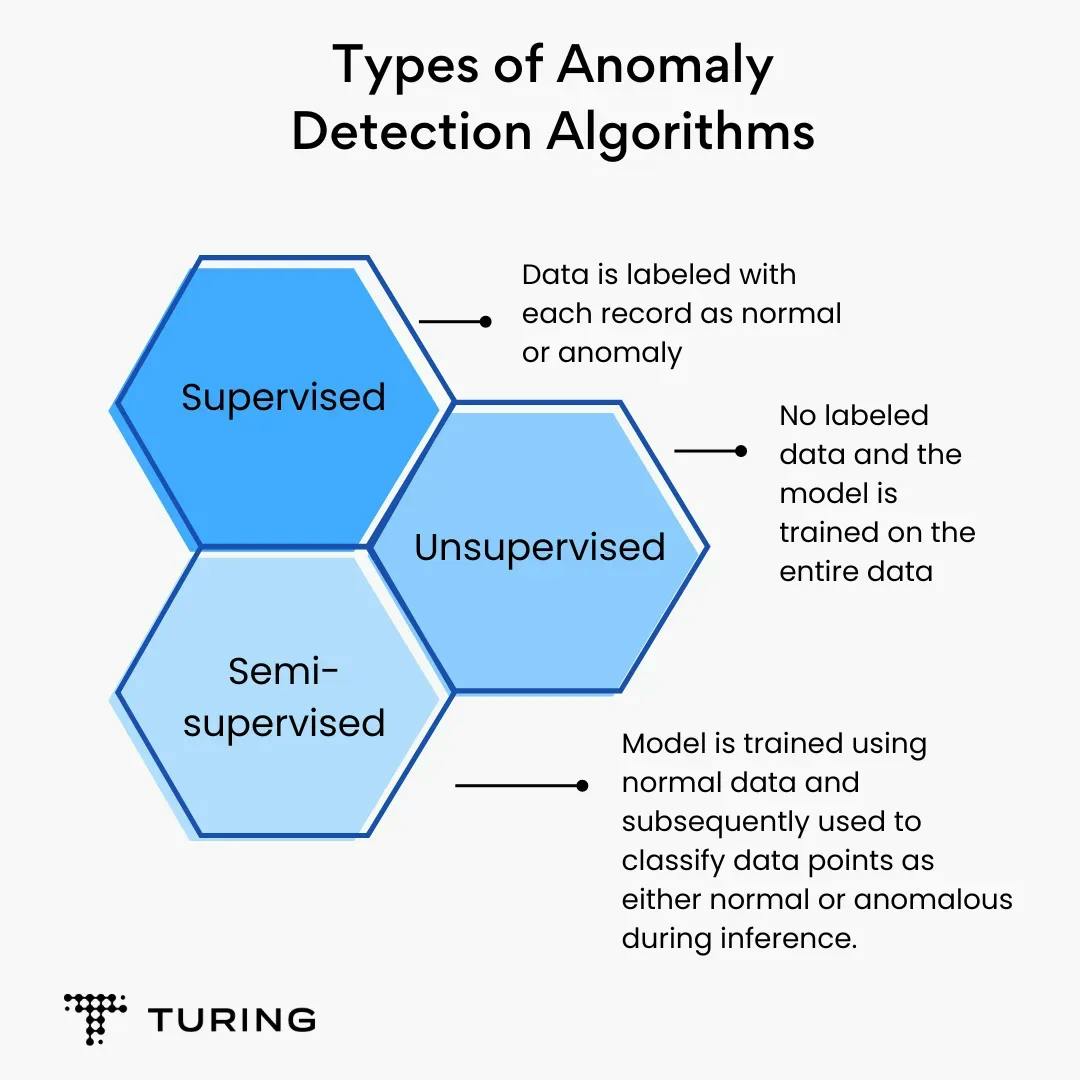
Statistical anomaly detection algorithms
Textual and stylistic signals
Natural language models compare the phrasing, sentence structure, and rhetorical patterns of a paper to large corpora of validated articles. Repetitive templates, improbable structure (sections that read like a form letter), and unusually high similarity to other manuscripts can indicate a paper mill origin. Some flagged manuscripts show repeated phrases, matching paragraph orders, and identical phrasing with only the variables (drug names, tumor types) swapped.
Statistical and data inconsistencies
Automated checks examine reported numbers for internal logic: are the sample sizes consistent across sections, do p-values match reported test statistics, is there statistical impossibility (such as identical means with different sample sizes), and do survival curves or tables present values that conflict with summary statistics? Tools also look for improbable uniformity across experiments — for example, biological assays that produce the same effect size across dozens of independent experiments, which is atypical in noisy biological systems.
Image and figure forensics
Image analysis algorithms scan microscopy photos, western blots, and charts for signs of duplication, splicing, and unnatural pixel patterns. Common manipulations include reusing the same blot bands across lanes, rotating or rescaling images to create the illusion of new data, and digitally altering background noise. These alterations often leave statistical traces that specialized algorithms can flag.
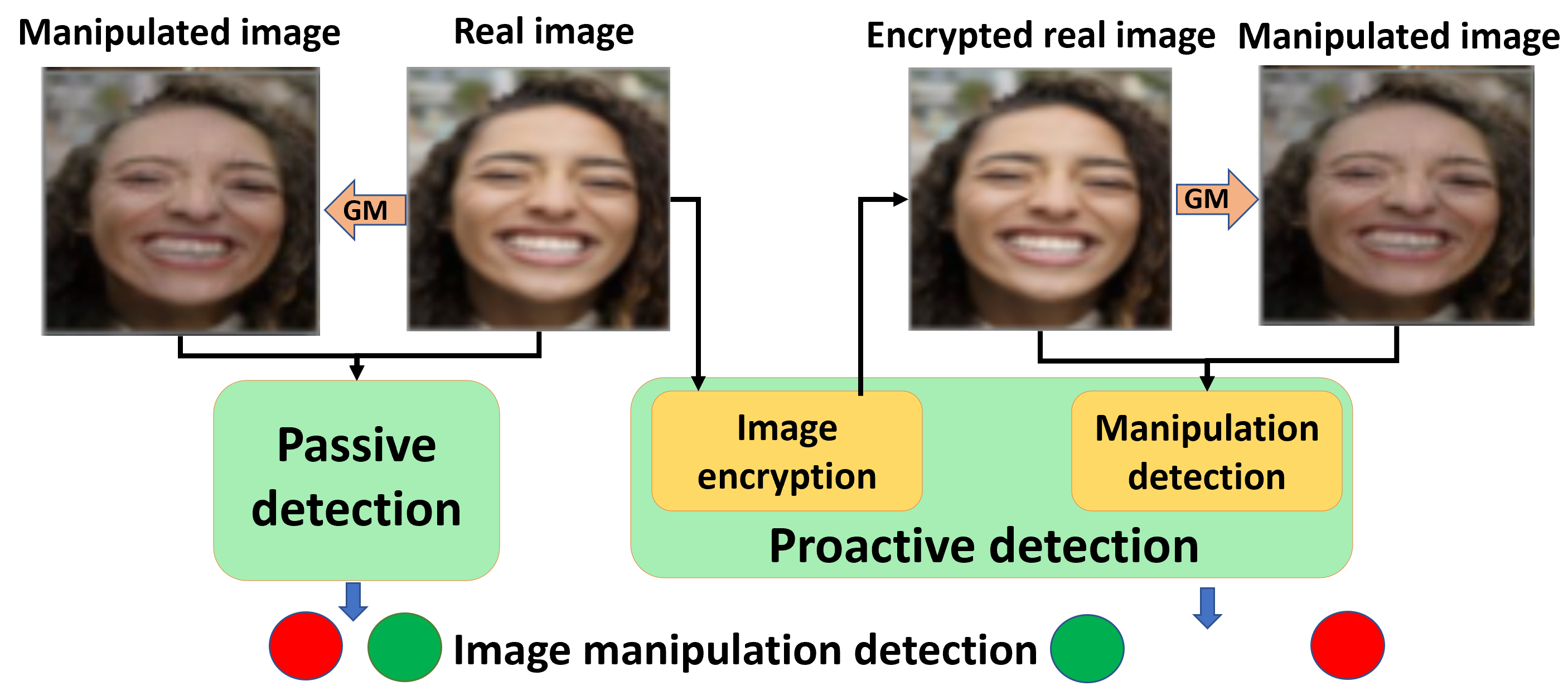
Image manipulation detection software
Citation and network anomalies
Network analysis looks at citation clusters and authorship networks. A dense cluster of papers citing each other disproportionately, or a recurring set of unfamiliar journals and institutions with overlapping authors, can indicate coordinated publication strategies or predatory outlets. AI can raise flags on patterns that suggest mutual citation rings or fabricated references.
SCALE AND SOURCES: WHERE THE PAPERS COME FROM
The set of flagged papers spans a range of journals, languages, and publication years. Flags tend to concentrate in certain low-barrier journals, conference proceedings, and outlets with limited editorial resources — but they are not confined to peripheral publications. A nontrivial number of flagged items appear in mid-tier journals or on platforms that previously enjoyed reputational credibility. The distribution underscores a sobering reality: weak checks at scale allow questionable research to accumulate across the literature.
A simple typology of flagged papers
Below is a compact breakdown that captures common categories of AI flags and their likely meanings.
| Flag Category | Typical Signal | Likely Interpretation |
|---|---|---|
| Textual template reuse | Near-identical paragraphs across multiple papers | Paper mill / ghostwritten manuscript |
| Image duplication | Identical or flipped blot images in different figures | Data fabrication or sloppy figure management |
| Statistical inconsistency | Mismatch between text and reported numbers | Calculation errors or fabricated results |
THE IMPLICATIONS FOR PATIENTS AND SCIENCE
Not every flagged study changes clinical practice. Still, the presence of large volumes of questionable work pollutes meta-analyses, misleads guideline committees, and can steer resources toward dead ends. For clinicians who base decisions on aggregated evidence, the cumulative effect — not a single retracted paper — is the danger. Equally important: early-stage translational research built on shaky preclinical findings wastes time and money and increases the likelihood that ineffective or unsafe interventions reach trials.
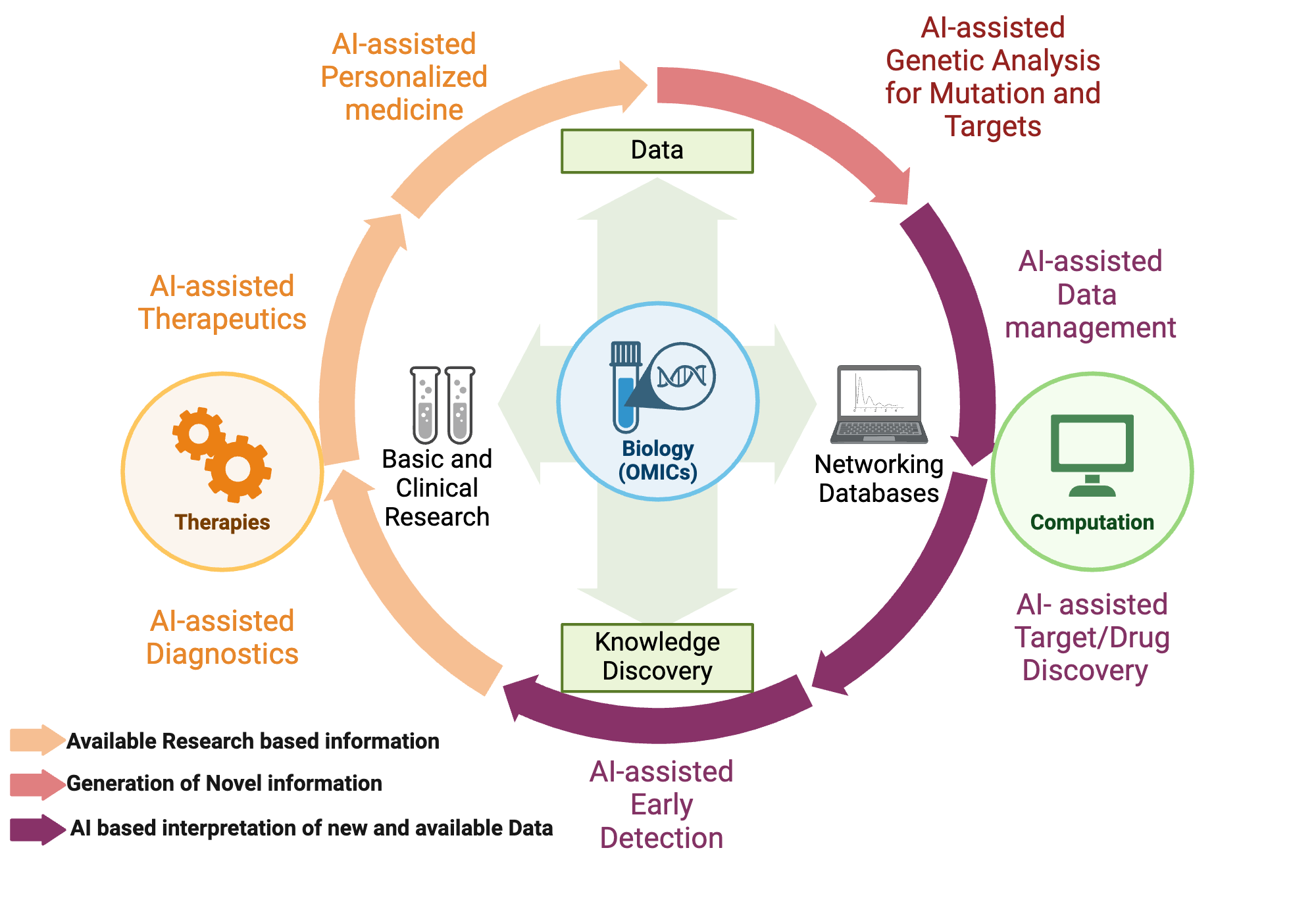
Cancer research data analysis
Caution A single fraudulent paper may seem isolated, but when hundreds or thousands of similar papers exist, they can create a false consensus that skews research priorities and funding decisions.
LIMITS OF AUTOMATION: FALSE POSITIVES AND BIAS
AI systems surface patterns, not verdicts. That distinction matters. Algorithms trained on known examples of fraud or low-integrity papers may carry biases: they can over-flag research from institutions in certain regions, misunderstand unconventional but legitimate methodologies, or penalize valuable exploratory studies with atypical presentation. False positives can harm reputations if flags are publicized prematurely, and false negatives — failing to detect sophisticated manipulation — leave dangerous work unchallenged.
Why human review remains essential
Trained editors, image forensics specialists, and methodological experts must examine flagged papers. Human reviewers can assess context, consult raw data, and determine whether anomalies have innocent explanations. A layered triage model — automated screening, targeted human review, and formal investigation when warranted — is the most defensible approach.
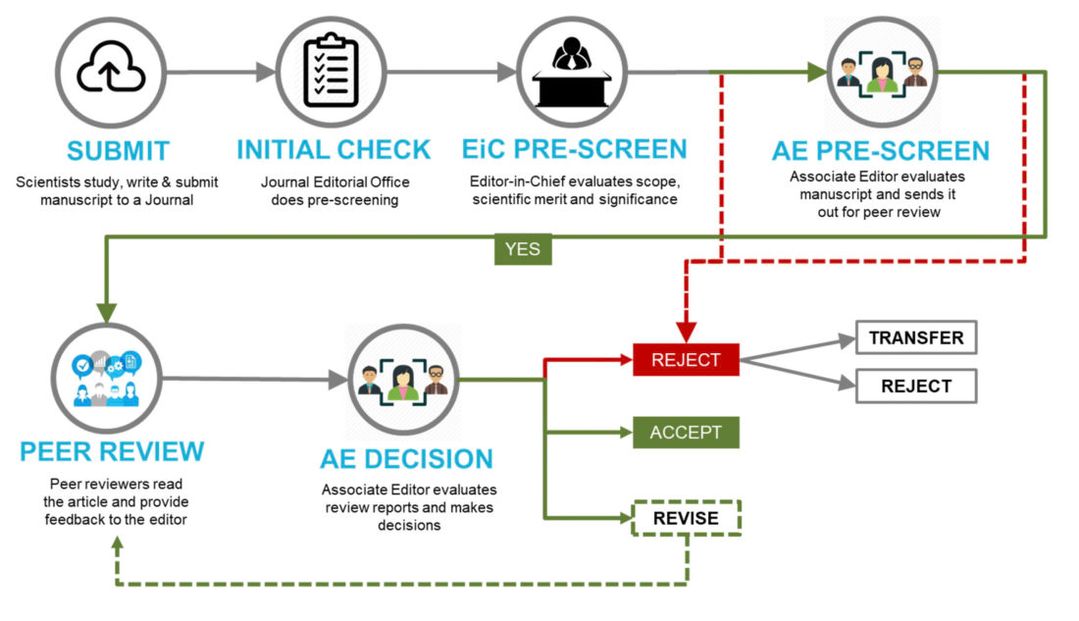
Automated peer review system
RESPONSES FROM THE RESEARCH ECOSYSTEM
Journals, universities, funders, and platforms are reacting in different ways. Some journals have instituted automated pre-submission screens and flagged suspect published articles for corrections or retraction. Universities have launched misconduct probes. Funding agencies are considering policies that require raw data submission and open code as a condition of awards. Publishers are also wrestling with disclosure: should lists of flagged papers be publicly searchable, or should alerts be confidential to avoid defaming legitimate authors?
Policy and governance levers
There are actionable steps institutions and publishers can adopt now: mandatory data availability statements, routine image forensics on acceptance, independent statistical review for high-impact studies, clear timelines for misconduct investigations, and stronger sanctions for proven fabrication. Equally vital are positive incentives — funding reproducibility studies and rewarding transparent, reproducible work in hiring and promotion.
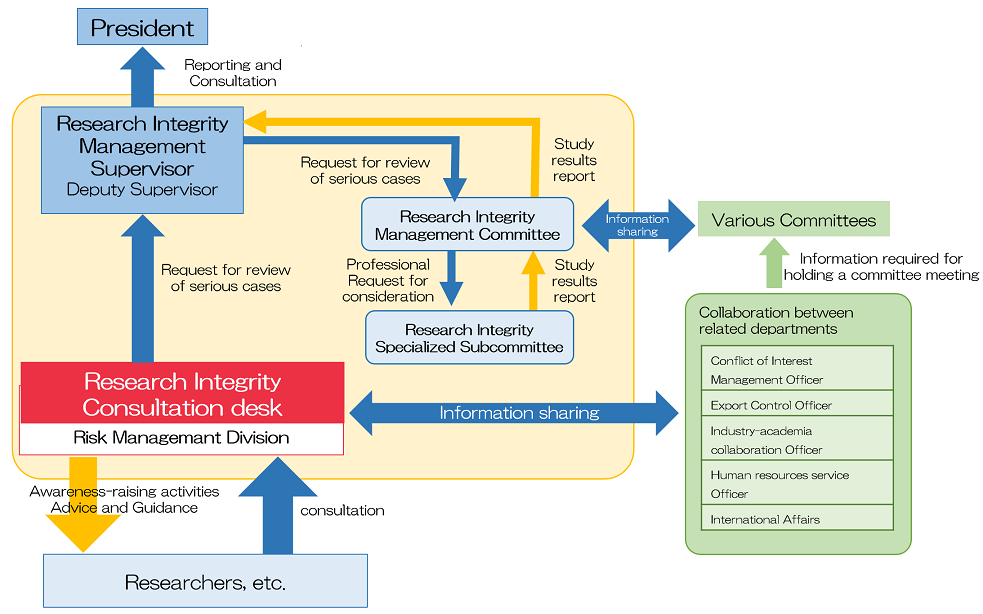
Research integrity oversight committee
A PRACTICAL ROADMAP: WHAT SHOULD CHANGE?
The goal is not to ban automated tools but to integrate them into a robust verification ecosystem. A practical roadmap includes immediate, medium, and long-term actions.
Immediate steps (0–6 months)
- Publishers: Run automated prepublication screens and flag items for human review before acceptance.
- Institutions: Require deposit of raw data and code for funded studies into trusted repositories.
- Editors: Establish fast-response teams for image and statistical forensics.
Medium term (6–24 months)
- Funders: Tie grant renewals to reproducibility checks and openness metrics.
- Journals: Create cross-journal panels to share intelligence on paper mills and coordinated submissions.
- Regulators: Provide guidance on acceptable use of automated screening and standards for evidence in misconduct cases.
Long term (24+ months)
- Research culture: Reform incentives so that quality and reproducibility matter more than raw publication counts.
- Technical infrastructure: Build interoperable repositories, standardize metadata, and develop shared benchmarks for detection tools.
- Education: Train researchers in open methods, reproducible workflows, and ethical publication practices.
"A layered approach — algorithmic triage plus rigorous human investigation — is the only durable path forward."
ETHICAL AND LEGAL QUESTIONS
Deploying AI against the scientific record raises thorny questions. Who decides when a flag becomes a public allegation? What safeguards protect researchers from harm due to false positives? How should journals balance transparency with due process? Legal frameworks around defamation, employment law, and academic governance will all intersect with editorial policies. Clear, fair procedures are essential to prevent misuse of detection tools while enabling accountability.
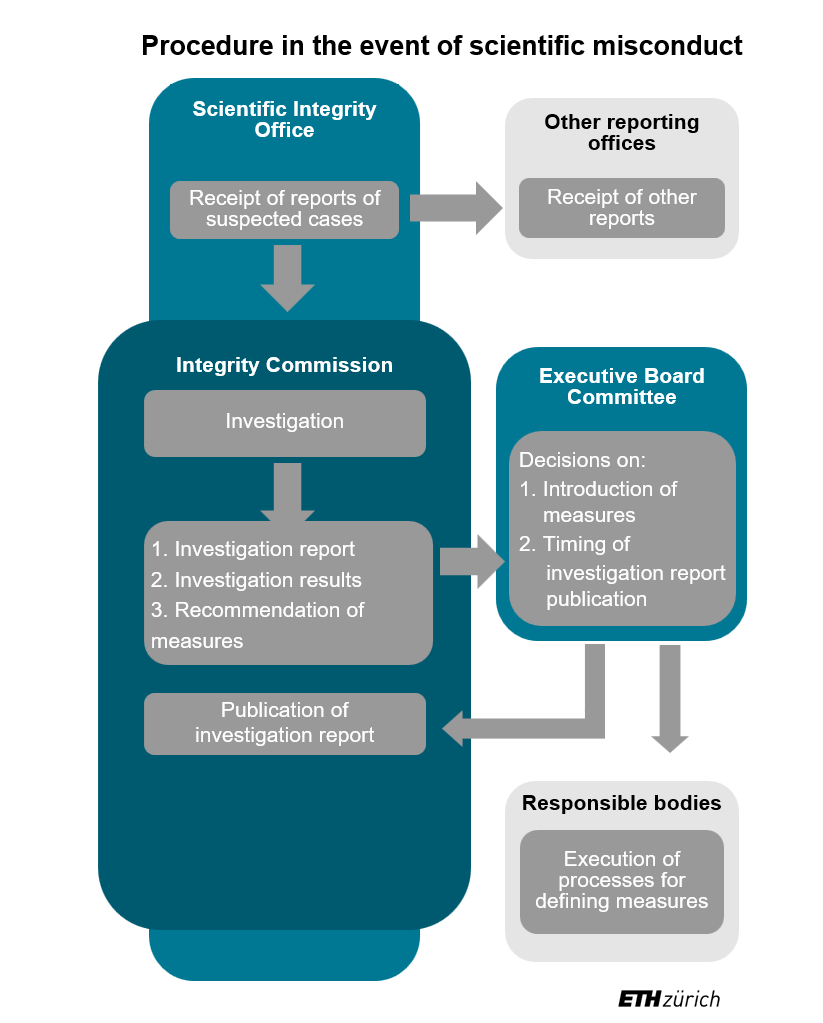
Scientific misconduct investigation
WHAT READERS AND PATIENTS SHOULD TAKE AWAY
For clinicians and patients, the immediate takeaway is caution: single studies should rarely change practice on their own. Guidelines, systematic reviews, and corroboration across independent labs remain the gold standard. For patients tempted by headlines about miraculous therapies, remember that publishing noise multiplies; robust clinical change takes reproducible evidence and careful regulatory review.
CONCLUSION
The discovery that more than 250,000 cancer papers carry automated red flags is a call to action, not a verdict. AI has enlarged the lens with which we inspect the literature, exposing structural vulnerabilities in publishing, incentives, and oversight. The appropriate response is layered: deploy automated tools responsibly, commit to transparent human adjudication, reform incentives that reward quantity over quality, and invest in the infrastructure that makes reproducibility tractable. If handled well, this crisis could catalyze enduring improvements in how cancer research is conducted, evaluated, and translated — a necessary reform to protect patients and the integrity of science.
- AI can reveal large-scale patterns of suspicious research but cannot determine guilt alone.
- Flags require careful human review, transparent investigation, and fair procedures.
- Systemic changes — data sharing, editorial forensics, and incentive reform — will reduce future risks.