Latest Articles
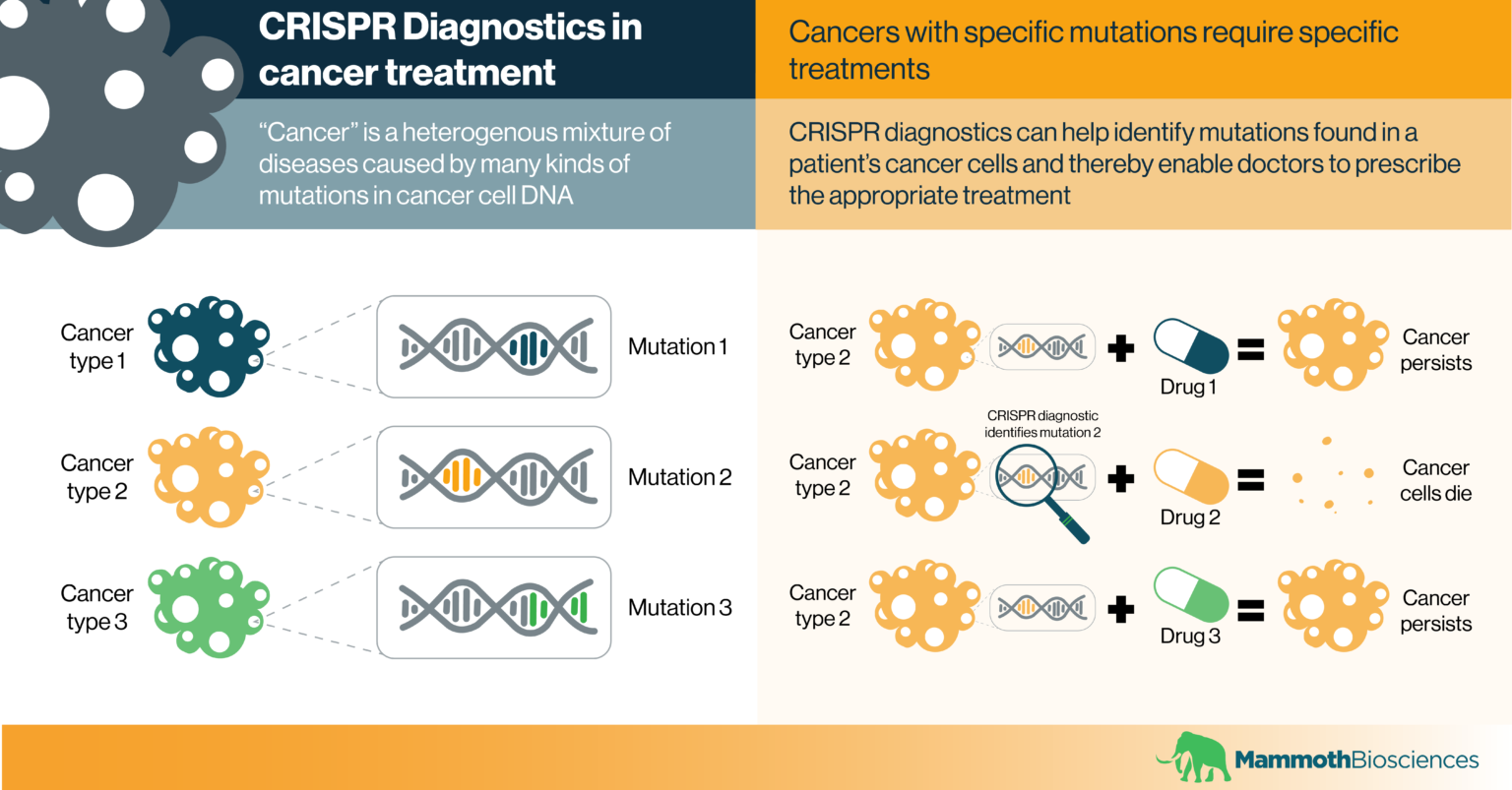
CRISPR Targets Blood Cancer: Kill Cancer, Spare Healthy Cells
Researchers are using CRISPR gene editing to develop therapies that precisely attack blood cancer cells while preserving healthy blood and immune cells—promising safer, more effective treatments and a new era of precision oncology.
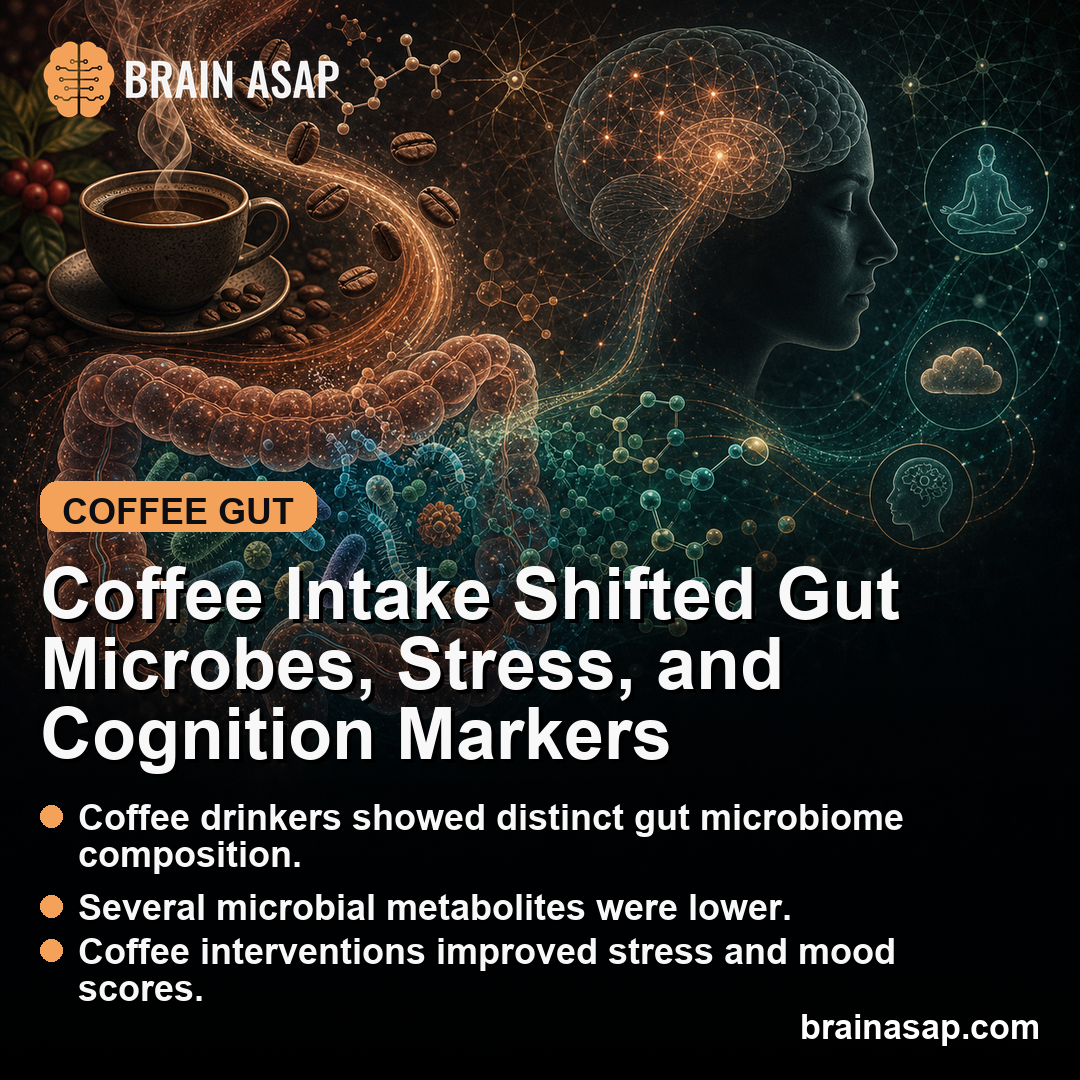
How Coffee Rewires Your Gut and Brain, According to Scientists
New research reveals that coffee does far more than wake you up: its compounds interact with gut microbes and neural pathways to influence digestion, mood, and cognition. Understanding these mechanisms helps you make smarter choices about brewing, timing, and quantity.
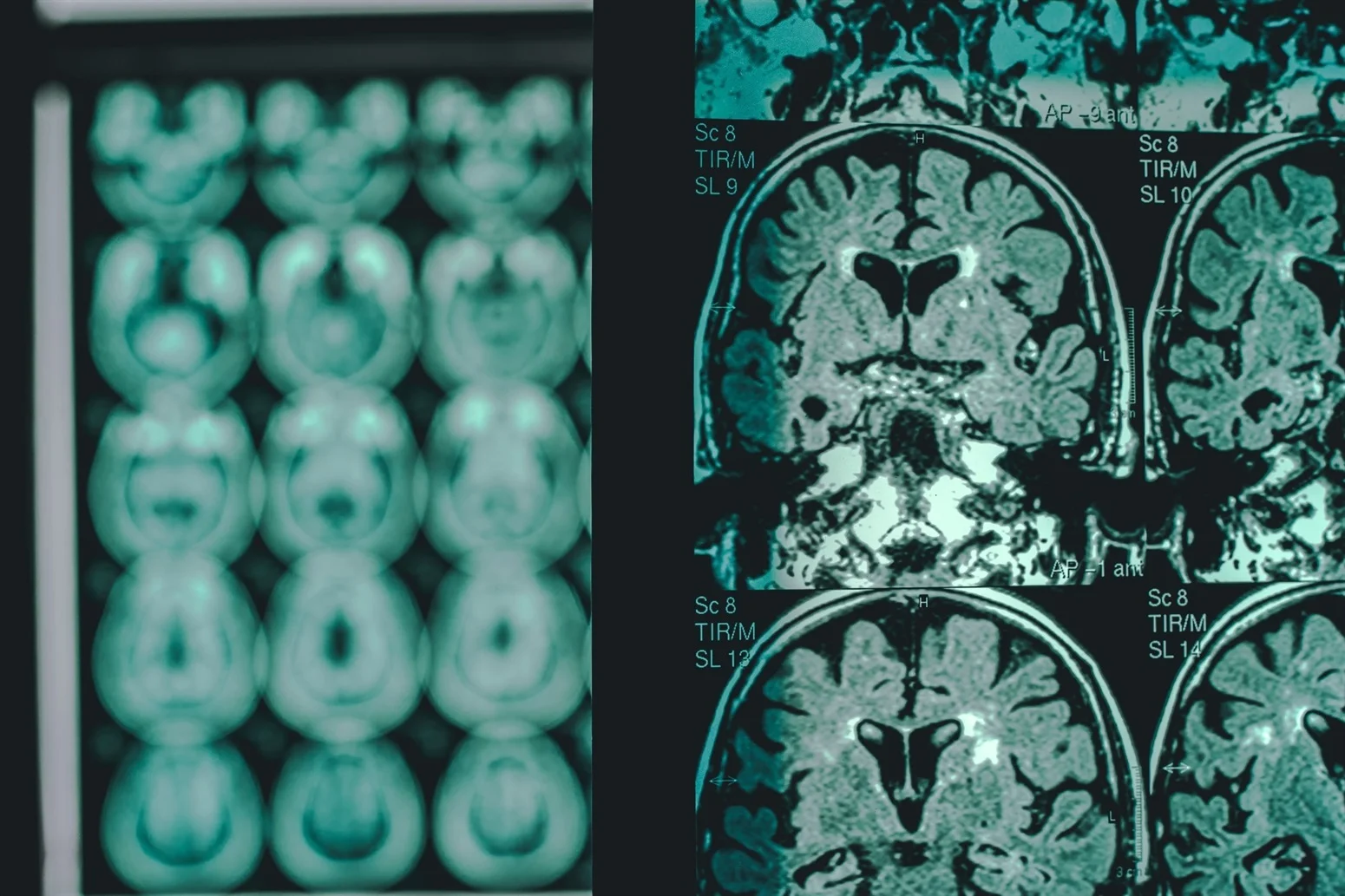
Glucosamine Linked to Faster Alzheimer’s Progression — What to Know
New research has suggested an association between regular glucosamine use and more rapid progression of Alzheimer’s disease. This article explains what glucosamine is, summarizes the evidence and its limits, and offers practical guidance for patients, caregivers, and clinicians.

Zepbound, Mounjaro and Brown Fat: Can These Drugs Ignite Calorie Burn?
Tirzepatide drugs marketed as Mounjaro and Zepbound appear to do more than suppress appetite—they may engage brown adipose tissue and boost calorie burn. This article explains the biology, the evidence so far, clinical implications, and what remains unknown.
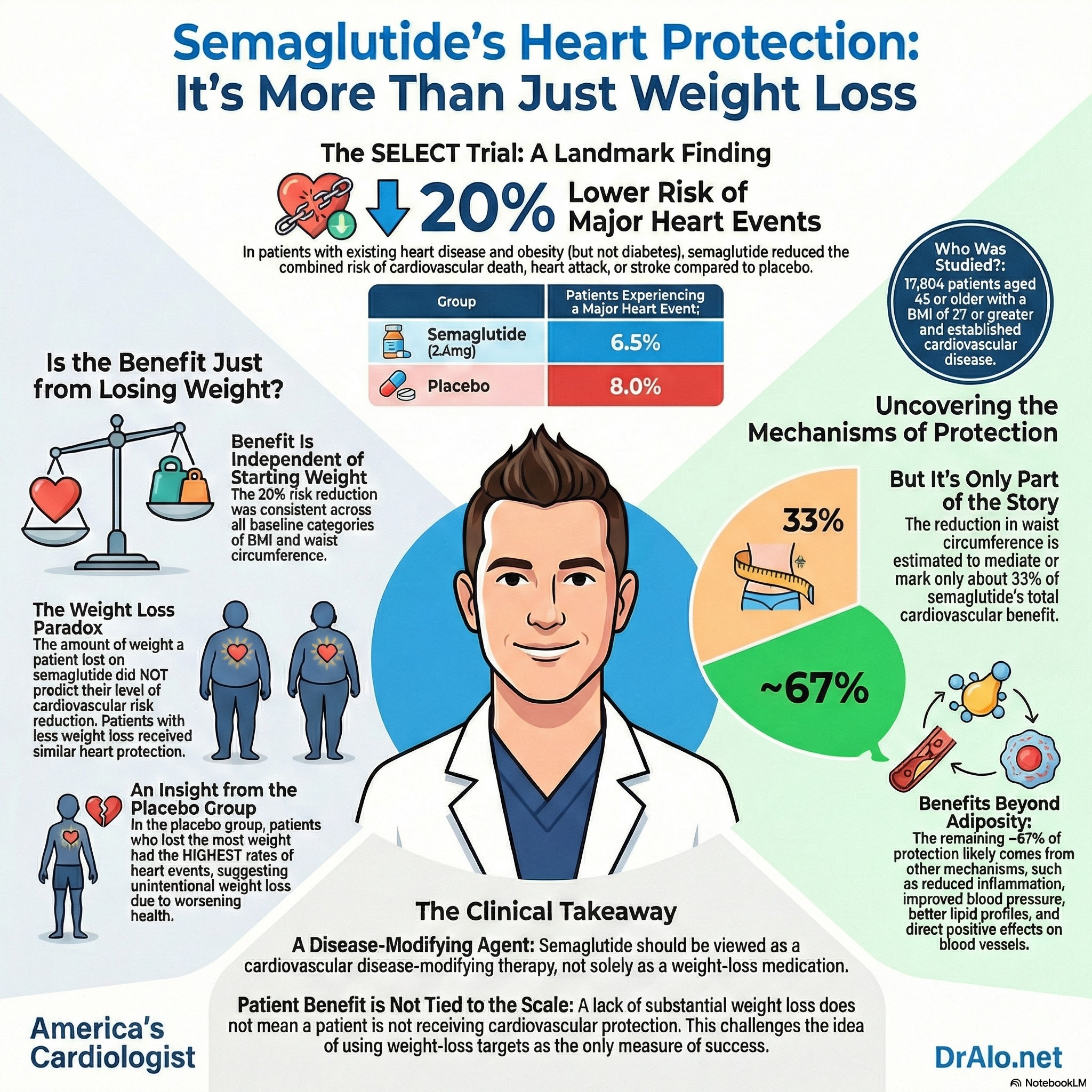
Stopping Ozempic May Raise Heart Attack and Stroke Risk
Emerging evidence suggests that stopping semaglutide (Ozempic/Wegovy) can reverse cardiovascular benefits and — in some patients — raise the risk of heart attack and stroke. This article explains the science, the data, and practical steps patients and clinicians can take to reduce danger during treatment transitions.
GLP-1 Drugs Tied to Nutrient Deficiencies in 1-in-6 Children
Recent clinical observations link GLP-1 weight-loss and diabetes medications with increased risk of micronutrient deficiencies in children; the trend prompts closer monitoring, nutrition support, and policy discussion.