Americans vs Protein RDA: How Much Protein Do We Really Eat?
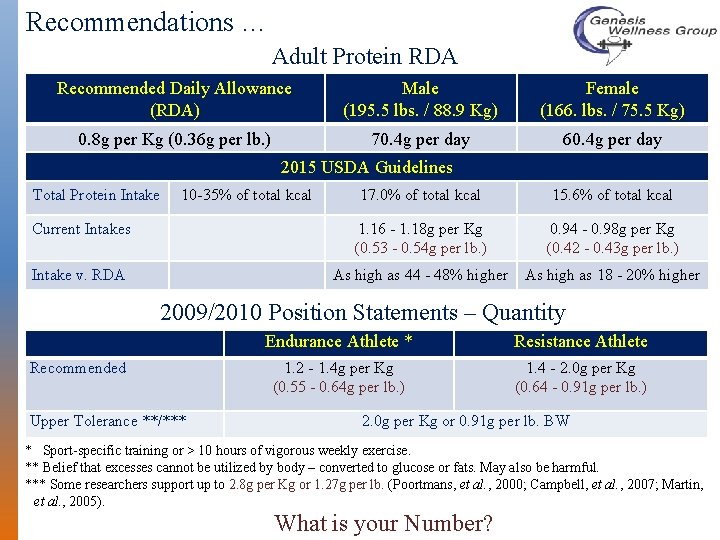
There's a simple headline many of us learned in school: adult women need about 46 grams of protein per day, and adult men need about 56 grams. Those numbers are the Recommended Dietary Allowance (RDA) for protein — a baseline intended to prevent deficiency. But life eating in the United States rarely follows textbook baselines. Most Americans don't just meet the RDA; many surpass it by a comfortable margin. This article explores what those RDA numbers mean, how U.S. consumption typically compares, who should eat more (or less), and practical ways to plan real meals that meet individual goals.
RDA protein guidelines chart
What the RDA Actually Means
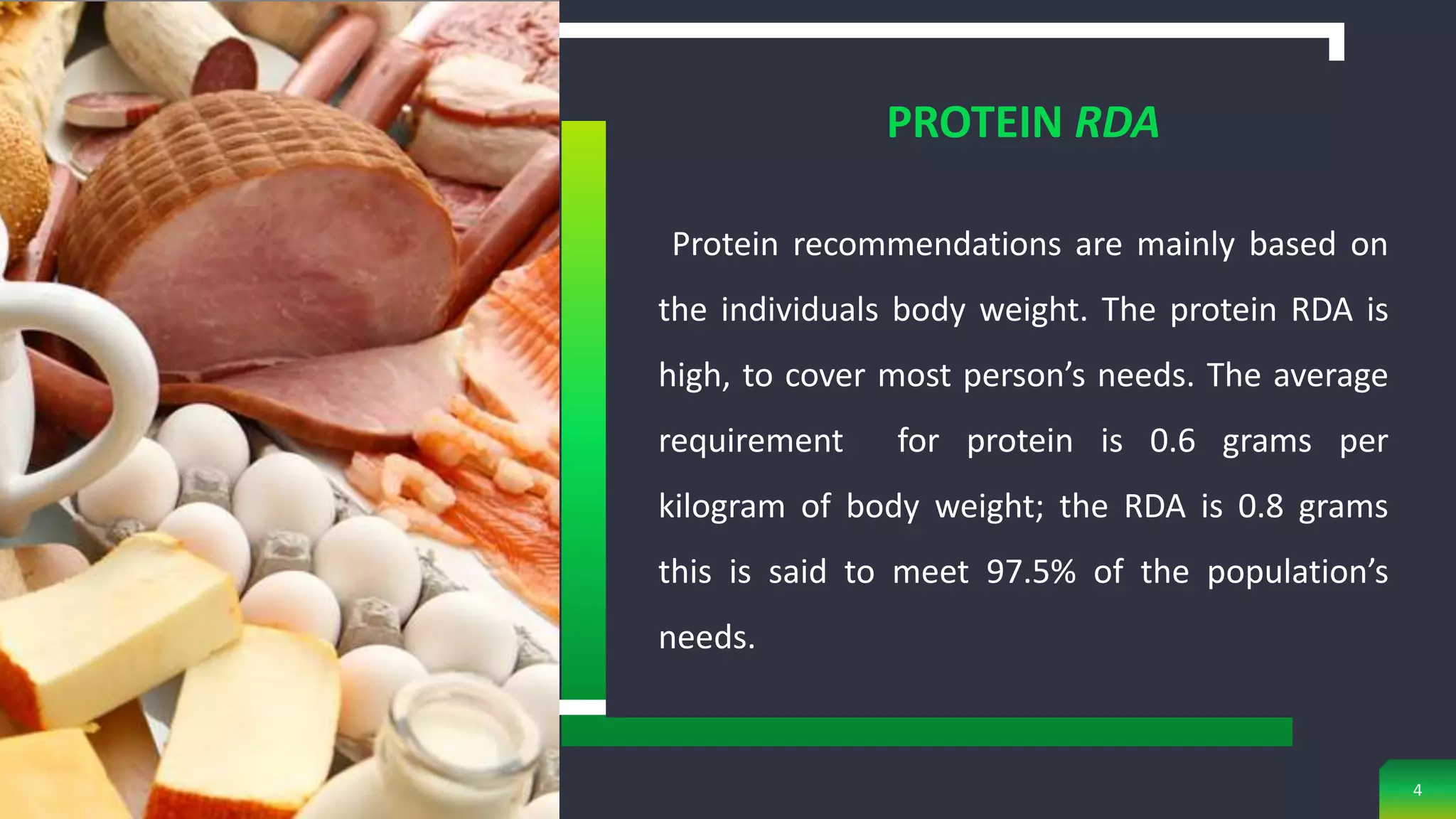
The RDA is not a performance target. It's a population-level estimate designed to cover the needs of nearly all (97–98%) healthy people in a group. For protein, the RDA is expressed as 0.8 grams per kilogram of body weight per day, which translates roughly to 46 g for the reference woman and 56 g for the reference man used in public guidance.
That reference is deliberately modest. It assumes a sedentary adult with average body mass and no special physiological states (pregnancy, illness, intense training). The RDA aims to prevent deficiency and maintain nitrogen balance; it does not optimize muscle growth, athletic performance, weight loss, or healthy aging.
The RDA is a safety floor — not a personalized performance ceiling.
How Much Protein Do Americans Actually Eat?
When researchers analyze national diet surveys, the pattern is clear: average daily protein consumption in the U.S. tends to exceed the RDA. Instead of 46 or 56 grams, many adults consume roughly double the minimum — often in the 60–100 gram range or higher depending on age, sex, body size, and lifestyle.
animal protein sources meat
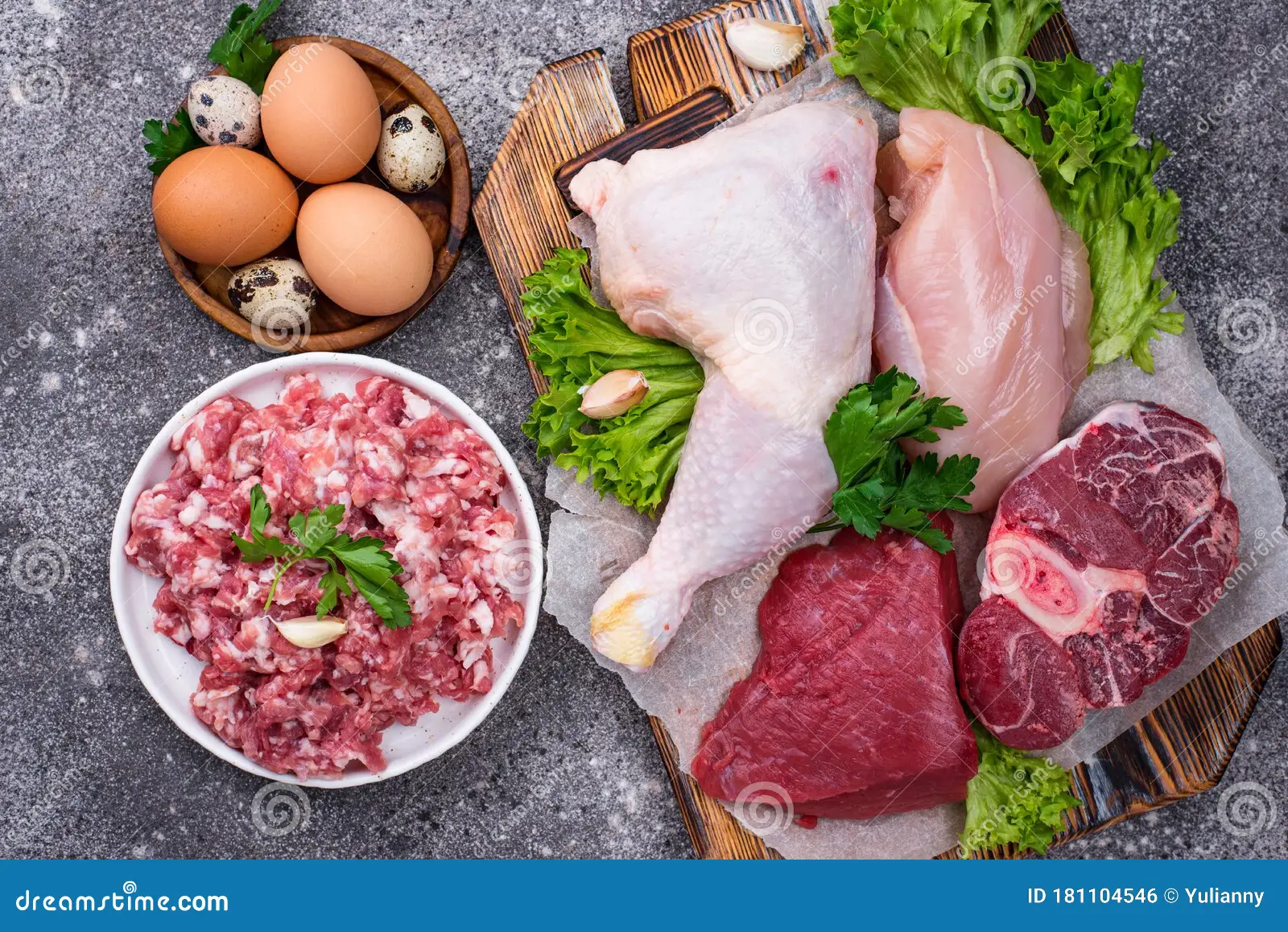
That gap is driven by several realities of American eating: higher portion sizes, frequent consumption of animal proteins (meat, poultry, dairy), and a cultural focus on protein-rich convenience foods. Men typically eat more than women largely because of greater average body size and higher energy intake. Older adults sometimes fall closer to the RDA, while active people and strength trainees often aim for substantially more.
Why Averages Can Be Misleading
Talking about an “average American” glosses over huge individual variation. Consider these facts:
- Sex and body size: Larger people generally need more protein. Men's averages are inflated by higher body mass and calorie intake.
- Activity level: Sedentary adults may be satisfied with RDA-level intakes, while athletes and manual laborers often need 1.2–2.0 g/kg/day.
- Age: Older adults frequently benefit from higher protein to preserve muscle mass and function — commonly recommended at 1.0–1.2 g/kg/day or more for some seniors.
- Diet pattern: Omnivores often reach high protein totals through meat and dairy, whereas plant-based eaters must be more intentional to hit higher protein targets.
So when the national number looks comfortably above the RDA, it doesn't mean every individual is getting enough, nor that everyone should automatically lower intake.
plant protein sources legumes
Protein Quality and Distribution Matter
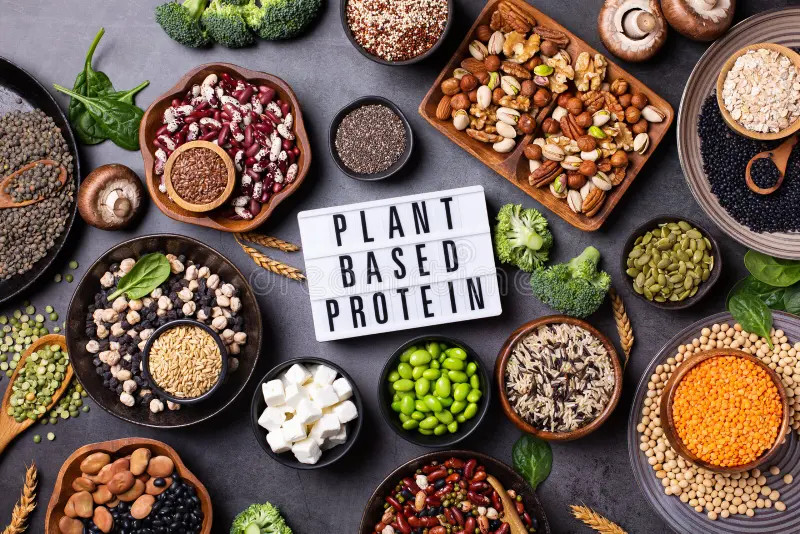
Protein isn't just a single nutrient; it's a mixture of amino acids, and not all sources are created equal. Animal proteins (meat, fish, eggs, dairy) are complete proteins — they contain all essential amino acids in proportions the body readily uses. Many plant proteins are lower in one or more essential amino acids, which means plant-forward eaters need to combine sources (legumes + grains, for example) or choose higher-protein plant foods (soy, quinoa, seitan).
Beyond quality, when you eat protein matters. Research suggests spreading protein across meals — roughly 20–35 grams per meal depending on your size and goals — supports muscle protein synthesis better than consuming most protein at one sitting. For older adults, meeting a per-meal threshold of protein is especially important to combat anabolic resistance.
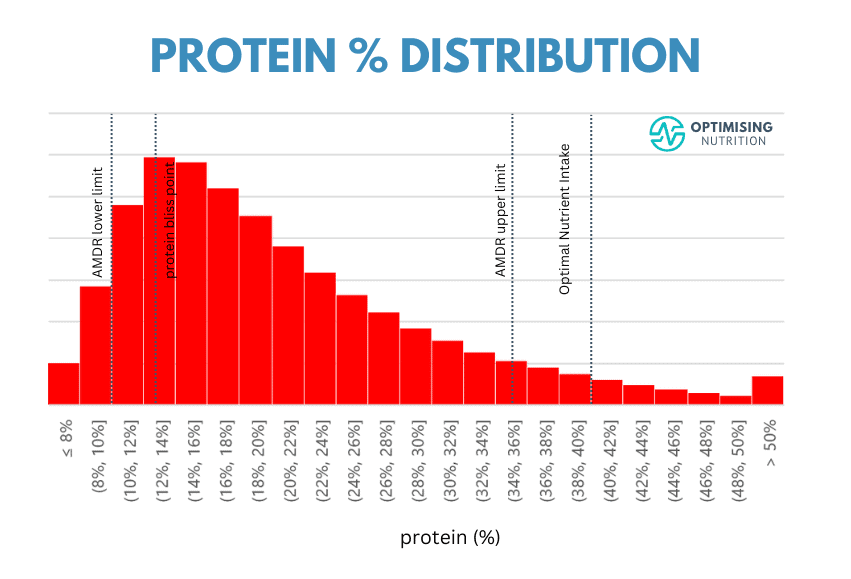
protein distribution across meals
Who Might Need More Than the RDA?
Certain groups commonly require more than the standard 46 g / 56 g RDA:
- Athletes and resistance trainees: Protein recommendations vary but often fall between 1.2 and 2.0 g/kg/day, tailored to training intensity and goals.
- Older adults: To slow muscle loss with age, experts frequently recommend 1.0–1.2 g/kg/day, and sometimes higher in the presence of illness or rehabilitation.
- People losing weight: Higher protein helps preserve lean mass during calorie restriction; 1.2–1.6 g/kg/day is common in weight-loss plans.
- Pregnant and breastfeeding people: Protein needs increase to support fetal growth and milk production.
For everyone else, protein targets should be adjusted by body weight, activity, and goals rather than by a single population-level number.
protein calculator nutrition
Who Might Need Less or Should Be Cautious?
Protein intake above the RDA is usually safe for healthy individuals, but there are exceptions. People with advanced kidney disease must manage protein more carefully under medical guidance. Extremely high protein diets that push out other nutritious foods might also lead to micronutrient gaps if not planned well.
How to Figure Out Your Personal Target
Instead of memorizing a single number, use a simple process to set a practical target:
- Estimate body weight in kilograms (divide pounds by 2.2).
- Decide on a multiplier based on goals: 0.8 g/kg for minimal needs, 1.0–1.2 g/kg for older adults, 1.2–2.0 g/kg for active/training individuals.
- Spread that protein across meals — aim for a satisfying portion at breakfast, lunch, and dinner with smart snacks if needed.
Example: A 70 kg adult aiming for 1.2 g/kg/day needs 84 g/day. Spread across three meals, that's about 25–30 g per meal, with a protein-rich snack to top up if necessary.
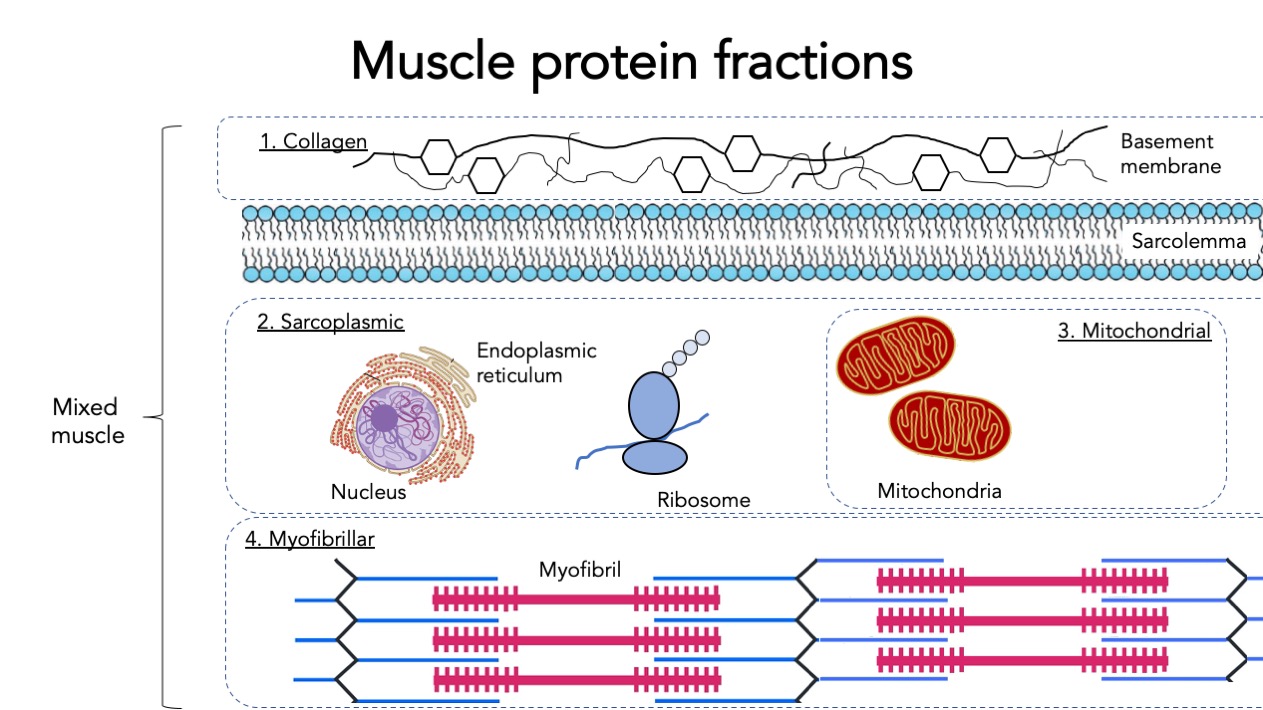
muscle protein synthesis diagram
Practical Meal Ideas to Reach Targets
Here are simple, realistic ways to achieve common protein targets without turning every meal into a science experiment:
- Breakfast (20–30 g): Two eggs (12 g) + Greek yogurt (15–17 g) or a soy smoothie with plant protein powder.
- Lunch (25–35 g): 4–6 oz chicken, turkey, or tofu bowl with quinoa and vegetables.
- Snack (5–15 g): Cottage cheese, a handful of almonds, or a protein bar (check label for quality).
- Dinner (25–40 g): Salmon, lean beef, tempeh, or lentil stew paired with whole grains and a side of beans.
These building blocks let you tune protein without sacrificing variety or taste.
protein rich foods variety
- Most Americans exceed minimum protein needs without supplements.
- Higher protein supports satiety and lean mass retention during weight loss.
- High animal-protein diets can increase saturated fat if poorly chosen.
- Some people with health issues need individualized guidance.
Common Myths and Mistakes
Protein is surrounded by myths. A few common misconceptions:
- Myth: You can't get enough protein on a plant-based diet. Reality: You can — with planning and higher portions of legumes, soy, nuts, and whole grains.
- Myth: More protein always means more muscle. Reality: Without resistance training and adequate calories, excess protein won't translate into extra muscle mass.
- Myth: Protein timing is everything. Reality: Total daily protein is most important; distribution helps optimize synthesis but is secondary to total intake and strength training.
Measuring Progress and When to Adjust
Watch functional indicators rather than obsessing over grams alone. Are you recovering from workouts? Losing fat while preserving strength? Feeling satiated between meals? For older adults, measures like maintaining walking speed and preventing falls are practical markers that protein strategy is working.
If you're making intentional changes, reassess in 4–8 weeks. If strength, energy, or body composition aren't improving — or if you develop digestive or metabolic issues — consult a registered dietitian or clinician.
Conclusion
The RDA of 46 g for women and 56 g for men is a helpful benchmark but not a one-size-fits-all prescription. Most Americans record protein intakes well above those minimums, often in the 60–100 gram range, but averages hide wide individual differences. The smarter approach is to set a personalized target based on body weight, age, activity, and goals, focus on protein quality and distribution, and use real-food strategies to meet those targets sustainably.
- The RDA is a minimum to prevent deficiency, not an optimal target for everyone.
- Many U.S. adults consume more protein than the RDA, but individual needs vary widely.
- Spread protein across meals and prioritize high-quality sources to support muscle, aging, and recovery.
- If you have medical conditions, seek personalized medical or dietetic advice before changing intake.