New Evidence Links Nicotine Vaping to Oral and Lung Cancer
The claim in the draft title—"Strongest evidence yet that vaping likely causes cancer"—captures a charged scientific and public-health debate. Over the past decade, vaping has been alternately framed as a harm-reduction tool for adult smokers and as a novel public-health threat because of rising youth use and uncertain long-term effects. In recent years a growing body of laboratory, animal, and epidemiologic research has identified plausible pathways by which nicotine-based e‑cigarette aerosols could promote cancer, particularly in the oral cavity and the lungs. This feature explains that evidence, what it does — and does not — prove, and how clinicians, policymakers, and individuals should interpret and act on it.
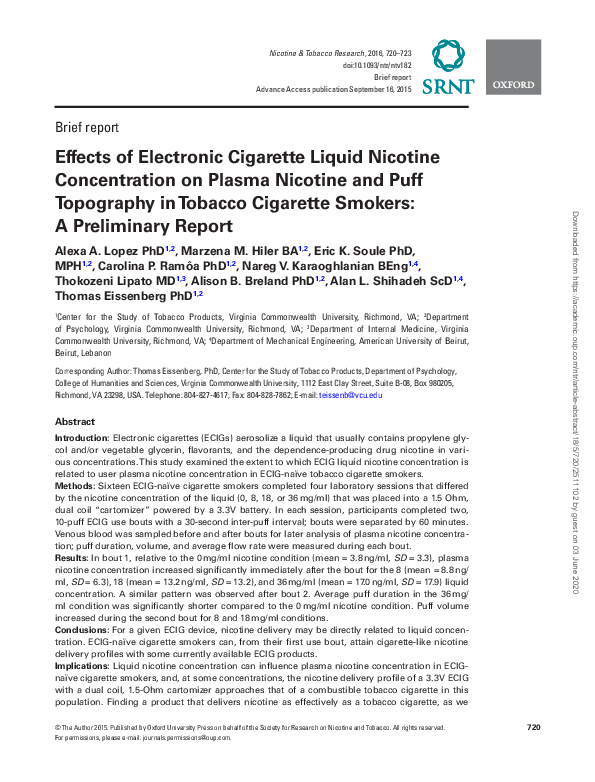
nicotine e-cigarette laboratory study
Why this matters now
The stakes are high. Hundreds of millions of people worldwide use nicotine-delivering electronic devices, and many more are exposed to them socially. If even a fraction of vaping that replaces combustible tobacco still increases cancer risk, the population-level burden could be significant. Conversely, overstating the known risks risks undermining harm-reduction strategies for adults who switch completely from cigarettes. Clear, nuanced interpretation of the latest evidence is essential.
How scientists evaluate whether a product causes cancer
Causation is established through multiple lines of evidence rather than a single study. The classic hierarchy includes: mechanistic laboratory studies (cells and tissues), animal models, epidemiologic studies in humans (cohort and case-control), exposure assessment, and reproducibility across settings. For cancer specifically, researchers look for mechanisms like DNA damage, chronic inflammation, impaired repair processes, and direct effects on cell proliferation and death.
Mechanistic laboratory findings
In vitro (cell-based) studies examine how e‑cigarette vapor condensate and e‑liquid constituents affect human cells from the mouth and lung. Multiple experiments have shown that aerosol extracts can:
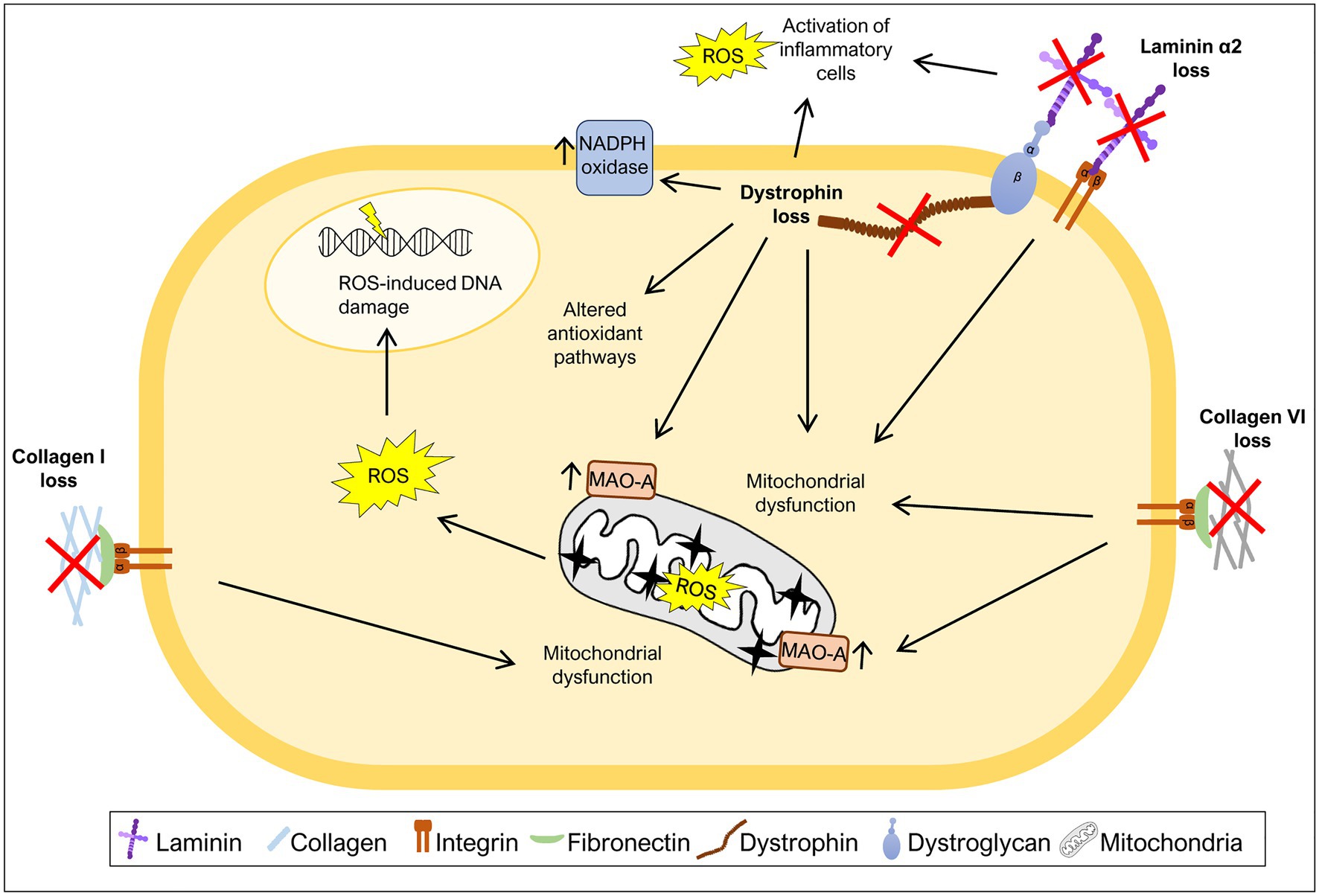
- Cause oxidative stress, producing reactive oxygen species that damage cellular components.
- Induce DNA damage and interfere with DNA repair pathways, a direct carcinogenic mechanism.
- Promote pro-inflammatory signaling that, over time, can create an environment favorable to tumor development.
- Alter cell proliferation and apoptosis, potentially allowing mutated cells to survive and expand.
These findings are not uniform — effects depend on puffing patterns, device power, nicotine concentration, and flavoring chemicals — but they provide biologic plausibility. In plain language: components of e‑cigarette aerosol can do things to mouth and lung cells that are known steps on the pathway to cancer.
Animal studies: tumor promotion and progression
Animal models complement cell studies by showing effects in whole organisms. In rodents, repeated exposure to e‑cigarette aerosols has produced evidence of lung inflammation, DNA damage in respiratory tissue, and changes in cell signaling consistent with early tumorigenesis. Some studies that combined a known carcinogen with e‑cigarette exposure reported accelerated tumor formation compared with the carcinogen alone, suggesting a tumor‑promoting effect. While animal models are imperfect proxies for human biology and dose patterns differ, these results strengthen the mechanistic link.
"Components of e‑cigarette aerosol can produce DNA damage and chronic inflammation — two key ingredients in many cancers."
Emerging human evidence
Human data lag behind lab results because cancers take years or decades to develop and most widespread vaping use is relatively recent. Still, epidemiologists have begun to observe signals that align with laboratory work.
Oral cancers and mucosal changes
Several cross-sectional studies and clinical observations have reported higher rates of oral mucosal lesions, epithelial changes, and markers of inflammation in people who vape compared with non-users. Saliva and oral-swab analyses sometimes show increased indicators of oxidative stress and DNA damage. These changes are not cancer diagnoses, but they represent early warning signs in the tissues most directly exposed to aerosol.
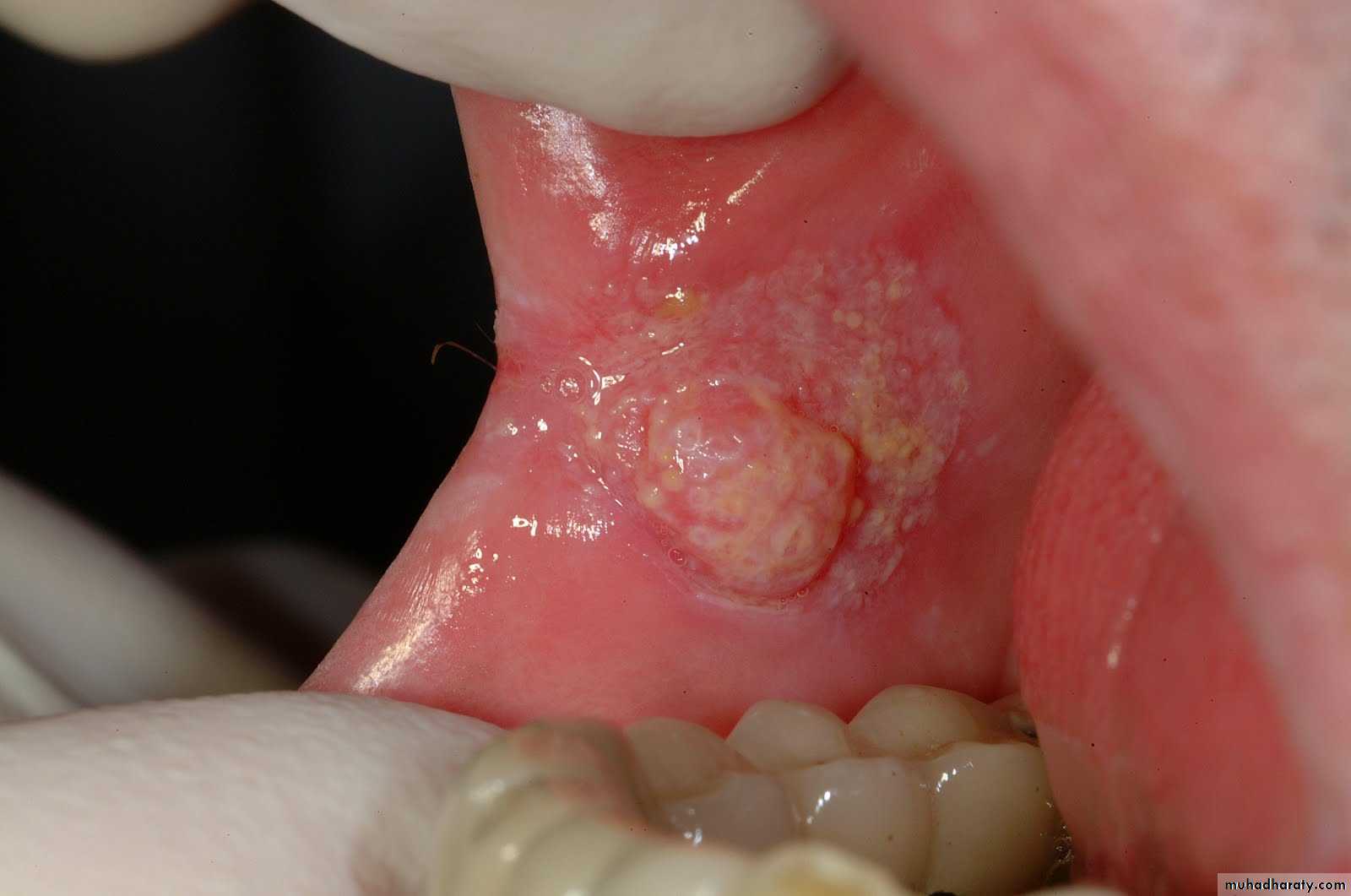
oral cancer mucosal lesions
Lung outcomes and early biomarkers
For the lungs, researchers have documented impaired immune responses, altered airway cell gene expression, and biomarkers reflecting DNA damage in the bronchial epithelium of vapers. Some population studies suggest increased reports of respiratory symptoms and chronic bronchitic changes among exclusive vapers versus never-users, though disentangling prior cigarette exposure and dual use is difficult.
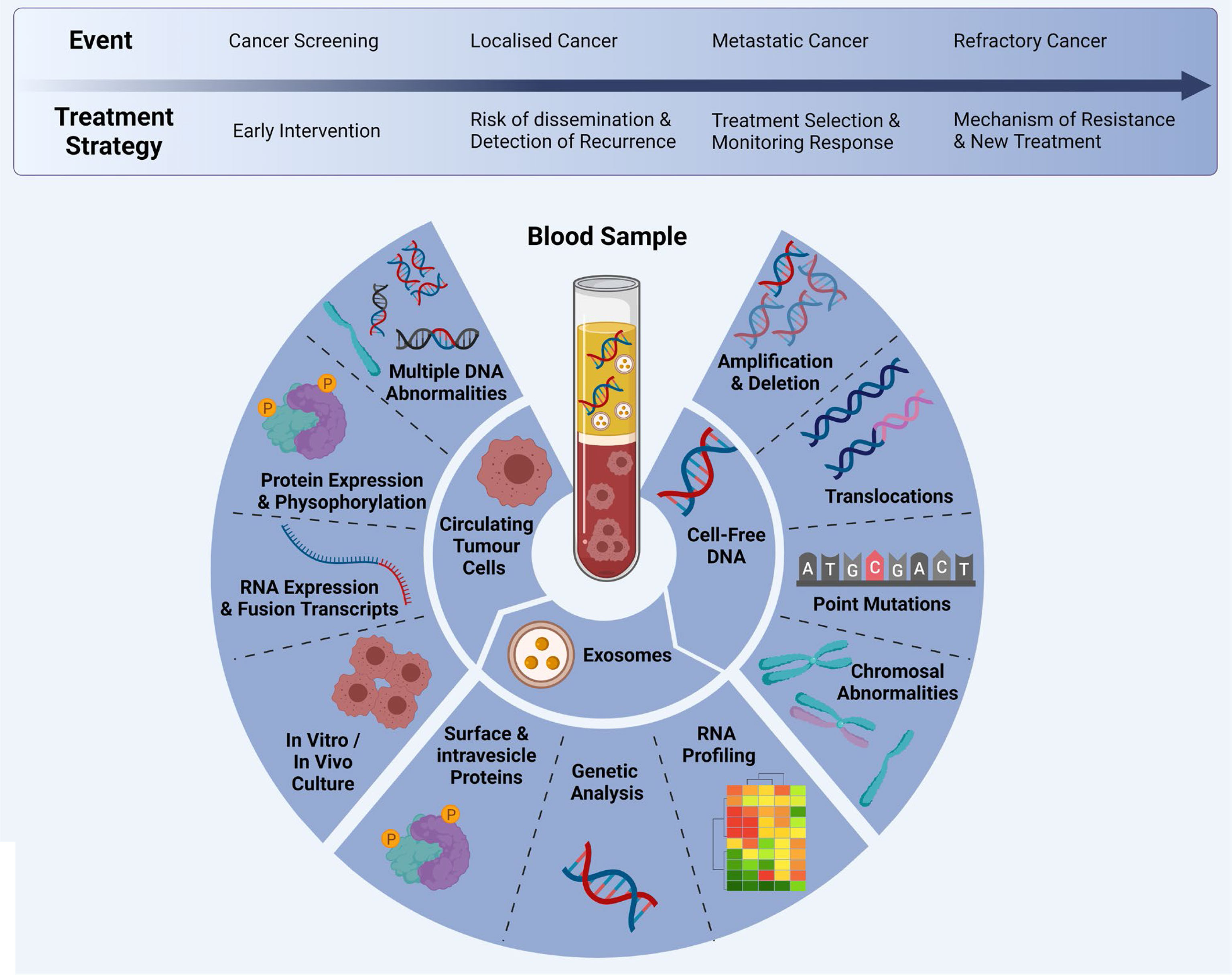
lung cancer biomarkers study
Interpreting the epidemiologic picture
True epidemiologic proof of causation requires long-term, well-controlled cohort studies that can account for confounders like prior smoking, occupational exposures, and socioeconomic variables. So far, the human evidence is suggestive but not definitive: we are seeing biological changes and early clinical signals consistent with cancer risk but have yet to observe large-scale increases in confirmed cancer incidence tied solely to vaping.
Why timing matters
Cancer often develops over many years. Because widespread vaping has been common for only a decade or so, it may be too early to detect substantial changes in cancer rates in large populations. However, the convergence of mechanistic, animal, and early human data creates a cumulative case that cannot be dismissed as inconsequential.
DNA damage oxidative stress
What in e‑cigarette aerosol could be carcinogenic?
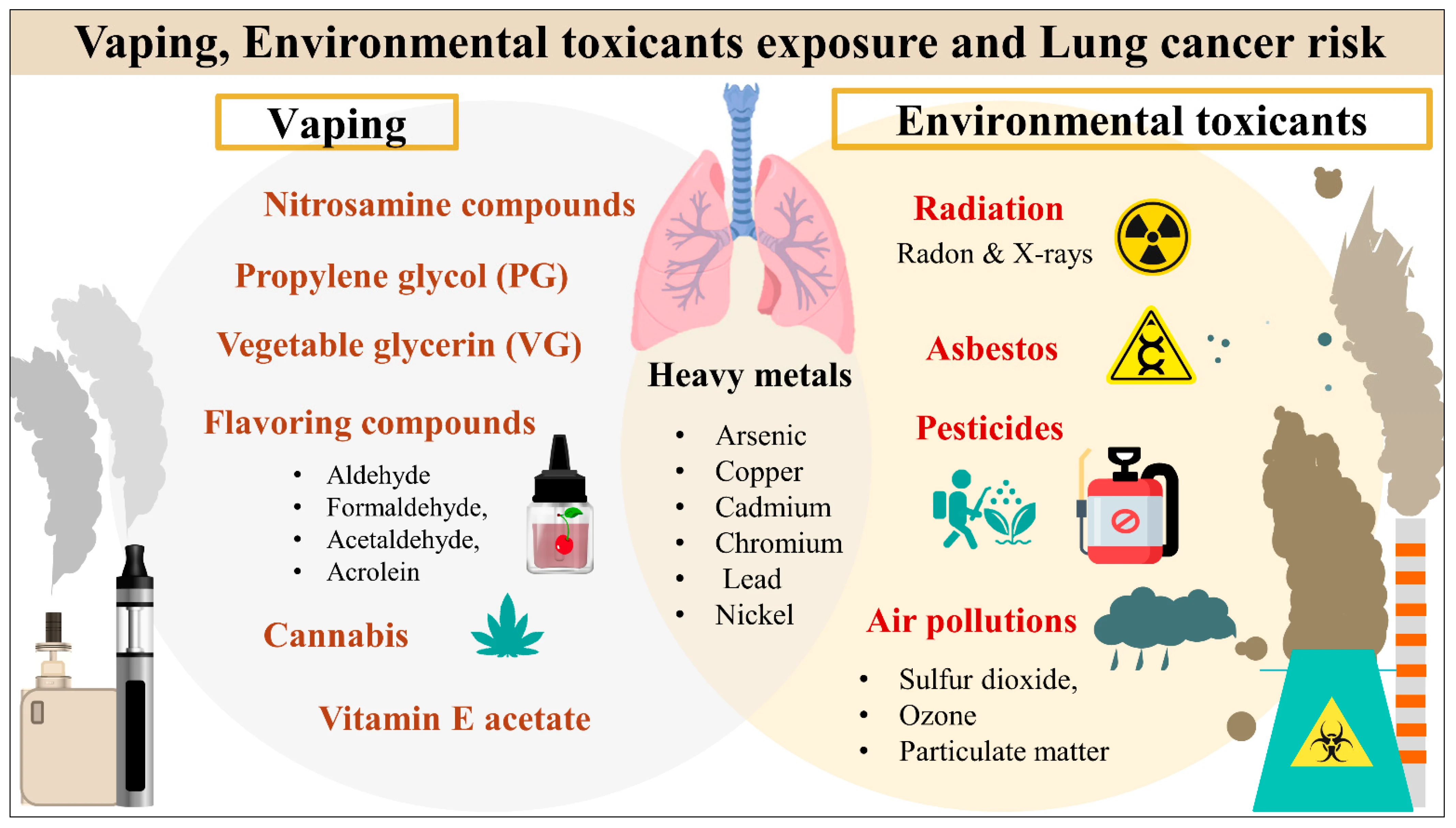
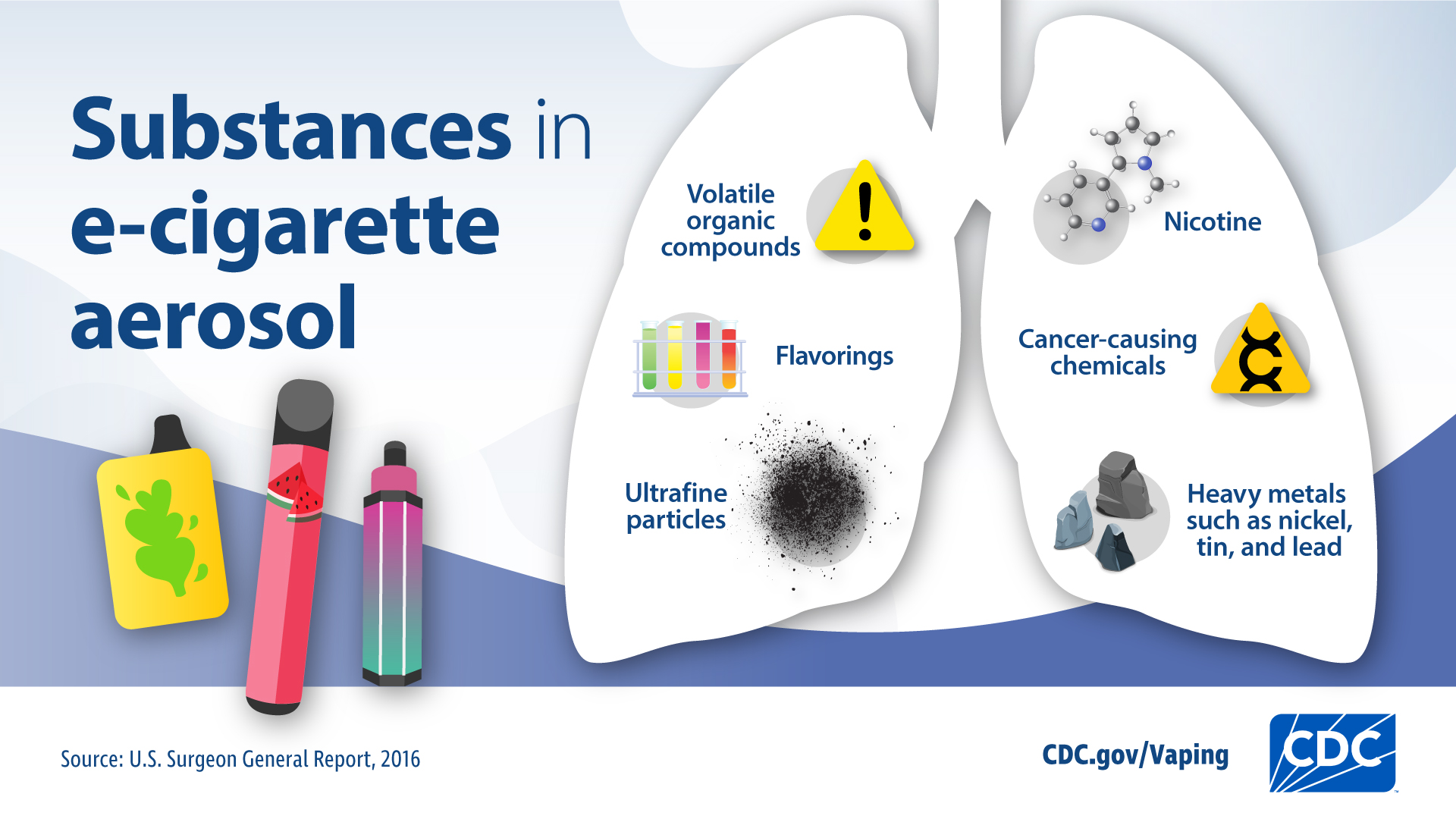
Vaping liquids and the aerosols they produce contain many chemical classes. Some of the cancer‑relevant candidates include:
- Nitrosamines — tobacco‑specific nitrosamines can be present, especially in nicotine salt formulations.
- Carbonyl compounds like formaldehyde and acetaldehyde, generated during heating of the liquid.
- Metals released from heating coils (e.g., nickel, chromium) that can be genotoxic.
- Flavoring agents that, when heated, break down into reactive or irritating compounds.
- Fine and ultrafine particulates that penetrate deep into lung tissue and carry absorbed chemicals.
Each of these components has plausible mechanisms for promoting DNA damage, chronic inflammation, or impaired repair — all hallmarks of carcinogenesis.
e-cigarette aerosol chemical analysis
Who is most at risk?
Risk depends on exposure patterns and vulnerability. Important groups to consider include:
- Young users who initiate nicotine use via vaping and may use devices for many years, increasing cumulative exposure.
- Dual users who both vape and smoke cigarettes, potentially receiving additive or synergistic harms.
- Former smokers who switch completely to vaping — their absolute risk may decrease versus continued smoking but could remain higher than never-smokers.
- People with preexisting oral or pulmonary disease whose tissues may be more susceptible to damage.
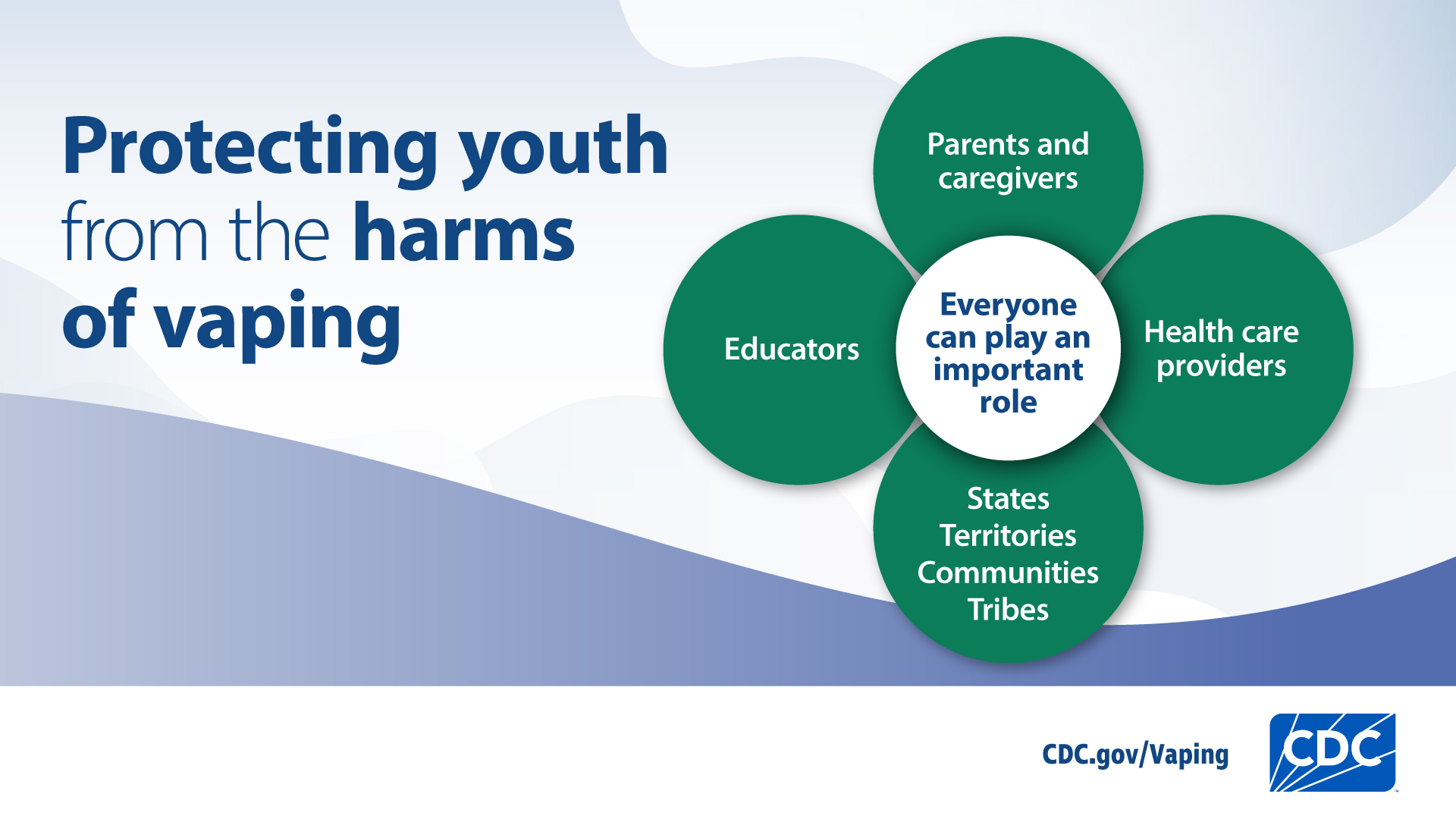
From a public-health perspective, preventing initiation among youth and encouraging complete cessation of combusted tobacco among adults are top priorities.
vaping youth prevention policies
Policy and clinical implications
How should regulators and clinicians respond to accumulating evidence? Reasonable, proportional actions include:
- Stricter limits on youth‑appealing flavors and marketing to reduce initiation.
- Product standards that limit device emissions, harmful thermal decomposition, and contaminant metals.
- Clear clinical guidance encouraging evidence‑based cessation methods and cautioning against dual use.
- Robust long‑term surveillance to detect changes in cancer incidence and track high‑risk patterns.
These steps balance the potential role of e‑cigarettes in smoking cessation for adults with the need to protect broader public health.
FDA e-cigarette regulations standards
Limitations and uncertainties
Scientific caution matters. Key limitations in the current evidence base include:
- Short time horizon — most users have not been exposed long enough to observe cancer outcomes that typically take decades to arise.
- Heterogeneous exposures — devices, liquids, and behaviors vary widely, complicating generalizations.
- Confounding — many vapers are current or former smokers, and residual effects of earlier smoking can obscure causal attribution.
- Study design — much evidence is cross-sectional or laboratory-based; prospective, population-based cohorts are still developing.
Despite these caveats, the accumulation of consistent mechanistic and biological signals raises the priority of long-term monitoring and preventive action.
Practical advice for readers
If you vape, or are advising someone who does, practical steps to reduce risk include:
- Aim for complete cessation of combustible tobacco if you smoke; consult clinicians about FDA‑approved cessation therapies.
- Avoid dual use — do not use vaping in addition to smoking.
- Reduce exposure by avoiding high-power devices and unregulated liquids, and by not modifying coils or mixing unknown substances.
- Seek medical attention for persistent oral lesions, changes in voice, chronic cough, or unexplained respiratory symptoms.
Public-health success will depend on preventing initiation in youth while providing safe, evidence‑based pathways to quit for adults who already smoke.
Where research needs to go next
Priority research areas include long-term cohort studies that track never-users, exclusive vapers, dual users, and former smokers with standardized exposure metrics; mechanistic work that clarifies which constituents drive carcinogenesis; and randomized trials that compare outcomes of switching strategies. Investment in biomarker development to detect early malignant transformation could also shorten the time to actionable signals.
Conclusion: cautious alarm, measured response
The emerging evidence linking nicotine-based vaping to mechanisms associated with oral and lung cancer is concerning. Laboratory and animal studies show clear pathways, and early human biomarker and clinical signals echo those findings. However, the absence of long-term, large-scale epidemiologic proof means the scientific community cannot yet deliver an unequivocal, quantified estimate of cancer risk attributable solely to vaping.
That uncertainty should not be interpreted as safety. Instead it argues for a precautionary public-health response: strengthen youth protections, improve product standards, expand cessation support, and accelerate long-term studies. For individuals, the best proven way to reduce cancer risk remains quitting all tobacco and nicotine use; for smokers who cannot or will not quit immediately, carefully managed switching to evidence-based cessation aids under medical guidance may be preferable to continued smoking, but the potential risks of long-term vaping must be part of informed decision-making.
- Mechanistic and animal studies show that e‑cigarette aerosol can cause DNA damage and chronic inflammation — processes central to cancer development.
- Early human studies report oral mucosal changes and lung biomarkers consistent with increased cancer risk, but long-term epidemiologic proof is not yet available.
- Policy actions should prioritize youth prevention, product standards, and support for smokers to quit completely.
- Individuals should avoid dual use and seek proven cessation methods; long-term vaping cannot yet be considered risk-free.
Science advances by layering evidence. The most responsible interpretation of the current data is that vaping is not harmless and could plausibly increase oral and lung cancer risk over time. The public-health response should reflect that plausibility — protecting young people, regulating products to minimize harm, and supporting rigorous research — while clinicians counsel patients with honesty about the knowns and unknowns.