
How Roger Ebert Reclaimed Life After Lower Jaw Surgery
When a public figure experiences disfiguring surgery, the story told in headlines is often short and sensational; the quieter, longer truth is the daily, practical work of healing. Roger Ebert — the Pulitzer Prize–winning film critic whose writing shaped how millions thought about movies — lived that longer truth. After surgery that removed a large portion of his lower jaw because of cancer affecting salivary and related tissues, Ebert faced a cascade of medical, functional, and emotional challenges. But beyond the clinical notes lies a portrait of how a person, supported by caregivers and clinicians, adapts and reclaims meaning, voice, and work.
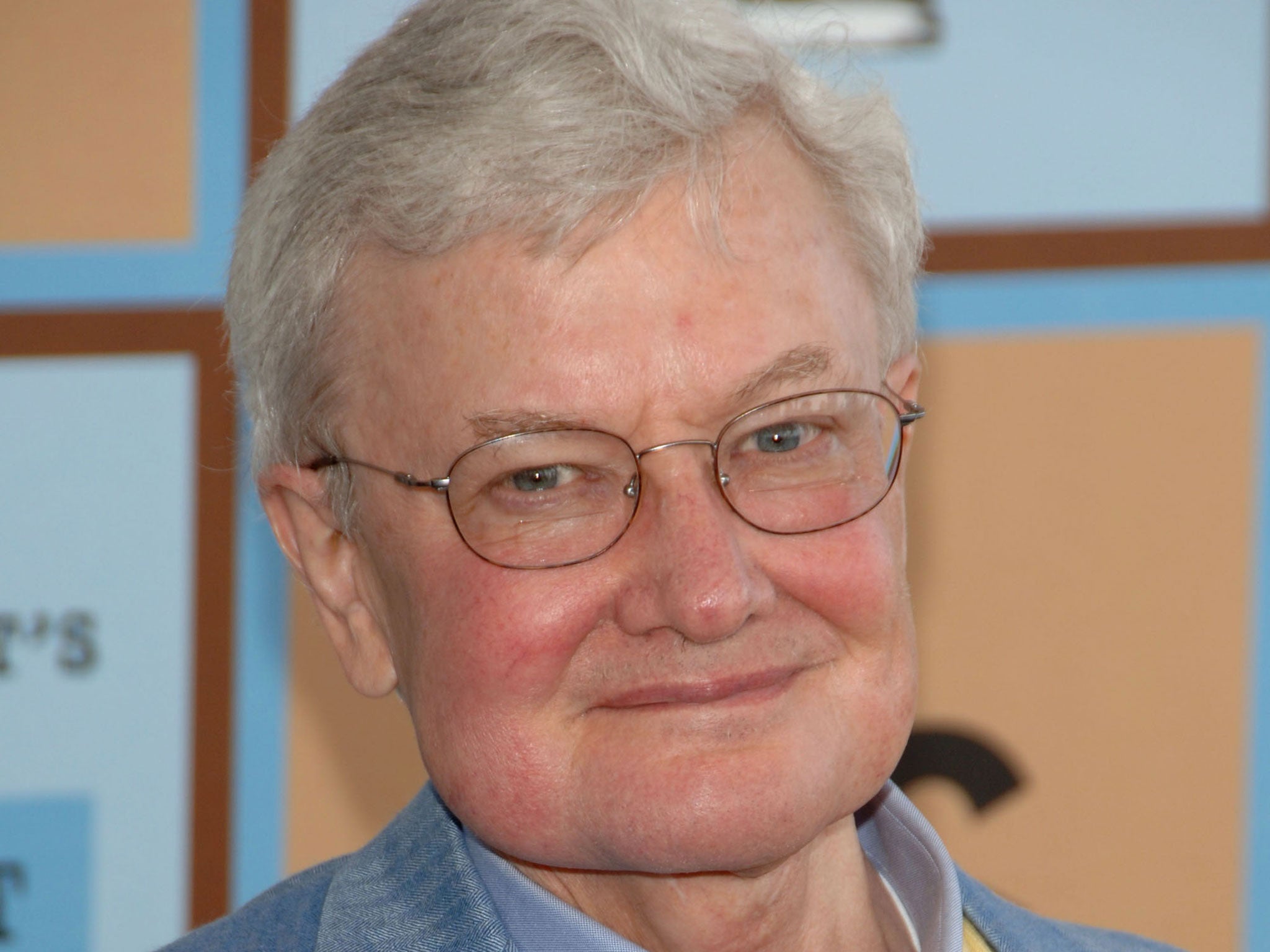
Roger Ebert film critic
THE OPERATION AND ITS IMMEDIATE CONSEQUENCES
What jaw removal means
Removing part or all of the lower jaw (the mandible) — sometimes necessary to eliminate invasive cancer — is not simply a cosmetic loss. The mandible provides the structural base for teeth, anchors muscles used to speak and swallow, defines the lower face, and supports airway relationships. When surgeons remove mandibular bone and surrounding soft tissue, they aim to clear disease and preserve life. The short-term cost is significant: pain, facial asymmetry, altered bite, loss of teeth, difficulty forming words, and challenges managing saliva and the passage of food.
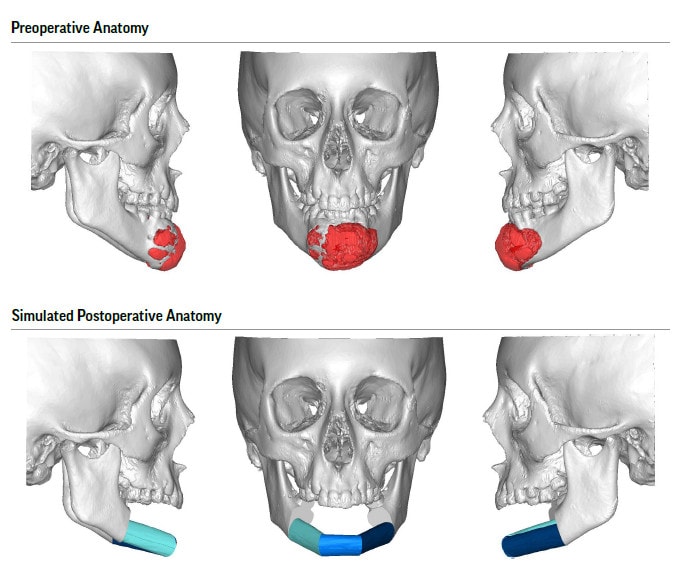
mandibulectomy surgical procedure
Immediate post-surgical care
The first 48–72 hours after a major head and neck operation are focused on safety: airway protection, fluid balance, pain control, and infection prevention. Typical steps include close monitoring in a high-acuity unit, use of drains to prevent fluid collections, antibiotics when indicated, and careful wound observation. Nutrition is commonly delivered by non-oral routes initially — either through a nasogastric tube or a surgically placed feeding tube — until swallowing is evaluated. Pain is managed with a multimodal plan so rehabilitation can begin as soon as possible.
Rehabilitation begins the moment the surgeon closes the skin: every dressing change, exercise set, and assisted swallow is a vote for recovery.
REBUILDING FORM AND FUNCTION
Reconstructive options and goals
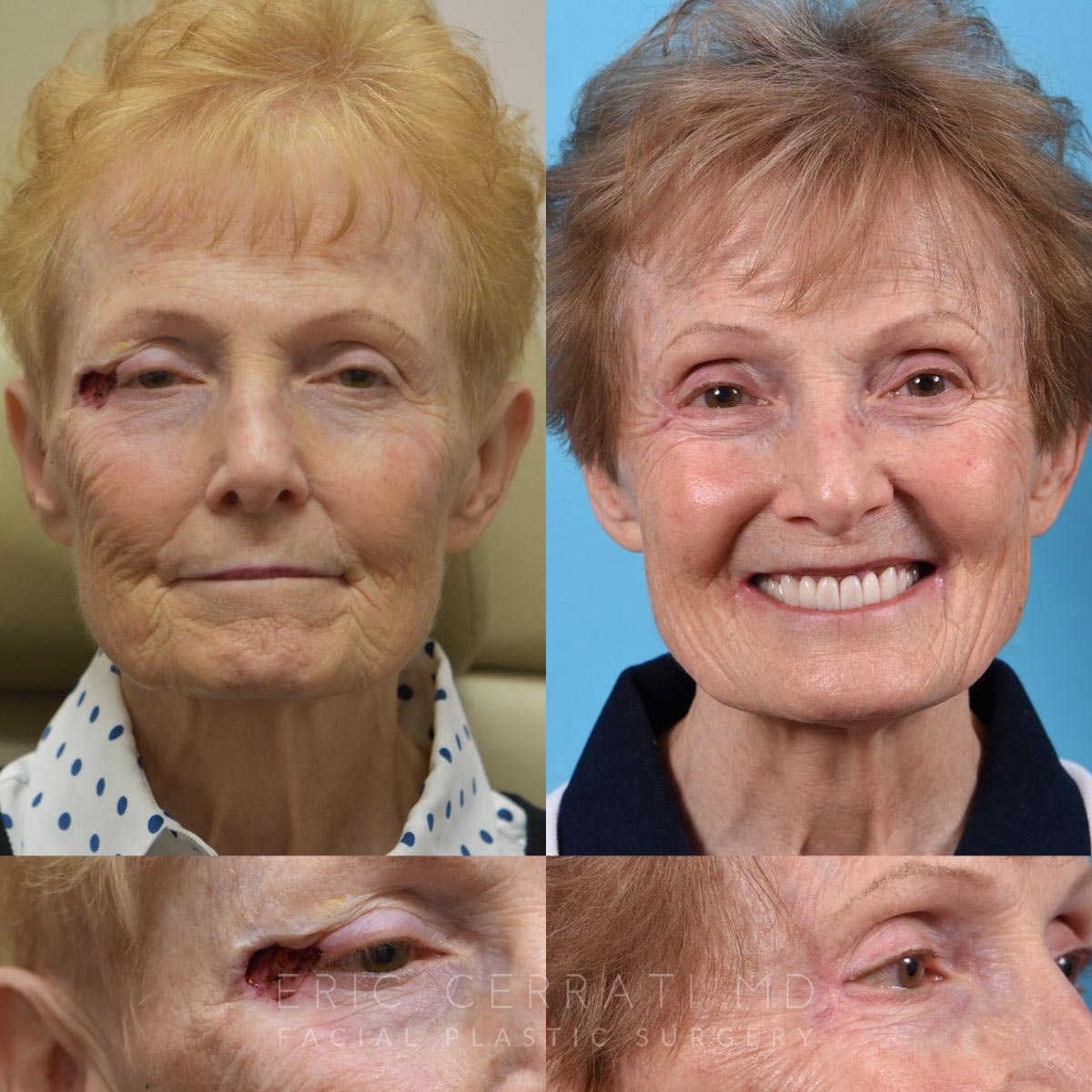
Reconstruction after mandibulectomy has two intertwined goals: restore essential function (chewing, swallowing, speaking, airway protection) and reconstruct facial form for social and psychological wellbeing. Surgeons may use rigid fixation with plates, bone grafts taken from other parts of the body (for example, the fibula), or microvascular free flaps that carry bone, skin, and blood vessels to the defect. When reconstruction is staged over months, prosthodontists and maxillofacial teams also plan for dental rehabilitation and facial prostheses to restore appearance and chewing ability when possible.
facial reconstruction surgery
Speech and swallowing rehabilitation
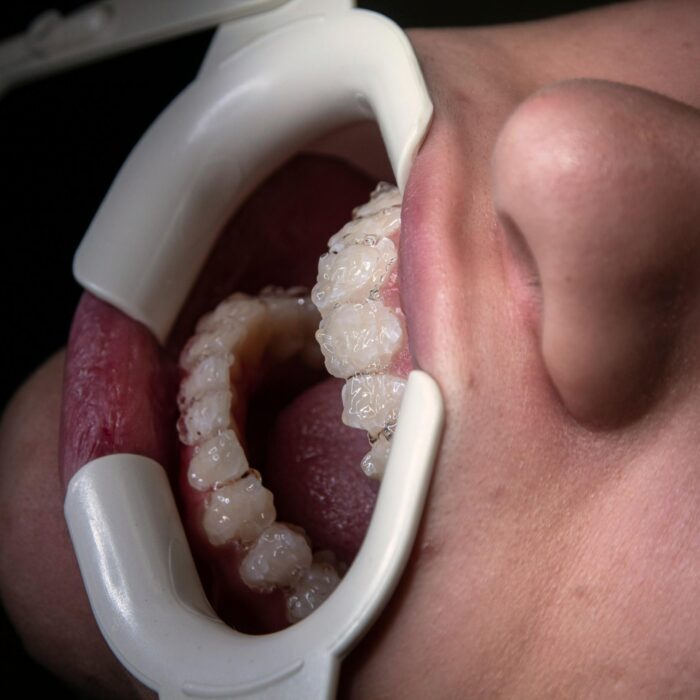
One of the most immediate and sustained challenges after lower-jaw surgery is re-learning safe swallowing and reclaiming intelligible speech. Speech-language pathologists (SLPs) are central to care: they assess swallowing mechanics with bedside tests and instrumental tools, prescribe exercises to strengthen or compensate for lost muscle function, and recommend diet modifications. Therapy may include oral-motor exercises, postural techniques during eating, and strategies to reduce aspiration risk. For speech, SLPs work on articulation, voice support, and adaptive strategies such as pacing, breath support, and use of assistive communication devices when needed. Progress can be slow, but incremental gains compound into real improvements in daily life.
speech therapy after jaw surgery
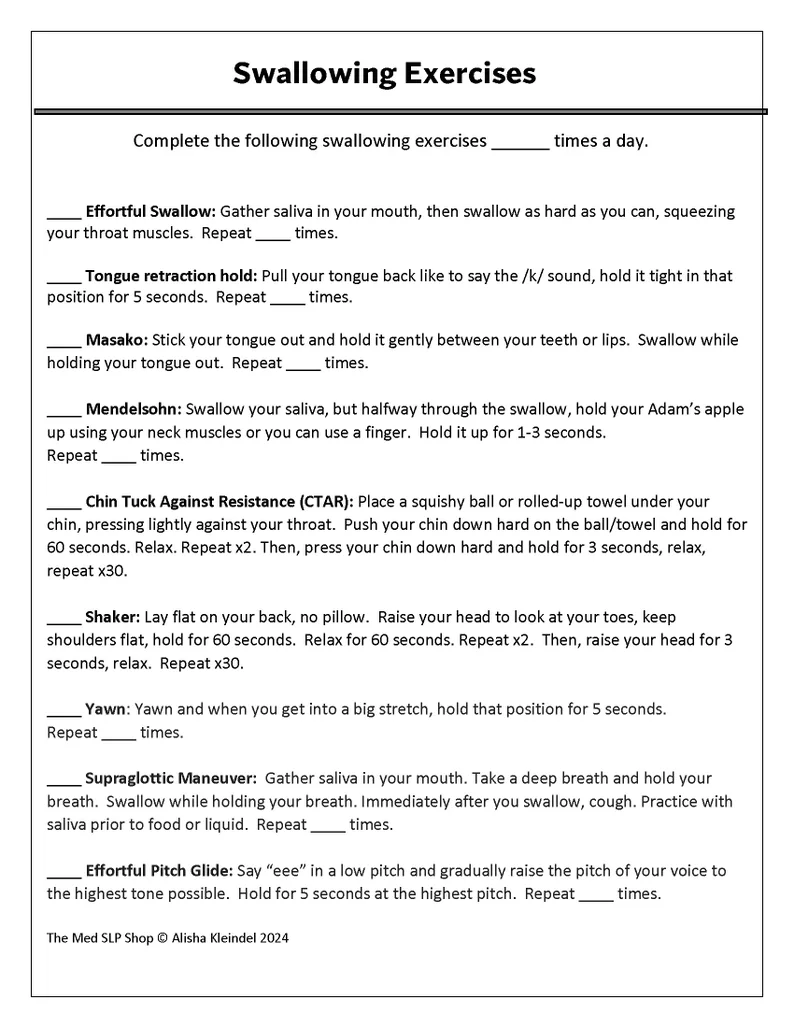
swallowing rehabilitation exercises
DAILY LIVING: NUTRITION, HYGIENE, AND ADAPTIVE STRATEGIES
Ensuring adequate nutrition
Malnutrition is a real risk after major oral or jaw surgery because eating becomes effortful and inefficient. Clinical teams monitor weight, laboratory markers, and caloric intake closely. Initially, nutrition may be delivered enterally (tube feeding) until swallowing safety is demonstrated. As oral intake resumes, dietitians recommend high-protein, calorie-dense, and easy-to-swallow textures; supplements and fortified liquids help bridge gaps. Over time, careful dietary progression — with patience and creativity — can restore pleasure in food, even if the menu looks different than before.
Oral hygiene and wound care
As wounds heal, keeping the surgical field clean and protected is essential. Gentle oral hygiene routines, antiseptic rinses when permitted, and regular follow-up with dental and surgical teams reduce infection risk and identify complications early. Scar management, including massage and topical therapies, can soften tissue and help in the long-term aesthetic outcome.
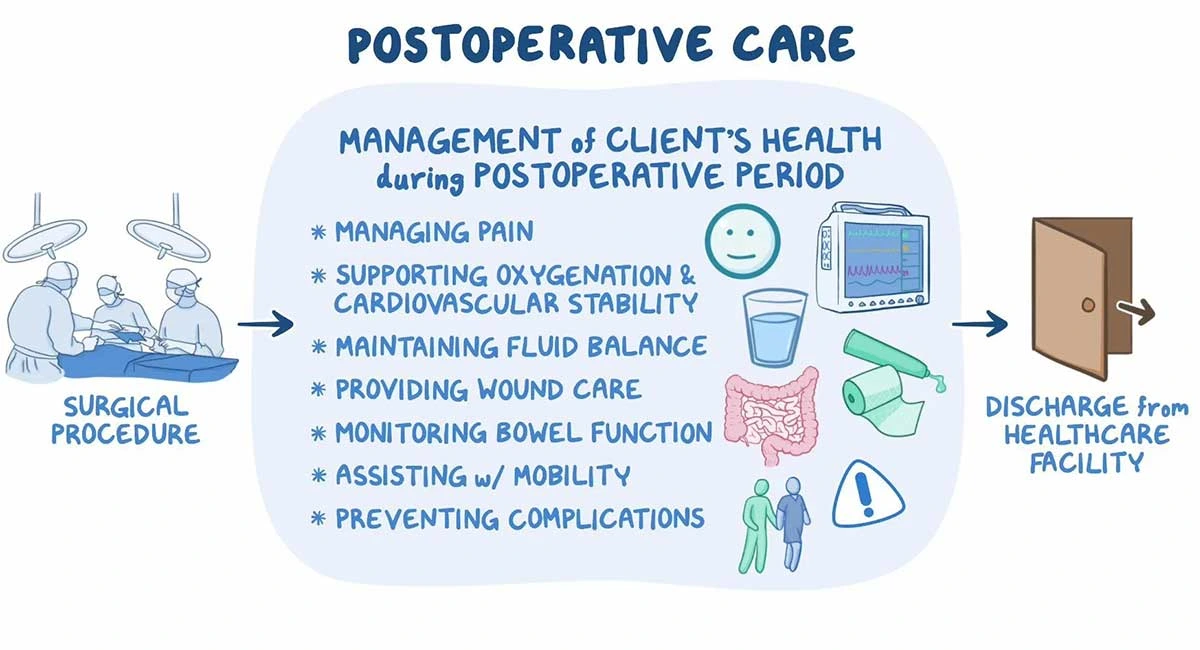
post-operative wound care
THE HUMAN SIDE: IDENTITY, IMAGE, AND PUBLIC LIFE
Facing the mirror — and the camera
Physical changes after mandibulectomy are visible and socially consequential. For someone in the public eye, the gaze of others complicates private grief and adaptation. Roger Ebert, like many public figures who undergo visible medical treatments, navigated how to be seen with dignity. That navigation is part practical — choosing clothes or scarves, working with prosthetics to balance symmetry — and part psychological: integrating a changed face into one's sense of self, and deciding how much of that journey to share.
Work, voice, and continuing purpose
One of the most remarkable aspects of Ebert’s life after surgery was his continued engagement with movies and readers. Continuing to write, publish, and participate in public life is therapeutic; work restores routine, identity, and meaning. For patients generally, re-engagement with valued activities often coincides with better emotional outcomes, even when the return is gradual and adapted.
PRACTICAL ADVICE FOR CAREGIVERS AND FAMILIES
Daily routines that help
Caring for someone after jaw surgery is both clinical and domestic. Routines matter: scheduled medication management, hands-on help with oral hygiene, agreed-upon times for speech exercises, and planned meals that meet both nutritional and practical needs. Emotional labor — listening, holding frustration, and celebrating small wins — is part of the medicine.

caregiver medical support
When to call the team
Caregivers should have clear thresholds for contacting clinicians: fever, increasing pain, redness or drainage at the surgical site, sudden weight loss, breathing changes, or new difficulty swallowing are all signs that require prompt medical evaluation. Timely communication prevents small problems from becoming emergencies.
COMMUNITY, STIGMA, AND THE ROLE OF STORYTELLING
Public narratives and private realities
Stigma around disfigurement can be crushing, but visible stories from respected figures change social perceptions. When a critic, artist, or journalist continues to practice their craft after major surgery, they send a powerful message about ability, value, and continuity. At the same time, it is vital to honor the private grief and effort that underlie public appearances: every smile regained is often the product of hours of practice and steady medical care.
Support networks matter
Peer groups, online communities, and patient advocacy organizations offer practical tips and moral support. They provide recipes for easy-to-swallow but satisfying meals, recommendations for prosthetic teams, and forums to discuss the awkward social moments that everyone faces after a visible change. Connecting with others who have walked a similar path reduces isolation and accelerates learning.
PRACTICAL CHECKLIST: WHAT HELPS MOST
A concise caregiver checklist
- Coordinate care: keep a daily schedule for medications, appointments, and exercises.
- Nutrition focus: consult a dietitian; prioritize protein and calories in easy-to-swallow forms.
- Protect the airway: be vigilant for signs of aspiration or breathing difficulty.
- Therapy commitment: practice speech and swallowing exercises regularly with a trained SLP.
- Skin and wound care: follow surgical team instructions for cleaning and dressing changes.
- Mental health: normalize counseling and peer support.
- Advocacy: help with appointments, paperwork, and communication with employers or media when appropriate.
REFLECTIONS: WHAT EYES SEE VS. WHAT EARS READ
Roger Ebert’s life after surgery reminds us that identity rests on many axes. People recognized him for his voice on the page more than the look of his face; he continued to wield curiosity, rigor, and kindness in his criticism. That continuity is not an accident. It is built on care teams who manage the clinical needs, therapists who teach the body new patterns, caregivers who provide the scaffolding of daily life, and the person’s own resolve to keep contributing.
A final note on dignity
Dignity in illness is a partnership between professionals and loved ones. It comes from treating the person as whole — as someone who grieves loss but also wants to keep living, working, laughing, and engaging. Practical accommodations, frank conversations about appearance, and space for private healing all preserve dignity even as the face changes.
- Major jaw surgery affects form, speech, swallowing, and identity — recovery is multidisciplinary and long-term.
- Speech-language therapy, nutritional support, and reconstructive planning are pillars of effective recovery.
- Caregivers and support networks are essential; routine, documentation, and mental health care improve outcomes.
- Public figures who share their journey can reduce stigma and provide practical roadmaps for others.
CONCLUSION
The clinical facts of mandibulectomy are precise: tissue removed, reconstructions attempted, therapies prescribed. The human story is measured in repetitions — the practice of a swallowing maneuver until it becomes a habit, the hours spent shaping a sentence until it feels natural, the small meals finished with satisfaction. Roger Ebert’s post-operative life is an instructive example: medical teams repaired anatomy where they could, therapists rebuilt function, caregivers created a scaffold, and he continued to write, teach, and participate in the culture he loved. That combination of care, discipline, and purpose demonstrates how a person can be remade by medicine and choice, and how attention to both the mechanical and the human yields a life that remains full despite profound change.