Hikikomori Rising: Young Adults and Global Social Withdrawal
In a small apartment in a major city, a young adult stops leaving the bedroom. Months pass, then years. Meals are left at the door. School and work are paused. Contact with family dwindles to short messages or nothing at all. The phenomenon has a Japanese name—hikikomori—and it used to be described primarily as a cultural crisis in East Asia. Today, clinicians, sociologists, and families report eerily similar patterns from Madrid to Melbourne, Lagos to Los Angeles. The question is no longer only why hikikomori happens in Japan, but how a pattern of extreme social withdrawal is emerging across the globe among young adults and what can be done about it.
UNDERSTANDING HIKIKOMORI
What hikikomori means and how it shows up
Hikikomori is a term used to describe prolonged, severe social withdrawal—people who isolate themselves from society and remain confined to their homes for months or years. While estimates vary, clinicians generally consider a period of six months or more of near-total social isolation as a defining threshold. It's more than a short-lived retreat or a pattern of introversion; hikikomori interferes with education, employment, relationships, and daily functioning.
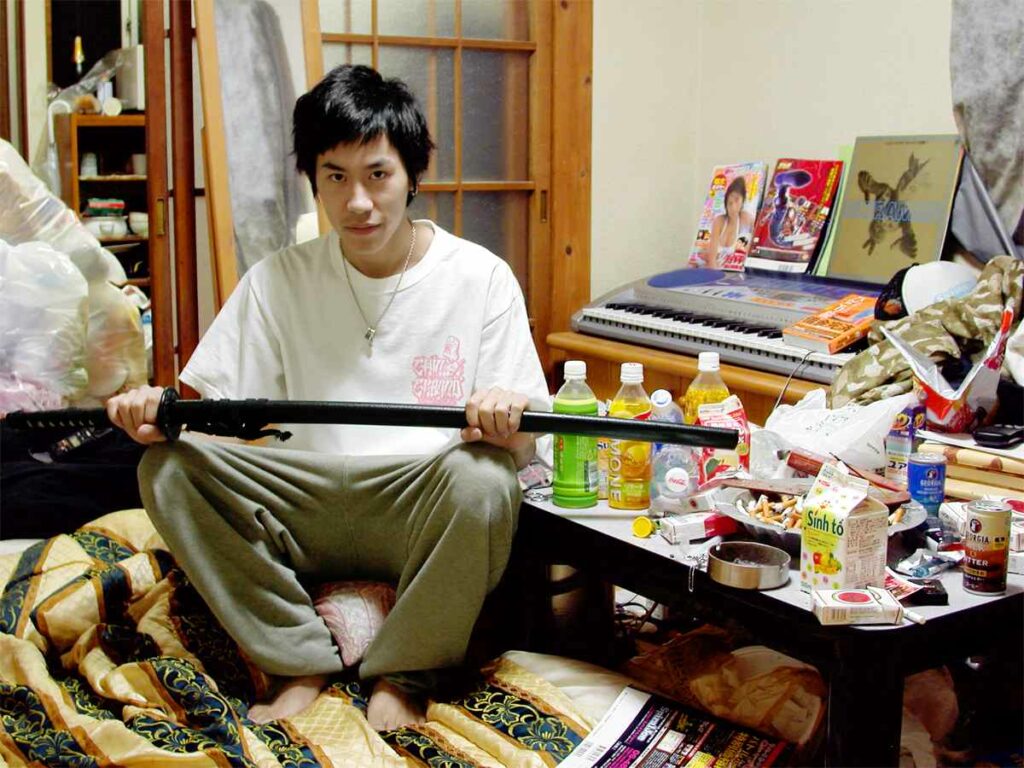
Japan hikikomori phenomenon
Definition and boundaries
Isolation is not laziness; for many young people it is a complex response to overlapping pressures—psychological, economic and social.
CULTURAL ROOTS AND GLOBAL SPREAD
Why the term originated in Japan
Hikikomori entered public discourse in Japan in the 1990s as families, educators, and government agencies recognized a growing number of young people retreating from society. A mix of academic attention, media coverage, and social services created the language and institutions to name and address the phenomenon domestically. Cultural factors—such as intense educational competition, stigmas around mental illness, strong expectations of conformity, and multigenerational households enabling invisible withdrawal—made the pattern more visible there first.

COVID-19 pandemic isolation
How similar behaviors appear globally
Outside Japan the behavior often has other labels—severe social anxiety, avoidance disorder, agoraphobia, or simply long-term unemployment and isolation—but the lived reality can be the same: a young person cut off from public life, reliant on family for basic needs, and spending most waking hours online. Globalization, economic precarity, the ubiquity of digital worlds, and the mental health fallout from events such as the COVID-19 pandemic mean that the factors enabling hikikomori are present in many societies. The result is convergent phenomena that local practitioners are increasingly recognizing as part of a broader pattern of extreme social withdrawal.
Did You Know?
CAUSES AND RISK FACTORS
A web of interacting drivers
Hikikomori rarely results from a single cause. Instead, it emerges when multiple pressures converge and push a vulnerable person to withdraw. Understanding those drivers helps families and professionals design interventions that meet the real, tangled needs of young people.
Mental health conditions
Underlying psychiatric issues such as depression, social anxiety disorder, obsessive-compulsive traits, and in some cases autism spectrum conditions are commonly present. Withdrawal can be a coping strategy to reduce overwhelming social input and the perceived risk of failure or humiliation. For many, the feelings come first; for others, isolation exacerbates symptoms and creates a self-reinforcing cycle.
Economic and educational pressures
Unstable labor markets, precarious part-time work, high youth unemployment, and the rise of long educational pipelines create a landscape where the risk of failure is real and sustained. When entry into adulthood—through secure work or stable schooling—feels blocked, disengagement can follow. Families in which a parent can subsidize living costs indirectly enable withdrawal, turning short-term avoidance into long-term sequestration.
Family dynamics and caregiving
Multigenerational homes and overprotective parenting styles can unintentionally sustain withdrawal. In some cases, parents shield a withdrawn young adult from consequences rather than facilitating gradual re-engagement. Cultural expectations around shame and honor may also discourage families from seeking outside help or speaking openly about isolation.
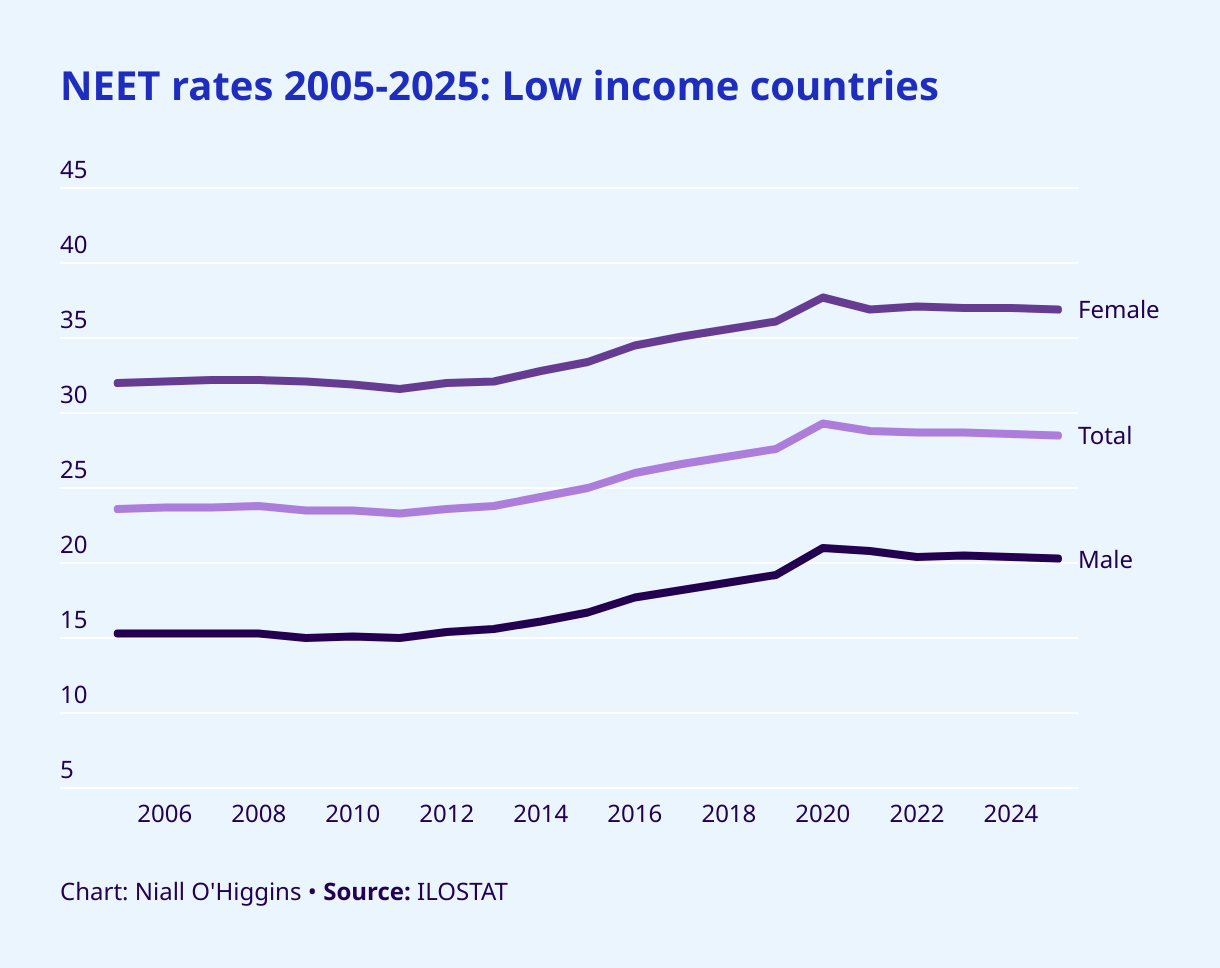
youth unemployment NEET
Digital life as both refuge and trap
The internet provides social meetups, entertainment, gaming, and income streams that make home-based life feasible. While online communities can be supportive, they can also normalize chronic withdrawal, reduce incentives to seek face-to-face contact, and provide alternative identities that feel safer than real-world interactions.
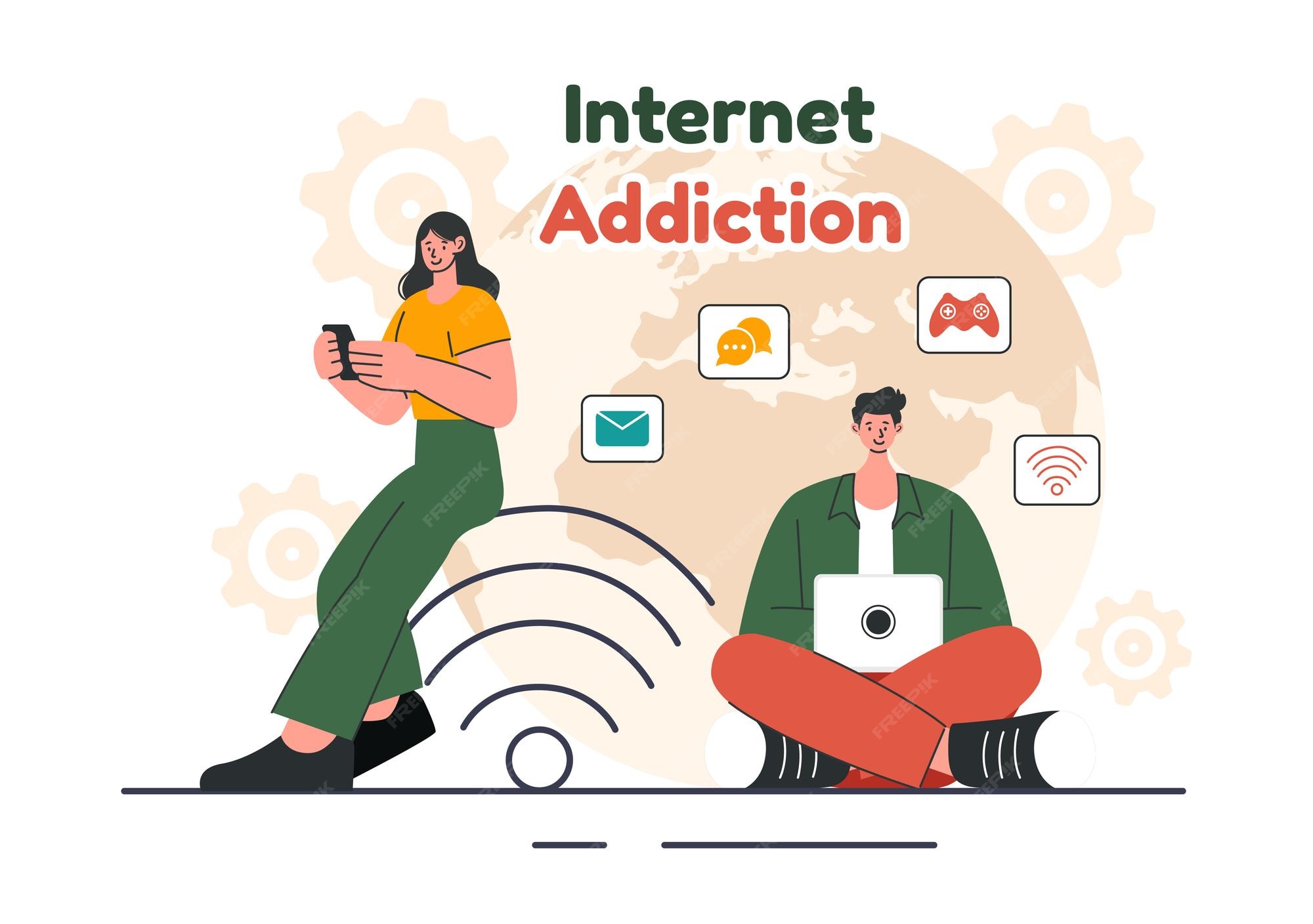
digital life internet addiction
THE DAILY REALITY: WHAT LIFE LOOKS LIKE
Routine, rhythm, and secrecy
A typical pattern includes irregular sleep, daytime inactivity, heavy screen time, and minimal outside contact. Hygiene and nutrition may become erratic. Some people go weeks without leaving the apartment; others step out briefly for food. Families often develop a rhythm around delivering meals and managing bills without confronting the larger problem.
Social identity and stigma
For the individual, isolation often carries intense shame, especially in cultures that equate productivity with worth. Many hikikomori describe a deep fear of judgment—of being “less than” peers, of disappointing family expectations, or of failing in public. Shame makes disclosure rare and help-seeking difficult.
IMPACTS ON INDIVIDUALS AND SOCIETIES
Mental, physical, and economic tolls
Extended isolation takes a heavy toll. Mentally, it heightens risk of depression, suicidal ideation, and worsening anxiety. Physically, sedentary lifestyles lead to poor health outcomes. Economically, households can face reduced earning potential and increased caregiving burdens. At a societal level, large cohorts of disengaged young adults reduce labor force participation, depress consumer demand, and create long-term strains on healthcare and social services.
Ripple effects on families and communities
Parents and siblings often become de facto caregivers, with impacts on their work and mental health. The emotional labor of managing secrecy, shame, and financial support can fracture relationships and increase social isolation for entire households.
IDENTIFYING AND SUPPORTING SOMEONE WITH HIKIKOMORI
Practical first steps for families
Families who suspect a member is withdrawing should prioritize safety and small, steady engagement rather than confrontation. Practical steps include maintaining nonjudgmental contact, ensuring basic needs are met, and gently encouraging routines—consistent sleep, light physical activity, and small daily goals. For many families, reaching out to primary care or mental health professionals is a crucial next step.
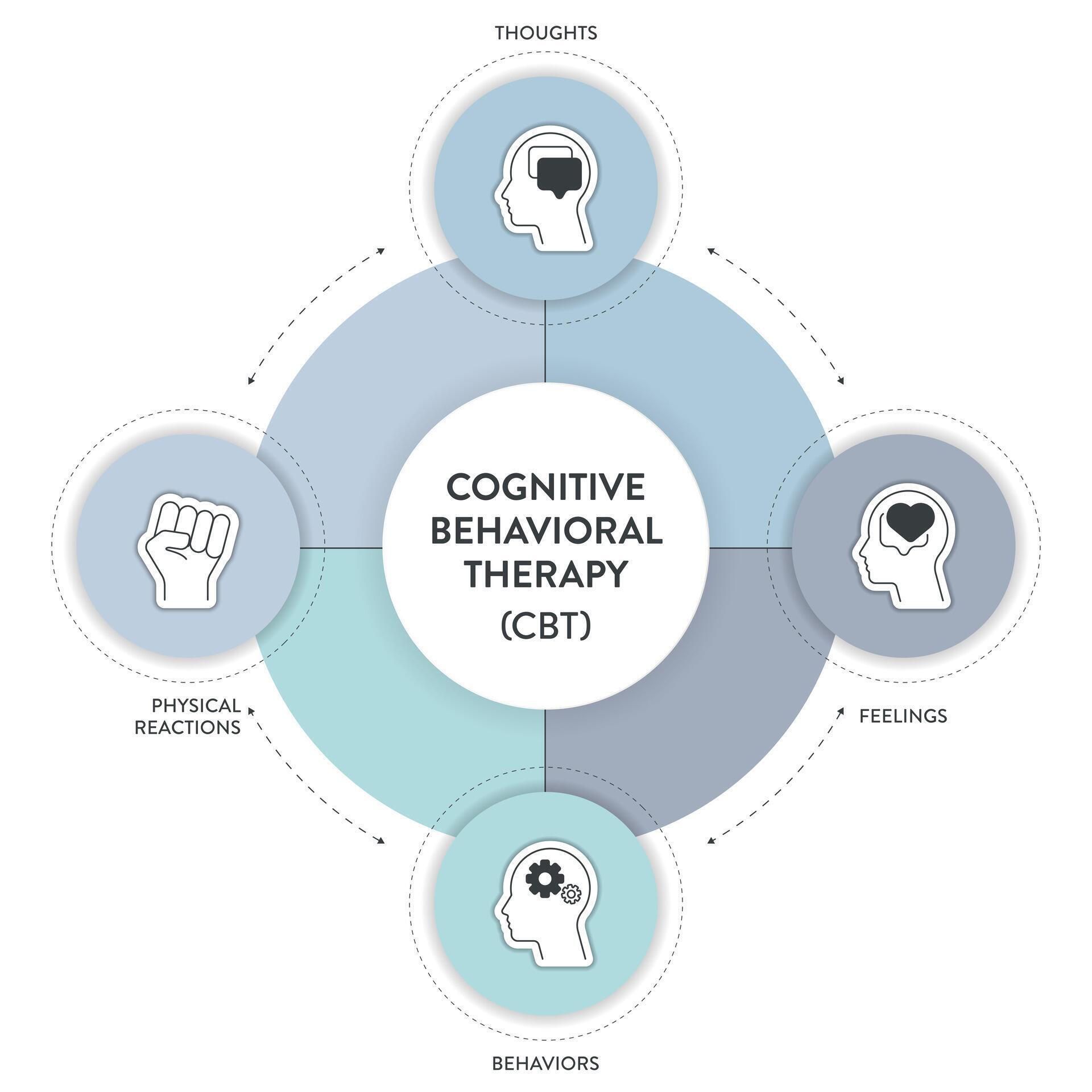
cognitive behavioral therapy
Clinical approaches that work
Therapies tailored to gradual re-engagement are most effective. Cognitive behavioral approaches that target avoidance behaviors, exposure-based strategies to rebuild tolerance for social situations, family therapy to change enabling dynamics, and psychiatric treatment when comorbid conditions require medication can be combined into a stepped-care plan. Telehealth and online counseling can be an entry point for people who cannot tolerate in-person sessions.
Outreach, harm reduction, and peer support
Specialist outreach teams in some countries offer in-home or community-based contact that meets people where they are—literally. Peer support groups, social prescribing programs, and vocational rehabilitation that focuses on skills and confidence rather than immediate employment can reduce pressure and create pathways back to social participation.

supportive housing community hubs
POLICY, PUBLIC HEALTH, AND COMMUNITY RESPONSES
Why societies should care
Beyond compassion for individuals and families, there is a practical public interest in addressing hikikomori-style withdrawal. Preventative policies in education, mental health investment, youth employment programs, and anti-stigma campaigns can reduce incidence. Early identification in schools and community centers is cost-effective compared with long-term caregiving and lost productivity.
Practical policy measures
- Improve access to mental health care: subsidized counseling, school-based services, and telehealth access.
- Invest in youth employment: apprenticeships, flexible work arrangements, and supported placements.
- Supportive housing and community hubs: safe spaces for gradual social exposure and skills training.
- Family education: programs that teach strategies to avoid enabling behaviors and encourage reintegration.
CONCLUSION
Hikikomori is not a simple cultural curiosity. It is a complex, transnational pattern of extreme social withdrawal that reflects the interplay of mental health vulnerabilities, economic pressures, family dynamics, and digital life. The rise of similar behaviors worldwide demands a nuanced response that balances immediate care for individuals with long-term preventive strategies. Practical hope exists: stepped clinical care, patient outreach, family education, and policies that create real opportunities for young people can reduce the scale and suffering of this phenomenon.
Responding to withdrawal means restoring connection—one small step, one conversation, one supported job—rather than insisting on dramatic change overnight.
- Hikikomori refers to prolonged, functionally impairing social withdrawal, often lasting six months or more.
- It arises from interacting causes: mental health conditions, economic pressure, family dynamics, and digital environments.
- Effective responses combine gentle family engagement, tailored therapy, outreach, and policy-level prevention.
- Small, achievable goals and nonjudgmental contact are the most practical starting points for reintegration.
A closing note to readers
If you are worried about someone who has withdrawn, you are not alone. Start with care, curiosity, and patience. Small moves matter—and society can build systems that let isolated young people reclaim a sense of belonging, purpose, and hope.