
The Tiny Pill That Restores a Whole Gut — How It’s Changing Lives
The image is almost impossible to resist: a small, unremarkable capsule that, once swallowed, recreates an entire ecosystem inside your colon and sends a chronic, debilitating infection packing. For people who have suffered through repeated bouts of Clostridioides difficile — long hospital stays, months of antibiotics, fear of the next relapse — that tiny pill has felt, at times, like a miracle. But the story is far from magic; it is a compact, elegant intersection of ecology, medicine and manufacturing. This article takes a long look at how oral microbiome therapeutics work, who they help, the science behind them, and why they might rewrite parts of modern medicine.
oral microbiome therapeutic capsule
A New Kind of Medicine: What Is This Pill?
From stool to capsule
For decades, medicine has acknowledged that our gut bacteria matter — they digest fibers, coax the immune system, and even influence mood. When the gut community is damaged, a condition called dysbiosis, opportunistic pathogens can take over. Clostridioides difficile (C. difficile) is the archetypal example: after antibiotics clear out friendly microbes, C. difficile can expand, causing severe diarrhea and life-threatening inflammation.
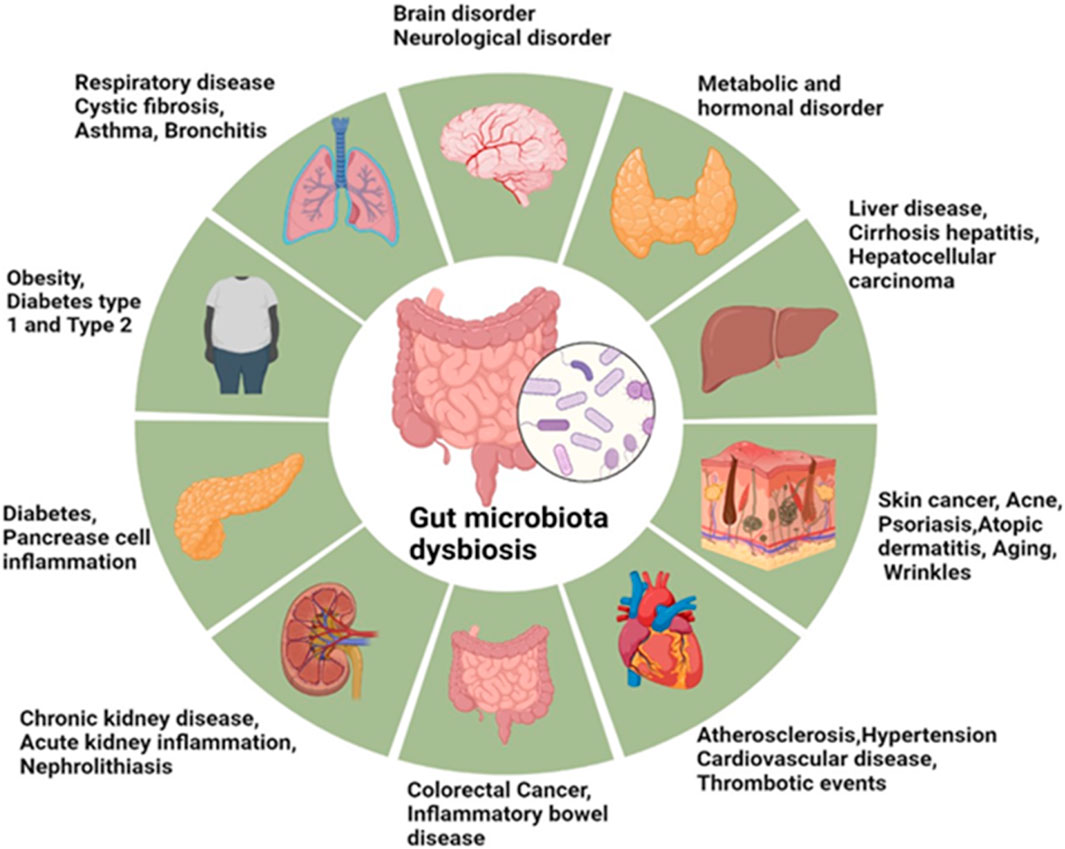
gut bacteria dysbiosis microbiome
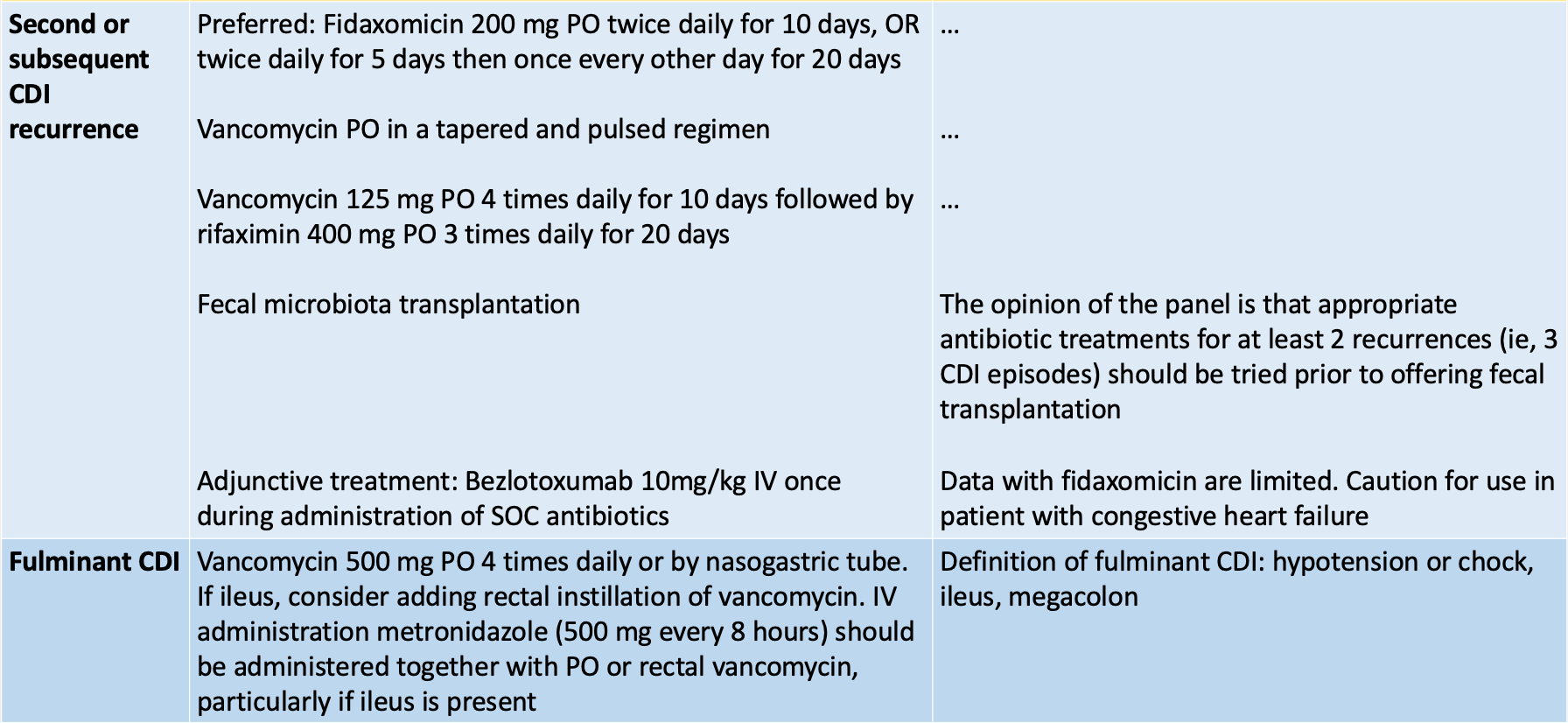
Clostridioides difficile infection treatment
Traditional fecal microbiota transplantation (FMT) transfers processed donor stool into a patient’s colon to restore a healthy microbial community. The new generation of therapies compacts that idea into an oral formulation: freeze-dried, standardized microbial communities packaged in capsules that survive the stomach and repopulate the gut. They are produced under pharmaceutical controls and designed to be reproducible, safer, and easier to administer than colonoscopic or nasoenteric FMT.
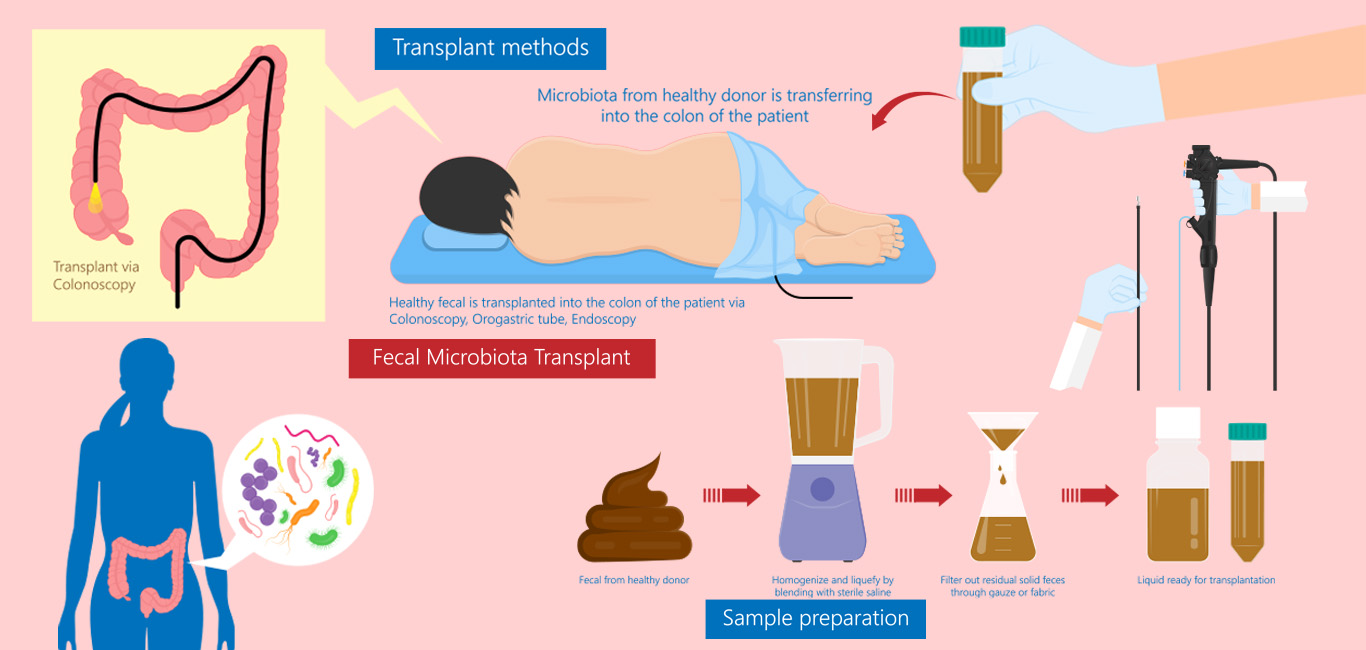
fecal microbiota transplantation FMT
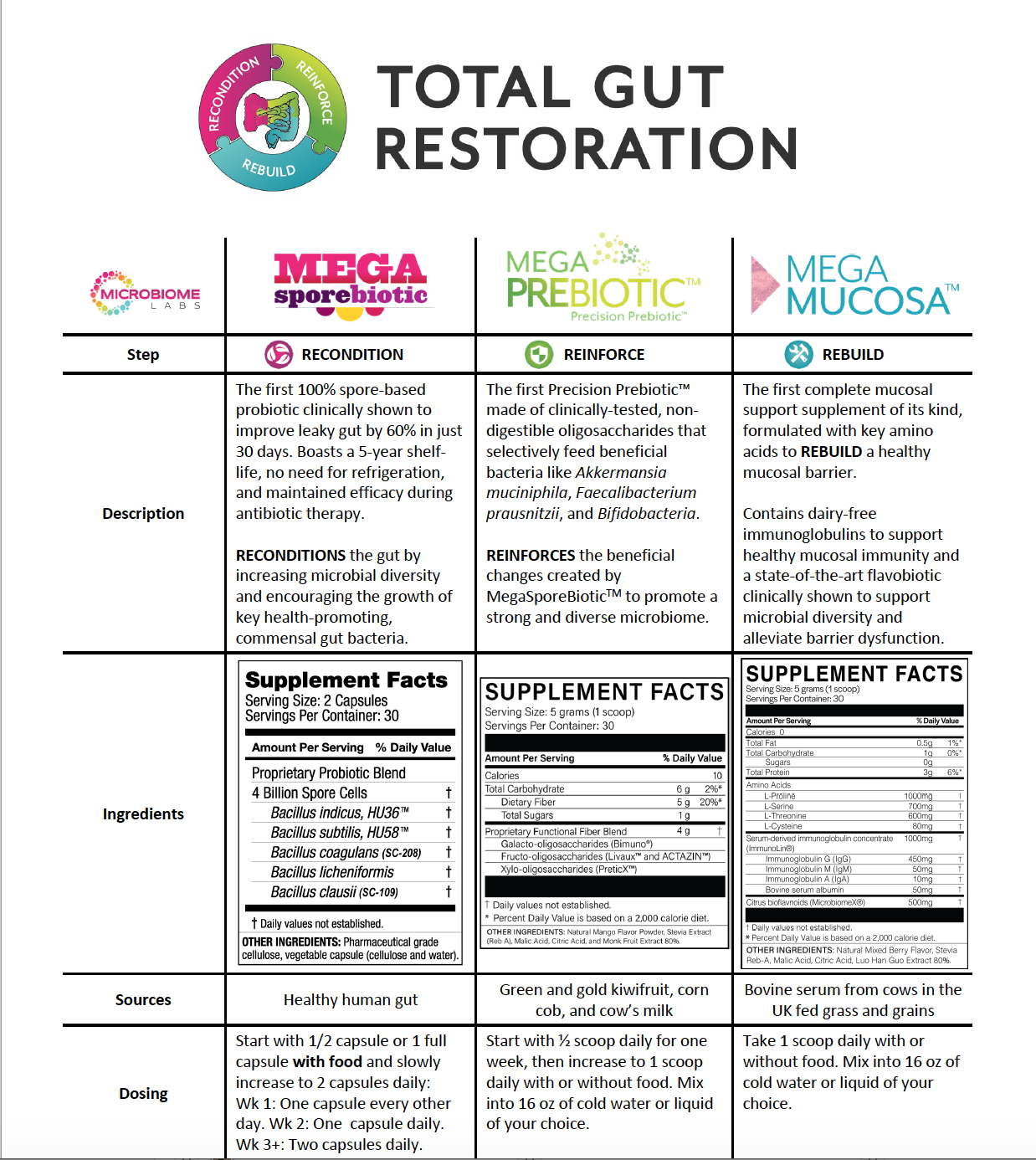
microbial therapy gut restoration
Why FDA approved microbiome therapeutics

FDA approved microbiome therapeutics
gut-brain axis microbiome research
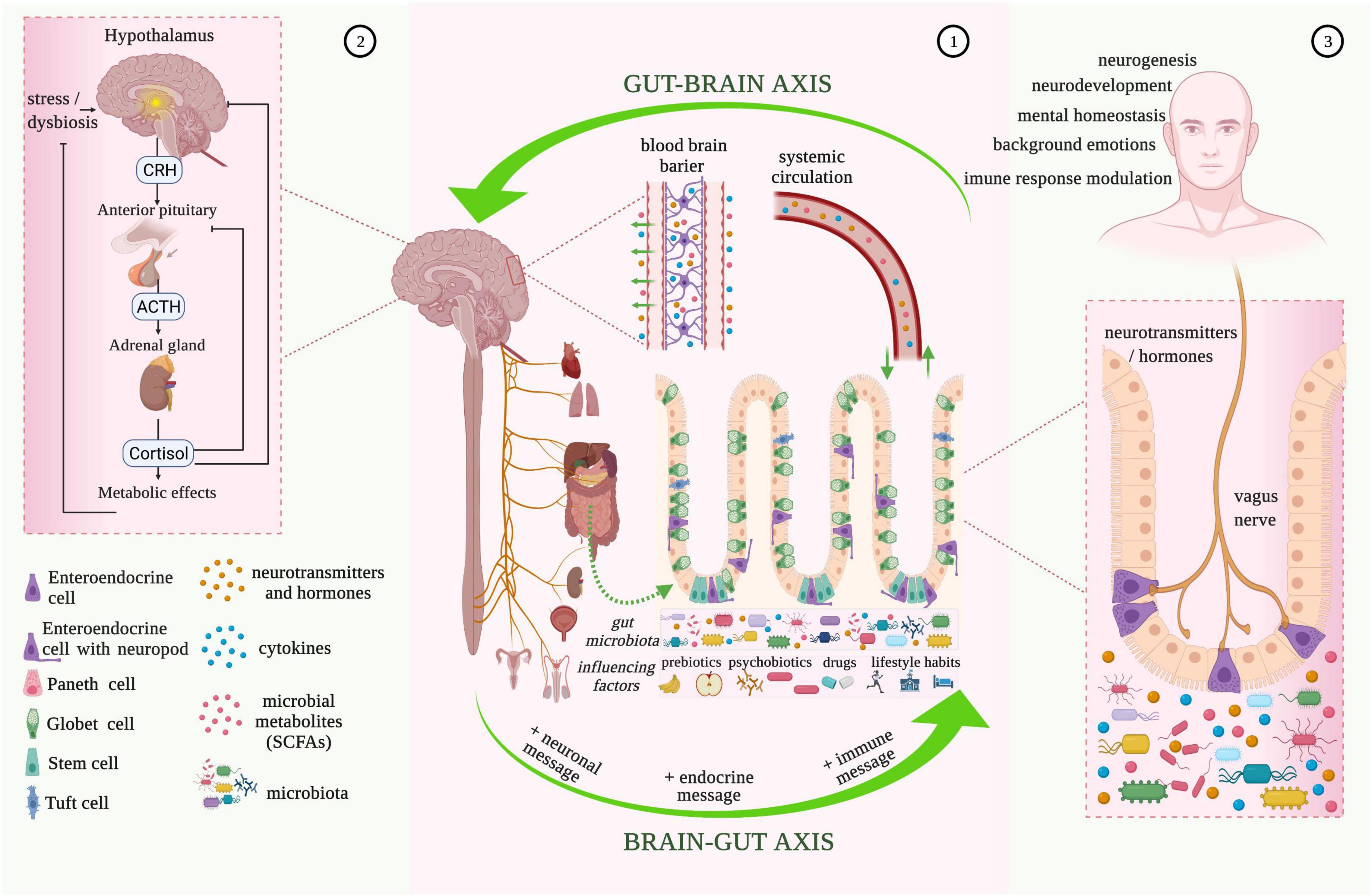
gut-brain axis microbiome research