
19-Year Study Links Long Naps to Higher Mortality Risk
The headline sounds stark: after nearly two decades of follow-up, researchers report a link between daytime napping and a higher risk of death. For anyone who leans toward the afternoon couch for a quick recharge—or for cultures that celebrate a daily siesta—those words can land like an unexpected cold splash. But headlines compress nuance. This article unpacks what a long-term study actually found, why the association may not mean what it first appears to mean, and what practical changes (if any) people should consider.
Why this study grabbed attention
The appeal of a 19-year study is obvious: long follow-up increases the chance of observing meaningful outcomes, especially when the outcome is as definitive as mortality. Studies that follow thousands of people over decades are uniquely positioned to reveal patterns that shorter studies miss. Yet long does not automatically mean conclusive. Observational cohort studies can reveal associations—patterns that exist in populations—but they cannot prove cause and effect without additional evidence and careful reasoning.
What the researchers reported
At a high level, the headline finding was simple: people who reported long daytime naps were more likely, over the course of the follow-up, to die than those who did not nap or who took short naps. The association was stronger in certain subgroups, particularly older adults and those with existing health conditions. Importantly, the reported increase in risk was described as modest but statistically notable—enough to warrant public health attention and scientific curiosity.

older adult napping daytime
Correlation is not causation: a long nap can be a symptom, not a cause.
What counts as a "long" nap?
Definitions matter. Studies vary in how they classify naps: some use short (<30 minutes), moderate (30–60 minutes), and long (>60 minutes) categories; others use different cut points. In most research that finds risk, the signal comes from the longest category—naps that last an hour or more. Short naps, often called power naps, frequently show neutral or even beneficial associations in other studies because they improve alertness without deep sleep inertia.

digital alarm clock nap timer
Possible explanations: why might long naps be linked with mortality?
Several plausible, non-mutually exclusive explanations help interpret the link between long naps and higher mortality risk.
1. Reverse causation and hidden illness. Long daytime sleepiness and lengthy naps can be symptoms of underlying medical problems—cardiovascular disease, depression, metabolic disorders, chronic inflammation, or early-stage neurodegenerative disease. In that scenario, napping is a marker of poor health rather than the cause of death.
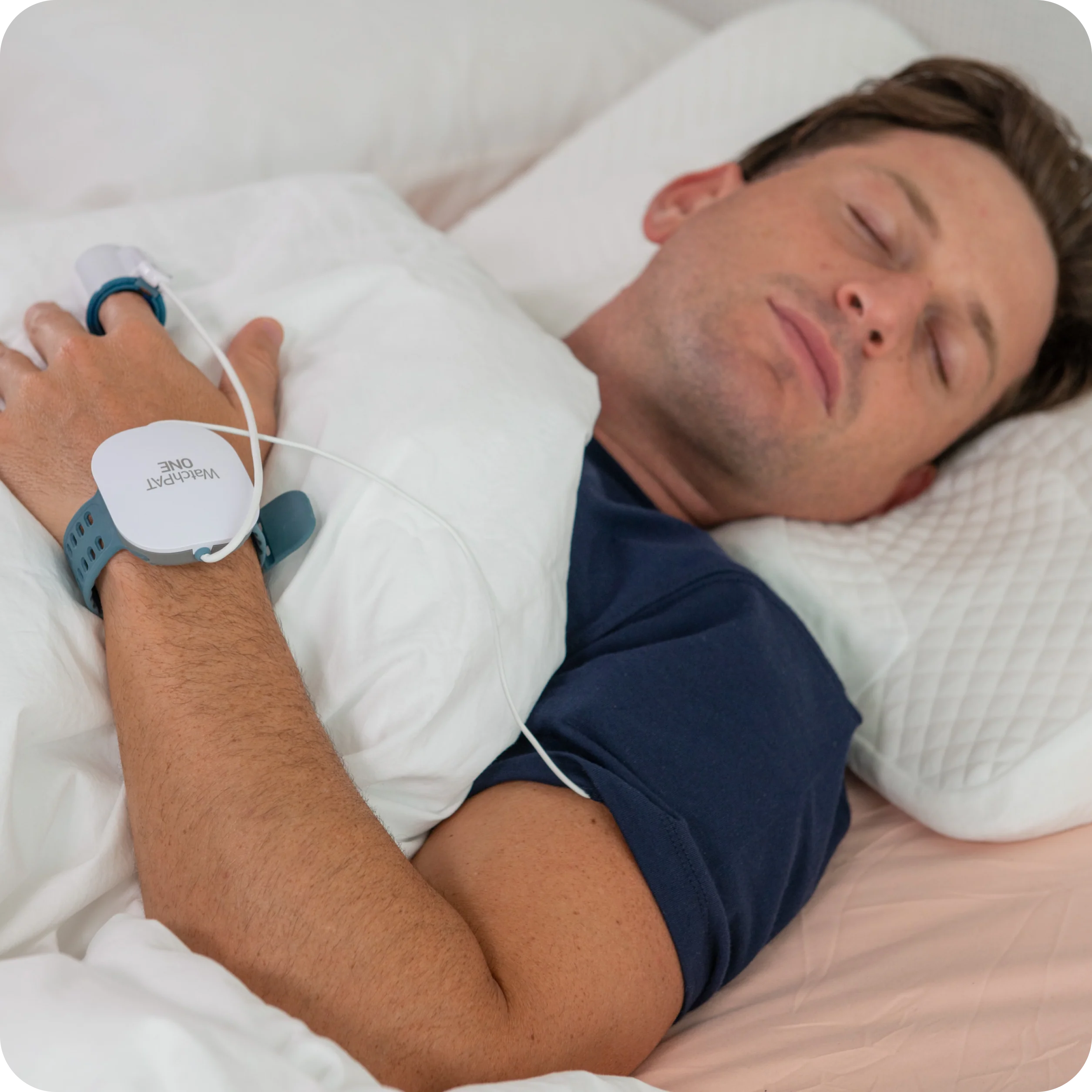
2. Poor nighttime sleep and fragmentation. Frequent or long daytime naps can reflect poor sleep quality at night—sleep apnea, insomnia, or shift-work sleep disorder. Fragmented or insufficient nocturnal sleep carries its own health risks, which may be the true drivers of increased mortality.
sleep apnea diagnostic equipment
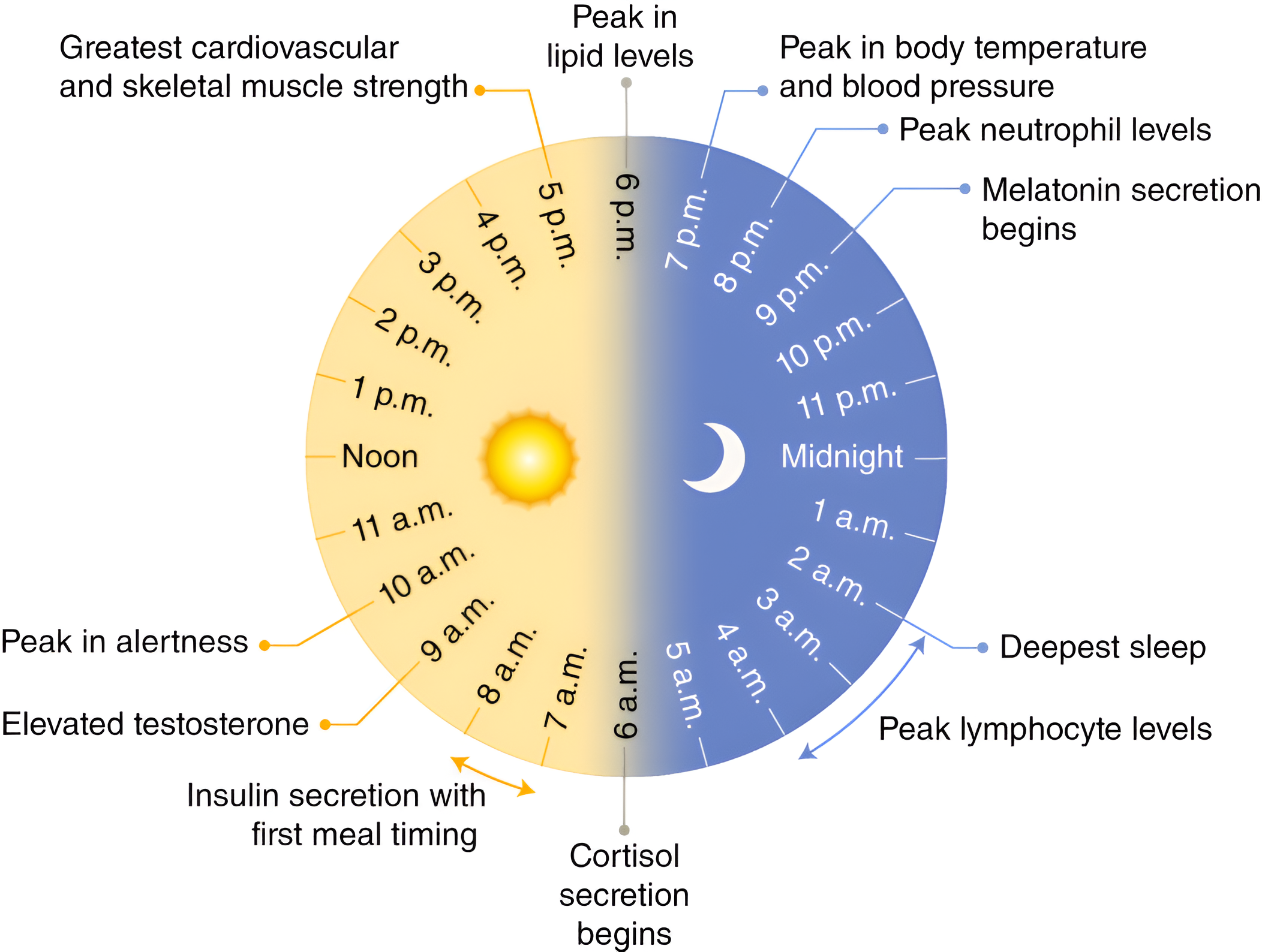
3. Circadian disruption. The timing of sleep is integral to metabolic and cardiovascular regulation. Napping late in the day or regularly shifting sleep timing can interfere with circadian rhythms, which over years may influence disease risk.
circadian rhythm clock diagram
4. Lifestyle confounders. People who nap long may have different lifestyles: lower physical activity, social isolation, unemployment, or medication use—all factors associated with poorer health outcomes. If studies do not fully capture these confounders, the nap–death link will look stronger than it is.
5. Inflammatory and metabolic pathways. Some researchers propose physiological pathways linking excessive sleep and systemic inflammation, insulin resistance, or autonomic imbalance. While biologically plausible, evidence for a direct causal chain from long naps to disease progression is still emerging and far from definitive.
Who is most affected?
Subgroup analyses in long-term studies often show the strongest associations in older adults and people with pre-existing conditions. That pattern supports the idea that long naps are more frequently a symptom of declining health in those groups. Conversely, for younger, healthy individuals who take occasional short naps, the balance of evidence tends to favor neutral or beneficial effects—improved alertness, mood, and cognitive performance—when naps are brief and timed properly.
Limitations to keep in mind
No single study is definitive. Observational research has intrinsic limitations that matter here:
- Self-reporting: Many studies rely on participants' recall of nap habits. People tend to under- or overestimate sleep duration.
- Residual confounding: Even when researchers adjust for many variables (age, sex, baseline health, socioeconomic status), unmeasured or imprecisely measured factors can bias results.
- Single time-point measurement: Nap habits can change; a baseline question about napping may not capture new-onset sleepiness or changing health during a 19-year follow-up.
- Cultural context: The health meaning of a nap differs across societies. In places where siestas are normative and short, the health signal may be different than in populations where long daytime sleep is uncommon.
Practical advice: what should readers do?
Public responses to a headline like this tend to polarize: either ban naps or ignore the finding. A measured approach recognizes the nuance.
Short naps are safe and often helpful. Aim for 10–30 minutes in the early-to-mid afternoon. This duration reduces sleep inertia and delivers cognitive benefits without deep-stage sleep.
Watch for new or excessive daytime sleepiness. If your need to nap grows over weeks or months—especially if naps lengthen to an hour or more—talk to a clinician. Excessive daytime sleepiness can signal obstructive sleep apnea, untreated mood disorders, medication side effects, or other medical issues.

doctor medical consultation sleep
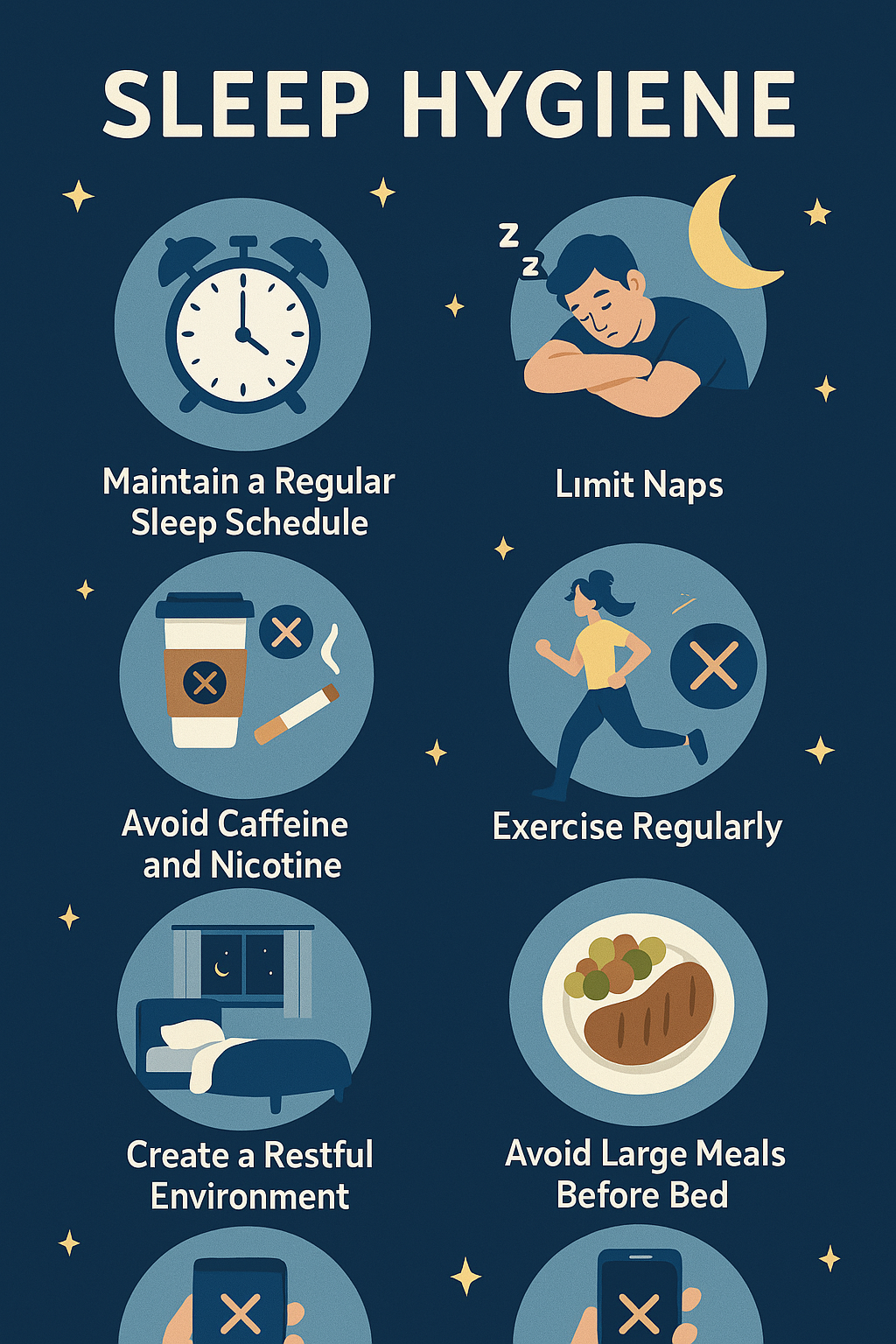
Consider sleep hygiene and routine. Regular bedtimes, limiting caffeine late in the day, managing stress, and addressing nighttime awakenings improve nocturnal sleep and reduce compensatory daytime sleepiness.
healthy sleep hygiene routine
A short, planned nap is a tool; a long, unplanned nap can be a symptom.
When to seek medical help
Make an appointment if you notice:
- Sudden increase in frequency or duration of daytime naps.
- Loud snoring or gasping at night, frequent awakenings, or morning headaches.
- Uncontrolled fatigue that impairs daily life despite adequate opportunity to sleep at night.
- Changes in mood or memory accompanying sleep changes.
These signs could indicate sleep apnea, depression, thyroid disease, or other conditions that merit assessment and treatment.
How to interpret headlines and health advice
Science reporting often compresses complex statistical findings into digestible phrases. When you read about a study linking a behavior to mortality, ask these questions: What was the population studied? How was the behavior measured? Were results adjusted for major confounders? Could reverse causation explain the link? Responsible reporting and critical reading help you translate research into everyday decisions.
- Short naps boost alertness and mood.
- Strategic napping can enhance learning and memory consolidation.
- Long naps may indicate underlying illness.
- Irregular napping can disrupt nighttime sleep and circadian rhythm.
Conclusion: a measured response
The 19-year study adds an important data point to a complex literature. It suggests a link between long daytime naps and higher mortality, but it does not prove that long naps cause death. For most people, short, intentional naps are safe and beneficial. For others—especially older adults or those whose daytime sleepiness is new or severe—long naps are likely a red flag that deserves medical attention. Public health guidance should focus on promoting good sleep habits, diagnosing treatable sleep disorders, and viewing long naps within the broader context of an individual’s health.
- Long daytime naps are associated with higher mortality in long-term observational studies, but association ≠ causation.
- Short naps (10–30 minutes) are generally safe and can improve alertness and cognition.
- New or increasing daytime sleepiness, especially naps lasting an hour or more, should prompt medical evaluation.
- Improve nighttime sleep hygiene first before trying to solve daytime sleepiness with longer naps.
If your naps are growing longer, the nap may be telling you something important about your health.
A careful look at sleep habits, timing, and overall health matters more than a single headline.