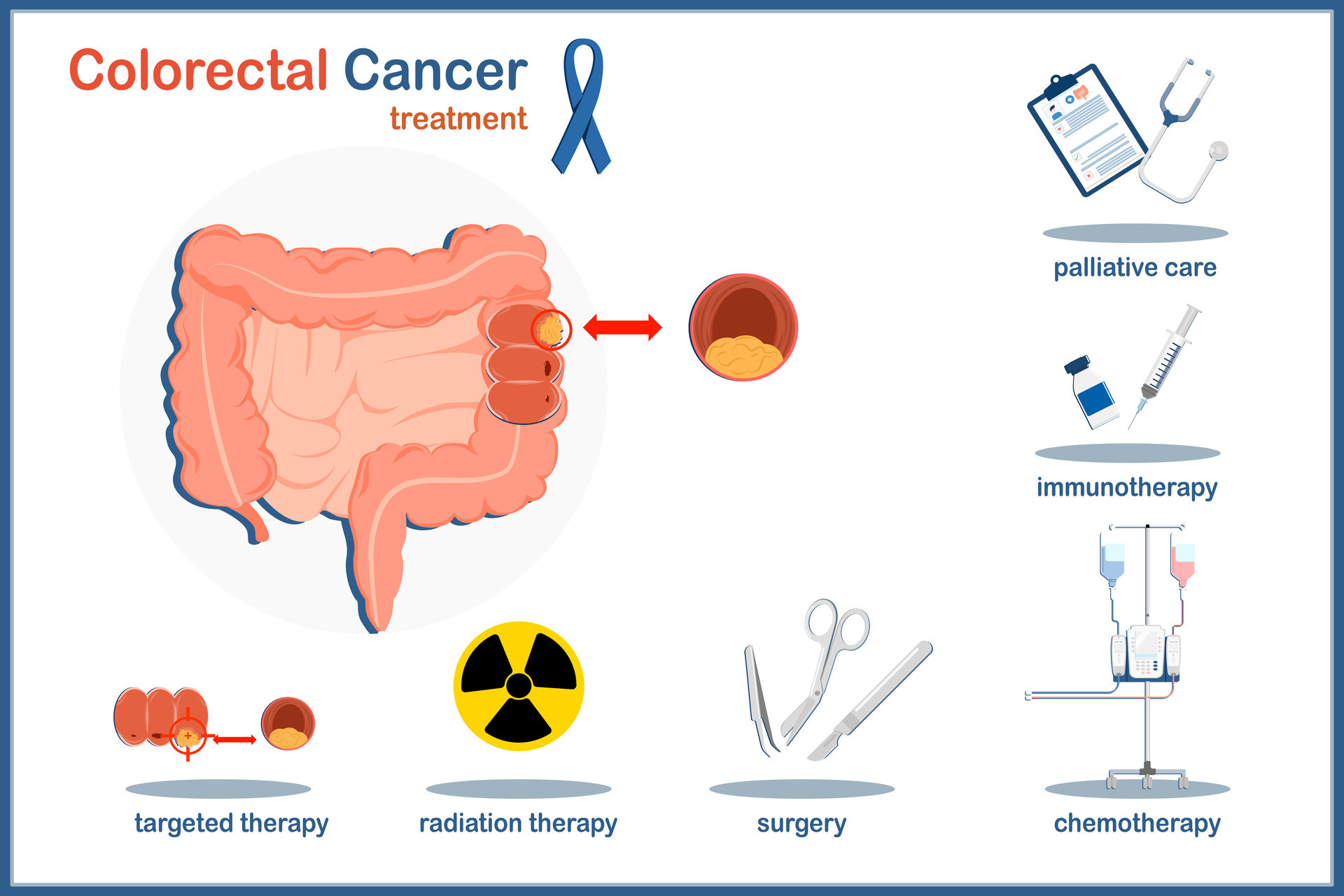
Colorectal Cancer Is Rising Again: What Scientists Still Don't Know
The headline is jarring: after roughly two decades of steady or slowly declining rates in many high-income countries, colorectal cancer — cancer of the colon and rectum — is climbing again. The increase is not a uniform uptick across all ages and places; it is uneven, sometimes concentrated in younger adults, and accompanied by troubling changes in how and where tumors appear. For patients, clinicians and public-health planners, the return of rising rates raises urgent questions. How did a disease that seemed on the retreat begin to come back? And what can be done now to stop it?
What's happening: the patterns and paradoxes
A reversal of a long-term trend
In the late 20th and early 21st centuries, many countries saw colorectal cancer mortality and incidence fall. Improved screening programs, better polyp detection and removal, and advances in treatment were the main explanations. The recent reversal is not a simple mirror image of that progress: rates are rising in some age groups and locations, stagnating in others, and still falling in places with robust screening and prevention programs.
Younger adults are an important signal
One of the most attention-grabbing features of the recent rise is that colorectal cancer incidence is increasing in adults under 50 in several countries. Historically, colorectal cancer has been a disease of older adults, but clinicians are increasingly seeing younger patients, often diagnosed at more advanced stages. That pattern hints that new exposures or shifts in early-life risk factors may be at play.
"The return of rising colorectal cancer rates feels like a puzzle with missing pieces — pieces that span biology, behavior and the environment."
Who is being affected and how
By age, race and geography
The rise does not affect everyone equally. In many settings the increase is most pronounced in younger age cohorts; in others, disparities by race, socioeconomic status and region persist or are widening. Places with weak screening infrastructure tend to show steeper rises in late-stage diagnoses. Meanwhile, some countries with established, high-coverage screening programs continue to see declines, underscoring the protective effect of early detection.
Possible explanations scientists are exploring
1. Screening patterns and disruptions
Changes in screening — whether in guidelines, uptake, or access — can shift incidence in complicated ways. More screening can temporarily increase incidence because more cancers are detected early; sustained screening usually reduces long-term incidence by removing polyps. Conversely, decreases in screening coverage, missed opportunities for follow-up, or delays in diagnosis (for example during health-system disruptions) can lead to more advanced cancers and higher observed incidence.
2. Changes in risk factors across generations
Generational shifts in obesity, diet, physical activity, and other lifestyle factors are a plausible driver. Obesity has risen globally, and evidence links higher body mass index and central adiposity to colorectal cancer. Diets high in processed meats and low in fiber, increasingly common sedentary lifestyles, and alcohol use all increase risk. If younger cohorts carry a heavier burden of these risks throughout life, their cancer risk may manifest earlier.

processed meats and red meat
3. Microbiome and early-life exposures
Research into the gut microbiome has intensified. Differences in bacterial communities can influence inflammation, toxin production and local immune responses in the colon. Early-life exposures — antibiotic use, cesarean delivery rates, breastfeeding patterns, urbanization and childhood diet — shape the microbiome in ways that might alter cancer risk decades later. This is an active and uncertain area of science.
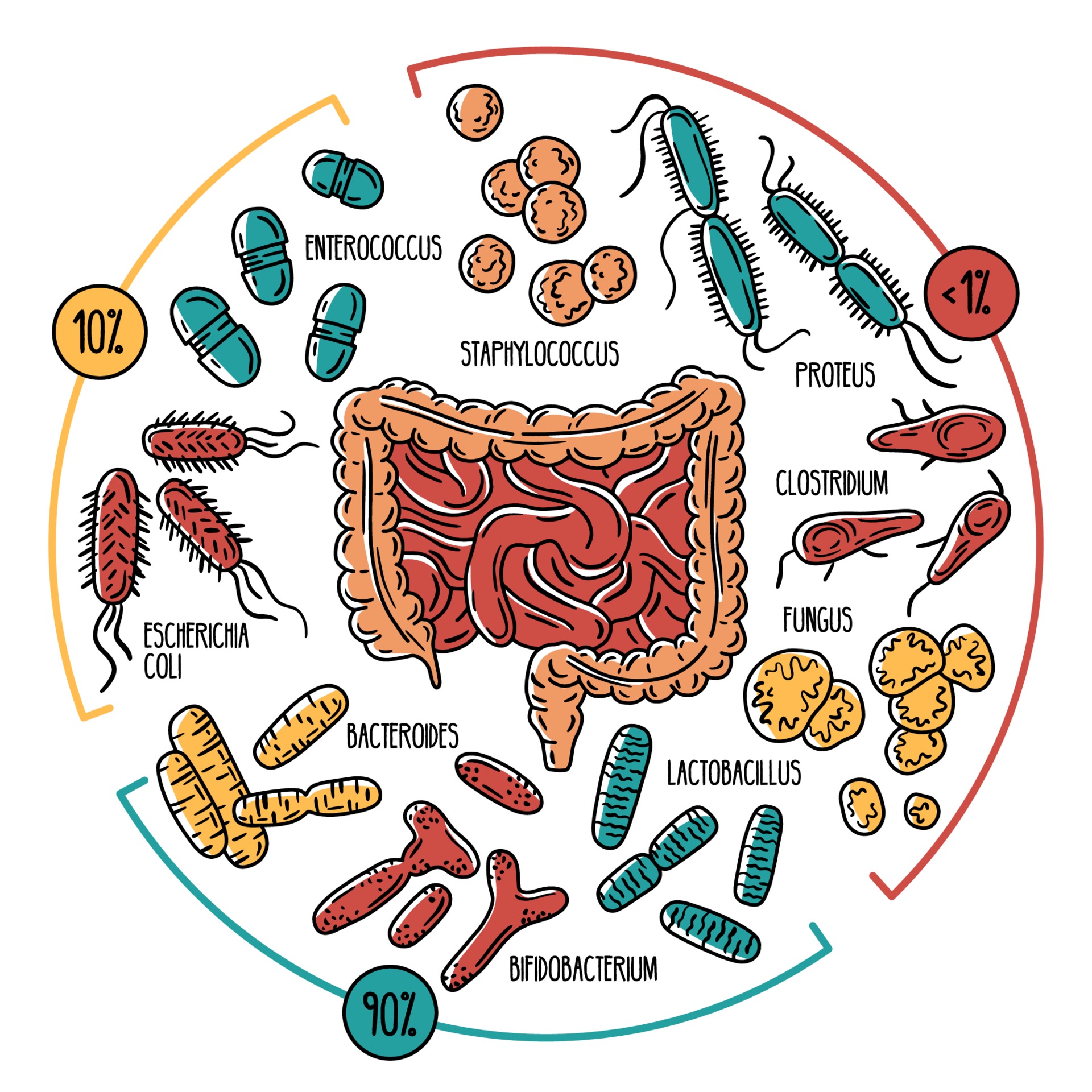
gut microbiome bacteria illustration
4. Diagnostic and classification shifts
Improvements in imaging and pathology can reclassify tumors and reveal previously under-detected subtypes. Some of the observed change may reflect better detection or changes in tumor coding, though experts caution that these technical factors do not fully explain the magnitude or age distribution of the rise.
5. Unknown environmental or infectious agents
Less well-defined environmental exposures — chemicals, pollutants, or infectious agents — are harder to measure but cannot be ruled out. Historically, searching for a single new carcinogen rarely explains population-level changes, but cumulative low-level exposures interacting with genetics and lifestyle could contribute.
Why the rise is puzzling to scientists
Absence of a single smoking gun
Unlike cancers caused dominantly by one infectious agent (such as HPV-driven cervical cancer), the signal for colorectal cancer's resurgence is diffuse. Epidemiologists expect to find a pattern that maps to a clear cause — a spike in a particular exposure or a sudden change in behavior — but instead they see a mosaic of modest shifts across multiple risk domains. That makes causal attribution difficult and slows targeted policy responses.
Inconsistent geography and timing
If diet or obesity were solely responsible, the pattern of rise would be more consistent across similar populations. Instead, some countries and regions with comparable risk profiles show different trajectories. These inconsistencies suggest interactions among screening, medical systems, population composition and exposures over time.
What researchers are doing next
Population surveillance and better data
Surveillance systems are being refined to capture age-specific trends, tumor location (colon versus rectum), and molecular subtypes. Researchers are mining cancer registries, health records and screening program data to map where and when increases occur, and to distinguish true incidence from artifacts of detection.
Cohort studies and life-course analysis
Longitudinal cohort studies that track individuals from childhood into adulthood are especially valuable because they can relate early-life exposures to later cancer risk. These studies are slow and expensive but critical in testing hypotheses about microbiome development, diet, antibiotic exposure and other early-life factors.
Molecular and tissue research
Another front is the lab: tumor sequencing, epigenetics, and microbial profiling aim to find whether the rise is associated with new dominant tumor types or microbiome signatures. If younger-onset tumors have distinct molecular fingerprints, that could point to specific mechanisms or targets for treatment.
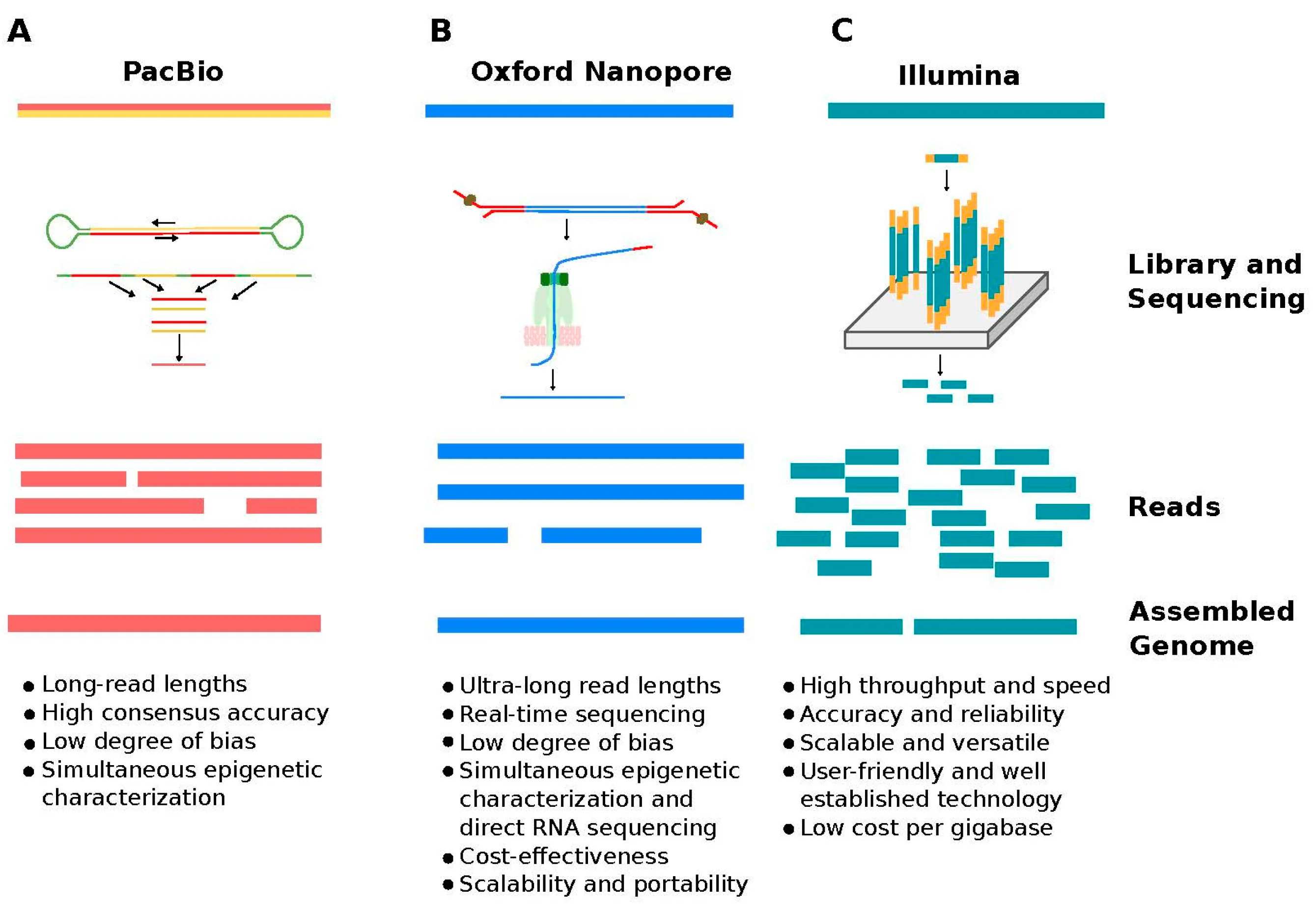
cancer research laboratory sequencing
What clinicians and patients need to know now
Screening saves lives — and still matters
Regardless of causes, screening remains the most effective population-level intervention to reduce colorectal cancer deaths. For average-risk adults, several established options exist: colonoscopy, stool-based tests such as the fecal immunochemical test (FIT), and flexible sigmoidoscopy in some settings. Increasing screening coverage, ensuring timely follow-up of positive tests, and reducing disparities should be priorities.
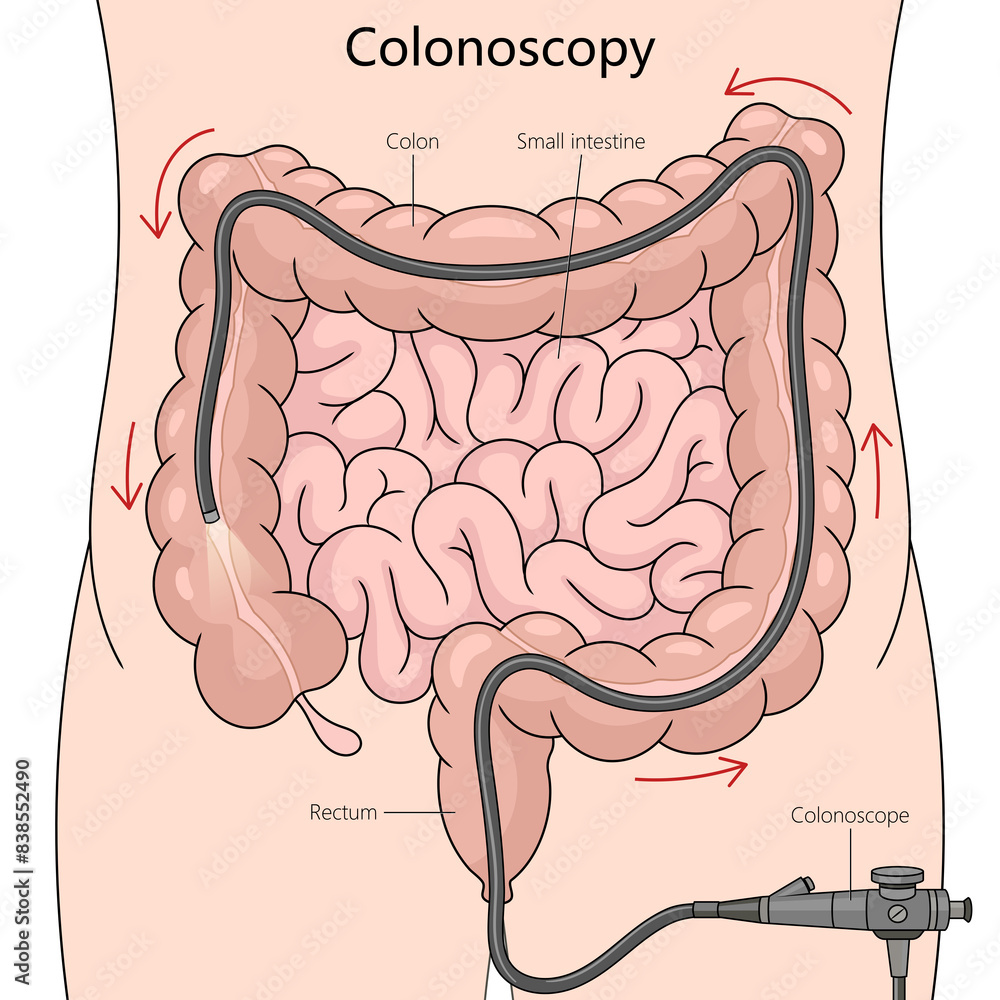
colonoscopy procedure medical equipment
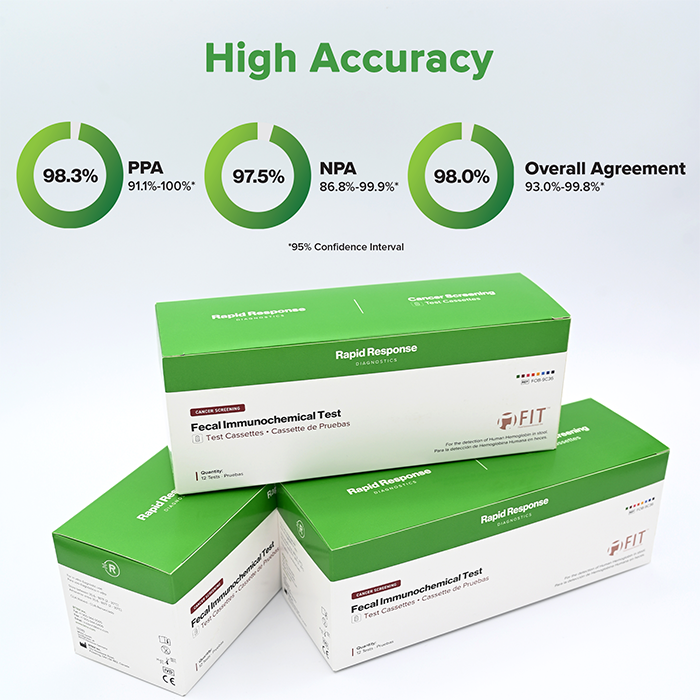
fecal immunochemical test kit
Symptom awareness and timely care
Younger patients and their clinicians should be vigilant about symptoms that might be dismissed: persistent change in bowel habits, unexplained rectal bleeding, iron-deficiency anemia, persistent abdominal pain, or unexplained weight loss. Early evaluation can make an enormous difference in outcomes.
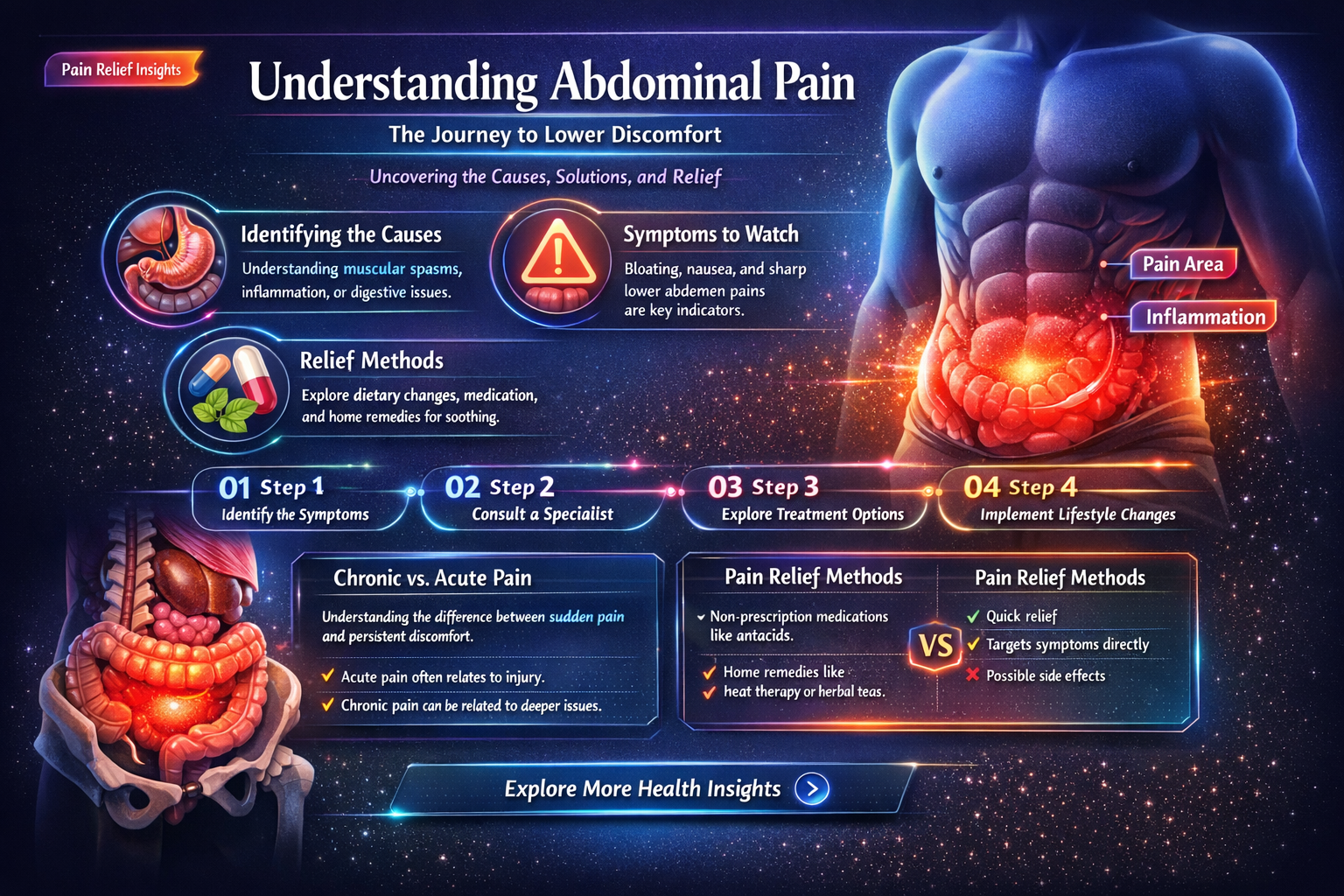
abdominal pain medical symptom
Practical prevention: what individuals can do
Lifestyle measures with evidence
- Maintain a healthy weight. Excess body fat, particularly around the waist, is linked to higher colorectal cancer risk.
- Eat a balanced diet. Emphasize high-fiber foods, fruits, vegetables, and limit processed meats and excessive red meat.
- Be physically active. Regular exercise is associated with lower risk.
- Limit alcohol and avoid smoking. Both are established cancer risk factors.
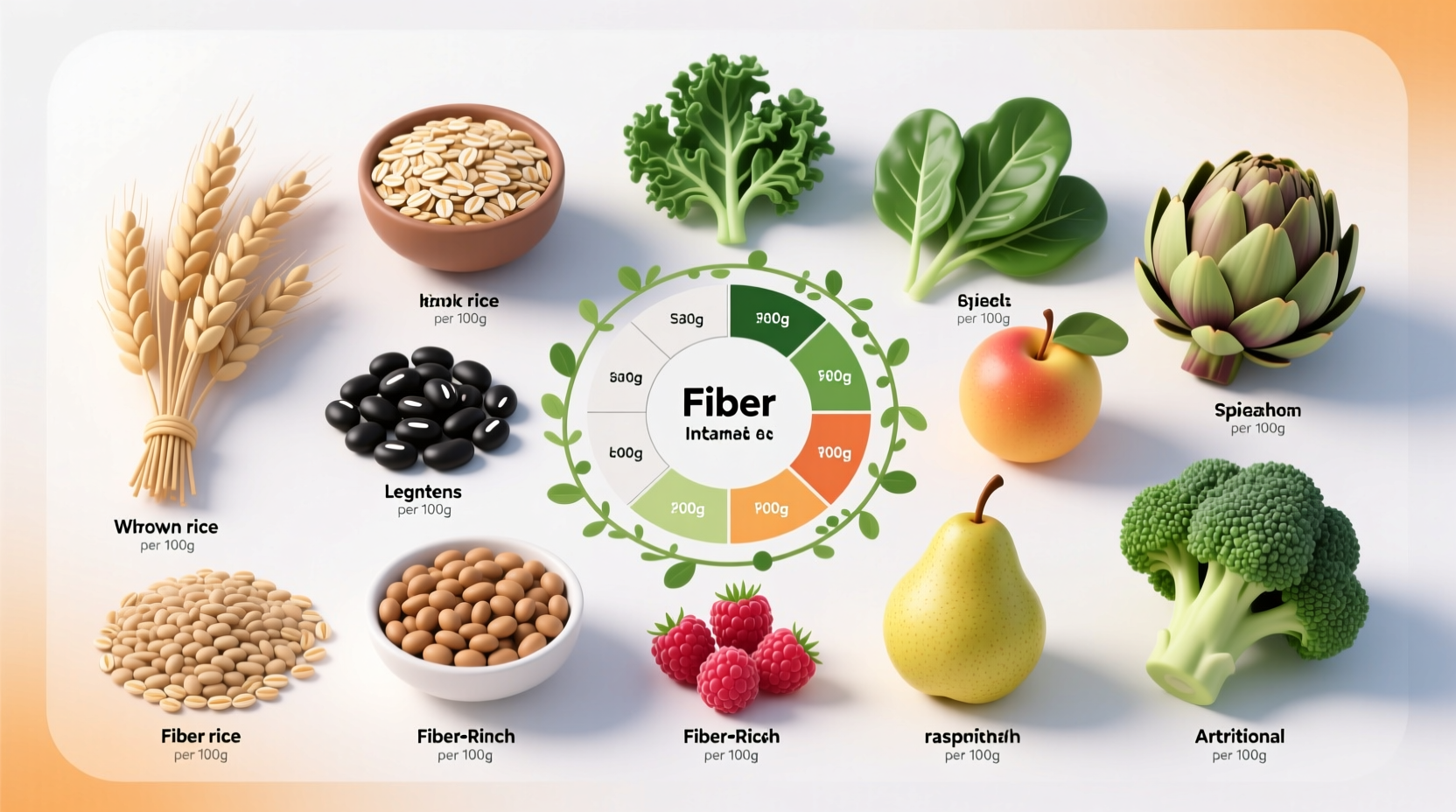
healthy high fiber diet foods
Screening options and choices
Screening recommendations vary by country and organization but share a core logic: detect disease early and remove precancerous lesions. For people with higher-than-average risk — family history, genetic syndromes such as Lynch syndrome, or longstanding inflammatory bowel disease — personalized screening schedules apply. Talk to your healthcare provider about the best option for you.
Policy and public-health priorities
Expand access and reduce disparities
Wherever incidence is rising, targeted programs to improve screening access, education, and follow-up care can blunt the trend. This includes community outreach, affordable testing options, and systems to ensure people with positive screening tests receive colonoscopy and treatment.
Invest in research infrastructure
Addressing the unresolved causes requires funding for longitudinal cohorts, biobanks, microbiome research, and integrated data systems that connect exposures, health behaviors, and cancer outcomes across time. Cross-disciplinary collaboration — epidemiologists, microbiologists, clinicians, and social scientists — will be essential.
"We need both prevention at the population level and sharper scientific tools to identify the root causes of rising cases."
Open questions that matter most
Are younger cases biologically different?
Finding whether early-onset tumors have unique molecular signatures would provide a strong clue. So far, studies show some differences but no single unifying molecular thread. A clearer picture would help tailor screening and therapies.
How much is lifestyle versus environment versus biology?
Separating the effects of diet, obesity, microbiome alterations and environmental exposures — and understanding how they interact with genetics — is the central scientific challenge. Each factor alone may only modestly raise risk, but combined effects across a population can produce a measurable surge in incidence.
Conclusion: what to take away
The reemergence of rising colorectal cancer rates after years of progress is a reminder that public-health wins can be fragile and that disease dynamics shift with changes in behavior, environment and medical practice. There is no single villain to blame yet; instead, the evidence points toward a complex interplay of imperfectly measured factors. While scientists work to fill the gaps, individuals and health systems have tools that matter now: promote and complete screening, recognize symptoms early, and adopt proven lifestyle measures that lower risk.
- Colorectal cancer incidence is increasing again in parts of the world, notably among younger adults.
- Causes are uncertain and likely multifactorial: screening patterns, lifestyle changes, microbiome shifts and environment may all play roles.
- Screening, symptom awareness, and healthy behaviors remain the most effective immediate defenses.
- Research priorities include longitudinal cohorts, molecular profiling of tumors, and improved surveillance to guide policy.
Final thought
Science rarely delivers instant answers to complex population health puzzles. But history shows that combining broad public-health action with targeted research pays off. The challenge now is to accelerate both — to protect people today with screening and prevention, and to invest in the science that will explain, and eventually reverse, this worrying trend.