AI Finds Hidden Heart Signal Predicting Sudden Cardiac Death
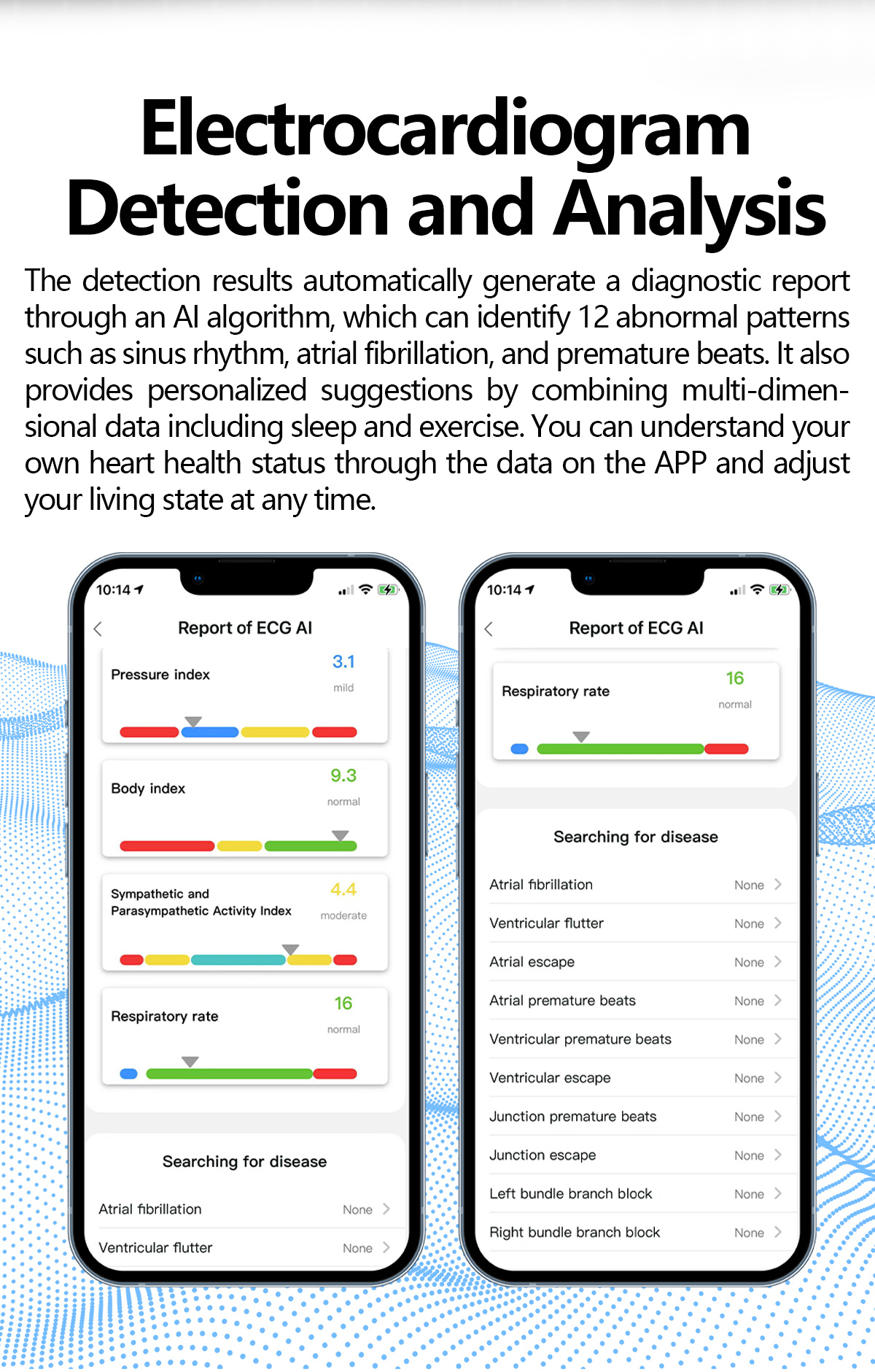
At first glance, a routine electrocardiogram looks like a tidy series of blips: P waves, QRS complexes, T waves. For decades, clinicians have read those tracings, looking for the familiar signs that tell them when a heart is healthy and when it is not. Now, artificial intelligence is listening for a whisper beneath those waves — a faint, reproducible pattern that human eyes and traditional algorithms largely missed. Early research suggests this hidden signal could identify people at imminent risk of sudden cardiac death, a catastrophic event that often arrives without warning.
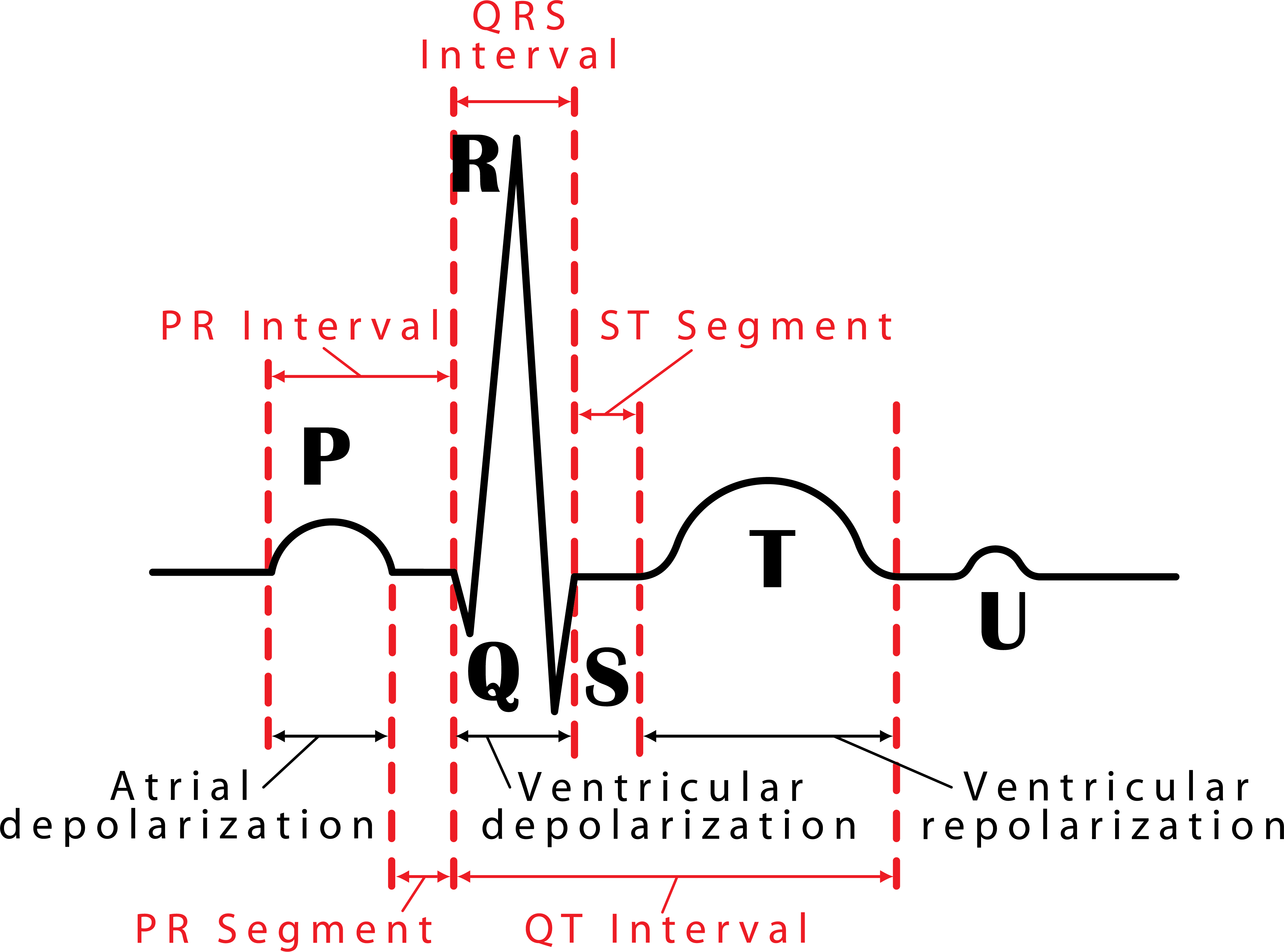
electrocardiogram ECG tracing waves
How AI found what clinicians could not
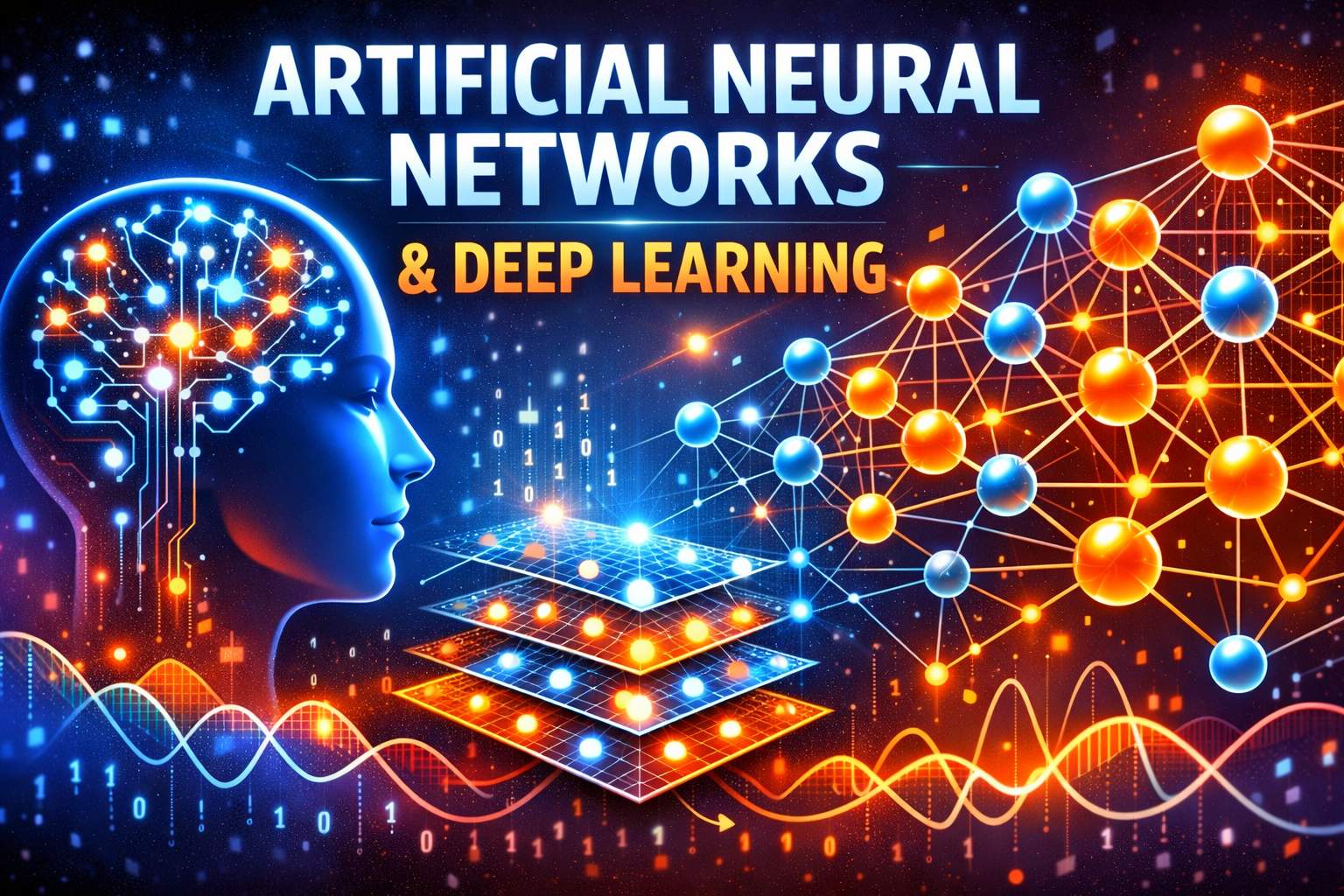
The discovery began where many modern breakthroughs start: with large, messy datasets and a willingness to let machines find structure. Deep learning models trained on millions of heartbeats can learn representations of electrical activity that do not map directly to the textbook features cardiologists use. Those representations, sometimes called latent features, capture complex timing relationships, minute waveform morphologies, and subtle beat-to-beat variations.
medical deep learning neural network
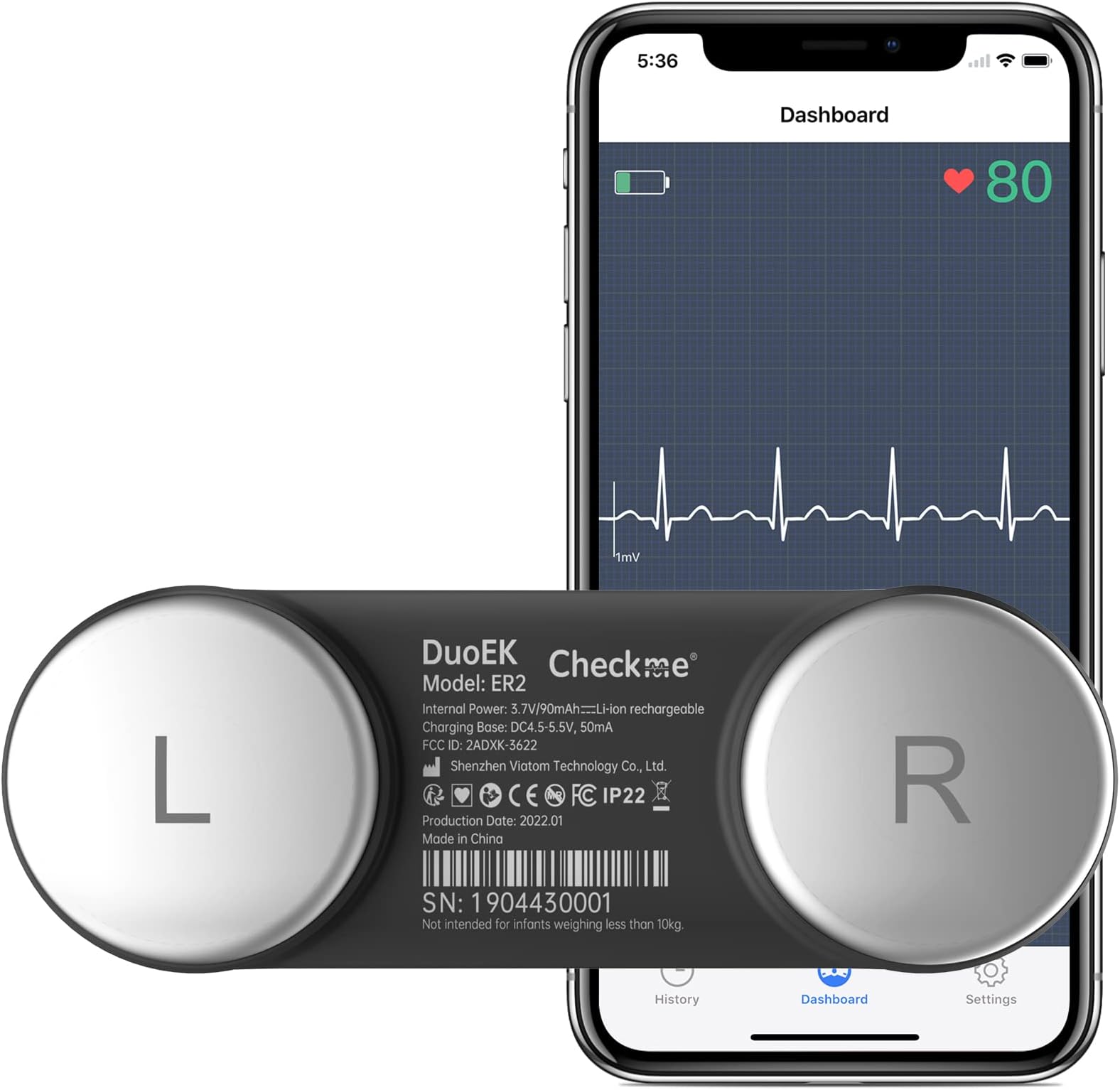
Engineers and clinicians fed these models diverse ECG datasets — resting twelve-lead tracings, continuous telemetry, Holter monitors, and even the single-lead strips from consumer wearables. The AI was asked a simple-sounding question: which patterns in the signal predict a sudden, fatal cardiac event in the near future? The models returned an unexpected result: a reproducible computational signature embedded in ordinary ECGs that, when present, correlated with a significantly higher short-term risk of sudden cardiac collapse.
heart rhythm wearable device
"A pattern invisible to the naked eye but consistent enough for a neural net to flag may be the difference between tragedy and timely intervention."
What the "hidden heart signal" likely is
Describing the signal precisely requires care because the research is evolving and different teams may find slightly different markers. Broadly, the hidden signal appears to be a composite of micro-patterns: tiny variations in the repolarization phase, very low-amplitude oscillations across multiple leads, and beat-to-beat instabilities that manifest only when thousands of cycles are analyzed. It is not a single raw number like heart rate or QT interval. Instead, it is a multi-dimensional fingerprint — an emergent property that arises when advanced models consider timing, amplitude, and inter-lead relationships together.
The discovery does not mean clinicians have been missing a single textbook abnormality. Traditional markers — severely reduced ejection fraction, known arrhythmogenic syndromes, significant ischemia — remain powerful predictors. What the AI adds is granularity: an ability to stratify risk among people who would otherwise be labeled low or intermediate risk by conventional metrics.

cardiologist analyzing ECG data
Why predicting sudden cardiac death matters
Sudden cardiac death (SCD) is a leading cause of adult mortality worldwide precisely because it is abrupt. Many victims have little or no warning and may not meet established criteria for preventive therapies such as implantable cardioverter-defibrillators (ICDs). The status quo leaves a gap: safe, reliable tools that can identify those who will benefit from early intervention while avoiding unnecessary treatment for those who will not.
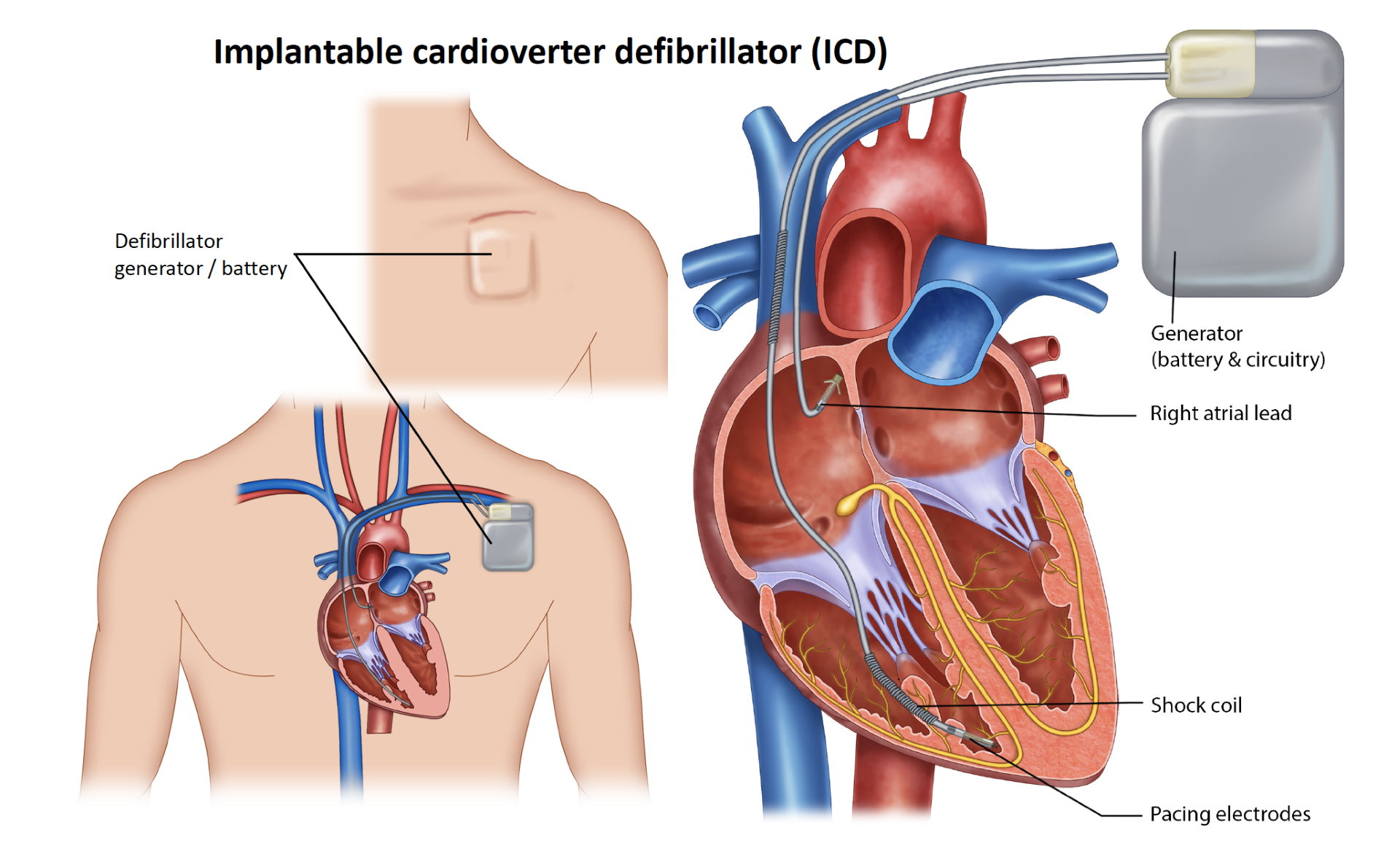
implantable cardioverter defibrillator ICD device
Imagine a future in which a routine ECG taken during a primary care visit, or a single overnight wearable recording, identifies someone at high short-term risk. That patient could receive expedited workup, targeted imaging, medication adjustments, closer monitoring, or referral for an electrophysiology evaluation. The result would be fewer unexplained collapses, fewer lives lost, and perhaps more efficient allocation of expensive therapies.
How the signal could change clinical pathways
There are several concrete ways a validated signal would alter care:
- Screening and triage: Primary care and emergency settings could use automated ECG analysis to flag patients who need urgent cardiology assessment.
- Wearable surveillance: Continuous consumer or medical-grade monitors could incorporate the model to provide real-time alerts when the signal emerges.
- Risk-guided therapy: Clinicians could use the score as one of multiple inputs when deciding on medications, intensified monitoring, or electrophysiology referral.
- Clinical trials and public health: The signal could define enriched high-risk cohorts for trials of preventive therapies and inform population screening strategies.
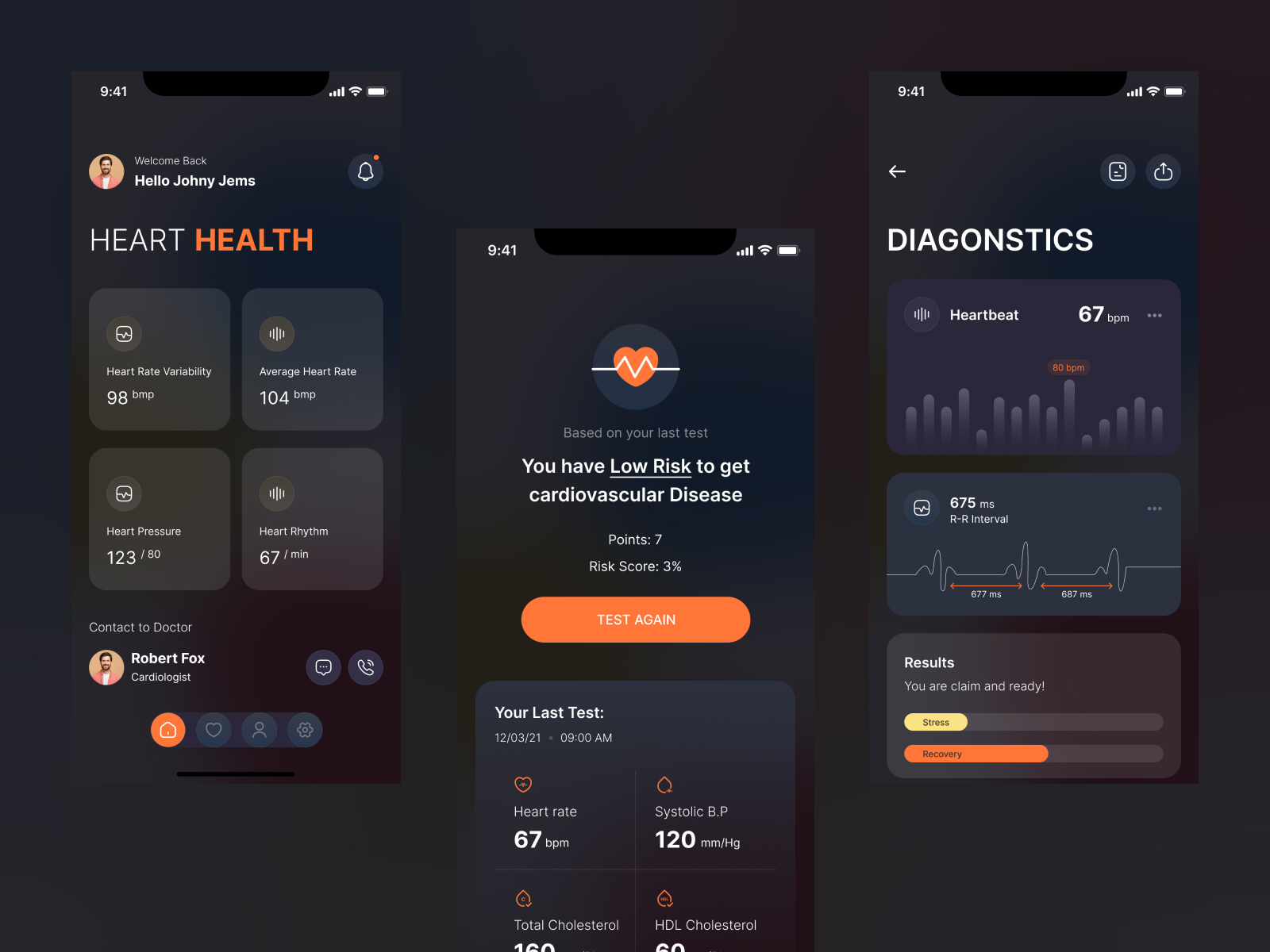
digital health heart monitoring app
Each pathway requires validation: sensitivity and specificity must be characterized across demographic groups and clinical contexts, and the net benefit must be shown in real-world populations.
Evidence, validation, and the need for caution
Initial studies are encouraging but exploratory. Machine learning excels at pattern recognition, but it can also pick up artifacts, dataset biases, or signals correlated with confounders that are not causally related to the outcome. For instance, an algorithm trained primarily on hospital ECGs may learn to associate certain monitoring artifacts with adverse outcomes because those artifacts are more common in sicker patients.
Robust validation requires prospective studies and randomized trials. Researchers must test the model in independent cohorts that differ by age, sex, race, comorbidity profile, and device type. They must show that acting on the model — changing management because the AI flagged a patient — actually reduces deaths or meaningful clinical events rather than increasing unnecessary interventions.
Technical and clinical limitations to address
Several practical challenges will determine whether the signal becomes clinically useful:
- Generalizability: Models must perform well on data collected in different settings and with different hardware — from hospital-grade 12-lead ECGs to single-lead wearable strips.
- Explainability: Clinicians and regulators prefer tools they can interpret. Black-box models are harder to trust and harder to act upon without clear thresholds and context.
- Regulatory approval: Demonstrating safety and effectiveness to bodies such as the FDA requires rigorous trials and careful labeling about intended use.
- Integration: Workflow integration with electronic health records, alert fatigue, and reimbursement are non-trivial hurdles.
Ethics, equity, and data privacy
Algorithms reflect the data on which they are trained. If the datasets lack representation from certain groups, performance can vary by race, ethnicity, age, or socioeconomic status, potentially worsening disparities. Ethical deployment demands fairness testing, transparent performance metrics, and mechanisms to audit and correct bias.
Privacy is another concern. Continuous monitoring amplifies the volume of sensitive physiologic data. Clear rules about data ownership, consent, secure storage, and secondary use are essential if systems are to earn patient trust.
Real-world scenarios: four patient stories
To illustrate, consider four hypothetical but plausible cases:
- Case A: A 58-year-old man with high blood pressure has a normal ejection fraction and an unremarkable clinic ECG. AI flags a hidden signal; expedited evaluation reveals a treatable arrhythmogenic substrate and he receives therapy that prevents collapse.
- Case B: A 72-year-old woman with prior myocardial infarction is already on optimal therapy. AI flagging leads to additional testing but no actionable finding — an example of a false positive that triggers anxiety and cost.
- Case C: A 35-year-old athlete with no symptoms is flagged by a wearable. Follow-up reveals a rare genetic arrhythmia; family screening prevents tragedy.
- Case D: A 60-year-old in a resource-limited setting gets a low-cost screened ECG; AI identifies risk and enables prioritization for scarce specialist resources.
These vignettes show both the promise and the pitfalls: the same signal can lead to prevention in one person and unnecessary care in another. The clinical context will remain essential.
Path to adoption: research, regulation, and reimbursement
For the hidden signal to move from an academic finding to everyday care, several steps must occur in parallel:
- Transparent publication: Detailed methods and open validation datasets accelerate independent replication.
- Prospective trials: Trials should test whether using the signal to guide care improves outcomes.
- Regulatory submissions: Developers must work with regulators to define intended use, performance thresholds, and post-market surveillance plans.
- Payment models: Payers will need evidence of cost-effectiveness to reimburse screening and downstream interventions.
What clinicians and patients should know now
Patients should not panic, nor should they assume that an AI flag is a definitive diagnosis. At this stage, the signal is a promising risk marker under active investigation. Clinicians should be ready to discuss what an AI-based risk score means, including the possibility of false positives and the need for confirmatory testing. When such tools are used, shared decision-making and clear documentation will be essential.
The bigger picture: AI as a lens, not a replacement
AI excels at amplifying human observation. In cardiology, that means spotting faint risk signals, enabling more precise surveillance, and helping to prioritize scarce resources. But AI does not replace clinical judgment. The best outcomes will come when clinicians understand algorithmic outputs, consider the whole patient, and integrate AI with other diagnostic and therapeutic tools.
Ultimately, the goal is practical: reduce sudden deaths while minimizing harm from overdiagnosis.
Conclusion
Discovering a hidden heart signal that predicts sudden cardiac death would be a major advance, but it is the beginning of a long path. Translating a machine-learned pattern into a safe, equitable, and effective clinical tool requires rigorous validation, careful regulation, thoughtful workflow integration, and ongoing monitoring. If those steps succeed, AI-driven detection could save lives by turning a whisper in the ECG into an actionable alarm.
- AI has identified a subtle ECG-based signal that may forecast short-term risk of sudden cardiac death.
- The signal refines risk stratification but must be validated across diverse populations and devices.
- Clinical adoption will require trials showing improved outcomes, regulatory approval, and attention to ethics and equity.
This article synthesizes current scientific thinking about AI and cardiac risk; it is not medical advice. Patients should consult their clinicians for personal recommendations.