Osteoporosis Drugs Linked to 24% Lower Dementia Risk — What It Means
In a finding that has captured the attention of both bone specialists and brain scientists, a major new population study reports a 24% lower risk of dementia among people treated with common osteoporosis medications. The headline number is striking and prompts two immediate questions: how strong is the evidence, and what — if anything — should patients and clinicians do differently today? This long-form feature walks through the study’s key observations, possible biological explanations, the limits of observational research, and practical next steps for anyone concerned about bone health or cognitive decline.

osteoporosis medication pills bottles
Study at a glance
What researchers reported
Investigators analyzed a large cohort of adults receiving treatment for osteoporosis and compared their long-term rates of diagnosed dementia with matched individuals who did not receive those therapies. After adjusting for age, sex, baseline health conditions, medication use, and other common confounders, the treated group had about a 24% lower risk of being diagnosed with dementia during follow-up. The association held across several classes of osteoporosis drugs commonly used in clinical practice.
bone mineral density scan
Which medicines were included
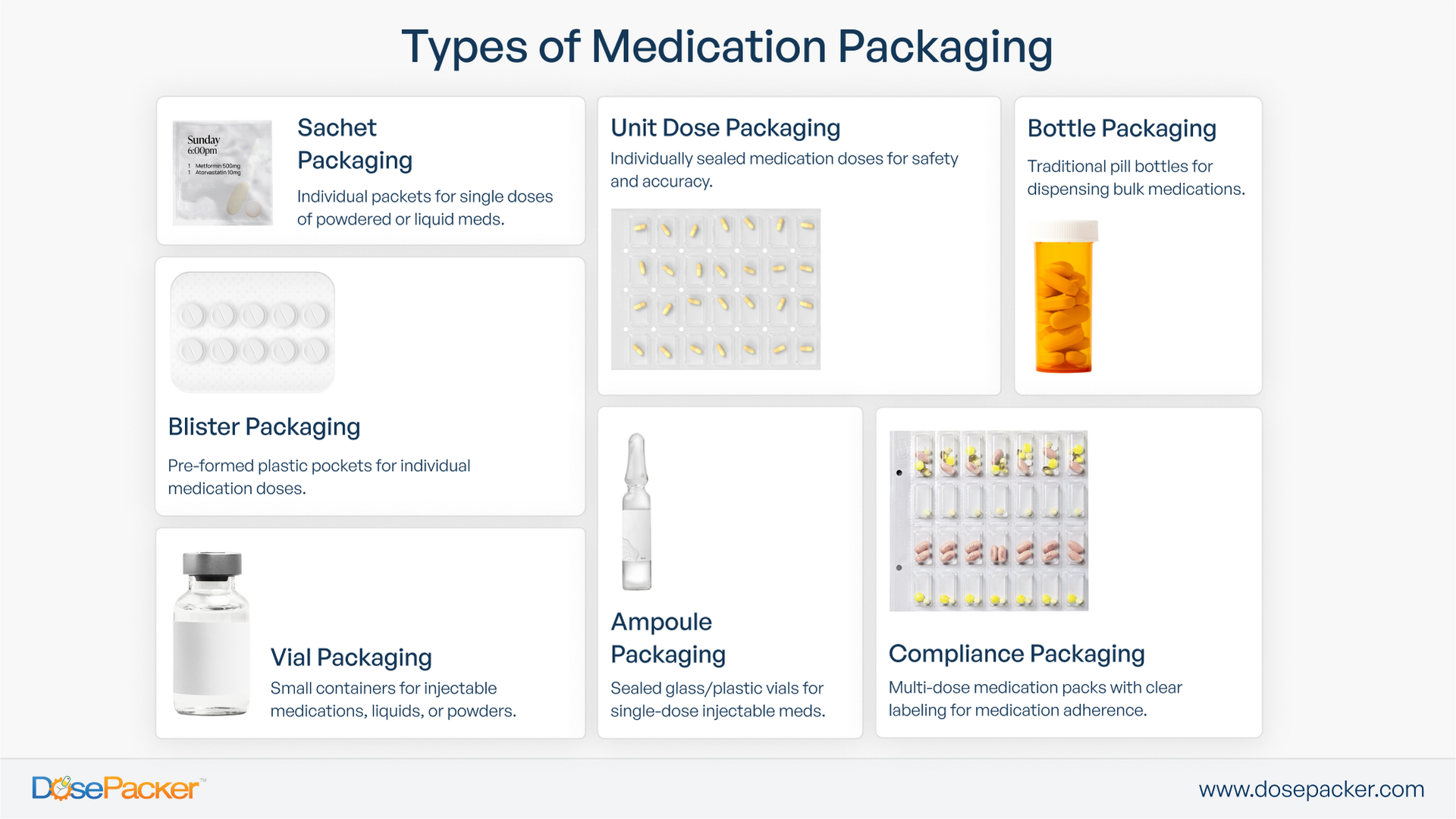
The study focused on widely prescribed options: oral bisphosphonates such as alendronate and risedronate, injectable bone-targeted agents like denosumab, and in some analyses selective estrogen receptor modulators (SERMs) such as raloxifene. Anabolic agents and short-term therapies were less prominent in the dataset. The takeaway was not that any single pill prevents dementia, but that exposure to these bone-directed medicines correlated with reduced dementia diagnoses in the population studied.
bisphosphonates medication packaging
"A 24% relative reduction in dementia risk is meaningful at a population level, but it does not prove causation for individual patients."
Understanding the magnitude: what does 24% mean?
Relative risk reductions can sound large while the absolute benefit may be modest. Suppose a group of older adults has a 10% chance of developing dementia over a decade; a 24% relative reduction would lower that risk to about 7.6% — an absolute reduction of 2.4 percentage points. At the population scale, even a small absolute change translates to many fewer cases. But for an individual deciding on therapy, absolute risk, side effects, cost, and personal priorities matter far more than a headline percentage.
Possible biological explanations
Bone-brain connections
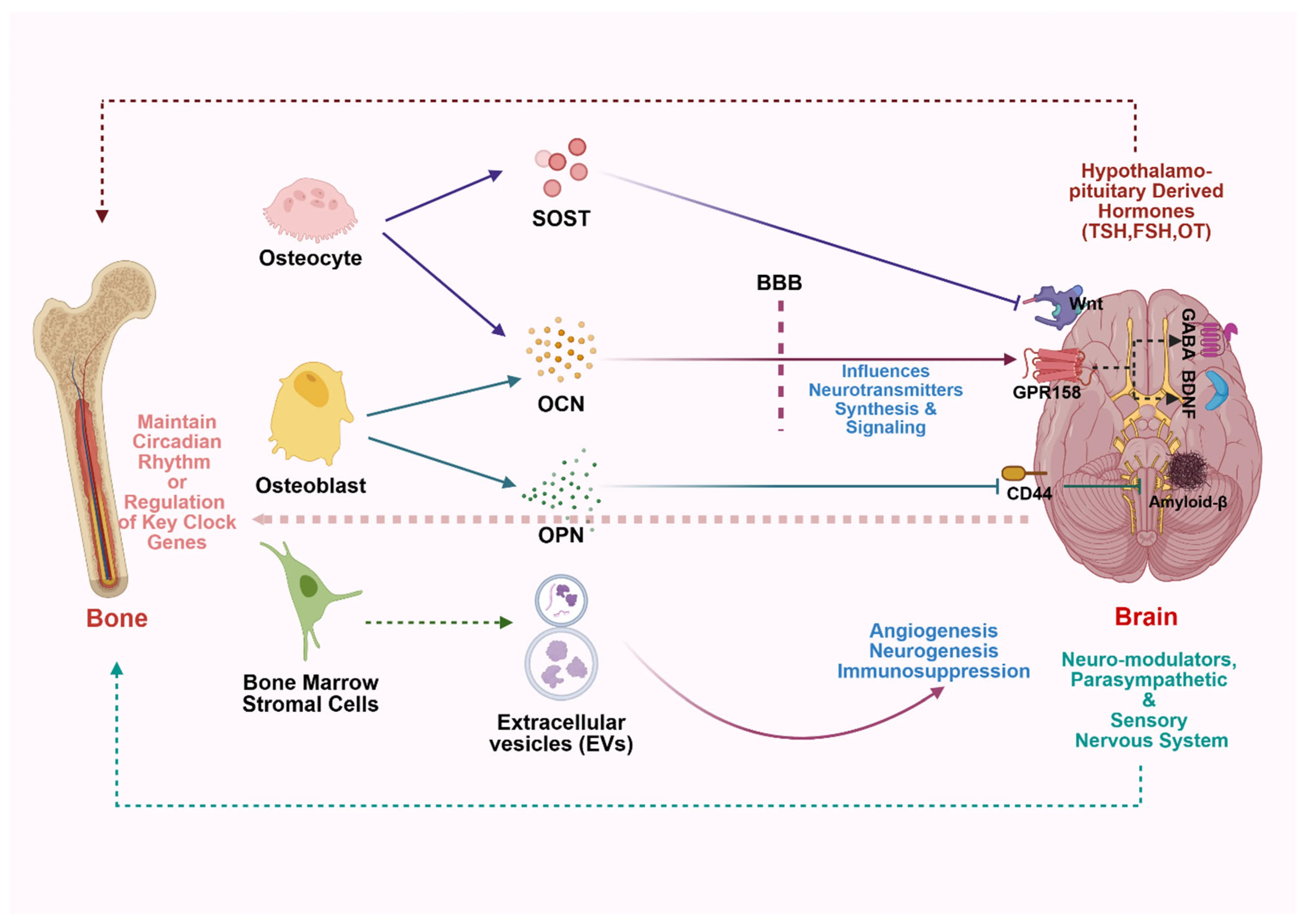
Bone is not inert scaffolding. It is an endocrine organ that communicates with other tissues through hormones and signaling molecules. Osteocalcin, for example, is produced by bone-forming cells and has been linked in animal studies to brain function and memory. Changes in bone metabolism could, in theory, influence pathways relevant to neurodegeneration.
human brain neuroinflammation illustration
Anti-inflammatory and immune effects
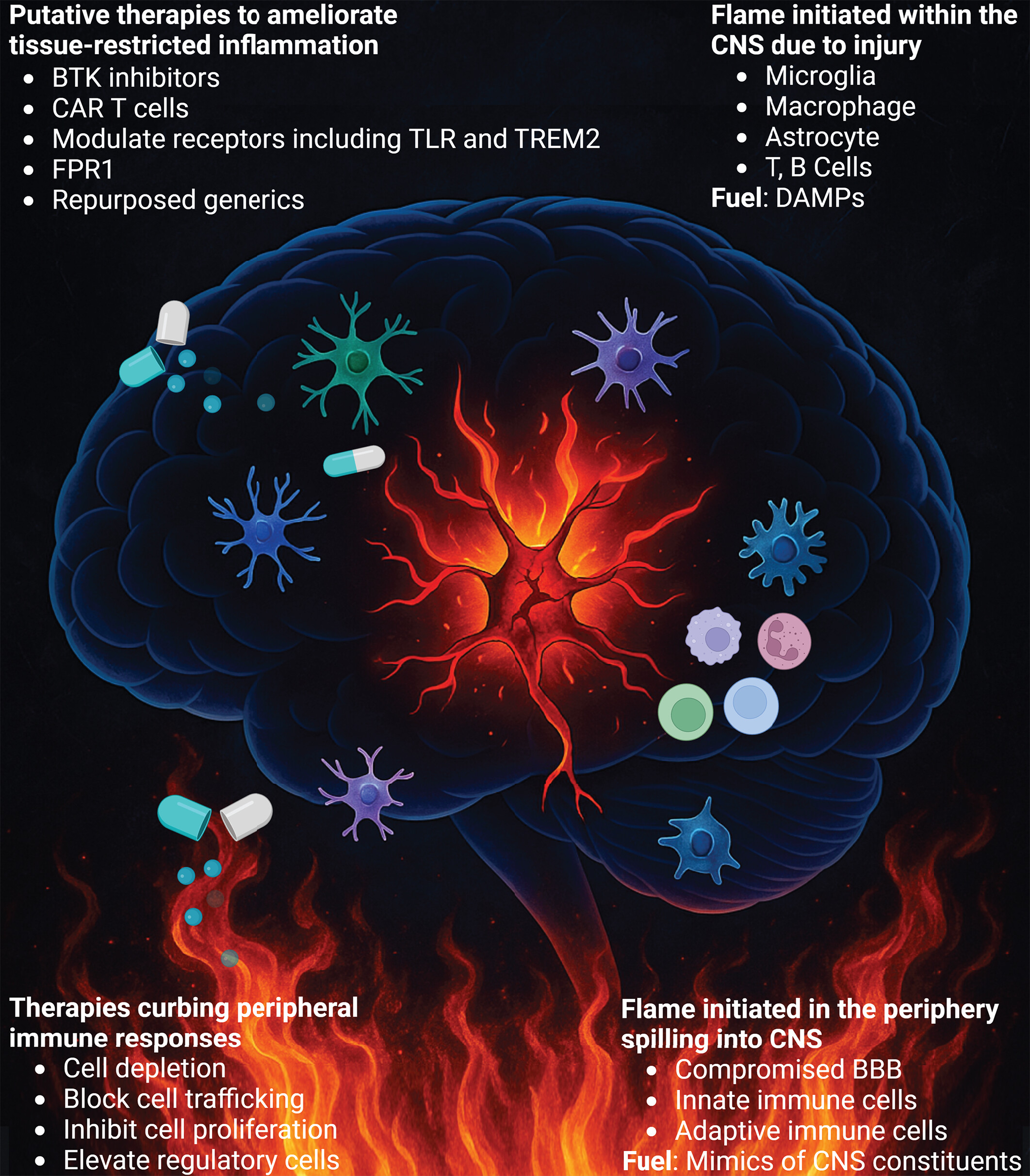
Many dementia pathways involve chronic inflammation and immune activation in the brain. Some osteoporosis drugs, particularly bisphosphonates, have biological effects beyond bone resorption: they can modulate immune cells, alter cytokine profiles, and potentially reduce systemic inflammation. If systemic inflammation contributes to neurodegeneration, then altering that milieu might reduce risk or slow progression.
Vascular health and fall prevention
Another indirect route is vascular. Poor bone health frequently coexists with sedentary behavior, frailty, and cardiovascular risk factors. Treating osteoporosis can reduce fractures and preserve mobility, which in turn helps maintain vascular health and social engagement — both protective against cognitive decline. In that sense, the observed benefit could reflect improved overall health rather than a direct neuroprotective drug effect.
How reliable is this evidence?
Observational design — strengths and limits
The reported association comes from observational population data rather than a randomized controlled trial. Observational studies are powerful for detecting real-world patterns across large groups and longer time spans. They are, however, susceptible to confounding: factors that influence both the likelihood of receiving treatment and the outcome.
Key concerns include healthy user bias (people who seek and adhere to preventive care may also follow other healthful behaviors), confounding by indication (doctors may preferentially prescribe certain drugs to patients with healthier profiles), and reverse causation (early cognitive decline might reduce the chance of being prescribed or continuing osteoporosis therapy). Researchers can adjust statistically for many variables, but residual confounding remains possible.
Consistency and dose-response
Support for a causal interpretation would be strengthened if the association was consistent across different subgroups, increased with longer duration of therapy, and emerged in sensitivity analyses that addressed likely biases. The study reported many of these robustness checks, which helps but does not eliminate uncertainty. Ultimately, only prospective randomized trials or converging evidence from multiple study designs can prove causation.
Clinical and practical implications
What patients should know
If you are taking medication for osteoporosis, this new report is reassuring but not a license to stop other preventive strategies. Continue evidence-based measures: maintain bone health with calcium and vitamin D as advised, follow weight-bearing exercise, reduce fall risk at home, manage cardiovascular risk factors, and engage in regular cognitive activity and social connections. Do not start or stop osteoporosis medicine solely because of the headline dementia finding; discuss personal risks and benefits with your provider.

weight bearing exercise seniors
What clinicians might consider
For clinicians, the study is a reminder of the complex interplay between chronic conditions. When discussing osteoporosis treatment options, mention that emerging evidence suggests a potential cognitive benefit but that the data are not definitive. Emphasize shared decision-making, considering fracture risk, life expectancy, comorbidities, and patient values.

medical doctor patient consultation
Research gaps and next steps
Needed trials and mechanistic studies
The logical next step is targeted clinical research. Randomized controlled trials (RCTs) designed to test whether specific osteoporosis treatments reduce cognitive decline or dementia incidence would provide definitive answers. Short of large primary prevention RCTs, embedded cognitive outcomes in ongoing bone-health trials or pragmatic trials in health systems could be informative. Parallel laboratory studies should clarify mechanisms: do these drugs directly affect neurons or glial cells, or do they act indirectly through inflammation, vascular health, or mobility?
Subgroup questions
Important unanswered questions include whether any benefit varies by age, sex, baseline bone density, genetic risk for dementia (for example, APOE genotype), or concomitant medications. Understanding who might benefit most would allow personalized recommendations rather than blanket statements.
Risks, costs, and trade-offs
All medicines carry potential harms. Bisphosphonates are generally well tolerated but can cause gastrointestinal upset, rare atypical femur fractures with long-term use, and very rare jaw osteonecrosis. Denosumab can lead to rebound bone loss if stopped abruptly. SERMs have distinct risks such as venous thromboembolism. Any discussion about using therapies for unproven benefits must weigh these trade-offs. Promotion of drugs before definitive proof risks exposing patients to harm and unnecessary expense.
- Potential dementia risk reduction suggested by population data.
- Established fracture prevention benefit for those at high risk.
- Existing clinical familiarity among prescribers.
- Not proven for dementia prevention in randomized trials.
- Possible adverse effects including rare but serious events.
- Cost and medication burden especially when polypharmacy is a concern.
Practical guidance for patients
Questions to ask your clinician
Patients concerned by this study should discuss with their clinician. Useful questions include: Why do you recommend this particular osteoporosis medicine for me? What are the likely benefits and risks in my case? Does this medication interact with others I take? How long should I remain on therapy, and how will we monitor for side effects?
Monitoring and follow-up
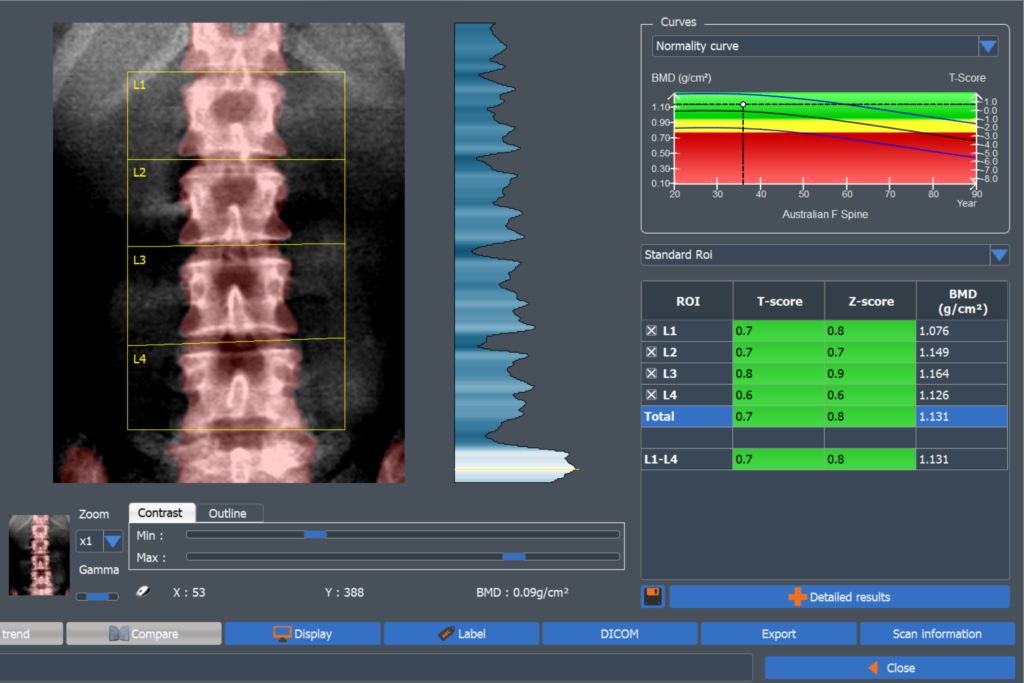
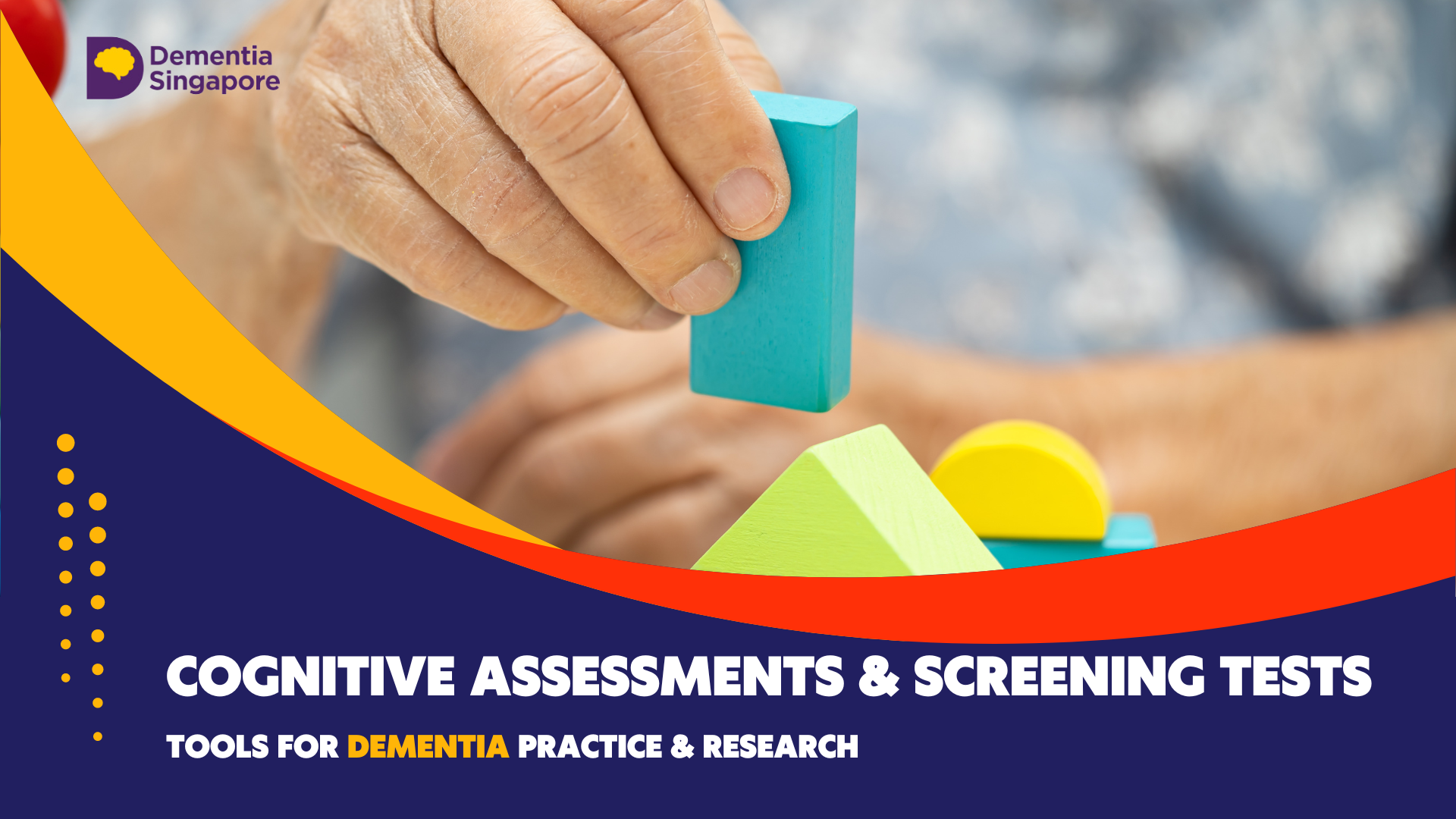
If started on therapy, appropriate follow-up includes monitoring bone density as recommended, assessing for side effects, ensuring adherence, and periodically reevaluating the ongoing need for therapy. Also continue routine cognitive screening for older adults as part of comprehensive care.
elderly person cognitive screening test
Conclusion
The reported 24% lower dementia risk among users of common osteoporosis drugs is an intriguing and potentially important finding. It opens new questions about the biological links between bone and brain and suggests a research pathway for drug repurposing. But observational associations cannot establish causation, and the responsible clinical response is cautious curiosity rather than immediate practice change. Patients should continue proven strategies to prevent fractures and preserve brain health, and clinicians should discuss emerging evidence without overselling unproven benefits.
- A large observational study found a 24% relative reduction in dementia diagnoses among people treated for osteoporosis, but this does not prove causation.
- Possible mechanisms include immune modulation, endocrine signaling from bone, and indirect benefits via improved mobility and vascular health.
- Patients should not start or stop osteoporosis medications solely to try to prevent dementia; discuss individualized risks and benefits with a clinician.
- Randomized trials and mechanistic studies are needed to determine whether any osteoporosis drug truly prevents or delays cognitive decline.
Final thought
The intersection of bone health and brain health illustrates how interconnected our bodies are — and how a finding in one specialty can ripple into another. The current evidence offers a hopeful signal, but scientific rigor and careful communication are essential as researchers and clinicians work to turn association into actionable knowledge.