How Ozempic and Mounjaro Affect Your Brain: What Science Shows
The headlines have been swirling for several years: medications originally developed to treat type 2 diabetes are transforming the way doctors approach obesity, and millions of patients report dramatic weight loss on drugs like semaglutide and tirzepatide. But alongside shrinking waistlines, clinicians and researchers are noticing something else — changes in how people think, feel and respond to food. These observations have prompted a new and urgent question: do drugs such as Ozempic and Mounjaro change the brain? And if so, are those changes helpful, neutral, or potentially harmful?
What are Ozempic and Mounjaro?
Ozempic is a brand name for semaglutide, and Mounjaro is the brand name for tirzepatide. Both are injectable, long-acting medications used primarily for type 2 diabetes and increasingly for chronic weight management. They belong to a class of drugs that mimic or enhance gut hormones — peptides that are released after a meal and that help regulate appetite, insulin secretion and glucose metabolism.

Ozempic semaglutide medication pen
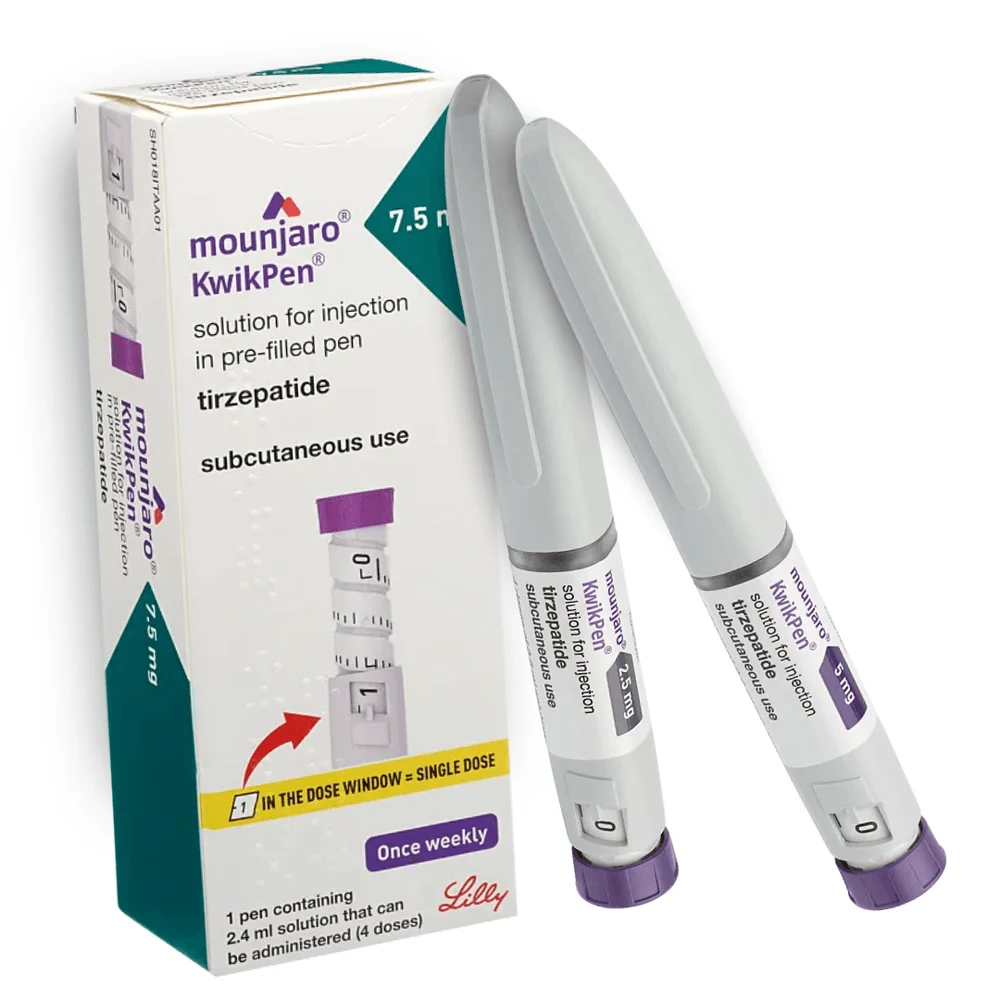
Mounjaro tirzepatide medication pen
How these drugs work — beyond blood sugar
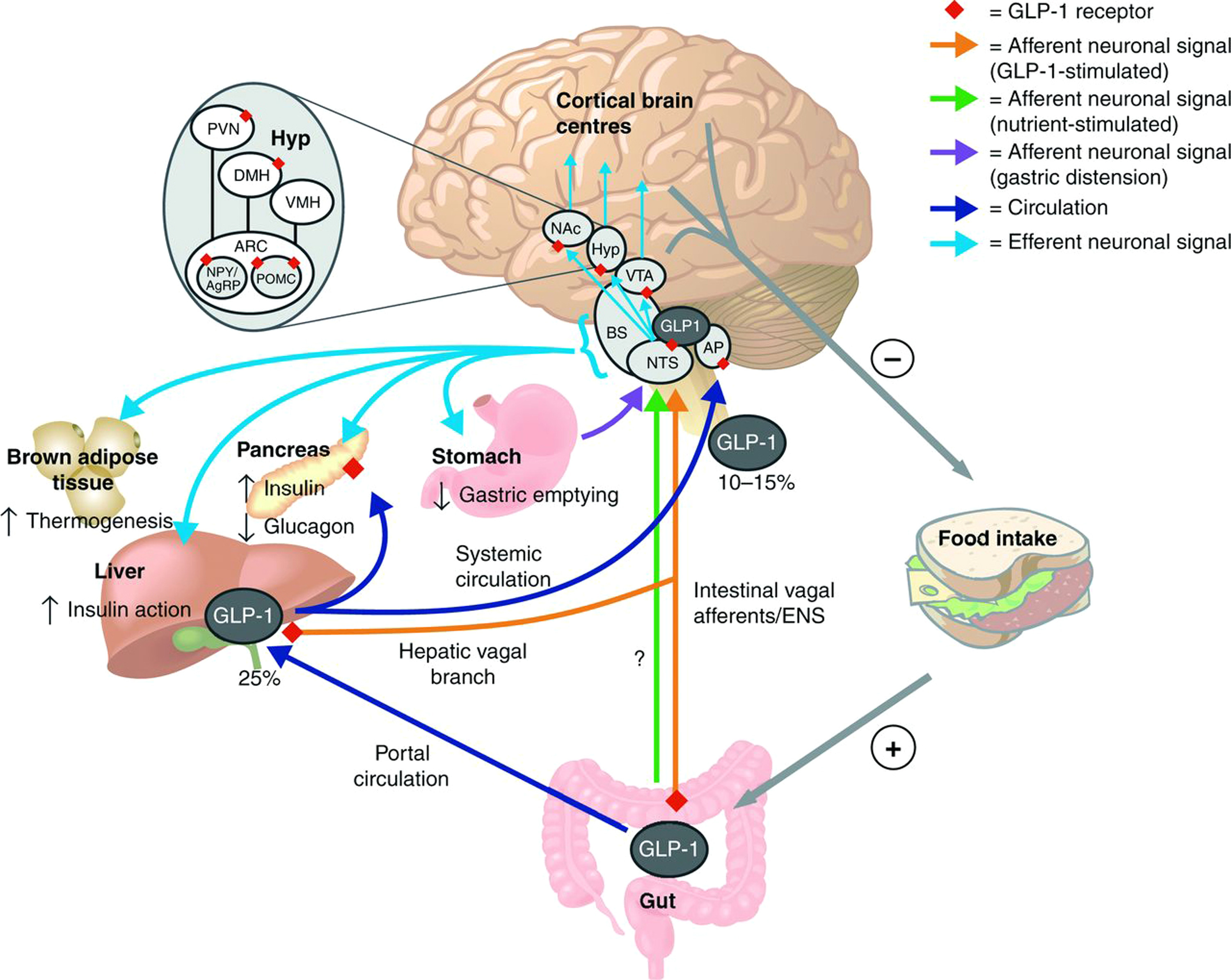
At a basic level, semaglutide acts on the GLP-1 (glucagon-like peptide-1) receptor, while tirzepatide is a dual-agonist that activates both GLP-1 and GIP (glucose-dependent insulinotropic polypeptide) receptors. These receptors are abundant in the pancreas and gut, where they improve insulin release and slow gastric emptying. But they are also present in multiple brain regions — a fact that helps explain why these medications alter more than blood sugar.
blood glucose monitor diabetes
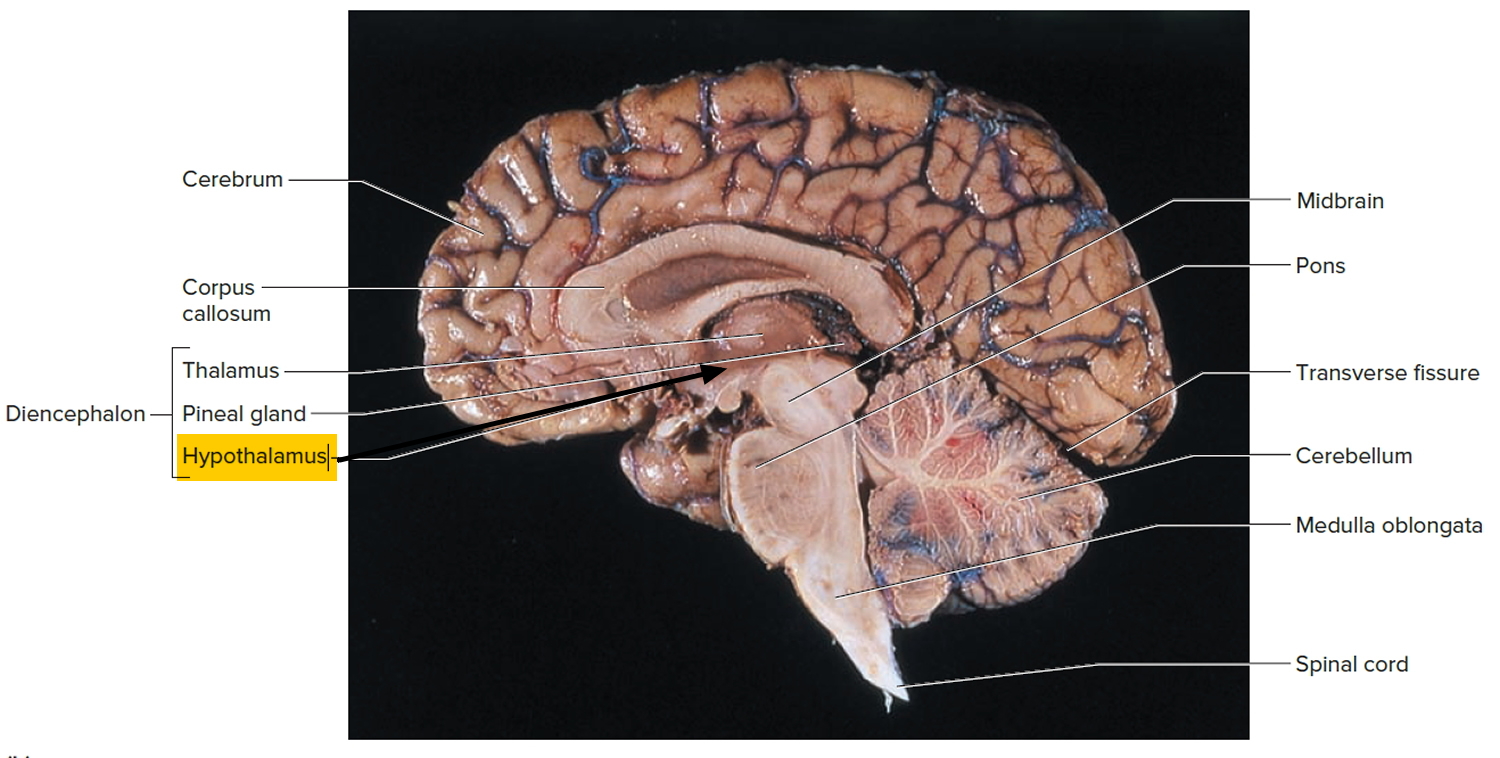
The brain regions affected include the hypothalamus (a central hub for appetite and energy balance), the brainstem (which integrates visceral signals), and reward-related circuits such as the ventral tegmental area and nucleus accumbens. When GLP-1 and GIP pathways are activated in these areas, the subjective feeling of hunger decreases, food-related reward value drops, and early satiety can increase. The clinical consequence is consistent: patients typically eat less and lose weight.
human brain hypothalamus diagram
"These drugs rewire the conversation between gut and brain, not just the pancreas and liver."
Emerging evidence that the brain changes
Researchers have used neuroimaging, animal studies and carefully controlled human experiments to probe how GLP-1 and dual agonists influence brain activity. Functional MRI scans show reduced activation in reward centers when people on semaglutide view images of high-calorie foods. Animal studies reveal altered dopamine signaling — a key neurotransmitter in motivation and reward — after exposure to GLP-1 receptor agonists. Combined, this body of work suggests these medications do more than blunt appetite; they change the salience and hedonic appeal of food.
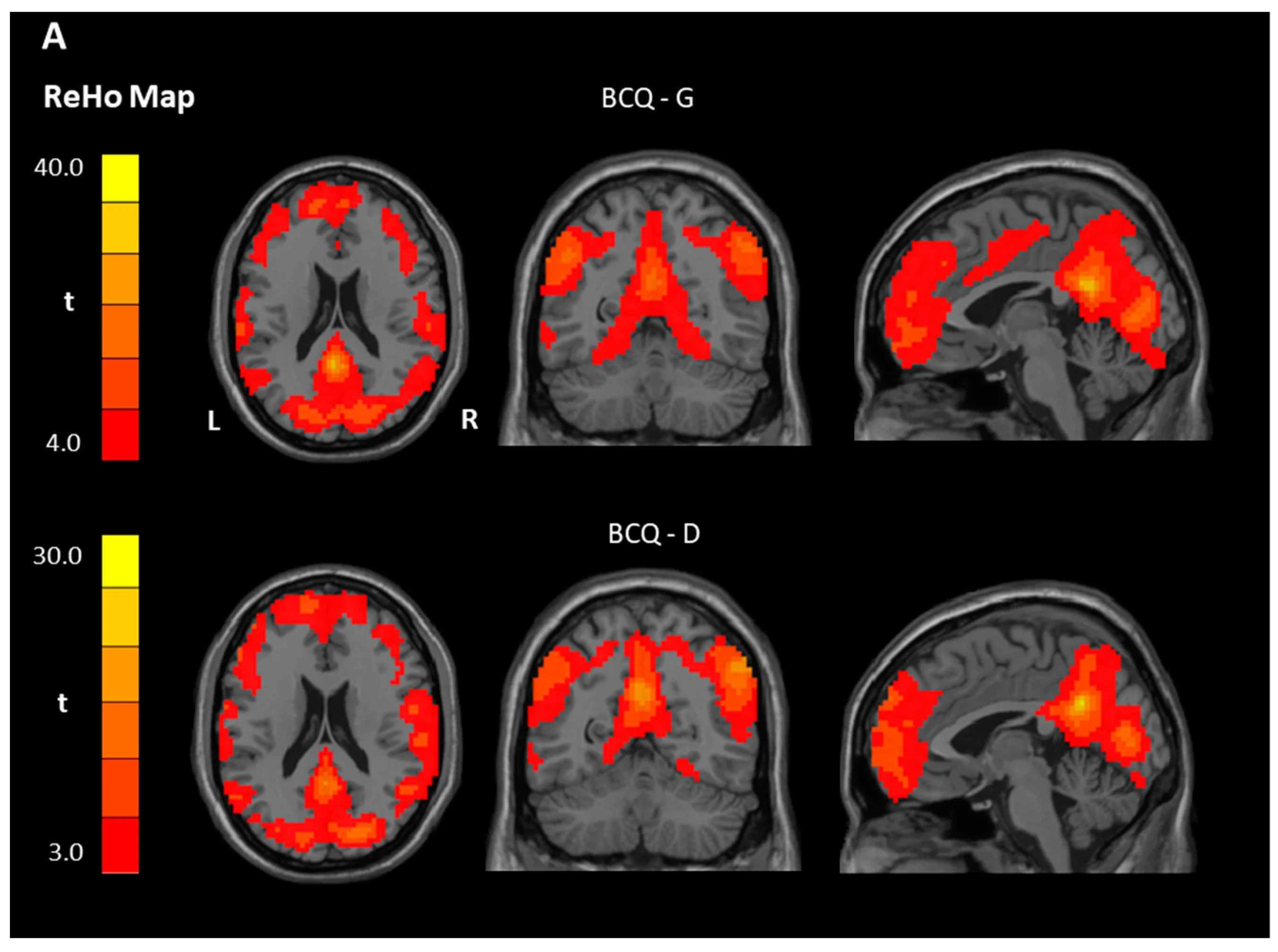
fMRI brain scan activity
Mechanisms: appetite, reward, and beyond
Several overlapping mechanisms likely account for the brain effects:
- Direct receptor action: GLP-1 and GIP receptors exist on neurons. Activating them modifies neuronal firing patterns in appetite and reward circuits.
- Vagal signaling: The vagus nerve carries signals from the gut to the brain. Slower gastric emptying and altered gut hormone dynamics change this afferent traffic.
- Neurotransmitter modulation: There is evidence for downstream effects on dopamine and other neuromodulators, which shifts how rewarding food appears.
- Inflammation and neuroprotection: Preclinical data hint that GLP-1 agonists may reduce neuroinflammation and promote synaptic plasticity — pathways relevant to long-term brain health.
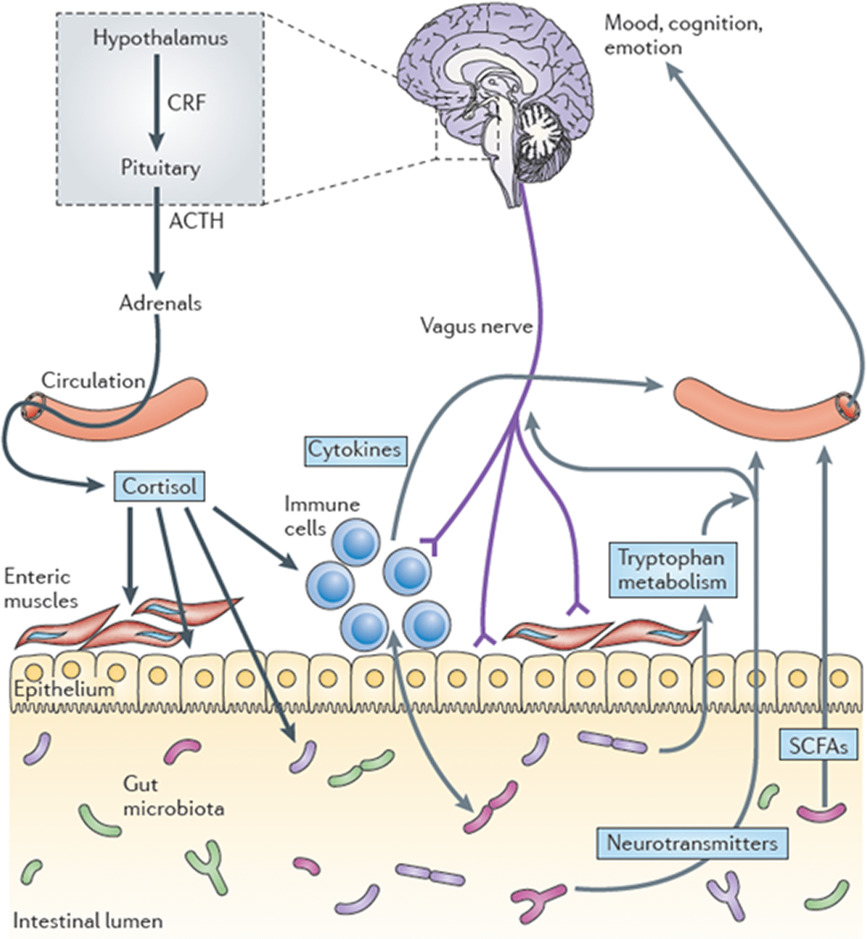
gut-brain axis illustration
Mood, cognition, and memory — what patients report
Alongside appetite changes, patients and clinicians have reported a range of cognitive and emotional effects. Some individuals describe clearer thinking and improved focus during weight loss, others report increased energy and improved mood, and a subset note changes in taste preferences or reduced cravings. Conversely, there are anecdotal reports of emotional blunting, transient mood changes, or difficulty concentrating during dose adjustments.
Clinical trial data are still emerging. Studies designed to assess metabolic endpoints often include secondary measures of quality of life and mood, and many show modest improvements in depression and health-related quality of life as weight and glycemic control improve. However, trials focused specifically on cognition and long-term neuropsychiatric outcomes are limited, and the diversity of patient experiences points to the need for more nuanced study.
What the science suggests about cognition
Early laboratory studies show potential for both positive and neutral effects on cognition. In animal models, GLP-1 receptor agonists have reduced markers of neurodegeneration and improved memory tasks. Human observational and small interventional studies hint at improved executive function and attention in some patients, possibly mediated by improved sleep, reduced systemic inflammation, or better metabolic control. Still, the evidence is preliminary and cannot prove long-term cognitive benefits in broad populations.
Did You Know? Gut hormones like GLP-1 were originally studied for their brain actions long before they became prominent weight-loss drugs. Their presence in the nervous system hints at an evolutionarily ancient gut‑brain axis.
Risks and side effects to watch for
No medication is without trade-offs. Common side effects with GLP-1 and GIP receptor agonists are gastrointestinal: nausea, constipation, diarrhea, and sometimes vomiting. Those effects can indirectly affect cognition by causing dehydration or electrolyte shifts if severe. Some people experience dizziness or lightheadedness when initiating therapy, which can transiently impair concentration.
More worrisome but rare concerns have been raised about psychiatric effects. There are case reports of mood changes, including increased anxiety and depressive symptoms, particularly in people with a prior history of mood disorder. While large randomized trials have not shown a consistent signal for severe psychiatric harm, clinicians must remain vigilant and discuss mental health history before and during treatment.
Who might benefit cognitively?
It is tempting to imagine these drugs as brain enhancers, but that would be premature. Potential cognitive benefits are most plausible in people whose cognitive struggles are related to metabolic dysfunction: those with poorly controlled diabetes, obstructive sleep apnea, or inflammatory states that impair cognition. For these patients, improving metabolic health and sleep could yield measurable cognitive improvements.
However, for otherwise healthy individuals seeking cognitive enhancement, the evidence does not support prescribing these medications for that purpose. The brain effects observed appear tightly linked to appetite, reward and metabolic improvement rather than broad enhancements in intelligence or memory in healthy people.
The ethics and realities of off-label use
As the popularity of these drugs has grown, so has off-label use and diversion for non-medical purposes. Using GLP-1 or dual agonists solely to chase cognitive benefits is not supported by evidence and carries risks. Beyond individual safety, there are system-level concerns: supply shortages, access inequity, and shifting medical priorities away from lifestyle and structural approaches to obesity and metabolic disease.
Practical guidance for patients and clinicians
If you are considering or already taking semaglutide or tirzepatide, some practical steps can reduce risk and maximize benefits:
- Baseline mental health screening: Ask about depression, anxiety, and prior psychiatric episodes before starting therapy.
- Monitor during initiation: Dose escalation is when side effects are most common; check in on mood, sleep, hydration and concentration.
- Address GI side effects promptly: Nausea and reduced intake can affect energy and cognition; simple measures often work.
- Coordinate care: Primary care, endocrinology, psychiatry and dietitians should work together when psychiatric symptoms emerge.
- Set realistic expectations: Improvements in mood or cognition are likely secondary to metabolic and sleep gains, not direct nootropic effects.
What researchers still need to answer
Several key questions remain unanswered and are priorities for research:
- Are there sustained cognitive benefits or harms after long-term use (years) of GLP-1/GIP agonists?
- Do effects differ by age, sex, baseline metabolic health, or genetic factors?
- What are the precise neurotransmitter and synaptic changes in humans taking these drugs?
- Can these drugs be repurposed safely for neurodegenerative diseases or mood disorders, and in which subgroups?
Large, well-designed randomized trials that include cognitive and psychiatric endpoints — not just metabolic outcomes — will be essential to answer these questions. Neuroimaging and biomarker studies can help map the timing and location of brain changes, while careful pharmacovigilance can detect rare but important adverse effects.
A balanced view: benefits, limits, and personal decisions
For many patients with type 2 diabetes or obesity, semaglutide and tirzepatide offer meaningful improvements in weight, blood sugar, and quality of life. These gains can translate into better sleep, increased mobility, and reduced inflammation — all of which can indirectly support cognitive health. But the drugs are not magic wands for brain performance, and individual responses vary. Expectation management, careful monitoring, and integrated care remain critical.
Looking ahead: opportunities and cautions
Pharmacology is racing forward. New formulations, oral alternatives, and next-generation agents are in development. Some of these may refine brain penetrance or receptor specificity, potentially opening therapeutic avenues for neurodegenerative and psychiatric conditions. Yet faster development increases the imperative for careful safety monitoring and equitable access.
- Substantial weight loss and metabolic improvement for many patients.
- Reduced appetite and food cravings through brain-gut signaling.
- Potential neuroprotective and anti-inflammatory effects in preclinical models.
- Common gastrointestinal side effects that can affect cognition indirectly.
- Limited long-term data on cognition and mood.
- Potential psychiatric side effects in susceptible individuals.
Conclusion
Ozempic (semaglutide) and Mounjaro (tirzepatide) are more than metabolic medicines; they act on brain circuits that govern hunger, reward and, potentially, mood and cognition. For many patients these effects are beneficial because they reduce craving and support sustained weight loss and metabolic health. For a smaller number, however, the brain effects can be disruptive, particularly during dose changes or in people with preexisting psychiatric conditions.
At present, clinicians should treat reports of cognitive or mood changes seriously but proportionally, integrating mental health screening into routine care for patients on these drugs. Researchers should prioritize trials that measure cognition and neuropsychiatric outcomes, and patients should be empowered with clear information about what to expect.
- Ozempic and Mounjaro act on gut-brain pathways and change how the brain perceives hunger and reward.
- Some patients experience improved mood and focus as metabolic health improves; others report transient cognitive or emotional changes.
- Long-term cognitive effects are not yet well-defined — more targeted research is needed.
- Discuss mental health history with your clinician before starting these medications and monitor mood during dose changes.
Final thought
Medicine advances by expanding what is possible and then carefully evaluating the new territory. The story of GLP-1 and GIP agonists is still being written: they offer powerful metabolic benefits and likely reshape brain function in ways that are often helpful — but our understanding of the full cognitive and psychiatric consequences remains incomplete. Caution, curiosity, and collaboration between endocrinologists, psychiatrists and neuroscientists will determine whether these drugs become tools for broader brain health or remain focused primarily on metabolic disease.