
AI Discovers Natural Ozempic Alternative With Fewer Side Effects
The headline reads like a medical fairy tale: an artificial intelligence system combs enormous libraries of natural compounds, and from the tangle of molecules emerges a candidate that promises the clinical benefits of Ozempic (semaglutide) without the nausea, vomiting and digestive disruption that drive many patients away. Behind that tidy story sits a complex scientific journey — one that blends computational chemistry, decades of natural-products knowledge, pharmacology and a tightly regulated pathway from bench to bedside. This feature walks through what such a discovery would mean, how it might work, and why cautious optimism should be tempered with clear-eyed attention to safety, evidence and access.
Why this matters: Ozempic, weight loss and a side-effect problem
Semaglutide and other GLP-1 receptor agonists reshaped the treatment landscape for type 2 diabetes and obesity over the last decade. Their dramatic efficacy in lowering blood glucose, reducing body weight and improving cardiovascular markers is undeniable, but they are not universally tolerated.
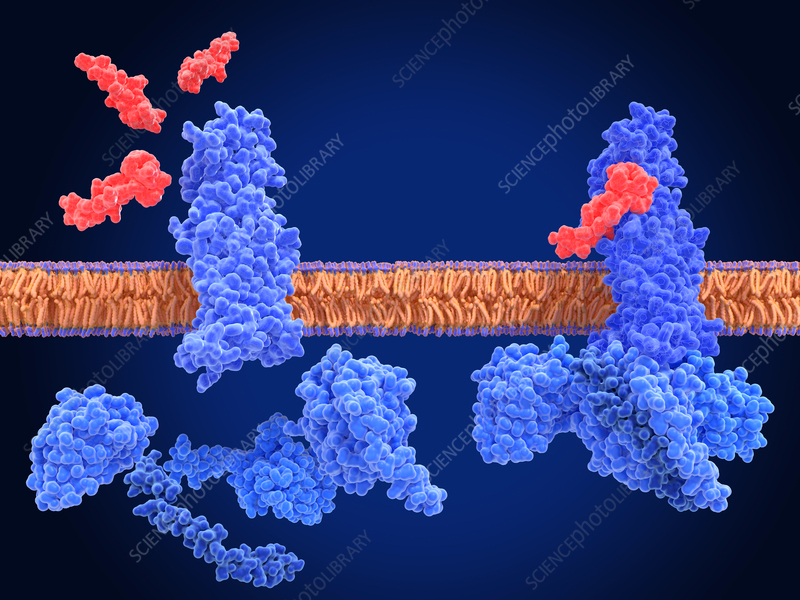
semaglutide GLP-1 receptor agonist
Up to a third of patients experience significant gastrointestinal side effects — nausea, early satiety, vomiting and diarrhea — particularly during dose escalation. These adverse effects can erode adherence, delay metabolic benefits and force some patients to discontinue therapy entirely. A molecule that mimicked the metabolic benefits with a gentler tolerability profile would therefore be a major advance for millions of people living with obesity and diabetes.
How AI changes the game in drug discovery
Drug discovery has long been a slow, expensive and serendipity-driven process. Artificial intelligence accelerates that process in several ways: by rapidly predicting which molecules will bind to a given receptor, by proposing chemically feasible modifications, and by mining literature and natural-product libraries for promising scaffolds.
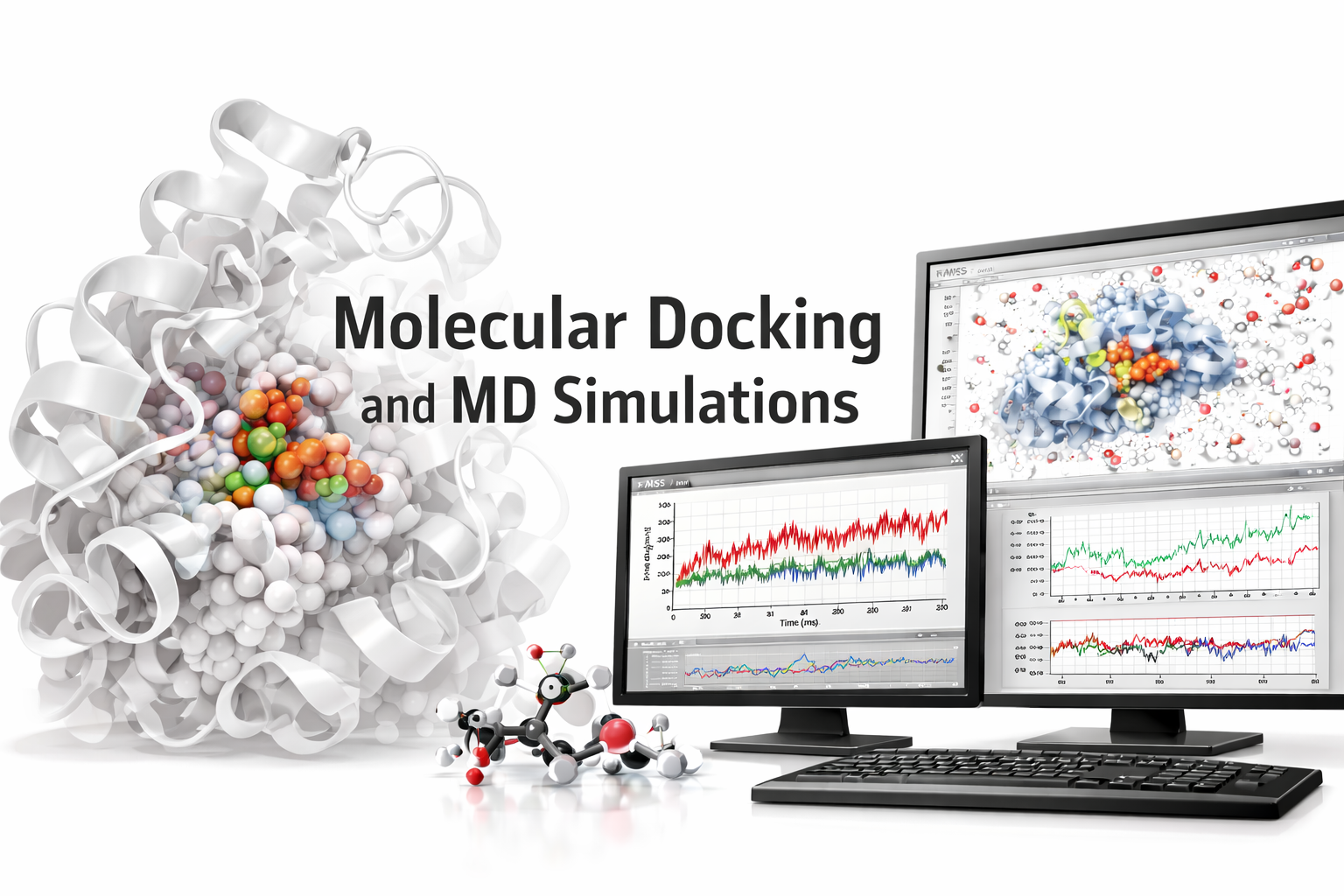
AI molecular docking simulation
Modern platforms combine structural biology (3D receptor models), high-throughput virtual screening, molecular dynamics simulations and predictive toxicity algorithms. The result is not instant approval but a dramatically shortened list of high-probability leads to test in the lab.
What it means to be a "natural Ozempic"
When journalists or researchers use the phrase "natural Ozempic," they are compressing several complex concepts. Ozempic is a synthetic peptide analog of the incretin hormone GLP-1 that acts as a potent receptor agonist. A "natural Ozempic" would therefore need to: (1) modulate the GLP-1 receptor, or a closely related appetite/metabolic pathway; (2) trigger comparable downstream metabolic effects (satiety, reduced food intake, improved glycemic control); and (3) do so with a clinically meaningful reduction in adverse effects.
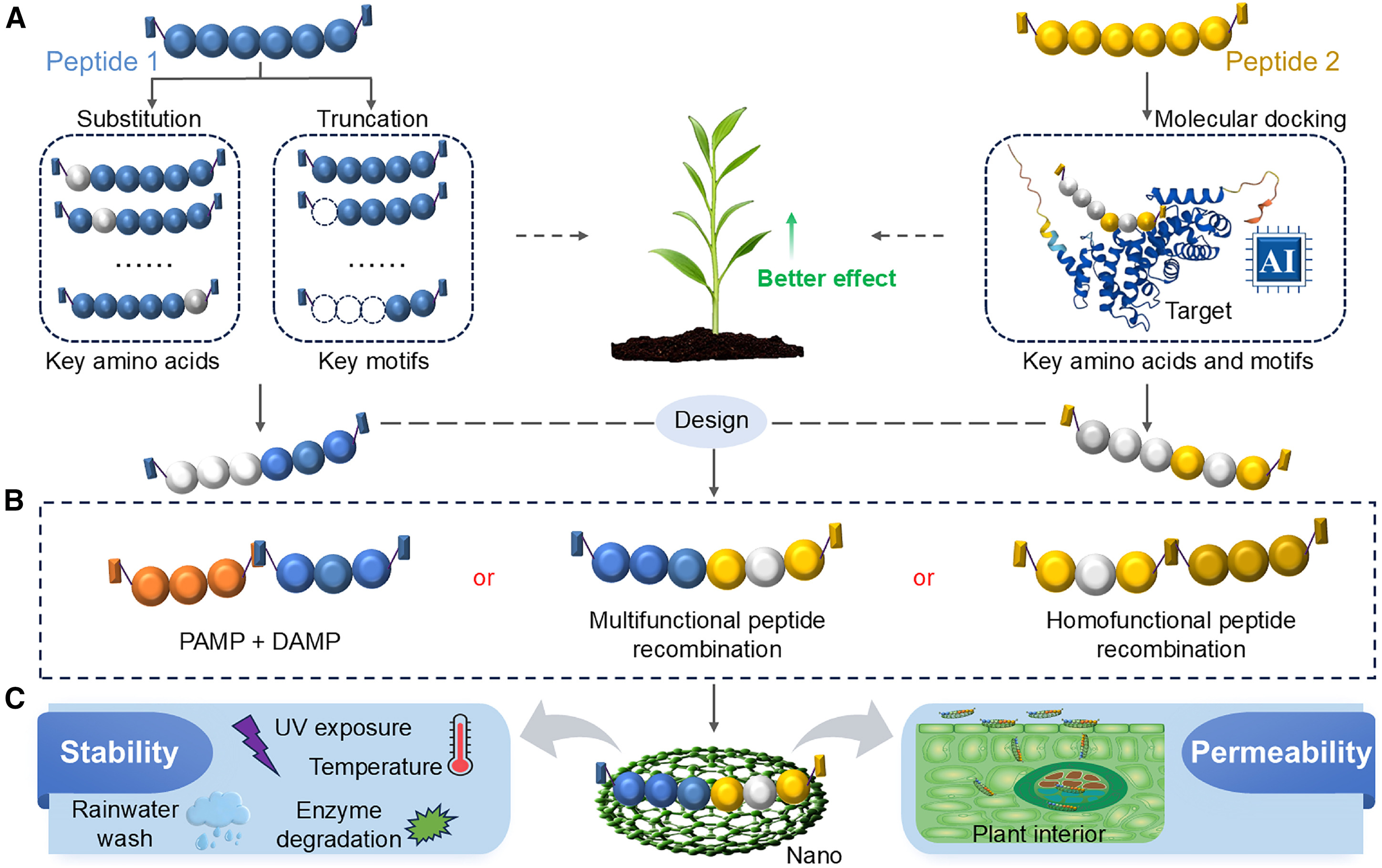
natural plant and fungi peptides
That can mean different biochemical strategies — a small molecule that biases signaling toward metabolic pathways and away from pathways that cause nausea, a peptide from a plant or fungus with favorable receptor interactions, or a gut-restricted compound that acts locally on enteroendocrine cells without systemic side effects.
The AI workflow: from databases to a lab bench
In the scenario we're exploring, an AI platform begins by ingesting multiple data sources: structural models of the GLP-1 receptor, annotated libraries of natural products, known ADME/Tox profiles, and reported human exposures to edible plants and fungi. The platform performs several steps: virtual docking to predict receptor binding, molecular dynamics to estimate how that binding translates into receptor conformations, and predictive pharmacology to infer whether binding would produce full agonism, partial agonism or a biased signaling profile. The most promising candidates are then synthesized or extracted and moved into in vitro assays for receptor activation, followed by cellular and animal models for efficacy and safety.

laboratory in vitro assay testing
"Finding a naturally derived molecule that hits the sweet spot — efficacy without the gut upset — would be transformative, but it requires rigorous validation at every step."
A plausible candidate: what properties matter
Without naming a specific molecule, a viable natural candidate would likely have these properties: high affinity for metabolic receptor subtypes, partial agonism or biased agonism favoring metabolic signaling over emetic circuits; stability in the digestive tract or a delivery strategy that avoids rapid degradation; and a safety profile based on existing human exposure or preclinical toxicity testing. The phrase "fewer side effects" often reflects a combination of intrinsic molecular action (how the receptor responds) and pharmacokinetics (how the body absorbs, distributes and clears the compound).
Why fewer gastrointestinal side effects might be possible
Current GLP-1 receptor agonists strongly activate both appetite-regulating centers and neural pathways that trigger nausea. If a natural molecule acts as a partial agonist or a biased agonist, it might preferentially engage signaling cascades that reduce appetite and improve insulin release while sparing the pathways that produce emesis.

gastrointestinal system medical illustration
Alternatively, a gut-restricted compound could stimulate secretion of native incretins or modulate local sensory neurons to reduce appetite without reaching high systemic concentrations that provoke nausea. Another route is indirect modulation: a natural compound that alters microbiome metabolites, bile acid signaling or gut-brain peptides could yield weight loss and glycemic benefits through an entirely different — and potentially gentler — mechanism.
From cell studies to people: the evidence ladder
Promises born in silico must climb a steep ladder of evidence. Typical stages include: in vitro receptor-binding and signaling assays; cellular models assessing insulin secretion and gene expression; rodent studies for weight, glucose tolerance and acute toxicity; larger animal models as needed; and phased human clinical trials for safety, dose-finding, efficacy and long-term outcomes. Along the way, key endpoints include not only weight loss and HbA1c or glucose metrics, but carefully measured tolerability — patient-reported nausea scores, gastrointestinal symptom diaries and discontinuation rates.
Regulatory and ethical considerations
A natural origin does not mean regulatory shortcuts. Any compound intended to treat obesity or diabetes must demonstrate safety and efficacy through the established clinical trial framework before health authorities will clear claims or approvals.
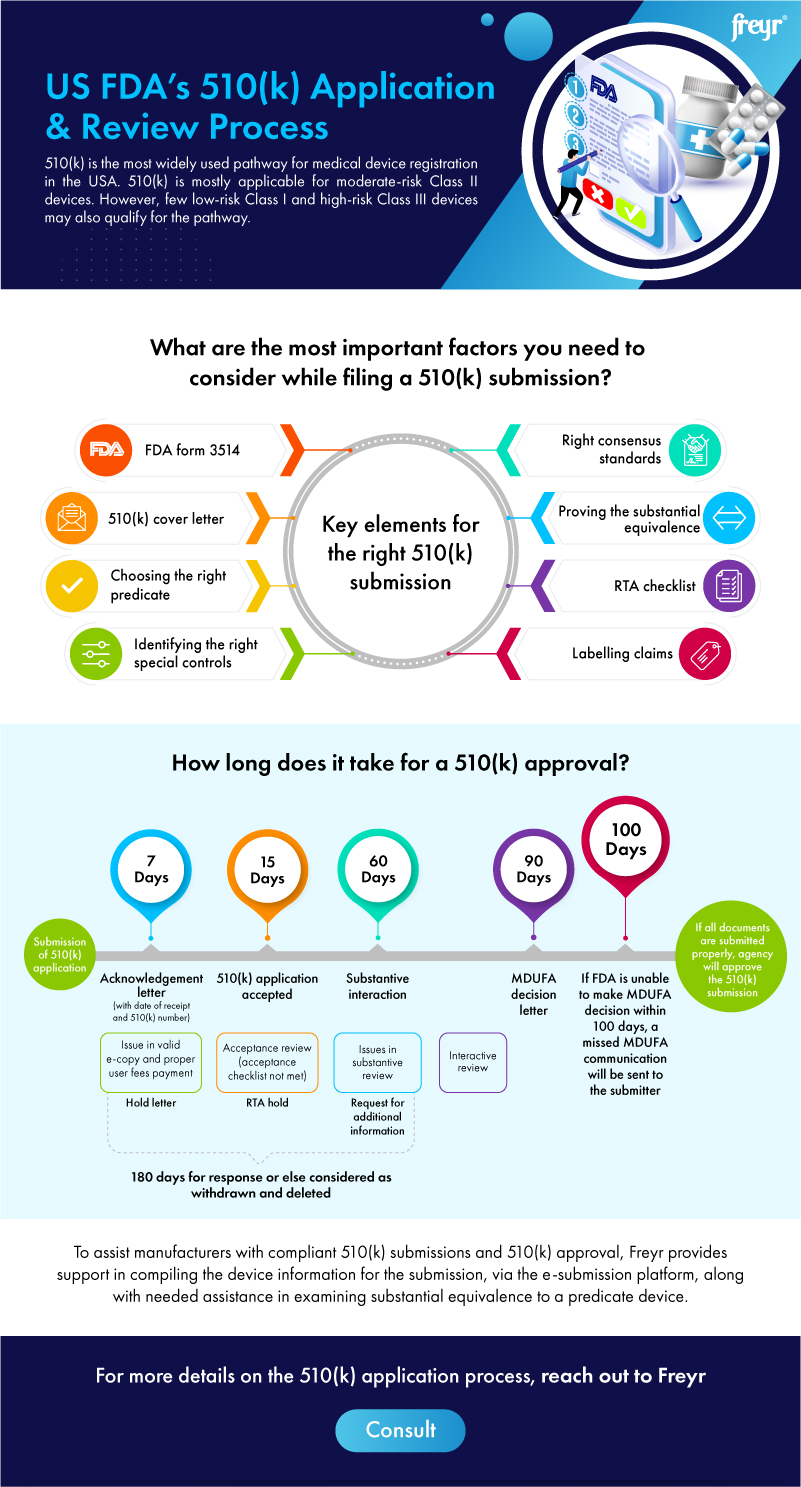
FDA pharmaceutical regulatory review process
For compounds positioned as supplements or nutraceuticals, marketing pathways differ but so do safety expectations and evidence standards. There's also an ethical conversation about access, equity and pricing: one of the critiques of GLP-1 therapies has been their high cost and uneven availability. If a natural molecule proves effective, stakeholders will need to decide whether to pursue pharmaceutical development, keep it as an over-the-counter formulation, or design hybrid approaches that ensure oversight and access while preventing misinformation or unsafe off-label use.
Patient perspective: hope balanced with realism
For people who have struggled with weight, the idea of a safer, more tolerable treatment is deeply appealing. But patient education will be crucial. If a new compound arrives first as a supplement, individuals may self-medicate without medical supervision. Conversely, a carefully regulated drug development path will delay broad access even if it ultimately yields a safer therapy. Clinicians and patient advocates should press for transparent trial data, clear labeling about side effects and contraindications, and equitable pricing strategies if commercial development occurs.
What this discovery would mean for the broader scientific ecosystem
A successful example of AI finding a natural molecule that competes with a blockbuster synthetic peptide would be a watershed for multiple fields. It would validate AI-driven natural-products mining, accelerate interest in plant- and fungal-derived pharmacology, and push pharmacologists to think more deeply about receptor signaling nuances like biased agonism. For biotech, it would highlight hybrid approaches that pair modern computation with centuries of ecological chemistry. And for academic researchers, it would open new cross-disciplinary collaborations between ethnobotanists, structural biologists and data scientists.
- Potentially improved tolerability and adherence.
- Lower manufacturing costs if the compound is abundant and easy to extract.
- New mechanistic insights into metabolic control.
- High bar for clinical proof; many candidates fail in trials.
- Risk of premature commercialization as unregulated supplements.
- Potential supply and sustainability challenges for natural sources.
Practical next steps researchers and regulators should take
Scientists pursuing such leads should prioritize rigorous, preregistered studies that measure both efficacy and tolerability with validated patient-reported outcomes. Regulators should clarify pathways for naturally derived molecules that show drug-like effects, including guidance on evidence requirements, labeling and post-market surveillance. Patient groups should be involved early to set meaningful endpoints. And funders should support head-to-head trials comparing new candidates to existing GLP-1 receptor agonists on both metabolic and quality-of-life measures.
How physicians and patients can respond now
Until robust human data are available, clinicians should continue to counsel patients based on current evidence. That means discussing GLP-1 receptor agonists’ benefits and side-effect profiles, emphasizing dose-titration strategies that reduce nausea, and exploring comprehensive care plans that combine medication with nutrition, behavioral therapy and exercise. Patients tempted by supplements or anecdotal reports should consult their healthcare providers, especially those taking other medications or with complex medical histories.
Conclusion
The intersection of AI and natural-product chemistry is one of the most exciting frontiers in modern medicine. The idea that a naturally derived compound could deliver Ozempic-like metabolic benefits with fewer side effects is plausible and would be meaningful — but it is not guaranteed. Science will require transparent data, careful clinical testing and thoughtful regulatory choices to separate hope from hype. If verified, such a discovery could improve tolerability, expand access and reshape approaches to metabolic disease. If not, the real value may still be methodological: a new pipeline for finding safer, more nuanced therapies that learn from nature and compute from first principles.
- AI can accelerate identification of natural compounds that modulate metabolic pathways similar to semaglutide.
- A plausible natural candidate could reduce gastrointestinal side effects through biased agonism, partial agonism or gut-restricted action.
- Robust clinical trials are essential; natural origin does not replace rigorous safety and efficacy testing.
- Regulatory clarity and patient-centered outcomes will determine whether such discoveries become safe, accessible treatments.