Latest Articles

Italy to Lose 7 Million Residents by 2050: Causes and Solutions
Italy faces a dramatic demographic decline that could erase seven million residents by 2050. This article examines the causes, regional impacts, economic and social consequences, and pragmatic policy responses to stabilize Italy’s future.

Grave of the Fireflies: The True Story and the Author’s Apology
A deep, compassionate look at how Akiyuki Nosaka’s wartime loss became the short story Grave of the Fireflies — written as a personal apology to his sister — and how Isao Takahata’s film adaptation amplified its moral complexity. This feature traces history, adaptation choices, public reaction, and the story’s enduring place in cultural memory.

Why the Korean War Never Ended: The Ongoing Armistice Explained
The 1953 armistice halted open combat on the Korean Peninsula but never became a formal peace treaty. This article explains the legal, political, and strategic reasons the Korean War remains technically unresolved and what a true peace agreement would require today.
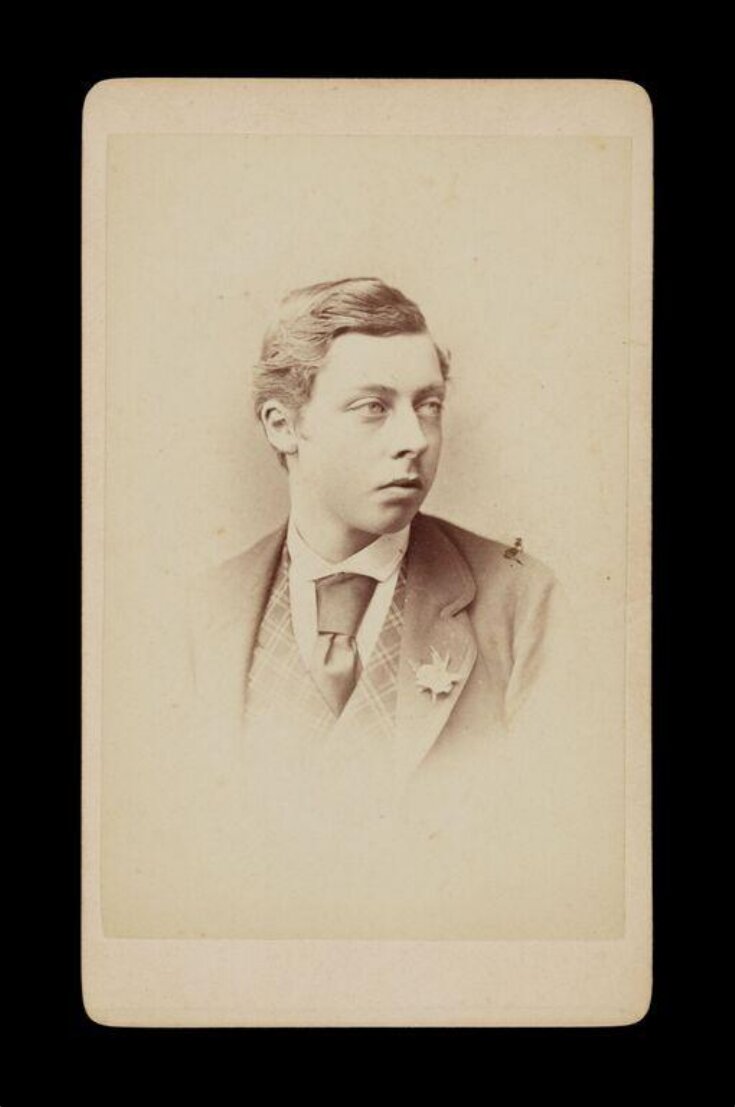
Prince Leopold: Queen Victoria's Son, Hemophilia, and Legacy
A deeply reported look at Prince Leopold, Duke of Albany—Queen Victoria's youngest son—examining the myths about his appearance, the reality of his health, his private life, and the lasting impact of hemophilia on European royalty.
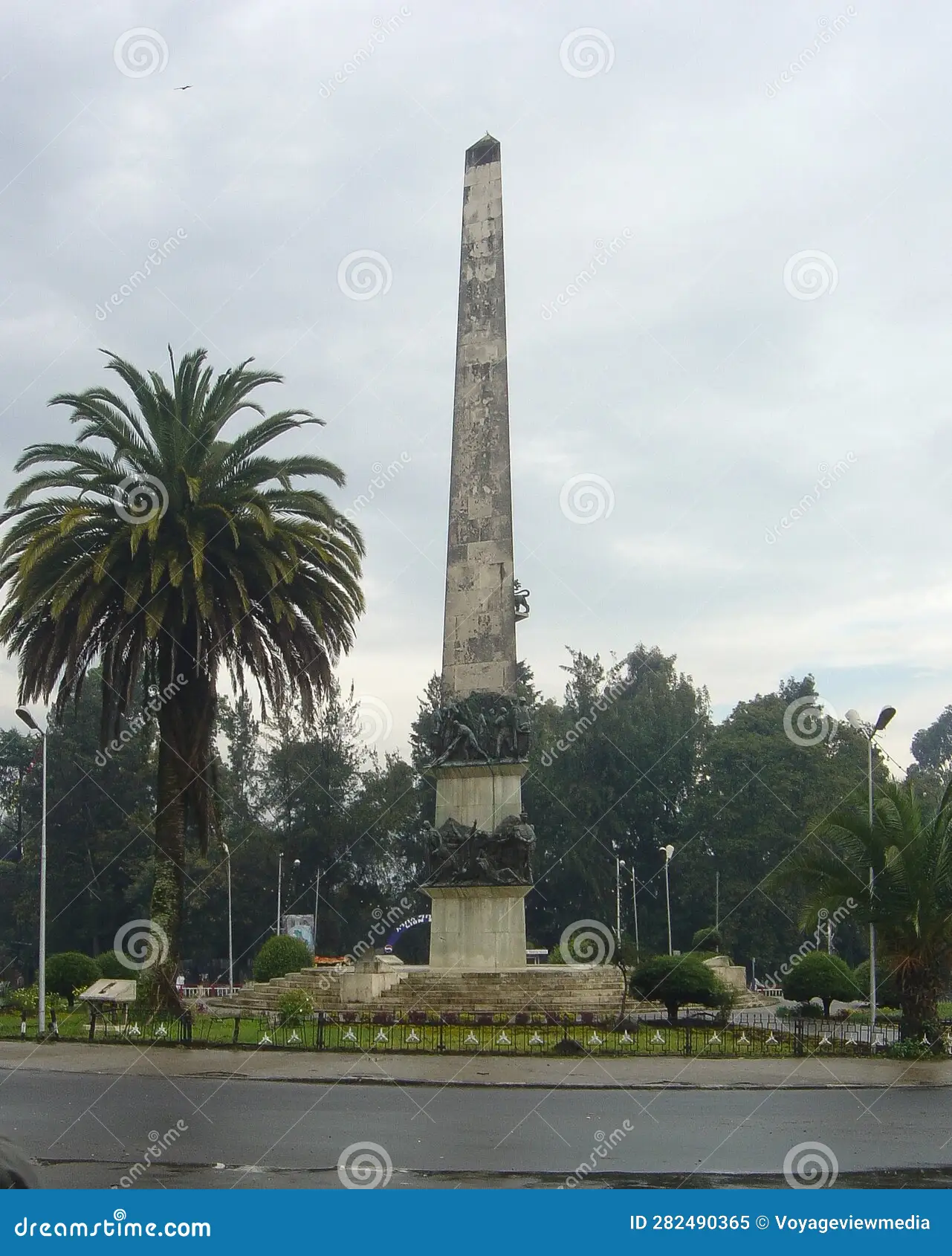
La strage di Addis Abeba — 19 febbraio 1937
Il massacro di Addis Abeba del 19-21 febbraio 1937 fu una rappresaglia brutale compiuta dalle forze italiane durante l’occupazione fascista dell’Etiopia: migliaia di civili, incluse donne e bambini, furono uccisi con modalità efferate. Questo articolo ricostruisce i fatti, il contesto, le stime delle vittime e le conseguenze storiche e morali del crimine.

How to Identify a Kidnapping Victim: Lithuanian PSA Guide
A detailed public-service guide for recognizing signs of abduction and safely reporting suspected kidnappings in Lithuania, aimed at families, witnesses, and first responders.