Niger Declares Mobilization Amid Threats of War with France
The government in Niamey has moved from defiant rhetoric to an explicit national mobilization that its leaders say is meant to "prepare for war with France." The announcement — made publicly by a senior member of the ruling National Council for the Safeguard of the Homeland (CNSP) at a mass gathering — crystallizes a rupture that has been building since the 2023 coup: a collision of security anxieties, resource politics and a resentful post‑colonial narrative that now risks spilling beyond Niger’s borders. citeturn0search0
Niger CNSP junta
A decisive call
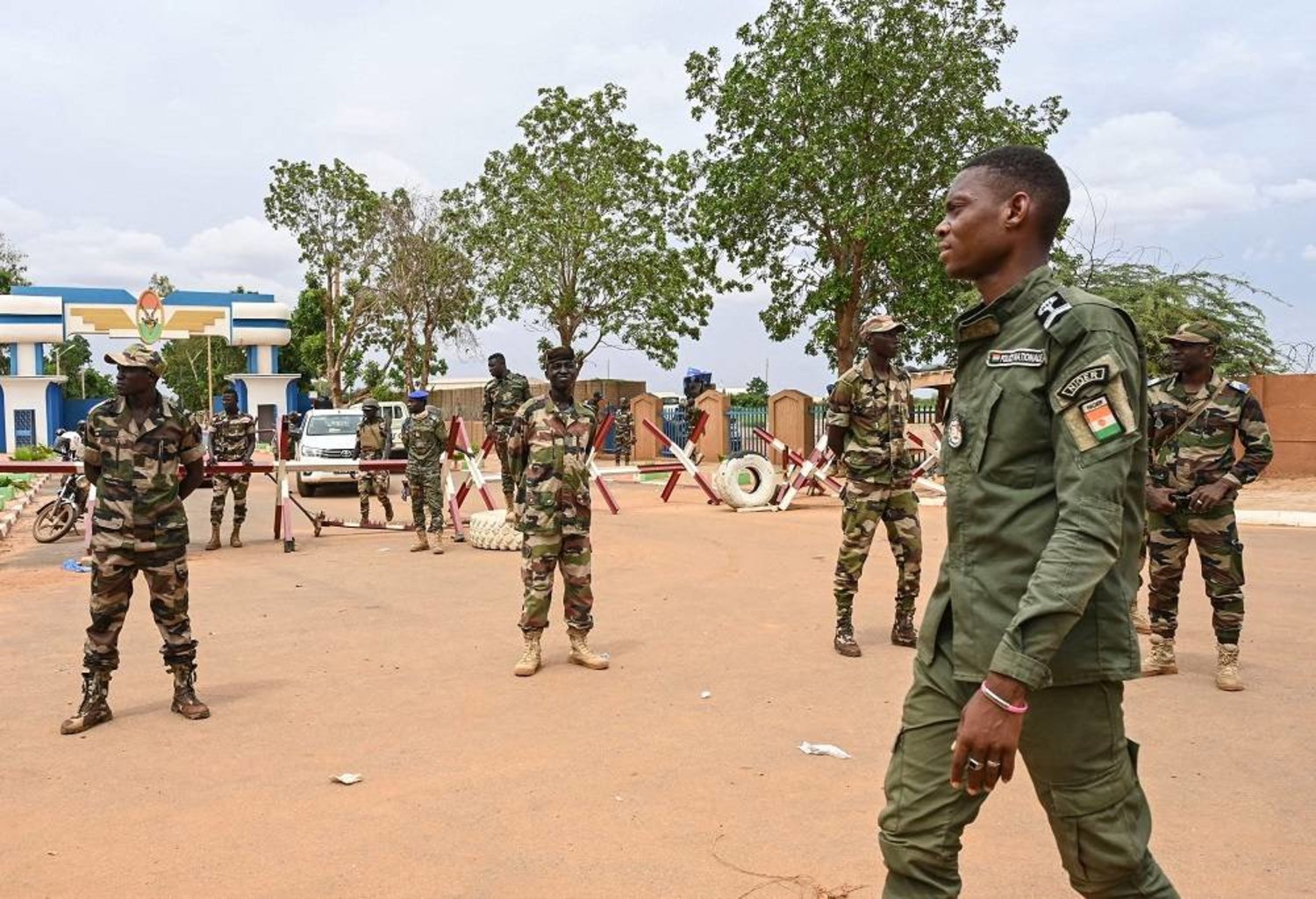
At the heart of the escalation was a speech in which Brigadier General Ibro Amadou Bacharou, described as the presidential chief of staff, declared that Niger should "prepare to make war with France" and warned the population to expect confrontation. The mobilization decree that followed authorizes the state to requisition people and property for defence purposes — a legal and political shift that turns the country toward a "nation‑in‑arms" posture. citeturn0search0
"We are going to enter into war with France," a senior Nigerien officer told an assembled crowd, a line broadcast widely across social platforms and state channels. citeturn0search0
Niger France war threats
A Short History of the Rift
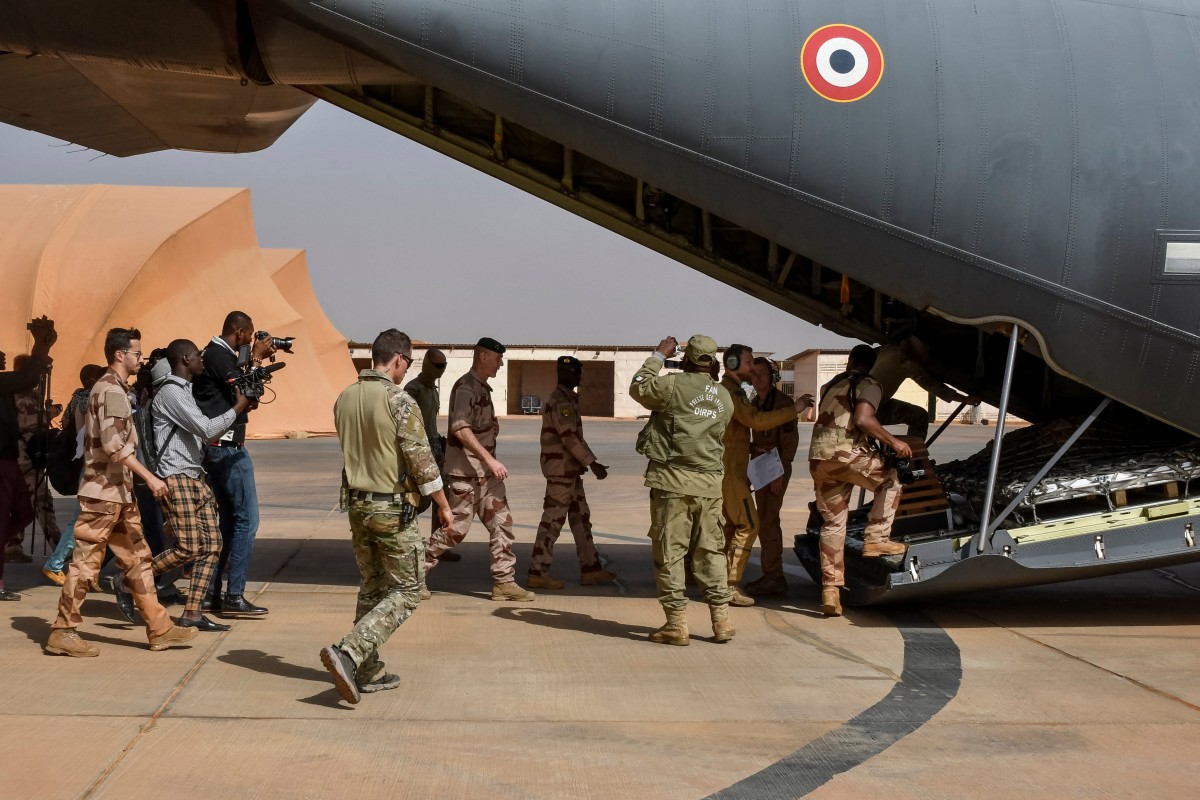
The tensions between Niamey and Paris are not new, but they accelerated after the July 2023 coup that removed President Mohamed Bazoum and brought the CNSP to power. In the months that followed, French military and diplomatic ties were severed amid mutual recriminations, and France withdrew its troops that had long been stationed in Niger as part of counter‑insurgency efforts across the Sahel. The fracture has since deepened into disputes over strategic minerals, security policy and foreign partnerships. citeturn0news12turn0search1
Resource stakes and business rows
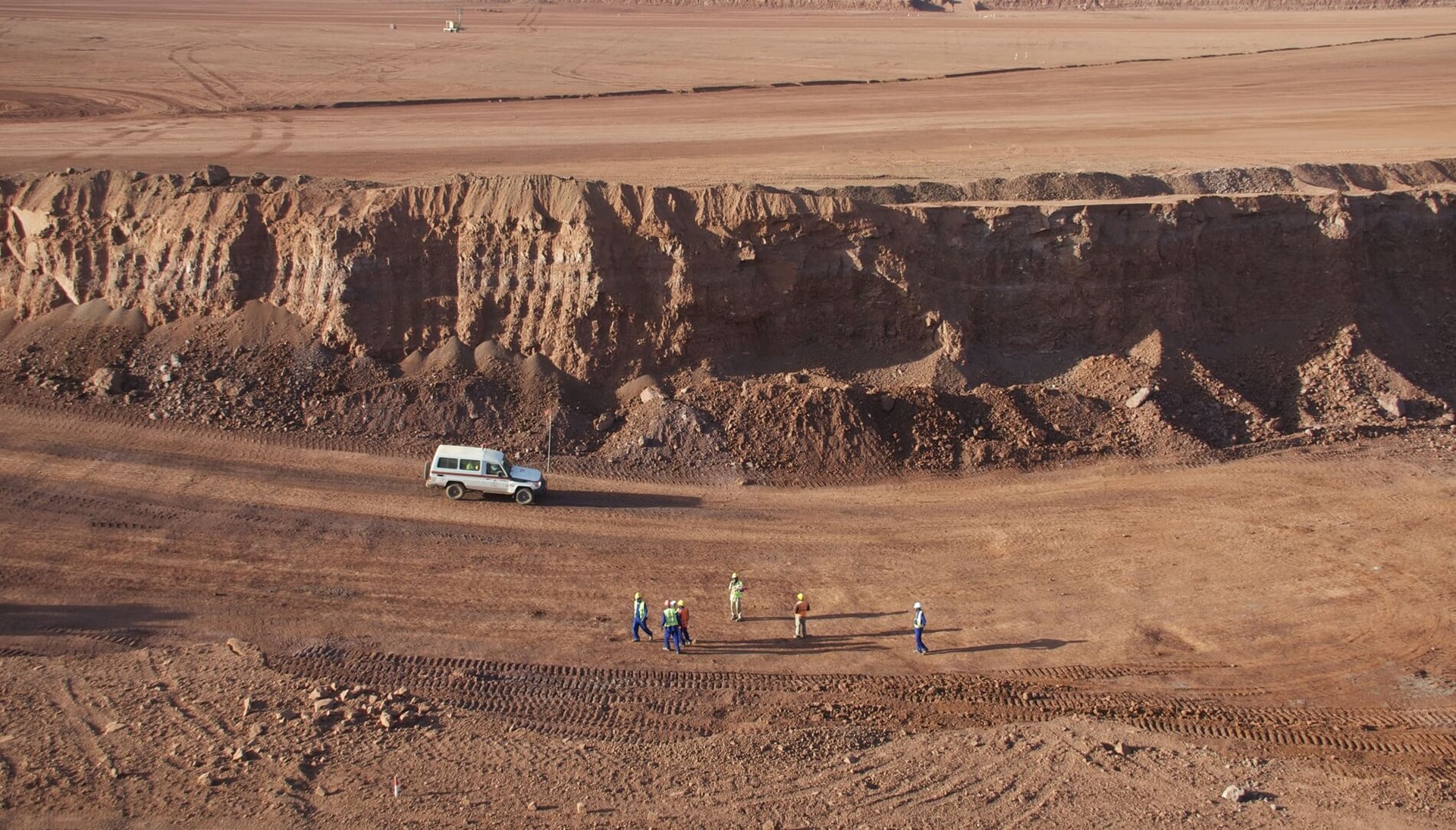
Beyond strategic posturing, economics is central. Niger is a major exporter of uranium, and state actions — including the nationalization of a subsidiary of the French nuclear firm Orano — have inflamed Paris. The junta's move to seize foreign assets and renegotiate extraction arrangements underscores why natural resources are a live geopolitical flashpoint: control of uranium affects energy companies, national budgets and international supply chains. These disputes have been litigated, politicized and used as arguments for sovereignty domestically. citeturn0search1
Orano uranium Niger
What the Mobilization Decree Means
The decree itself is both administrative and symbolic. On paper it grants the military the legal authority to call citizens into service, requisition vehicles, fuel and other logistics, and to redirect civilian resources to sustain operations. In practice, such measures can rapidly transform daily life: markets and transport can be commandeered; young men may be called up for service; and aid or non‑governmental activities may be curtailed under security pretexts. Observers note that formalizing requisition powers signals an intention to shore up capacity where international partners have withdrawn or been expelled. citeturn0search3
Who is being asked to mobilize?
Official language frames the mobilization as universal — a defence of the homeland — but in operational terms the burden will likely fall first on young men in rural regions and urban peripheries where recruitment networks already exist. The decree's breadth gives authorities discretion to prioritize resources and target groups they deem politically reliable or strategically useful.
Military Capacity and the Limits of Force
A sober assessment of Niger's military capacity matters when weighing what "preparing for war" actually entails. The country's armed forces are modest by continental standards; recent government statements have acknowledged plans to expand the army substantially over the next five years and to requisition civilian assets to fill gaps. The departure of French and some Western capabilities — notably in intelligence, surveillance and logistics — leaves an equipment and information vacuum that is hard to close quickly. citeturn0search3
Numbers, logistics and reality
Expanding troop numbers on paper is one thing. Building transport, airlift, sustained ammunition supplies, secure command and control, and field medical services is another. Mobilization decrees can create manpower, but they do not instantly create trained units or the complex logistics needed for sustained conventional operations far from home bases. Analysts warn that rhetoric about external foes can mask deeper operational weakness.
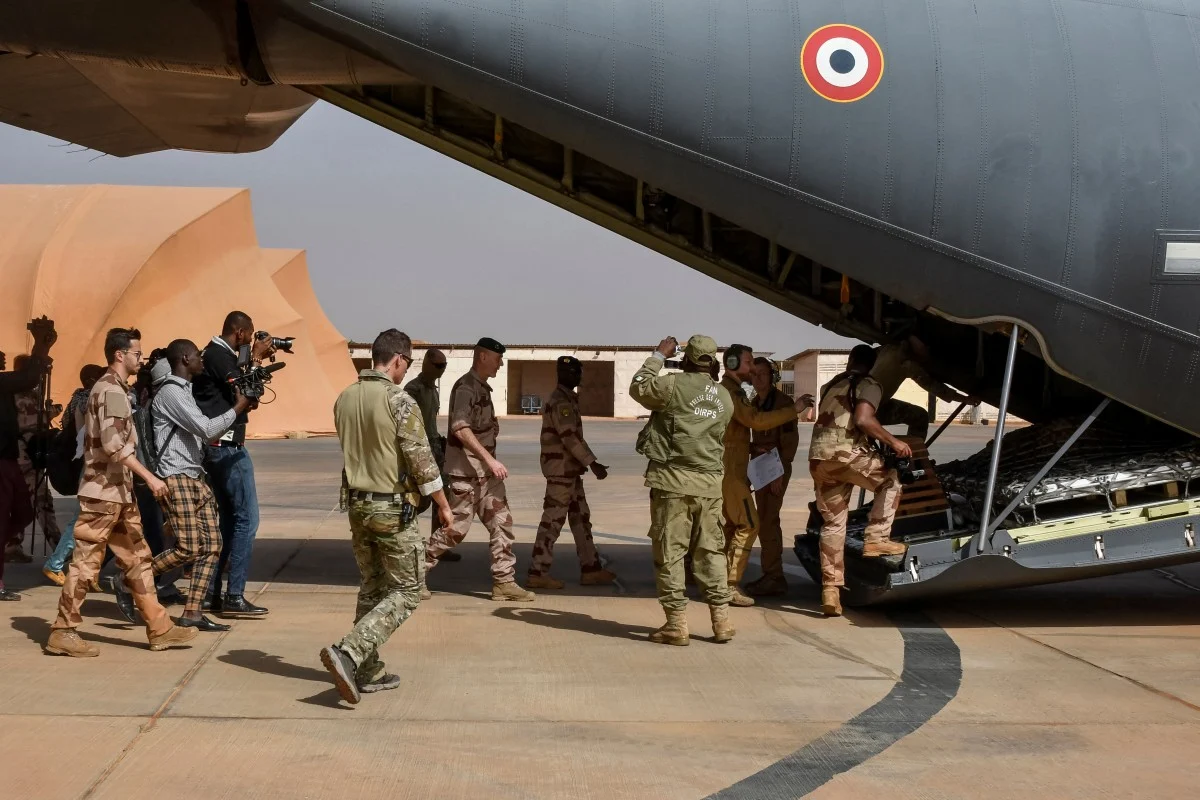
French troops withdrawal Niger
Where Russia and Regional Alliances Fit In
Since the coup, Niger has pivoted toward partners willing to step into the vacuum left by Western withdrawal. Russian military presence and the prominence of private military contractors have been repeatedly reported, altering local defence relationships and regional balance. At the same time, Niger is part of a grouping of junta‑run Sahel states that have discussed joint deployments to address both insurgent threats and political isolation. The new alignment reshapes deterrence calculations and complicates any Western response. citeturn0news12turn0news13
A new alliance and a reconfigured Sahel
Burkina Faso and Mali — both governed by military juntas — have forged closer ties with Niger, creating a trilateral axis that frames security through sovereignty and mutual defence rhetoric. The Alliance of Sahel States, announced last year, is as much an expression of regional realpolitik as it is an operational force: it signals shared posture and resistance to external pressure, but faces significant logistical and financial constraints. citeturn0news13
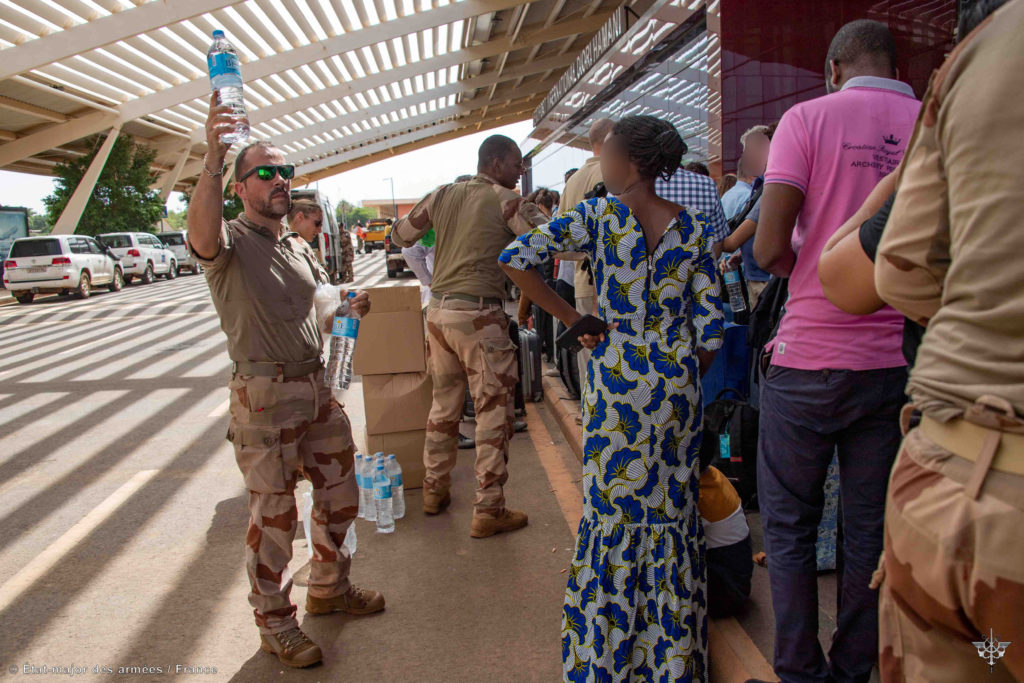
Niamey airport attack
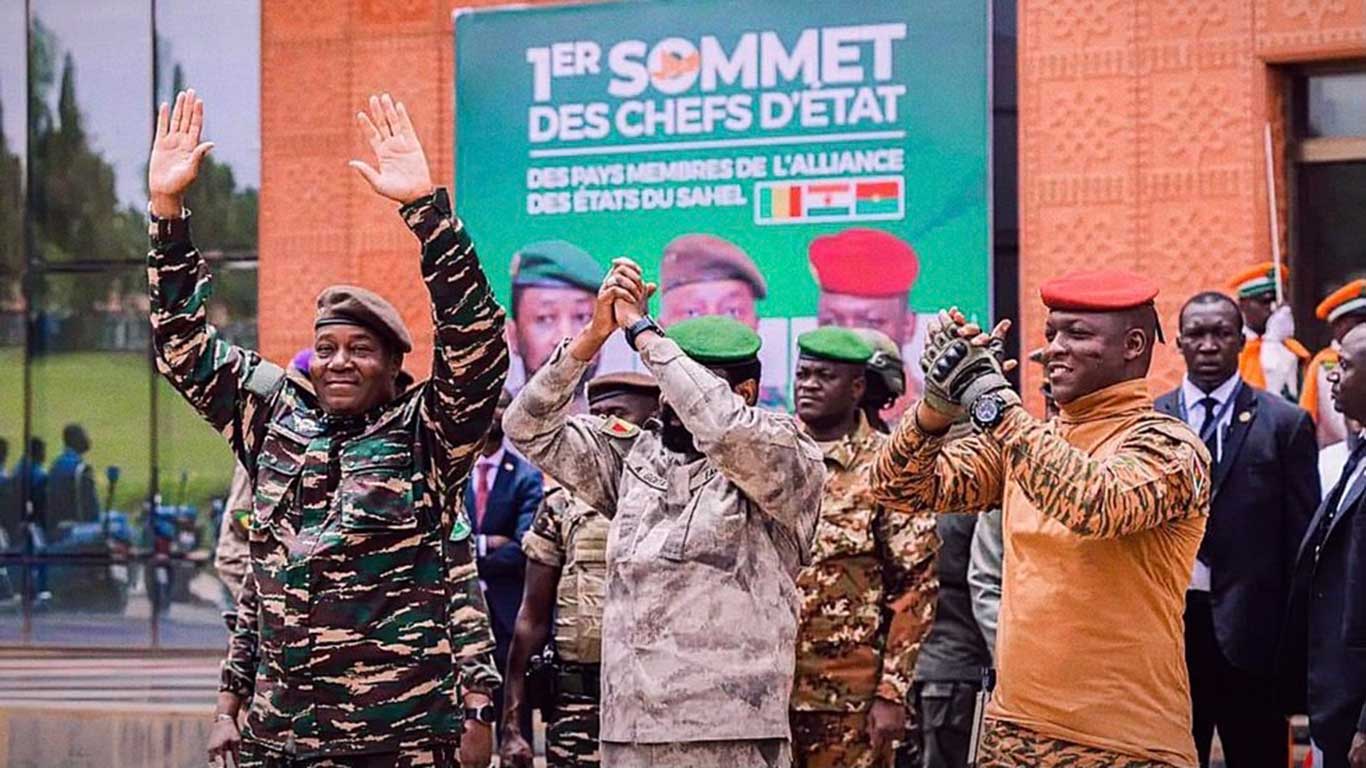
Alliance of Sahel States
The pivot away from former partners has not solved Niger's security problems; in some theatres violence has continued and, by some measures, intensified since the reconfiguration of alliances.
Recent Attacks and the Security Environment
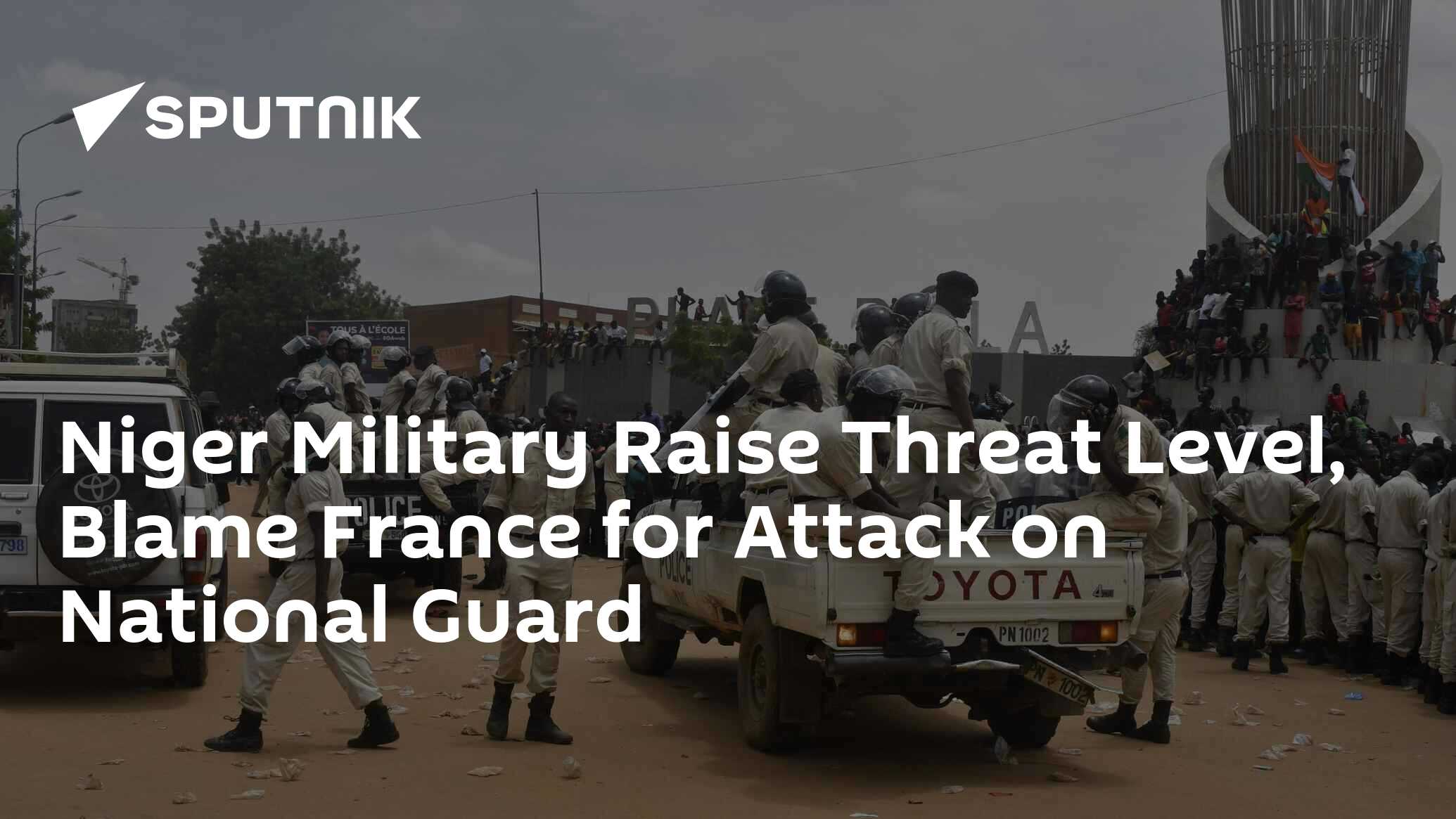
The backdrop to Niamey's mobilisation also includes violent incidents inside the country: strikes on military and civilian targets in recent months heightened tensions and led the junta to cast blame in multiple directions, including toward foreign actors it accuses of fomenting instability. An attack near the capital's airport in late January prompted forceful rhetoric from the head of state and accusations that foreign elements had a hand in the violence, claims that Paris denies. citeturn0news12
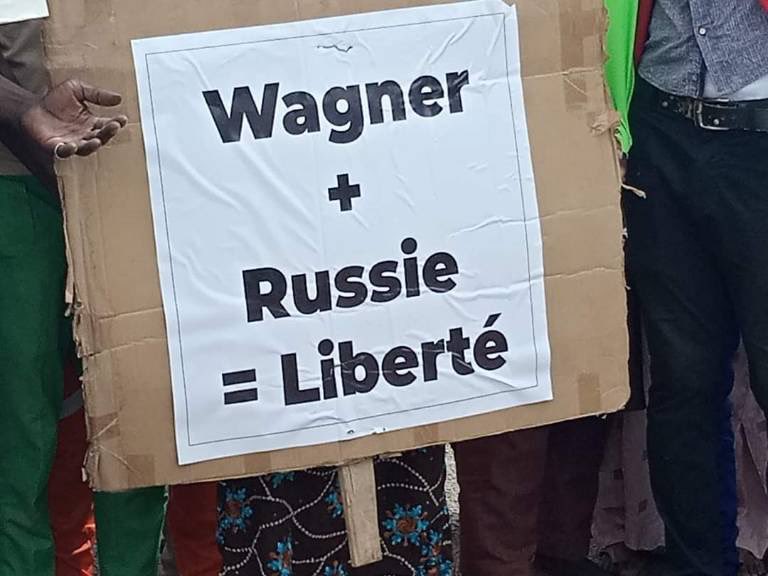
Wagner Russia Niger
How realistic is an open conflict with France?
Experts point out several reasons why a large‑scale conventional war between Niger and France remains unlikely: France is cautious about direct military interventions in a region where its presence has become politically toxic; any intervention would carry heavy diplomatic, legal and logistical costs; and Niger's own military limitations constrain offensive options. By the same token, localised skirmishes, proxy escalations or cyber/ information warfare remain plausible and dangerous alternatives. The current rhetoric, therefore, may be as much about deterrence and domestic legitimation as about immediate battlefield plans.
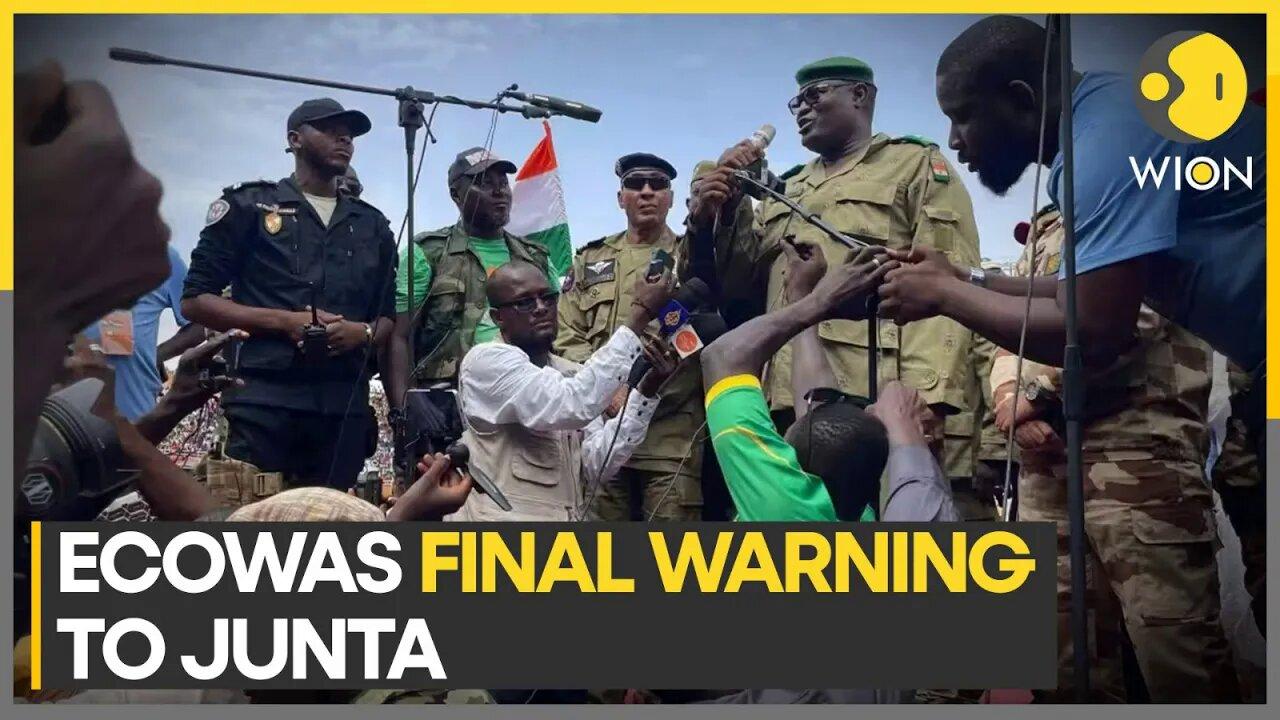
ECOWAS Niger crisis
Diplomatic and Economic Fallout
Even short of direct military confrontation, the mobilization has consequences. France and European partners will reassess their diplomatic postures and development engagements; corporations tied to resource extraction face legal uncertainty; and regional trade can be disrupted by destabilised supply lines. European governments, already wary of migration and instability from the Sahel, are likely to increase political pressure while balancing the risks of escalation. citeturn0search1
Humanitarian consequences
Mobilization and intensified conflict risk deepening displacement, constricting humanitarian access, and diverting scarce national revenue away from services. International aid groups — some of which have already been expelled — may struggle to operate, and civilians in conflict zones would bear the brunt of any sustained insecurity. The social cost of a militarised society is long‑term: interrupted schooling, fractured local economies and trauma that can outlive any single conflict.
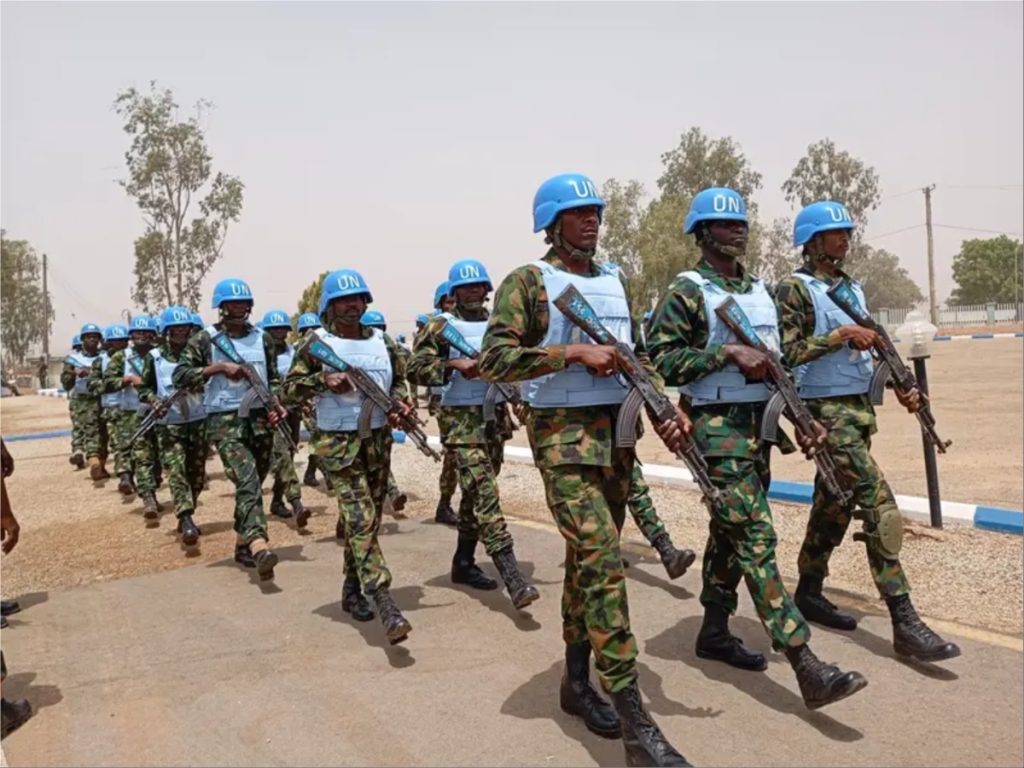
Nigerien army mobilization
Scenarios to Watch
The coming months could unfold along several paths:
- De‑escalation: International mediation and back‑channel talks reduce tensions, and the mobilisation remains mostly symbolic.
- Proxy escalation: Niger and France avoid direct combat but support opposing local actors or engage in cyber and information campaigns.
- Limited military clash: An isolated confrontation occurs, most likely localized and framed by specific incidents rather than a full strategic campaign.
- Wider regional spiral: The dispute drags in allied Sahel states, raising the spectre of a broader, costlier conflict across vulnerable borders.
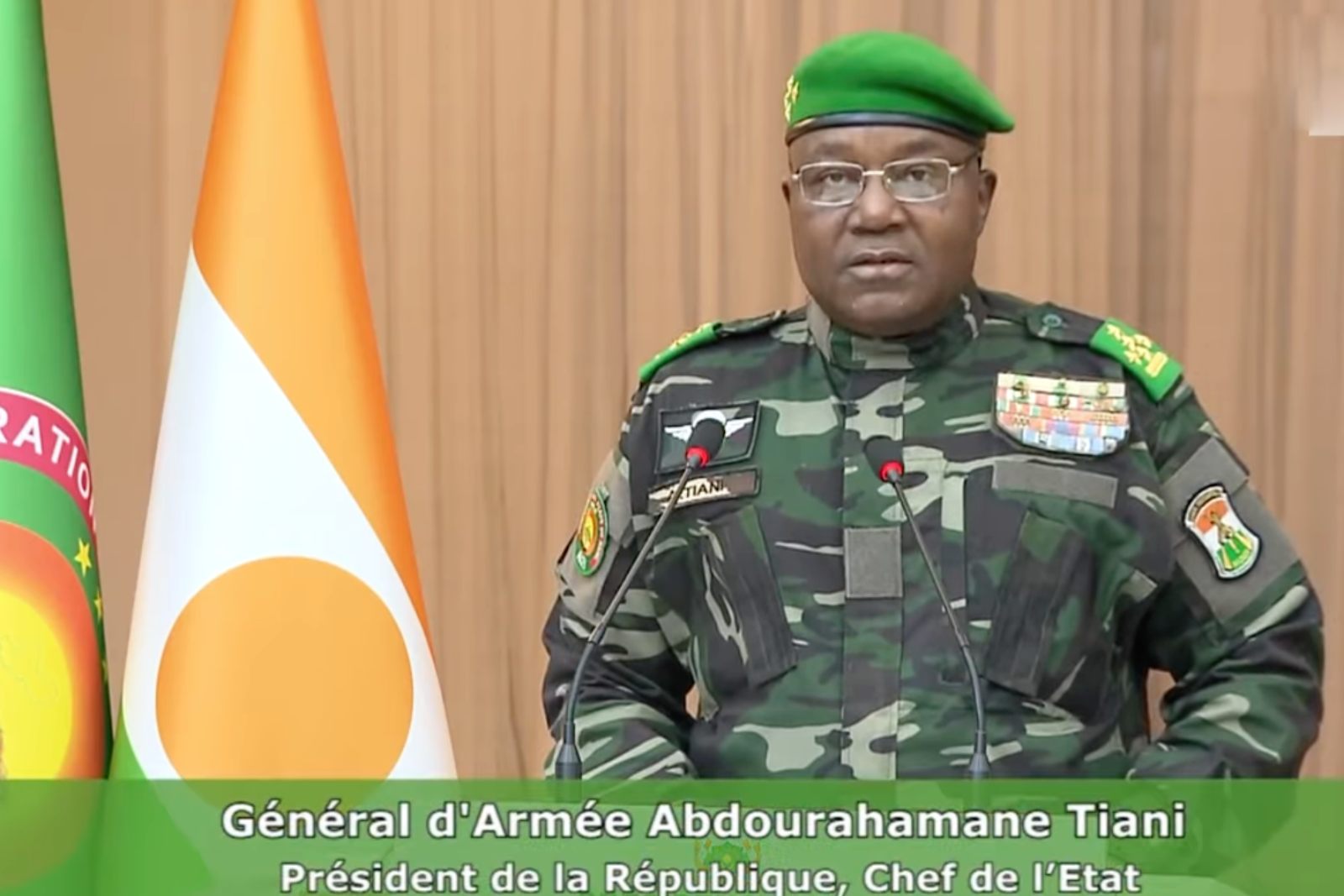
Abdourahamane Tiani
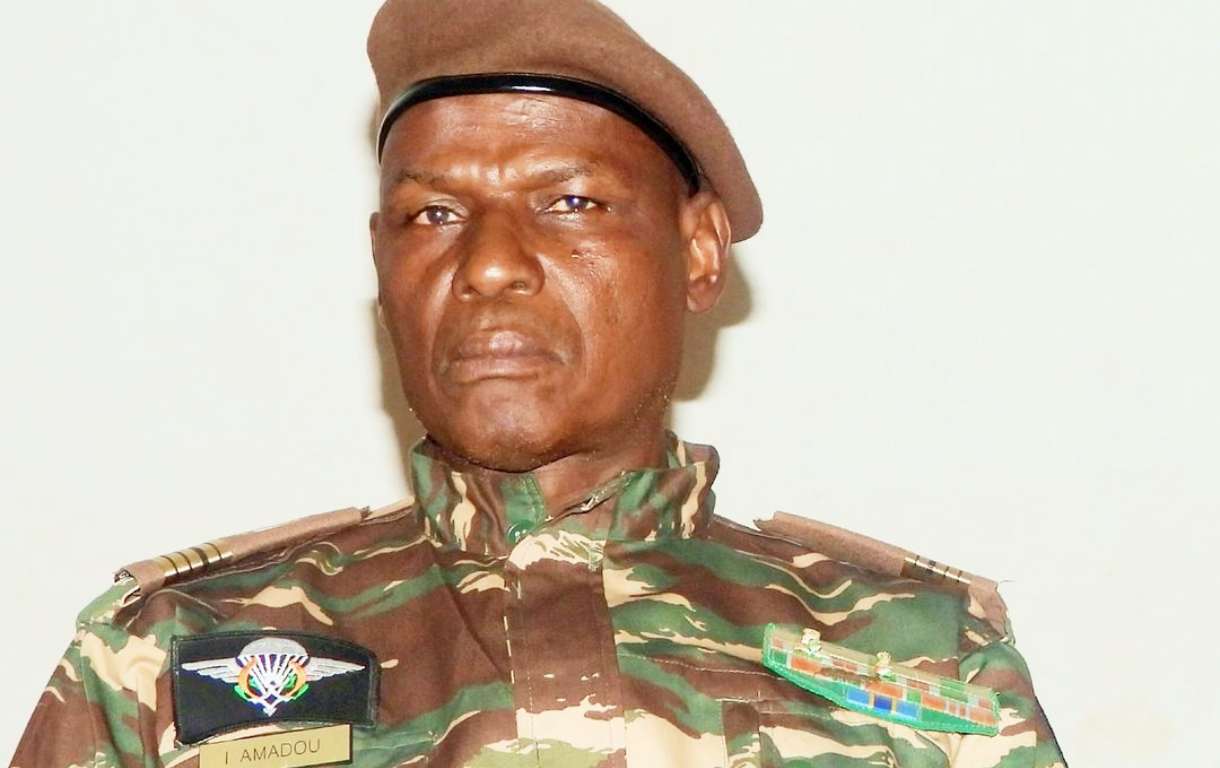
Ibro Amadou Bacharou
How the International Community Can Respond
Practical international responses should balance pressure and engagement: protect civilians by pressing for humanitarian access, support de‑escalatory mediation, and maintain targeted sanctions that minimize harm to ordinary people while signaling consequences for escalatory acts. Military options should be a last resort and must be weighed against the risk of amplifying the junta's domestic legitimacy. Diplomatic creativity — using regional bodies, African Union mechanisms and trusted mediators — will be essential.
Sahel security crisis
Conclusion
Niamey's proclamation of general mobilisation to "prepare for war with France" is a dramatic marker in a longer story of shifting alliances, resource contention and regional insecurity. Whether the mobilisation proves rhetorical theatre or a prelude to deeper conflict will depend on choices made in capitals from Niamey to Paris, and in power centres across the Sahel. For now, the immediate priority for the international community should be averting humanitarian harm and encouraging pathways to dialogue that remove incentives for escalation. citeturn0search0turn0news13
- Niamey has enacted a general mobilisation and publicly framed France as a likely adversary, raising the stakes in a long‑running post‑coup standoff. citeturn0search0
- The dispute mixes security, resource nationalism (including a dispute involving Orano) and domestic politics, complicating diplomatic remedies. citeturn0search1
- Operational limits — logistics, training and equipment — temper the prospect of large‑scale conventional warfare, but proxy and regional escalations are real risks. citeturn0search3turn0news12
- Humanitarian impacts and regional stability are at stake; international actors should prioritize protection, mediation and measured pressure.