
How to Identify a Kidnapping Victim: Lithuanian PSA Guide

Lithuanian emergency number 112
The moment between noticing something off and deciding to act is often measured in seconds. In that window, a curious look, a photo on a phone, or a call to the right number can change the outcome for someone in danger. This guide translates public-safety urgency into practical, confident steps: how to spot signs that a person may have been kidnapped, what clues matter, and what to do — safely and effectively — in Lithuania's cities, roads, and coasts.
WHY THIS PSA MATTERS
Lithuania, like any modern nation, faces challenges from organized crime, opportunistic abductions, and transnational trafficking. While high-profile kidnappings are rare, many incidents begin with subtle patterns: a person isolated at a transport hub, repeated sightings of the same car near residential areas, or a loved one who suddenly disappears after an ambiguous phone call. Awareness is not fearmongering; it’s an act of civic responsibility that helps families, neighborhoods, and first responders close the gap between suspicion and intervention.
Understanding scope and intent
Kidnapping can range from abduction for ransom, sexual exploitation, forced labor, to short-term unlawful restraint used during theft. The motive shapes the pattern. For example, opportunistic abductions are more likely to occur in transit-heavy areas; organized trafficking may use elaborate transport and false documents. Recognizing context helps you know what to look for and whom to tell.
Most rescues begin with someone noticing and reporting something small — a detail others might dismiss.
SIGNS TO RECOGNIZE: PHYSICAL INDICATORS
Physical signs are concrete, sometimes obvious, sometimes subtle. They often point to immediate danger or recent trauma. Look for these indicators with sensitivity — victims may be embarrassed, disoriented, or deliberately coached to lie.
Visible injuries and restricted movement
Bruises, abrasions, bandaging, sprains, or limping that appear suddenly and without a believable explanation can signal violence or struggle. Signs of restraint — marks on wrists, ankles, or neck — are especially concerning. Restricted clothing (e.g., torn garments, clothing that looks layered to hide marks) should raise alarm.
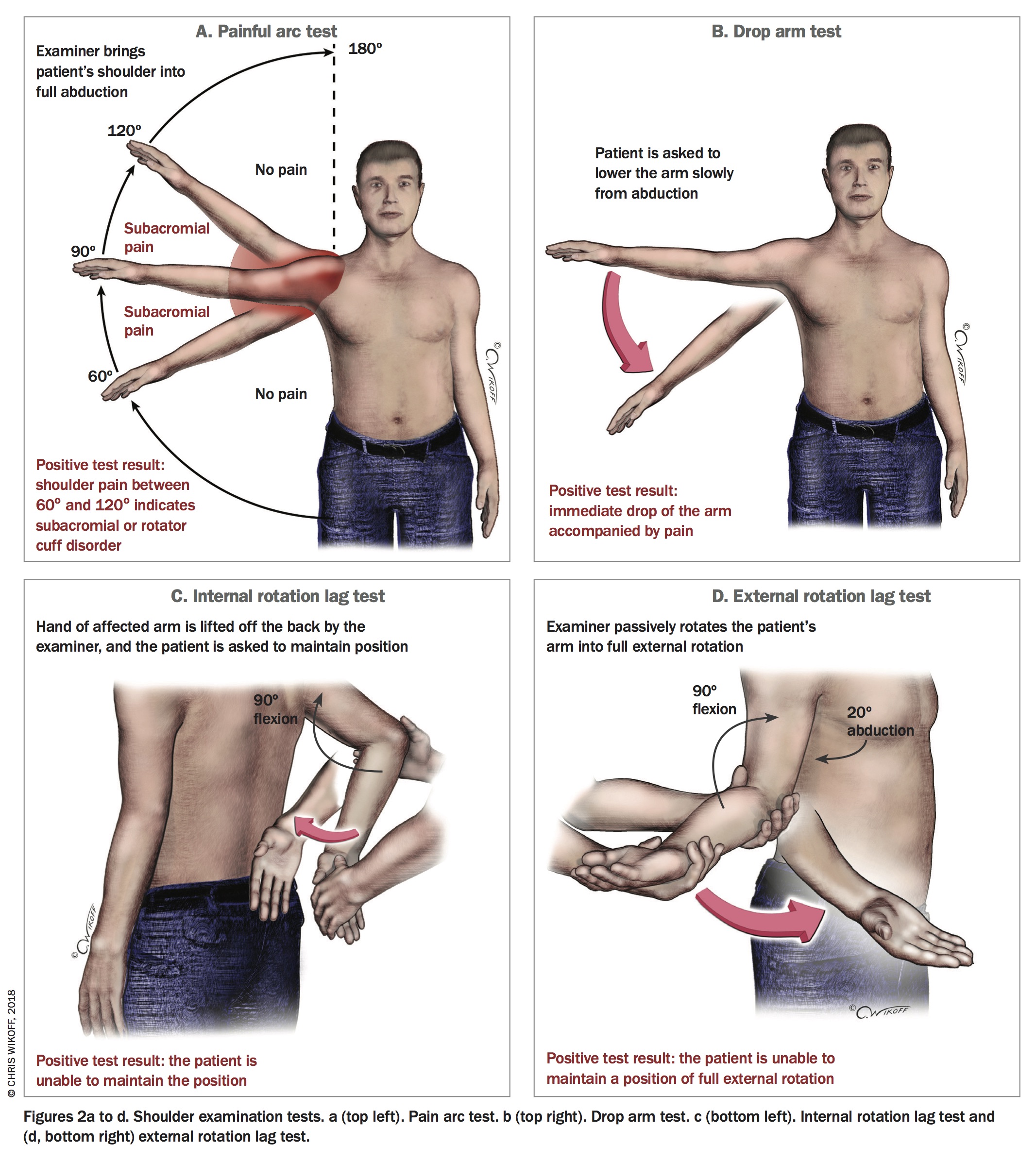
abduction signs physical indicators
Disorientation and altered appearance
Victims may appear confused, overly tired, or incoherent. They might have an unfamiliar accent, clothing that doesn’t fit the season, or lack essentials (wallet, phone, ID). In some cases, perpetrators force a change of appearance — cutting hair, changing clothes — to hinder identification.
Signs of sudden deprivation
Look for dehydration, untreated wounds, or signs of poor nutrition when these contrast with the person’s usual condition. A person who was once well-groomed and suddenly shows neglect may be under coercion or in transit with limited resources.
BEHAVIORAL INDICATORS
Behavior often reveals more than words. Victims might avoid eye contact, use scripted language, or show extreme deference to an accompanying individual. Learn the behavioral patterns that frequently accompany abduction and coercion.
Unnatural hesitation or scripted replies
When a person gives unnatural, repetitive, or overly vague answers about where they are going or who they are with, they may be under instruction not to reveal the truth. Another sign: a companion answers every question for them, or the companion's eyes constantly scan for witnesses.
Fearful glances and controlled body language
A victim's gaze may flick toward escape routes or seek help from strangers. Conversely, some victims will avoid attention entirely, blending in, remaining silent, and refusing aid out of fear of retaliation. Both responses are red flags.
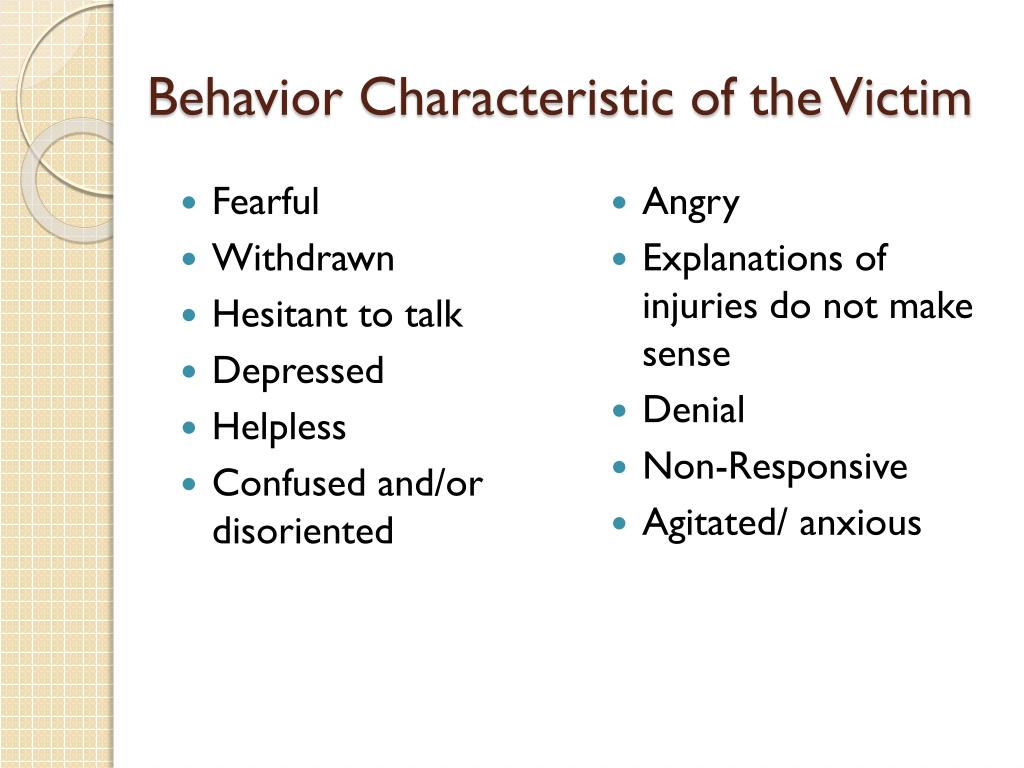
victims behavior fearful glances
ENVIRONMENTAL CLUES: VEHICLES, ROUTES, AND TIMING
Abductions frequently leave traces not just on people but in the environment. Vehicles, travel paths, and timing patterns are often the clearest clues for witnesses and investigators.
Vehicles and license plates
Note vehicle make, model, color, and registration plate. Also notice anything unusual: temporary plates, foreign plates, trailers, tinted windows, or vehicles appearing repeatedly near schools, parks, or housing blocks. If you cannot safely get close, snap a photo from a distance with your phone if possible.

vehicle description license plate
Transit hubs and common routes
Train stations, bus stops, ferry terminals, and border checkpoints are transit points where abductors may attempt to move victims quickly. In Lithuania, major hubs and long-distance roadways connecting to neighboring countries are particularly relevant. Repeated loitering near such sites by the same person or vehicle deserves attention.

transport hub ferry port
Time patterns
Take note if suspicious activity happens at predictable times — late at night near parks, during shift changes, or when local events draw crowds. Predictability can reveal tradecraft or a predetermined schedule used by perpetrators.
WHAT TO DO WHEN YOU SUSPECT A KIDNAP
Acting quickly and correctly can save lives. Your actions should maximize information gathered, preserve safety, and accelerate official response.
Immediate actions for witnesses
1) Observe discreetly. Record details: appearances, vehicle descriptors, direction of travel, time, and any spoken words. 2) Avoid confrontation. Do not physically intervene unless you are sure it’s safe. 3) Call emergency services immediately. In Lithuania and EU countries dial 112 for police and emergency response. If calling is unsafe, use text-based reporting options if available, or alert staff nearby who can call on your behalf.
How to report effectively
When you contact police, be concise but thorough: give exact time, location, a description of the person(s) and vehicle, and the last known direction of travel. If you have photos or video, tell the dispatcher. Provide contact details so investigators can follow up. If you are unsure whether a crime has occurred, report anyway — it’s better for officials to rule out suspicion than to miss an opportunity to help.
HOW TO HELP A SUSPECTED VICTIM SAFELY
If you encounter someone who may be a victim and direct contact appears safe, certain approaches increase trust and reduce risk.
Opening lines that are non-threatening
Use neutral phrases that offer help without demanding answers: "Do you need help?", "Is everything OK?" or "Can I get you a phone call?" Avoid accusatory language that could escalate the situation.
Support without pressure
If a person accepts help, offer water, a phone charger, or a quiet place to sit. If they refuse, respect that choice and shift efforts to documenting and reporting details to authorities. Victims may be protecting themselves or others out of fear.
FAMILIES: WARNING SIGNS A LOVED ONE MAY BE ABDUCTED
Families often notice the earliest warning signs. Some are immediate; others develop over weeks. Early recognition and action can prevent escalation.
Changes in routine or unexplained absences
A sudden inability to contact someone, missed appointments without explanation, or a person failing to return from daily activities are significant reasons to act. Keep records of last known locations, contacts, and times of disappearance.
Unusual contacts or secrecy
New relationships that are secretive or accompanied by contradictory stories about time and place are concerning. Be especially wary of requests to travel or move across borders with incomplete documentation or under unusual terms.
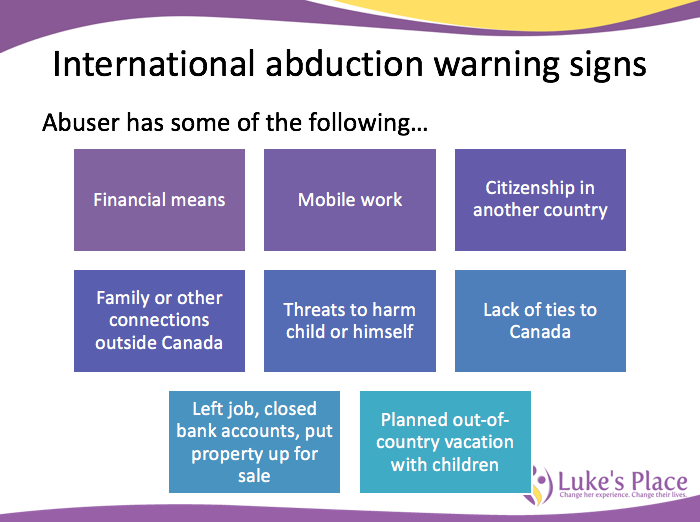
family warning signs abduction
FIRST RESPONDERS AND COMMUNITY ACTION
First responders and community groups play a central role. Timely, coordinated action increases the chance of safe recovery.
What police and emergency teams look for
Investigators combine witness reports, video footage, mobile-device pings, and traffic monitoring. Your clear, timestamped observations can plug into this matrix. If you supplied photos or video, preserve the original files and timestamps; copy them to another device before sharing if possible.
Community vigilance without vigilantism
Organize neighborhood watches, but emphasize reporting to authorities rather than taking matters into your own hands. Community groups can map suspicious patterns — repeated vehicles, unknown individuals — and share that information with police through formal channels.
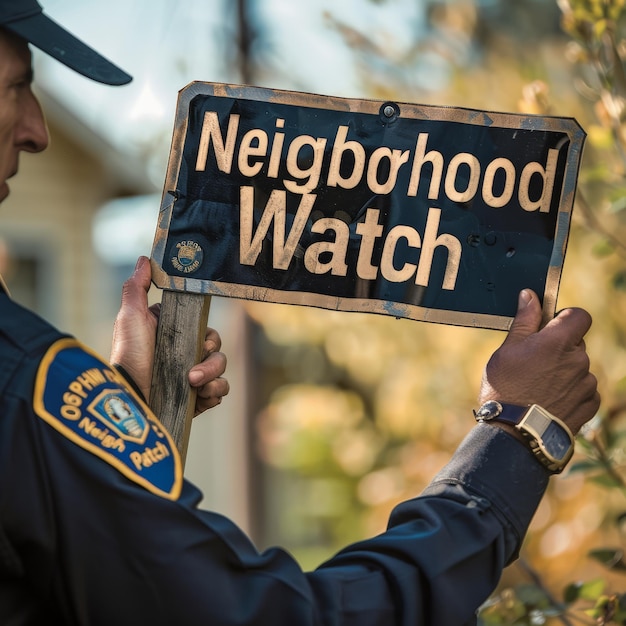
community vigilance neighborhood watch
LEGAL, ETHICAL, AND CULTURAL CONSIDERATIONS IN LITHUANIA
Understanding legal and cultural context helps in choosing the right path. Never assume a person’s claim is false; cultural, language, or immigration status can complicate disclosure. Respect privacy while ensuring safety.
Who to contact
Prioritize emergency services first. After immediate danger has been addressed, consider contacting local NGOs, victim support services, or embassy/consular services for foreigners. If you are a business or institution, follow your internal safeguarding policy and cooperate with authorities.
Privacy and evidence preservation
Do not publicly share identifiable images of suspected victims on social media. While well-intentioned, that can endanger victims, spread misinformation, and complicate police work. Instead, supply evidence directly to law enforcement.

surveillance tips evidence preservation
PREVENTION: REDUCING RISK BEFORE IT HAPPENS
Prevention is a mix of individual habits and community systems. Small, consistent measures reduce vulnerability.
Personal safety habits
Keep emergency contacts updated, share live-location details with trusted family for high-risk trips, and plan travel routes that avoid isolated paths. Teach children to use code words with guardians, and encourage adults to notify a friend when plans change unexpectedly.
Infrastructure and public measures
Well-lit public spaces, visible police patrols, and functioning surveillance in transit hubs all deter opportunistic crime. As a community member, report malfunctioning streetlights, broken cameras, or unsafe routes to municipal authorities.
SPECIAL CONSIDERATIONS: TRAFFICKING, FORCED MARRIAGE, AND CROSS-BORDER MOVEMENT
Some kidnappings are part of broader trafficking networks or cross-border exploitation. Signs can include someone being moved with many belongings but lacking documents, or being accompanied by people who control access to phones and identification.
Indicators of trafficking
Watch for groups that rotate caregiving, people living in crowded or unusual locations, or someone clearly being controlled by others who speak for them. Financial exploitation often accompanies trafficking: watch for unpaid labor, withheld wages, or sudden transfers of money.
CONCLUSION: YOUR ROLE IN SAFETY
Citizenship is a shared effort. You don’t need to be a detective to help save someone’s life. Attention, a clear report, and respect for safety protocols are the most powerful things you can offer. Lithuania’s safety net is strongest when communities and authorities work together quickly and thoughtfully.
- Observe, don’t confront: Document details and call emergency services.
- Look for patterns: Repeated sightings or vehicles are important evidence.
- Protect privacy: Share evidence with police, not social media.
- Prevention helps: Personal habits and community infrastructure reduce risk.
If you suspect an immediate abduction, call emergency services now. For non-urgent concerns, contact local authorities or victim-support organizations.